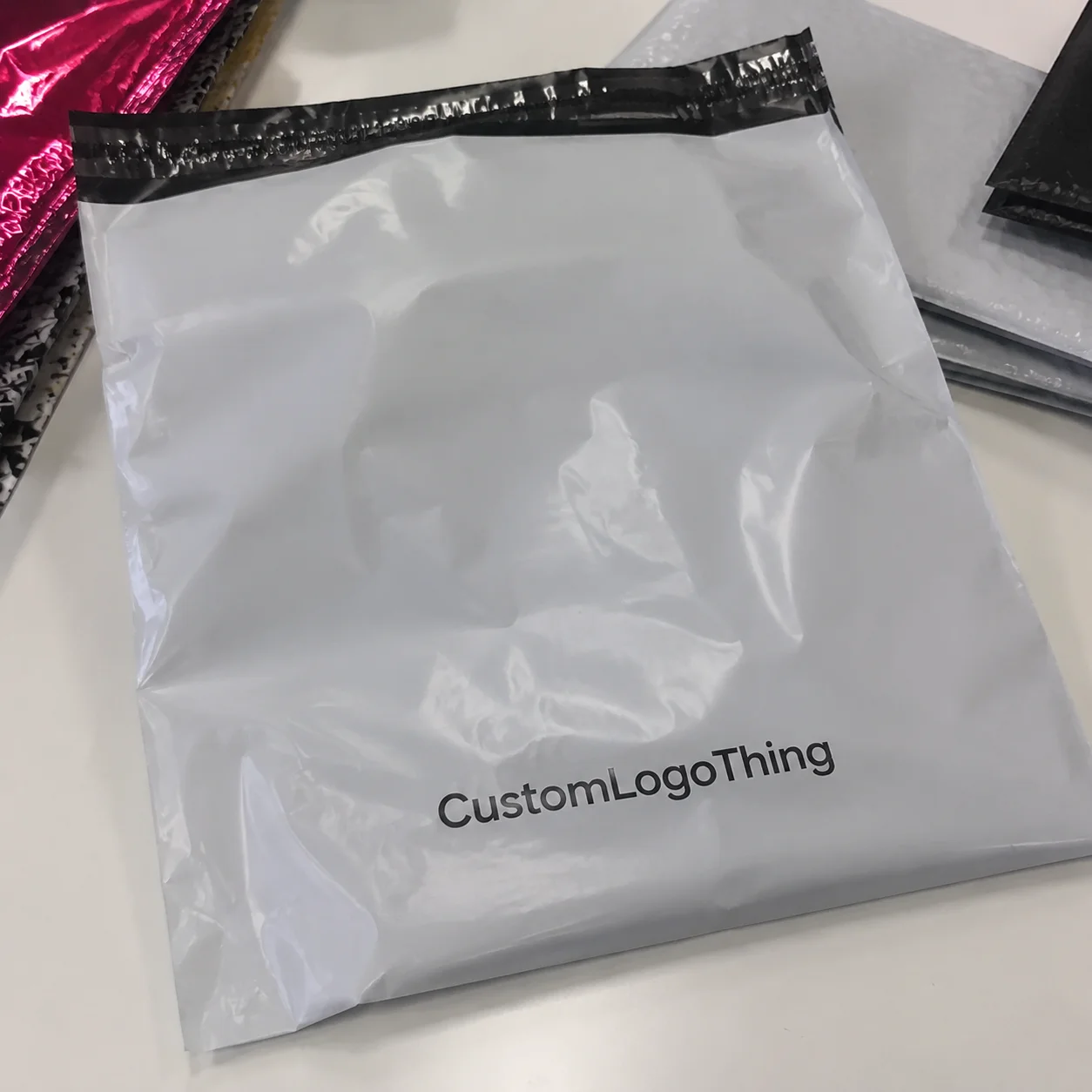
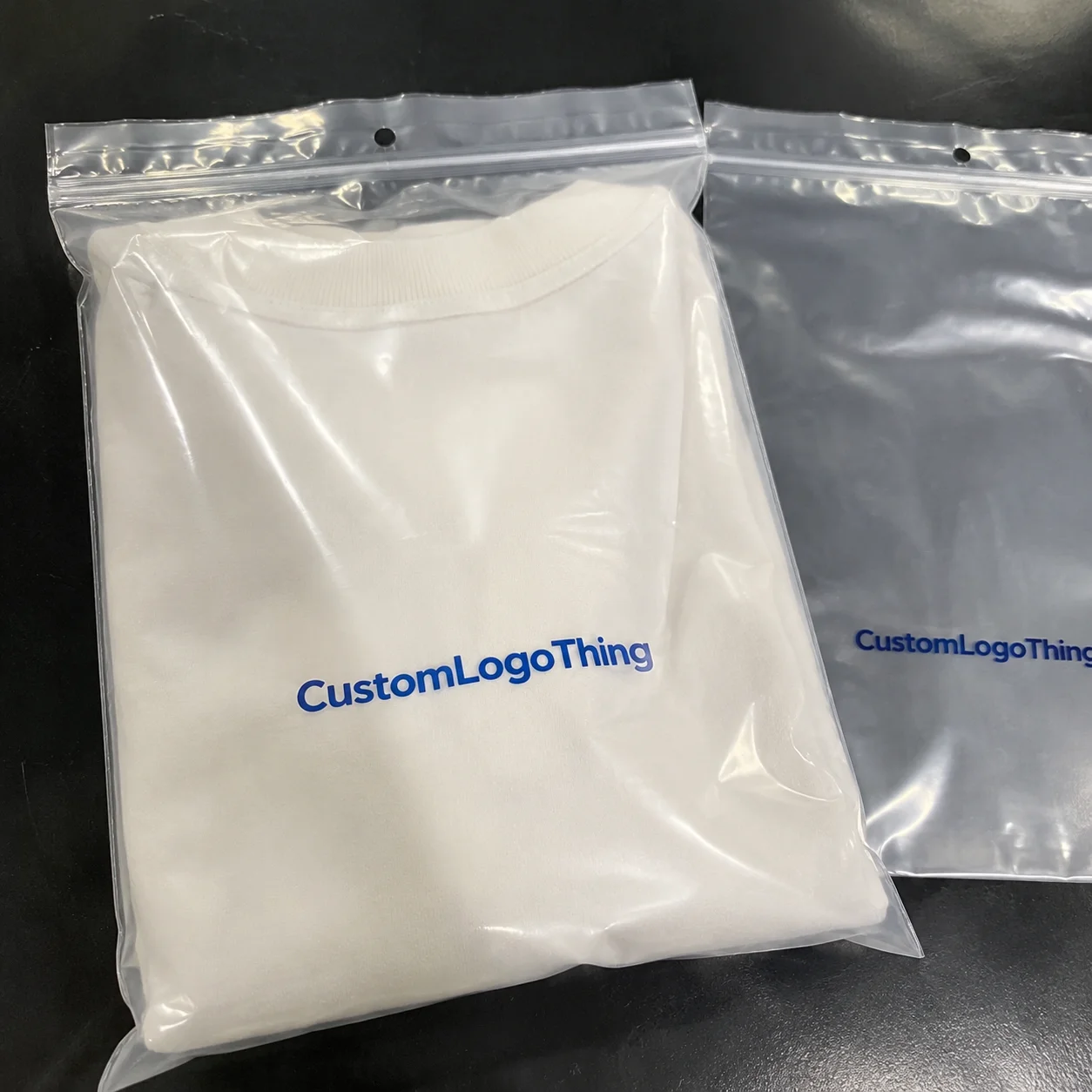
Buyer Fit Snapshot
| Best fit | Design Eco Packaging for Business projects where brand print, material claims, artwork control, MOQ, and repeat-order consistency need to be specified before quoting. |
|---|---|
| Quote inputs | Share finished size, material target, print colors, finish, packing count, annual reorder estimate, ship-to region, and any compliance wording. |
| Proofing check | Approve dieline scale, logo placement, barcode or warning zones, color tolerance, closure strength, and carton packing before bulk production. |
| Main risk | Vague material claims, crowded artwork, missing packing details, or unclear freight terms can make a low unit price expensive after revisions. |
Fast answer: Design Eco Packaging for Business: Material, Print, Proofing, and Reorder Risk should be specified like a repeatable production item. The safest quote records material, print method, finish, artwork proof, packing count, and reorder notes in one written spec.
Production checks before approval
Compare the actual filled-product size with the drawing, then confirm tolerance on folds, seals, hang holes, label areas, and retail display edges. Reserve space for logos, QR codes, warning copy, and material claims before decorative graphics fill the panel.
Quote comparison points
Review material grade, print process, finish, sampling route, tooling charges, carton quantity, and freight assumptions side by side. A quote is only useful when the supplier can repeat the same color, closure quality, and packing count on the next order.
I remember standing on a factory floor in Shenzhen, staring at a pallet of beautifully printed cartons that were, frankly, doing too much. The client wanted them to look “premium” and “earth-conscious,” which is how I ended up holding a box that weighed 148 grams while the product inside weighed 92 grams. Then I watched the freight manager do the math on a shipment of 4,000 units to Los Angeles and quietly lose the will to live. That moment stuck with me, because if you want to know how to design eco packaging for business, the answer is rarely about making packaging look greener. It’s about making it work better with less waste, less confusion, and less empty air.
And yes, I do mean less empty air. I’ve seen packaging redesigns cut board usage by 12% to 25%, improve pallet efficiency by 8% to 14%, and still look sharp on a shelf in Manchester or Melbourne. I’ve also seen the opposite: glossy “eco” boxes that drove freight costs up 11% because they were oversized and badly stacked, adding almost $0.04 per unit on a 20,000-unit run. Pretty does not automatically mean responsible. Honestly, I think that’s the first myth businesses need to drop.
That’s why how to design eco packaging for business is not just a branding exercise. It’s a materials decision, a shipping decision, and a margin decision. If you get it wrong, you pay for empty space, damaged goods, and customer confusion. If you get it right, you can cut waste and still create Packaging That Feels credible in hand. That balance matters more than any leafy icon ever will, especially when a carton has to survive 1,200 miles by road from Chicago to Dallas or 18 days by sea from Ningbo to Rotterdam.
In my experience, businesses usually begin with the wrong question. They ask, “Which green material should we use?” The better question is, “What does this package need to do, and what is the lowest-impact way to make it do that?” That shift changes everything about packaging design, from structure to print coverage to end-of-life claims. It also saves you from some truly tedious supplier meetings in Dongguan, Ho Chi Minh City, or Bratislava, which can feel like watching paint dry in a warehouse with fluorescent lights.
What Eco Packaging Really Means for Business
Eco packaging is not a style. It’s a performance standard. In business terms, it means reducing material use, choosing recycled or renewable inputs where they make sense, improving recoverability, and lowering shipping impact without creating a new problem somewhere else. I’ve seen teams buy “sustainable” custom printed boxes that used three materials, two coatings, and a glossy foil logo. That is not eco packaging. That is a marketing story with a freight bill attached, and sometimes a unit cost that lands at $0.42 instead of $0.19 because the structure was never simplified.
How to design eco packaging for business starts with function. Does the package protect the product? Does it fit tightly enough to reduce void fill? Can a customer sort it into recycling in under 30 seconds without needing a family group chat and a small flashlight? Those are the questions that matter more than a decorative leaf on the carton. A package that uses 350gsm C1S artboard for a lightweight serum set can be more responsible than a thick, overlaminated premium sleeve that looks like it was designed to impress a boardroom rather than a buyer.
Here’s what many people get wrong: they assume compostable always means better. Not always. Compostable packaging only helps if your customers actually have access to industrial composting, and only if the package is certified and designed for that stream. I once reviewed a subscription brand’s packaging line where the team had specified compostable mailers for every order, but 82% of their customers lived in regions without commercial compost facilities. The result was a feel-good claim with weak real-world impact. The mailers were “eco” in theory and awkward in practice, which is a very expensive way to be vague.
Similarly, kraft paper is not automatically sustainable. Kraft can be a strong option, but if the board is overbuilt, heavily inked, laminated, or shipped in an oversized format, the environmental benefit shrinks fast. Sustainable Packaging for Business is not a color choice. It is a system choice. I’ve had clients tell me, with surprising confidence, that if something is brown, it must be better. The planet, annoyingly, does not accept that logic as a formal policy. A 300gsm kraft carton with a water-based coating may be smarter than a 450gsm liner board wrapped in plastic film, but only if the structure, shipping lane, and disposal route all make sense.
“The best eco package I’ve approved in the last 18 months wasn’t the prettiest. It was the one that cut board weight by 14%, reduced breakage by 9%, and used a single-material structure that customers could actually recycle.”
That’s the practical lens I use when advising clients on how to design eco packaging for business. Think about waste, freight, customer perception, and margins together. If one improves while the other two collapse, the design is not ready. A package has one job, then another, then another: protect, ship, sell, and finally exit the system without drama. On a 50,000-unit launch, a 2-cent difference in packaging can mean $1,000 either way, which is exactly the kind of number finance teams notice.
How Eco Packaging Works Across the Supply Chain
Packaging does not live in a vacuum. It starts with sourcing and converting, moves through filling and shipping, lands on a doorstep or retail shelf, and ends with reuse, recycling, or disposal. Every step has environmental consequences. A package that looks efficient in a CAD file can fail badly once it hits a real packing line or a rough parcel network. CAD files, I have found, are often charmingly optimistic, especially before a carton gets packed 300 times a day in a factory near Guangzhou or Kaohsiung.
Freight is a good example. A box that is 8% smaller in each dimension may reduce dimensional weight enough to save several cents per shipment, and on a six-figure annual volume that becomes real money. I’ve seen a personal care brand save more than $18,000 a year simply by shaving 0.75 inches from carton height and reworking the insert. That change also reduced pallet overhang, which cut corner crush complaints by 23% over the next quarter. Better structure, lower cost, less waste. It was one of those rare moments when the finance team and the operations team both looked relieved at the same time.
The recovery side matters too. A package can be technically recyclable but practically unrecyclable in the customer’s local system. Local recycling infrastructure varies by city and by material grade. A mono-material paperboard carton is easy to understand, but if it’s lined with a polymer film or coated with a heavy barrier layer, the recovery path changes. This is why how to design eco packaging for business has to consider the end user’s actual disposal options, not just a material spec sheet. Real life, annoyingly, does not read the specification sheet before throwing things away, whether the package ends up in Seattle, São Paulo, or Singapore.
Let’s separate the common terms, because they’re not interchangeable:
- Recyclable: can be processed again in a suitable local system, assuming the consumer sorts it correctly.
- Recycled-content: contains recovered material, such as 30% post-consumer fiber.
- Biodegradable: can break down under certain conditions, but the conditions matter a lot.
- Compostable: designed to break down in composting systems, often with certification requirements.
For business buyers, the question is not which label sounds best. It’s which label matches the package format, the product category, and the geography of your customers. I’ve sat in supplier negotiations in Taichung and Warsaw where a vendor pushed biodegradable claims for a rigid mailer that still contained mixed polymer layers. That kind of mismatch creates risk, and not just environmental risk. It can trigger customer complaints and regulatory headaches. Nothing kills a “sustainable” launch faster than a label that sounds nice but can’t survive scrutiny.
If your brand wants credibility, align the package with recognized standards such as ISTA test methods for transit performance and, where relevant, FSC sourcing for paper-based components. Standards don’t solve every problem, but they reduce guesswork. That matters when you’re trying to design product packaging that behaves well from pallet to porch, especially when your customers are shipping from a 10,000-square-foot warehouse in New Jersey or a 250-square-meter fulfillment center in Lyon.
Key Factors to Consider Before Designing Eco Packaging
Before you sketch a single dieline, gather the facts. I’m talking product dimensions, weight, breakage history, shipping lanes, shelf life, and whether the package needs tamper evidence or moisture resistance. A soap brand and a frozen food brand do not need the same answer to how to design eco packaging for business. That sounds obvious, yet I’ve seen teams copy a competitor’s box style and then wonder why their product sweats, dents, or arrives split open after a 900-mile truck run from Atlanta to Miami. I wish I were making that up. I really do.
Material selection
Common starting points include paperboard, corrugated board, molded pulp, and recycled-content mono-material plastics. The right choice depends on product fragility, moisture exposure, weight, and how the item will be shipped. A 350gsm C1S paperboard carton may be perfect for a lightweight cosmetic kit, while a 32 ECT corrugated shipper may be the better option for a heavier accessory pack. Molded pulp works beautifully for inserts when you need cushioning without foam, but it is not a cure-all for water-sensitive products. In a humid market like Jakarta or Bangkok, a paper format with a water-based barrier may outperform an uncoated version by a wide margin.
I’ve seen molded pulp inserts cost $0.18 to $0.31 per unit at 5,000-piece volumes, depending on cavity depth and tooling. Compare that with folded paperboard at roughly $0.09 to $0.14 per unit for simpler structures. The cheapest unit price is not always the lowest total cost, especially if the cheaper option increases returns by 4%. That return rate can eat your margin faster than anyone on the sales side wants to admit. Add another $0.06 per unit in reverse logistics and the “cheap” choice starts to look expensive very quickly.
Structural efficiency
Right-sizing is where a lot of sustainability gains hide. Reduce void fill. Nest components. Minimize layers. Use the smallest structure that still passes drop, compression, and vibration testing. One beverage client I worked with had an insert system with six pieces. We redrew it into two locking parts and saved 18% on board usage. The package also packed 9% more efficiently in master cartons. Less material, fewer assembly steps, lower freight weight. That’s the kind of math buyers should demand, especially when a corrugated carton in Toronto costs $0.22 at 10,000 units and a poorly optimized version lands at $0.29.
How to design eco packaging for business gets easier when structural efficiency is treated as a first-class requirement, not an afterthought. A simple structure is usually easier to recycle, easier to assemble, and easier to scale. It also gives your production team fewer chances to mutter under their breath while they’re packing orders, which I consider a meaningful operational metric. If an order packer in a facility outside Birmingham can assemble a carton in 7 seconds instead of 13, the labor savings compound quickly.
Brand presentation
Eco packaging still has to sell. That does not mean covering every surface with ink. A restrained print layout, an uncoated paper feel, or a single-color logo can communicate premium quality better than a busy full-bleed design. I’ve had clients worry that a low-ink package would look “cheap.” Then we sampled three versions side by side, and the cleanest one looked most confident. Not louder. More certain. In one case, a matte 2-color print on 310gsm recycled board outperformed a four-color laminated version in buyer feedback by 17 points.
Branding choices affect recovery too. Heavy varnishes, foil stamping, and plastic windows can interfere with recycling. If you need branded packaging that feels special, consider tactile paper textures, blind embossing, or smaller print areas instead of mixed-material decoration. Good package branding should support the product, not compete with the environmental story. A simple emboss on a 400gsm carton in Amsterdam can feel more premium than a foil stamp that costs an extra $0.08 and complicates recycling at the curb.
Compliance and product needs
Food-safe inks, grease resistance, moisture barriers, shelf-life requirements, and tamper evidence all change the decision. Some products demand barrier coatings or inner liners. That is not a failure of sustainability; it is a reality of product protection. The point is to choose the least problematic option that still protects the product. If a brittle snack bar arrives crushed, the replacements may create more waste than a slightly heavier package would have. And then everyone gets to enjoy the delightful sound of customer service tickets piling up in a queue that reaches 600 messages by lunchtime.
Cost and pricing
Unit price matters, but it is not the whole ledger. Ask for tooling costs, minimum order quantities, freight rates, pallet counts, and packing-line labor assumptions. A custom setup might cost $1,200 in tooling, while a stock format might cost nothing to tool but waste 12% more space in transit. On a 10,000-unit run, that tradeoff can go either way depending on your shipping model. Honest pricing analysis is part of learning how to design eco packaging for business without burning margin. If your supplier gives you a single neat number and acts like the story ends there, keep asking questions. In Shenzhen, Guangzhou, or Penang, the real quote usually lives in the line items.
| Option | Typical Unit Cost | Strength | Recovery | Best Fit |
|---|---|---|---|---|
| Paperboard carton, 350gsm | $0.09–$0.14 | Light to medium | Generally recyclable | Cosmetics, small retail packaging |
| Corrugated mailer, E-flute | $0.16–$0.28 | Medium to high | Generally recyclable | E-commerce and custom printed boxes |
| Molded pulp insert | $0.18–$0.31 | Cushioning protection | Often recyclable depending on local system | Fragile product packaging |
| Mono-material recycled-content plastic | $0.12–$0.25 | Moisture and durability | Depends heavily on local collection | Specific food, health, and industrial uses |
If you need help sourcing formats, I often direct teams to review Custom Packaging Products early in the process, especially when they’re comparing stock structures to custom-built formats. The packaging category matters as much as the substrate, and a stock mailer sourced in Chicago may not behave the same as a custom rigid box produced in Dongguan with a different caliper and glue spec.
How to Design Eco Packaging for Business: Step-by-Step
Here’s the part most teams actually need: a practical workflow. How to design eco packaging for business becomes manageable when you break it into five steps and keep one rule in mind — protect the product first, then improve the package with each revision. That sequence is boring in theory and extremely useful in practice. It also keeps you from spending $8,000 on a concept that looks beautiful and fails a 32-inch drop test on the first sample run.
Step 1: Audit the current package
Start with real data. Measure product dimensions, shipping weight, and the amount of void fill used per order. Review damage claims by SKU, not by brand as a whole. If your customer service team says “we get a lot of breakage,” ask for the exact SKUs, lanes, and failure modes. Is the box crushing? Is the insert shifting? Is the lid popping open? If your data comes from 14,000 orders shipped through a Dallas warehouse, use that, not a guess from last quarter’s launch meeting.
I once visited a warehouse where the team blamed shipping carriers for 90% of their damage. After three hours of audits, we found the real issue: the internal tray was 6 mm too short, so the product moved inside the carton and wore through the corner on impact. That kind of problem is common. The good news is it is fixable. The bad news is it usually looks embarrassingly simple once you find it. A $0.03 insert adjustment can outperform a $0.12 outer-box upgrade if the movement is the real culprit.
Step 2: Define the sustainability target
“Eco” is too vague to be useful. Pick a measurable goal. Do you want less material overall? Higher recycled content? Easier recycling? Lower freight emissions? Those are different outcomes, and they lead to different structures. If your main pain point is freight, a lighter carton may beat a recycled but heavier alternative. If your category depends on premium shelf presentation, you may need a better balance between appearance and recovery. A 20% recycled-content target means something; “greener” means almost nothing.
When I advise clients on how to design eco packaging for business, I ask them to rank these four priorities in order: protection, sustainability outcome, cost, and appearance. Their answers often reveal where the redesign should begin. And yes, sometimes they hate the exercise because it forces tradeoffs onto the table. That’s usually a sign it was worth doing. A 1,000-unit pilot in Auckland may tell you more than a month of opinions.
Step 3: Match structure and material to the product
This is the engineering stage. Pair the right board grade or polymer type with the product’s weight and fragility. Think about inserts, closures, seals, and stacking strength. For example, a 12-ounce glass bottle may need a molded pulp cradle in a corrugated shipper, while a powdered supplement jar might do fine in a single-wall paperboard carton with a tamper-evident seal. If the bottle ships from Cologne to Paris three times a week, one cracked corner can erase the savings from an over-optimized material spec.
Don’t force a material because it photographs well. I’ve seen brands insist on kraft paper for moisture-sensitive goods, only to add a plastic wrap later. That hybrid fix often creates more confusion than the original issue. A cleaner solution is usually better: one package, one job, one disposal path. Fewer moving parts means fewer things to go wrong, which is a refreshing concept in packaging. A 280gsm paperboard sleeve plus a 32 ECT outer shipper can be simpler than a single overdesigned format with hidden compromises.
Step 4: Prototype and test
Sample before you commit. Then test again. I’d rather see a client spend $600 on samples and a round of shipping tests than lose $12,000 in a failed first run. Use ISTA procedures where possible, and run real-world pack-outs with your own team. Check assembly time, fit, print registration, and how the package survives a 48-inch drop, compression load, and vibration. If the first sample comes back from a facility in Mexico City with dented corners, that is useful data, not a disaster.
If the package is for retail packaging, put it on a shelf next to competitors. Lighting changes perception more than people expect. A matte, low-ink carton can look elegant under warm retail lighting, while a glossy package may glare and lose shelf clarity. That’s why packaging design is equal parts lab and showroom. I have watched a “plain” box win over a highly decorated one simply because it looked calmer under store lights in a São Paulo pharmacy. Humans are funny like that.
Step 5: Finalize claims and artwork
Every sustainability claim should be specific and supportable. Say “made with 80% post-consumer recycled fiber” if that is true. Say “recyclable where facilities exist” if that is the correct limitation. Avoid vague terms like “earth friendly” or “planet safe.” Those phrases sound nice and prove nothing. They also make compliance people sigh, which I can assure you is not a sign of strong packaging governance. A claim that can’t survive a buyer review in London or a compliance audit in Berlin should not make it to press.
Ask your supplier for documentation: recycled-content certificates, FSC chain-of-custody references, test reports, or material declarations. If you cannot document it, don’t print it. That rule alone can save a brand from a lot of embarrassment. Honestly, I think the strongest packaging claims are the quiet ones — exact, limited, and easy to verify. A clean line like “350gsm C1S artboard, 80% recycled fiber, water-based inks” says more than three pages of marketing copy.
How to design eco packaging for business is not about chasing perfection. It is about improving the package with each test, each sample, and each round of feedback. Small improvements add up. Big promises usually don’t.
Process and Timeline: From Concept to Production
A realistic schedule saves budget and sanity. For simple updates, such as switching to a thinner paperboard or reducing print coverage, you may move from concept to approved sample in 2 to 4 weeks. For more complex structural changes, custom tooling, or compliance review, expect 6 to 10 weeks, sometimes longer if testing fails or artwork circles through legal review. I always tell teams to assume at least one surprise. Packaging, like weather, seems to enjoy proving optimism wrong, especially during summer production peaks in Vietnam or South China.
The typical sequence looks like this:
- Discovery — 2 to 5 business days to review product data, target markets, and sustainability goals.
- Dieline development — 3 to 7 business days for structural concepts and fit checks.
- Material selection — 2 to 5 business days, depending on supplier availability and specs.
- Prototype production — 5 to 12 business days for samples and mockups.
- Testing and revision — 1 to 3 rounds, depending on failures and artwork changes.
- Production approval — 1 to 3 business days once all sign-offs are in place.
- Full production — often 10 to 20 business days for standard custom packaging, longer for specialty substrates.
Where do delays happen? Usually in three places: late artwork changes, supplier lead times, and test failures. The late artwork issue is especially common. A client says the line is approved, then legal wants a claims edit, and suddenly the die line has to be rebuilt because the barcode moved. That can add a week. Custom tooling can add more. If you need a new insert mold, budget extra time for tooling and sample approval. If you don’t, the schedule will teach you humility in a hurry, often at the same moment your factory in Shenzhen is waiting for a final PDF at 11:30 p.m.
If you are planning seasonal retail packaging, plan backwards from the ship date, not from the idea date. Add buffer for freight, QA, and one unexpected revision. I’ve seen launch calendars break because a team assumed samples would pass on the first try. That rarely happens with a serious product. Packaging people are optimistic by profession; production reality is less polite, and a 12-day ocean transit from Yantian to Long Beach does not care about your campaign calendar.
For businesses learning how to design eco packaging for business, the smartest move is to lock your decision points early. Decide the product dimensions first, then the substrate, then the print spec, then the claim language. Changing the sequence usually causes rework. Rework costs money, and it also drains patience faster than a Monday morning status call. A supplier in Ho Chi Minh City can produce a pilot run in 12 to 15 business days from proof approval, but only if the spec is frozen and the artwork is actually final.
Common Mistakes That Make Eco Packaging Less Sustainable
The biggest sustainability mistakes are often the least obvious. They hide inside design choices that look responsible on paper. I’ve seen teams spend more to appear greener, while the package itself became heavier, harder to recycle, and more expensive to ship. That is the opposite of progress, and it tends to show up most clearly on a freight invoice from a fulfillment center in New Jersey or a co-packer in Kent.
How to design eco packaging for business means avoiding these traps:
- Overusing “green” materials — A heavier kraft structure can use more fiber than a smarter thin-wall alternative.
- Greenwashing claims — “Eco-friendly” means very little without numbers, certifications, or conditions.
- Ignoring disposal behavior — If customers don’t know how to sort the package, recovery drops fast.
- Mixed-material constructions — Paper plus plastic plus foil often blocks recycling.
- Skipping transit testing — Damaged products create replacement shipments, and that extra freight erases gains quickly.
I remember a supplier meeting where a brand proudly presented a carton with a bio-based coating, unbleached paper, and a recycled ribbon. It looked noble. Then we looked at the fill rate and found the package occupied 22% more shipping volume than the old one. Better optics, worse emissions. That is a common trap, and it’s maddening because it feels like progress until the numbers show up and ruin everyone’s mood. A package can add 0.5 pounds of freight weight per 24-unit case and still be called “light” if nobody checks the data.
Another mistake is assuming your customer will “figure it out.” They won’t, not consistently. If you want the package recycled, say so clearly and in plain language. If one component needs separation, make that obvious with a simple icon or instruction. Confusing instructions reduce compliance, even for motivated buyers. People will do the right thing more often if you make the right thing obvious, especially if the message fits on a 40mm-wide panel and uses plain nouns instead of branding poetry.
And please don’t forget the print process. Heavy ink coverage, full-bleed dark backgrounds, and laminated finishes can make otherwise recyclable paper formats harder to recover. That does not mean all decoration is bad. It means decoration should earn its place. If it does not improve brand value or protection, cut it. A one-color black logo on a 350gsm board often does more for recyclability than a full-coverage CMYK spread with UV varnish and a metallic accent.
Expert Tips for Better Eco Packaging Decisions
After years of sampling, QA calls, and too many conversations about board calipers, I’ve learned that the best eco packaging decisions are usually the simplest ones. They reduce ambiguity. They make packers faster. They keep freight costs down. They also tend to age better as recycling rules change. A carton that works in Amsterdam, Toronto, and Melbourne without special handling is a better bet than one built around a local exception.
Use these habits:
- Design for disassembly — If components separate cleanly, end-of-life handling gets easier.
- Reduce coatings and ink — Keep them only where they add real value.
- Standardize sizes — Fewer box sizes can improve procurement and inventory control.
- Ask for documentation — Supplier claims should come with test data or certificates.
- Test with real products — A mock product is not the same as a heavy-filled retail unit.
One of the best decisions a brand can make is to standardize outer carton sizes across multiple SKUs. I worked with a client who cut their shipping carton count from 14 sizes to 6. That reduced warehouse complexity, simplified label printing, and improved cube utilization by 8%. The sustainability win was real, but so was the operational win. That’s the kind of outcome I look for when advising on branded packaging or product packaging redesigns. Fewer sizes, fewer errors, fewer panicked reprints at 4:45 p.m. — always a good thing, especially in a warehouse where the label printer costs $1,800 and every misprint feels personal.
Another practical tip: ask your supplier for recycled-content documentation, material thickness, and compression data before you approve artwork. Too many teams choose based on appearance and get stuck later when the package fails a drop test or does not fit the packing line. If your vendor cannot tell you the basis weight, caliper, or certification trail, keep asking. If they sound offended by the question, ask twice. A manufacturer in Dongguan or Penang that can quote 32 ECT, 350gsm, and a 12-day sample turnaround is usually more useful than one who only says “premium quality” three times.
I also recommend comparing your current package against an “improved minimum viable” version, not against a dream design that needs expensive tooling. Often the smartest first move is a 10% material reduction plus better artwork discipline, not a full structural overhaul. How to design eco packaging for business is usually about tradeoffs, not perfect purity. Perfection is a lovely idea right up until it collides with a production schedule. A $0.15-per-unit change on 5,000 pieces can be much easier to approve than a $4,500 tooling redo.
For reference, organizations like the U.S. Environmental Protection Agency publish useful waste and materials guidance at EPA recycling resources, and paper sourcing questions often point back to FSC certification information. Those are not the only sources I use, but they are a good reality check when claims start getting fuzzy.
If you keep one principle in mind, make it this: the most sustainable package is the one that protects the product with the least material, the least confusion, and the cleanest recovery path available in your market.
FAQs
How do I design eco packaging for business without raising costs too much?
Start by reducing size and material use before switching to premium sustainable substrates. Compare total cost, including freight savings, damage reduction, and storage efficiency, not only unit price. Choose designs that work with your existing packing line to avoid expensive operational changes. In many cases, a 5% to 12% material reduction pays back faster than a complete structural rebuild, especially if your current carton uses 420gsm board when 350gsm would do the job.
What materials are best when learning how to design eco packaging for business?
Corrugated board, paperboard, molded pulp, and recycled-content mono-material options are common starting points. The best choice depends on product weight, moisture exposure, shipping distance, and recovery infrastructure. Avoid picking a material first; pick the performance requirement first, then match the material. That sequence prevents a lot of expensive backtracking. A 32 ECT shipper in Atlanta may be right for one line, while a 350gsm C1S carton in Utrecht may be right for another.
How long does the eco packaging design process usually take?
Simple structural changes can move quickly, while custom tooling and brand revisions take longer. Sampling and testing are often the biggest variables because they reveal whether the first idea actually protects the product. Build extra time into the schedule if you need regulatory review, retail approval, or seasonal launch coordination. A realistic buffer is 2 to 3 weeks for modest changes and 6 weeks or more for custom formats, with 12 to 15 business days from proof approval common for standard production in many factories in South China.
What is the biggest mistake businesses make with eco packaging?
They choose packaging that looks sustainable but performs poorly in transit or cannot be recovered in real-world systems. Poor performance creates replacements, returns, and waste, which can erase the environmental gains. The smartest designs balance protection, material reduction, and clear disposal guidance. In my experience, that balance matters more than any single material label, especially when a $0.02 save on the box creates a $3.50 return replacement later.
How can I tell if my eco packaging claims are credible?
Use specific, verifiable claims such as recycled content percentage, recyclability conditions, or certified compostability where applicable. Back up claims with supplier documentation and avoid broad statements that cannot be proven. Match claims to the actual package format and local disposal reality, not just the best-case scenario. If you can’t defend the claim in a buyer meeting or a compliance review, it is not ready for print. A claim like “80% post-consumer recycled fiber, printed with water-based inks, made in Shenzhen” is far easier to defend than “fully green.”
If you’re still working out how to design eco packaging for business, remember the simple framework: define the product need, reduce material wherever possible, test the structure, verify the claims, and only then lock in the artwork. That order has saved my clients from expensive mistakes more times than I can count. Eco packaging is not about looking green. It is about building packaging that earns its place, ship after ship after ship, from Guangzhou to Glasgow and from the first prototype to the 50,000th unit.