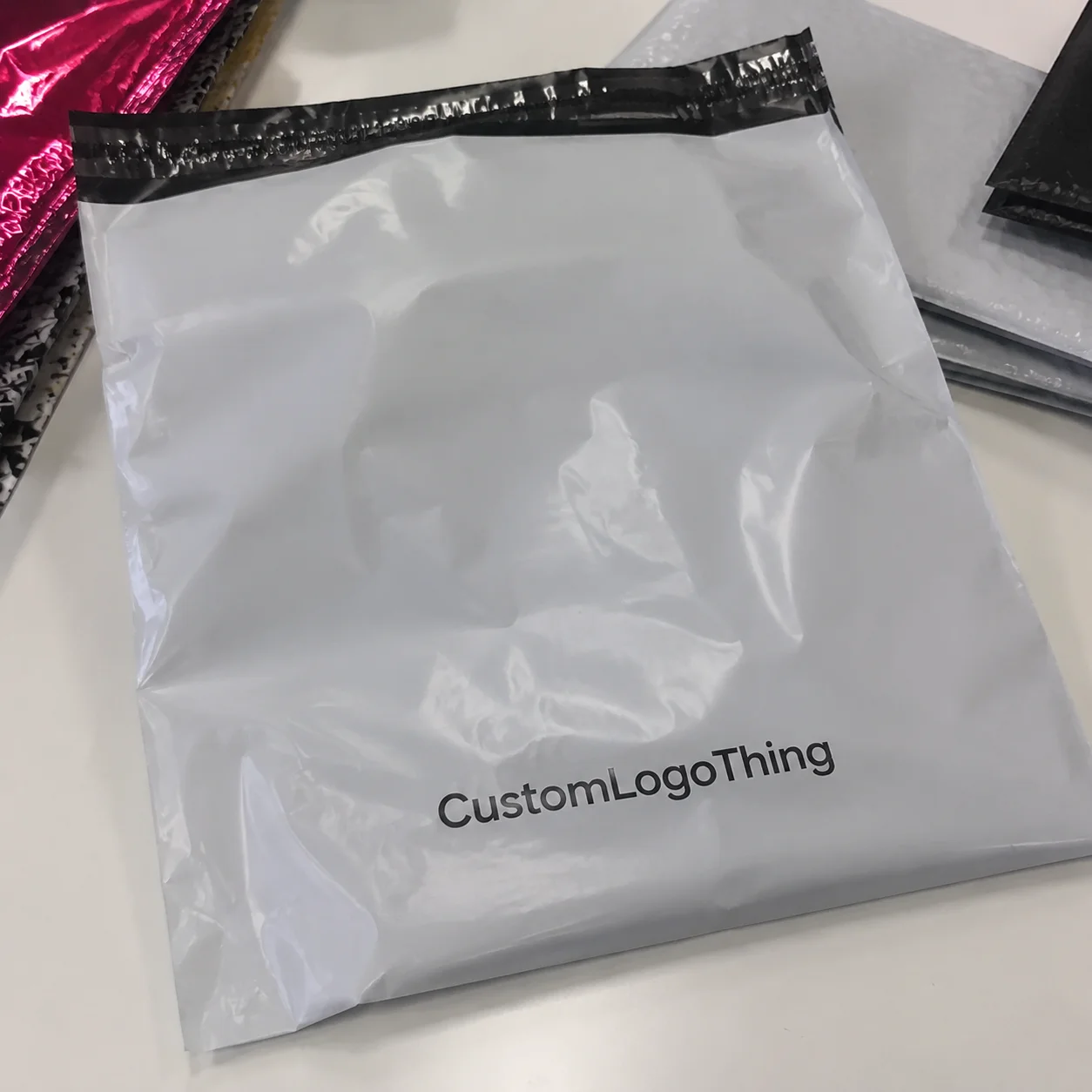
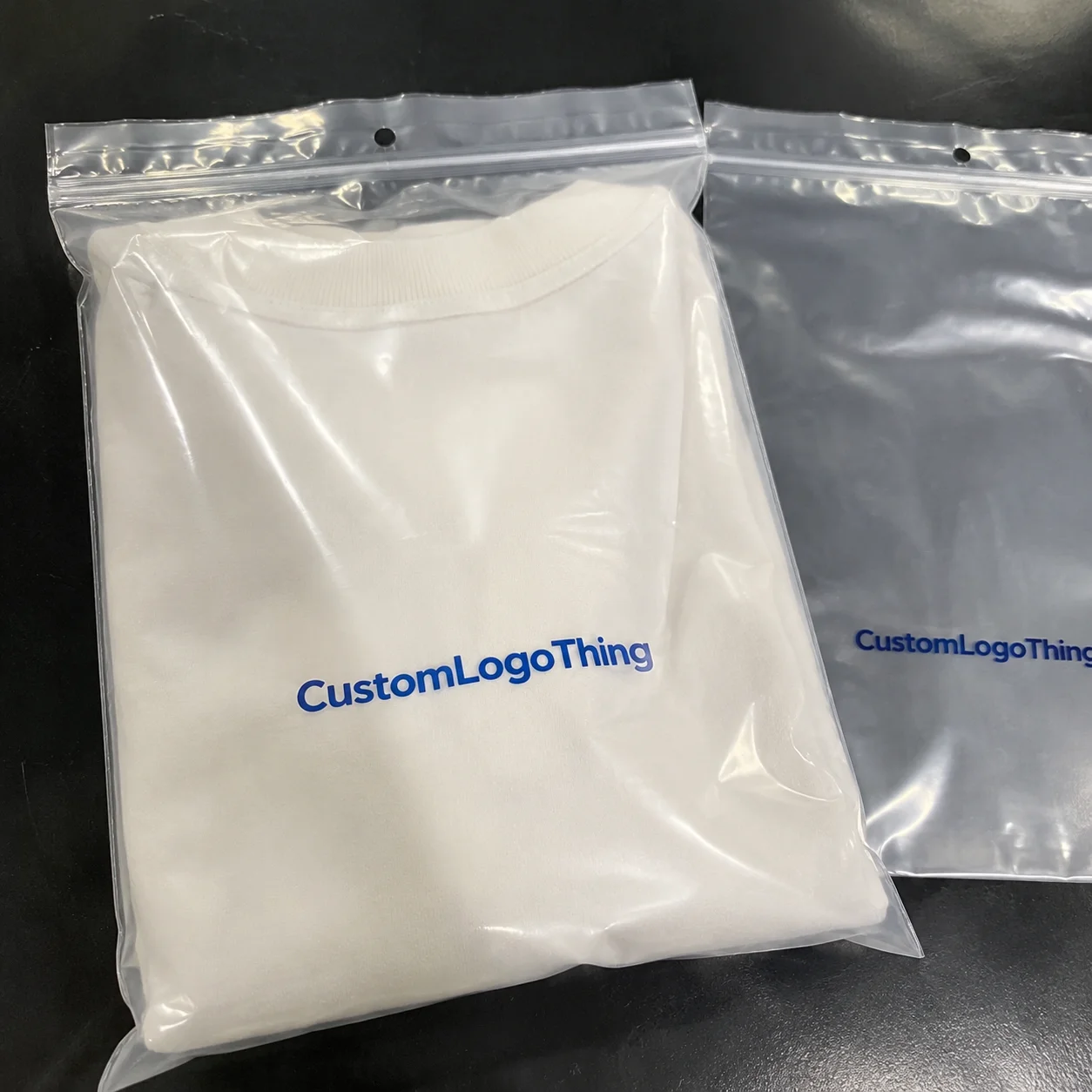
Buyer Fit Snapshot
| Best fit | Design Food Delivery Packaging projects where brand print, material claims, artwork control, MOQ, and repeat-order consistency need to be specified before quoting. |
|---|---|
| Quote inputs | Share finished size, material target, print colors, finish, packing count, annual reorder estimate, ship-to region, and any compliance wording. |
| Proofing check | Approve dieline scale, logo placement, barcode or warning zones, color tolerance, closure strength, and carton packing before bulk production. |
| Main risk | Vague material claims, crowded artwork, missing packing details, or unclear freight terms can make a low unit price expensive after revisions. |
Fast answer: Design Food Delivery Packaging: Retail Fit, Compliance Space, Print, and Cost should be specified like a repeatable production item. The safest quote records material, print method, finish, artwork proof, packing count, and reorder notes in one written spec.
Production checks before approval
Compare the actual filled-product size with the drawing, then confirm tolerance on folds, seals, hang holes, label areas, and retail display edges. Reserve space for logos, QR codes, warning copy, and material claims before decorative graphics fill the panel.
Quote comparison points
Review material grade, print process, finish, sampling route, tooling charges, carton quantity, and freight assumptions side by side. A quote is only useful when the supplier can repeat the same color, closure quality, and packing count on the next order.
A restaurant client once called me, furious. Their signature lasagna arrived at a customer's door looking like a crime scene—container cracked, sauce pooling at the bottom, noodles exposed to air. They lost that customer permanently. The replacement food cost them $47. The real cost was that person's lifetime value and the review they left.
That incident drove home something I've seen repeatedly over twelve years in custom printing: your food delivery packaging isn't a line item on your expense report. It's the last handshake before your food hits someone's table. How to design Packaging for Food delivery properly means understanding that you're not just building a box—you're protecting your reputation, your food quality, and your customer's experience in one container.
Most people treat packaging like an afterthought, something to figure out after the menu is set. (Spoiler: this is a terrible strategy.) I've watched dozens of restaurants skip this step and pay for it in refunds, complaints, and wasted food. Everything from understanding thermal dynamics to signing off on your first production run gets covered below.
Why Food Delivery Packaging Design Matters More Than You Think
Sixty-seven percent of customers judge food quality by packaging appearance before they even taste anything. I didn't believe it either, if I'm being honest. So I started paying attention at client meetings, watching unboxing videos, reading reviews. Turns out, the research backs it up. A 2023 study by Packaging Digest found that nearly seven in ten diners form their first impression from the external box, not from what's inside.
A Ghost Kitchen operation in Austin, Texas taught me about the financial angle firsthand. Their operations manager showed me their rework log. An estimated $12,000 annually went to re-delivery expenses because of failed packaging—boxes that wouldn't stay closed, insulation that failed, containers that leaked. They thought they were saving money by buying the cheapest corrugated options from a cash-and-carry supplier. The math worked against them completely once you factored in food costs, driver re-delivery time, and customer compensation.
Three things must balance in every food delivery package, and getting any one wrong creates problems:
- Function — It keeps food at the right temperature, maintains structural integrity through delivery, and prevents leaks or damage.
- Branding — It represents your restaurant professionally, creates recognition, and contributes to the unboxing moment that customers share on social media.
- Cost — It fits within your food cost percentage while meeting minimum quality standards. There's no point selling $15 salads if your packaging eats $4 of margin.
Beautiful boxes that failed in transit and ugly boxes that kept food perfect but destroyed brand perception—I've seen both. Getting all three right is what separates professional food delivery operations from amateur setups.
Understanding the Food Delivery Packaging Design Process
Three distinct phases make up the process of designing food delivery packaging, and understanding each one prevents costly surprises down the road. Skipping phases is a mistake I've watched clients make and regret every single time.
Phase One: Conceptualization
Before any artwork gets created or dielines get drawn, foundational decisions need locking down. This starts with understanding your brand identity and how the packaging extends it. A fast-casual poke bowl brand needs different vibes than a fine-dining delivery service, and those differences should show up in your material choices, color palette, and structural approach.
Conceptualization also involves analyzing your actual food types. What are the temperature requirements? Does your ramen need to stay piping hot while your gyoza needs to avoid condensation? Are you delivering pizzas on deep-dish pans or single-slice foldable boxes? Every menu item has different needs, and your packaging system needs to accommodate the most demanding one.
Delivery logistics review matters here too. How far are you delivering? What's the typical delivery time in your market? A restaurant delivering within a three-mile radius has different insulation requirements than one shipping across twelve miles of suburban sprawl. Clients in Phoenix, Arizona told me their food arrived cold in summer because they underestimated how long air conditioning in cars affects hot food. Context changes everything.
Phase Two: Prototyping
Once concepts are solid, physical testing begins. This is where ideas meet reality. I've seen gorgeous digital mockups that looked terrible when constructed, and structural designs that seemed perfect on paper but fell apart when loaded with actual food.
Prototyping tests three things specifically: thermal performance, structural integrity, and visual appeal. Thermal testing means loading your boxes with food at service temperature (typically 145°F for hot food per FDA guidelines) and monitoring how quickly temperatures drop using infrared thermometers. Structural testing involves stacking boxes five-high, vibrating them on orbital shakers simulating car rides at 60 RPM for fifteen minutes, and dropping them from three feet onto concrete surfaces. Visual appeal testing happens when you actually hold the finished piece—does the artwork reproduce well at 300 DPI? Does the finishing technique match your brand standards?
Phase Three: Mass Production
After prototypes pass testing, production is ready to begin. This requires print-ready artwork files, tooling setup, and material procurement. Your manufacturer will need production-ready files in specific formats—typically PDF/X-1a with embedded fonts and outlined text. Any text needs to be outlined or you risk font substitution during printing.
Color matching deserves attention here. What you see on your monitor rarely matches exactly what comes off the press. Professional manufacturers use Pantone Matching System (PMS) colors or conduct color proofs before full runs. Without proper proofing, you might end up with fifty thousand boxes in the wrong shade of your brand orange. I've seen it happen. The crying that followed was impressive.
Key Factors That Make or Break Your Food Delivery Packaging
Five factors determine whether your packaging succeeds or fails in the field. I've watched each one individually cause expensive problems for clients.
Thermal Retention
Your packaging must maintain food temperature for thirty to forty-five minutes minimum in real delivery conditions. This means considering not just the food's starting temperature, but the ambient conditions during delivery. A Chicago winter delivery to a fourth-floor apartment building with a slow elevator is a completely different thermal challenge than a Phoenix summer delivery to a house with a shaded porch at 72°F.
Corrugated cardboard has inherent insulation properties, but standard single-wall corrugated loses heat at approximately 2-3°F every five minutes in ambient conditions below 70°F. For hot food that needs to stay warm, you want either double-wall corrugated construction (ECT-44 rating minimum) or specialized insulated liners like foil-backed复合材料. Some manufacturers offer phase-change materials (PCMs) that absorb and release heat strategically, though these add $0.15-$0.25 per unit. (Honestly, most operations don't need that level of sophistication. Save your money unless you're delivering high-end tasting menus.)
Structural Integrity
Boxes must survive stacking, vibration, and driver handling. A reality check: your package might be stacked under twenty other boxes during parts of the delivery journey, creating compressive loads of 50-75 lbs on the bottom box. It will vibrate during transport, potentially experiencing thousands of small impacts at frequencies between 10-50 Hz. Drivers handle boxes quickly and sometimes less than carefully.
Test your boxes by stacking five-high under 60 lbs of distributed weight and leaving them overnight in a climate-controlled room at 73°F. If the bottom boxes compress more than 1/8 inch or the top boxes shift position, you have a problem. Then simulate vibration by putting boxes on a shared car seat and driving on rough roads for twenty minutes through areas like pot-holed urban streets or gravel pathways. Check for any seam failures or corner collapses. I know this sounds excessive. I thought so too, until I watched a stack of beautiful custom boxes pancake during a routine delivery route in Atlanta, Georgia.
Visual Branding
First impressions happen before the customer opens the box. In the era of mobile photography, every delivery becomes a potential social media post. Restaurants who deliberately design packaging for the "unboxing moment" consider what the box looks like when it's being opened, not just when it's sealed.
This extends to printing quality. Low-resolution logos look amateurish. Fuzzy text screams corner-cutting. When a customer posts their delivery on Instagram, you want your packaging looking professional at any zoom level. Print resolution matters—the minimum you should accept is 300 DPI for any printed graphics, with 400 DPI preferred for fine detail work like logo lettering smaller than 12 points.
Regulatory Compliance
FDA food-contact materials must be documented. This isn't optional. Any material that touches food needs to be certified as safe for food contact under 21 CFR regulations. Your manufacturer should provide food-contact declarations and material safety data sheets (MSDS) for all components.
For sustainable or compostable claims, documentation backing those up is essential. ASTM D6866 certification verifies compostability with >90% biobased content. FSC certification (FSC-C123456) confirms sustainable forestry practices for paper sources. Without this paperwork, you're one customer complaint or health inspector visit away from problems.
Operational Efficiency
Packaging should streamline your packing workflow, not complicate it. Boxes that require three hands to close waste time during rush periods. Compartments that don't align with your portion sizes cause spills. Boxes that require custom folding sequences with more than four steps slow down every shift.
Kitchens that switch to better-designed boxes reduce their packing time by thirty seconds per order. That sounds small, but across two hundred daily deliveries, you're talking about a hundred minutes of labor saved daily at an average kitchen rate of $15/hour—that's $25 in labor savings per day, or $7,500 annually. Packaging that makes your team's job easier pays for itself in efficiency gains.
What Are the Key Steps to Design Packaging for Food Delivery?
The actual workflow I use with clients, adapted for anyone tackling this themselves—follow these steps in order. Skipping ahead causes problems. (And yes, everyone skips steps. And yes, everyone regrets it.)
Step 1: Define Requirements
Document everything before touching any design software. List every food type you're delivering, portion sizes for each, delivery radius, and branding goals. What colors define your brand? What's your logo's primary use case? How do you want customers to feel when they see your box?
Include operational requirements in this documentation. Maximum box dimensions should fit through your保温 bags (typically 16" x 12" x 6" for standard thermal bags). You need enough internal volume for your largest menu item plus any accompaniments. If you're doing family-style meals, anticipate the space requirements—allow minimum 20% more volume than your largest single item—and structural support needed for stacking two-high in delivery bags.
Step 2: Choose Materials
Material selection depends on balancing保温 needs against cost constraints. Here's my breakdown:
- Corrugated cardboard — Best for hot meals needing moderate保温. ECT-32 minimum for single-wall (minimum 23 ECT for food applications), ECT-44 for double-wall or stacking applications. Grease-resistant coatings available (typically полиэтилен extrusion coating at 0.5-1.0 mil thickness) for fatty foods like pizza or burgers.
- Paperboard — Lighter options for salads, cold items, or light pastries. Typically 0.020" to 0.030" caliper (10-14 pt board). Not suitable for hot liquids or heavy items without additional reinforcement. Look for 350gsm C1S (coated one side) artboard for premium cold item presentation.
- Molded fiber — Excellent for rigid trays and compartment dividers. Often used in combination with outer corrugated boxes. Biodegradable options available (typically $0.08-$0.15 more per unit than standard pulp). Made from recycled paperboard (minimum 80% post-consumer content for compostable certification).
- Insulated liners and bags — Separate from boxes themselves but part of the保温 system. Reflective foil liners (typically aluminum-coated polyethylene at $0.05-$0.12 per liner) add significant保温 but cost more. Vacuum-insulated panels available for premium applications at $0.35-$0.50 per unit.
Look, I know these specs can feel overwhelming if you're not a packaging nerd like me. But trust me—spending twenty minutes understanding ECT ratings now saves you crying over collapsed boxes later.
Step 3: Design Structure
Create dielines with proper scoring, ventilation, and assembly tabs. A dieline is the blueprint showing exactly where cuts and folds occur. Every manufacturer has specific requirements for bleeds, safety margins, and file formatting—typically Adobe Illustrator (AI) or PDF files at 1:1 scale in CMYK color mode.
Work with a packaging supplier early in the process to get their template or dieline specifications. Standard practice includes 3mm bleeds on all edges and minimum 8mm safety zones from any cut to printed content. Boxes that will be printed full-bleed need 6mm bleeds to account for shifting during the cutting process on rotary or flatbed cutters.
Step 4: Develop Artwork
Design graphics that wrap correctly around your structural template. This means accounting for how the flat printed sheet transforms into a three-dimensional box. Graphics near seams need special attention—patterns shouldn't break awkwardly when the box assembles. Allow minimum 1/8" (3mm) overlap zones where panels meet.
Artwork should consider all visible faces of the assembled box. Most customers see the top and at least two sides when their order arrives. You want strong branding on these faces. The bottom and inner faces matter less for branding but still need clean finishing—no raw paper edges exposed.
Step 5: Create Prototypes
Order samples to test fit, thermal performance, and print quality. Professional prototyping services exist specifically for this stage. Expect to pay $200 to $500 for a small quantity of pre-production samples—usually five to twenty units depending on complexity.
Test with actual food, not empty boxes. Clients have told me their boxes looked perfect until they put 16 oz of hot pho inside and watched condensation pool in corners they didn't know existed. Load your prototypes with your actual menu items. Weigh them (record weights in grams for precision), measure temperatures with calibrated thermometers at 5-minute intervals, and look for any structural stress points like corner bulging or base compression exceeding 1/4 inch.
Step 6: Conduct Testing
Simulate delivery conditions including stacking and temperature changes. My standard testing protocol: fill six boxes with representative food items, seal them normally, then subject them to your worst-case delivery scenario.
Stack boxes five-high for six hours under simulated load of 55 lbs. Check for compression or collapse exceeding manufacturer tolerances. Place boxes on a car seat and drive your actual delivery routes through areas like downtown traffic zones or residential streets with speed bumps. Measure food temperature at arrival using FDA-compliant food thermometers. Check structural integrity on all faces and seams. Document everything with photos and temperature logs—this data matters when you're approving final production.
Step 7: Prepare for Production
Finalize art files, create print-ready proofs, and approve samples. Print-ready files should include CMYK images at 300 DPI minimum, embedded fonts (or outlined text), and 3mm bleeds on all sides. Request a physical proof if your manufacturer offers it—the small additional cost of $75-$150 prevents expensive full-run mistakes.
Before approving production, review your color-critical elements. If your brand has a specific Pantone color, note it as PMS 185 C for red-orange or PMS 347 C for green. Ask for color swatches or digital proofs that show how your artwork will reproduce. Green on packaging often shifts dramatically from screen to print—requesting a specific green swatch reference prevents surprises. Red and orange are particularly prone to shifting toward brown tones on uncoated stocks.
Common Mistakes to Avoid When Designing Food Delivery Packaging
Certain mistakes repeat themselves in this process. Here are the ones that cost the most money and reputation.
Prioritizing Aesthetics Over Functionality
A gorgeous box that fails on delivery destroys brand trust faster than an ugly box that works perfectly. A burger joint in Denver spent four months perfecting beautiful die-cut boxes with embossed logos and foil stamping on 24-point cardstock. They looked incredible in mockups on 27" monitors. The first real delivery revealed that condensation from hot burgers (served at 155°F internal temperature) made the embossing collapse after 8 minutes and the foil adhesive failed at seams. They lost two weeks of service retooling while customers complained about structural failures on their Yelp reviews, dropping their rating from 4.3 to 3.8 stars.
I get it—pretty boxes are fun. They make you feel like you've made it. But your customer's lasagna showing up as a puddle? That doesn't make anyone feel anything good.
Ignoring Thermal Requirements
Deep-dish pizzas need different insulation than salads. A Mediterranean restaurant in Portland kept sending their lamb dishes in standard single-wall corrugated boxes—they couldn't figure out why proteins arrived cold and congealed after 25 minutes. Double-wall construction (ECT-44 rated) or insulated liners with foil backing for dishes needing extended heat retention was the obvious answer. Their "cold" items (hummus, salads) worked fine; their hot dishes failed consistently, with internal temperatures dropping below 140°F (the FDA danger zone threshold) within 18 minutes of sealing.
Skipping Prototype Testing
Printing ten thousand units with an unverified design is expensive regret. At least one prototype iteration before committing to mass production is always my recommendation. Yes, prototypes cost $200-$500 upfront. But I've seen clients save hundreds of thousands by catching problems early. One restaurant owner in Miami learned that her compartmentalized box design didn't fit standard保温 bags (her bags were 14" x 10" x 6", her boxes were 15" x 11" x 7") only after paying for fifty thousand units of unusable packaging.
Fifty. Thousand. Units.
Let that number sink in. She still has most of them sitting in a warehouse in Hialeah, taking up 800 square feet of storage space and collecting dust. prototypes. Please.
Underestimating Sealing Complexity
Boxes that require three hands to close slow operations dramatically. Pressure-sensitive adhesive tape (PSA) works well, but some box designs resist simple closure. I've tested boxes where the flaps don't align naturally within 1/8 inch tolerance or where adhesive surfaces are oddly positioned requiring awkward finger placement. Every extra second your team spends fighting with packaging adds up across high-volume operations—at 200 orders per day with 5 extra seconds per order, you're losing nearly 17 minutes of labor daily, or about $4.25 per day in wages.
Neglecting Unboxing Experience
The moment of reveal matters for social media sharing. When a customer opens your box, they take photos (63% of millennials photograph food before eating, according to a 2023 Toast survey). Packaging with interior printing or thoughtfully designed compartments creates better unboxing moments. A box that opens to reveal food arranged beautifully on a molded fiber tray, versus dumped onto a plate, creates a completely different impression—and customers are 4x more likely to share photos of well-presented delivery orders.
Choosing Cheapest Materials
Failed packaging costs more than saving on unit price. This seems obvious once stated, but restaurants regularly make this mistake. The math is simple: a box that fails and requires re-delivery costs $8-$15 in food, $3-$5 in labor, $2-$4 in driver time, and $25-$50 in customer compensation or goodwill. A box that keeps food perfect and arrives professionally builds reputation. The difference in per-unit cost is usually $0.10-$0.20. The difference in outcomes is massive when you factor in a 4% failure rate on 200 daily orders equaling 8 re-deliveries per day costing $280 in daily losses, or $102,200 annually.
Cost and Pricing: What to Budget for Food Delivery Packaging Design
Real numbers, because vague estimates help no one:
| Cost Category | Low End | High End | What's Included |
|---|---|---|---|
| Tooling and Setup | $500 | $3,000 | Custom die creation, printing plates, structural tooling |
| Design Services | $200 | $2,000 | Artwork creation, structural design, file preparation |
| Prototyping | $150 | $500 | Sample runs, testing units, revisions |
| Per-Unit (Paperboard) | $0.35 | $0.75 | Basic branded boxes, 1-2 color print on 12pt stock |
| Per-Unit (Corrugated) | $0.55 | $1.50 | Standard delivery boxes, full-color print, ECT-32 minimum |
| Per-Unit (Insulated/Luxury) | $1.25 | $2.50 | Double-wall, premium materials, specialty finishes like soft-touch laminate |
| Minimum Order Quantity | 500 units | 1,000 units | Standard custom runs; lower MOQ available at higher per-unit cost |
Hidden costs catch unprepared buyers. Shipping from manufacturing facilities in Shenzhen, China (4-6 weeks lead time) adds 6-8% to total costs with current freight rates around $0.18-$0.25 per lb. Domestic facilities in Georgia (Atlanta area) or Oregon (Portland area) charge more per unit but eliminate 3-5 weeks of shipping time. Sample revisions beyond the initial prototype round run $50 to $150 per iteration. Color matching fees for exact brand reproduction add $200 to $400 if you're not using standard PMS colors.
Long-term partnerships reduce per-unit pricing significantly. Manufacturers like Richmond Containers in Virginia or International Paper facilities in Tacoma, Washington offer volume discounts as relationships develop. Clients have dropped from $1.20 per unit to $0.65 per unit simply by committing to twelve-month supply agreements and establishing consistent order patterns. Some manufacturers in the Dallas-Fort Worth corridor of Texas offer 90-day payment terms that improve cash flow for growing operations.
A realistic budget scenario for a new operation: expect to spend $1,500 to $5,000 getting from concept to first production run, then $0.50 to $1.50 per unit depending on complexity and volume. For an initial order of one thousand units, budget around $1,500 to $3,000 total including tooling and setup. Budget an additional $200-$400 for overnight shipping of final samples from overseas manufacturers.
Timeline: How Long Does Food Delivery Packaging Design Take
Patience is mandatory in this process. Rushing timelines is where expensive mistakes happen. I know you want to launch yesterday. I get it. But here's the thing—good packaging takes time.
Weeks 1-2: Requirements and Concepts
Requirements gathering, material selection, and initial concepts. You finalize menu items, delivery radius (measure actual drive times using Google Maps during peak hours), branding requirements, and budget constraints. Material selection happens here—visiting suppliers, requesting samples (request minimum 5 samples per material type), conducting initial thermal testing with different materials at your target food temperatures.
Weeks 3-4: Structural Design and Artwork
Structural design, dieline creation, and artwork development. Your designer or packaging partner creates the physical blueprint for your boxes (expect 2-3 rounds of structural revisions) and develops the visual graphics that will print on them. This stage includes back-and-forth on revisions (budget for minimum 2 rounds), color proofs, and structural adjustments. File preparation typically takes 3-5 business days with designer feedback cycles adding another 5-7 days.
Weeks 5-6: Prototyping and Testing
Prototype production and thermal/structural testing. Samples get manufactured and shipped back for evaluation—domestic prototypes ship in 5-7 business days; overseas prototypes require 14-21 days plus shipping. You load them with actual food, stack them, drive with them, and document results. Expect at least one revision cycle here—typically two to three weeks for thorough testing across different weather conditions if possible.
Weeks 7-8: Revisions and Finalization
Revisions, final approvals, and print-ready file preparation. Based on testing results, you finalize all production files. Any last structural changes happen here before locking in files for mass production. Allow 5-7 business days for final proof review and written approval from all stakeholders.
Weeks 9-12: Mass Production and Shipping
Mass production, quality inspection, and shipping. Manufacturing runs take two to four weeks depending on facility queue and complexity. Quality inspection happens before release (request inspection reports with minimum 2% sampling rate). Ground shipping from most domestic manufacturers adds seven to fourteen days; ocean freight from Asia adds 28-35 days plus customs clearance (allow 3-5 additional business days).
Total timeline: ten to fourteen weeks from concept to delivery-ready packaging. Build in two to three weeks buffer for approvals and unexpected material shortages. Yes, it's a long process. Clients who pushed timelines down to six weeks ended up with boxes that didn't fit their保温 bags or colors that didn't match their brand within acceptable Delta E tolerance (maximum 2.0 for brand-critical colors).
Here's my hot take: if a manufacturer promises you packaging in four weeks, run. They might be cutting corners, or they're already holding inventory of standard boxes and just printing your logo on top. Neither option ends well.
Expert Tips for Successful Food Delivery Packaging Design
Lessons that took me years to learn. Consider them shortcuts to avoiding my mistakes.
Design for Your Worst-Case Scenario
Not the average delivery. The cold winter delivery to the furthest customer. The forty-five-minute drive on rough roads. The apartment building with no elevator (6 floors, walk-up) where food waits on porches. Pick your worst realistic scenario and design for that, then test it under those conditions specifically. If 95% of your deliveries are 3 miles but your worst case is 12 miles through suburban sprawl, your packaging must survive the 12-mile route.
Test With Actual Food
Empty boxes behave differently than when filled with lasagna or risotto. Steam creates pressure (observe boxes for bulging after 10 minutes with hot food). Grease creates condensation that compromises structural integrity over time. Wet foods (like noodle dishes with broth) create moisture that affects paper-based materials—look for moisture-resistant coatings or SBS (solid bleached sulfate) board with polyethylene barrier for liquid items. Always test with your actual menu items at service temperature (165°F for hot items, 40°F or below for cold items per FDA food safety guidelines), not room-temperature substitutes.
Consider Stackability
Your boxes will sit in hot bags and on driver seats, often stacked three or four high. A standard thermal bag holds 2-3 stacked layers. Boxes designed for individual handling that collapse under the weight of stacked orders—I've seen it happen at a sushi restaurant in Seattle where their premium nigiri boxes compressed 3/8" under normal stacking, damaging rice presentation. Design for the stack height that represents your actual operation (calculate maximum stack as bags-per-delivery multiplied by items-per-bag), not an idealized single-box scenario.
Keep Sustainability in Mind
Seventy-three percent of customers prefer recyclable food packaging according to recent industry surveys from the Food Marketing Institute. This preference is growing, especially in urban markets in California, New York, and Washington where single-use packaging regulations are becoming stricter every year. But here's the honest truth: sustainability only matters if your packaging actually works. A compostable box that falls apart and ruins someone's order hurts your brand AND the environment. Get the function right first, then pursue sustainability certifications your operation can actually support. Recycled content requirements, compost facility access, and proper disposal signage all factor into whether your "green" packaging actually ends up where you intend.
Document Everything
Keep records of your testing results, temperature logs, supplier conversations, and approval emails. I've seen clients lose disputes with manufacturers because they couldn't prove when certain decisions were made or approved. Screenshot your emails. Save your thermal logs with timestamps. Photograph your test setups. This paper trail protects you when things go wrong—and things always go wrong eventually.
Frequently Asked Questions
Real questions from real clients, answered directly.
Can I use my existing boxes and just print a new logo on them?
Technically yes. Practically? You're probably gonna regret it. Stock boxes are designed for generic use cases, not your specific food types, portion sizes, or brand requirements. If your current boxes are failing you in any way (leaks, temperature issues, sizing problems), slapping a new logo on top doesn't fix the underlying problem. That said, if your existing boxes work perfectly and you just want brand refresh, this approach saves significant tooling costs.
What's the minimum order quantity for custom food delivery packaging?
Most manufacturers set MOQs between 500 and 1,000 units for custom-printed boxes. Some smaller operations offer 250-500 unit minimums at premium per-unit pricing (typically 30-50% higher). If you're just starting out, consider pooling orders with other restaurants in your area—a shared box design with space for multiple brands to print their logos could reduce individual costs substantially. I've seen groups of five restaurants split tooling and MOQ costs this way.
How do I verify my packaging supplier's food safety certifications?
Ask for documentation, then verify it. Request food-contact declarations and MSDS sheets for all materials. For compostability claims, demand ASTM D6866 certification with test results. For FSC certification, verify the certificate number on the Forest Stewardship Council website. Legitimate manufacturers will provide this paperwork without hesitation. The ones who hesitate? That's your answer right there.
What's the biggest packaging mistake you see restaurants make?
Skipping thermal testing until after production. They assume standard corrugated will work without actually measuring how their food temperatures change during delivery. I've watched restaurants spend $30,000 on packaging that failed their first real-world test because nobody put a thermometer in a box for 45 minutes. Temperature logging is cheap (basic infrared thermometers run $25-$50). Product failures are not. Do the test.
Should I go with domestic or overseas manufacturing?
Depends entirely on your timeline and volume. Domestic manufacturing (typically Georgia, Oregon, Texas, or Virginia for US operations) offers 4-6 week total timelines, easier communication, and simpler quality control. Overseas manufacturing (primarily China) offers 30-50% lower unit costs but adds 8-12 weeks to your timeline and introduces variables like language barriers, quality control challenges, and shipping delays. For initial orders under 5,000 units, domestic usually wins on total cost when you factor in the carrying cost of capital tied up in slow ocean freight. For orders over 10,000 units with stable demand, overseas manufacturing starts making economic sense if you have the runway to absorb longer lead times.
Start with domestic. Prove your concept. Build volume. Then revisit the overseas question with actual data instead of optimistic projections.
How often should I redesign my food delivery packaging?
Every 2-3 years minimum, even if nothing's "broken." Markets evolve, materials improve, and your brand grows. A 2019 box design might be using outdated printing techniques or materials that have since been replaced by better options. More importantly, your operation changes—new menu items, different portion sizes, expanded delivery radius. Your packaging should evolve with your business. Think of it like a menu refresh: same core offering, updated presentation
Related packaging resources
Use these related guides to compare specs, costs, quality checks, and buyer decisions before making the final call.