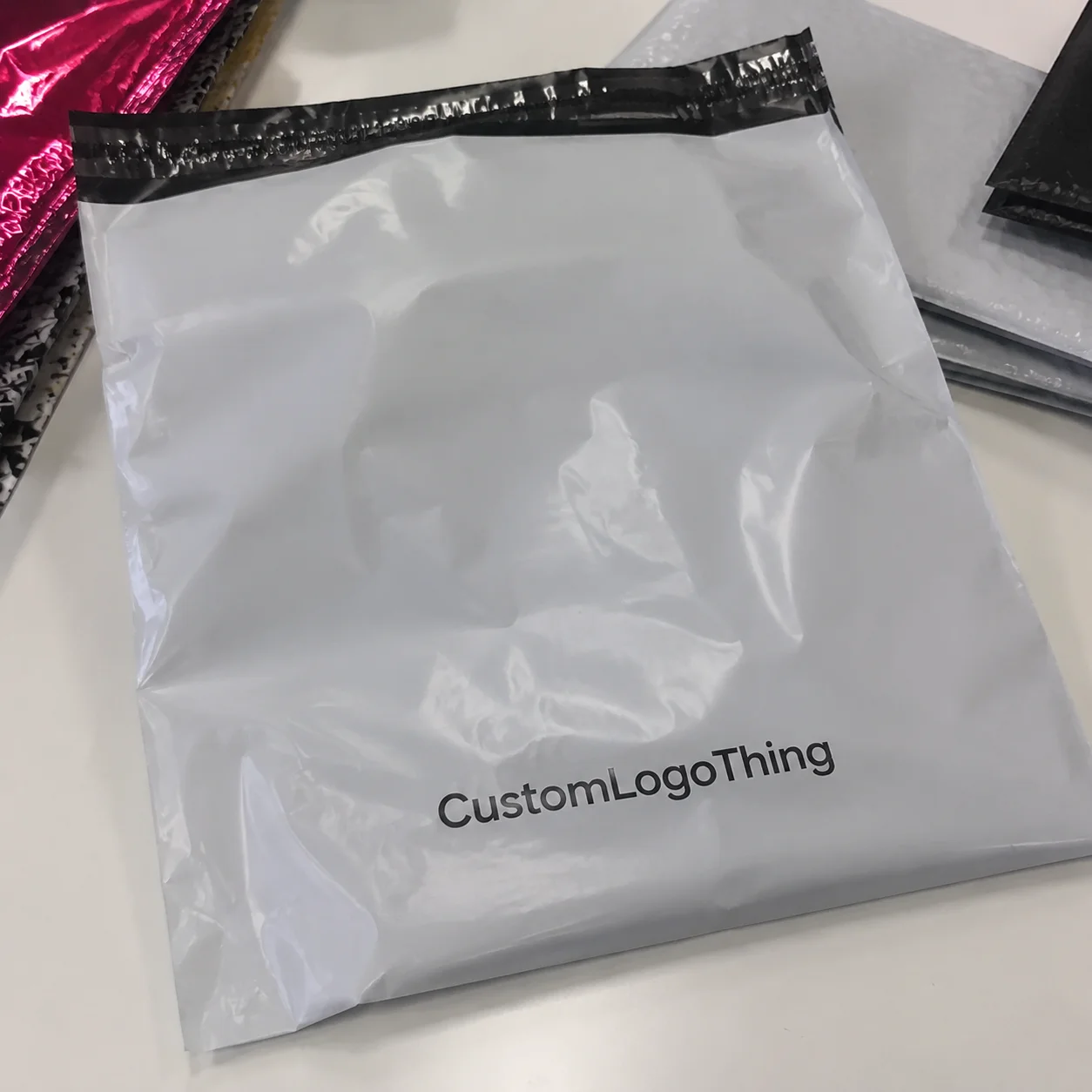
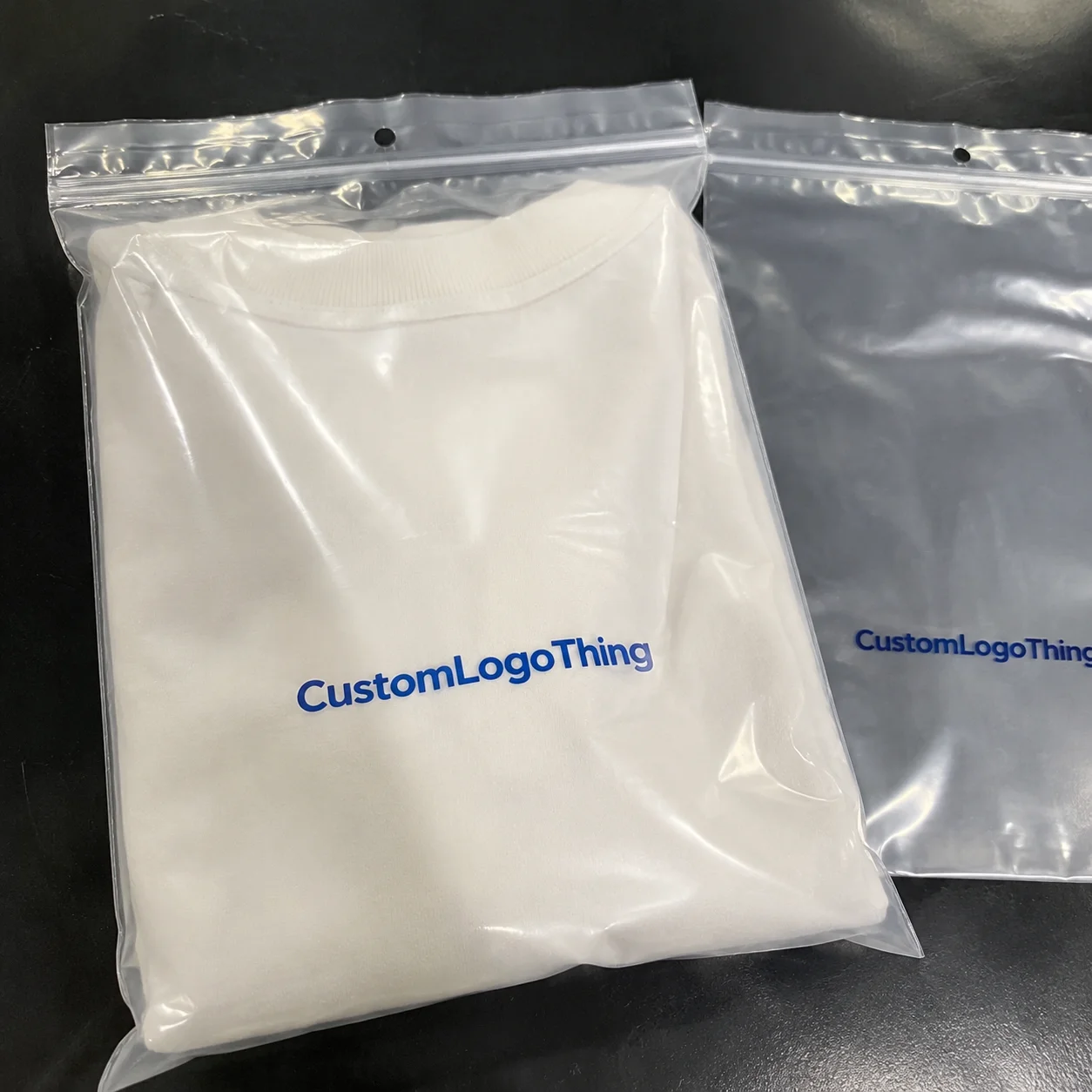
Buyer Fit Snapshot
| Best fit | Design Premium Packaging for Products projects where brand print, material claims, artwork control, MOQ, and repeat-order consistency need to be specified before quoting. |
|---|---|
| Quote inputs | Share finished size, material target, print colors, finish, packing count, annual reorder estimate, ship-to region, and any compliance wording. |
| Proofing check | Approve dieline scale, logo placement, barcode or warning zones, color tolerance, closure strength, and carton packing before bulk production. |
| Main risk | Vague material claims, crowded artwork, missing packing details, or unclear freight terms can make a low unit price expensive after revisions. |
Fast answer: Design Premium Packaging for Products: Quote Scope, Sample Proof, MOQ, and Lead Time should be specified like a repeatable production item. The safest quote records material, print method, finish, artwork proof, packing count, and reorder notes in one written spec.
Production checks before approval
Compare the actual filled-product size with the drawing, then confirm tolerance on folds, seals, hang holes, label areas, and retail display edges. Reserve space for logos, QR codes, warning copy, and material claims before decorative graphics fill the panel.
Quote comparison points
Review material grade, print process, finish, sampling route, tooling charges, carton quantity, and freight assumptions side by side. A quote is only useful when the supplier can repeat the same color, closure quality, and packing count on the next order.
On a folding carton line in Dongguan, I once watched two boxes move side by side off the same press, same ink set, same varnish, and the one with a slightly tighter crease, cleaner registration, and a more confident tuck shut looked premium while the other looked merely expensive. That gap is exactly why how to design premium Packaging for Products is not just a style question; it is a material, structural, and production question that lives in the details most shoppers never name, but absolutely feel.
If you want how to design premium Packaging for Products to work in the real world, you have to think beyond foil and glossy finishes. The best packaging I’ve seen in client rooms from Los Angeles to Shenzhen has usually been restrained, well-measured, and engineered with the same care a watchmaker gives to movement tolerances. The package feels right because the board weight, print control, opening resistance, and brand story all point in the same direction.
What Premium Packaging Really Means
Premium packaging starts with discipline. In my experience, the difference between “nice” and premium often comes down to tiny things like board caliper, print registration within 0.5 mm, edge squareness, and the feel of the closure when a customer opens the box for the first time. On the line, those details are obvious; to the customer, they translate into trust.
How to design premium Packaging for Products begins with understanding that premium is not the same as flashy. A clean rigid box in 1200gsm chipboard wrapped with 157gsm art paper can feel more high-end than a crowded carton covered in five special effects. What matters is the combination of visual restraint, structural precision, tactile quality, and consistency from shelf to unboxing.
Premium packaging supports perceived value, but it also does practical work. It helps with shelf standout in retail packaging, improves brand recall, and gives customers a reason to photograph the product, especially if the unboxing has one memorable detail like a debossed logo or a hidden interior print. I’ve seen small DTC brands double their social shares after moving from generic mailers to custom printed boxes that felt deliberate and polished.
I think this is where a lot of brands get confused: premium does not always mean luxury, and luxury does not always mean better design. A matte white carton with sharp typography, consistent spacing, and a precise magnetic closure can feel premium because the package branding is coherent, not because it is loaded with decorations. If you’re serious about how to design premium packaging for products, start by asking what the product needs the package to communicate in three seconds, then design around that answer.
“The cleanest premium box I ever approved for a client had one foil logo, one soft-touch finish, and a perfectly aligned insert. Nothing else. It outsold the more ornate version because it felt calm and confident.”
That’s the real point: premium packaging must feel intentional. It should look like it belongs to the product, the price point, and the customer who is paying for it. If the packaging feels forced, no amount of embellishment will save it.
How Premium Packaging Works From Concept to Shelf
When I walk a team through how to design premium packaging for products, I start with the workflow, because good ideas die fast when they ignore manufacturing reality. The path usually runs like this: brand discovery, product measurement, structural concepting, dieline creation, artwork placement, prototyping, sampling, final proofing, and production. Each step changes the next one, and skipping one usually costs more later.
Packaging engineers think differently than brand designers, and that difference matters. In a factory running rigid box lines, folding carton presses, and corrugated converting equipment, the question is not only “Does it look good?” The question is also, “Will it survive compression, stack cleanly on pallets, and still run at 60 to 120 units per minute if the customer scales volume?” If the package jams the glue line or misfeeds at the folder-gluer, the beautiful concept becomes an expensive problem.
Material choice shapes the entire experience. SBS paperboard gives crisp print and sharp creases for premium cartons. Kraft board brings a natural, honest feel that works well for eco-conscious branding. E-flute corrugated offers better protection for shipping, while rigid chipboard creates that heavier, gift-style feel people associate with upscale electronics, cosmetics, and accessories. Specialty wrap papers can add texture, but only if the wraps are applied cleanly and the seams are planned with care.
Finishes change perception quickly. Soft-touch lamination makes a box feel velvety and calm. Aqueous coating protects a printed surface while keeping costs in check. Matte varnish can mute glare, which helps in retail lighting. Foil stamping, embossing, debossing, and spot UV can add contrast, but I’ve seen plenty of samples where too many effects fought each other. Premium packaging does not need every finish available; it needs the right one in the right place.
Prepress matters more than most people realize. Bleed, safe zones, trapping, overprint settings, and color management can make or break branded packaging. I once sat with a cosmetics client whose artwork looked perfect on screen, only to find the tiny type in the ingredients panel fell below legibility after a last-minute scaling change. That kind of mistake is common, and it is completely avoidable if the files are built with production in mind from the start.
Color control deserves its own discipline. A navy that prints too purple on one substrate and too dead on another can flatten the whole design. In offset work, we check press sheets against a physical standard, often using a proof target and a spectrophotometer, because “close enough” is not a premium look. Premium packaging succeeds when the line, the paper, and the ink all agree with each other.
Here’s a quick comparison I often use when clients are choosing a format for product packaging:
| Packaging Type | Typical Material | Best Use | Premium Signal | Approx. Starting Unit Cost |
|---|---|---|---|---|
| Folding Carton | 350gsm SBS paperboard | Cosmetics, supplements, small consumer goods | Sharp print, precise folds, clean shelf presence | $0.18/unit at 5,000 pieces |
| Rigid Box | 1200gsm chipboard with wrap paper | Luxury sets, electronics, gift packaging | Weight, structure, reveal experience | $1.20/unit at 3,000 pieces |
| Mailer Box | E-flute corrugated | E-commerce, subscription, shipping protection | Durable unboxing and strong graphics | $0.85/unit at 2,500 pieces |
| Sleeve and Tray | Kraft board or art paper wrap | Apparel, accessories, premium inserts | Layered reveal, tactile finish | $0.95/unit at 4,000 pieces |
Those numbers shift with quantity, finish, and tooling, but they give a practical sense of where premium packaging usually sits. The main lesson is simple: how to design premium packaging for products is partly about aesthetics, but it is just as much about choosing the format that can be produced cleanly at scale.
For brands building a complete line, I often point them toward Custom Packaging Products early in the process, because the package and the product need to be designed together, not as separate afterthoughts.
Key Design Factors That Shape a Premium Look
Visual hierarchy is the first thing shoppers read, even if they never say it out loud. In how to design premium packaging for products, I usually tell clients to treat the logo like the lead singer, the typography like the rhythm section, and the white space like the pause that makes both stronger. A busy panel with too many claims, icons, and badges can feel cheap because the eye has nowhere to rest.
Typography is often underestimated. A well-set serif or a carefully chosen sans serif with disciplined spacing can do more for premium packaging than a dozen graphics. On a fragrance project I reviewed in Milan, the client wanted gold foil everywhere, but the sample that tested best used black type on warm white stock with only one metallic accent. It looked more expensive because the type had room to breathe.
Color strategy matters just as much. Deep navy, charcoal, ivory, forest green, and muted burgundy often communicate maturity and confidence, while natural kraft can signal honesty and sustainability. That said, color meaning depends on category. A bright coral might feel fresh for beauty packaging, but it can look playful rather than premium for a financial gift set. For how to design premium packaging for products, restraint usually beats saturation.
Structure gives the design its credibility. Magnetic closures, shoulder-and-neck constructions, tray-and-sleeve systems, window cuts, hidden pulls, and custom inserts each create a different emotional response. A rigid box with a neat shoulder gap of 1.5 mm feels engineered. A sloppy flap that bows or a lid that floats too high feels unfinished, even if the graphics are beautiful.
Tactile cues are powerful because customers feel them before they analyze them. Paper texture, coating resistance, crease quality, and edge alignment all shape the impression of quality. I still remember visiting a converter in Guangdong where the operator rejected a whole run because the lamination had a faint orange peel texture on the side panel. Most consumers would not have named the flaw, but they would have felt that something was off.
Brand storytelling can live inside the box, not only on the outside. Interior print, a short message under the lid, a product origin note, or a simple icon sequence can reinforce package branding without cluttering the exterior. The best premium packaging tells a story in layers: first the outside, then the reveal, then the product nested inside with intent.
Premium packaging still has to work as retail packaging or e-commerce packaging. That means stackability, barcode placement, shipping durability, and pallet efficiency all matter. You can create a beautiful box that fails in distribution because the corners crush on the outer case or the finish scuffs under nylon strapping. The box has to survive the trip before it gets to feel elegant.
How to Design Premium Packaging for Products: Step-by-Step
Step 1: Define the product and the buyer. Before you sketch anything, write down the price point, the sales channel, and the customer’s expectations. A $24 skincare product and a $240 headset need different packaging logic. How to design premium packaging for products always starts with the product’s role in the brand promise, not with foil samples or a mood board.
Step 2: Measure the product accurately. I have seen more packaging projects slip because of a missing millimeter than because of a design argument. Measure height, width, depth, closure points, and any accessories that need to fit inside. If you are designing a box for a bottle, include shoulder shape, cap height, and any need for inner retention. If you are designing a set, account for inserts, tissue, or instruction cards. Precision here saves money later.
Step 3: Pick the right structure. Use a folding carton, rigid box, sleeve, mailer, or corrugated shipper based on the product’s actual use, not just the mood you want it to create. A rigid box feels premium, yes, but it may be overkill for a low-margin item. A well-designed folding carton on 350gsm SBS can look just as refined if the print and finishing are controlled. This is one of the biggest truths behind how to design premium packaging for products: the structure has to make sense operationally.
Step 4: Build for unboxing flow. Think about the customer’s hands. Do they lift a lid, pull a ribbon, slide a sleeve, or open a tuck flap? The movement should feel calm and deliberate. A product set in a tray with a fabric pull tab creates a different emotional rhythm than a top-opening mailer. The best premium packaging gives the customer a sequence, not just a box.
Step 5: Choose materials and finishes with purpose. If the brand story is natural and quiet, a kraft wrap with blind debossing may be enough. If the brand is more polished and modern, a soft-touch laminated carton with one spot UV element may be better. I always advise clients to ask, “What does this finish do for the story?” If the answer is only “it looks fancy,” it is probably the wrong finish.
Step 6: Design artwork with print limits in mind. Keep legal text readable, maintain safe zones, and avoid extremely fine reversed type unless the printer has confirmed it will hold. Foil areas need breathing room, and embossing depth should respect board thickness. For example, a 1.2 mm emboss on thin folding carton stock can distort nearby graphics, while the same effect on rigid wrap often works beautifully. Good packaging design respects the substrate.
Step 7: Prototype before you commit. Request a physical sample, then inspect the closure, fit, print color, and surface feel. I’ve had customers swear a gray looked “luxury” on the monitor, only to discover it printed cold and flat on the actual board. A prototype tells the truth in a way a PDF never will. If the sample doesn’t feel right in the hand, the finished run will not magically improve.
Step 8: Refine with supplier feedback. A seasoned converter will spot issues that look tiny in design software but create trouble on the line, like a flap that sits too close to a glue zone or a window film that interferes with folding. This is where experience pays off. The most successful premium packaging projects usually include one or two technical revisions after sample review, and that is normal.
Step 9: Approve proofs and start production carefully. Before full release, review the production proof, spot-check die lines, confirm Pantone targets, and make sure the approved sample matches the final spec sheet. On a large cosmetics job I managed, we caught a barcode placement issue on the first proof that would have created retail scanning headaches in three distribution centers. That one check saved days of rework.
Step 10: Compare the first run to the sample. Even with a perfect approval process, the first production batch should be checked against the signed-off sample. Look at corner sharpness, glue integrity, finish uniformity, and whether the box feels the same in the customer’s hands. This final verification is part of real-world how to design premium packaging for products, because the sample is only useful if production stays faithful to it.
For brands that want to keep the process organized, I usually recommend building a simple checklist. A few core items are enough to prevent expensive surprises:
- Confirmed product dimensions and weight
- Approved dieline with bleed and safe zones
- Material spec, such as 350gsm SBS or 1200gsm chipboard
- Finish spec, including lamination, foil, or embossing
- Insert drawing and fit tolerance
- Print proof and color target
- Pack-out and shipping test result
That list may look basic, but it is the backbone of good custom printed boxes. I have watched projects with elaborate renderings fail because nobody wrote down the exact board thickness or the acceptable crease fold. In packaging, the basics protect the premium feel.
Pricing, Budget, and Production Timeline
Budget is where dreams meet gravity. The biggest cost drivers in how to design premium packaging for products are board type, print method, quantity, tooling, special finishes, insert complexity, and assembly labor. A rigid box with foil, embossing, and a custom EVA insert will not cost the same as a simple tuck-end carton with one-color print. That sounds obvious, but I still get quotes requests that ignore the structure and only ask for “premium look.”
Quantity changes everything. A specialty box might cost $1.40 at 2,000 units and drop to $0.95 at 10,000 units because the setup and tooling charges get spread out. The exact math depends on the plant, material source, and finishing steps, but the pattern holds. Higher volume usually improves unit economics, especially for branded packaging that uses the same structure across several SKUs.
Here is where you can save money without weakening the premium feel:
- Use one strong finish, like soft-touch or foil, instead of stacking four effects.
- Simplify the interior print if customers will rarely see it.
- Choose a standard board caliper where possible.
- Reduce unnecessary fold complexity or hidden layers.
- Standardize inserts across multiple products.
And here is where I would not cut corners: board strength, closure alignment, print clarity, and fit around the product. A box that looks premium but crushes in transit is a liability. A finish that flakes on the crease line makes the whole package feel cheap. If you are serious about how to design premium packaging for products, save money on decorative excess before you save money on structure and print quality.
Timelines deserve honest planning. A straightforward project might move from brief to final shipment in 15 to 25 business days after proof approval if the structure is simple and the materials are in stock. A Custom Rigid Box with specialty wrap paper, foil tooling, and multiple sample rounds can stretch to 35 to 50 business days or more. Those numbers shift with factory load, freight method, and revision count, so I always tell clients to plan conservatively.
There is also a hidden timeline issue: approval cycles. If your marketing team, regulatory team, and sales team all want to review the same proof, the calendar can slip a week at a time. Freight adds another layer. A box can be ready in the plant but still miss a launch if ocean or air booking was not lined up early. The safest approach is to work backward from the launch date and leave time for at least one revision, because first samples are rarely final samples.
At Custom Logo Things, I have seen more than one client save a launch by approving a slightly simpler finish set and moving production up by two weeks. That tradeoff was worth it. A premium box delivered on time is better than a perfect box arriving after the campaign has already gone live.
Common Mistakes That Make Packaging Feel Less Premium
The first mistake is overcrowding. Too many badges, slogans, gradients, and icons can make a box feel noisy, and noise is the enemy of premium packaging. A crowded layout often reads cheaper because it suggests the brand is trying too hard. Strong packaging design usually has the confidence to leave space empty.
The second mistake is mismatched finish and material. I have seen glossy, high-contrast artwork printed on stock that could not support that level of shine, and the result looked contradictory. The surface said one thing, the graphics said another. Premium packaging feels coherent, so the substrate, finish, and message need to agree.
The third mistake is poor sizing. Oversized cartons with too much void fill make products feel less considered. When the product rattles inside the box, the experience drops immediately. Even a beautiful package loses authority if the item shifts or the insert leaves uneven gaps on one side. In retail packaging and shipping packaging alike, fit is part of the brand message.
The fourth mistake is weak typography and inconsistent branding across panels. A logo that changes size too much, a font that shifts weight from front to side panel, or misaligned copy can make the package feel unpolished. If the brand name is the same on every touchpoint, the box should reflect that same discipline. Package branding works best when the visual rules stay constant.
The fifth mistake is skipping prototype testing. I still remember a supplier meeting in New Jersey where a client was certain the magnetic closure would “feel fine” without a sample. The production version was 2 mm too tight, and every opening felt rough. We ended up reworking the latch geometry and delaying shipment. A prototype would have prevented the issue in a single afternoon.
The sixth mistake is overusing special effects. Foil, embossing, UV, and specialty papers are useful tools, but too many of them can make the package feel decorative instead of premium. Real premium packaging often looks easier than it was to produce. That calm appearance usually comes from restraint, not from a long finish checklist.
Expert Tips to Make Premium Packaging Feel Effortless
One of my favorite ways to improve how to design premium packaging for products is to choose one “hero moment” and let everything else support it. That hero moment might be a magnetic closure, a deep emboss, a ribbon lift, or an interior print reveal. When a box tries to create ten moments, none of them land strongly. When it creates one memorable moment, customers remember it.
Test the package in real conditions. Put it on a warehouse shelf, in a courier carton, under a pallet stack, and in a customer’s hands. A package can look wonderful in a studio and still fail when a distribution center wraps it in stretch film or when a buyer opens it in poor lighting. I’ve seen a beautiful soft-touch surface scuff badly against recycled shipper board because nobody checked abrasion resistance before launch.
Ask for samples early. Material swatches, print proofs, and finish boards help you compare texture, thickness, and tone before you commit to volume. A 157gsm wrap paper can feel completely different from a 128gsm sheet even if the printed image looks almost identical. The hand-feel matters, especially for premium product packaging that depends on touch as much as sight.
Design for reuse when it makes sense. Rigid boxes, subscription packaging, and premium gift sets often live longer if the structure is sturdy enough for secondary use. I’ve had clients whose customers kept the box for jewelry, charging cords, or keepsakes because it felt too good to throw away. That lingering usefulness adds brand value long after the first sale.
Keep the e-commerce view in mind. Your box may live on a website thumbnail before it ever reaches a shelf. That means the outside should photograph well at 200 pixels wide, while the inside should still create a premium reveal in the hand. The best branded packaging works online and offline, not one or the other.
Here’s an honest rule I use in factory reviews: if a package looks expensive only because it has a lot of effects, it usually feels less premium than a simpler design with better execution. Technical discipline is what makes the package feel effortless. The customer sees calm; the factory did the hard work.
For brands exploring Custom Packaging Products, I always recommend starting with the smallest set of decisions that can still produce a strong result. Fewer moving parts usually mean better control over color, timing, and cost.
Next Steps for Building Your Packaging Brief
If you want a clean starting point for how to design premium packaging for products, write a short packaging brief with six basics: product dimensions, target audience, sales channel, brand references, budget range, and launch date. That one page will do more to clarify the project than a folder full of loose inspiration images.
Collect three to five examples of packaging you admire, then annotate them with specific notes. Maybe the structure is good, the foil is restrained, or the opening sequence feels smart. I like when clients explain what they like in terms of 1.2 mm emboss depth, soft-touch feel, or a neat shoulder gap rather than saying only “luxury.” Specific feedback gets better results.
List the non-negotiables. Does the box need to survive drop testing? Does it need retail hanging tabs? Must it include a barcode panel, ingredients, or FSC language? Does the insert need to hold glass, metal, or a fragile cosmetic pump? The more practical requirements you identify early, the smoother the design and production stages will go.
Get a manufacturer involved before you finalize the concept. A real supplier can tell you whether the material source is stable, whether the finish is realistic on your chosen substrate, and whether the structure will run efficiently on their line. In my experience, the strongest premium packaging projects happen when design and manufacturing talk early, not after the artwork is already locked.
Expect to review a dieline, sample, and production proof in sequence. Leave room for one revision round, because the first version of any custom box usually reveals something the screen hid. That could be a fit issue, a color shift, or a closure detail that needs one more pass. Planning for that revision keeps the project calm instead of chaotic.
There is a reason I keep returning to the same core idea: how to design premium packaging for products is about aligning brand story, material choice, and production discipline into one coherent system. When those three pieces line up, the package feels premium because every part of it earned that feeling.
For teams building their next product packaging system, that alignment is the whole job. Get the structure right, keep the print controlled, respect the budget, and design for the way people actually touch the box. That is how to design premium packaging for products in a way that looks refined on shelf, protects the item in transit, and still feels worth the price when the customer opens it.
FAQ
How do you design premium packaging for products on a tight budget?
Choose one high-impact upgrade, such as soft-touch coating, foil, or a rigid structure, instead of stacking several expensive finishes. Use a clean, well-proportioned layout with strong typography and solid material quality rather than heavy decoration. Work with a manufacturer early so you can reduce redesigns, sample revisions, and waste that quietly add cost.
What materials work best for premium product packaging?
Rigid chipboard works well for luxury presentation boxes and gift-style packaging, especially when wrapped with specialty paper. SBS paperboard is a strong choice for crisp folding cartons and excellent print quality. Kraft, specialty wrap papers, and corrugated structures can also feel premium when the packaging design is clean and the print execution is precise.
How long does it take to develop premium packaging?
Simple projects may move from concept to production fairly quickly if the structure is straightforward and the materials are readily available. Custom rigid boxes, specialty finishes, and multiple revision rounds can extend the timeline significantly. The safest plan is to allow time for dieline approval, prototyping, proofing, and full production before launch.
What makes packaging look premium instead of just expensive?
Premium packaging feels intentional, balanced, and aligned with the product’s brand story. It uses proportion, material quality, and tactile detail to create value, not just flashy effects. Clear hierarchy, strong structure, and careful finishing usually matter more than adding more decoration.
Should premium packaging be designed differently for retail and e-commerce?
Yes, retail packaging must attract attention quickly, while e-commerce packaging must survive shipping and create a memorable unboxing. A retail-first design may need stronger shelf graphics, while a mailer-first design may prioritize protection and opening experience. The best solution often combines both needs by using durable materials and a visually refined outer presentation.