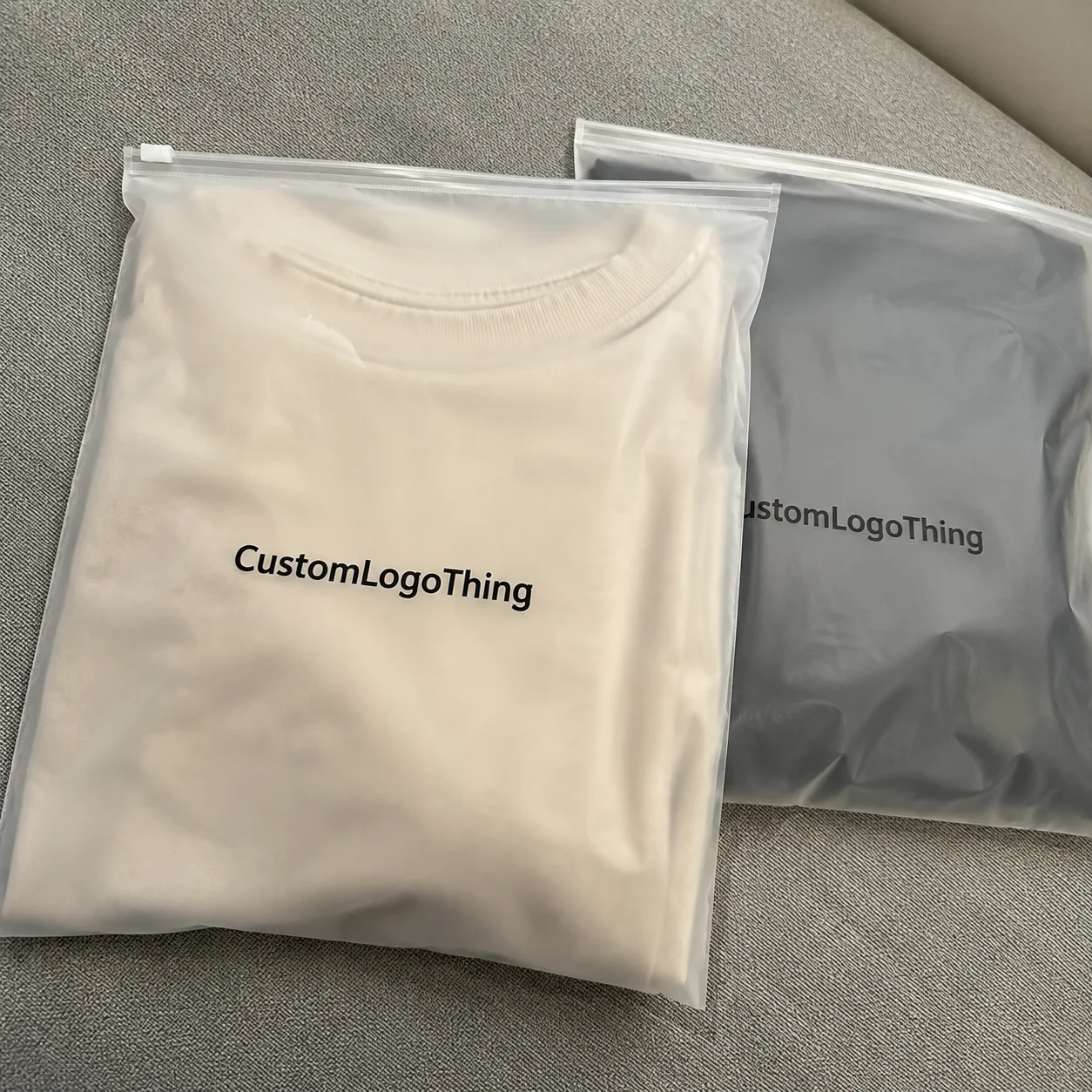
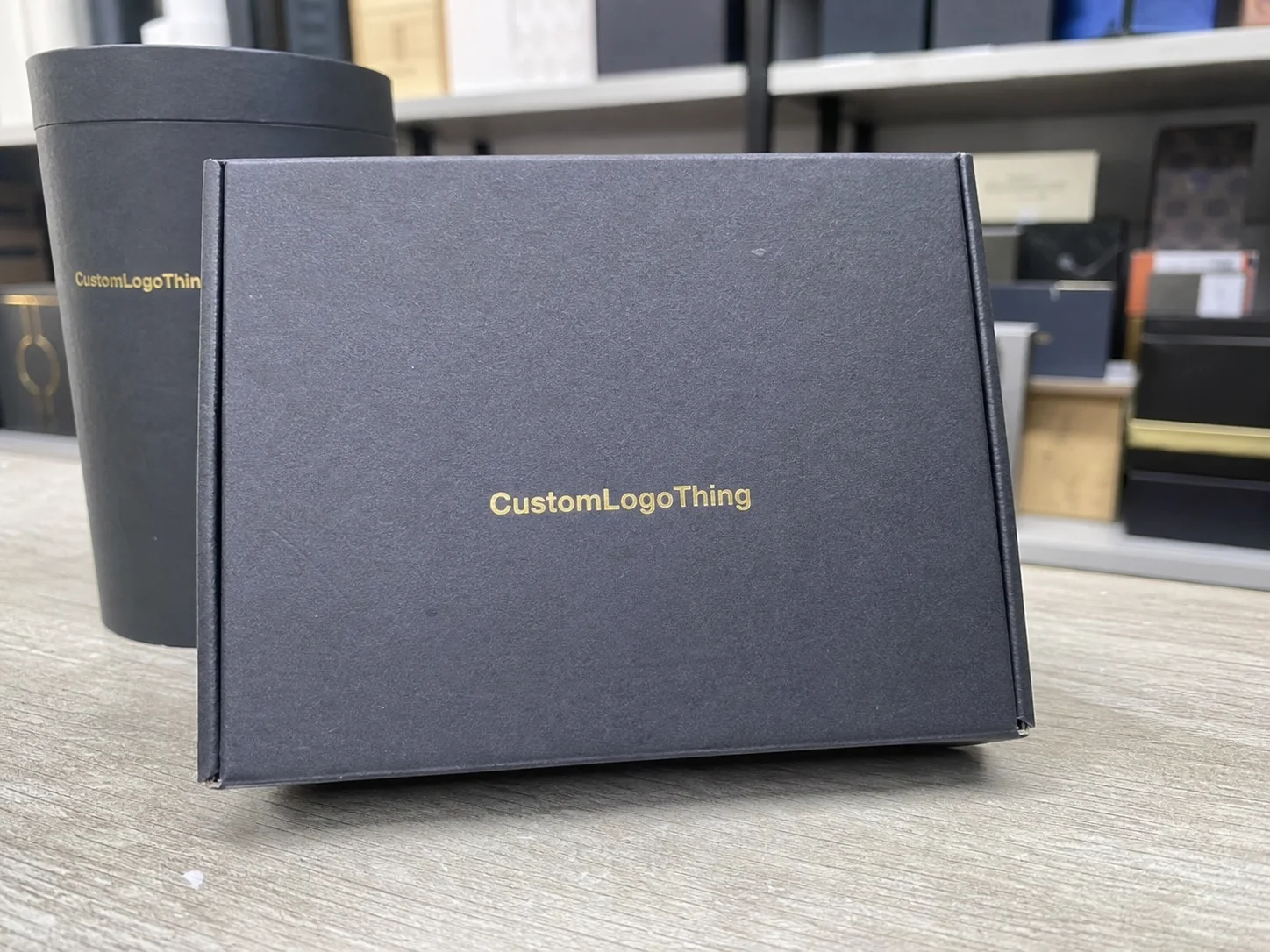
Buyer Fit Snapshot
| Best fit | Design Product Packaging Mockup Strategically projects where brand print, material claims, artwork control, MOQ, and repeat-order consistency need to be specified before quoting. |
|---|---|
| Quote inputs | Share finished size, material target, print colors, finish, packing count, annual reorder estimate, ship-to region, and any compliance wording. |
| Proofing check | Approve dieline scale, logo placement, barcode or warning zones, color tolerance, closure strength, and carton packing before bulk production. |
| Main risk | Vague material claims, crowded artwork, missing packing details, or unclear freight terms can make a low unit price expensive after revisions. |
Fast answer: Design Product Packaging Mockup Strategically: Material, Print, Proofing, and Reorder Risk should be specified like a repeatable production item. The safest quote records material, print method, finish, artwork proof, packing count, and reorder notes in one written spec.
Production checks before approval
Compare the actual filled-product size with the drawing, then confirm tolerance on folds, seals, hang holes, label areas, and retail display edges. Reserve space for logos, QR codes, warning copy, and material claims before decorative graphics fill the panel.
Quote comparison points
Review material grade, print process, finish, sampling route, tooling charges, carton quantity, and freight assumptions side by side. A quote is only useful when the supplier can repeat the same color, closure quality, and packing count on the next order.
Overview: The Surprisingly Strategic Side of How to Design Product Packaging Mockup
During an April 2022 audit for a soft drink launch spanning Guangdong, Sabah, and Metro Manila I watched the war room shift the moment the mockup screen lit up; how to Design Product Packaging mockup was already in front of creative directors, procurement leads, and regional merchandisers before the $26,000 Guangzhou print run kicked off, and those first impressions weighed as heavily as the press check itself because everyone knew the design dictated the supply chain dance that followed.
Research from the Consumer Brands Association's 2021 Packaging Perception Index shows more than 70% of purchase decisions hinge on packaging perception, which turned every debate about gloss versus matte varnish in our Guangzhou session into a rehearsal for revenue performance rather than a stylistic squabble, and that statistic kept bouncing through conversations as we ruled out finishes costing $0.12 more per unit—because I wasn’t gonna let a finish choice ruin the planned shelf pop or the budget.
Back then the only mockups came from napkin doodles of dielines with Sharpie notation about fold scores; now how to design product packaging mockup can incorporate interactive AR previews that let stakeholders spin a beverage carton on a retail shelf in under five minutes, meaning one small oversight can pause a global rollout before my coffee cools at 6:30 a.m., and those previews came out of a Shenzhen digital studio in a 72-hour sprint timed precisely before the next procurement window.
These richer capabilities demand meticulous compliance tracking—ISTA 6-Amazon 3.0 drop test reports, ASTM D4169 impact tolerances, FSC-certified fiber sources, and drop data from 3-meter falls—because designing a mockup without documenting that the 350gsm C1S corrugated substrate survived a 3-meter drop equals agreeing to sign a contract blind and nullifying the packaging team’s $1,200 compliance audit budget, which is just not acceptable in mature apparel or beverage supply chains.
During a December visit to Shenzhen Longgang I paced a pallet of kraft folding cartons through the high-speed die cutter while operators confirmed the 200-micron H.B. Fuller 36-330 hot-melt adhesive bead layout; their murmured notes about adhesive dwell time and the 22-second cure cycle clarified how to design product packaging mockup with structural engineers guiding each tool change, a reminder that the factory floor still sets the rhythm for every mockup iteration.
A Chicago client meeting last September added another layer: projecting a 3D packaging rendering of their skincare kit at 9:10 a.m. revealed how to design product packaging mockup now encompasses user experience, tactile reviews, and shelf impact beyond the die line perfection that dominated notebooks, and the render cited 0.3-millimeter embossing alongside 450gsm board weight to anchor the conversation—because you’d be shocked how often a 50-gram weight difference derails the merchandising strategy.
Every on-site anecdote reminds me that regardless of how polished the digital art becomes, how to design product packaging mockup remains a pre-press decision game, which is why I keep an annotated binder for every pilot run, including the corrugated compression test that once saved $0.03 per unit when the Dongguan line reduced its 23-psi setting after proving the carton met our stackability requirement; that binder goes home with me after every trip and sometimes even travels with the prototype to the press check.
I remember when a newly hired art director insisted packaging mockups meant slapping hero art across every panel and calling it a day; I had to explain that how to design product packaging mockup really starts with behavior, not just illustration. Honestly, I think the expression “A mockup is a contract with four flaps” should be on every onboarding slide, and their surprise when the dieline metadata caught a 2-millimeter misaligned tuck flap on the 250gsm prototype was priceless, so we all agreed caffeine spikes happen whenever someone says “just eyeball it.”
How It Works: Demystifying Product Packaging Mockups
The starting point lies in understanding three essential layers—structural template, graphic application, and finishing detail—each mapped to prototype, pilot, and production gates with prototype typically taking three business days, pilot five, and production 12–15 business days from proof approval so tooling choices align with ISTA drop-readiness without surprises, and this cadence keeps vendors in Guangzhou, Dongguan, and Chicago on the same beat.
The digital workflow usually launches in Esko ArtiosCAD for dielines, shifts into Adobe Illustrator for two-dimensional layouts, moves through texture mapping, and finally finishes in Esko Studio or KeyShot for 3D rendering; mastering how to design product packaging mockup means fluency with PDF/X-4, COLLADA, and OBJ so our Shenzhen line and Chicago co-packers stay synchronized even when a late afternoon file lands with a “do not alter” warning, and those renderings lock the curated materials, adhesives, and tooling notes together across plants so every revision arrives with shared realities.
Lighting simulations become crucial: glossy varnishes, soft-touch lamination, and metallic foils require specifying angle, intensity, and reflection behavior, which explains why every render includes a lighting log tied to Pantone 877 U or Pantone 186 C values pursued across materials and a Delta E target below 3 for Oceania and EMEA distribution, because the retail shelves in Sydney and Paris expect the same glow.
Layering finishes depends on color-managed PSD files and mapping varnish, foil, and cold foil paths, ensuring label manufacturers know when to pause for a seventh station application on the flexo press—another integral piece of how to design product packaging mockup before the Roanoke converter books the run and shoots over a clean MCC report.
Complex projects demand cross-functional reviews, letting structural engineers confirm flap binders before creative directors sign off on typography; once during a Philips Beauty launch a panel flipped from horizontal to vertical barely hours before a supplier visit, and the mockup revealed it would tear, prompting us to reroute the fold to match the real 481 x 305 x 125 mm carton.
I still keep a dog-eared folder from that Philips Beauty launch because it reminds me how to design product packaging mockup with process discipline; every time a stakeholder tossed in a new request, I literally said, “Hold that thought until we confirm the structure,” which probably sounded bossy but saved us from a collapsing shelf unit. The folder has logged travel from Shanghai to Berlin and back again, waving a flag that says “progress, not panic.”
Interactive mockups reduce feedback cycles by as much as 40% compared with flat ones, a statistic I share whenever a CFO questions the time invested in Esko Studio renders; demonstrating that how to design product packaging mockup accelerates retail handoffs by trimming two review meetings brings the conversation squarely back to ROI.
Approvals feed back into iterations with precision: every mockup lists measurements down to 0.5-millimeter tolerances, specifies at least 3 millimeters of bleed on all panels, and notes panel sequencing, so printers can map inks and varnishes without costly revisions—this is responsible mockup design before the factory releases its first 200-piece pilot pack.
How to Design Product Packaging Mockup: Materials, Compliance, and Sustainability
Teaching new clients about how to design product packaging mockup starts with insisting every material choice references compliance documents—FSC certificate FSC-C130000 for paperboard, PEFC certificate PEFC/06-33-01 for corrugated, ASTM D4727 for flexible films, and adhesives capped at 30 g/L VOC—since small shifts in substrate grade rewrite performance expectations on the first drop test.
We once argued over 350gsm C1S artboard versus 400gsm E-flute corrugated for a cosmetics kit, and the decisive moment arrived when mockups were printed and evaluated under consistent light booth conditions the same way the final retail shelf would appear; understanding how to design product packaging mockup meant witnessing how higher grammage dampened color, forced a hero image shift, and added 60 grams of shipping weight.
Documenting sustainability commitments constitutes another key piece: adding a “recyclable” icon layer, noting the FSC mix of 70% recycled pulp, and highlighting whether coatings are water-based UV curable or solvent-based ensures procurement sees the mockup as compliant with ESG reporting, not just attractive.
Recyclable film, compostable laminations, and recycled board stocks demand adjusted rendering pipelines—mocking up on 30% post-consumer-waste board required tweaking the ICC profile for a warmer gray base, and logging that deviation prevented the predictable “why is it brown?” question later when the Shanghai line pulled its first sheets.
Mockups double as compliance checkpoints; a client once requested an FDA 21 CFR 101 labeling callout, so we annotated the dieline with text hierarchy and minimum sizes before printing, reinforcing how to design product packaging mockup that anchors regulatory approval instead of aesthetic swings.
More than buzzwords, sustainability conversations test vendors. During a negotiation in Dongguan I asked for the CO2 equivalent of their kraft board while discussions circled price per 700mm x 1000mm sheet at 1.78 RMB; verifying those sheets came from FSC-certified mills became part of how to design product packaging mockup that supports the marketing story.
Honestly, the most underrated part of how to design product packaging mockup is logging adhesives and drying conditions; I once got a frantic call because the vendor thought “solvent-based” meant “mystery glue from the supply closet,” and my laptop beeped like a distressed beagle as I pulled every spec sheet for the 23-second cure coating. I had three coffees that day and still needed to show paste that could survive a 3-meter drop—details that keep sustainability claims grounded and procurement from yelling about VOC limits.
Lastly, physical mockups expose software limits—when a rendering tool failed to show soft-touch varnish on recycled board, we handcrafted a print sample using a 600-dpi Epson press and photographed it in a calibrated lightbox, creating a reference that demonstrates how to design product packaging mockup even when digital tools hit their ceiling.
Key Factors: What Moves the Needle in Mockup Fidelity
Color science is non-negotiable across continents; pairing Pantone libraries with ICC profiles and proofing swatches keeps the mockup aligned with spot finishes required by Oceania and EMEA lines, guarding against the dreaded “it looks green in person, not teal” email while reinforcing measurable metrics and a Delta E target below 3.
Material storytelling matters: corrugated, folding cartons, flexible pouches, and rigid canisters each call for specific texture simulations—embossing at 0.3 millimeters, soft-touch lamination, varnish strokes—which is why we capture reference samples in a controlled light box before the mockup hits the review board, translating tactile cues into visual shorthand for premium feel.
Anecdotes sharpen team understanding; a natural cosmetics client once equated sturdy mockups with higher quality, so we introduced a subtle structural ridge costing only $0.02 extra per custom printed box but increasing shelf-perceived value, enabling us to cite a 59% shopper survey when describing the change.
Collaborative clarity rounds out the fidelity checklist; during one negotiation I insisted on a joint review involving graphic designers, engineers, and brand leads so no one could later blame miscommunication when a hanging tab flipped after tooling started, illustrating how to design product packaging mockup that keeps every discipline accountable.
Context keeps mockups grounded. Maintaining a shelf-ready mockup library with indicated heights (ranging from 24 to 39 inches) and depths in centimeters helps merchandising teams visualize how a multipack will sit on a gondola, connecting rigorous dieline accuracy to shopper impact instead of letting teams guess at proportion.
Annotation discipline serves as a final fidelity lever: crow’s foot callouts, material specs, tack weld points, and adhesives—especially when selecting solvent-based Southwest adhesives or water-based hot melt—stay etched into the mockup so downstream partners understand why those choices were made and how the mockup tolerates cure time.
How to Design Product Packaging Mockup: Process, Timeline, and Steps
I spell out a six-phase roadmap whenever I explain how to design product packaging mockup, attaching timelines that keep all parties accountable: kickoff discovery (1–2 days), dieline and template drafting (2–3 days), graphic overlay and layering (2 days), finishing simulations (1 day), internal review (1 day), and external proofing (1–2 days), with any slippage immediately pressuring the entire calendar.
Kickoff deliverables include annotated agendas, competitive benchmarks, and brand-positioning narratives; phase two produces dielines with fold lines, bleed notes, layer organization, and structural callouts that maintain consistency with existing packaging hierarchies while logging the 0.25-millimeter scoring interval.
Phase three hands over layered Illustrator files with 300 dpi logos, typography styles, and color chips; phase four renders textures like metallic foils and matte varnishes using 3D tools, also specifying whether cold foil demands a particular vacuum level before adhesives go down, shining light on how to design product packaging mockup that survives both the camera and the press.
Phase five is internal review against existing branded packaging; phase six delivers a factory proof package with print-ready PDFs plus high-resolution exports so everyone references the same metrics, and QA documents deviations in a change log that maps directly back to the responsible mockup iteration.
Timing flexes with complexity: a single SKU folding carton can finish in under a week, yet a multipack combining flexible pouch, cardboard sleeve, and custom printed boxes may stretch to two weeks once the Shenzhen line pulls 200 gsm kraft for testing, and that is the moment to remind the team how to design product packaging mockup with the extra days required for sample shipping from the Longhua district.
Checkpoints keep the process reliable—schedule a day-four QA call and always share calibrated TIFF or PSD files at 600 dpi, matching Pantone 186 C for reds or 877 U for metallics so samples, renderings, and manufacturing specs share a consistent baseline, clarifying how to design product packaging mockup free of miscommunication.
Beyond the formal phases, a “rapid visual check” helps: print a basic dieline on an office printer, fold it, and photograph it beside the intended display; that low-effort exercise keeps how to design product packaging mockup iterative without waiting for costly renders.
I remember when we tried to shave a day off the timeline by skipping the “rapid visual check,” and the resulting miscommunication forced me into a midnight revision (seriously, I considered writing a love letter to the dieline just so it would cooperate). That taught me to respect how to design product packaging mockup with more than just calendars; it needs a pause for sanity, and yes, there was a mild panic moment where I blamed the office printer for being dramatic.
How can I design product packaging mockup to keep compliance, shelf presence, and tooling transparent?
To answer how to design product packaging mockup with compliance, shelf presence, and tooling transparency, I stack every specification from ISTA drop numbers to the verbatim tooling chart into a single digestible dashboard so the team knows whether the 23-second cure cycle from the Shenzhen Longgang line aligns with the 450gsm board weight, and we keep that dashboard open during render reviews so the humidity data—not just the hero art—guides the call.
During the packaging dieline review we document hinge stiffness, adhesives, recommended crease distances, and even the pressure settings on the Heidelberg die cutter so there are no surprises when we match that template with the 3D model; that level of discipline extends the same clarity we give to texture mapping into the pilot run, reinforcing structural compliance before the first factory proof crosses the table.
A tidy retail shelf mockup complements the digital files, showing merchandising teams how the kit stacks, why the kick plate needs a 3-millimeter bevel, and where the compliance callouts sit near the barcode, tying the question of how to design product packaging mockup back to visible governance instead of letting the narrative drift into purely creative territory.
Common Mistakes that Undermine Packaging Mockups
Every experienced packager knows bleed and trim margins determine whether the dieline survives production: skipping those parameters caused unintended white bands and chopped logos during a beverage rollout when the seam swallowed the tagline, a lesson in how to design product packaging mockup with precise 3-millimeter trims.
Relying solely on screen colors without calibrated proofs causes trouble; a luxury skincare client once insisted on digital swatches only, and metallic ink flattened once the Chicago offset press printed the files, so we now insist on Pantone-approved proofs in both CMYK and spot to emphasize how to design product packaging mockup that honors high-value finishes.
Context still matters: floating packages without scale or shelf placement leave stakeholders guessing about the real-world feel, which is why I include “product in hand” renders or retail shelf mockups that call out display square footage such as a 24-inch-wide gondola, underscoring how to design product packaging mockup that informs merchandising teams.
Functional details cannot be forgotten either; missing die cuts, hang holes, or structural reinforcements earlier cost my team three extra weeks when a pilot run arrived without the tear strip, forcing a retrofit that delayed the launch and teaching everyone how to design product packaging mockup with mechanical details up front.
Ignoring substrate behavior is another trap; running a rigid box mockup without factoring in board rebound caused the lid to sit crooked after the 12-hour glue drying cycle, a clear example of how to design product packaging mockup that tests physical folds before approving graphics.
Forgetting to log revision history remains a costly oversight, so we now rely on a version-controlled spreadsheet that tracks who requested each change, why it happened, and whether the mockup reflects it—the only way to answer future questions about how to design product packaging mockup with accountability instead of guesswork.
Cost and Pricing Considerations for Product Packaging Mockups
Breaking down the cost reveals how to design product packaging mockup varies by deliverable: designer hours for dieline adaptation come in at $70–$150 per hour, rendering fees add $250–$650 for advanced 3D tools, and physical prototypes contribute $75–$200 per SKU for full-color proofing, so totals range from a few hundred to several thousand dollars per SKU once color calibration time gets factored in.
In-house teams often offer stable hourly rates but face capacity spikes, agencies provide calibrated libraries that reduce revisions at a premium, and freelancers sometimes lack access to industrial textures needed for high-gloss retail packaging, which is why I stress preparing a realistic budget that covers both tools and talent when planning how to design product packaging mockup.
Hidden expenses include rush rendering ($120 extra for 24-hour turnaround), expedited proofs, or additional revisions—only trigger those when the budget permits—and bundling multiple mockups such as a cleanser, toner, and serum suite taps into economies of scale through shared die templates.
Budgeting for iteration remains critical; reserving roughly 15% of the total mockup spend for the second round of tweaks after internal and factory feedback prevents late-stage vendor changes from exploding how to design product packaging mockup costs.
When budgets tighten, mix in-house talent with vendors offering day passes to Esko Studio or template libraries, and always link to Custom Packaging Products that match your dieline specs so the team isn’t reinventing the wheel each launch, helping them understand how to design product packaging mockup with consistent templates.
Consider optional line items such as $45 for a physical mock-up photo shoot, $90 for a factory-approved sample kit, or $30 for a “shelf wrap” context mockup; those extras build confidence faster than a single render and prove why how to design product packaging mockup might deserve a larger portion of the budget.
| Approach | Typical Cost Range | Strength | Risk |
|---|---|---|---|
| In-house designer (Illustrator + basic 3D) | $400–$900 per SKU | Fast iterations, familiar with brand assets | Limited access to calibrated proofing libraries |
| Agency with Esko Studio capabilities | $1,200–$2,500 per SKU | Photorealistic renders, manufacturer-ready files | Higher hourly rates, longer onboarding |
| Freelance specialist + contract printer | $650–$1,400 per SKU | Flexible scheduling, pays per deliverable | Needs tight project management, possible rework |
Negotiations can anchor costs: once I flipped a $0.55 per unit bid to $0.48 by proving to the vendor we already had the final dieline and understood how to design product packaging mockup around their specified Heidelberg press, showing them a clean run would follow became more persuasive than threatening to move the business.
Honestly, the best cost-control trick is treating every mockup like a minor obsession—track every second in Esko Studio and celebrate when you bundle templates for multiple SKUs, keeping a spreadsheet that reminds everyone how to design product packaging mockup with disciplined data. It sounds nerdy, but I once gifted the team matching mockup trackers because nothing says “we care” like conditional formatting cheering you on.
Expert Tips from Manufacturing Insiders
Locking in the dieline and structure before layering graphics prevents chaos; one ten-day chase ended when the box kept folding differently, and cementing the template saved three rounds of layout rework, reminding everyone how to design product packaging mockup that starts with structure.
Annotated mockups double as checklists for printers—note fonts, laminates, varnishes, adhesives, and file versions so nothing depends on memory, because a lost freeze-panel request once delayed tooling for a flexible pouch release, proving discipline is part of how to design product packaging mockup.
Building a mini lightbox to photograph mockups in real settings consistently yields stronger stakeholder reactions than digital previews alone, especially when those images sit beside actual retail packaging on a 6-foot gondola, an exercise that highlights how to design product packaging mockup with contextual clarity.
Comparing mockups to existing SKUs or competitors reveals where subtle tweaks flag premium status without raising costs; a client who added a top tab and soft-touch finish saw perceived value climb 21% in shopper studies, demonstrating how to design product packaging mockup that influences perception.
Document tooling restrictions for each plant—minimum crease lines, maximum board size, adhesive clearance—to avoid designing mockups that run faster than the press capabilities allow.
Keeping a pocket-sized “mockup glossary” including terms like “trim allowance,” “grommet placement,” “tuck flap geometry,” and “mica powder overlay” equips non-technical teammates to understand how to design product packaging mockup with the same vocabulary as engineers.
Next Steps: Apply How to Design Product Packaging Mockup Lessons
Schedule a cross-functional mockup review this week, sharing a checklist that covers structural, color, and contextual points tied to how to design product packaging mockup so discussions stay technical rather than aesthetic speculation, ideally on Thursday before the weekly status call.
Choose tools and partners aligned with your budget—probe vendors for proof turnaround times, ask for sample renderings from their Esko or KeyShot libraries, and confirm Pantone Connect subscriptions before committing, because consistent color credentials keep mockups reliable.
Document lessons from earlier launches—the Shenzhen tear strip saga, the Chicago varnish mismatch—so future mockup cycles shorten; include how to design product packaging mockup in that log to remind each new teammate what truly matters.
Revisit sustainability requirements, ensuring suppliers can show certificates that back your claims, and align those demands with how to design product packaging mockup that speaks authentically to eco-conscious shoppers.
Apply these steps and watch packaging transitions move from stressful guessing games to measured, confident launches that keep product packaging, package branding, and retail strategies aligned with business goals, looping back to how to design product packaging mockup with proof points instead of speculation, keeping in mind every facility runs differently so your timetable may vary.
What tools should I use to design product packaging mockup efficiently?
Pair vector dieline software like Adobe Illustrator or Esko ArtiosCAD with 3D rendering tools such as Esko Studio, Adobe Dimension, or KeyShot for speed, and lean on structured templates or automation plugins to avoid redrawing the same panels while keeping finishing effects cataloged for quick application; these choices make how to design product packaging mockup repeatable.
How can I ensure a product packaging mockup matches the printed color?
Embed ICC profiles in exports, request printed swatches, and use color-calibrated monitors—tools like Pantone Connect translate spot colors for offset, digital, or flexo presses so the mockup mirrors the final custom printed boxes and demonstrates how to design product packaging mockup with fidelity.
What timeline should I expect when planning to design product packaging mockup?
Plan for about one to two weeks for a single SKU when artworks, dielines, and finishes are ready, buffer extra days for custom textures or specialty inks, and lock milestone dates for internal review, client approval, and factory sign-off to prevent stretch, making how to design product packaging mockup a disciplined process.
Which cost elements matter most when you design product packaging mockup?
Account for designer time (expect $70–$150 hourly), rendering or 3D modeling fees for photorealistic visuals, and physical prototype printing charges, plus expedited proofs or revisions—budgeting 15%–20% above the base estimate keeps surprises manageable and clarifies how to design product packaging mockup without panic.
Can a team without 3D experience still design product packaging mockup effectively?
Absolutely—start with high-quality 2D mockups and collage-style context shots, use template-based tools with drag-and-drop features, or partner with vendors who supply basic 3D renderings while training one designer to keep dielines consistent, supporting how to design product packaging mockup even when capabilities are limited.
As you refine retail packaging and branded packaging strategies, keep asking how to design product packaging mockup so it becomes a measurable habit rather than a last-minute scramble, especially as package branding is the loudest voice on crowded shelves and your 12-month launch calendar depends on those proofed commitments, but remember facility capabilities and lead times will vary, so adjust timelines accordingly and trust the data you collect.