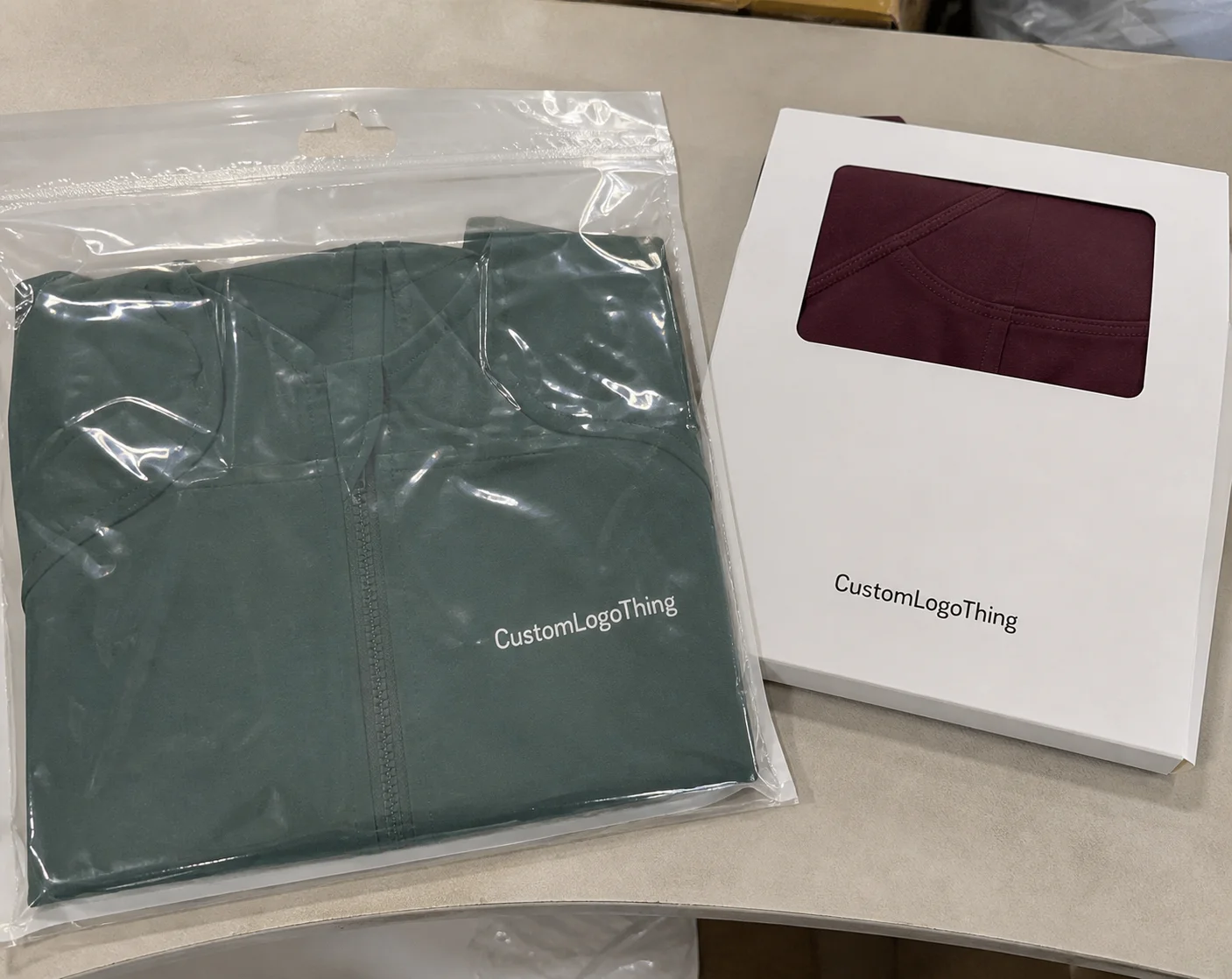
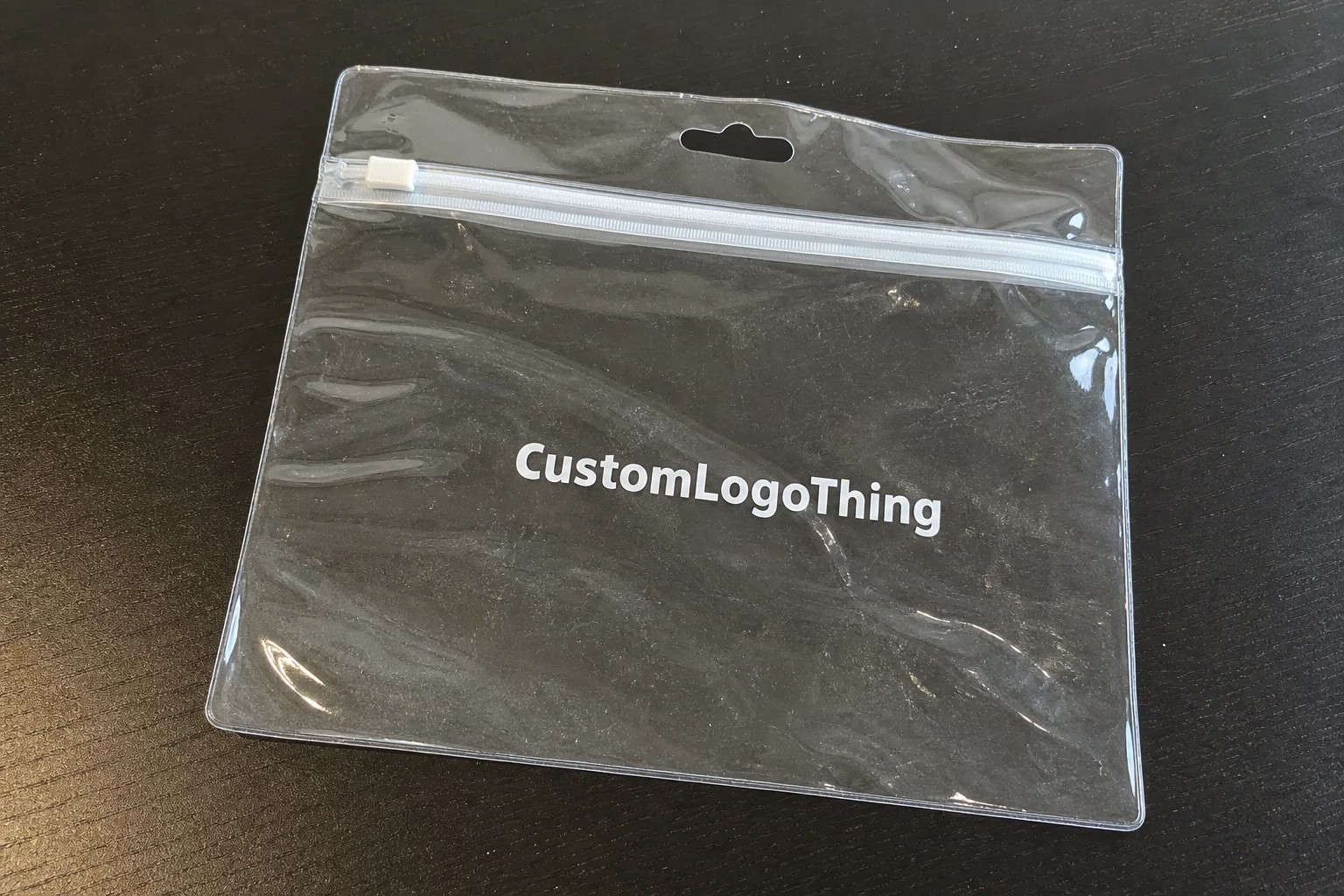
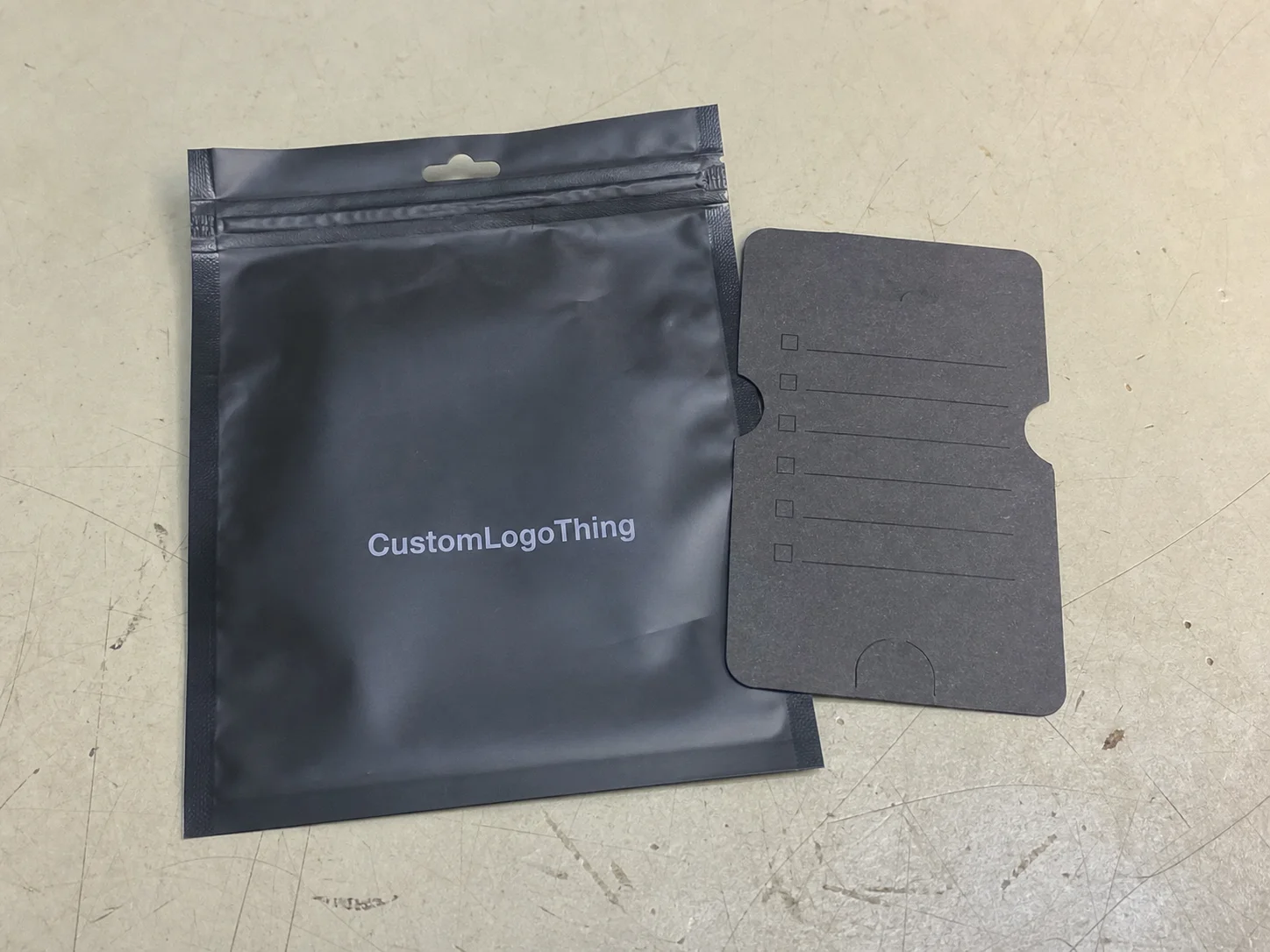
Buyer Fit Snapshot
| Best fit | Design Retail Packaging Displays projects where brand print, material claims, artwork control, MOQ, and repeat-order consistency need to be specified before quoting. |
|---|---|
| Quote inputs | Share finished size, material target, print colors, finish, packing count, annual reorder estimate, ship-to region, and any compliance wording. |
| Proofing check | Approve dieline scale, logo placement, barcode or warning zones, color tolerance, closure strength, and carton packing before bulk production. |
| Main risk | Vague material claims, crowded artwork, missing packing details, or unclear freight terms can make a low unit price expensive after revisions. |
Fast answer: Design Retail Packaging Displays: Quote Scope, Sample Proof, MOQ, and Lead Time should be specified like a repeatable production item. The safest quote records material, print method, finish, artwork proof, packing count, and reorder notes in one written spec.
Production checks before approval
Compare the actual filled-product size with the drawing, then confirm tolerance on folds, seals, hang holes, label areas, and retail display edges. Reserve space for logos, QR codes, warning copy, and material claims before decorative graphics fill the panel.
Quote comparison points
Review material grade, print process, finish, sampling route, tooling charges, carton quantity, and freight assumptions side by side. A quote is only useful when the supplier can repeat the same color, closure quality, and packing count on the next order.
I’ve watched a $2,000 display beat a $20,000 launch because the cheaper one was easier to shop from. That’s the part most brands miss when they ask me how to Design Retail Packaging displays: the store does not care about your internal debate, your mood board, or how many rounds of design review you survived. It cares whether the display stops a shopper, explains the product in under three seconds, and survives the trip from pallet to shelf. In one beauty aisle in Chicago, the winning unit was a simple counter display with 24 facings, a 350gsm C1S artboard header, and a pop-out tray that a cashier could restock in under four minutes.
At Custom Logo Things, I’ve seen retail packaging displays do three jobs at once: pull attention, carry the brand, and make the product easy to grab. I’ve also seen beautiful concepts die in the first hour because the carton bottom buckled, the header card blocked the SKU, or the cashier had to assemble 48 pieces with a dull knife and bad patience. So yes, how to design retail packaging displays is part graphic design, part structural engineering, and part common sense. Annoyingly, the common sense part is where a lot of projects fall apart. In a Dallas club-store test, one display failed because the base was only 280gsm flute board instead of the specified E-flute corrugated with a 1.5 mm thickness.
How to Design Retail Packaging Displays: Why They Matter
When people ask me how to design retail packaging displays, I start with the plain-English version. A retail packaging display is any structure that presents your product for sale before a shopper picks it up. That includes counter displays near checkout, floor displays in aisles, shelf talkers clipped to racks, PDQ trays that ship pre-packed, and dump bins stuffed with inventory that needs to move fast. Different names, same mission: make the product visible, understandable, and easy to buy. A 12-count lip balm tray in a pharmacy in Atlanta does a very different job from a 72-unit snack PDQ in a warehouse club in Minneapolis, but both need the same basic thing: fast recognition.
The display is not the package. That’s a mistake I hear all the time. Packaging protects the product in transit. Display packaging sells it in the store. A folding carton can look great on a tabletop, but if it folds wrong in a 12-pack shipper or hides the price sticker, it’s failing at the real job. I’ve had clients spend $1.20 more per unit on an elaborate print finish, then lose the shelf because the display was awkward to restock. Fancy does not pay rent. Sell-through does. I once saw a premium toothpaste launch in Los Angeles stall because the unit was printed beautifully on 16pt SBS, then packed into a shipper that took eight minutes to open and refill.
One brand I worked with had a tiny countertop display with 24 units and a plain red header. It cost under $2,000 for the prototype run. A much larger floor display for the same product line cost closer to $20,000 after tooling, but it sat too low and got buried in a crowded beauty aisle. The small display won because it was easier to shop, easier to refill, and easier for store staff to keep alive. That’s how to design retail packaging displays that actually move product: make the shopping path obvious and the labor light. The winning unit used 450gsm coated board for the outer panels and a 1.2 mm chipboard insert to keep the front row from collapsing after the first weekend.
There’s another reason this matters. Retailers care about operational friction. If a display takes 18 minutes to assemble, weighs 34 pounds, and needs a second employee to straighten it after every customer interaction, it becomes a nuisance. The best retail packaging displays do four things well: stop traffic, communicate value fast, organize the assortment, and reduce headaches for store teams. Pretty is nice. Useful wins. A buyer in Phoenix told me flat out that anything over 10 pounds per shipper carton gets questioned because floor labor in his stores is already packed into 15-minute blocks.
“The display that sells is usually the one that annoys the store the least.”
How Retail Packaging Displays Work in Stores
Retail packaging displays don’t live in a vacuum. They move from warehouse to pallet to store backroom to sales floor, and every step can wreck the original plan if you ignore the details. I’ve stood in a Shenzhen facility watching a worker stack 60 display cartons onto a pallet with a 6-inch overhang on two sides. The sales sample looked fine. The freight sample arrived crushed. One bad pallet pattern and the whole “premium” launch turned into a discount-looking mess. So yes, how to design retail packaging displays starts with logistics, not gradients. The factory in Shenzhen was using 1100 mm x 1100 mm pallets, but the carton footprint was set for a 1200 mm pattern, which is how a pretty concept becomes a dented one.
In stores, these displays compete with noise. Bright signage. Price tags. Competitor packaging. Seasonal junk stacked three feet high. Eye-level placement matters because the human eye is lazy. That’s not an insult; it’s biology. If your product sits below knee height in a crowded aisle, your retail packaging display needs a sharper message, stronger contrast, or both. Endcaps, counters, and checkout lanes all behave differently, which is why one display format won’t work everywhere. A grocery endcap in Toronto can give you 30 seconds of attention; a convenience-store counter in Houston gives you maybe three.
Here’s the simple version of where each format tends to work best:
- Counter displays for small, high-margin items like lip balm, travel-size skincare, or accessories, usually built with 14pt to 18pt SBS or 350gsm C1S artboard.
- Floor displays for larger assortments and products that need more physical presence, often made with B-flute or E-flute corrugated and a 1.5 mm to 3 mm board thickness.
- Endcaps for promotions, seasonal items, and fast-turning product packaging, especially in supermarkets and drugstores with 48- to 72-inch-wide fixtures.
- PDQ trays for warehouse clubs, convenience stores, and quick replenishment, typically shipped pre-packed in 6, 12, or 24-unit configurations.
- Dump bins for high-volume, low-complexity items where speed matters more than perfection, often used for clearance or seasonal events in clubs and mass retail.
The structure, graphics, and product placement have to work together. A display with strong branding but no visible SKU hierarchy is confusing. A display with clean structure but no value message is invisible. A display with too many variant callouts becomes a tiny billboard, and shoppers glaze over. When I build concepts, I’m always asking: what is the one thing the shopper should understand in two seconds? That answer should drive how to design retail packaging displays from the first sketch. If the answer is “this is the mint version and it costs $4.99,” then that’s the message, not a 40-word paragraph.
Retailer operations matter too. I’ve had buyers tell me bluntly, “If my team can’t stock it in under five minutes, we won’t keep it.” That sounds rude until you manage a real store with limited labor. Easy stocking, quick assembly, and minimal touch-ups are not nice extras. They are the price of admission. In one chain in Denver, a display that required 14 folding steps was rejected in favor of a simpler tray that assembled in under 90 seconds with two locking tabs.
For structural standards and testing language, I often point brands to ISTA shipping test standards and the package design resources from the Flexible Packaging Association and packaging industry bodies. If your display will ship long distances or sit on a pallet, don’t guess. Test it. If you’re sourcing from Guangzhou, Dongguan, or Yiwu, ask for drop-test photos, compression test values, and the exact flute specification before you approve anything.
Key Factors in How to Design Retail Packaging Displays
If you want to know how to design retail packaging displays Without Wasting Money, start with visual hierarchy. I mean logo size, headline placement, product benefit callouts, and where the eye lands first. Don’t make the shopper hunt. The brand name should be readable from 3 to 6 feet away. The product benefit should be even faster to process. If the display is for a flavor or variant, that callout needs to be visible from a natural standing angle, not only in a perfect mockup on your computer monitor. A 1.5-inch headline on a 28-inch counter display works in a mockup; in a real aisle, it disappears unless the contrast is strong.
Material choice changes everything. For most retail packaging displays, corrugated board is the workhorse because it handles shipping and cost control well. SBS and chipboard are useful for lighter counter displays or premium-looking structures with crisp print quality. PET and acrylic are more niche, usually for reusable or semi-permanent fixtures, and they can run pricey fast. I’ve quoted displays at $0.80/unit in volume for simple corrugated shippers and watched more complex branded packaging displays climb past $8.00/unit once you add rigid board, special coatings, and custom inserts. That price jump is not a rumor. It’s a factory invoice. A 5,000-piece run in Dongguan might land at $0.15 per unit for a plain insert, then jump to $0.42 per unit the moment you add lamination and a die-cut window.
Brand fit matters, but so does restraint. Your typography, color palette, and finish should echo the rest of your package branding without crowding every inch of the surface. I’ve seen teams add six badge shapes, three icons, and a paragraph about “quality ingredients” to a 14-inch display. The result looked like a coupon insert had a nervous breakdown. Strong packaging design uses the same visual language as the box, but with a cleaner message hierarchy because the shopper is standing farther away. In practice, that means one bold color block, one product shot, and one proof point instead of a full confetti parade.
Retailer requirements can kill a beautiful concept fast. Some chains have strict maximum dimensions, weight limits, barcode visibility rules, and stacking instructions. Some want a master carton that opens from the side. Some want the display pre-packed and ready to pop open. Others want the components flat-packed to cut freight. If your structural concept ignores those rules, you will get a polite rejection email, which is retail code for “try again, please don’t waste our time.” A chain in Seattle once rejected a display because the UPC sat 18 mm too low and was blocked by a front lip.
| Display Type | Typical Material | Typical Unit Cost | Best Use | Tradeoff |
|---|---|---|---|---|
| Counter display | SBS board or light corrugated | $0.80–$2.25 | Checkout, small impulse buys | Limited capacity |
| Floor display | Corrugated board | $1.75–$5.50 | Aisles, seasonal promos | More freight and assembly |
| Premium reusable display | Rigid board, acrylic, metal parts | $6.00–$8.00+ | High-traffic specialty retail | Higher tooling and storage cost |
Cost is not just print. It’s tooling, inserts, finish, fold complexity, and freight. A display that looks “cheap” on paper can get expensive when you add a glued partition, a window patch, a foil hit, and a custom shipper. I’ve negotiated with converters who quoted one number for the display and a second number for “necessary assembly support,” which is a fancy way of saying the quote wasn’t complete. Always ask what’s included. Ask again if the answer feels slippery. In one quote from a supplier in Ningbo, the base price was $0.89 per unit, but the actual landed cost hit $1.37 after inserts, inner cartons, and domestic freight to the port.
For sustainability and material decisions, I also check guidance from EPA recycling resources and FSC-certified fiber options via FSC. If your retail packaging displays are going into chain stores with sustainability targets, those details can matter in the approval process. A lot of retailers now ask for recycled content percentages, and some want a minimum of 30% post-consumer fiber before they’ll even send the file to procurement.
Step-by-Step: How to Design Retail Packaging Displays
The cleanest way I know how to design retail packaging displays is to treat it like a sequence, not a guessing game. Skipping steps usually costs more later. Usually a lot more. I’ve watched brands “save time” by designing graphics before they had dimensions, then spend two extra weeks reworking the panel size after the first dieline came back. That is not efficiency. That is expensive improvisation. A 14-inch-wide display can become a 13.5-inch-wide display fast when the retailer sends revised shelf specs on day six.
Step 1: Define the sales job
Start with one goal. Increase trial? Drive add-on sales? Move seasonal inventory? Protect premium positioning? The display for a 12-count lip treatment in a pharmacy checkout lane is not the same as the display for a 48-SKU snack assortment in a club store. Write down the product count, target retail channel, sales price point, and whether the display needs to promote one hero SKU or a family of SKUs. When I’m helping a brand figure out how to design retail packaging displays, I ask for that brief before I open Illustrator. If the product retails at $3.99, the structure should not feel like a $40 prestige fixture.
Step 2: Get retailer specs first
Collect the shelf dimensions, max height, max depth, weight limits, barcode rules, and any placement restrictions. If the retailer wants a shipper-ready design, you need their carton rules too. I once visited a factory near Dongguan where a display was built 8 mm too wide because the team used the product sample, not the retailer spec, as the starting point. That tiny error triggered a re-cut of 3,000 units. Five minutes of checking would have saved several thousand dollars. I still remember the plant manager holding the ruler like it had personally insulted him.
Step 3: Decide the structure
Will it be shippable, pre-packed, or assembled in-store? That choice affects the entire build. A shippable display needs stronger board, tighter glue control, and better compression resistance. A pre-packed PDQ tray needs product orientation and protective partitions. A floor display may need a header, side wings, or a stepped shelf insert. If you don’t decide early, the structure gets patched together later, and patched-together displays usually look exactly like that. For a launch in Melbourne, we used a 3-piece knockdown floor display so the freight rate stayed under $180 per pallet instead of jumping to a fully assembled carton that would have doubled the shipping bill.
Step 4: Build the graphics hierarchy
Now the design work starts behaving. Put the brand name where the eye lands first. Add one strong benefit statement. Then add only the variant or flavor callouts shoppers need to make a decision. If you write a paragraph, it’s too much. Use bold contrast, clean typography, and one consistent focal point. Good retail packaging displays don’t need to explain the company history. They need to say, “This is the one you want,” in less than two seconds. A 28-point headline, a 16-point support line, and one 8-point compliance note is usually plenty on a 24-inch counter display.
Step 5: Prototype and test
Prototype before you approve a full run. Always. Check fit, visibility, and load-bearing performance. Hold the display at 3 feet, then 6 feet. Tilt it. Shake it a little. See what falls out. If possible, run a basic transit test aligned with ISTA guidance. I like to verify whether the display can survive a pallet ride and a hurried store associate at 7 a.m., because that is the real test. Store teams do not baby your carton. They toss it, tap it, stack it, and move on. In a Guangzhou sample room, I once watched a tray fail after 11 seconds because the front lip flexed under a 6.5-pound load.
That process is how to design retail packaging displays that hold up in the wild. It also keeps the conversation honest. A render can hide a weak fold. A prototype cannot. A sample made with 350gsm C1S artboard and a 1.8 mm greyboard core will tell you more in ten minutes than ten rounds of email feedback ever will.
Process and Timeline for Retail Packaging Display Development
The workflow is usually the same: brief, dieline, render, prototype, review, production, packing, shipping. The order matters because every step locks in assumptions for the next one. If the brief changes after the dieline is approved, the clock resets. If artwork comes in late, the sample waits. If the retailer wants structural revisions after seeing the mockup, the timeline stretches again. That’s not the vendor being slow. That’s physics and approvals. A plant in Foshan can cut a sample fast, but it still cannot print artwork that has not been approved.
Typical timing depends on complexity, but here’s a realistic range for how to design retail packaging displays without losing your launch window:
- Brief and specs: 2–4 business days if the client has measurements and retailer rules ready.
- Dieline and structure concept: 3–7 business days.
- Digital render and internal review: 2–5 business days.
- Prototype or sample cut: 5–10 business days.
- Revision cycle: 3–7 business days depending on changes.
- Production: typically 12–15 business days from proof approval for many corrugated runs, longer for complex builds.
- Freight and delivery buffer: 5–15 business days depending on destination and lane.
What slows things down? Missing product weights, no pallet plan, late artwork, and changes after approval. One client sent final copy the same day we were supposed to release the press proof. That pushed the whole job by four days. On a clean timeline, that’s a small stumble. On a seasonal launch, it can be a blood pressure event. A five-day delay on a Halloween display in August is fine; a five-day delay on a holiday display in late October is how you end up air-freighting boxes out of Shenzhen.
I learned the hard way during a factory visit in Shenzhen that one weak glue line can ruin a whole display family. The structure looked great until the crew opened cartons at speed and a side panel popped because the adhesive coverage was inconsistent by a few millimeters. The factory fixed it, but the lesson stuck: what looks fine on a sample table can fail in production if the fold sequence, glue pattern, or board caliper is off. That’s why how to design retail packaging displays includes manufacturing discipline, not just aesthetics. A good supplier in Suzhou or Dongguan will show you the glue bead width, usually around 3 to 5 mm, before the line starts.
Here’s a simple example timeline from concept to delivery: Week 1, brief and specs. Week 2, dieline and first render. Week 3, sample cut. Week 4, revisions and retailer comments. Week 5 and 6, production. Week 7, freight to distribution center. Add buffer for sign-off and you stop pretending everything will go perfectly. That little habit saves more launches than any fancy software. I usually tell clients to build in at least 7 to 10 extra business days if the retail buyer is involved, because approvals love to wander.
Common Mistakes When You Design Retail Packaging Displays
The biggest mistake? Designing for the presentation deck instead of the store floor. I see it constantly. The mockup looks elegant under studio lighting, but in a real aisle it’s too tall, too narrow, or too visually busy. That is not how to design retail packaging displays that sell. That is how to design a nice screenshot. In one New York specialty chain, a display looked perfect at 72 inches tall until the top graphic clipped the sprinkler line and got pulled from the floor.
Another classic mistake is loading the display with too much text. If the shopper needs to read three benefit lines, two claims, a feature comparison, and a brand story, you’ve already lost. The display should not behave like a brochure. It should behave like a fast decision tool. The best retail packaging displays use one headline, one supporting proof point, and maybe one small secondary note. That’s it. A 10-inch by 16-inch counter unit has no business carrying 80 words of copy. Nobody is standing there for a lecture.
Size and weight cause problems too. A display that is too tall tips in transit. One that is too heavy adds freight cost and handling friction. One that is too fragile dies after the first customer reaches for the back row. I’ve seen a beautiful custom printed box style display crack at the base because the designer forgot that a 9-pound product load is not a theoretical exercise. It’s a load, not a concept. In practice, a 36-inch floor display carrying six 1.5-pound jars needs a stronger base than a render file suggests.
Then there’s the finish trap. Foil, spot UV, soft-touch lamination, embossing, matte varnish—nice tools, sure. But if the finish raises cost by 20% and nobody notices it from 4 feet away, you bought vanity. I’m not anti-finish. I’m anti-waste. Sometimes a strong solid ink color and a clean die-cut opening will outperform a complicated decoration package. A $0.22 spot UV hit on 5,000 units can look smart on a quote and pointless on a shelf.
The real-world test is simple: can the display survive a pallet ride, a stockroom shuffle, and a store employee rushing at 7 a.m.? If not, it’s not ready. I’d rather approve a plain-looking unit that lasts than a gorgeous one that falls apart before lunch. Retailers remember headaches. They rarely remember your presentation deck. One buyer in Portland told me he could forgive boring, but he would not forgive a display that left paper dust in the aisle after two days.
- Too tall for the aisle or endcap.
- Too many competing graphics and claims.
- Weak base construction or bad glue coverage.
- No plan for replenishment or shrink-wrap removal.
- Expensive finishes that do not improve shelf performance.
Expert Tips to Improve Retail Packaging Displays
If you want stronger retail packaging displays, keep the message simple. One dominant message. One support point. That’s the formula I return to most often because it works. Brands love to tell me they need to communicate everything. They do not. A shopper in a grocery aisle is making a micro-decision, not reading a thesis. In a 14-foot aisle in Austin, I watched a display with one strong claim outperform a more decorated competitor that had four badges and a wall of fine print.
Design for a 2-second read and a 3-foot visual check. That means high contrast, readable type, and obvious product grouping. It also means the product itself should sit in a way that shows quantity and shape cleanly. If the unit is small, a tiered insert can help. If the assortment is color-coded, the colors need to be visible without hunting. This is basic packaging design, but it gets forgotten the moment someone says “make it pop.” A 24-slot tray with stepped risers can do more than a flat tray ever will.
Build in easy restocking features. Tear-away fronts, open-top structures, and clear refill paths reduce labor. That matters more than almost any decorative choice. I’ve had store teams tell me they kept a display alive for six weeks longer than expected because it was simple to refill. That’s what good display packaging does: it respects the people who maintain it. If the front panel tears cleanly in 6 to 8 seconds, the backroom team will thank you without saying a word.
Ask for samples before you commit. Not just the printed sample. Ask for the structure sample, the board sample, and if possible, a shipping sample. A one-off hand-built mockup can hide problems. A flat-cut sample tells you more. If a supplier dodges sample requests, that’s a smell. Usually not a good one. I always want to see the actual board grade, whether that’s 350gsm C1S, 18pt SBS, or a 3 mm E-flute cut from the same factory line in Shanghai or Shenzhen.
On the supplier side, negotiate with your eyes open. I’ve gotten quotes from large converters and material houses such as International Paper and WestRock, plus smaller local shops that can be better for quick turns. Don’t just compare unit price. Compare freight, lead time, print method, board grade, and whether the quote includes pre-assembly or not. A display that looks $0.30 cheaper may cost you $1.10 more after shipping and labor. That math is not hard. It is just frequently ignored. A supplier in Qingdao may offer a lower print rate, but if freight to the West Coast adds $420 per pallet, the “cheap” quote is suddenly not cute anymore.
For brands building broader product packaging systems, I always recommend coordinating the display with the rest of the shelf set. If your Custom Packaging Products are already using a specific color system, keep the display aligned so the shopper recognizes the brand from the shipper to the shelf to the counter. That consistency is part of package branding, and it helps more than people think. A single PMS color carried across a shipper, a counter unit, and a carton sleeve makes the line feel intentional instead of cobbled together.
“People buy faster when the display makes the choice feel obvious.”
What to Do Next After You Design Retail Packaging Displays
Before you move forward, put four things into one document: product dimensions, retail channel, budget, and retailer specs. If those four are missing, the project will drift. That document becomes your control center. It also makes supplier conversations much shorter, which is a blessing for everyone involved. I usually ask for carton dimensions in millimeters, target quantities, and the exact store region, because a rollout in Texas and a rollout in Ontario can need different packing assumptions.
Next, gather your brand assets. Logos in vector format, approved colors, typefaces, product photography, barcode data, and any compliance language. If your display needs to support branded packaging across a full line, collect the variants too. The cleaner the input, the cleaner the output. Weirdly enough, design tends to work better when people know what they own. A brand folder with AI files, Pantone references, and final copy saves at least one revision cycle, usually 2 to 3 business days.
Request a prototype or sample cut before final approval. I know I sound repetitive. Good. Repetition saves money. A sample can reveal structural stress, readability issues, and assembly pain in one afternoon. It is a lot cheaper than a 10,000-unit mistake. In one case, a $65 sample in Guangzhou exposed a shelf angle issue that would have turned into a $4,500 reprint on the full run.
Then build a launch checklist. Assembly instructions, packing method, pallet counts, freight date, retailer contact, replenishment plan, and a backup date if something slips. This is how to design retail packaging displays like someone who has actually shipped them. If you need the product to land in stores on time, the checklist matters just as much as the artwork. A proper checklist should also include who signs off the proof, who approves the pre-production sample, and which warehouse in Los Angeles, Chicago, or Atlanta receives the first shipment.
If you do all of that, you’ll be in a much stronger position to make retail packaging displays that actually earn their space. And yes, I’ll say it one last time because it’s the whole point: how to design retail packaging displays is not about making a prettier mockup. It’s about testing, revising, and building something the store can live with and the shopper wants to buy. A good display in Miami or Manchester should survive the same reality: rushed staff, tight space, and a customer who decides in under five seconds.
FAQ
How do you design retail packaging displays that actually increase sales?
Lead with one clear benefit and make it readable from a few feet away. Keep the structure easy to shop, stock, and restock so employees do not ignore it. Match the design to the store environment and product type instead of forcing one look everywhere. That is how to design retail packaging displays that move units instead of collecting dust. In a chain test in Miami, a simple 18-unit counter tray outsold a fancier 30-unit version by 17% in the first two weeks.
What materials are best when you design retail packaging displays?
Corrugated board is the most common choice for strength and cost control. SBS or chipboard works well for lighter counter displays and premium graphics. Use sturdier options when the display will travel far, hold more weight, or sit in high-traffic stores. Material choice should fit the load, not your ego. For example, 350gsm C1S artboard works well for small headers, while 1.5 mm E-flute is a better fit for a shipper that needs to survive cross-country freight.
How much does it cost to design retail packaging displays?
Simple displays can land under $1 per unit in volume, while complex structures can climb to $8 or more. Cost depends on size, material, print coverage, finish, tooling, and freight. Prototype and revision costs should be included early so the budget does not get wrecked later. A 5,000-piece order in Shenzhen might price at $0.15 per unit for a plain insert, while a premium retail version with matte lamination and partitions can push past $1.20 per unit.
How long does it take to design retail packaging displays?
Basic projects can move from concept to sample in a few weeks if specs and artwork are ready. Custom structural work, approvals, and revisions add time fast. Freight and retailer sign-off often matter as much as the actual design phase, so build buffer into the schedule. A typical production run is 12–15 business days from proof approval, then another 5–10 business days depending on whether the delivery lane goes to California, Texas, or Ontario.
What is the biggest mistake brands make when they design retail packaging displays?
They design for the presentation deck instead of the store floor. They add too much copy and too many features, which hurts readability. They ignore assembly, shipping, and replenishment, then act surprised when stores hate it. That’s the fastest way to turn a decent idea into a dead display. I’ve seen it happen in Orlando, where a great-looking unit failed because the front lip blocked the price tag by 12 mm.