Buyer Fit Snapshot
| Best fit | Lower Fulfillment Packaging Costs Without Cutting Quality projects where brand print, material claims, artwork control, MOQ, and repeat-order consistency need to be specified before quoting. |
|---|---|
| Quote inputs | Share finished size, material target, print colors, finish, packing count, annual reorder estimate, ship-to region, and any compliance wording. |
| Proofing check | Approve dieline scale, logo placement, barcode or warning zones, color tolerance, closure strength, and carton packing before bulk production. |
| Main risk | Vague material claims, crowded artwork, missing packing details, or unclear freight terms can make a low unit price expensive after revisions. |
Fast answer: Lower Fulfillment Packaging Costs Without Cutting Quality: Material, Print, Proofing, and Reorder Risk should be specified like a repeatable production item. The safest quote records material, print method, finish, artwork proof, packing count, and reorder notes in one written spec.
Production checks before approval
Compare the actual filled-product size with the drawing, then confirm tolerance on folds, seals, hang holes, label areas, and retail display edges. Reserve space for logos, QR codes, warning copy, and material claims before decorative graphics fill the panel.
Quote comparison points
Review material grade, print process, finish, sampling route, tooling charges, carton quantity, and freight assumptions side by side. A quote is only useful when the supplier can repeat the same color, closure quality, and packing count on the next order.
Most brands ask how to Lower Fulfillment Packaging Costs like they’re hunting for the cheapest box on the planet. That usually backfires. I remember one skincare client in our Shenzhen facility who burned through thousands because their mailer box was just 3/16 inch too large. That tiny gap forced extra void fill, pushed the parcel into a worse shipping tier, and slowed packing by about 6 seconds per order. Six seconds sounds harmless until you multiply it by 18,000 units. Suddenly it’s not “tiny” anymore. It’s a budget problem wearing a cute little cardboard hat.
After 12 years in custom printing, I’ve learned this: how to lower fulfillment packaging costs is really about total landed cost. Material price matters, sure. Storage, labor, damage rate, freight, and packing speed matter too. Ignore those, and a “cheap” box gets expensive fast. Honestly, I think a lot of brands get hypnotized by unit pricing because it’s the easiest number to point at in a meeting. Easy does not mean correct.
If you want how to lower fulfillment packaging costs without wrecking quality, stop asking “what’s the cheapest packaging?” Ask, “what packaging protects the product, packs fast, and ships well?” That one shift saves brands real money. I’ve seen it shave $0.14 to $0.38 per order on mid-volume programs, which adds up fast when you’re shipping 10,000 or 50,000 units. A $0.22 saving across 25,000 orders is $5,500. That’s not pocket change. That’s payroll for someone who actually matters.
Here’s the quick check I use with clients: if the packaging adds more than 3 seconds to pack time, or adds more than half an inch to carton size, it probably deserves a second look. That’s not theory. That’s warehouse math. Warehouses are brutally honest. They don’t care that the box looked pretty in the render, and they absolutely do not care what your mood board said.
How to Lower Fulfillment Packaging Costs Without Guesswork
I once stood on a client’s packing line while a supervisor showed me a stack of pretty mailer boxes that looked great on a desk and terrible in real life. The box was oversized by a small margin, but that small margin turned into wasted corrugate, more filler, and a larger dimensional weight charge from the carrier. The brand thought they were buying branded packaging. What they were really buying was expensive space. I’ve seen that movie too many times, and spoiler alert: the ending is always a headache.
That’s the core of how to lower fulfillment packaging costs: reduce waste in the full system. Not just the box price. Not just print costs. The full system. If the package looks great but forces slower assembly, you’re paying for that in labor. If it’s light but crushes in transit, you’re paying for that in returns and replacements. If it’s gorgeous but ships in a bigger carton than needed, you’re paying for air. Air is not a good procurement strategy, no matter how confidently someone says “we can probably make it work.”
Here are the biggest cost drivers I see over and over:
- Oversized dimensions that trigger extra freight charges, especially once you cross carrier size bands on small parcels.
- Too many SKUs, which complicates inventory and raises storage costs in a 3PL charging $18 to $28 per pallet per month.
- Custom inserts that require hand assembly and slow the line by 10 to 20 seconds per order.
- Low print runs that push unit pricing up because the setup cost is spread too thin, especially below 3,000 pieces.
- Pretty but impractical packaging design that looks premium and packs like a headache.
That last one is common. A client once asked me for custom printed boxes with three finishes, two insert layers, and a magnetic closure for a $24 product. I asked how many seconds their team could spare per order. The answer was silence. Then a warehouse manager laughed and told me they were already behind on pick times. We redesigned it into a flat-pack corrugated mailer with one-color exterior print, and their packing line got 28% faster. Not glamorous. Effective. Also, the warehouse team stopped giving me that look, which was a nice bonus.
If you’re serious about how to lower fulfillment packaging costs, think like ops, not just marketing. Packaging should protect the product, move quickly through fulfillment, and stay inside the margin target. That means the package needs to earn its keep every single time it ships. A packer in Dongguan or Dallas does not care about your “premium story” if the closure takes 22 extra seconds to fold.
One more thing: if your current package adds an inch or more to the combined outer dimensions, I would not ignore that. Carrier pricing can jump sharply once you cross thresholds, and that’s where brands get blindsided. The box didn’t just get bigger. It got more expensive to move.
How to Lower Fulfillment Packaging Costs with Smarter Product Choices
Different formats behave differently on cost, and pretending they don’t is how budgets get shredded. If you’re comparing packaging formats, compare them by use case, not by ego. How to lower fulfillment packaging costs starts with picking the right structure for the product and the shipping model. I know that sounds obvious, but I’ve watched people choose packaging because “the brand felt premium.” Brands have feelings. Freight invoices do not.
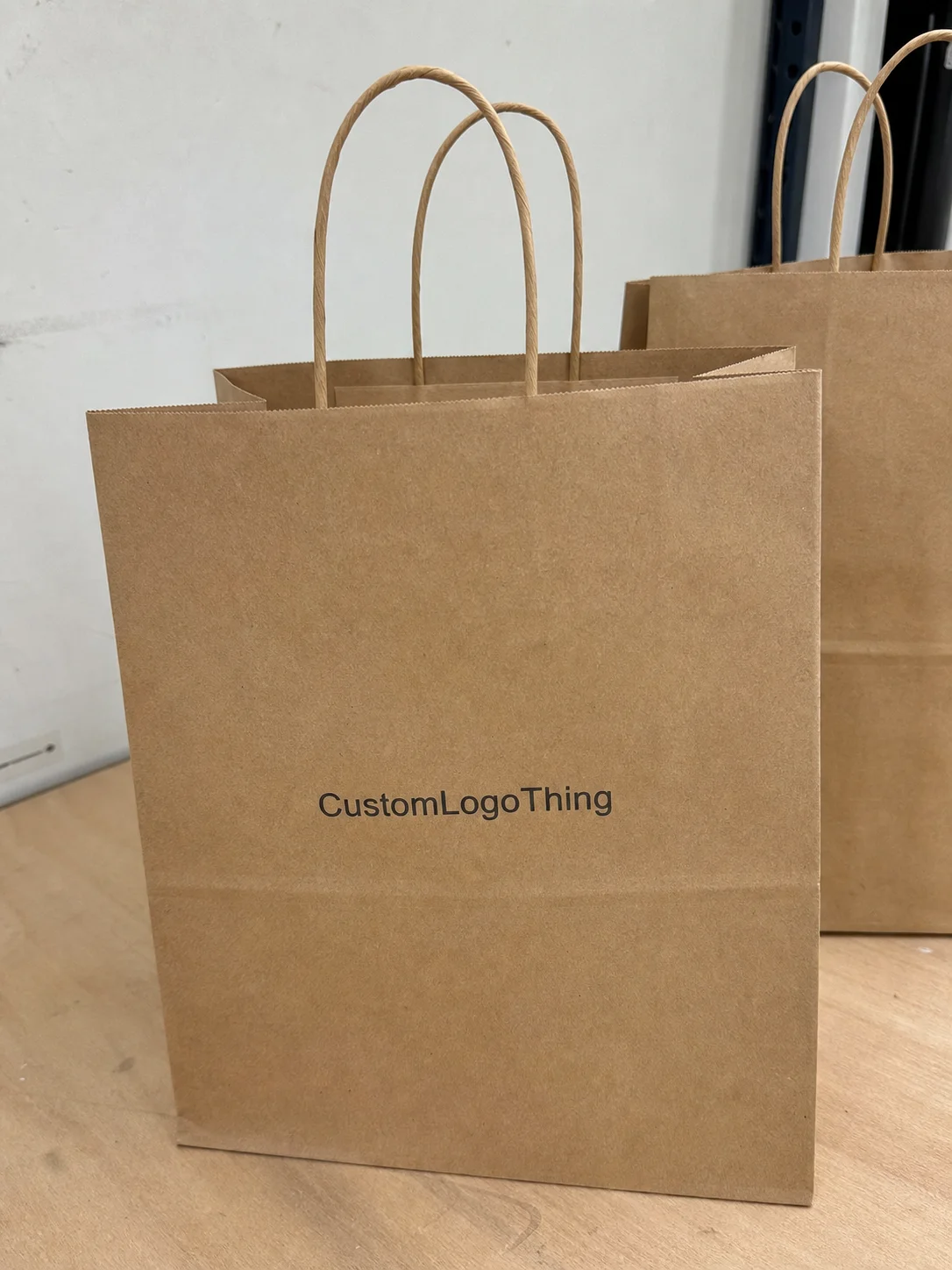
Folding cartons work well for lightweight retail packaging, cosmetics, supplements, and small consumer goods. A 350gsm C1S artboard carton printed in Guangzhou can be a clean fit for a 60 ml serum, and pre-glued cartons usually pack much faster than fold-and-lock versions. They’re efficient in print and can ship flat, which helps inventory. But if the product needs real crush resistance, you may need corrugated protection inside a shipper.
Mailer boxes are popular for direct-to-consumer product packaging because they balance presentation and protection. In my experience, a properly sized mailer often beats a rigid box by a wide margin on both material cost and packing time. A rigid box can cost 3 to 5 times more once you include wrap, board, assembly, and labor. For a 5,000-piece run, a standard E-flute mailer in Yiwu might land around $0.38 to $0.62 per unit, while a wrapped rigid set can push $1.80 to $3.20 depending on paper wrap and insert complexity. Pretty? Yes. Cheap? Not even close. I’ve had people smile at a rigid prototype like they were adopting a puppy, then go quiet when I showed them the actual quote.
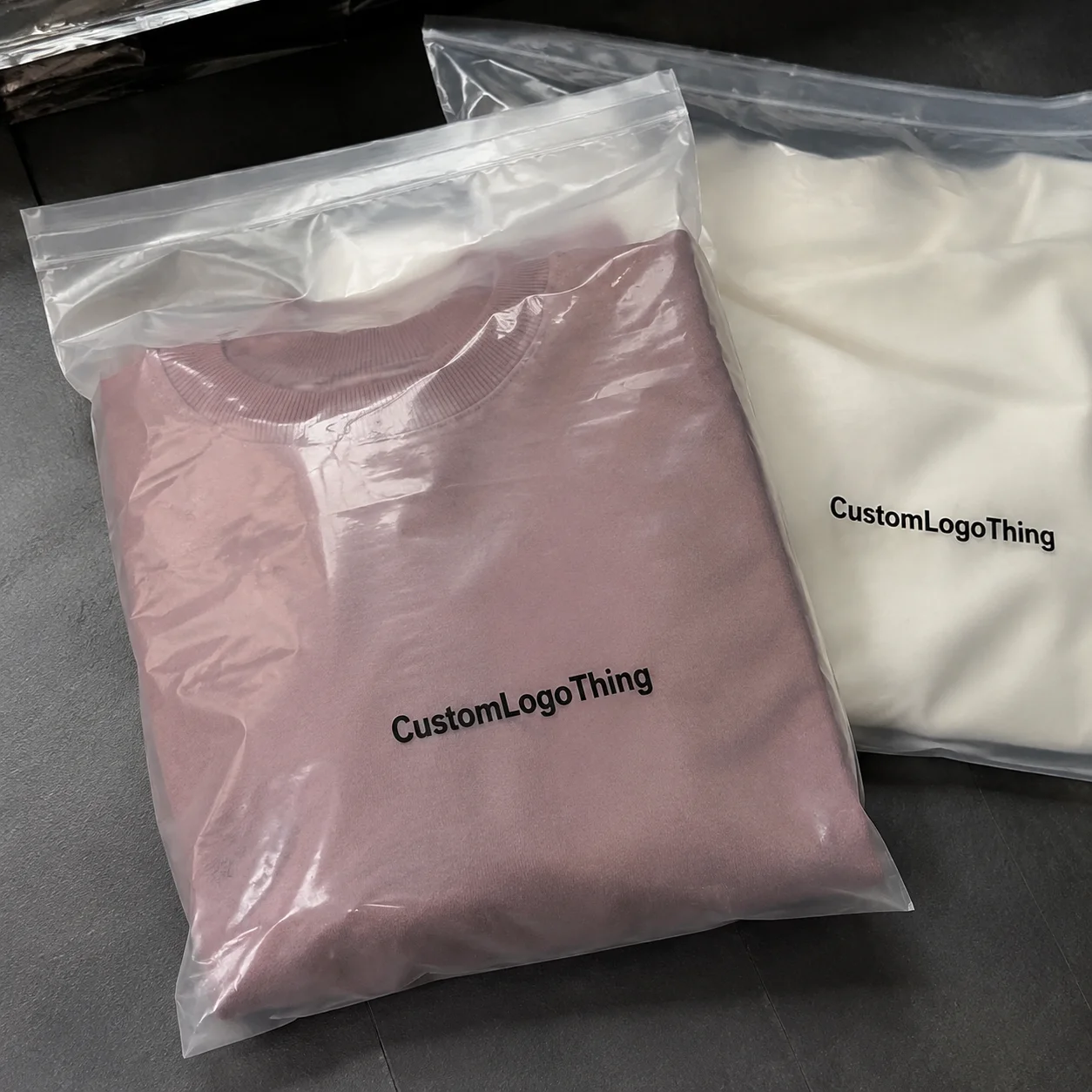
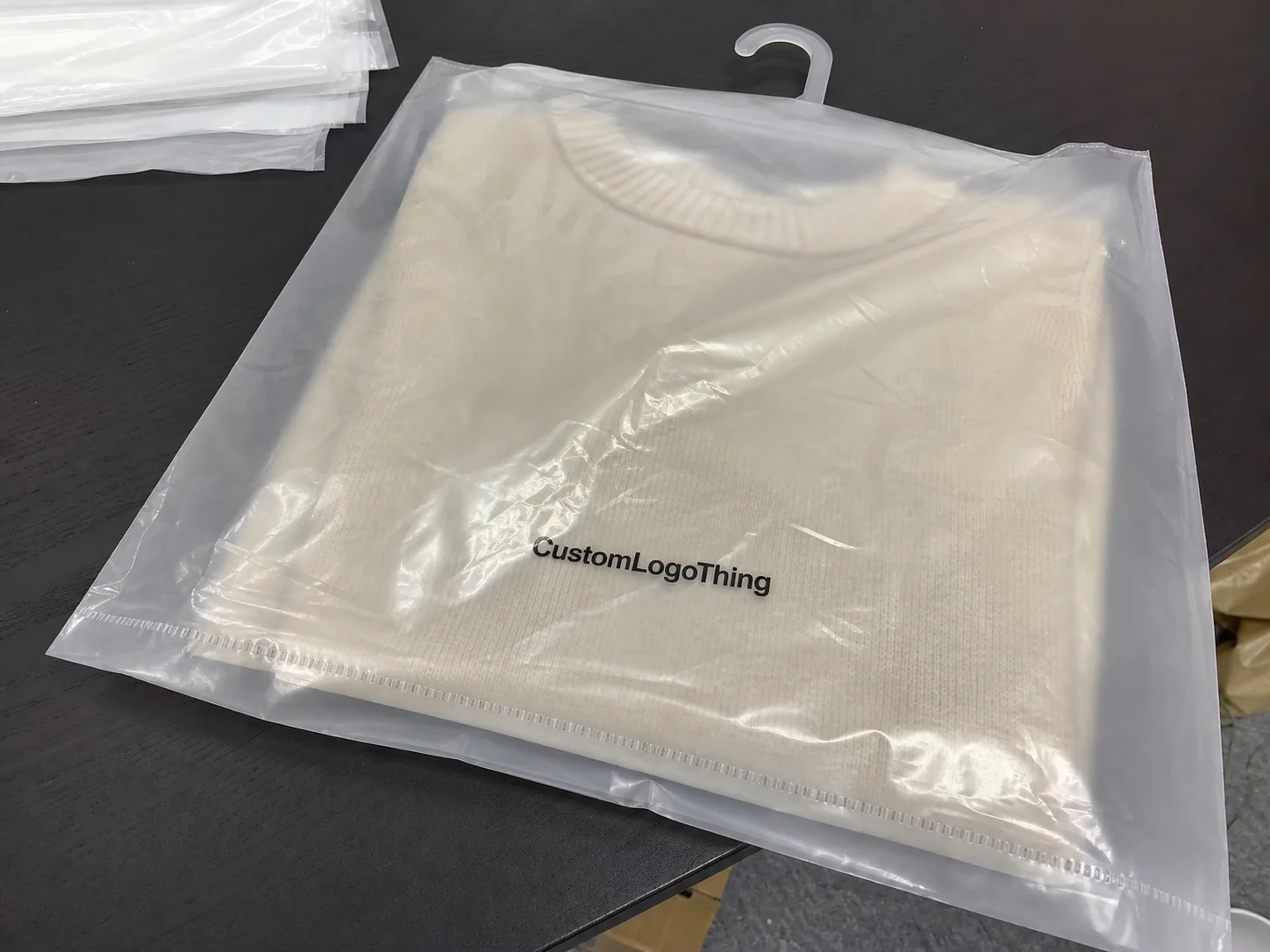
Poly mailers are excellent for soft goods and low-breakage items. A 2.5 mil co-extruded poly mailer from Jiangsu can cost $0.08 to $0.15 per unit at 10,000 pieces, and the freight savings are real because they weigh almost nothing. But they are not a great fit for fragile items or products that need a premium unboxing experience. You don’t throw a ceramic candle in a poly mailer and call it strategy. That’s not strategy. That’s hoping for the best and pretending the return rate is “seasonal.”
Rigid boxes still have their place in high-value branded packaging, luxury sets, and special launches. But I’ve seen too many brands use them for products that retail at $18 to $35. That’s mismatch spending. If the box costs too much relative to product price, the math will eventually punish you. It always does. Patiently. Rudely. And usually after the quarter closes.
Corrugated shippers and inserts are the workhorses of fulfillment. They’re cost-efficient, scalable, and widely accepted by warehouse teams. A 32 ECT corrugated shipper with a simple paperboard divider from Shenzhen can perform well for most 1 to 3 lb items. The key is the structure. A box with a well-sized cavity and simple divider can often replace a custom foam insert that costs more and takes longer to assemble.
Here’s a simple comparison I give clients who want how to lower fulfillment packaging costs without compromising the customer experience:
| Packaging format | Typical use case | Cost behavior | Fulfillment speed | Best fit |
|---|---|---|---|---|
| Poly mailer | Apparel, soft goods, low-breakage items | Lowest material cost, low freight; often $0.08 to $0.15 at 10,000 pcs | Very fast | High-volume ship-from-warehouse programs |
| Folding carton | Retail packaging, small consumer products | Moderate, depends on print coverage; often $0.12 to $0.35 at 5,000 pcs | Fast when pre-glued | Retail shelf presentation with controlled budgets |
| Mailer box | DTC kits, subscription products | Moderate, rises with size and print; often $0.38 to $0.90 at 5,000 pcs | Fast if die-cut is efficient | Unboxing plus protection |
| Rigid box | Luxury sets, high-ticket items | Highest, often 3x to 5x corrugated; commonly $1.80 to $3.20 at 5,000 pcs | Slow due to assembly | Premium presentation, not cost control |
| Corrugated shipper | General fulfillment, fragile goods | Strong value, especially at volume; often $0.24 to $0.68 depending on ECT and size | Fast | Warehouse efficiency and protection |
Standardized dimensions are another big win. If you can reduce from 7 sizes to 3, you usually simplify ordering, lower storage headaches, and cut pick errors. I’ve seen a brand save enough on warehouse handling to offset a slightly higher unit price because the team no longer had to search through a wall of nearly identical boxes. At a warehouse in Ningbo, the supervisor literally pointed at the box wall and said, “This is why we miss picks.” He wasn’t wrong.
Print strategy matters too. One-color print, one inside message, and maybe one spot color can look sharp without driving up production cost. A single PMS color on kraft board from a Dongguan printer can look clean and premium without needing a full CMYK flood. You do not need eight ink hits and a foil stamp to look professional. Clean branding beats clutter. Good package branding is not a carnival ride.
If you’re trying to figure out how to lower fulfillment packaging costs, I’d also look hard at anything that slows assembly: magnetic closures, nested trays, layered wraps, or odd folds that make the packer pause. Every pause becomes labor. Labor becomes overhead. Overhead becomes a problem you can’t see on the box quote. And yes, the warehouse team notices every stupid extra motion by lunch.
For brands that want custom solutions without overcomplication, our Custom Packaging Products can be built around the actual fulfillment process, not some fantasy unboxing video that lasts 14 seconds and costs you 14 cents too much.
Specifications That Reduce Fulfillment Packaging Costs
Specifications are where the money hides. People like to talk about design, but the specs decide whether how to lower fulfillment packaging costs is realistic or just a nice idea. Board caliper, ECT strength, finish type, insert style, print coverage, and flat-packability all affect pricing in very real ways. A 350gsm artboard mailer and a 400gsm SBS carton may look close in a mockup, but the quote will remind you they are not the same creature.
Let’s start with board strength. A lot of brands over-specify because they fear damage. I get it. Nobody wants crushed product and angry returns. But 32 ECT is often enough for lighter products, while 44 ECT or higher makes sense for heavier loads or more demanding shipping routes. A 32 ECT RSC in Shenzhen might be fine for a 1 lb set shipped regionally, while a 44 ECT single-wall shipper is a better call for 3 lb kits moving cross-country. I’m not giving universal advice here because the right grade depends on the product weight, transit distance, and stack pressure in your warehouse. Testing matters. ASTM and ISTA standards exist for a reason, and they are cheaper than customer complaints. If you want a good reference point, look at the test guidance from the ISTA community and material standards used across the industry.
Dimensional efficiency is another killer detail. A package that fits under carrier thresholds can save a meaningful amount per shipment. If your outer dimensions push you into a larger dimensional weight band, your unit price on the box might be fine while your shipping bill quietly climbs. That’s a classic trap when people focus on product packaging cost and ignore freight math. I’ve seen a 0.25-inch change alter the shipping tier on a 2 lb order more than once. Small numbers. Big bill. The carrier, naturally, is thrilled.
Here are specs that usually help with how to lower fulfillment packaging costs:
- Smallest acceptable footprint that still protects the product, such as trimming a mailer from 9 x 6 x 3 inches to 8.5 x 5.75 x 2.75 inches.
- Lightest acceptable material that passes compression and drop tests, like moving from 44 ECT to 32 ECT where weight allows.
- Flat-packable structures that reduce storage and transport costs, especially for 2,000 to 5,000 unit inventory positions.
- Fewer glue points or simpler folds to speed assembly, which can save 5 to 12 seconds per pack.
- Reduced print coverage where full-wrap graphics are not essential, such as using one-color exterior print and a blank interior.
Consolidating SKUs is a bigger deal than most people think. If you run 12 nearly identical box sizes because each product team wanted something “unique,” you’ve created more inventory risk, more reordering complexity, and more chances for shipping mistakes. I’ve sat in client meetings where the warehouse lead openly admitted they were using the wrong box about 8% of the time because the sizes were too close. That’s not a packaging problem. That’s a systems problem, and systems problems get expensive in ways that are annoyingly hard to explain to finance.
Automation-friendly specs can save real labor. Consistent tolerances help machines and people. Glue-free designs can reduce steps. Easy-fold structures shorten the learning curve for seasonal staff. If your team spends 15 extra seconds per order on a weird fold, and you ship 20,000 orders a month, do the math. It gets ugly fast. In a warehouse outside Guangzhou, I watched a seasonal crew lose an entire afternoon because one insert had a reverse fold. That kind of nonsense shows up on labor reports even if nobody wants to say why.
Testing is not optional if you want how to lower fulfillment packaging costs without creating damage costs later. I recommend a basic sequence: drop test, compression test, and fulfillment trial with your actual packing team. Some brands skip this because they want to move quickly. Then they pay for replacement units, customer service calls, and a second packaging run. Very efficient, if your goal is to waste money.
One sustainability note: recycled corrugated and paper stocks can be cost-smart too, not just eco-friendly. If you want a standards reference for responsible sourcing and paper-based materials, the FSC system is worth checking. I’ve had clients win retail approvals faster when their packaging story included certified material options, especially for product packaging in premium and wellness categories.
Pricing, MOQ, and the Real Cost of Fulfillment Packaging
Pricing is where the confusion starts. People see a unit quote and think they understand the deal. They don’t. How to lower fulfillment packaging costs means looking at all the buckets: tooling, setup, print, finishing, assembly, and freight. One quote might look cheap because it excludes storage. Another might look expensive because it includes pre-assembly. Apples and oranges. Convenient, if you enjoy bad decisions.
Here’s a reality check from my own supplier negotiations: a customer once compared two mailer box quotes. One was $0.41/unit at 5,000 pieces. Another was $0.36/unit at 20,000 pieces. They immediately wanted the lower unit price. But once I added warehouse storage for 15,000 extra units at $22 per pallet per month, plus cash tied up for 5 months, the “cheaper” option cost more overall. The smaller order won because it matched sales velocity better. That is how to lower fulfillment packaging costs in the real world, not in spreadsheet fantasy land.
MOQ matters, but not in a vacuum. A small MOQ may mean higher unit cost, but it also means less cash tied up and less risk if the product line changes. A large MOQ can reduce unit price, but it may sit in storage while your packaging spec ages out or your branding changes. I’ve watched brands order 30,000 custom printed boxes for a launch they were still trying to validate. Half the inventory sat for 11 months in a warehouse near Suzhou. That’s not savings. That’s expensive optimism. I can’t say it more plainly than that.
Use a simple decision frame:
- Monthly usage: how many units you actually ship, such as 2,500, 8,000, or 25,000 per month.
- Storage cost: what it costs to keep packaging in your warehouse or 3PL, often $18 to $30 per pallet per month in the US.
- Cash flow: how much money gets locked up in inventory, especially on a $15,000 to $60,000 packaging buy.
- Risk of obsolescence: whether the design or SKU mix may change soon, like after a rebrand or seasonal launch.
- Shipping savings: how much smaller, lighter packaging reduces freight, sometimes $0.08 to $0.26 per parcel.
For simple printed mailers, pricing can land much lower than premium rigid boxes. Inserts, embossing, foil, and specialty finishes push the quote up fast. A clean one-color mailer box might be a very different number from a matte laminated box with foil and a custom insert set. The trick is not to eliminate every premium feature. The trick is to keep the features That Actually Sell the product. Everything else is just decoration with a bill attached.
If you want to ask a supplier the right way, request separate pricing for materials, print, finishing, and assembly. That makes it obvious where the cost is hiding. Sometimes a quote looks high because the structure is overengineered. Sometimes the board is too heavy. Sometimes the print coverage is driving it. Until you see the components, you’re guessing.
And yes, hidden costs matter. Rush fees. Split shipments. Kitting. Rework. Extra proof rounds because the artwork wasn’t ready. Those line items can erase the savings from a lower unit price in a heartbeat. One client saved $0.06 per unit on paper stock and spent $0.11 more on rush freight because they approved art three days late. Fantastic math. Terrible business. I wish I were being dramatic, but I’m really not.
For brands trying to figure out how to lower fulfillment packaging costs, I usually say this: negotiate the system, not just the box. If the packaging vendor can help you reduce assembly time, freight class, and storage footprint, the quote is actually better even if the printed unit price is a bit higher.
| Cost bucket | What drives it up | How to reduce it |
|---|---|---|
| Tooling/setup | New dielines, custom sizes, special finishing | Reuse proven structures and standard dimensions |
| Materials | Heavy board, premium coatings, oversized formats | Right-size specs and choose lighter acceptable stock |
| Assembly | Complex inserts, magnetic closures, multi-step folding | Use flat-pack, glue-free, or simplified structures |
| Freight | Large cartons, dimensional weight, split shipments | Optimize outer dimensions and order planning |
| Inventory | Large MOQs, slow turns, storage fees | Match order size to demand and reorder cadence |
Process and Timeline for Lower-Cost Packaging Orders
The process matters because sloppy process creates cost. How to lower fulfillment packaging costs is partly about being faster and clearer in approvals. Every extra revision cycle can add weeks, create reprint risk, and push production into rush territory. Rush territory is where budgets go to die. I’ve seen perfectly good packaging specs get kneecapped by one person “just wanting to see another option.” Another option, as it turns out, is often another invoice.
A clean workflow usually looks like this: discovery, spec review, quote, sample, revisions, approval, production, and delivery. That’s the normal path. For a typical order in Shenzhen or Dongguan, proof approval to production often takes 12 to 15 business days for printed folding cartons, while custom mailer boxes with a simple one-color print may take 15 to 20 business days. If your team is missing final product dimensions, artwork files, or closure preferences, the timeline expands. And the expanded timeline usually costs more.
I remember a client meeting where the brand team loved the prototype, but the operations manager pointed out that the insert required two hands and a twist to seat the bottle. That’s the kind of thing you want to catch before production. We revised the cavity by 1.2 mm, and packing time dropped by 4 seconds per unit. That tiny change saved more than the prettier finish ever could. The ops manager looked absurdly satisfied, which honestly made my day.
For timeline planning, a good rule is this:
- Simple stock-based custom packaging: can move faster when specs are straightforward and artwork is ready, usually 10 to 12 business days after proof approval.
- Fully custom structures with inserts: need more lead time because of sampling and fit testing, often 15 to 20 business days.
- Special finishes: usually add production complexity and extra QC checks, which can add 3 to 5 business days.
Final dielines and artwork readiness are huge. Missing vector files, low-resolution logos, and vague size notes are common reasons costs creep up. If the factory has to clean up files or rebuild a dieline from scratch, someone has to pay for that time. It’s not magic. It’s labor. A shop in Foshan will happily quote the extra art prep separately, and I do not blame them.
There’s also a fulfillment-specific step that brands skip too often: testing with the actual packing team. I mean the people who will touch the box 8,000 times a week. They will tell you in 10 minutes whether a structure is annoying, whether it jams, whether it folds backwards, and whether the insert is slowing them down. That feedback is worth more than a polished deck, and it usually comes with a little sarcasm (which, frankly, is fair).
Supply chain coordination matters too. If your products arrive on Thursday and your packaging arrives the following Tuesday, you can get forced into double handling or emergency reorder mode. Align shipments whenever possible. A warehouse in Los Angeles or Rotterdam that has to store raw goods in one corner and packaging in another corner pays for that inefficiency in labor hours.
If you are serious about how to lower fulfillment packaging costs, build in enough time for sample approval and a real fulfillment trial. A box that looks good in a photo can still be a mess on a line. I’ve seen that mess. It’s not cute.
Why Choose Us for How to Lower Fulfillment Packaging Costs
We focus on cost control first, not box theatrics. That matters if your goal is how to lower fulfillment packaging costs without opening the door to product damage. I’ve spent enough time in factories to know that the right packaging partner can save you more than a prettier supplier ever will. Pretty presentations don’t fix a bad freight bill.
When I visited corrugated plants and folding carton lines early in my career, I learned that a few small changes can move the quote more than most people expect. Better board grade selection. Tighter die-cut tolerances. Smarter print layout that reduces waste on the sheet. In one plant in Dongguan, a 2 mm trim reduction cut material waste by almost 4% on a 10,000-piece run. These are not glamorous details. They are the details that keep your margins alive. I remember one plant manager telling me, dead serious, that “the box is easy; the waste is where you lose money.” He was right, and slightly terrifying in the best possible way.
At Custom Logo Things, the value is in direct manufacturer pricing and practical guidance. Less middleman markup usually means more room to adjust the specs without paying a premium for every small change. That gives brands more flexibility to Choose the Right structure for the job instead of settling for whatever came in the fastest quote.
We also help with the boring but profitable stuff: sample development, structural recommendations, and packaging that is designed to pack quickly in a warehouse. If a design takes 12 steps when 5 will do, I’ll say so. Straight answer. No drama. I’d rather lose a decorative flourish than cost you $8,000 in packing labor over a season. That may sound blunt. It is. Also, it works.
Our Custom Packaging Products cover a range of needs, from branded packaging for retail shelves to practical fulfillment Packaging for Direct-to-consumer programs. The right solution depends on product weight, shipping method, and your packing labor model. That last one gets ignored all the time, and then the team wonders why the “premium” packaging is blowing up the order economics.
Supplier relationships matter too. Strong connections with paper mills in Zhejiang, corrugated plants in Guangdong, and finishing partners in Shenzhen help keep pricing competitive and lead times sane. I’ve negotiated enough board pricing to know that a $0.02 difference on material grade can either matter a lot or almost not at all, depending on your volume. A good partner helps you see the difference before you commit.
“The cheapest quote is rarely the cheapest outcome. I’ve seen a $0.08 savings on unit cost turn into a $0.21 loss after freight, labor, and damage.”
That quote came from a warehouse manager I worked with on a subscription kit program in California. He was right. And he wasn’t trying to be dramatic. He was looking at the P&L. Which, in my opinion, is a much healthier habit than falling in love with a pretty box rendering.
For companies trying to understand how to lower fulfillment packaging costs, our approach is practical: reduce waste, simplify assembly, and choose specs that fit the real shipping environment. Not a brochure. Not a mood board. The actual warehouse.
Next Steps to Lower Fulfillment Packaging Costs Now
If you want action, start with a packaging audit. List every current box, mailer, insert, and shipper. Then mark which items are oversized, slow to pack, or prone to damage. That audit usually reveals easy savings in the first 20 minutes. I’m not exaggerating. The waste is often sitting right there on the shelf, staring at you like it owns the place.
Before you request quotes, collect three data points: product dimensions, monthly usage volume, and shipping method. Without those, any quote is basically a guess with a price tag. I’ve seen buyers send a product photo and ask for pricing. That’s not a brief. That’s a gamble. A proper RFQ should include outer dimensions in millimeters, product weight in grams, and whether the order ships via USPS, UPS, DDP air, or pallet freight.
Build a cost comparison sheet that includes:
- Unit price
- Assembly labor
- Freight
- Storage
- Damage rate
That sheet is where how to lower fulfillment packaging costs becomes visible. Sometimes the most expensive box is the one that looks cheapest on paper because it causes delays or damage. Sometimes the slightly pricier option wins because it cuts labor by 5 seconds per order and lowers freight by 8%. Context matters. Math matters. The customer experience matters too, even if finance only notices it when something goes wrong.
Test one optimized option before changing the entire catalog. You do not need to redesign every package at once. Start with the highest-volume SKU or the product with the worst shipping pain. Get sample approval. Run it through the packing team. Watch the timing. Then scale what works. A 1,000-piece pilot in Guangzhou or Shenzhen is cheaper than a 20,000-piece mistake in a container.
Ask suppliers for a recommendation based on fulfillment speed and shipping thresholds, not just aesthetics. If a vendor only talks about finishes and photo appeal, keep looking. A packaging partner should be able to talk about ECT, board caliper, flat-packed shipping, and the realities of warehouse throughput. If they can also tell you typical lead time from proof approval to shipment, even better. That saves everyone a few headaches and at least one useless email chain.
Here’s the simplest version of how to lower fulfillment packaging costs: compare your current specs against a revised version, get sample approval, and order the version that reduces waste without protecting the product any less. That’s the job. Not fancy. Just profitable.
And if you want help with packaging that works in the warehouse and still supports brand presentation, we can help you spec the right solution without the usual fluff. That’s how I prefer to work. Clear numbers. Clear timelines. Real packaging that earns its place.
FAQ
How do I lower fulfillment packaging costs without increasing damage?
Right-size the package to the product so you reduce void fill and oversize freight charges. Test lighter materials only after drop and compression checks. Simplify inserts and closures so you cut labor without losing protection. A switch from a 44 ECT shipper to a 32 ECT shipper can work for lighter SKUs, but only after a real test in your actual route.
What packaging changes usually lower fulfillment packaging costs fastest?
Reducing box dimensions is often the quickest win because it cuts material and shipping waste. Removing unnecessary finishes or premium components lowers unit cost immediately. Consolidating SKUs can reduce inventory complexity and packing errors. In practical terms, a 0.5-inch trim on each side can matter more than shaving $0.03 off print ink.
Does a higher MOQ always reduce fulfillment packaging costs?
Not always. Larger orders can reduce unit price, but they also increase storage costs and cash tied up in inventory. The best MOQ depends on sales volume, reorder frequency, and warehouse space. A supplier should help model total cost, not just quote the lowest unit rate. A 20,000-piece buy at $0.36 can be worse than a 5,000-piece buy at $0.41 if the extra stock sits for 5 months.
How can I compare packaging quotes accurately?
Compare the same dimensions, material grade, print method, finish, and assembly requirements. Ask for freight, tooling, and sample costs separately so hidden fees are visible. Check whether the quote assumes flat-packed delivery or pre-assembled packaging. If one quote is for 350gsm C1S artboard and the other is for 400gsm SBS, those are not equal offers.
What should I ask a supplier before ordering to lower fulfillment packaging costs?
Ask which specification changes would reduce cost without hurting protection. Request options for smaller sizes, lighter materials, and simpler print coverage. Confirm lead time, sample turnaround, and any rush or rework fees before you commit. For most printed carton projects, proof approval to production is typically 12 to 15 business days, and that timeline can stretch if artwork files are messy.
Final thought: if you really want how to lower fulfillment packaging costs, stop chasing the cheapest unit price and start optimizing the full system. That means tighter specs, smarter materials, faster packing, and fewer surprises. Do that well, and your fulfillment packaging costs come down without making the product look cheap or arrive damaged. The next move is simple: audit one SKU, trim the waste, and test the revised pack in the real warehouse before you order a full run.