Buyer Fit Snapshot
| Best fit | Make Packaging Sustainable projects where brand print, material claims, artwork control, MOQ, and repeat-order consistency need to be specified before quoting. |
|---|---|
| Quote inputs | Share finished size, material target, print colors, finish, packing count, annual reorder estimate, ship-to region, and any compliance wording. |
| Proofing check | Approve dieline scale, logo placement, barcode or warning zones, color tolerance, closure strength, and carton packing before bulk production. |
| Main risk | Vague material claims, crowded artwork, missing packing details, or unclear freight terms can make a low unit price expensive after revisions. |
Fast answer: Make Packaging Sustainable: Production Review should be specified like a repeatable production item. The safest quote records material, print method, finish, artwork proof, packing count, and reorder notes in one written spec.
Production checks before approval
Compare the actual filled-product size with the drawing, then confirm tolerance on folds, seals, hang holes, label areas, and retail display edges. Reserve space for logos, QR codes, warning copy, and material claims before decorative graphics fill the panel.
Quote comparison points
Review material grade, print process, finish, sampling route, tooling charges, carton quantity, and freight assumptions side by side. A quote is only useful when the supplier can repeat the same color, closure quality, and packing count on the next order.
How to Make Packaging Sustainable is one of those questions that sounds simple until you stand on a packing line and watch five inches of void fill get stuffed into a carton around a product that weighs 180 grams. I’ve seen that exact scene in a fulfillment center outside Chicago, and the manager told me something I still remember: “We’re paying to ship air, then paying again to haul it away.” That line should be printed on the wall of every packaging department in America. How to make packaging sustainable is not just about swapping one material for another; it is about rethinking the system so the package uses less, protects better, and still looks like it belongs to the brand, whether it’s a 350gsm C1S artboard folding carton or a molded-fiber tray shipped from a plant in Dongguan.
People often get tripped up because they treat sustainability like a label instead of a design decision. In packaging, every gram, fold, adhesive, and coating has a job, and if one of those jobs is sloppy, the whole thing gets more expensive and harder to recover. For brands working with custom printed boxes, branded packaging, or retail packaging, the challenge is especially sharp: customers want a premium unboxing moment, but logistics teams want low damage rates and procurement teams want predictable pricing. I’ve sat in enough meetings to know that nobody gets everything they want, especially when a quote for 10,000 units comes back at $0.42 per unit for a box that could have been redesigned at $0.31. How to make packaging sustainable sits right in the middle of those competing demands.
How to Make Packaging Sustainable: What It Really Means
Let me start with a number that always gets attention in supplier meetings: a packaging line can discard thousands of units of secondary material before a customer even opens the product. In one cosmetics project I reviewed in Los Angeles, the brand was using a two-piece rigid setup with a thick insert and a laminated sleeve. It photographed beautifully. It also had a total pack weight nearly 3.5 times higher than a simple folding carton made from 350gsm C1S artboard with a 1.5mm E-flute shipper. I remember holding both samples in my hands and thinking, “Well, that’s a lot of commitment for a product that could have worn a tuxedo and a sensible pair of shoes.” That is why how to make packaging sustainable starts with definition, not decoration.
In practical terms, sustainable packaging usually means four things: lower material use, better recyclability or recovery, responsible sourcing, and reduced transport impact. Sometimes it also means reusable or refillable formats. But there is no single material that solves every problem, and anyone who tells you otherwise is probably selling something with a very shiny brochure. Sustainable packaging is a system that includes packaging design, printing, logistics, storage, and end-of-life recovery. If one of those steps is ignored, the environmental math gets shaky fast, especially on international runs moving from Ho Chi Minh City to Houston or Rotterdam to Barcelona.
Language matters here. “Recyclable” does not mean “recycled.” “Compostable” does not mean “will disappear in your backyard compost pile.” “Biodegradable” can describe a process that takes months or years, depending on the environment. “Reusable” means the package should survive multiple cycles, which often raises the bar for durability. “Refillable” means the package is part of a return or top-up system. I’ve sat in meetings where a label said “eco-friendly” in green type, but there was no certification, no disposal instruction, and no proof of recovery. That is not sustainable packaging. That is a marketing claim wearing a fake mustache.
For brands with custom packaging, the real goal is to reduce environmental cost while preserving product protection, shelf appeal, and unboxing value. You can absolutely do both. I’ve seen a 42% reduction in board usage on a premium tea line after the team changed the insert geometry and trimmed the carton depth by 8 mm, moving from a six-panel structure to a cleaner one-piece design. The shelf impact stayed strong because the typography, emboss, and structure were doing the heavy lifting, not extra material.
How to make packaging sustainable also means knowing what the customer sees and what the recycler sees are often two very different things. A coated box might look pristine on the shelf and still fail recovery if the coating blocks fiber separation. That gap between appearance and performance is where most mistakes happen, particularly with soft-touch lamination on 24pt SBS or heavy aqueous coatings on folded cartons.
How Sustainable Packaging Works in the Real World
Think of packaging as a lifecycle, not an object. It starts with raw material sourcing, moves through converting and printing, gets shipped to the brand or fulfillment center, protects the product during use, and then exits the system through recycling, composting, reuse, landfill, or incineration. If you want to understand how to make packaging sustainable, you have to inspect each stage, from paper mill to pallet wrap to the last curbside pickup in Minneapolis or Melbourne.
I remember a supplier negotiation at a corrugated plant in Vietnam where the conversation started with recycled content but ended with freight density. The client had chosen a heavier box “for sustainability” because it felt stronger. But the box dimensions were 14% larger than necessary, which meant fewer cartons per pallet and more truckloads across the ocean. The material choice looked good on paper. The transport math told a different story, and the room went oddly quiet for a second, which is usually what happens when the spreadsheet refuses to flatter anyone.
Material weight, packaging dimensions, and print methods can affect emissions and waste as much as the base material itself. A lighter paper mailer that fits the product tightly may outperform a “green” box that ships half empty. That is life-cycle thinking in plain English: choose the option with the lowest total impact, not just the best-sounding material story. In many cases, how to make packaging sustainable begins with simply using less packaging, whether that means cutting a carton from 18mm depth to 12mm or replacing a 20g dunnage insert with a folded paper solution.
Here’s a simple comparison I often share with clients:
| Packaging Option | Typical Strengths | Common Tradeoffs | Best Fit |
|---|---|---|---|
| Corrugated board | Widely recyclable, strong, cost-effective at scale | Can be oversized if not right-sized | Shipping cartons, e-commerce, protection-heavy items |
| Paper mailers | Lightweight, lower material use, good for flat items | Limited cushioning for fragile products | Apparel, books, low-fragility goods |
| Molded fiber | Good protective performance, often fiber-based | Tooling and lead time can be higher | Inserts, trays, protective pulp forms |
| Mono-material films | Simpler recycling pathway in some systems | Not ideal for every product or market | Flexible packaging, certain food and consumer items |
| Bioplastics | Can reduce fossil-based content | Recovery depends heavily on infrastructure | Specialty applications with verified end-of-life routes |
Local recycling infrastructure changes the outcome more than many brands expect. A pack can be technically recyclable and still not be recovered in the real world if the local system doesn’t process it. I’ve seen brands proudly print recycling icons on packaging that customers had no practical way to recycle curbside in Phoenix or Leeds. That disconnect hurts trust. How to make packaging sustainable means designing for the actual disposal system, not an idealized one.
If you want a reference point for material and end-of-life standards, the EPA recycling guidance and the Institute of Packaging Professionals are useful starting points. They won’t hand you a perfect answer for every SKU, but they will keep you grounded in real-world recovery and design logic, including what happens to a paper-based box, a PET film, or a molded pulp insert after use.
Key Factors That Determine Whether Packaging Is Truly Sustainable
The first factor is material sourcing. If your fiber is coming from a certified, responsibly managed forest chain, that matters. FSC certification is one of the clearest signals here, and I’ve had buyers ask for it repeatedly because they want documentation, not promises. Recycled content matters too, especially when it is verified and traceable. A box made from 80% post-consumer recycled fiber may be a better choice than a virgin-heavy alternative, but only if it still performs and remains recoverable. For certification references, FSC is the obvious place to start, and many mills in Ontario, Wisconsin, and Guangdong can provide chain-of-custody paperwork within 24 hours.
Second is design efficiency. Right-sizing sounds boring until you calculate the savings. Reducing a carton’s height by 6 mm can increase pallet yield enough to shave freight over thousands of units, especially when you move from 84 cartons per pallet to 96. Fewer components help too. One insert instead of three. One closure instead of two. One board grade instead of a mix of grades that complicates sorting and assembly. That is how to make packaging sustainable without making it look stripped down, whether the final pack is printed in Shenzhen or Monterrey.
Third is print and coating choice. Water-based inks are often a smart move. So are fewer finishes, no unnecessary lamination, and coatings that do not block recyclability. I once worked with a beverage brand that wanted a soft-touch sleeve, foil, and a matte barrier coating on the same carton. It looked luxury. It also created a recovery headache because the substrate and finish combination wasn’t easy to separate. We revised the design with embossing, a cleaner ink system, and a paper-based structure made from 32pt virgin-fiber board with 70% recycled content. The package looked more intentional, not less.
Fourth is durability and product protection. Sustainability fails if the pack breaks. A damaged shipment creates replacement waste, return freight, customer frustration, and sometimes resale losses. I’d rather see a slightly heavier carton that eliminates 2% damage than a fragile “green” box that generates more total waste. This is where packaging testing matters. ISTA and ASTM standards exist for a reason. If your pack has not been tested for distribution hazards, vibration, compression, or drop impact, you are guessing. And guessing is expensive, which seems to be a hobby no one asked for, especially when a replacement order from a plant in Charlotte or Kuala Lumpur takes 14 business days to re-run.
Fifth is end-of-life compatibility. Ask the simple question: can the customer actually recycle, reuse, or compost this package where they live? If the answer is unclear, the sustainability claim is incomplete. A compostable mailer with no industrial compost access nearby is not a full solution. A mixed-material retail box with a plastic window may be attractive, but it can complicate sorting. How to make packaging sustainable means aligning the construction with local behavior, not with optimistic assumptions, and that includes checking whether a PET window, glue dot, or tear strip will be removed before recovery.
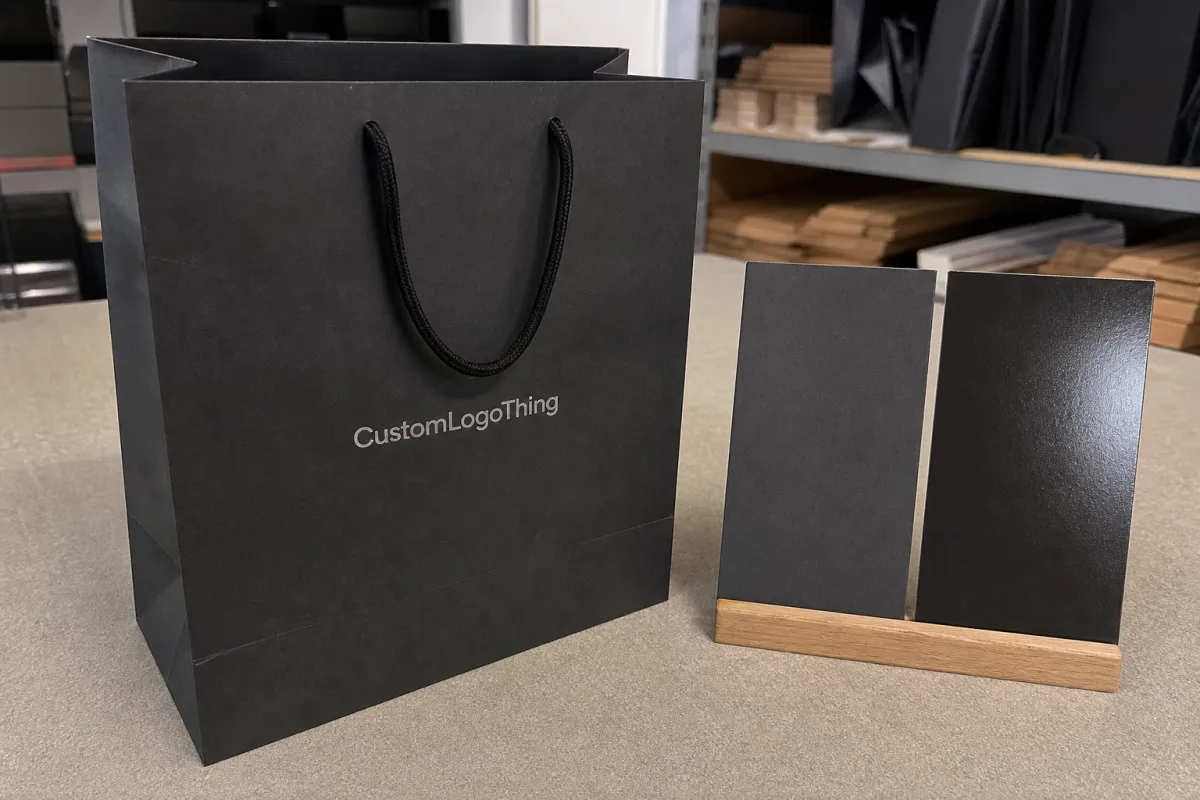
Sixth is brand requirements. This is where many teams think sustainability and branding are opposites. They are not. Premium packaging can still be efficient. I’ve seen custom logo things, product packaging, and package branding become stronger after simplification because the structure became cleaner and the materials became more honest. A strong design hierarchy often beats a pile of finishes. Typography, texture, and proportion can do more than another layer of plastic ever will, especially on a 2,000-piece launch where every extra finish adds setup time and cost.
How to Make Packaging Sustainable: Step-by-Step Process
Step 1 is an audit. Pull samples from your current line and measure them. Weigh the package. Count the components. Note what is hard to recycle. Measure headspace in the box and storage cube in the warehouse. I’ve done this with clients using nothing fancier than a digital scale, calipers, and a pallet map. Within two hours, we often found 12% to 18% excess material just sitting in plain sight. It is never glamorous work, but neither is throwing money into the recycling bin by accident, especially when a carton from a supplier in Illinois or Hanoi could have been trimmed by 3 mm and saved a full freight tier.
Step 2 is setting measurable goals. “Be greener” is not a goal. Try “reduce packaging weight by 15%,” “increase recycled content to 70%,” or “move all outer cartons to one-material paper construction.” Clear targets make how to make packaging sustainable much easier to manage because design decisions can be evaluated against something specific. Vague intentions do not survive a factory floor, where a change from a 400gsm SBS board to a 350gsm C1S artboard can be the difference between a pass and a rework.
Step 3 is matching the package to the product, not to a habit. Fragile items, oily products, heavy items, and temperature-sensitive goods need different solutions. A candle with fragrance oil behaves differently from a dry apparel item. A rigid box with molded fiber insert may make sense for one; a paper mailer or slim corrugated carton may fit the other. I’ve seen brands overpack because they copied the packaging of a completely different product category. That usually adds cost and waste without adding protection, which is a spectacularly inefficient way to feel safe.
Step 4 is prototyping and testing. Before you commit to scale, check compression, drop resistance, moisture exposure, and shelf presentation. If you’re shipping through e-commerce, test for what the box will see in the real world: conveyor belts, warehouse stacking, and courier handling. If you’re selling retail packaging, check shelf facing, opening experience, and how the package survives multiple touches by shoppers. ISTA testing is not optional if the goods are valuable or fragile, and most test labs in Chicago, Shenzhen, and Amsterdam can turn a standard sequence around in 5 to 7 business days.
Step 5 is supplier validation. Confirm lead times, minimum order quantities, print compatibility, and the exact board grade or film structure before you approve artwork. I learned this the hard way on a custom packaging job where the design called for a special recycled stock that had a 16-day conversion window, but the buyer had a 10-day launch deadline. The artwork was fine. The sourcing wasn’t. How to make packaging sustainable also means making sure the supply chain can actually produce what the brand wants, from adhesive specifications to die-cut tolerances.
Step 6 is disposal instruction. Tell customers exactly what to do with the pack. Use simple icons, plain wording, and placement where people actually look. Don’t hide recycling guidance under a flap. Don’t rely on one tiny icon in a corner. If the packaging has a removable component, say so. If the insert should be separated, say so. If the mailer is curbside recyclable only after removing a label, say that too. A clear disposal panel on the back or bottom flap can save far more material from landfill than a vague green badge ever will.
For brands building out a larger assortment, it can help to review Custom Packaging Products alongside your existing forms and finishes. That makes it easier to compare structures before you place a custom run, whether you are sourcing 5,000 folding cartons from Vietnam or 20,000 mailers from a converter in New Jersey.
Cost and Pricing: What Sustainable Packaging Usually Changes
Let’s talk money, because sustainability conversations get vague fast unless someone puts a price tag on the table. Sustainable packaging can raise costs in a few places. Recycled or certified materials may carry a premium. Specialty coatings and certifications add expense. Small custom runs often cost more per unit because setup is spread across fewer pieces. A 3,000-unit recycled folding carton order may not price like a 25,000-unit virgin board order. That is normal, and so is a 12- to 15-business-day timeline from proof approval to production for a standard carton run in a well-run plant.
Costs can also drop. Lighter shipping weight saves freight. Better right-sizing lowers storage space. Fewer components reduce assembly labor. Lower damage rates reduce returns and replacement shipments. I have seen a move from a heavy two-piece setup to a streamlined carton reduce total landed cost by 9% even though the unit price went up 6%. That’s the kind of math procurement teams care about, even if they pretend not to at first, especially when the shipping lane runs through Los Angeles, Dallas, and Atlanta in the same week.
Custom Packaging Pricing is influenced by dielines, plate setup, finishing, print complexity, and order quantity. If you add foil stamping, spot UV, embossing, lamination, and a custom insert, the price climbs. That’s true whether the package is sustainable or not. The real question is whether each feature earns its place. Sustainable design often removes unnecessary elements, which can actually simplify production and bring a quote down from $0.34 to $0.27 per unit at 10,000 pieces, depending on the board grade and finishing load.
| Cost Driver | Can Increase Cost | Can Reduce Cost | Practical Note |
|---|---|---|---|
| Material choice | Certified fiber, specialty recycled stock | Less material used overall | Weight reduction can offset higher substrate pricing |
| Structure | Complex inserts, multi-part designs | Right-sized one-piece constructions | Fewer parts usually mean less labor |
| Printing | Multiple finishes, heavy coverage, lamination | Simple ink systems, cleaner layouts | Visual impact can come from typography and structure |
| Logistics | Bulky packaging, low pallet density | Compact packs, better pallet utilization | Freight savings add up quickly |
| Damage risk | Weak packaging, poor fit | Improved protection, fewer returns | Protection failures are expensive waste |
Here is the honest version: sustainable does not always mean expensive, but the cheapest-looking option can become the costliest once freight, waste, and breakage are counted. A procurement team may focus on a box cost of $0.18 versus $0.23 per unit for 5,000 pieces. But if the cheaper carton adds 4% damage, the real cost story changes. That’s why how to make packaging sustainable should always be evaluated on total cost of ownership, not just unit price, especially when a damaged return from a warehouse in Pennsylvania costs $11.50 to process and re-ship.
When I sat down with a brand manager on a candle line, she told me their previous packaging looked “luxury enough” but caused so many returns that customer service was drowning in tickets. We changed the structure, used a sturdier recycled board, and reduced dunnage. The per-unit packaging price rose by 8 cents. The return rate dropped enough to make the switch pay for itself in under four months. Numbers beat instincts every time, even the very confident instincts.
Common Mistakes When Trying to Make Packaging Sustainable
The biggest mistake I see is greenwashing. Vague phrases like “eco-friendly,” “earth-safe,” or “natural packaging” mean very little without evidence. If you want to know how to make packaging sustainable, you need proof: certification, material specifications, sourcing documents, and disposal instructions. Otherwise, the claim is just decorative, like printing a leaf icon on a box made with a hard-to-separate plastic window.
Another common error is mixing materials in ways that make recovery harder. A paper box with a plastic window, metallic film, and strong adhesive may look polished, but it becomes harder to sort and process. Even a package that seems sustainable on the surface can fail in recovery if the layers are too complicated. I’ve seen this in supplier samples more times than I can count, and yes, it still makes me sigh when a perfectly decent carton gets sabotaged by a tiny plastic flourish no one truly needed.
Overpackaging is another trap. Brands sometimes add more material because they fear damage, then try to offset the waste with language on the box. That does not solve the real problem. If the product needs stronger protection, redesign the structure. If it doesn’t, remove the extra board, insert, or filler. Sustainable packaging should be efficient, not performatively green, and a 28mm void can often be eliminated with a better dieline rather than a bigger carton.
Ignoring customer behavior is also a big miss. Some teams assume people will separate components, rinse containers, or look up disposal rules. Many won’t. I watched a fulfillment team place three tiny recycling symbols on a mailer insert, and the package still confused customers because the instructions were buried. People need one clear action, not a sustainability puzzle with a prize nobody wants, especially if the pack is opening on a kitchen counter in Toronto or Tampa.
Compostable materials are frequently misunderstood too. If customers do not have access to industrial composting, the pack may end up in landfill anyway. That doesn’t automatically make compostables a bad choice, but it does mean the brand must verify the route. How to make packaging sustainable depends on infrastructure as much as on material science, and a compostable label without a verified collection path is just wishful thinking.
How to make packaging sustainable also means resisting the urge to copy someone else’s solution. What works for one brand’s product packaging may be a poor fit for another brand’s moisture, weight, or distribution channel. I have seen copycat decisions create more waste because the packaging looked right but the performance profile was wrong. That is how brands end up paying for someone else’s idea and their own mistake.
Expert Tips to Make Packaging Sustainable Without Sacrificing Branding
Minimalism can feel premium when it is done deliberately. A clean structure, a strong typography system, and a textured paper stock can create more presence than layered finishes ever do. I’ve seen startup brands outperform legacy competitors on shelf simply because their packaging design was sharper and more disciplined, using a matte uncoated stock and a single deep navy ink rather than five finishes and a foil stamp. Less clutter is not the same as less impact.
Standardize box sizes where possible. That reduces tooling complexity, simplifies inventory, and cuts waste from too many bespoke specs sitting in storage. I worked with a subscription brand that had 11 carton sizes for 19 SKUs. We cut that to 5 sizes without hurting presentation. Their warehouse team thanked us first. Their finance team thanked us second. I think the operations team may have wept a little, but in a good way, especially once the reorder cycle dropped from 21 days to 14.
Choose inks, adhesives, and finishes that support recyclability while still building package branding. Water-based inks, lower-coverage artwork, and paper-friendly adhesives often work well. If you want a premium feel, you can use structure, debossing, embossing, and careful color blocking. You do not need to drench everything in lamination to make it look special, and many brands find that a 1-color print on a 450gsm board with a crisp die line looks more refined than a fully coated sleeve.
Test with fulfillment teams, not just designers. The people loading cartons, applying labels, and sealing cases can spot friction within minutes. In one plant visit in Dallas, a line operator told me a “sustainable” insert kept folding backward because the cut tolerances were too tight. That flaw never showed up in the render. It showed up when 400 units an hour were moving past a packing station. Real-world handling matters, and the line crew usually catches problems before the CAD file does.
Use simple disposal icons and concise instructions. Put them where people actually look, such as the bottom flap, side panel, or closure area. Keep it to one or two actions if possible. If the package needs to be flattened before recycling, say that. If the insert should stay attached, say that. Clear guidance is part of how to make packaging sustainable because it increases the odds that the intended recovery route actually happens, whether the customer is in San Diego or Sheffield.
“The best sustainable package is the one that protects the product, uses the least material that still works, and tells the customer exactly what to do next.”
That quote came from a packaging engineer I worked with on a retail launch in Newark, and it has held up through every category I’ve seen since. It is practical. It is not flashy. It works.
Next Steps for Building a Sustainable Packaging Plan
Start with a scorecard. Measure material weight, recyclability, recycled content, protection, cost, and customer usability. If you can score each SKU from 1 to 5, you will quickly see where the weak spots are. That’s far better than debating subjective opinions in a long email thread. How to make packaging sustainable becomes manageable once you can see the system on one page, especially when one line item shows $0.15 per unit for 5,000 pieces and another shows 14 grams of extra board that never needed to be there.
Identify one quick win and one structural change. A quick win might be removing excess void fill or switching to a lighter mailer. A structural change might be redesigning inserts, changing coatings, or moving to a one-material construction. Quick wins build momentum. Structural changes create lasting gains. In practice, that might mean replacing a three-part tray with a molded pulp insert from a plant in Thailand and then moving the outer shipper to a 32ECT corrugated board for better cube efficiency.
Ask suppliers for material specifications, certification documents, and sample builds before you approve production. If the vendor cannot tell you the board basis weight, recycled content, or coating composition, pause. Better information leads to better decisions. I’ve had more than one project stall because the supplier data was fuzzy. That delay saved the client from a bad run, which is a lot better than discovering the problem after 80,000 cartons are already in the warehouse.
Pilot the new pack with a small product line. Track damage rates, customer feedback, assembly time, and freight efficiency. Then scale what performs best. I like pilots because they expose reality fast. A package can look perfect in a boardroom and fail at the packing bench. You want to know that before you print 50,000 units, especially if the proof-to-production window is 12 to 15 business days and the launch date in Austin or Berlin is already fixed.
Review the system regularly. Product changes, regulations, carrier rules, and customer expectations all shift. A pack that was ideal 18 months ago may no longer be the best answer. Sustainable packaging is not a one-time decision. It is maintenance. It is housekeeping. It is part of running a responsible brand, from the first material quote to the last pallet leaving the warehouse.
If you are building custom logo things for a product launch, or evaluating Custom Packaging Products for a new line, keep the whole chain in view: sourcing, structure, printing, shipping, and recovery. That is how to make packaging sustainable in a way that protects the product, respects the budget, and still gives the customer a memorable first touch.
In my experience, the brands that get this right are not the ones chasing the greenest-sounding claim. They are the ones doing the quieter work: trimming 10% of material, simplifying the construction, testing the pack under real freight conditions, and giving customers honest disposal instructions. That is how to make packaging sustainable for the long term. And frankly, it is how to make packaging smarter overall.
How to make packaging sustainable without raising costs too much?
Start by removing excess material and right-sizing the package before switching to premium substrates. Compare total cost, not just unit cost, because lighter packaging can reduce freight, storage, and damage expenses. Use recycled content or simpler constructions where they meet performance needs and do not add unnecessary finishing costs, and ask suppliers for quotes at 1,000, 5,000, and 10,000 units so you can see the breakpoints clearly.
What materials are best when learning how to make packaging sustainable?
Corrugated board, recycled paper, molded fiber, and mono-material structures are often strong starting points. The best choice depends on product weight, moisture exposure, and whether customers can recycle or compost it locally. A sustainable material still has to protect the product; damaged goods create more waste than a slightly heavier pack, especially on routes where the carton sits in transit for 3 to 5 days.
How do I know if my custom packaging is actually sustainable?
Check whether the package uses less material, contains verified recycled or responsibly sourced content, and avoids hard-to-recycle combinations. Ask for supplier documentation instead of relying on vague claims or decorative green language. Evaluate the full lifecycle, including production, shipping, use, and end-of-life disposal, and confirm whether the board spec, ink system, and adhesive choice all align with recovery in your target market.
How long does it take to switch to more sustainable packaging?
Simple changes like reducing void fill or changing print specs can happen relatively quickly once tested and approved. A full structural redesign usually takes longer because it requires prototyping, performance testing, and production adjustments. Timeline depends on order volume, certification needs, artwork revisions, and how many packaging components are changing; a standard custom carton often takes 12 to 15 business days from proof approval, while molded fiber tooling can take 4 to 8 weeks.
What is the biggest mistake brands make when trying to make packaging sustainable?
They focus on one visible feature, like compostability, without checking whether the rest of the system supports it. They also forget to test real-world disposal conditions, which can make a package effectively unrecoverable even if it sounds eco-friendly. A sustainability claim should be supported by design, sourcing, logistics, and customer instructions working together, not just by a leaf icon or a single recycled-content statement.