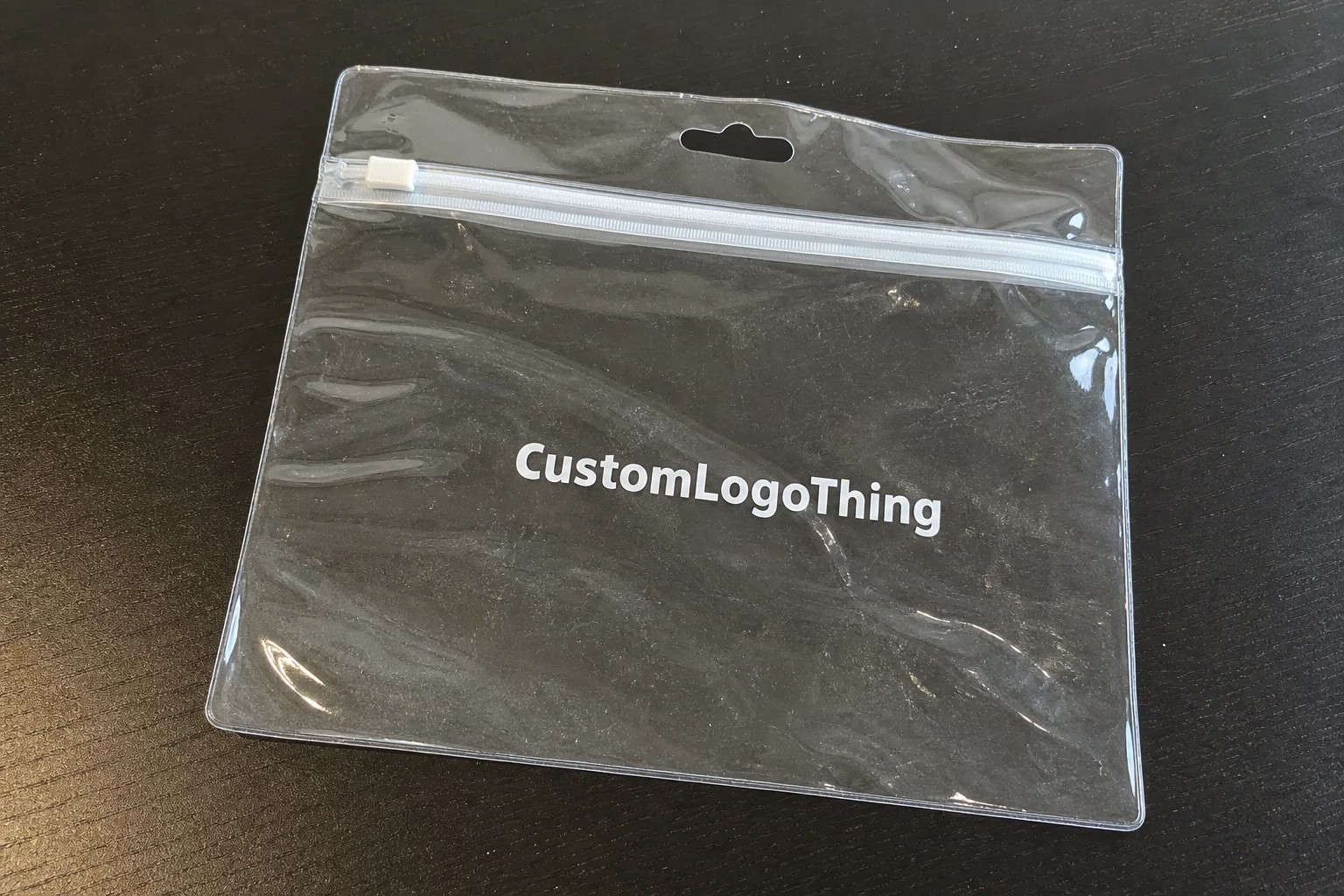
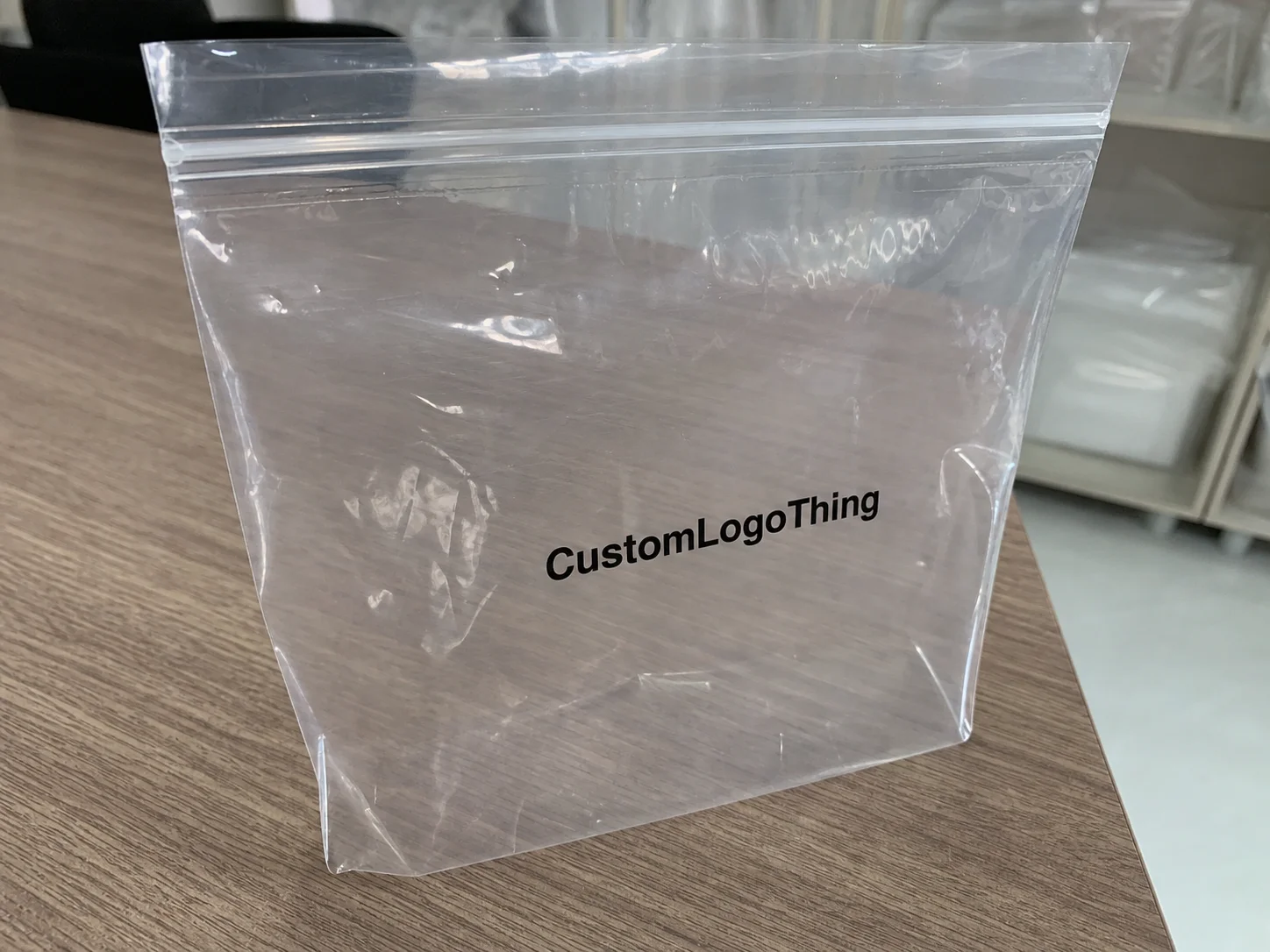
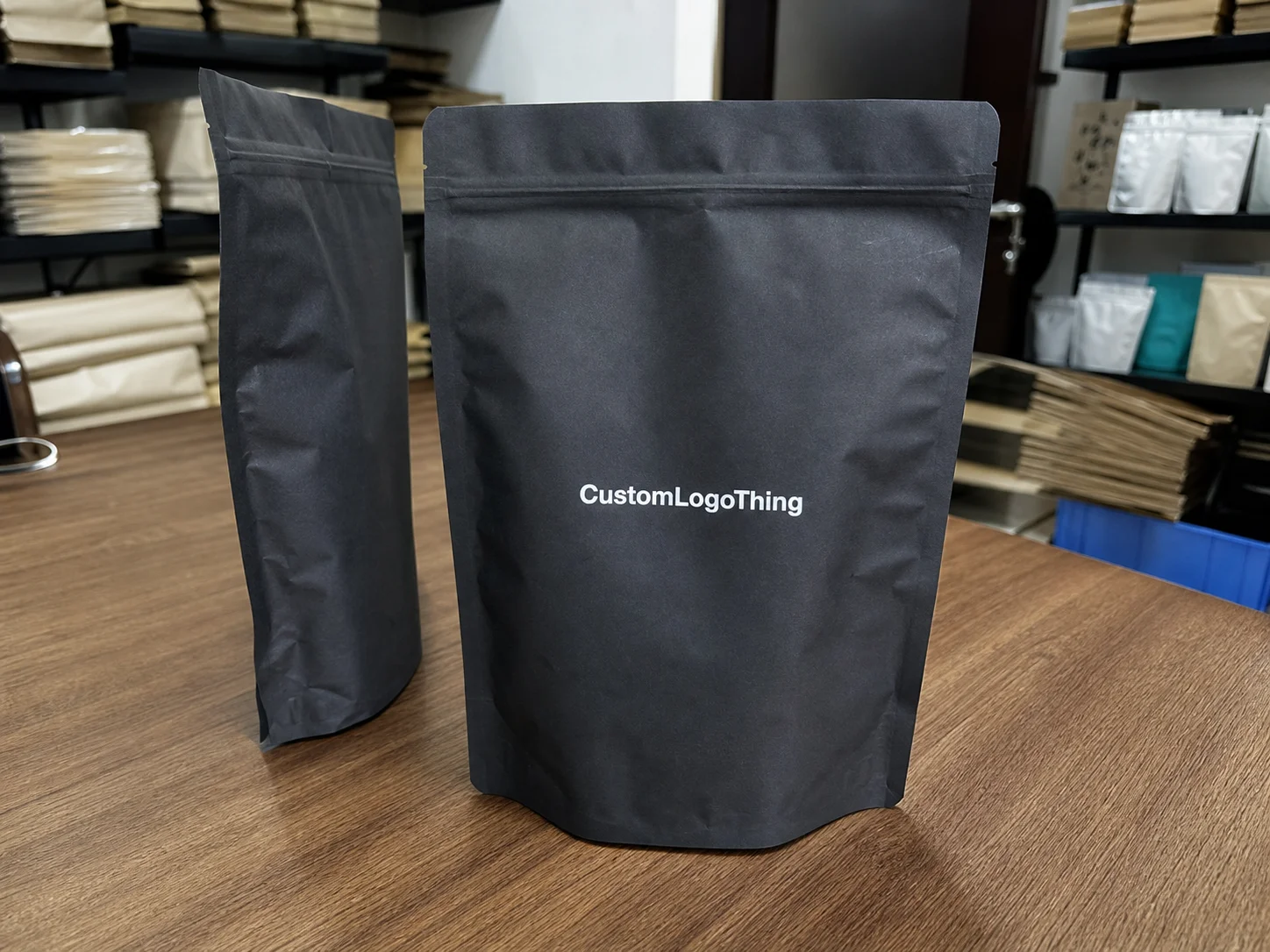
Buyer Fit Snapshot
| Best fit | Optimize Packaging Lead Times Without Delays projects where brand print, material claims, artwork control, MOQ, and repeat-order consistency need to be specified before quoting. |
|---|---|
| Quote inputs | Share finished size, material target, print colors, finish, packing count, annual reorder estimate, ship-to region, and any compliance wording. |
| Proofing check | Approve dieline scale, logo placement, barcode or warning zones, color tolerance, closure strength, and carton packing before bulk production. |
| Main risk | Vague material claims, crowded artwork, missing packing details, or unclear freight terms can make a low unit price expensive after revisions. |
Fast answer: Optimize Packaging Lead Times Without Delays: Material, Print, Proofing, and Reorder Risk should be specified like a repeatable production item. The safest quote records material, print method, finish, artwork proof, packing count, and reorder notes in one written spec.
Production checks before approval
Compare the actual filled-product size with the drawing, then confirm tolerance on folds, seals, hang holes, label areas, and retail display edges. Reserve space for logos, QR codes, warning copy, and material claims before decorative graphics fill the panel.
Quote comparison points
Review material grade, print process, finish, sampling route, tooling charges, carton quantity, and freight assumptions side by side. A quote is only useful when the supplier can repeat the same color, closure quality, and packing count on the next order.
If you want to know how to optimize packaging lead times, start before the factory ever touches a sheet of board. That is where the clock gets messy. I remember one carton order for a haircare brand in Los Angeles that slipped by 9 days because one artwork approval sat in a marketing inbox over Memorial Day weekend, while the plant in Dongguan had already booked board, ink, and a die-cut slot. The box was not the problem. The process was. Honestly, that is usually the story. Not glamorous, but true. A simple 5,000-unit order can turn into a 14-day headache if the sign-off sits for 72 hours.
I have spent enough time on press floors and in supplier meetings to say this without sugarcoating it: most delays do not come from some mysterious failure on the factory side. They come from fuzzy specs, late feedback, broken handoffs, and teams treating lead time like a single number instead of a chain of dependent steps. If you understand how to optimize packaging lead times properly, you protect quality, keep pricing from drifting, and stop turning every launch into a fire drill. And if you have ever sat in a room while three people argue about a 0.5 mm carton gloss difference they could have agreed on two days earlier, you already know what I mean. I have seen that argument in Chicago, Shenzhen, and one very tired conference room in Rotterdam.
How to Optimize Packaging Lead Times: What It Really Means
Lead time is not just the number a supplier gives you after a quote request. It is the full span from brief, quote, and artwork through approval, sampling, production, packing, freight booking, and final delivery. So when people ask me how to optimize packaging lead times, I tell them to stop asking for a single number and start asking for a timeline with checkpoints. One number makes people feel calmer. A timeline makes people behave better. For a standard 5,000-piece run in 350gsm C1S artboard, that timeline is usually 12-15 business days from proof approval, plus 2-5 days for truck or air freight depending on whether the order is landing in Dallas or Dubai.
Quoted lead time, actual lead time, and hidden lead time are three different animals. A supplier may quote 12 business days for a folding carton run on 350gsm C1S board with matte aqueous coating, but if your team takes 4 days to approve the dieline and another 3 days to sign off on the proof, the real project duration is already longer. That is why how to optimize packaging lead times is a systems question, not a panic button. The factory can only move as fast as the slowest human in the chain, which is rude but accurate. On a recent order for 10,000 sleeve packs in Ningbo, the press time was 2 days; the approval time was 6. Guess which one killed the schedule.
I learned that the hard way during a client meeting for a cosmetics line with retail packaging that looked simple on paper. The client wanted soft-touch lamination, foil, and a magnetic closure on the same box, then wondered why the schedule stretched. The factory could not print faster because the launch calendar looked aggressive. Design choices, approval lag, and finishing steps all added up. That is how to optimize packaging lead times in the real world: understanding what eats time before it starts eating budget. A rigid box with 1200gsm grayboard, wrapped in 157gsm art paper, can easily add 4-6 extra production days versus a straight tuck carton.
And yes, a weak supplier can waste time. I have seen it. I have also seen brands blame a converter for weeks, then admit they never sent a clean dieline in the first place. That meeting was not fun for anyone. Still, most teams blame the vendor too early. A cleaner brief, fewer revisions, and a faster approval chain usually do more for how to optimize packaging lead times than swapping factories every quarter and hoping for a miracle. A good factory in Guangzhou can hit a 7-day sample turnaround; a bad brief can turn that into 17 days without anyone changing machines.
Think in systems:
- Inputs: brief, dimensions, material, finish, quantity, and ship-to location.
- Process: quoting, artwork prep, sampling, production, finishing, packing, freight.
- Controls: approval speed, spec accuracy, backup materials, and release timing.
- Output: cartons, mailers, inserts, sleeves, and retail packaging on the dock when you actually need them.
If you want a standards-based benchmark, the testing side matters too. For shipping durability, I often point teams toward the ISTA packaging test standards so they stop guessing whether a box can survive distribution. If your cartons include certified fiber, the FSC chain-of-custody framework also affects material selection and sourcing speed. That is not theory. That is day-to-day package branding work, plus a few less embarrassing surprises when the goods arrive dented after a 3-day ride from Ho Chi Minh City to Singapore.
How Do You Optimize Packaging Lead Times?
The short answer is simple: freeze the spec early, run parallel approvals, and ask your supplier for stage-by-stage timing instead of one vague promise. That is the cleanest way I know to answer how to optimize packaging lead times without turning the whole project into a sprint to nowhere. If the artwork, material, construction, and freight plan are all clear before production starts, the schedule stops wobbling. If they are not, every tiny change turns into a delay. Packaging lead time management is really just disciplined decision-making with a deadline.
In practice, the fastest teams keep three things tight. First, they approve the dieline and artwork in one round instead of six. Second, they lock material availability before they ask for a quote. Third, they plan freight booking before the press starts instead of after the cartons are stacked. That is how how to optimize packaging lead times moves from theory to a repeatable operating habit. A good supplier can help with prepress, die-cutting, and carton production cycle planning, but they cannot recover time that was lost in an internal approval loop.
If you are trying to move faster on a packaging launch, ask your converter three direct questions: what can start today, what will stall the line, and what can be approved digitally instead of physically. Those answers usually expose the real bottleneck in about five minutes. I have had brands save days simply by switching one stage from hard sample review to a digital proof, then reserving the physical sample for the structural part that actually mattered. That is a boring answer. It is also the right one.
One thing I tell newer teams: do not confuse motion with progress. A project can be very busy and still be going nowhere. If the approval path is not clear, somebody is probably reworking a file that should have been locked two days ago. That is the kind of thing that makes everyone feel productive right up until the schedule blows up.
How to Optimize Packaging Lead Times From Quote to Delivery
To understand how to optimize packaging lead times, break the work into stages instead of treating it like one blob of time. A standard workflow usually moves through briefing, quoting, artwork, dieline approval, sampling, production, finishing, packing, and freight. Some of those stages can run side by side. Others absolutely cannot. That difference changes the whole schedule, and it is the difference between a calm launch and a last-minute apology email with five exclamation points. A 3,000-unit mailer in 24pt SBS can move through this chain in 9-11 business days if the artwork is clean and the ship-to city is close, like Chicago or Toronto.
The quoting team can price a custom mailer while procurement checks material availability. The designer can prep artwork while someone else reviews compliance copy. Production cannot start until the proof is approved, the dieline is locked, and the material spec is final. That is why how to optimize packaging lead times is less about speed tricks and more about removing dependency bottlenecks. I have literally watched a plant in Shenzhen sit ready while one missing barcode size held the whole thing hostage. Tiny detail. Giant headache. A 1.2-inch barcode requirement should never cost 48 hours, but it absolutely does if nobody owns it.
Here is a simple timeline I have used with clients ordering custom printed boxes:
- Day 1-2: brief, dimensions, quantity, finish, and ship date confirmed.
- Day 2-4: quote and dieline issued; artwork starts.
- Day 4-6: proof review and corrections.
- Day 6-7: final approval and material release.
- Day 7-13: printing, die-cutting, coating, and quality checks.
- Day 13-15: packing, freight booking, and delivery prep.
That schedule looks tidy. Real life usually does not. I have seen a ready line sit idle because the buyer waited on a director who was on a flight from San Francisco to Tokyo and had not set up mobile approvals. I have also seen a carton supplier in our Shenzhen facility pull paper, plates, and a press slot within 24 hours, only to lose the project because the client kept sending "one tiny change" every afternoon. If you want to know how to optimize packaging lead times, stop pretending revisions are free. They are not free. They are usually the most expensive thing in the room, just hidden under polite language. One extra round of corrections can add $120 to prepress and 2 full days to the schedule.
The usual choke points are obvious once you stop looking away:
- Slow feedback: proof comments arrive in fragments instead of one clean round.
- Sample approval delays: teams want tactile review on everything, even when digital proofing would do.
- Material checks: nobody confirmed stock, coating, or board thickness before the order was issued.
- Freight booking: production finishes on time, then the boxes sit because no one reserved space.
When I was negotiating a rush carton order for a supplement brand in Austin, the supplier told me flat out, "We can print next Tuesday, but only if the final proof lands today." That was not a sales tactic. That was the schedule. If you are serious about how to optimize packaging lead times, you need to treat every approval like it has a cost, because it does. And because someone, somewhere, will absolutely ask why the launch is late after they spent four days "just reviewing" a PDF.
What Affects Cost, Pricing, and Rush Fees
Speed always has a price tag. Sometimes it is right there in black and white. Sometimes it is buried in the queue. If you want to understand how to optimize packaging lead times without wrecking margins, you need to know where rush money actually goes: overtime, queue jumping, premium stock, extra prepress, and expedited freight. There is no magic wand here, just labor, machine time, and the occasional logistical miracle that costs extra because somebody had to stay late. On a Guangdong line running 50,000 units, one overnight shift can add $300 to $800 before freight even enters the conversation.
In supplier language, a rush order may carry a 10% to 25% surcharge depending on the vendor, quantity, and how much the schedule needs to move around. A prepress team may add a few hundred dollars for same-day file cleanup or plate prep. If the box needs special finishes like foil stamping, spot UV, embossing, or a custom insert, the lead time and the unit price can both climb together. That is not greed. That is labor, machine time, and material reality. Also, every fancy finish looks like a great idea right up until the calendar gets involved. A 5,000-piece rigid box with foil and embossing can easily jump from $1.20 to $1.85 per unit depending on where it is made, whether the factory is in Dongguan or eastern Vietnam, and whether the board is already in stock.
Here is the part people hate hearing: a $600 rush fee can still be the cheaper move if the alternative is losing a $20,000 product launch. I have sat in meetings where the finance team fought over saving $180 on freight while the sales team stared at a retail date that would blow up the quarter. That is why how to optimize packaging lead times is also cost-of-delay math, not just supplier comparison shopping. The math is often ugly. The math is still the math. If a one-week delay pushes a beauty launch past a Sephora slot in New York, the missed revenue can dwarf the packaging bill by 20x.
| Option | Typical Lead Time | Typical Price Impact | Best For | Main Tradeoff |
|---|---|---|---|---|
| Standard production | 12-15 business days after approval | Baseline unit pricing | Planned launches and repeat runs | Less flexibility if approvals slip |
| Rush production | 5-9 business days after approval | 10%-25% rush fee plus possible prepress charges | Launches with fixed retail dates | Higher cost and narrower material choices |
| Local or regional converter | 4-8 business days, depending on stock | Often higher per unit, lower freight risk | Urgent runs and small batches | Unit price may rise on short quantities |
| Premium finish package | Often 3-7 days longer than standard | Higher tooling and finishing cost | Luxury retail packaging and package branding | Great shelf appeal, slower turnaround |
If you are comparing options, ask for two quotes every time: one normal, one fast. That is one of the smartest moves in how to optimize packaging lead times. You stop guessing and start choosing. You can see the dollar cost of speed instead of pretending it is free. And once the numbers are side by side, the team stops arguing from vibes, which is a nice change of pace. On a recent 8,000-unit carton job, the standard quote came back at $0.15 per unit and the rushed version at $0.19 per unit, and that 4-cent gap made the decision obvious in ten minutes.
Minimum order quantities matter too. A run of 5,000 folding cartons on 18pt SBS may price very differently from a 50,000-unit order, and setup time does not shrink just because the order is small. Plate or tooling costs can also push the schedule, especially if you need new dies for a new box size. I have seen a buyer try to save two cents per unit, only to add a week and a half because the "custom" version needed a fresh cutting die and a new proof cycle. That is not how to optimize packaging lead times. That is how to make them worse. A fresh steel rule die in Guangzhou can add $180 to $450 depending on the cut complexity.
For brands ordering through Custom Packaging Products, the smart move is to line up speed with structure. If you know your packaging design will stay stable, the supplier can plan material usage and press time better. If you keep changing the print spec for branded packaging, the quote is going to move right along with your timeline. Suppliers remember the clients who hand them clean files and the ones who send a fresh "small tweak" every afternoon. Guess which ones get better calls back. The clean-file clients usually get a 1-2 day faster proof cycle because nobody has to rebuild the layout from scratch.
Step-by-Step: How to Optimize Packaging Lead Times
Here is the practical playbook. This is the part I wish more teams used before the first email, because how to optimize packaging lead times gets much easier once the process is clean. I have seen too many projects start with excitement and end with a spreadsheet that looks like a crime scene. One client in Minneapolis had 14 tabs for a single mailer launch. Fourteen. No one knew which tab was final.
Step 1: Audit current lead times by SKU, supplier, and stage. Do not look at one blanket number. Break it apart. Track brief date, quote date, approval date, production start, ship date, and delivery date. If the delays are hiding in a spreadsheet with 40 columns, that spreadsheet is the problem. A good audit shows whether the bottleneck is artwork, procurement, or freight. It also shows which team says "we approved it already" when, in fact, they absolutely did not. For a 12,000-unit skincare order I reviewed in Melbourne, 5 of the 11 lost days were before press even started.
Step 2: Standardize specs before you request quotes. If the team knows the board grade, the finish, the box style, the quantity, and the ship-to market, the supplier can quote faster and more accurately. A stable spec sheet also helps how to optimize packaging lead times because it cuts the back-and-forth that usually eats two or three days. For repeat work, keep one master dieline set and one approved material library. Boring? Yes. Effective? Also yes. I like a spec sheet that says 350gsm C1S artboard, matte aqueous, 4-color CMYK, and 5,000 units because nobody has to translate "nice white carton" into procurement language.
Step 3: Choose simpler constructions where possible. Custom does not have to mean overcomplicated. A clean tuck-end carton on 350gsm board can move faster than a rigid box with foam, foil, and magnetic closures. If the package only needs to protect, inform, and sell, do not load it with decorative extras that turn a 10-day project into a 20-day one. That is especially true for product packaging tied to launches with fixed retail windows. I love a good premium finish as much as anyone, but I also enjoy not missing the launch date. In Shenzhen, a standard reverse tuck can often be turned in 8-10 business days; a laminated rigid box may need 15-18.
Step 4: Run teams in parallel. Design, compliance, and procurement should not wait for one another like a line of dominos. The designer can refine the panel layout while procurement confirms paper stock and logistics checks freight options. That is one of the biggest wins in how to optimize packaging lead times. Parallel work trims dead time without forcing anyone to cut corners. It also keeps one delayed approval from freezing everything else, which is something I wish more teams understood before the supplier starts sending nervous emails. If your freight lane is Los Angeles to Sydney, booking the slot early can save 3-4 days even before production starts.
Step 5: Set approval deadlines and escalation rules. A project should not die in a Slack thread because one approver went silent. Set a 24-hour internal rule for packaging changes, name a backup approver, and define what happens if a decision is late. The cleaner your approval path, the easier how to optimize packaging lead times becomes. If you need a reminder in plain language: no answer is still an answer, and it is usually the wrong one. I have seen a 6 p.m. deadline save a 3,000-unit order in Dallas because the plant needed the final PDF before the night shift.
Step 6: Score vendors on responsiveness and accuracy. Price matters. So does on-time delivery, file quality, and how well the supplier handles issues before they become expensive. I would rather work with a converter who answers in 2 hours and ships correctly than one who is $0.03 cheaper but drags the project into chaos. That opinion comes from scars, not theory. I have paid for those scars too, which is annoyingly educational. A factory in Dongguan that replies within 90 minutes is usually worth more than a cheaper quote from a plant that takes 2 days to answer a simple board question.
Step 7: Build reorder calendars and safety stock for repeat items. If you use the same mailer or retail box every month, stop pretending each order is a surprise. Reorder schedules, minimum safety stock, and pre-approved artwork make how to optimize packaging lead times much easier on every cycle. A 2-week buffer on a repeat carton can save a launch from a lot of drama. It can also save your team from that special kind of silence that happens when everyone knows they missed the ship date and nobody wants to be the first person to say it out loud. For a monthly 10,000-unit subscription box, keeping 2,000 units on hand can absorb a 5-day delay without panic.
I will give you a real example. A skincare client cut lead time by 6 business days simply by standardizing two carton sizes, one finish, and one supplier-side proof format. No fancy software. No miracle. Just fewer decisions. That is the kind of boring discipline that actually teaches how to optimize packaging lead times. I know, thrilling stuff. Still works. Their average order moved from 18 days to 12 days, and the unit price dropped from $0.28 to $0.24 because the factory stopped retooling for every run.
If you want one simple rule, use this: reduce choices before you request speed. Every extra variable slows packaging design, approval, and production. That is true for custom printed boxes, inserts, sleeves, and even simple mailers. The factory cannot guess what you meant by "slightly more premium" no matter how nicely you phrase it. If you want gold foil, say gold foil. If you want 157gsm art paper over grayboard, say that. Vague is expensive.
"We did not save time by begging the factory harder. We saved time by freezing the spec and approving it like adults."
That line came from a client who had spent months blaming logistics. She had good reason to be frustrated, but once the team locked the spec and stopped changing the art file after proof, the whole program settled down. Funny how that works. Frustrating, too, because it means the fix was sitting there the whole time. The order was 7,500 units, the plant was in Ningbo, and the only real variable left was whether the founder would approve the blue ink on Tuesday instead of Friday.
Common Mistakes That Hurt Packaging Lead Times
The biggest mistakes are not glamorous. They are basic, and that is what makes them annoying. If you want to master how to optimize packaging lead times, start by avoiding these common traps. I have seen all of them in factories from Taichung to Atlanta, usually on the same project.
Late artwork changes are the champion of delay. Change the carton size after approval and you may restart dieline work, artwork layout, and even the board order. I have watched one late dimension change force a new cutter, a new proof, and a new freight booking. That looked like a simple box on paper. In reality, it was a reset. The plant did not cheer. Nobody cheered. One 62 x 40 x 18 mm change can eat 3 extra business days before anyone notices.
Vague specs waste time too. Saying "premium feel" tells the supplier almost nothing. Say "18pt SBS, matte aqueous, no laminate, 4-color CMYK, 3,000 units" and suddenly the quote gets real. The clearer the input, the faster how to optimize packaging lead times turns into action instead of debate. Suppliers are not mind readers. Thank goodness, because the world has enough stress already. A clear spec also avoids a $75 prepress correction fee that appears after the first proof.
Too many decision-makers slow everything down. One brand manager wants a metallic finish, one founder wants lower cost, one sales lead wants a faster ship date, and nobody wants to own the final call. That is how a two-hour approval becomes a three-day loop. I have sat through those calls. They feel longer than they are, which is saying something. I once watched seven people debate a single Pantone value for 45 minutes while a plant in Dongguan waited for the release.
Waiting for a perfect sample is another classic mistake. A hard sample is useful when structure, fit, or protection matters. It is not necessary for every cosmetic panel or every retail packaging run. Digital proofs often get the job done faster, and they are enough for a large portion of branding decisions. Reserve physical samples for the details that truly change the outcome. Otherwise, you are just buying time to worry more. A PDF proof can usually save 2-4 days compared with waiting for a couriered sample from Vietnam or China.
Ignoring backup materials is how a normal project becomes a stalled one. If the exact board grade is unavailable, what is the approved alternate? If the foil film is out, what finish can substitute without hurting shelf impact? A backup plan is a big part of how to optimize packaging lead times because it keeps one missing item from freezing the whole order. The best teams do not panic when stock changes. They already planned for the annoying version of reality. For example, if 350gsm C1S is tight, an approved 16pt SBS fallback can keep the order moving the same week.
Forgetting freight is a rookie move. Production finishing on time does not help if the truck, pallet booking, or air freight is never secured. I have seen teams celebrate a press completion while the cartons sat for five more days because no one had coordinated shipping. That is not a factory problem. That is a planning problem. It also makes for a very awkward Monday meeting. On a Shenzhen-to-Los Angeles shipment, missing a booking by one day can add 2-3 days of dock delay and $250 to $900 in extra freight cost.
One more thing: fake urgency creates real mistakes. If the launch date was chosen without checking supplier capacity, the team will probably pay for it later with overtime, rush freight, and unnecessary rework. That is the painful side of how to optimize packaging lead times that people only notice after the budget meeting. Everyone loves urgency until the invoice shows up with receipts. I have seen a $1,400 air freight bill arrive because someone decided the retail date in Miami mattered more than the booking calendar.
Expert Tips to Cut Time Without Cutting Corners
If the goal is how to optimize packaging lead times without sacrificing quality, these are the supplier-side moves I trust most. They are not fancy, and that is exactly why they work. I have watched them hold up in factories in Dongguan, Ho Chi Minh City, and a very noisy industrial park outside Kuala Lumpur.
Keep one approved material library. That means one list of board grades, coatings, and Finish Options That your team already likes and your converter already knows. It keeps packaging design from starting at zero every single time. A tight material library can shave days off a job because the supplier is not chasing samples or double-checking compatibility. It also prevents those endless "just send me one more option" loops that turn a simple job into a group project nobody asked for. If your default is 18pt SBS, 350gsm C1S, and matte aqueous, stick to it unless the product really needs more.
Use digital proofs for most decisions. Hard proofs have their place, especially for structural packaging or luxury package branding, but they are not necessary for every approval. For many custom printed boxes, a clean PDF proof with marked dimensions is enough to confirm layout, copy, and barcode placement. I still ask for physical samples when the structure is tricky, but I do not waste a week on a hard sample when a digital review would settle the issue in an afternoon. The factory does not need to build a museum piece to prove the barcode fits. A 300 dpi proof and a call from the packaging manager can settle a lot by 3 p.m.
Work with local converters for urgent jobs. If the timeline is brutal, a regional supplier may beat an overseas factory simply because freight and queue time are shorter. I have compared local quotes against suppliers like Custom Packaging Products and larger packaging vendors, and the real decision usually comes down to speed, freight risk, and order size. You do not always choose the cheapest route. Sometimes you choose the one that keeps the launch alive. I have no problem paying a bit more if it means I can sleep that week. A converter in Los Angeles or Toronto can often turn a 2,000-unit job faster than a factory 7,000 miles away.
Offer a small price bump for a faster slot. This is the kind of negotiation many buyers miss. On one press-floor visit, I told a converter we could accept a slightly higher unit price if they could move the run ahead by 4 days. They did. Not because they loved us. Because the extra margin helped justify a schedule swap. That is an honest trade, and it is part of how to optimize packaging lead times without pretending the factory works for free. Suppliers are not charity shops, and pretending otherwise just wastes everyone's time. On a 10,000-unit order, moving from $0.16 to $0.18 per unit can be the difference between getting the line this week or waiting until next Tuesday.
Batch your edits. This one saves more time than fancy project tools. If you send three separate revision emails with one minor change each, you create three decision loops, three file versions, and three chances for confusion. Bundle the changes into one clean round. It keeps the art team focused and makes how to optimize packaging lead times much more predictable. It also means fewer "which file is final-final?" emails, which I would happily never read again. One consolidated edit sheet can trim 1-2 days from prepress on a typical carton order.
Choose the Right materials for the job. A premium rigid box is not the answer for every product. A simple mailer, a well-built folding carton, or a standard corrugated shipper often does the job faster and cheaper. If the product only needs light protection and strong presentation, do not dress it up like a luxury item unless the margin can absorb the delay. I love good packaging, but I love a clean launch more. A corrugated E-flute shipper in 3 mm thickness can be enough for a subscription kit that would otherwise need a 1200gsm rigid box and 5 more days of labor.
Do not ignore the human side. A good relationship with your converter is worth more than another software dashboard. The rep who knows your spec, your brand voice, and your approval habits can often save you a full day when a problem pops up. That kind of trust is hard to measure, but it shows up every time the schedule gets tight. That is how to optimize packaging lead times in a way spreadsheets never fully capture. People still matter. Annoying, I know. A rep in Guangzhou who knows you approve proofs by 11 a.m. can keep a job moving faster than any automated reminder.
For brands building seasonal product packaging, I also recommend comparing your standard supplier with one faster backup source before the next launch. A backup plan does not mean you expect disaster. It means you respect the calendar. It is a little like keeping an umbrella in the car. You may never need it. Then one day you absolutely do, and suddenly you are grateful you were not being stubborn. A second quote from a plant in Thailand or Mexico can save a holiday launch when the main supplier is booked solid.
Next Steps to Optimize Packaging Lead Times
If you want how to optimize packaging lead times to become a habit instead of a fire drill, start small and fix one product path first. Do not try to redesign the whole packaging program in one week. Pick one SKU, one supplier, and one reorder cycle. Clean that up, then roll the lessons into the next item. Big transformations sound nice in decks. Small fixes actually ship boxes. A single 5,000-unit carton line in your Kansas City warehouse is a better pilot than trying to reform a global packaging system in one meeting.
Build a simple tracker with these fields:
- Quote date
- Approval date
- Production start
- Ship date
- Actual delivery
- Delay reason
That tracker will show you the truth faster than memory ever will. I have seen teams swear production was the problem, only to learn that 70% of the delay happened before the files were even released. Once you see the pattern, how to optimize packaging lead times becomes a lot less emotional and a lot more fixable. Data has a way of ruining convenient stories. In one case, the average delay was 4.8 days, and 3.1 of those came from internal review alone.
Use a three-question brief for every supplier:
- What is the fastest available slot right now?
- What backup material can you approve if stock changes?
- What final approval do you need before you can start?
Those questions force clarity. They also keep the supplier from guessing, which is where errors start. If a vendor knows your approval path, your material fallback, and your ship deadline, they can help you plan instead of react. And frankly, react is overrated. A plant in Ningbo or Monterrey can usually give a much better answer when you ask for the earliest press window instead of just "how fast can you do it?"
Set a 24-hour internal approval rule for packaging changes. That does not mean you rush quality. It means you keep the process moving while the job is still inside the production window. I have seen a 24-hour rule save a run of retail packaging more than once, especially when the team was waiting on a senior stakeholder who was traveling. Airplane Wi-Fi is not a strategy, despite what some executives seem to believe. If the proof lands at 9 a.m. Monday, the answer needs to come back by Tuesday morning, not after lunch on Thursday.
Prepare a fallback plan before the next launch gets nervous. Have an alternate stock. Have an alternate finish. Have an alternate freight option. Those three things alone can keep the project alive if the first plan slips. That is the practical side of how to optimize packaging lead times: not pretending there will never be a problem, but refusing to let one problem wreck the whole schedule. You do not need a perfect world. You need a backup. A 24pt SBS fallback, a matte aqueous substitute, and a regional courier can save a launch that would otherwise miss a Friday shelf date in Seattle.
If you are working with a supplier that can support branded packaging, ask them what they need to reserve the production slot early. The best teams do not wait for perfection. They give a clean brief, a clear approval line, and a realistic ship date. That is usually enough to keep the job on track. A supplier with a plant in Dongguan or Foshan can usually hold a slot for 48 hours if your brief is complete and the deposit clears on time.
So yes, how to optimize packaging lead times is a repeatable operating habit, not a one-time emergency fix. Do the boring stuff well, and the deadlines stop looking like a disaster every month. Which, if you have ever lived through a launch week that went sideways, sounds pretty good to me. A 12-day box cycle is a lot easier to live with than a 19-day surprise every quarter.
How can I optimize packaging lead times without increasing costs too much?
Start by removing rework, because that is usually the hidden expense. Lock the artwork, dimensions, and finishes before you request quotes, then use in-stock materials and standard constructions wherever possible. If a small rush fee keeps a launch on schedule, compare that cost against lost revenue instead of looking at the packaging line item in isolation. I have seen teams obsess over a tiny surcharge while ignoring the bigger hit from a missed retail date, which is backwards in the most expensive way. On a 5,000-unit run in Atlanta, a $250 rush fee can be cheaper than missing a $12,000 promo week.
What is the fastest way to shorten packaging lead times?
The fastest path in how to optimize packaging lead times is to freeze specs early and approve only one clean revision path. Pick a vendor with current inventory and a confirmed production slot, then use digital proofs first and hard samples only when the structure or finish truly needs tactile review. If you are still debating the box size after quoting, you are not optimizing anything yet. You are just creating suspense. A clean PDF approval can save 2-4 days versus waiting for a couriered sample from Shenzhen.
How do process delays affect packaging lead times?
Every approval delay pushes production back, even if the factory is ready to run. One missing file or unresolved change can hold up artwork, tooling, or material ordering, and the biggest time leaks usually happen before production starts. That is why how to optimize packaging lead times always begins with the approval chain. The plant can only cut what it has, not what is still sitting in someone's inbox. A 48-hour delay on artwork can turn a 12-day order into a 15-day one before the press even starts.
What should I ask a supplier to get a realistic packaging lead time?
Ask for lead time by stage: proofing, sampling, production, finishing, and shipping. Ask what happens if you change the artwork or material after approval, and ask for the supplier's current queue plus the earliest available production slot. Those answers will tell you far more than a single "7-10 days" estimate. I also like to ask what usually causes delays on their side, because a direct answer there can save you from a very predictable headache later. If the supplier is in Dongguan or Ningbo, ask whether board stock is already on hand or has to be rolled in from another mill.
Can small brands optimize packaging lead times on a tight budget?
Yes. Keep one or two carton styles, avoid unnecessary special finishes, and work with local or regional converters for short runs when speed matters more than the lowest unit price. Ask for both a standard quote and a faster quote so you can Choose the Right tradeoff, and keep repeating how to optimize packaging lead times as a process, not a one-off scramble. Small brands do not need fancy process theater. They need fewer surprises and better habits. A 2,000-unit mailer at $0.22 per unit in Chicago is usually easier to control than a complex rigid box imported on a deadline.
In my experience, the brands that win are not the ones shouting the loudest about speed. They are the ones who build a cleaner approval path, choose smarter materials, and respect the factory schedule enough to plan ahead. That is the real answer to how to optimize packaging lead times: fewer surprises, clearer specs, and better decisions made earlier. I have watched that approach save launches, protect margins, and spare everyone from one more useless midnight email. Which, honestly, feels like success. A 12-day timeline in Dongguan beats a 19-day scramble in any city, every time.