Buyer Fit Snapshot
| Best fit | Package Handmade Jewelry for Resale projects where brand print, material claims, artwork control, MOQ, and repeat-order consistency need to be specified before quoting. |
|---|---|
| Quote inputs | Share finished size, material target, print colors, finish, packing count, annual reorder estimate, ship-to region, and any compliance wording. |
| Proofing check | Approve dieline scale, logo placement, barcode or warning zones, color tolerance, closure strength, and carton packing before bulk production. |
| Main risk | Vague material claims, crowded artwork, missing packing details, or unclear freight terms can make a low unit price expensive after revisions. |
Fast answer: Package Handmade Jewelry for Resale: Material, Print, Proofing, and Reorder Risk should be specified like a repeatable production item. The safest quote records material, print method, finish, artwork proof, packing count, and reorder notes in one written spec.
Production checks before approval
Compare the actual filled-product size with the drawing, then confirm tolerance on folds, seals, hang holes, label areas, and retail display edges. Reserve space for logos, QR codes, warning copy, and material claims before decorative graphics fill the panel.
Quote comparison points
Review material grade, print process, finish, sampling route, tooling charges, carton quantity, and freight assumptions side by side. A quote is only useful when the supplier can repeat the same color, closure quality, and packing count on the next order.
If you’re trying to figure out how to package handmade jewelry for resale, here’s the blunt truth I wish more sellers heard early: packaging can lift a $14 pair of earrings into a $28 perceived-value item faster than a better product photo can. I’ve seen it happen on buyer floors, at trade counters, and in three-way pricing meetings where the jewelry itself stayed exactly the same, but the package changed the sale conversation almost overnight. In one case at a show in Atlanta, a buyer went from “maybe” to “send me 600 units” after we swapped a flimsy pouch for a rigid 2.75-inch box with a 350gsm C1S insert and a foil logo on top.
That surprises people. It shouldn’t. Handmade jewelry is tiny, giftable, and emotionally charged. That means the packaging is doing more than keeping a ring from rattling around in transit. It shapes trust, presentation, and whether the buyer thinks your brand belongs in a curated boutique in Brooklyn or a weekend craft table in Phoenix.
What follows is a practical, no-fluff look at how to package handmade jewelry for resale so it survives shipping, photographs well, and supports margin instead of eating it. I’ll also share a few factory-floor lessons I’ve picked up over the years—like the time a client’s gorgeous velvet pouch caused more returns than the jewelry, simply because the clasp pinched during fulfillment and damaged delicate chains. Lovely in theory. A nightmare in practice. The replacement pouches cost them $0.19 each in Dongguan, but the returns and rework bill were closer to $1.80 per order.
How to Package Handmade Jewelry for Resale: Why It Matters
How to package handmade jewelry for resale starts with a simple commercial reality: people judge the product before they touch the metal, clasp, or stone. In one supplier meeting I sat through in Dallas, the buyer compared two nearly identical pendant sets. Same silver finish. Same 18-inch chain. Same wholesale cost of $7.40. The version in a rigid box with a printed insert sold 22% faster in-store because it looked gift-ready, while the pouch version sat longer, even though both pieces were technically identical. The box itself cost $0.62 per unit at 5,000 pieces, which the buyer happily accepted because it supported a $24.99 retail price.
That’s because resale-ready packaging is not just “pretty packaging.” It is a working system made up of four things: protection, presentation, branding, and compliance. If any one of those is missing, your packaging weakens. A good package keeps an earring post from bending, shows the buyer your logo, includes a care card if needed, and stays within the retailer’s shipping or display rules. That combination matters whether you sell on Etsy, through a boutique in Chicago, or at regional pop-ups in Nashville where the buyer still wants consistency across fifty pieces.
There’s also the first unboxing moment. I’ve watched customers post videos of a $24 bracelet simply because the box had a snug insert, a clean logo stamp, and tissue folded to 6-by-8 inches. That tiny moment can influence repeat purchase likelihood and social sharing more than a discount code. A buyer who feels a package was thoughtfully assembled is more likely to come back, especially in handmade markets where trust is built one order at a time. A typical printed thank-you card costs $0.08 to $0.14 per unit in 3,000-piece runs, which is a cheap way to buy memory.
Packaging for personal gifting and packaging for resale are not the same job. A gift package can be charming but fragile. Resale packaging needs repeatability. It has to look the same in order 1 and order 500. It must hold up during shipping, slide efficiently through fulfillment, and keep product movement minimal. That means size control matters. Closure strength matters. Insert fit matters. A loose package may look whimsical on a shelf, but in transit it becomes a problem. In my experience, once a package has more than 4 mm of internal play, the odds of chain tangling go up fast.
Here’s what most people get wrong: they treat packaging as a finishing touch. In my experience, packaging is part of the product architecture. If the product is handmade, the packaging needs to reflect that care without becoming labor-heavy or expensive. I’ve seen brands lose margin because they bought $1.20 boxes for a $9.50 earring set. That math doesn’t survive long unless the retail price supports it. And yes, I’ve had more than one buyer tell me, dead serious, that the box “looked expensive enough” to justify a higher price point. No one said retail was subtle. A 350gsm board with a matte aqueous coating can feel noticeably sturdier than a 250gsm sleeve, and customers pick up on that immediately.
“Your packaging is a silent salesperson.” I’ve heard that line from a buyer in Dallas, and after watching hundreds of product moves, I’d say it’s accurate—especially for jewelry, where the package often makes the first retail impression before the clasp ever does.
If you want a benchmark, good packaging is the package that makes the buyer feel the price was justified before they even inspect the item. That is the real test for how to package handmade jewelry for resale.
How Packaging Works for Handmade Jewelry Sales
Most sellers think about one box or one pouch. In practice, packaging works as a stack. For how to package handmade jewelry for resale, I like to break it into three layers: the primary package, the secondary protection, and the outer shipping material. Each layer has a job. The primary package presents the jewelry. Secondary protection prevents scuffs, tangles, and movement. The outer layer handles shipping abuse, whether that’s parcel sorting in Memphis, delivery van vibration in Los Angeles, or a retailer’s receiving bench in Miami.
The jewelry itself decides a lot. A pair of small stud earrings needs less internal structure than a layered necklace with multiple chains. A rigid 2.5-inch square box may work beautifully for rings, while a flat mailer with a card insert works better for lightweight earrings that ship in volume. In one warehouse review I conducted in Las Vegas, moving from mixed-size boxes to a single standardized 3-by-3-by-1-inch box cut packing time by 17 seconds per unit. That seems tiny until you multiply it by 800 orders. Then it becomes the kind of “tiny” that makes a fulfillment manager twitch.
Branding is where the package starts doing commercial work. Inserts, tissue, labels, and thank-you cards build memory. One printed logo on a kraft sleeve may not feel dramatic, but repeat it across ten orders and your store starts to look established. I’ve seen boutique buyers use the phrase “retail-ready” not because the item was expensive, but because the packaging looked controlled and consistent. That matters for wholesale, consignment, and small-batch retail. A kraft sleeve can cost $0.15 to $0.22 per unit at 5,000 pieces if you keep the print simple and the size standard.
Retail-ready packaging and e-commerce-ready packaging are cousins, not twins. Retail packaging needs shelf appeal, hang tabs, and sometimes barcode space. E-commerce packaging prioritizes shipping durability and opening experience. The best systems serve both, but not always with the exact same structure. A box that looks beautiful behind glass may be too heavy for free-shipping thresholds. A mailer that wins on cost may fail the boutique display test. For example, a 12-ounce parcel can jump into a higher USPS band if the box weight creeps up by 1.2 ounces, which matters on low-ticket lines.
Closures and inserts affect more than appearance. A magnetic flap feels premium, but if the magnet is weak or misaligned by 1.5 mm, the lid shifts in transit. A foam insert can hold earrings tightly, but if it sheds particles, you’ll hear about it from buyers. Cotton-fill looks soft, though it can snag chains unless the piece is secured first. When I visited a contract pack-out line in southern China, the quality lead showed me how a 2 mm insert depth change reduced necklace swing by nearly half. That’s the kind of detail that never makes it into a pretty mood board, but it absolutely shows up in returns. And no, the customer does not care that your mood board was “luxury inspired.” They care that their chain didn’t arrive in a knot.
If you want to compare common packaging styles, this table gives a practical view of what usually works best for how to package handmade jewelry for resale.
| Packaging Option | Typical Unit Cost | Best For | Strengths | Tradeoffs |
|---|---|---|---|---|
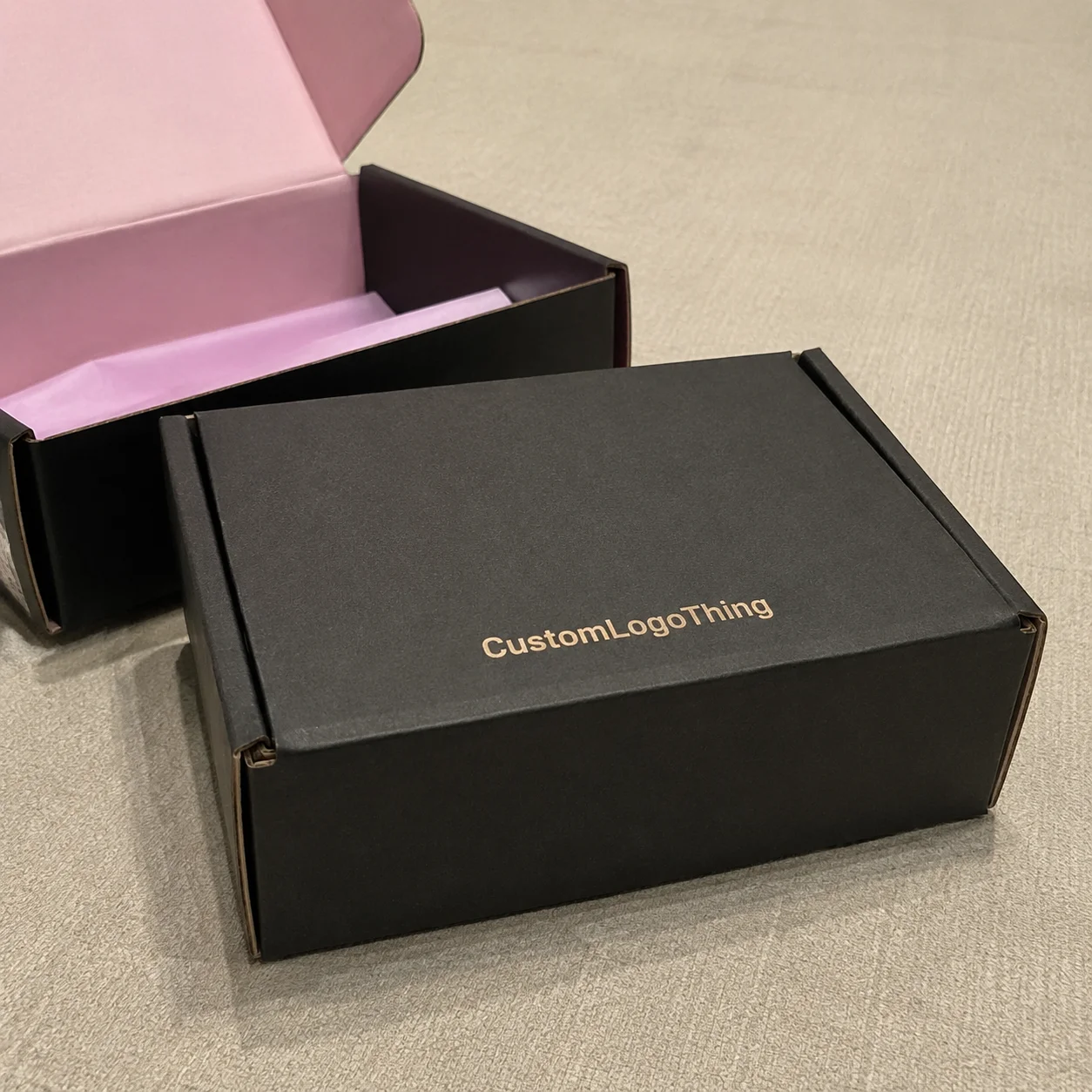
| Kraft box with insert | $0.28–$0.62/unit at 5,000 pcs | Earrings, rings, bracelet sets | Clean look, stackable, easy branding | Less premium feel unless upgraded |
| Rigid magnetic box | $0.95–$1.80/unit at 3,000 pcs | Premium pieces, gift sets | High perceived value, strong presentation | Higher shipping weight, higher cost |
| Jewelry pouch with card insert | $0.12–$0.40/unit at 10,000 pcs | Lightweight earrings, markets, starter SKUs | Low cost, compact, fast packing | Less protection, less shelf structure |
| Mailer with inner board | $0.20–$0.55/unit at 5,000 pcs | E-commerce shipping | Shipping efficient, printable, lightweight | Not ideal for premium retail display |
For materials and sustainability references, I also like to point sellers to industry and environmental resources such as ISTA for transit testing guidance and EPA recycling information when choosing paper-based formats that customers can realistically dispose of or recycle properly. That kind of thinking improves the packaging conversation immediately. It also helps when a boutique in Portland asks whether your paperboard is recyclable in Oregon curbside programs.
Key Factors to Consider Before You Buy Packaging
Before you place an order, slow down and map the jewelry types you actually sell. How to package handmade jewelry for resale changes by product category. Earrings need anti-scratch support and a way to stop posts from poking through. Rings need a snug cavity or pad so they don’t rattle. Necklaces need chain control more than anything else. Bracelets often need enough space to preserve shape without leaving a dead, oversized cavity inside the box. A 2.2-inch ring box and a 3.5-inch bangle box are not interchangeable, even if the supplier says “close enough” with a straight face.
In one client meeting in Austin, a maker showed me six SKUs that all used the same jewelry box. It looked efficient on paper. In practice, the tiny stud earrings bounced around, while the chunky cuff bracelet compressed the insert and bowed the lid. That kind of mismatch is expensive because it creates returns, damaged reviews, and wasted packaging inventory. One size rarely fits all, unless your assortment is extremely narrow. If your line runs 18 SKUs deep, assume at least three structural formats before you even ask for quotes.
Cost and pricing need a spreadsheet, not a vibe. If your item retails at $18, a packaging cost of $1.25 may be fine if the gross margin supports it. If your average selling price is $11.50, that same box may be too heavy on cost. I tell sellers to calculate packaging as part of total cost of goods sold, including inserts, labels, outer mailers, tissue, labor time, and damage allowance. A box at $0.44 can become $0.71 once you add a printed card, sticker, and assembly time. If a line takes 90 seconds to pack instead of 40, labor can add another $0.18 to $0.35 per order depending on your wage rate.
Minimum order quantities matter too. A custom printed run may require 3,000 or 5,000 units, while stock packaging may let you buy 200 or 500 at a time. That affects cash flow. If you’re a small brand testing five designs, locked inventory can hurt more than it helps. I’ve seen businesses sit on 8,000 boxes with the wrong shade of blush pink because they approved a sample under warm lighting and never checked it in daylight. That is a painful lesson, and one that shows up in storage costs. And in passive-aggressive “why is the warehouse full of pink?” conversations.
Material choice is where form meets function. Paperboard is versatile and cost-efficient. Rigid boxes feel premium and protect well, but they cost more and usually take up more freight volume. Pouches are compact and ideal for lighter items, but they don’t offer the same structural control. Cotton-filled or foam inserts provide hold, though the tactile feel depends on finish quality. If tarnish is a concern, anti-tarnish paper or sealed pouches can help, especially with silver pieces or plated finishes that react to air and humidity. For custom cartons, 350gsm C1S artboard is a common starting point because it prints cleanly and holds shape better than flimsy 250gsm stock.
Brand fit should guide the whole package. A minimalist maker may prefer white SBS board, black foil, and a single debossed logo. A rustic brand may lean toward kraft paper, natural cotton twill ribbons, and an uncoated texture. An eco-friendly line may want FSC-certified board and soy-based inks. A luxury line may justify rigid structures, soft-touch lamination, and magnetic closures. None of those choices are “better” in a universal sense. They just need to be coherent. If your jewelry is made in Asheville and your packaging feels like a Monaco yacht brochure, the mismatch is obvious.
Storage and fulfillment efficiency are often overlooked. Flat-pack boxes save room. Pre-scored cartons reduce assembly time. Standardized inserts let you use the same packing station across products. If you’re managing 20 SKUs, a complicated box system can become a bottleneck. I once watched a two-person packing team lose almost an hour per day because three box styles used three different closure methods and no one could keep the assembly sequence consistent. That’s not a branding problem. That’s a labor problem. It’s also why a simple fold-and-lock carton can beat a fancy structure when your pack-out crew is handling 300 units before lunch.
If you want packaging that is easier to audit, look for structural consistency and certifications where relevant. FSC paper and board can help support responsible sourcing claims, and you can verify certification details through fsc.org. Buyers increasingly ask for that kind of proof, especially if they sell through boutiques with sustainability requirements in California or the Pacific Northwest.
How to Package Handmade Jewelry for Resale: Step-by-Step
The practical version of how to package handmade jewelry for resale begins with measurement. Not a guess. Measure the jewelry itself, then measure the smallest protective footprint it needs. A 1.8-inch hoop pair, for example, may need a 3-by-3-inch box, while a delicate lariat necklace may need a longer card or a split insert to prevent chain crossing. If you skip this step, you end up with movement, and movement is what turns polished products into messy arrivals. A 5 mm gap can be enough to make a thin chain migrate during transit.
Start with the item, not the box
Lay out each SKU and note the critical dimensions: length, width, thickness, clasp position, and any fragile points. Rings with stones need more vertical clearance than plain bands. Dangle earrings need a way to immobilize the hook. I’ve seen sellers choose packaging first and force the product to fit later, and that almost always creates compromise. The package should support the jewelry, not squeeze it into a box that only looks right. If your product is made in Jaipur and your box is sourced from Ningbo, the fit still has to be perfect in the finished state, not just in the sample photo.
Choose the format by channel and price point
A $12 market item may work in a kraft pouch with a branded card. A $68 statement necklace may deserve a rigid box and insert. If the item is sold retail, display matters. If it ships direct-to-consumer, transit protection becomes more important. I usually recommend ordering three or four samples before committing. Spend the extra $25 to $80 on samples. It is cheaper than discovering, after 1,000 units, that the box lid bows or the insert marks the piece. I’ve done the “save money now, pay later” math with brands too many times. It’s never cute. Sampling usually takes 7 to 12 business days from supplier quote approval if the factory is in Shenzhen or Ho Chi Minh City.
Add protection layers with purpose
Protection does not need to be bulky. It needs to be smart. Use anti-scratch sleeves for polished metals, tissue between metal surfaces, and secured inserts for loose items. If you sell sterling silver or plated items, consider anti-tarnish paper or sealed pouches, especially in humid shipping regions. The goal is to prevent abrasion, tangling, and oxidation during handling. A beautiful package that scratches the product is a failed package. A 0.8 mil poly sleeve or a 15gsm tissue wrap often does the job without adding much weight.
For many sellers, a simple three-part system works well:
- Item restraint — insert, card, pouch, or foam fit
- Surface protection — tissue, sleeve, anti-tarnish wrap
- Outer protection — mailer, shipper, or retail carton
Build the branded moment
Now the package starts to feel like your brand. Add a logo stamp, a printed insert, a thank-you card, and basic care instructions. That card doesn’t need to be fancy, but it should be specific. Include metal care notes, storage tips, and any relevant warnings, such as avoiding water, perfume, or ultrasonic cleaners depending on the materials. I’ve watched customer service emails drop once a maker started including a 3.5-by-5-inch care card with five bullet points. Buyers ask fewer repeat questions when the package tells them what to do. A clean printed insert on 350gsm C1S artboard usually looks more credible than a flimsy note card that curls at the edges after a week.
Branding also helps resale logic. A store owner can display or repack the product more easily if your label and insert are clean and uniform. That matters for wholesale. It matters for consignment. It matters for marketplaces where customers compare your line to 20 others on the same shelf. Consistency signals that you’re serious. A retailer in Seattle can spot a brand with organized packaging in under ten seconds, and that first impression affects whether they reorder 50 units or 500.
Assemble, test, and stress the package
Here’s where many sellers stop too early. Don’t just assemble one perfect sample and admire it. Test it. Shake it for 10 seconds. Drop it from a table height of about 30 inches onto a hard surface in its outer packaging. Open and close the closure five times. Look for scuffing, shifting, or a lid that won’t stay aligned. If the package feels loose in your hands, it will feel worse after 300 miles in a delivery truck. If your box is headed through a fulfillment center in Louisville, assume more vibration than you’d get from a home desk test.
When I visited a small packing operation in Ohio, the owner had a simple rule taped above the bench: “If it rattles here, it will rattle there.” Crude. Effective. That line saved them from a bad launch because the insert depth was off by 2 mm and the chains were sliding sideways. I still use that logic in reviews because it keeps teams focused on actual transit behavior, not just aesthetics. The same rule saved a brand in Denver from replacing 400 bent earring cards before launch.
The final package should look intentional, open easily, and stay secure. That balance is the whole point of how to package handmade jewelry for resale.
Process and Timeline: From Concept to Shelf-Ready Packaging
Good packaging takes a sequence. You can compress it, but you can’t eliminate the steps without risking quality. For how to package handmade jewelry for resale, the normal path runs through concept, material selection, proofing, sampling, production, and delivery. A stock box with a generic insert might move quickly. A custom-printed rigid box with a special finish will take longer because every layer needs approval. If you’re sourcing from Dongguan or Yiwu, the proof-and-production cadence is usually more predictable than from a factory that’s juggling unrelated product lines, but you still need to stay on top of it.
Here’s a realistic timeline framework I use with small brands:
- Concept and sizing: 2–5 business days
- Material selection and quote review: 3–7 business days
- Artwork and structural proof: 3–8 business days
- Sampling and revisions: 5–15 business days
- Production: 10–25 business days depending on quantity
- Transit and receiving: 3–12 business days depending on route
That means a straightforward package can sometimes be done in about three to five weeks from concept to receipt, while a more elaborate custom order may take six to eight weeks or more. The exact timing depends on print complexity, embossing, foil, coating, insert type, and order size. If you need a seasonal launch, build in buffer time. Rushing the final proof is one of the fastest ways to create expensive errors. In practice, a sample approved on Tuesday often lands in production the following week, and finished cartons usually take 12 to 15 business days from proof approval if the order is under 5,000 units and the plant is in southern China.
Stock packaging is faster because the tooling already exists. You’re choosing from existing dimensions and materials. Custom packaging takes more planning, but it can better reflect the brand and often supports higher perceived value. I’ve seen makers move from generic mailers to custom printed cartons and increase average order value because customers started buying matching sets instead of one-offs. Not every brand gets that lift, but enough do that it deserves attention. A printed mailer at $0.32 per unit can still be worth it if it supports a $4 to $7 increase in basket size.
Planning ahead prevents the ugliest retail problems: stockouts, emergency air freight, and half-approved artwork. I once saw a maker approve a foil stamp from a phone photo at 9:40 p.m. because they were trying to beat a production slot. The logo looked fine on screen. On press, it shifted 1.2 mm and ruined the symmetry. That mistake cost them a reprint and two weeks of sales delay. Could it have been avoided? Absolutely. The factory in Ningbo had asked for a final vector file and a 1.5 mm safety margin, and the brand skipped both because they were rushing.
For brands selling at markets or through wholesale, I recommend ordering packaging at least one product cycle before peak demand. If your holiday run needs 2,000 units, don’t wait until the month before. That’s how people end up choosing whatever is available instead of what is right. A 20% buffer on lead time is cheap insurance compared with paying air freight from Shanghai at $1.80 to $3.20 per kilogram.
| Packaging Path | Speed | Typical Cost | Best Use Case |
|---|---|---|---|
| Stock pouch or box | Fast | Lowest | Testing a new jewelry line |
| Stock packaging with custom label | Fast to moderate | Low to moderate | Small brand branding upgrade |
| Custom printed carton | Moderate | Moderate | Established resale program |
| Rigid custom box with inserts | Slower | Highest | Premium lines and gifting |
Common Mistakes to Avoid When Packaging Handmade Jewelry
Oversized packaging is the first mistake I see. It feels safer to leave extra room, but too much space lets pieces shift, tangle, or arrive with a cheap, unfinished feel. A necklace in a large box can look like it was thrown in, even if it was packed carefully. For how to package handmade jewelry for resale, tight fit is usually better than generous empty space. A 0.75-inch insert recess is often enough for a pendant and chain set if the chain is tucked and restrained properly.
The second mistake is underestimating shipping cost impact. Add 0.4 ounces here, a rigid shell there, and suddenly your package slips into a more expensive postage band. On low-ticket items, that can kill profit fast. I’ve watched sellers add decorative fillers, heavy box lids, and extra layering, then wonder why their margin vanished. If the packaging costs more to move than the product can support, something is off. A jump from 3.8 ounces to 4.2 ounces may not sound dramatic until the monthly postage bill climbs by $140 on a 500-order run.
Inconsistent branding is another problem. A jewelry store feels more curated when the packaging language stays stable: same logo placement, same card size, same color family, same closure style. If each SKU looks like it came from a different supplier, the brand feels accidental. That matters more in handmade markets than people admit. Buyers are forgiving of handcraft. They are less forgiving of disorder. A line made in different batches in Providence, Tucson, and Louisville still needs the same packaging system if it wants to feel like one brand.
Fragile materials and weak closures create returns. A weak tuck flap on a mailer can open. A glue dot can fail. A cheap foam insert can crumble. A velvet pouch may pill after one trip through fulfillment. Any one of those issues can create a review that says “lovely item, bad packaging,” and that phrasing sticks. The product may be fine, but the packaging becomes the memory. If your adhesive is rated for only 1.5 pounds of hold and the insert keeps shifting, that is not a mystery. That is a preventable failure.
Skipping transit testing is the final mistake, and it’s the one I argue about most often with small brands. What looks elegant on a table may fail in motion. Test with an actual shipping lane, not just a desk. If possible, send a few sample orders to friends or staff members and ask them to report back on dents, scuffs, package noise, and opening experience. That feedback is more useful than compliments. A sample sent from Miami to Boise tells you more than a perfect photo on a white background ever will.
In packaging audits, I often ask sellers one direct question: “If a buyer shook this box for 15 seconds, what would move?” The answer reveals almost everything about whether their system is ready.
Expert Tips for Better Packaging, Lower Costs, and Stronger Sales
If you want how to package handmade jewelry for resale to work at scale, design one or two packaging systems that cover most of your line. Standardization is not boring. It is profitable. A standardized insert or box size lowers complexity, reduces the chance of packing errors, and simplifies reordering. I’ve seen businesses save more through reduced labor and fewer SKUs than through the packaging unit price itself. A team in Charlotte cut pack time by 14% after moving from five box sizes to two.
Use standardized insert dimensions whenever you can. A 3-by-3-inch insert may work for several earring styles if the perforation or slot design is adjusted. A single outer mailer size can fit a range of inner packages while keeping shipping predictable. That kind of structure helps fulfillment teams pack quickly without needing to think through every order from scratch. The less cognitive load at the packing bench, the fewer mistakes. A 125mm x 125mm inner card can cover most stud and hoop sets without needing a custom die for each one.
Prioritize the touchpoints customers actually see. You do not need to spend on five embellishments if buyers only notice two. Clean printing, a good closure, a snug insert, and a clear care card usually beat glitter, ribbon, and extra filler. I’m not anti-decoration. I’m anti-waste. A better closure often feels more premium than another decorative layer, and it performs better in transit too. A matte black logo on white SBS board often reads cleaner than a pile of ribbon, stickers, and confetti that costs $0.22 and adds zero protection.
Ask repeat buyers what they remember. That feedback is gold. In one client review, 14 out of 20 repeat customers said they kept the box because the insert made storage easy. Only 3 mentioned the color. That told us where the real value lived. Unboxing data is useful, but so is post-purchase feedback. The package is part marketing, part logistics, part memory. If customers in San Diego keep the box for storage, you’ve probably found a design worth repeating.
Subtle upgrades often outperform flashy extras. A cleaner logo print. A tighter insert fit. A stronger adhesive on the box seal. A better-grade board that resists corner crush. Those changes can increase perceived quality without adding much cost. For example, moving from a basic 250gsm sleeve to a 350gsm C1S artboard with a matte aqueous coating may only add $0.03 to $0.07 per unit in some volumes, but it can change the whole feel of the package. The customer doesn’t know the board spec. They feel the stiffness and see the finish.
Honestly, one of the smartest moves for small sellers is to separate “signature” packaging from “standard” packaging. Keep one elevated format for hero products or gift sets, and another lean format for everyday SKUs. That way, you preserve margin while still creating a strong visual identity where it counts. I’ve seen brands waste money trying to make every item feel premium. Sometimes the better strategy is to make the right items feel premium. A $78 bridal necklace can justify a rigid box; a $16 charm bracelet probably cannot.
If you’re refining your sourcing process, insist on real samples, measured specs, and clear production terms. Ask about minimum order quantity, carton dimensions, lead time, and pack-out method. On a negotiated run, even a 0.05-inch change in box height can alter freight efficiency. Those details sound small until they show up on a pallet invoice. I’ve sat in enough quote reviews to know that the “cheap” option often becomes expensive after freight, labor, and damage are counted. A supplier in Shenzhen may quote $0.41 per unit, but once you add tooling, customs, and domestic receiving, the landed cost may land closer to $0.57.
For handmade brands that want a cleaner sustainability story, paper-based systems with FSC-certified materials and right-sized mailers can make a real difference. That does not mean every package must be compostable or minimalist. It means the packaging should be justified by the product, the route, and the buyer expectation. Good packaging is specific, not performative. If you can reduce your mailer from 10 inches by 8 inches to 7 inches by 5 inches and still protect the product, you’ve cut dead space and probably saved freight.
When you think about how to package handmade jewelry for resale, remember this: the best package is the one that sells the jewelry, protects the jewelry, and doesn’t create a headache for the person packing orders at 4:30 p.m. on a Friday. That person, by the way, is usually one sticky tape roll away from muttering at the ceiling (speaking from experience).
FAQs
How do I package handmade jewelry for resale on a budget?
Use standardized stock boxes or pouches to keep unit cost under control. Prioritize protective inserts, a clean logo label, and one useful card over expensive decorative extras. I’d rather see a $0.38 box with a good insert than a $1.10 box that looks nice but wastes margin. Order samples first so you do not commit to packaging that photographs well but performs poorly in transit. A stock mailer in Chicago can be better than a Custom Rigid Box if your retail price is under $20 and your packing team is small.
What is the best packaging for handmade jewelry to prevent damage?
The best packaging is the format that holds the piece firmly and limits movement. For silver, plated, or polished pieces, use anti-scratch or anti-tarnish protection. For necklaces, focus on chain control. For earrings, keep posts and hooks immobilized. Test the package in real shipping conditions before you scale. A 20-second shake test and a short drop test can reveal more than a glossy sample photo ever will. In many cases, a rigid box with a fitted insert performs better than a soft pouch, especially on routes that move through multiple hubs like Dallas, Memphis, and Newark.
How much should packaging cost for handmade jewelry resale?
Set packaging cost based on your retail price and margin target, not on what “feels affordable.” Lower-priced items usually need simpler packaging, while premium pieces can support elevated presentation. Track packaging as part of total cost of goods sold, including inserts, labels, shipping materials, and assembly time. In many cases, a practical packaging budget lands somewhere between 3% and 12% of retail, but that depends on product value and channel. A $24 item might support $0.75 to $1.25 in packaging, while a $68 piece can carry more.
How long does custom jewelry packaging usually take?
Timing depends on material, print method, order quantity, and proof approval. Stock packaging moves faster because the structure already exists. Custom printed packaging takes longer because of sampling, revisions, and production scheduling. I usually tell sellers to plan for several weeks, then add buffer time before launches, holiday peaks, or wholesale presentations. Rush orders are possible in some cases, but they tend to shrink your options. For many factories in Guangdong, finished cartons typically take 12 to 15 business days from proof approval, not counting ocean transit or domestic receiving.
What should be included in handmade jewelry packaging for resale?
Include the jewelry, a protective insert or pouch, branding, and a care or instruction card. Add labeling if you need product identification, SKU tracking, or retail display compatibility. The final package should feel deliberate, secure, and easy to open. If you sell across multiple channels, keep the core structure consistent so customers recognize your brand whether they buy online, in a boutique, or at a market stall. A 3.5-by-5-inch care card with specific metal care notes usually helps more than a long generic brochure.
If you want to improve how to package handmade jewelry for resale, start with the item’s size, the shipping path, and the brand impression you want buyers to remember. Then build the package around those needs instead of decorating a weak structure. Measure the piece. Test the fit. Shake it. If it rattles, fix it before you order a thousand more. That’s how the best handmade brands do it, and it’s usually why their products feel worth the price before the clasp is even opened. And if you’re ordering from a factory in Dongguan, ask for samples, measure twice, and approve once. Your future self will thank you.
Related packaging resources
Use these related guides to compare specs, costs, quality checks, and buyer decisions before making the final call.