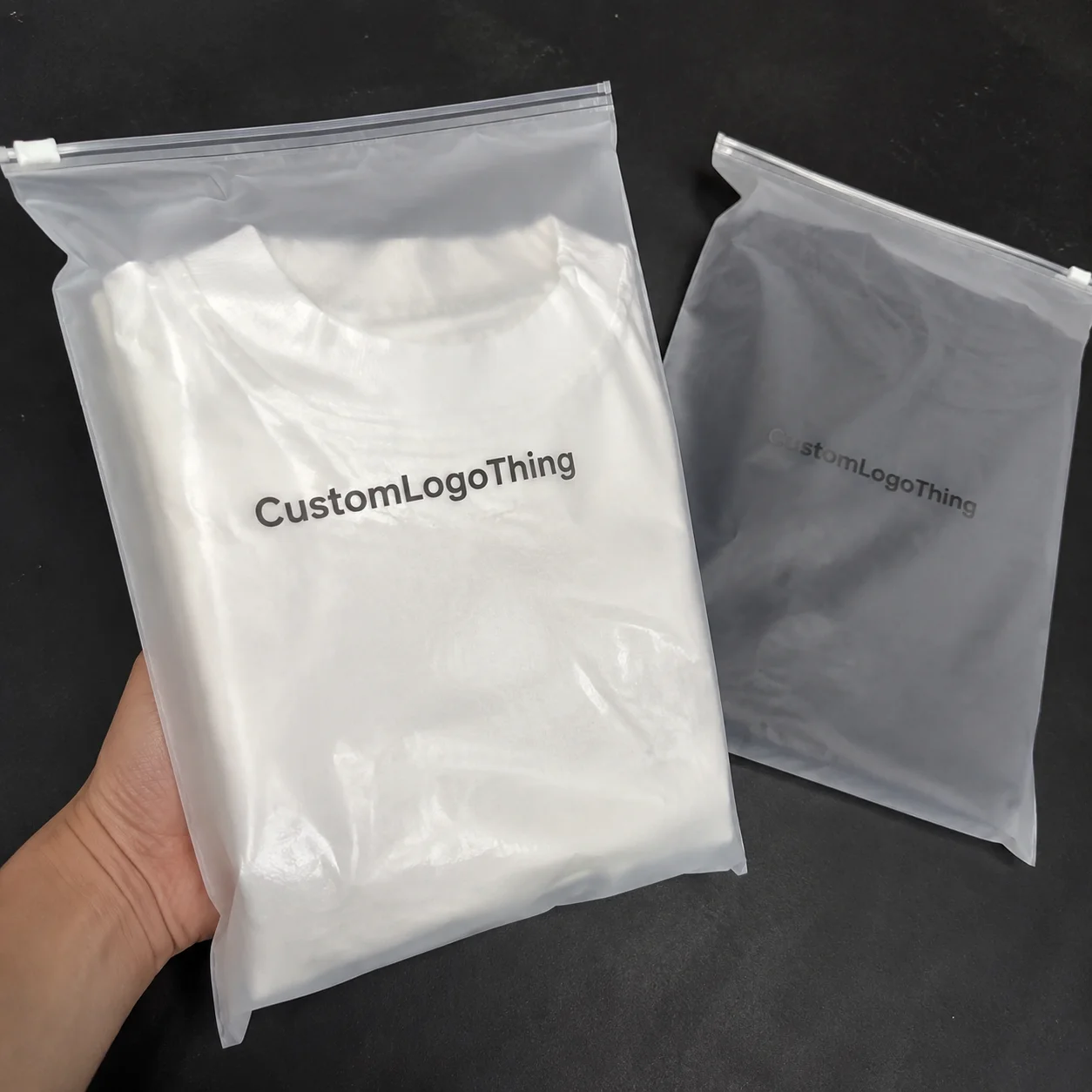
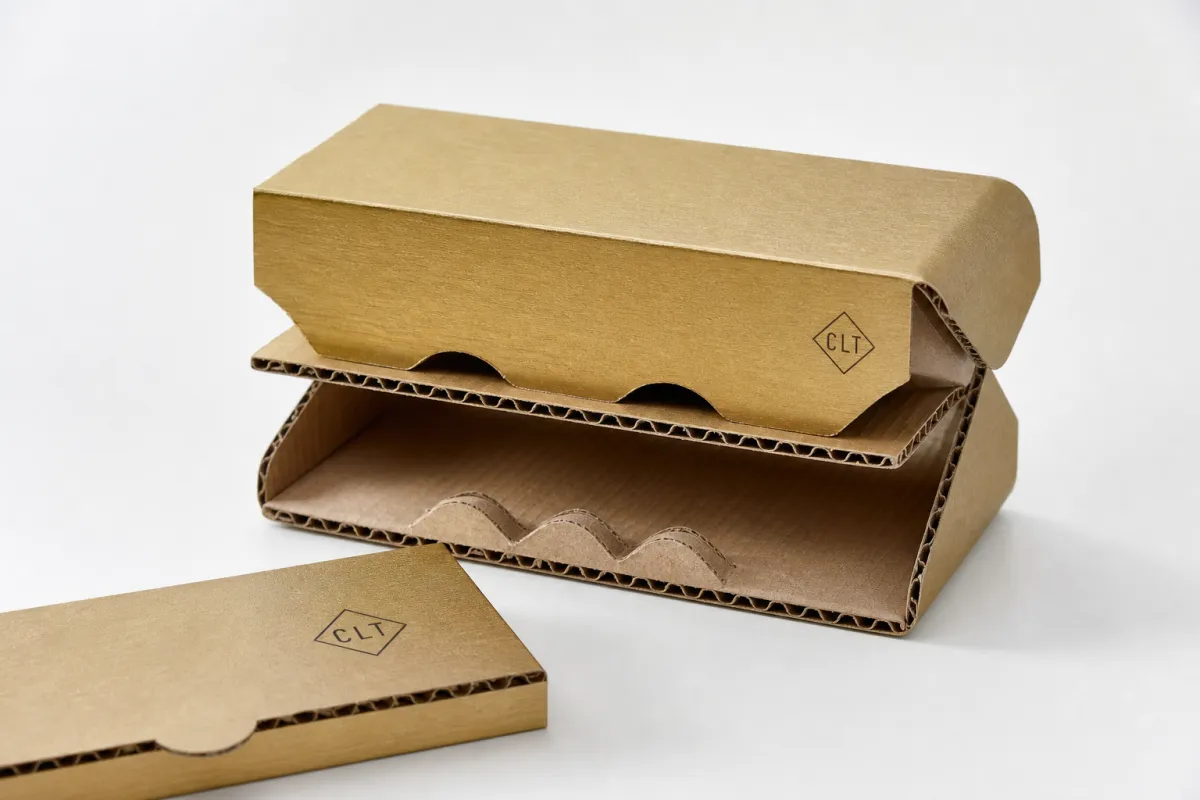
Buyer Fit Snapshot
| Best fit | Prevent Box Crushing During Transit projects where brand print, material claims, artwork control, MOQ, and repeat-order consistency need to be specified before quoting. |
|---|---|
| Quote inputs | Share finished size, material target, print colors, finish, packing count, annual reorder estimate, ship-to region, and any compliance wording. |
| Proofing check | Approve dieline scale, logo placement, barcode or warning zones, color tolerance, closure strength, and carton packing before bulk production. |
| Main risk | Vague material claims, crowded artwork, missing packing details, or unclear freight terms can make a low unit price expensive after revisions. |
Fast answer: Prevent Box Crushing During Transit: Material, Print, Proofing, and Reorder Risk should be specified like a repeatable production item. The safest quote records material, print method, finish, artwork proof, packing count, and reorder notes in one written spec.
Production checks before approval
Compare the actual filled-product size with the drawing, then confirm tolerance on folds, seals, hang holes, label areas, and retail display edges. Reserve space for logos, QR codes, warning copy, and material claims before decorative graphics fill the panel.
Quote comparison points
Review material grade, print process, finish, sampling route, tooling charges, carton quantity, and freight assumptions side by side. A quote is only useful when the supplier can repeat the same color, closure quality, and packing count on the next order.
I’ve watched a beautifully printed retail carton fail at the very last hurdle because one warehouse picked it in a pinch and stacked it three layers too high on a half-wrapped pallet in a Dallas fulfillment center. That kind of thing makes you want to stare at a dock door for a minute, because the box itself was not the villain. That is why how to prevent box crushing during transit is never just a box question; it is a full packaging system question, and a 2-inch pallet overhang or a missing top cap can wipe out an otherwise solid design.
In plain terms, box crushing is compression damage. The carton gets squeezed by weight from above, vibration from the trailer floor, moisture in the air, or uneven load distribution during shipping, and once the panels start to bow, the corners usually give up next. I’ve seen this in cross-docks in Atlanta, in LTL freight terminals around Chicago, and inside export containers where cartons sat near the doors and took on condensation from morning temperature swings in Savannah. If you want how to prevent box crushing during transit to actually work in the real world, you have to match board grade, fill, pallet pattern, and handling discipline instead of just ordering a stronger-looking box.
That matters even more because the problem shows up everywhere: parcel networks with multiple touches, LTL freight with mixed freight and transfer points, warehouse staging areas where cartons wait overnight, and ocean containers where stacks can settle for days. In my experience, the weak link is rarely the print or the glue line alone. It is usually the way the shipment is built, loaded, and held together in places like Monterrey, Shenzhen, or North Carolina converting plants. That is the lens I use when I talk about how to prevent box crushing during transit with clients at Custom Logo Things.
How to prevent box crushing during transit: what actually causes it
The first thing I tell people is this: a carton can look perfect on the outside and still be one poor stack away from failure. I once stood beside a corrugator in a Midwest packaging plant in Columbus where the board specs were exactly right, the print looked sharp, and the die-cut was clean, yet the customer was still seeing crushed corners on arrivals. The issue turned out to be a single pallet pattern change at the warehouse, not the box itself. That is the kind of detail that makes how to prevent box crushing during transit a process problem, not just a material choice.
Compression damage happens when vertical forces exceed what the corrugated structure can carry for the duration of the trip. The carton may have enough short-term strength to survive a drop or a quick hand test, but shipping is often a slow squeeze, not a sudden hit. If the stack sits under load for 8, 12, or 36 hours, the panels can gradually deform. Once the flute structure starts to flatten, the box loses height, then the lid loses support, and the product inside begins to move. That chain reaction is central to how to prevent box crushing during transit.
This is why LTL freight is such a frequent trouble spot. A carton may be loaded, unloaded, and reloaded several times across a 400-mile lane, and every terminal can add another layer of pressure. Parcel networks are not much kinder, because automated sortation, belt transfers, and high stacking in cages all create repeated stress. Export containers add their own twist: humidity, container sweat, and long dwell times can soften the board before the stack even reaches the destination. In all of those cases, how to prevent box crushing during transit depends on what happens before the shipment leaves the dock.
What most people get wrong is assuming “stronger box” equals “fixed problem.” Honestly, I think that is one of the most expensive shortcuts in packaging. A 44 ECT single-wall box can be excellent for one SKU and completely wrong for another, while a 51 ECT double-wall carton may still fail if the pallet pattern is sloppy or the product floats inside the box. A 350gsm C1S artboard insert can also fail its job if it is not cut to the right compression points. The better approach is to design the whole pack-out around the ship method, because how to prevent box crushing during transit starts with system fit, not marketing language on a spec sheet.
On the factory floor, the most common failure signs are bowed panels, crushed corners, lid gaps, and a “soft” feel when you press the top panel with one hand. When I see those symptoms on inbound cartons, I usually start asking three questions: what was the route, how was the pallet built, and what was inside the carton holding the product in place? Those answers usually explain the damage faster than a dozen guesses about the box board. That is the practical side of how to prevent box crushing during transit.
How box compression works in real shipping environments
Corrugated board gets its strength from structure as much as from fiber content. The flute profile, liner weight, board caliper, and box geometry all affect how well a carton carries vertical load. A clean, square box with properly oriented flutes will usually outperform a sloppy box made from thicker material but cut with weak dimensions. That is a lesson I learned years ago while walking a converter line in Dongguan where two nearly identical cartons had very different compression results simply because one design had better corner integrity. If you care about how to prevent box crushing during transit, geometry matters a lot.
There are three spec terms I always want people to understand: ECT, burst strength, and flute structure. ECT, or edge crush test, gives a good indicator of how much vertical load the board can handle along its edge. Burst strength measures resistance to rupture under pressure, which can help in some scenarios but does not tell the whole story for stacking. Flute structure affects cushioning and stiffness, and different flute combinations behave differently under load. In practical packaging rooms, I usually see single-wall options like B-flute or C-flute for lighter shipments and double-wall constructions when the stack gets serious. A 32 ECT box might be fine for a 4-pound kit, while a 44 ECT or double-wall option is often more appropriate for a 28-pound case pack. That difference is a core part of how to prevent box crushing during transit.
A carton can also pass a drop test and still fail in a trailer. That surprises a lot of teams. A box that survives a 30-inch drop may still collapse under 200 pounds of sustained vertical load for several hours, especially if the pallet beneath it settles or the freight shifts. Compression is cumulative. Every vibration event, every conveyor transfer, every forklift brake tap steals a little structural margin. By the time the shipment reaches the final stop, the carton has already done most of its work. Understanding that hidden wear-and-tear is essential to how to prevent box crushing during transit.
Moisture is another quiet enemy. Fiber bonds weaken when the board picks up humidity, and that happens fast in refrigerated lanes, near dock doors, and inside export containers where day-night temperature swings create condensation. I’ve seen cartons in coastal warehouses in Charleston lose enough rigidity overnight that a box which tested fine at 50% relative humidity looked tired by morning. That does not mean every humid shipment needs the heaviest board available, but it does mean your route environment has to shape the spec. Good decisions about how to prevent box crushing during transit account for climate, not just carton size.
Here is a simple way to think about wall construction:
- Single-wall corrugated: often fine for lighter products, short routes, and cartons that are not heavily stacked, especially when the packed weight stays under about 12 pounds.
- Double-wall corrugated: usually better for heavier loads, taller pallets, and lanes with repeated handling or transfer points, such as a 14-stop LTL route from Chicago to Philadelphia.
- Heavier-duty engineered builds: useful when product value, stack time, or route risk justifies extra material and testing, including high-humidity export programs through Los Angeles or Houston.
None of those options is automatically best. It depends on the product weight, box footprint, pallet pattern, and shipping exposure. That is why how to prevent box crushing during transit is never solved by wall count alone.
Key factors that affect how to prevent box crushing during transit
The product itself matters first. A 3-pound retail kit and a 38-pound parts box should not share the same carton logic, even if the outside dimensions are similar. Tall cartons are especially vulnerable because they behave like columns, and columns fail when the force above them exceeds the board’s ability to stay straight. I’ve seen tall narrow cartons buckle in a warehouse aisle in Phoenix while shorter, squarer cartons beside them stayed perfect. That is why how to prevent box crushing during transit begins with weight, height, and footprint, not with graphics or print finish.
Internal voids are another big factor, and this is one of the most overlooked problems in packaging rooms. If the product slides around inside the carton, the force does not spread evenly; it hammers the corners and sidewalls in isolated spots. Void space can also allow the lid to cave in a little bit under stack pressure, which turns a small movement into a structural issue. When I work with teams on how to prevent box crushing during transit, I often find that a $0.08 insert would have saved them from a $15 damage claim.
Pallet quality and stacking pattern are just as important as the carton. A good corrugated box on a bad pallet is still a bad shipment. Overhang, mixed carton heights, uneven top layers, and weak stretch wrap all contribute to stack instability. If the top layer can slide even 1/2 inch during transit, the load changes shape and pressure finds the weakest panel. That is a classic failure path in how to prevent box crushing during transit.
Route conditions also shape the answer. A shipment going 80 miles in dedicated truckload freight is not living the same life as a shipment going through three terminals, one cold storage stop, and a final-mile handoff. Dwell time matters too. A carton sitting in a warehouse for 48 hours under a stacked pallet can be worse off than one that moved quickly the same day. The more touchpoints, the more chances for crush. That is why how to prevent box crushing during transit must consider the lane, the carrier profile, and the dwell environment.
There is a cost angle here that people sometimes dodge. Upgrading from 32 ECT to 44 ECT, or from single-wall to double-wall, costs money. So do molded pulp inserts, die-cut partitions, and custom corner supports. A typical 10,000-unit run might add $0.11 per unit for a stronger board grade and another $0.15 per unit for a custom insert set if you are buying 5,000 pieces or more. But damage claims, replacement labor, rework, and reshipping can get expensive quickly. I’ve sat in supplier meetings where the freight damage cost for one quarter was higher than the annual packaging upgrade budget. If you want a practical version of how to prevent box crushing during transit, calculate the cost of failure, not just the cost of the carton.
| Packaging option | Typical use | Approx. unit cost | Best benefit | Tradeoff |
|---|---|---|---|---|
| 32 ECT single-wall corrugated | Light parcels, short lanes, low stack exposure | $0.42 to $0.78 | Low cost and easy sourcing | Less margin for heavy stacking |
| 44 ECT single-wall corrugated | Moderate weight shipments | $0.58 to $1.05 | Better compression performance | Still vulnerable under poor palletization |
| Double-wall corrugated | Heavier loads and palletized freight | $1.10 to $2.35 | Stronger stack performance | Higher material and freight cost |
| Custom insert + right-sized carton | Fragile or high-value products | $0.18 to $0.90 extra | Reduces movement and pressure points | Requires testing and setup time |
Those figures vary by volume, print coverage, board market, and tooling, but they help frame the decision. In many runs I’ve handled, the smarter spend was not a thicker box; it was a better-fitting box with a modest insert and a cleaner pallet pattern. That is usually the sweet spot for how to prevent box crushing during transit.
Step-by-step process for how to prevent box crushing during transit
Step 1: Measure the actual product load. Weigh the filled carton, not the empty one, and measure the final packed dimensions with inserts, tape, closures, and any outer labels included. A box spec based on the bare product can mislead you by 10% to 20%, especially if the item includes hardware, bottles, or irregular components. Every honest plan for how to prevent box crushing during transit starts with the loaded package.
Step 2: Match board grade to the shipping method. Parcel, LTL, and palletized freight each create different stress patterns. A carton that rides well in UPS or FedEx may still be wrong for warehouse stacking, while a pallet-ready box may be overbuilt for e-commerce parcel shipping. I usually ask for the lane profile, the average dwell time, and the heaviest stack scenario before I recommend a board. That is a practical way to approach how to prevent box crushing during transit without paying for strength you do not need.
Step 3: Control the inside of the box. Use inserts, dividers, molded pulp, foam, or dunnage to keep the product centered. The goal is not just protection from impact; it is pressure distribution. If the product is suspended or stabilized, the outer carton can carry load more evenly. For a retail cosmetics kit using a 350gsm C1S artboard insert, the difference between loose movement and snug support can be a 30% reduction in corner stress in practical trials. Custom inserts are especially helpful for oddly shaped products, multi-item kits, and high-value retail packs. In my experience, this is one of the most cost-effective tools in how to prevent box crushing during transit.
Step 4: Build the pallet like a structure, not a pile. Keep layers uniform. Avoid overhang. Align corners. Use a consistent pattern, usually interlocked or column-stacked depending on the product and carton type. Then wrap the load tightly enough to reduce movement, but not so aggressively that you deform the cartons before shipment. Corner boards help when the load is tall, and a top cap can keep the upper layer from settling into the flutes. If you want reliable results for how to prevent box crushing during transit, pallet discipline is non-negotiable.
Step 5: Test before you scale. Run compression, vibration, and transit simulation if the shipment is important enough to hurt when it fails. If you have access to an ISTA-style test plan, use it. If not, even a small in-house trial with stacked weights, a short vehicle run, and post-trip inspection will show weak points fast. I’ve watched companies save thousands by discovering a bad top panel before they committed to 20,000 units. That is the difference between guessing and actually knowing how to prevent box crushing during transit.
Here is a quick comparison of pack-out choices I often review with clients:
| Pack-out style | Compression support | Internal movement control | Typical use case |
|---|---|---|---|
| Loose fill only | Low to moderate | Fair | Light, non-fragile products |
| Die-cut insert | Moderate to high | High | Kits, electronics, cosmetic sets |
| Partitions + outer carton | High | High | Glass, bottles, divided parts |
| Foam or molded support system | High | Very high | High-value or fragile shipments |
When I visited a contract packer outside Charlotte, they had a recurring crush issue on a 16-ounce glass kit. They changed nothing about the outer carton at first, but they added a simple die-cut pulp cradle and tightened the pallet layer count from 10 to 8 cartons per tier. Damage dropped sharply because the product stopped working against the carton. That is a textbook example of how to prevent box crushing during transit through pack-out, not brute strength.
Process and timeline: testing, approval, and rollout
A real packaging change does not happen in one afternoon, at least not if you want it to hold up. For a standard stock carton with minor print updates, I’ve seen sampling and approval take 5 to 10 business days. For a custom printed corrugated design with inserts, plan for 12 to 15 business days from proof approval to sample evaluation, and longer if tooling changes are involved. If you are dealing with fully engineered packaging, the timeline can stretch further because fit tests and transit trials matter more than artwork alone. That timeline is part of how to prevent box crushing during transit without rushing into the wrong spec.
A packaging engineer or supplier will usually review board grade, score placement, insert design, and the pallet pattern together. That is the right sequence. If someone only talks about making the box thicker, I usually pause and ask for the freight lane, the damage history, and the stack height. Without those details, the recommendation may be overpriced or underbuilt. Good suppliers, whether they are in Shenzhen, North Carolina, or a local converting plant in Wisconsin, should be able to explain the tradeoffs clearly. That transparency matters in how to prevent box crushing during transit.
For teams with a hard launch date, rush timelines are tempting, but skipping testing is risky. I’ve seen emergency packaging buys go sideways because no one checked how the cartons behaved after a full pallet sat overnight in a warm dock at 82°F. The result was a second emergency order, which doubled the real cost. A measured rollout gives you time to catch failure points, then correct them before production ramps. That is the safer route for how to prevent box crushing during transit.
“The strongest box in the room is still the wrong box if the pallet collapses underneath it.” That is something an old freight manager told me while we were standing in a noisy receiving area in Memphis, and honestly, he was right.
Before you approve a pack-out, make sure your internal team has these details on the same page:
- Product weight and final packed weight
- Route type: parcel, LTL, dedicated freight, or export
- Damage history with photos, if available
- Stacking expectation in storage and transit
- Required performance level based on customer expectations and claim tolerance
If your team can answer those five points, you are already ahead of most shipper programs I’ve reviewed. That knowledge makes how to prevent box crushing during transit far easier to implement at scale.
Common mistakes that lead to box crushing
The biggest mistake is choosing a box by dimension alone. A carton can be the right length and width yet still fail because the weight is wrong for the board grade or the route is too harsh. I’ve had buyers tell me, “It fits perfectly,” as if fit were the only variable that mattered. It is not. If the box is going into LTL freight with mixed freight above it, how to prevent box crushing during transit has to account for load, not just size.
Overfilling and underfilling both create problems. Overfilling pushes the panels outward and weakens the closure area, while underfilling lets the product shift and strike the corners. Either condition can reduce structural stability. The carton should feel full enough to stabilize the item, but not so tight that the paperboard is under constant stress before the ship even starts. That balance is part of how to prevent box crushing during transit that people often miss.
Another error is relying on the outer carton to solve everything. Corner protection, inserts, partitions, and dividers exist for a reason. If the contents are fragile or oddly shaped, the outer box should not be asked to do all the work by itself. I’ve seen glass bottles survive in a medium-weight carton with good partitions while a “heavier” box without interior support crushed and ruined the labels. That is a lesson every team eventually learns about how to prevent box crushing during transit.
Buying the cheapest board grade can also backfire. I understand procurement pressure; I’ve sat through those meetings. But if a carton saves two cents and triggers even a small amount of damage, the math changes immediately. Replacement freight, labor, customer credits, and rework eat the savings fast. A box that costs $0.62 instead of $0.58 may save you from a $14.50 claim, and that is the kind of arithmetic procurement teams can actually use. Good purchasing and good packaging need to talk to each other. That is how you get closer to real how to prevent box crushing during transit results.
Finally, poor palletization will undo good material choices. If the layer pattern is inconsistent, if the wrap is too loose, or if the top layer overhangs the pallet by even a small amount, the stack will shift and crush points will appear. I’ve watched this happen on busy outbound docks in New Jersey where the team was rushing to close the trailer and nobody noticed the upper tier sliding. It only takes one small movement to ruin a shipment, which is why how to prevent box crushing during transit has to include warehouse training.
Expert tips to make your cartons stronger without overspending
Right-sizing is often the best place to start. If you can reduce empty headspace by even 1/2 inch to 1 inch, you may improve load distribution enough to avoid moving up a board grade immediately. That is especially true for products that can sit snugly with a simple insert. I like to solve the geometry first, because geometry is free once the tooling is set. That is one of the smartest ways I know for how to prevent box crushing during transit without padding the bill.
Use reinforcement where it matters. Full overlap cartons, edge protectors, double walls, and custom inserts all have their place, but they should be applied selectively rather than everywhere. If only one lane is causing damage, target that lane. If only one SKU is vulnerable because of its height, protect that SKU. A selective design strategy often beats a blanket upgrade. That sort of focused decision-making is central to how to prevent box crushing during transit.
Sometimes a well-designed corrugated structure outperforms a much more expensive generic box. I’ve seen a properly scored, right-sized carton with interior dividers outperform a bulkier box that looked stronger on paper but had bad interior movement. The reason was simple: the first box spread the force, and the second box let the product shift and concentrate pressure on the weakest points. Packaging is full of these little surprises, which is why how to prevent box crushing during transit needs testing, not assumptions.
Work with a packaging manufacturer who will actually compare samples, not just quote a SKU number. Ask for a few options side by side, then run test packs with the real product, not a dummy load. If you can, request a compression evaluation or at least a practical in-house stack test with documented results. Reputable suppliers should be comfortable discussing standards like ISTA for distribution testing and Packaging School and industry resources for broader material understanding. Those references help anchor how to prevent box crushing during transit in something measurable.
If your materials come from responsibly managed fiber sources, you can also look at FSC certification for sourcing transparency, and if your logistics team is trying to reduce waste from damaged shipments, the EPA’s materials and waste guidance at EPA recycling resources can be useful. Those organizations do not design your box for you, of course, but they do support a more disciplined packaging program. That discipline is part of how to prevent box crushing during transit in a way that can stand up to customer scrutiny.
One more practical tip: document the exact pack-out spec once it works. Include the board grade, carton dimensions, insert type, tape specification, pallet pattern, wrap count, and maximum stack height. Write it down in a way a warehouse supervisor can use at 6:00 a.m. on a Monday. I’ve walked too many plants where tribal knowledge was doing the work of an actual spec sheet. The spec sheet is your insurance policy for how to prevent box crushing during transit.
And if you are trying to keep the budget sane, ask for a quote that separates carton cost, insert cost, print cost, and freight impact. Sometimes the more expensive carton lowers overall shipping loss enough to save money net-net. That is the kind of tradeoff I have watched win budget approval more than once, especially when the damage rate was already visible. That is real-world how to prevent box crushing during transit, not theory.
What to do next to prevent box crushing on your shipments
Start by reviewing your last few damage claims and sorting them by failure type. Was the carton crushed from above? Did the pallet shift? Was there moisture damage near the lids? Did the product move inside the box and create pressure points? The pattern usually tells you where the fix belongs. If you want how to prevent box crushing during transit to become a repeatable process, evidence comes first.
Then gather three cartons: one damaged carton, one shipment that arrived clean, and one sample carton that represents the current spec. Open them side by side and look at the structure, the closure, the fill, and the pallet evidence if you still have it. Small clues matter. A torn corner tells a different story than a bowed side panel, and both are different from a lid that flexed under load. That comparison is one of the fastest ways to sharpen how to prevent box crushing during transit.
After that, build a short internal test plan. Write down product weight, route type, stacking exposure, humidity risk, and the performance level you need. If this is a retail item, define acceptable appearance on arrival. If it is a parts shipment, define functional integrity and damage tolerance. A plan with five lines and a few photos is better than a vague idea of “make the box stronger.” That clarity improves how to prevent box crushing during transit across the whole organization.
Talk with your packaging supplier about board grade, insert options, and pallet load optimization, not just box thickness. Ask them what failed in the last sample run and what they would change first if they were standing on your dock. A good supplier should be able to explain whether the answer is a stronger flute, a better score, a tighter insert, or a better pallet pattern. That conversation is where practical how to prevent box crushing during transit usually starts to click.
Finally, set a standard pack-out spec, train the warehouse team, and recheck the first production run. I like to inspect the first few pallets personally when a major change goes live, because the real world always reveals a detail that the sample table did not show. Once the spec holds up in live shipping, you have something repeatable, not just a theory. That is the goal of how to prevent box crushing during transit for Custom Logo Things clients: fewer claims, cleaner arrivals, and packaging that looks good because it is built to perform.
FAQ
How to prevent box crushing during transit for heavy products?
Use a carton rated for the actual loaded weight and the shipping method, not just the product dimensions. Add internal supports or inserts so the product does not shift and press against the panels, and strengthen the pallet pattern and corner support if the cartons will be stacked. For heavier loads, double-wall corrugated is often the safer starting point, but the real answer still depends on route conditions, stack height, and moisture exposure. On a 25-pound shipment headed through two LTL terminals, that may mean a 44 ECT double-wall carton with a top cap and at least 5 full wraps of stretch film.
What box material is best to prevent crushing in shipping?
Double-wall corrugated is often better for heavier or stack-sensitive shipments, especially when the cartons ride on pallets or through multiple transfer points. That said, the best choice depends on weight, route, humidity exposure, and whether the box will be palletized. Board grade and structural design matter just as much as wall count, so the material choice should be tested against the actual shipping environment. For many programs, a 200# to 275# test liner or a 51 ECT-rated structure is a practical place to begin.
Does stretch wrap help prevent box crushing during transit?
Yes, when it is applied correctly to stabilize the pallet and reduce shifting. Stretch wrap does not replace proper carton strength, but it helps keep the load distribution consistent during movement and handling. Corner boards and proper wrap tension improve results significantly, especially on taller pallet stacks that might settle during transit. A common warehouse target is 3 to 4 wraps at the base and 2 to 3 wraps around the upper tiers for a 48-by-40 pallet.
How do I know if my boxes are too weak for shipping?
Look for crushed corners, bowed panels, bulging lids, or product damage after transit. If damage increases on the same lane or carrier, the carton may be under-specified for that route. Compression testing and sample ship trials can confirm whether the box is strong enough, and side-by-side inspection of damaged and successful cartons usually makes the weak point obvious. If you are seeing more than 2 damaged cartons per 1,000 units on the same lane, it is time to revisit the spec.
Can custom inserts reduce box crushing during transit?
Yes, custom inserts reduce internal movement and spread pressure more evenly inside the carton. They can also let you use a lighter outer box safely by improving support where it is needed most. They are especially useful for fragile, oddly shaped, or high-value products, where even a small amount of motion can create a pressure point that leads to crushing. A die-cut insert made from 350gsm C1S artboard or molded pulp from a plant in Mexico or the Midwest can often pay for itself in the first avoided claim.
If you are building a packaging program that needs fewer crush claims and cleaner arrivals, focus on the whole system, not just the carton shell. In my experience, the best results come from right-sized board, honest testing, smart inserts, and a pallet pattern that your warehouse can repeat every time. That is the practical heart of how to prevent box crushing during transit, and the clearest next step is to lock the spec, test it under the real route conditions, and train the dock team to build it the same way every single time.
Related packaging resources
Use these related guides to compare specs, costs, quality checks, and buyer decisions before making the final call.