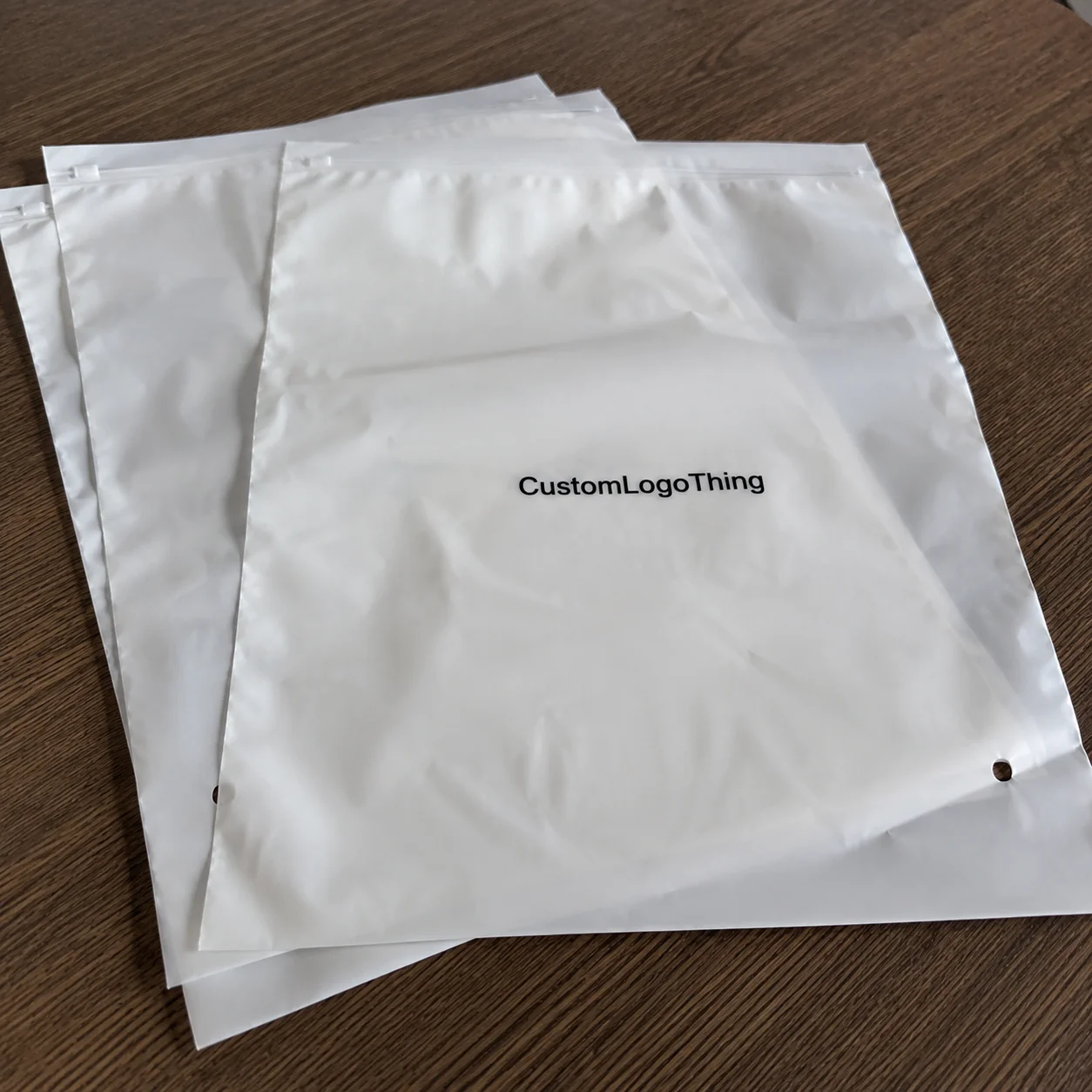
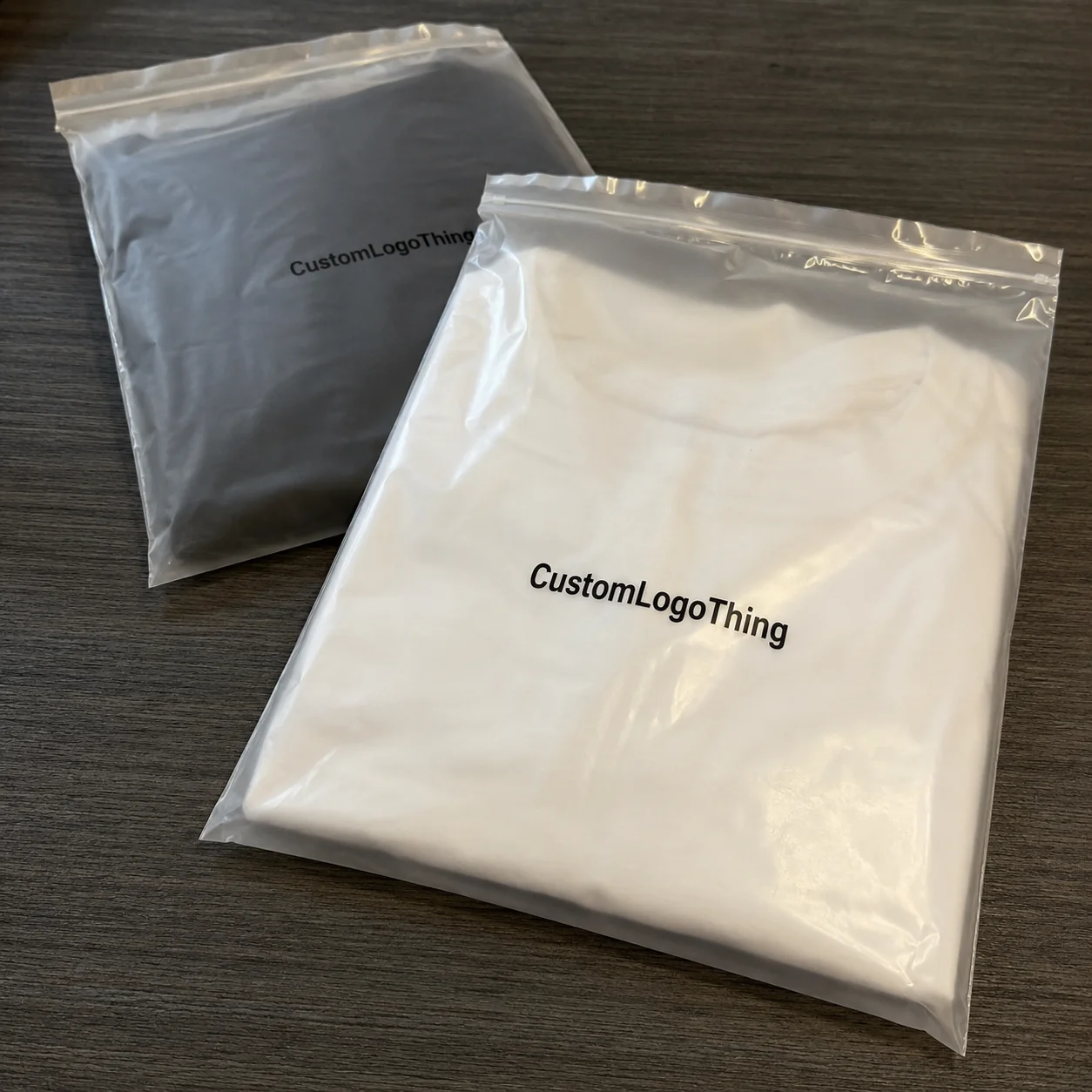
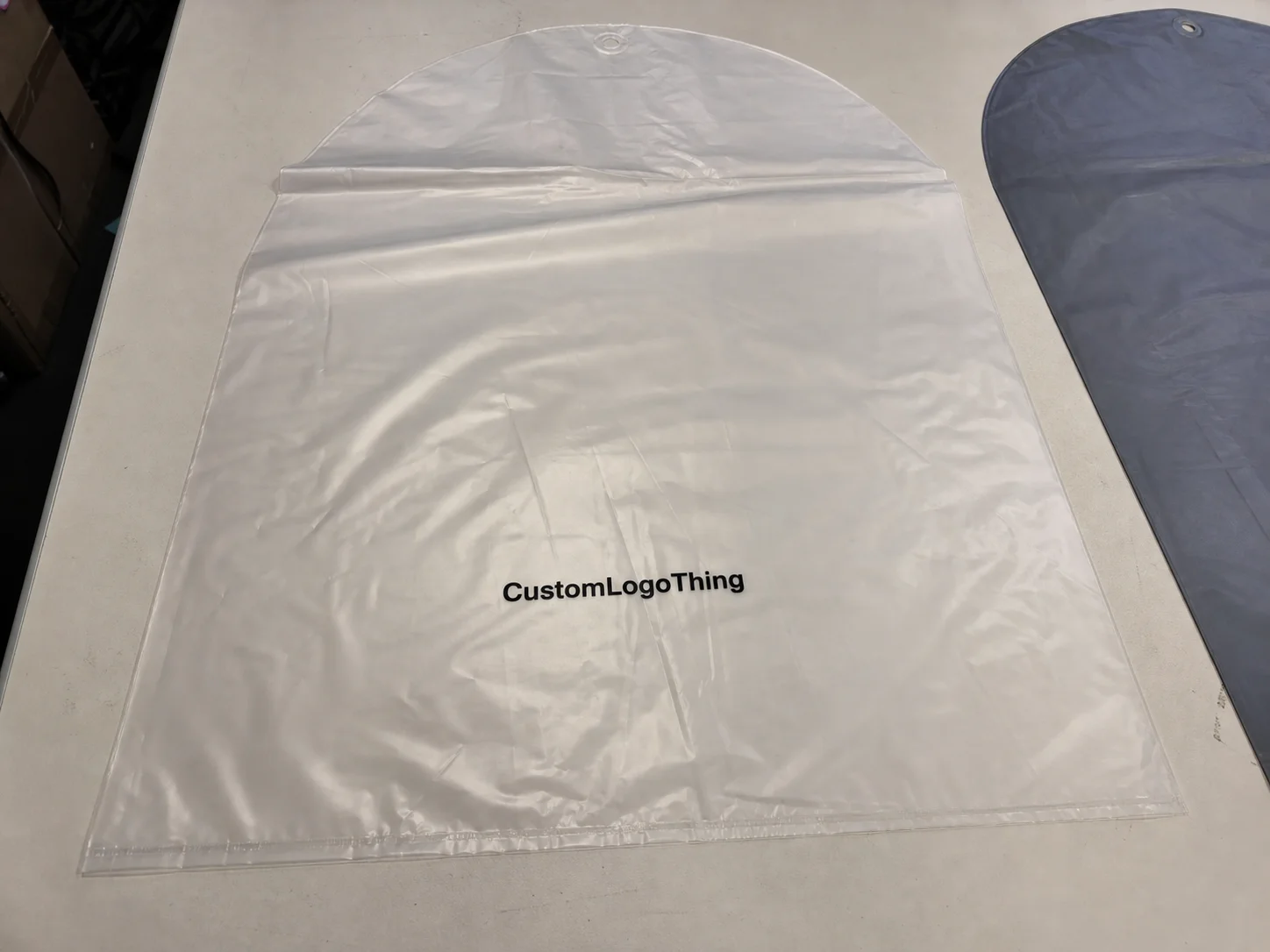
Buyer Fit Snapshot
| Best fit | Source Packaging from Manufacturers projects where brand print, material claims, artwork control, MOQ, and repeat-order consistency need to be specified before quoting. |
|---|---|
| Quote inputs | Share finished size, material target, print colors, finish, packing count, annual reorder estimate, ship-to region, and any compliance wording. |
| Proofing check | Approve dieline scale, logo placement, barcode or warning zones, color tolerance, closure strength, and carton packing before bulk production. |
| Main risk | Vague material claims, crowded artwork, missing packing details, or unclear freight terms can make a low unit price expensive after revisions. |
Fast answer: Source Packaging from Manufacturers: Artwork Proof, Packing Count, and Landed Cost should be specified like a repeatable production item. The safest quote records material, print method, finish, artwork proof, packing count, and reorder notes in one written spec.
Production checks before approval
Compare the actual filled-product size with the drawing, then confirm tolerance on folds, seals, hang holes, label areas, and retail display edges. Reserve space for logos, QR codes, warning copy, and material claims before decorative graphics fill the panel.
Quote comparison points
Review material grade, print process, finish, sampling route, tooling charges, carton quantity, and freight assumptions side by side. A quote is only useful when the supplier can repeat the same color, closure quality, and packing count on the next order.
I’ve spent enough time on packaging factory floors in Dongguan, Shenzhen, and Ho Chi Minh City to know this: how to Source Packaging from manufacturers is one of those tasks that looks simple until the first quote lands in your inbox. The cheapest number often turns into the most expensive order once you add tooling, ocean freight, rework, and a minimum order quantity that somehow morphs into 8,000 units when you only needed 2,000. I remember staring at a “great deal” on a carton quote and thinking, very briefly, that I’d uncovered a secret. Spoiler: I had uncovered a trap with a clean spreadsheet.
That’s the real challenge behind how to source packaging from manufacturers. You are not just buying a box, mailer, insert, or rigid carton. You are selecting a manufacturing partner, checking whether they can hit your specs, and deciding whether they can support the brand as it grows. I’ve seen teams save $0.06 per unit and lose $1,200 in damage claims because the inner insert was off by 3 mm. I’ve also seen a client pay 14% more for the right corrugated grade and cut transit breakage almost in half. That math matters. A box is cheap; a damaged product is not.
So if you’re trying to figure out how to source packaging from manufacturers, think beyond “Who’s cheapest?” The better question is: who can make the right packaging, at the right quality, in the right quantity, with enough clarity that you are not chasing email threads for three weeks? That’s the kind of sourcing that supports product packaging, strengthens branded packaging, and keeps package branding consistent from the first run to the tenth reorder. A supplier in Guangzhou can quote quickly; a supplier in Poland can sometimes move faster on EU deliveries. The right fit depends on the whole chain, not just the logo on the email signature.
Introduction: Why sourcing packaging from manufacturers is trickier than it looks
People often treat packaging sourcing like ordering office supplies. It is not. How to source packaging from manufacturers depends on the product, the channel, the shipping route, and the story the package needs to tell on shelf or in the unboxing moment. A subscription skincare brand in Los Angeles needs a different solution than a hardware company shipping metal parts across three distribution centers in Dallas, Columbus, and Nashville. Same word—packaging. Very different economics. One may need a 24pt SBS folding carton with a satin aqueous finish; the other may need a 44 ECT corrugated shipper with kraft linerboard and double-wall protection.
Here’s the distinction that gets missed most often. Stock packaging is pre-made, usually faster, and often cheaper upfront. Custom packaging is built around your product dimensions, brand, and functional needs. If the product is fragile, oddly shaped, or retail-facing, custom almost always wins on protection and presentation. If you need speed for a pilot launch, stock can be a smart bridge. I’ve seen teams use stock mailers for the first 500 orders, then move into custom printed boxes once repeat demand justified the tooling. That sort of staged approach is practical, even if it feels a little unglamorous. A startup in Austin can test that path with 250 units; a larger brand in Toronto may skip straight to 10,000.
At a supplier meeting in Shenzhen, one distributor proudly showed me a “low quote” for custom printed boxes. The unit price looked fantastic at 5,000 pieces. Then we unpacked the details: separate plate charges at $120, a setup fee of $85, a color matching fee of $40, and ocean freight that was quoted “approximately” but not locked. By the time the shipment landed at a warehouse in Long Beach, the true cost was 31% higher than the first number on the page. I still remember the look on the buyer’s face. If silence could invoice somebody, it would have. That’s why how to source packaging from manufacturers requires a sourcing lens, not a shopping lens.
When I visited a folding-carton plant outside Dongguan, the production manager pulled a damaged sample from a reject bin and told me, “The drawing was correct. The assumption was wrong.” He meant the buyer had assumed product dimensions alone were enough. They weren’t. The real-world fit changed once the insert compressed under load and the 350gsm C1S artboard picked up an extra 0.2 mm after matte lamination. That one sentence captures the whole discipline of how to source packaging from manufacturers: assumptions cost money, and usually in increments of 500 units or more.
Sourcing is not only about the box itself. It also touches compliance, print accuracy, warehouse handling, sustainability claims, and transport performance. If your packaging says FSC-certified, you need documentation. If it touches food, you need the right material declarations. If it’s retail packaging, you need shelf impact and barcode placement to be right. For broader standards, I often point teams toward resources like ISTA for transit testing and FSC for responsible fiber claims. A supplier in Vietnam may know export paperwork well; a supplier in Mexico may be stronger on nearshore turnaround. Geography changes the game.
How to source packaging from manufacturers is really a balancing act: quality, lead time, communication, compliance, and scalability. If one of those five collapses, the deal usually gets expensive fast. A quote from Ningbo with a 21-day lead time is only useful if the artwork is approved, the die is correct, and the freight lane is open.
How sourcing packaging from manufacturers works
The sourcing flow is more predictable than most people think, once you strip away the jargon. How to source packaging from manufacturers usually starts with a product brief, moves into quote requests, then samples, revisions, production, and shipment. It sounds linear. In practice, there are usually two or three loops in the middle because the first sample reveals something the spec sheet missed. That’s not failure; it’s just reality wearing work boots and a clipboard.
Manufacturers may play different roles. A direct factory makes the packaging in-house. A contract converter might source raw board and finish the package elsewhere. A private-label supplier may keep common formats in stock and apply your branding. A packaging specialist may coordinate multiple plants if you need mixed materials. I’ve seen good outcomes from all four. The right one depends on volume, complexity, and whether you need full custom packaging or a faster hybrid option. A rigid box maker in Shenzhen, for example, is not the same as a corrugated plant in Jiangsu.
RFQ stands for request for quote, but a weak RFQ produces weak quotes. If you are serious about how to source packaging from manufacturers, the quote request should include exact dimensions, material grade, print method, finish, quantity, assembly expectations, and shipping destination. I prefer to see specs in millimeters and grams per square meter, not “medium box” or “nice finish.” A 350gsm C1S artboard with matte aqueous coating is a different animal from a 24pt SBS with soft-touch lamination. A 1.5 mm greyboard rigid carton is different again. Precision here saves days later.
Sampling is where good sourcing becomes real. A dieline is the structural template showing folds, cuts, glue areas, and artwork boundaries. A prototype may be plain white, printed digitally, or made with close-enough materials. Why does that matter? Because an approved PDF on a screen can hide a lot. A client once approved a carton that looked fine digitally, but the tuck flap sat 4 mm too tight for the closure after lamination thickness was added. One small variation. One big delay. I’ve got a mild grudge against “looks fine on my monitor” as a decision-making strategy.
Lead time is rarely just “production time.” In how to source packaging from manufacturers, the schedule is shaped by board availability, print complexity, die-cutting, tooling, curing time, and freight method. A plain kraft mailer with one-color print may move in 12 to 15 business days after proof approval. A rigid box with foil stamping, embossing, and custom inserts can easily stretch into 30 to 45 business days before ocean freight even enters the picture. If you’re sourcing from Yiwu or Dongguan in peak season, add another 3 to 7 business days for queue time.
Here’s a simple comparison I use with clients:
| Packaging source type | Typical use | Strengths | Trade-offs |
|---|---|---|---|
| Direct factory | High-volume custom runs | Better control over specs, pricing, and consistency | More process management needed; MOQs can be high |
| Contract converter | Mixed-material or specialty builds | Flexible production options | More moving parts, more chances for miscommunication |
| Private-label supplier | Speed-focused launches | Fast turnaround, lower setup burden | Less structural customization |
| Packaging specialist | Brand-led custom packaging | Strong guidance on design and production choices | May not be the lowest-cost path |
That table is why how to source packaging from manufacturers cannot be reduced to a spreadsheet of unit prices. The production model itself shapes the final result. A factory in Qingdao with automated folding lines will price and schedule differently than a boutique converter in Milan handling short-run luxury cartons.
Key factors to compare when you source packaging from manufacturers
The first filter is fit and protection. If the package doesn’t protect the product, every other feature becomes decoration. I’ve watched cosmetics brands spend heavily on premium print only to ship damaged jars because the insert was too shallow by 2 mm. Good product packaging reduces damage rates, lowers returns, and improves the unboxing experience. That is why how to source packaging from manufacturers starts with function, not aesthetics. A 120 ml glass bottle needs different shock absorption than a 250 g candle tin, even if both sit in a 200 x 200 mm carton.
Materials and finishes deserve close attention. Corrugated board performs differently from folding carton. Rigid board feels premium but can add weight and freight cost. Coatings change scuff resistance. Aqueous, UV, soft-touch, foil, embossing, and lamination each carry different implications for price, shelf appearance, and recyclability. If sustainability is part of the brief, ask for documentation rather than marketing language alone. I’ve seen “eco-friendly” claims disappear the moment someone asks for the underlying certification. Funny how that happens. A factory in Shanghai may offer FSC Mix Credit board, while another in Ho Chi Minh City may only have recycled-content claims without chain-of-custody paperwork.
MOQ, or minimum order quantity, is where many budgets get squeezed. A supplier quoting 10,000 units at $0.22 each may be less attractive than one quoting 2,500 units at $0.31 if the first option forces excess inventory for six months. That’s not a theoretical point. I’ve sat in client meetings where the warehouse team had 14 pallets of boxes taking up floor space because the buying team wanted the lower unit cost and forgot storage was a real expense. How to source packaging from manufacturers means balancing unit price against cash flow and storage reality. A 40-foot container can swallow a lot of cartons, but it can also swallow your budget.
Price itself needs unpacking. A good quote separates the following:
- Unit cost for the package body or box structure
- Tooling and plates for print or die-cut setup
- Sampling fees for prototypes or pre-production proofs
- Freight based on carton size, mode, and destination
- Duties and taxes if you’re importing
- Warehousing or staging if the supplier offers it
On compliance, don’t wing it. Food-contact packaging may need material declarations. Child-resistant formats have their own requirements. Barcode placement matters for retail packaging. If you’re making recycled-content claims, make sure the supplier can back them up with documents that hold up under scrutiny. Industry guidance from organizations like the EPA recycling resources can help you frame sustainability conversations more accurately. If the supplier is in Changzhou or Monterrey, ask which local standards they already support, because import rules and domestic expectations are not interchangeable.
Communication quality is a real sourcing variable, even though it rarely appears in a quote. I’d rather work with a supplier who replies in four hours with a clear answer than one who sends a discount and then disappears for six days after the PO is signed. For how to source packaging from manufacturers, written approvals, marked-up artwork, and version control prevent more problems than almost any price concession. A factory that uses version 7.3 of the dieline while you’re reviewing 7.2 can quietly create a $900 mistake.
Honestly, teams underestimate documentation. If the spec sheet says “white matte box,” somebody will eventually interpret that three different ways. If it says “350gsm CCNB, 1-color black print, matte aqueous, 1 mm tolerance on internal dimensions,” you are building a defensible purchase order, not a hope. And yes, the difference between those two documents can be the difference between a calm launch and a minor existential crisis. I’ve seen the same product ship in two countries with two different carton fits because the shorthand spec changed from office to office.
Step-by-step guide to source packaging from manufacturers
How to source packaging from manufacturers becomes much easier when you break it into six steps and keep the process disciplined. I’ve used this sequence with startups, regional distributors, and larger brands that needed a second source after one supplier missed a season launch in September. It works because it forces decisions in the right order, which is rarer than it should be.
Step 1: Define the packaging requirements from the inside out
Start with the product, not the box. Measure length, width, height, and weight in real units. Add shipping method, storage conditions, sales channel, and brand goals. If the box must survive parcel networks, that changes the board grade. If it sits on shelf, it changes the graphics priority. If it ships as e-commerce packaging, you may need a mailer structure that balances transit protection and unboxing aesthetics. A 1.2 kg serum set in a 230 x 180 x 90 mm carton has different needs than a 90 g soap bar in a sleeve.
When I’m helping a client work through how to source packaging from manufacturers, I ask for five specifics right away: product dimensions, annual volume estimate, budget range, delivery destination, and any compliance needs. Without those five, the sourcing conversation is usually half guesswork. If the destination is Sydney instead of Seattle, freight logic changes. If the volume is 3,000 instead of 30,000, the supplier list changes too.
Step 2: Build a shortlist by capability, not search ranking
A supplier that ranks well online is not automatically the best fit. Look for manufacturers that actually produce your packaging type in-house or have a trusted production network. A factory making corrugated shippers may not be the right partner for luxury rigid packaging. If you need custom printed boxes, ask to see similar projects, not just a generic company brochure. A plant in Suzhou with offset printing and window patching is a different resource than a carton broker with no press line at all.
I once visited a supplier that advertised “all packaging types.” On the floor, they had one lamination line, one die cutter, and outsourced nearly everything else. That isn’t necessarily bad, but you should know it. How to source packaging from manufacturers is partly about separating capability from marketing language. Also, if a factory says it does absolutely everything, my eyebrows usually start doing their own quality audit.
Step 3: Request comparable quotes
Use the same spec sheet for every supplier. Same size. Same material. Same finish. Same quantity. Same shipping destination. Otherwise you are comparing apples to oranges, and often to bananas too. Ask each supplier to itemize the quote so you can see where the money sits. If one quote includes tooling and another excludes it, the comparison is already broken. A quote for 5,000 units in Guangzhou should be compared against the same 5,000 units in Tijuana, not against a different carton style and a different transit lane.
For custom packaging, I usually recommend asking for two or three quantity tiers: 1,000, 5,000, and 10,000 units. That reveals how the unit economics move. Sometimes the jump from 5,000 to 10,000 is modest; sometimes it is dramatic. That tells you whether the supplier’s setup costs are high or whether the material price is the main driver. A jump from $0.34 to $0.26 can be meaningful; a jump from $0.34 to $0.33 is usually not worth the extra inventory.
Step 4: Review samples and test them like a real shipment
Don’t just hold the sample. Test it. Put the actual product inside. Shake it. Stack it. Run it through the same handling conditions your warehouse or 3PL uses. If it is retail packaging, place it under shelf lighting. If it will be palletized, check compression and edge crush behavior. If it will travel through parcel carriers, consider transit testing aligned with ISTA methods. That’s how how to source packaging from manufacturers moves from theory to practice. A carton that survives one handoff in Guangzhou may fail after three in Chicago.
One client showed me a beautiful rigid box sample with a magnetic closure. It felt premium. It also popped open when stacked 18 high because the closure was too weak for the weight of the insert. That problem would never have shown up in a photo. It’s the packaging equivalent of buying a beautiful umbrella with a hole in the middle. The sample looked perfect; the load test told the truth.
Step 5: Confirm production details in writing
Do not rely on memory or chat messages. Lock down artwork files, Pantone references if needed, tolerances, materials, lead times, payment terms, carton counts, and delivery windows. If the supplier is making branded packaging, ask for a pre-production proof or a color-managed sample if color accuracy matters. I’ve watched production teams save themselves from a costly reprint simply because one buyer insisted on a signed approval sheet. A written signoff on Monday can prevent a Thursday fight over whether the logo should have been navy or near-black.
The best sourcing teams treat this step like insurance. Slightly boring. Very valuable. A supplier in Xiamen, for example, should be able to confirm pack-out counts, carton dimensions, and pallet height in a single email thread.
Step 6: Launch a pilot order before scaling
Even if everything looks perfect, a pilot order tells you how the supplier behaves under real conditions. Did the counts match? Were the cartons packed correctly? Did the glue lines hold? Did the print register stay consistent across the full run? A first shipment is a truth serum. How to source packaging from manufacturers is not complete until the first production run has been audited. A 500-piece pilot in June can save a 20,000-piece production run in August.
“The sample told us it looked right. The pilot order told us it behaved right.” That’s a line I heard from a procurement director after her team caught a 6 mm insert mismatch before a national launch in Chicago.
That level of discipline is why repeat orders get easier. The manufacturer knows the tolerances. You know what to check. Everyone spends less time arguing and more time producing.
Cost, pricing, and timeline realities you need to plan for
How to source packaging from manufacturers becomes much clearer once you accept that the quote is a bundle of variables, not a single fixed price. Material grade matters. Print complexity matters. Quantity matters. Freight matters. And yes, where the packaging is made and where it lands matters too. A carton made in Dongguan and shipped to Long Beach will price differently than one produced in Guadalajara for a Texas warehouse.
I like to explain packaging pricing with a simple example. A plain kraft mailer might come in at $0.18 per unit for 5,000 pieces. Add two-color print, and it may move to $0.24. Add a custom insert, and you may be at $0.31. Add ocean freight to a West Coast warehouse, and the landed cost changes again. A buyer who only sees the first number is looking at half the picture. If the supplier quotes in RMB or euros, convert the landed price before comparing.
There are three pricing traps I see all the time:
- Low quote, high freight: the unit price looks attractive, but shipping erases the savings.
- Cheap unit cost, expensive tooling: setup and plates make the first run much pricier than expected.
- Fast turnaround, premium fees: rush orders can add 10% to 25% depending on capacity and print method.
Quantity affects economics more than many teams admit. Bigger runs usually reduce the per-unit cost because setup costs are spread across more pieces. But they also increase inventory risk. I’ve worked with a brand that ordered 25,000 custom printed boxes because the unit price dropped by $0.03. Then demand softened, and those boxes sat for nine months. The savings on paper were real. The carrying cost was also real. On a 25,000-unit order, even a 2% damage rate in storage can change the savings equation.
Timeline planning should be built around the slowest likely step, not the fastest possible one. A simple, unprinted stock box might be sourced in 7 to 10 business days if inventory is available. A digitally printed short run may take 10 to 15 business days. A fully custom carton with tooling, proofing, and shipping can take 25 to 40 business days or longer. If the order crosses borders, customs clearance can add another variable that nobody likes to talk about until day 39. From proof approval, a typical folding-carton run in a factory near Shenzhen might take 12 to 15 business days before it’s ready to ship.
Build contingency time for five specific causes of delay:
- Artwork revisions after the first proof
- Sample approval delays
- Material shortages or substitutions
- Print issues discovered at setup
- Freight delays, especially during peak season
One of the smarter supplier negotiations I witnessed involved a buyer asking for a three-week buffer in the contract—not because they expected trouble, but because they didn’t want to rush the final freight booking. That saved them from paying a premium air shipment later. Good sourcing is often just good timing, repeated with discipline. A two-day delay in Ningbo can cost more than a $0.02 unit reduction ever saves.
If your packaging program is becoming a recurring line item, start tracking landed cost by SKU, not just supplier price. That gives you a more accurate view of how to source packaging from manufacturers over time, especially if your network includes multiple warehouses or regional fulfillment centers in California, Ontario, or New Jersey.
| Cost element | What it affects | Why it matters |
|---|---|---|
| Material grade | Protection, feel, weight | Changes durability and shipping cost |
| Print and finish | Brand impact, setup cost | Can add tooling and production time |
| MOQ | Unit price, inventory level | Can improve price but strain cash flow |
| Freight mode | Landed cost, lead time | Air is faster; sea is cheaper; both change timing |
| Storage | Warehouse space, carrying cost | Large runs can quietly create overhead |
Common mistakes when sourcing packaging from manufacturers
The first mistake is obvious and still everywhere: choosing on price alone. How to source packaging from manufacturers is not a race to the lowest number. It’s a risk-managed purchase. A supplier with weak communication, a high defect rate, or vague specs can cost more than a slightly pricier but dependable factory. A $0.19 carton from one city is not better than a $0.24 carton from another if the first one arrives with bent corners and the wrong shade of blue.
The second mistake is skipping samples or approving them too quickly. I’ve seen people approve a beautiful proof because the colors looked right, then discover that the structure warped when the inner product weighed 200 grams more than the sample item. Real testing matters. Test with the real fill. Test with real handling. Test with real shipping conditions. Otherwise you are basically gambling with cardboard, which is a strange hobby.
The third mistake is giving incomplete specs. If you send “box for candle” and nothing else, the manufacturer has to guess at insert fit, board strength, closure style, and print area. Guessing is expensive. It creates rework, delays, and sometimes a full remake. For how to source packaging from manufacturers, clarity is a cost-control tool. A 70 mm candle in a 72 mm cavity is not the same as a 70 mm candle in a 76 mm cavity, especially after shrink wrap and insert compression.
The fourth mistake is ignoring MOQ and cash flow. A box may be inexpensive per unit, but if the minimum is 20,000 and your demand is only 3,000 a month, you are tying up cash and storage space. I’ve seen small brands get stuck in exactly that trap. The warehouse looked full. The forecast looked optimistic. The bank account told the real story. A second pallet row in Atlanta can become a very expensive form of optimism.
The fifth mistake is treating quote-generating vendors as if they are proven manufacturers. A middleman can be useful in some cases, especially if they consolidate multiple specialties. But if you need consistency at scale, ask who actually makes the product, where the line is located, and what quality checks happen before shipment. That distinction matters a lot in how to source packaging from manufacturers. A broker in Hong Kong is not the same as a press operator in Foshan.
The sixth mistake is failing to plan for reorders. I’ve watched brands run out of packaging because they assumed a repeat order would move as fast as the first sample. It never does. Artwork may need a refresh. Material may be unavailable. The queue may be longer. Reorder planning should start when the first order is approved, not when the last pallet leaves the dock. A 6-week cushion is often less expensive than one air-freight emergency.
Honestly, the packaging projects that go sideways usually fail for mundane reasons: a missing dimension, an unclear finish spec, a late approval, or a person in the chain who thought someone else had already confirmed the pallet count. Small errors. Big consequences. Annoyingly big, in fact. In packaging, a 2 mm gap can become a 2,000-unit problem.
Expert tips for better supplier selection and smoother production
I like using a scorecard. Not because spreadsheets are glamorous, but because they keep emotions out of the decision. Score suppliers on quality consistency, price transparency, communication speed, sample support, and lead-time reliability. A 1-to-5 scale works fine. If a vendor is cheap but slow to respond, the scorecard makes that visible instead of hiding it behind a flashy quote. A supplier in Shenzhen that answers in 2 hours may be more useful than one in another province that answers in 2 days.
Ask for references or project examples that match your packaging category. A factory that produces industrial cartons every day may not be the ideal partner for premium retail packaging or Luxury Rigid Boxes. Similar material, similar print complexity, similar volume—that’s the useful comparison. In how to source packaging from manufacturers, relevance beats volume of references. A cosmetics carton run in Guangzhou tells you more than a generic “we made boxes for a big brand” claim.
Insist on itemized quotes. I want to see setup, tooling, freight assumptions, and tax treatment spelled out. If a supplier bundles everything into one neat number, ask for the breakdown. Sometimes the breakdown is harmless. Sometimes it reveals that the “discount” only exists because the shipping estimate is too low. A $0.28 quote with $0.11 freight is a different decision than a $0.33 quote with $0.05 freight.
Keep artwork and technical specs locked before production starts. Last-minute changes are one of the fastest ways to blow up a schedule. I once watched a buyer change a logo placement after plates had already been prepared. The change looked tiny on screen. The rework bill was not tiny. Print lines, dielines, and insert specs should be treated as controlled documents. If the factory in Dongguan has already scheduled press time for Wednesday, changing the file on Tuesday is a gift nobody wanted.
Build a reorder calendar based on actual consumption. If you ship 700 units a week, don’t plan on 1,000 “maybe” and call it good. Use the real number, add safety stock, and back into a reorder trigger that includes the supplier’s true lead time. That is one of the simplest ways to make how to source packaging from manufacturers repeatable instead of stressful. A 5-week lead time means a reorder trigger closer to 7 weeks if you want breathing room.
For readers comparing packaging categories, our team at Custom Logo Things keeps a practical range of options in mind, from Custom Packaging Products for brand-specific programs to sourcing advice that fits smaller launch budgets and ongoing replenishment cycles. If you want to understand the company behind the guidance, the About Custom Logo Things page gives a useful sense of how we think about production, presentation, and order planning. We often compare suppliers in China, Mexico, and Eastern Europe because the freight math changes fast depending on the destination.
One final tip from a supplier negotiation that stuck with me: ask what would make the factory say no. That question surfaces hidden constraints fast. Sometimes it is board availability. Sometimes it is print capacity. Sometimes it is an unrealistically tight due date. Once you know the constraint, you can work around it or choose another partner. And if they answer with a shrug, well, that’s information too. A plant in Foshan may be open about a 15-day queue; that honesty is often worth more than a lower sticker price.
Next steps: how to source packaging from manufacturers with confidence
If you want to execute how to source packaging from manufacturers well, the next move is simple: define the spec, shortlist the right suppliers, request comparable quotes, order samples, test them with the actual product, and approve production in writing. That sequence is not flashy. It is effective. It also works whether the supplier is in Dongguan, Monterrey, or Warsaw.
Document each approval point. Keep the dieline version. Keep the sample photos. Keep the email that confirms finish, tolerance, and delivery date. Those records protect you when a reorder comes back with a slight variation and nobody remembers which proof was final. I’ve seen those records save a project from a costly dispute more than once. A folder with dated PDFs can be worth more than a phone call to the factory manager.
Set a decision deadline that works backward from launch, not forward from the day you feel ready. If your product launch depends on branded packaging arriving by a certain week, then your sourcing calendar needs to include sampling, revisions, production, freight, and a margin for the unexpected. Packaging projects rarely fail because nobody cared. They fail because they underestimated the schedule by eight business days. A June launch with a May approval deadline is not aggressive; it is realistic.
The practical mindset is this: define, compare, sample, test, approve, and scale. That’s the cleanest version of how to source packaging from manufacturers, whether you’re buying retail packaging, e-commerce mailers, or fully custom printed boxes with a premium finish. If a supplier in Shenzhen quotes a 12- to 15-business-day run after proof approval, build your calendar around that number, not around hope.
And if you remember only one thing, make it this: the best sourcing decisions are rarely the cheapest on day one. They are the ones that hold up on the warehouse floor, on the shelf, and in the customer’s hands. That is what strong package branding and reliable product packaging actually look like. A clean edge, a correct fit, and a box that arrives undamaged are far more persuasive than any sales deck.
Frequently asked questions
How do I source packaging from manufacturers if I only need a small order?
Look for manufacturers offering low-MOQ programs, digital print, or stock packaging with custom labeling. Small orders usually carry a higher per-unit cost because setup and tooling get spread across fewer pieces, and that is normal. Ask whether they can support a pilot order of 250, 500, or 1,000 units now and scale later without redesigning the packaging. A supplier in Shenzhen may quote 1,000 units at $0.42, while 5,000 units might drop to $0.27.
What information should I send when I source packaging from manufacturers?
Send product dimensions, packaging type, quantity, material preference, print details, and shipping destination. Include photos, dielines, brand files, and any compliance requirements. The more complete the brief, the more accurate the quote and sample will be, which reduces back-and-forth and avoids mismatched expectations. If your carton needs a 350gsm C1S artboard or a 1.5 mm greyboard insert, say so explicitly.
How long does it usually take to source packaging from manufacturers?
Timing depends on sample complexity, print method, tooling needs, and production capacity. Simple stock or unprinted packaging can move faster than fully custom printed packaging. Build extra time for approvals, revisions, freight, and any unexpected material delays, especially if your launch date is fixed. A typical custom carton run can take 12 to 15 business days after proof approval, while rigid packaging may require 30 to 45 business days.
What should I compare besides price when sourcing packaging from manufacturers?
Compare lead time, quality consistency, minimum order quantity, communication speed, and shipping costs. Review sample quality and whether the manufacturer can maintain standards across repeat orders. A supplier that looks cheaper on paper may cost more once freight, defects, and delays are counted. Also compare where the factory is located—Guangdong, Jiangsu, or Mexico’s Bajío region can affect both transit time and import costs.
How can I avoid mistakes when sourcing packaging from manufacturers?
Use a written specification sheet, test samples with real products, and get approvals in writing. Do not skip the proofing stage or assume all manufacturers interpret specs the same way. Plan reorder timing early so you are not forced into rush fees or emergency freight. If you can, keep one backup supplier in a second region such as Vietnam or Eastern Europe for critical SKUs.