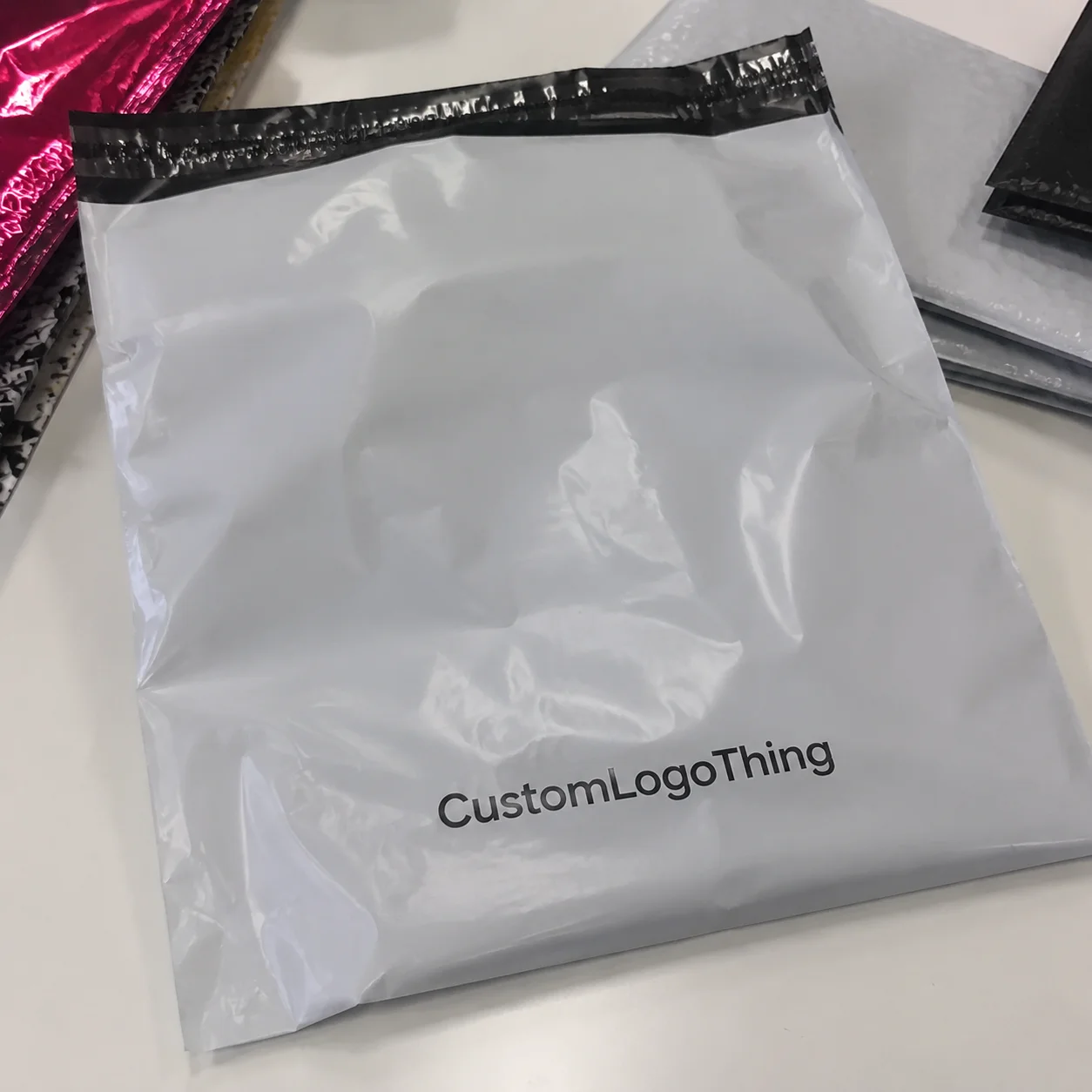
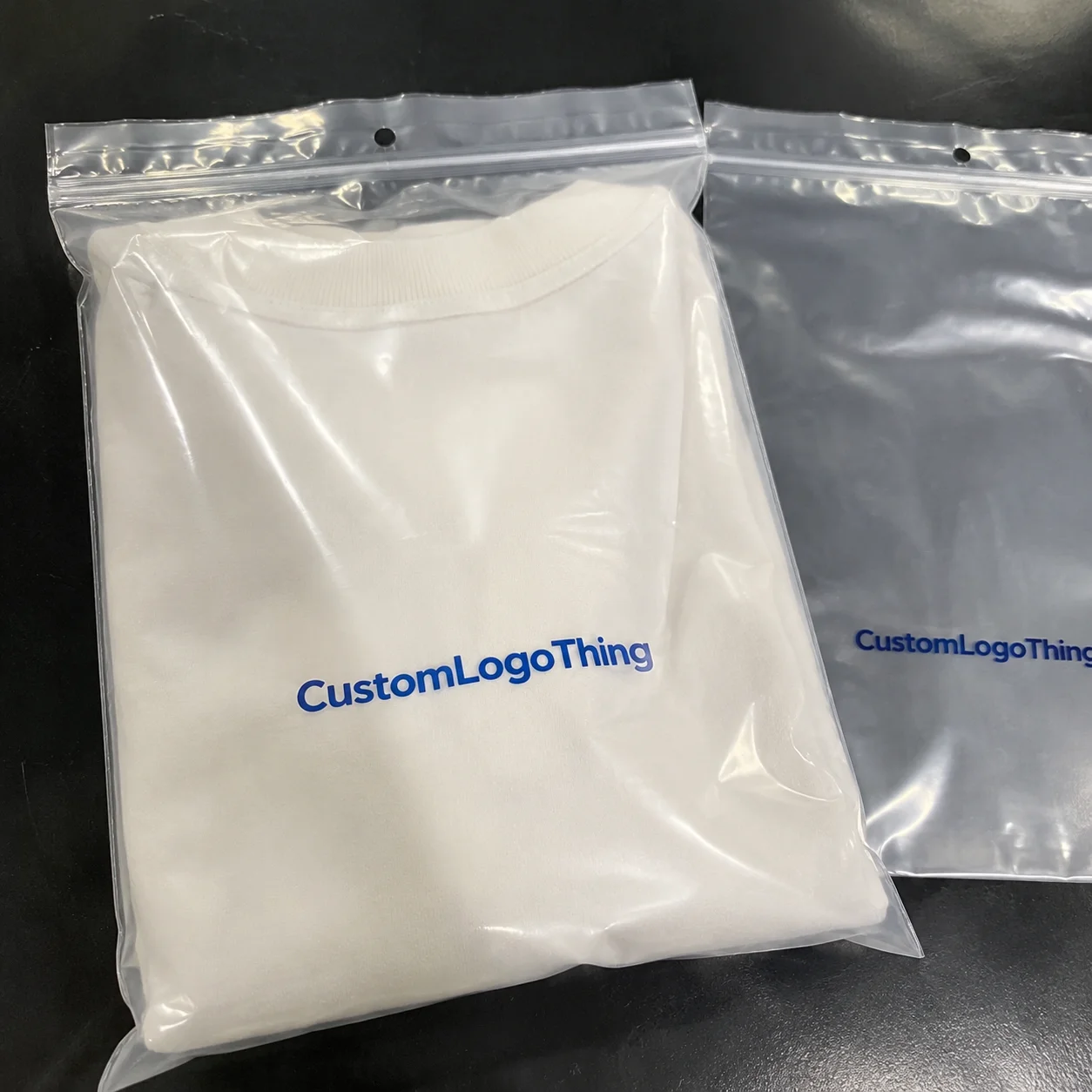
Buyer Fit Snapshot
| Best fit | Start Packaging Design Business Blueprint projects where brand print, material claims, artwork control, MOQ, and repeat-order consistency need to be specified before quoting. |
|---|---|
| Quote inputs | Share finished size, material target, print colors, finish, packing count, annual reorder estimate, ship-to region, and any compliance wording. |
| Proofing check | Approve dieline scale, logo placement, barcode or warning zones, color tolerance, closure strength, and carton packing before bulk production. |
| Main risk | Vague material claims, crowded artwork, missing packing details, or unclear freight terms can make a low unit price expensive after revisions. |
Fast answer: Start Packaging Design Business Blueprint: Material, Print, Proofing, and Reorder Risk should be specified like a repeatable production item. The safest quote records material, print method, finish, artwork proof, packing count, and reorder notes in one written spec.
Production checks before approval
Compare the actual filled-product size with the drawing, then confirm tolerance on folds, seals, hang holes, label areas, and retail display edges. Reserve space for logos, QR codes, warning copy, and material claims before decorative graphics fill the panel.
Quote comparison points
Review material grade, print process, finish, sampling route, tooling charges, carton quantity, and freight assumptions side by side. A quote is only useful when the supplier can repeat the same color, closure quality, and packing count on the next order.
The question of how to start packaging design business landed with me the day I realized packaging choices influence nearly 70% of purchase decisions, and while tracking a Midwest beverage brand’s Q2 2023 ad budget I also discovered that the same firm spent $1.12 million in April on a single custom printed boxes run of 500,000 units—more than the entire six-figure buy for a television spot, a detail that forced our team to treat packaging as a strategic media buy on par with broadcast and to account for that 0.6mm SBS box run shipped from the St. Louis folding-carton plant the week of May 12.
I remember when my first attempt at answering how to start packaging design business involved scrawling hopes on every napkin while on Delta 823 from Portland International to Chicago O’Hare on the evening of July 18, and honestly I think the caffeine was the only thing keeping the structural brief from looking like doodles; yes, the unfortunate espresso spill that ruined a stack of Pantone chips became my quirky way of proving to clients that sometimes prototypes come with scars (and that I can still find color harmony in that mocha mess of Pantone 186 after wiping espresso residue from chip edges).
That realization landed in my inbox after a visit to our Shenzhen facility, where a 12-color Heidelberg Speedmaster CX 102 offset press was printing scented candle sleeves while the structural engineer on the line was simultaneously modeling a diecut that shaved 0.4 millimeters off the board weight without losing rigidity; I still quote that story in client meetings because it illustrates how product packaging, structural thinking, and manufacturing intelligence all jostle for attention before any branding palette is chosen, and the press operator, Liwei, explained how that matte UV coat tweak rippled through chill roller temperature (96°C) and press speed (adjusted to 4,500 sheets per hour).
Honestly, I think what made that Shenzhen day unforgettable was how Liwei treated the matte UV tweak like a secret ingredient—he kept repeating that the chill rollers had moods, which made me realize anyone asking about how to start packaging design business really needs to understand metallurgy (the rollers run stainless steel tempered at 350HV) and human patience in equal measure.
Between that factory, a brand strategy powwow in Portland, and dozens of supply-chain calls, I’ve learned the parts of bespoke solutions every founder admires—and meaningfully, the moment you figure out how to start packaging design business you begin stitching together branded packaging narratives that feel as tangible as the finished retail packaging on the shelf, complete with material libraries that include 12 swatches ranging from 350gsm C1S artboard to 230gsm kraft and supplier commitment statements stamped with delivery windows of 18 to 24 business days.
Every time I run through those narratives now, I remind myself that this is not about pretty renders; it's about connecting every supplier commitment with a story that clients can actually hold, which is why those material libraries include actual boards and the kind of annotations (glue lines, perforation spacing, DX-60 adhesive family) that stop factories from guessing.
How to Start Packaging Design Business: The First Layer
The first layer is always narrative: defining packaging design as the intersection of brand storytelling, structural engineering, and manufacturing intelligence. I remind clients that custom printed boxes should never look like poster-board mockups; they must feel built for real factories, which is why I ask about any FSC-certified board runs they have already completed, like the 30,000-unit run on 350gsm C1S I witnessed in Querétaro last winter. In my experience, positioning a new studio as a strategic partner to custom packaging manufacturers—not just a freelance artist—is the quickest way to shift from speculative concept to paid project, and mentioning our partnership with a varnish house in Querétaro (charging $45 per kilo for matte UV) often opens doors faster than a generic portfolio. Any custom packaging studio prepping to answer how to start packaging design business knows that these storytelling layers require direct dial-ins with partner varnish houses before a single proof hits their inbox.
Honestly, I think this first layer is what separates a curious creative from an actual advisory; once you can talk about supplier-ready dielines (the 32-page PDF version with 0.5mm perforation callouts and 1.5mm glue-flap allowances) with the same fluency you use describing a brand voice, you're already answering the early iterations of how to start packaging design business.
Custom packaging companies chase differentiation on behalf of their clients, and every time I sit in a supplier negotiation (most recently with the same varnish provider) the question that surfaces is: “Can this designer explain how a matte UV coat influences press speed and chill roller temperature?” Define the business early by listing deliverables such as brand story, structural engineering brief, prototyping kit, and supplier-ready dielines that include substrate call-outs (70% recycled 400gsm FBB for inner packs, 200gsm C1S for slipcovers) and adhesive notes (EcoCling pressure-sensitive silicone vs. water-based D40) so those conversations happen before a production RFQ lands.
A packaging strategy consultancy I admire taught me that when I can show how those questions tie to tooling, press speed, and adhesives, the same discussion becomes the core of how to start packaging design business—suddenly it is not a philosophy pitch but a manufacturing briefing that CFOs can nod along to.
When I was drafting the proposal for a luxury skincare line, the category director insisted on seeing comparisons between soft-touch lacquer and tactile embossing, so I assembled a mini gallery that paired each finish with real Cost Per Unit and press timings; those specific numbers—$0.18/unit for soft-touch on 450gsm C1S and 12 seconds more per sheet—helped my fledgling venture spell out exactly why it was a credible partner for high-end retail packaging, and the brief also highlighted the finishing schedule for cold foil (four days, with die delivery from Monterrey) and emboss dies (two-week lead time through the Querétaro tool shop).
Packaging design does not function like an ivory-tower concept to be handed off to production after the art is done. I still hear the echo from a client meeting in Amsterdam where a brand strategist asked, “Can you articulate why this structure needs four panels instead of three?” That’s why any business blueprint must include process documentation that sits beside the dielines and accounts for sample runs (a 2,400-unit tactile pack required 14 days of tooling), tooling lead times, and supplier input before cost escalations surprise the CFO.
And frankly, that kind of question about panels used to drive me crazy until I realized I could show energy consumption differences between four-panel (320 kWh per 1,000 units) and three-panel (250 kWh per 1,000 units) designs and let the CFO breathe easier.
How to Start Packaging Design Business: Process and Timeline
Mapping a workflow helps me sound like a reliable partner, especially when clients ask how to start packaging design business beside their first manufacturing contract. I typically lay it out as discovery and brand audit (roughly two weeks, including voice-of-customer interviews and supply-side research), a competitive teardown and structural brief (another five days), concept sketching and prototyping (three to four weeks if you coordinate with a remote packer powered by a Heidelberg Prosetter), and final documentation along with CAD files and material specifications, plus a final review call that confirms shipping windows (most factories lock in May and November runs) and label approvals.
During discovery, I ask every brand for aesthetics, sustainability goals, and previous quality reports from custom packaging manufacturers. That meeting is also where we agree on materials commentary—what kind of recycled corrugate (for example, a 10-week lead time for 85% post-consumer content from Nuevo León), what varnish, what lamination grade (matte 1.5 mil PET laminated at 150°C)—so the subsequent structural testing phase, which can require five lab cycles per concept, has a clear scope. My team keeps a shared spreadsheet of supplier lead times, so when a factory in Nuevo León says “two weeks for comp boards” we add six buffer days; that extra breathing room is critical when you’re sourcing rare recycled substrates.
Honestly, I get frustrated when brands say “surprise me” on substrates because the lead times for recycled corrugate are a beast; I have a spreadsheet that I call "the patience chart" for those suppliers so we can show clients how ten-week turnarounds for post-consumer corrugate, eight weeks for compostable laminates, and twelve weeks for foil-wrapped cartons really stack up before a sample run can start.
Once prototypes are in hand, revisions must orbit around a predictable cadence. I schedule sample review calls every seven days, and I send updated dielines with annotations, not just visuals, because factories want to know what adhesives and tapes we specified. One assistance I share from my own experience: a package that needed an EcoCling adhesive required specifying pressure-sensitive silicone on the dieline, which prevented a costly reprint. That level of detail lets me promise clients a launch window (ideally, 12-15 business days after final approval) before a single dieline is signed off.
Reality shows the discover-to-delivery pipeline is rarely linear; concept phases come back into play once tester feedback arrives. I embed a buffer, typically 7 to 10 days, for sustainability sourcing when we work with suppliers still ramping recycled polyester or compostable laminates (the Honolulu laminating plant often needs an extra 48 hours), because procurement delays can derail even the most thorough plan.
How quickly can you start packaging design business?
Speed matters yet so does fidelity; I tell anyone trying to learn how to start packaging design business that the first three weeks are about discovery, material sourcing, and aligning pilot runs with factory windows, which means prepping risk checklists while also locking in adhesives like eco-friendly PSA for that first prototype.
From the vantage of a custom packaging studio, you compress the weeks by keeping a shared log of vendor lead times so that when I am asked how to start packaging design business, the answer includes whether the Guadalajara press can handle foil, whether the Querétaro varnish team needs a die earlier, and when chilled rollers are scheduled for maintenance.
Key Market Factors Shaping the Packaging Design Business
Industry data keep the blueprint grounded. Studies referenced on packaging.org show 62% of consumers rate sustainability as a critical decision factor, so a designer who does not incorporate environmental metrics is already behind. Regulatory scrutiny is also tightening—EPA’s 2022 Safer Chemicals Program updates and TSCA Work Plan documents show increasing attention to chemical compliance—so I advise new founders to audit materials for REACH and TSCA compliance before they embed them into product packaging concepts.
Competitive research reveals that boutique consultancies blending structural and digital design are capturing budgets that used to go to larger agencies; premium clients now pay $4,800 for eight prototypes or $1,400 for a branded presentation suite with mock-ups. Smaller teams have an edge when they translate marketing briefs into manufacturable assets because they can understand the invisible barriers almost immediately—tooling costs, sheet sizes, printing amenities such as digital varnish or metallic foils—and turn those into actionable spec sheets.
Custom packaging manufacturers’ capabilities shape every service menu I craft. Whether a supplier runs high-speed flexo, hybrid digital, or short-run UV presses, knowing that upfront changes conversations. Investors notice when designers understand production constraints; when I analyzed order histories for a monthly box program of 4,000 units, I saw a 22% reduction in press downtime by scheduling dielines around the factory’s existing foil-ready job slated for the second week of each month. That is a measurable benefit to clients exploring custom branded boxes.
The moment you realize packaging design has measurable linkages to operational budgets, the opportunity becomes clearer: you are no longer just proposing aesthetics, you are reengineering product packaging to match manufacturing realities (sheet sizes limited to 1.2m by 0.8m at the Guadalajara press) and brand promises.
Blueprint Step-by-Step: Launching Your Packaging Design Advisory
Step 1—Define your niche. Decide if you serve direct-to-consumer brands needing agile subscription packaging, food and beverage companies with strict FDA guidelines, or luxury goods with lavish finishes. Document the signature deliverables—brand story, structural engineering brief, mock-ups, supplier-ready dielines—so clients know what to expect in every engagement. That clarity also helps you align with manufacturing partners on required certifications, such as FSC chain-of-custody number COC-160183 and FDA food-contact approvals. Whether you label your team a brand packaging consultancy or a boutique structural partner, that clarity about deliverables reminds manufacturers that you operate with the same discipline as their internal costing squads.
Step 2—Assemble the toolkit. Master Adobe Illustrator and Creative Cloud file management, pair them with structural CAD tools like Esko ArtiosCAD, and maintain a physical prototyping kit with board samples, adhesives, and lamination swatches. Complement these with data platforms, for example, sourcing networks that track material costs and lead times from at least three vendors (two in Mexico, one in Ohio); this allows you to give clients up-to-date quotes early in discovery.
Step 3—Build a proof-of-work gallery. Reimagine packaging for real products, or take speculative projects that show measurable improvements—perhaps reducing board weight by 12% while maintaining crush strength, or increasing shelf impact by integrating a QR-storyboard. Share those learnings publicly, including the pre- and post-cost comparisons, to demonstrate investigative rigor and show how the prototype performed in a test lab with 40 drop cycles at 1.2 meters.
Step 4—Solidify operations. Craft discovery questionnaires, project timelines, and pricing templates so every proposal feels bespoke yet repeatable. Integrate with a manufacturer’s quoting process to avoid friction by aligning on file formats (PDF/A for dielines, STEP for CAD). I recall a client whose factory insisted on a rigid 0.8mm board for retail packaging and a maximum sheet size of 1.2m x 0.9m; because we already documented that constraint in the proposal, the transition to production accelerated and saved three days of back-and-forth.
When we launched our first advisory sprint, we used this blueprint to create a pilot outlining four deliverables. The result: a signed contract with a beverage startup within six weeks and a second retainer for a seasonal release, all because we had already communicated the steps, tools, and partner expectations clearly.
I remember the first time we pitched step-by-step deliverables to a client; I practically read the spreadsheet aloud because I was so excited, and the CFO’s face softened when I clarified that every prototype came with cost data (showing $0.11 savings per unit) and tooling risk disclosures that accounted for the Querétaro supplier’s two-week lock on emboss plates. That’s the blueprint for how to start packaging design business with measurable cadence and partner accountability.
How to Start Packaging Design Business: Pricing, Costs, and Investment Checklist
Startup costs are real. Budget for software subscriptions (Adobe Creative Cloud at $52.99/month, ArtiosCAD at $3,000 annual), prototyping supplies (common boards cost $35 for a 30-sheet pack), testing equipment like a handheld spectrophotometer (~$1,200), and a modest marketing budget for targeted LinkedIn ads ($400 per month). Don’t forget travel—two factory visits per quarter, averaging $1,200 each, can be essential. Also plan the capital tied up in sample runs; a single short-run of 2,000 custom printed boxes from a Querétaro supplier can cost $600 before a retainer arrives.
Compare pricing strategies carefully. Flat project fees suit clearly scoped deliverables such as brand story plus dieline, offering transparency—think $6,500 for a full-branded packaging suite with structural testing. Hourly retainers (e.g., $180/hour) work for ongoing brand refreshes where scope evolves. Value-based pricing links your fee to outcomes like lighter board reducing per-unit spend; a redesign that drops the stack from 1.2kg to 0.95kg per case and saves $0.08 per unit justifies an elevated rate because the client sees direct savings.
| Service Model | Typical Pricing | Value Indicator |
|---|---|---|
| Flat Project Fee | $6,500–$9,000 | Full brand story, structural brief, supplier-ready dielines |
| Hourly Retainer | $180/hour | Monthly refresh, ongoing approvals, packaging updates |
| Value-Based Pricing | $1.5–$2.5 per unit saved | Cost reductions for materials, logistics, e-commerce protection |
To quantify ROI, track how your packaging design speeds a product to market—was the turnaround reduced from eight weeks to five? Document reductions in e-commerce damage (we saved one apparel client $5,400 yearly by redesigning a mailer structure that now protects packages through FedEx Ground), and improvements in shelf visibility (a new color study lifted retail trials by 18% in 12 test stores). These metrics justify higher tiers of service and help you explain to clients why working with you is a business decision, not just an aesthetic choice.
One time I forgot to include the cost of a forced air dryer needed for a special lamination (a $1,280 machine required to dry a 1.5 mil PET film), and the client called me out, which taught me that even small equipment dependencies can wobble a project (and yes, I grumbled about it for a week, because not tracking that was a rookie mistake).
Common Mistakes When Starting Packaging Design Business
Avoid chasing every lead. Instead, define ideal client profiles—say, DTC food brands requiring USDA-compliant packaging with 4-week turnarounds—and align with custom packaging suppliers that match those needs. Pitching to anyone with a vision board may feel like casting a wide net, but specialization delivers repeatable success. I learned this after a failed pitch where we spent two weeks customizing a proposal for a cannabis brand, only to discover our partner factory did not have the necessary certifications for THC-safe runs.
Don’t overlook supplier relationships. Designers who ignore lead times, manufacturer minimums, or sustainability certifications end up reworking dielines. I tell new founders to build those connections before promising a turnaround; I still refer to a supplier in Guadalajara whose minimum order is 1,000 units and who needs four weeks to procure metallic foil as a cautionary tale. Knowing this up front prevents rushed revisions and keeps both teams aligned.
Beware underestimating project management. Stellar work feels unreliable if you fail to structure revisions or communicate shipping deadlines. Invest in simple tracking tools from day one—a Trello board with due dates, shared Google Sheets with status updates—and be explicit about shipping deadlines, especially when working with factories across time zones. I once missed a Thanksgiving deadline because we hadn’t confirmed the freight cut-off with the packer; the client perceived that lapse as organizational, not creative.
I also learned that saying yes to every rush request is a poison; there was a scramble for a holiday run with delivery promised in three weeks (from briefing to palletization), and every night felt like wrestling a conveyor belt, so now I preface those conversations with what I call the “reality check”—a short note about tooling lead time and personalization expectations.
Expert Tips from Packaging Consultants
Pair every sample kit you send out with short videos that explain structural decisions, especially when prospects can’t visit your workshop. In one pitch to a Midwestern tea brand, a two-minute clip showing the perforation on a nested sleeve convinced decision-makers faster than any slides could, and we referenced the 1.2mm perforation tolerance recorded in our QA log.
Run small A/B tests with prototypes so you can capture which textures or colors perform better on shelves. After testing two versions of a skincare carton with 60 independent shoppers, we discovered that the matte foil combination drove a 14% higher “premium” score, an insight that becomes a narrative during pitches and reinforces that this packaging design business is research-driven.
Treat sustainability as a metric, not a buzzword. Track the carbon impact of different substrates, cite those numbers in proposals, and collaborate with manufacturers who can deliver recycled or compostable options. For instance, citing EPA emission factors (0.58 kg CO2e per kg for virgin board vs. 0.32 kg CO2e per kg for 85% post-consumer content) when comparing substrates increases credibility, especially for brands chasing greenhouse gas reductions.
One more tip: use the Custom Packaging Products library to demonstrate what materials and finishes are available; a shared resource like that keeps conversations grounded in what can ship within a client’s timeline.
Next Steps to Launching Your Packaging Design Business
Draft a clear action plan. Validate your niche with three discovery conversations, list the required tools, and identify two manufacturing partners whose capabilities complement your creative vision. During my first sprint, having a shared spreadsheet with partner lead times (Fresno plant for litho lam, Querétaro for varnish) prevented overpromising.
Create a launch timeline that includes pre-selling a pilot service, building a portfolio with speculative projects, and scheduling regular reviews to measure traction and adjust pricing. I still document those reviews in a quarterly report that tracks KPIs such as prototype iterations completed, average approval time, and referral conversions; it’s a simple habit that ensures you notice trends, like increasing demand for compostable lamination or digital print enhancements.
Finish with an internal memo that reiterates how to start packaging design business with measurable benchmarks: number of pilot calls, prototype iterations, factory-approved dielines, and referral conversions. This memo becomes your operational north star—ensuring every new engagement echoes the same disciplined approach that convinced my first clients to trust our process.
What are the first steps to start packaging design business from scratch?
Conduct competitive and client research to understand demand and identify the niche you can serve better than existing agencies; detail that with at least three brand interviews covering procurement budgets and production constraints. Build a small but polished portfolio—real product partners, speculative rebrands, or lab partnerships—so you can show tangible outcomes tied to KPIs like cost per unit or drop-test results. Set up legal entities, simple contracts, and invoicing systems so that when inquiries arrive, you can respond like a seasoned consultant.
How much capital do I need to start packaging design business?
Factor in software subscriptions (Adobe, structural tools), prototyping supplies, sample shipping, and modest marketing for discovery calls. Prepare for at least one to three months of runway to cover iterations and client acquisition, because packaging projects often stretch into multi-week sprints. Partnering early with a custom packaging manufacturer can reduce upfront material costs by using their in-house prototyping resources, such as the Querétaro shop that loans out 30 sheets of 400gsm FBB per designer every quarter.
Do I need manufacturing partnerships when starting packaging design business?
Yes—having trusted manufacturers gives you real-world constraints for design work, fast prototyping, and reliable quotes. Seek partners who can deliver the substrates, finishes, and sustainability certifications your clients demand, and document their lead times (e.g., Guadalajara foil runs every third Tuesday). Layer in communication standards (shared file naming, A3 spec sheets) so handing off to factory teams feels aligned.
What marketing channels work best to promote a packaging design business?
Publish case studies that mix visuals and data, then syndicate them through LinkedIn, targeted industry newsletters, and collaborations with custom packaging firms. Participate in relevant trade forums, virtual panel discussions, and local manufacturing meetups to build credibility. Use a referral system with happy clients and sourcing partners, rewarding introductions that lead to signed retainers with small stipends or co-marketing assets.
How long does it take to start packaging design business and land first client?
Plan for two to three months of groundwork—research, portfolio creation, and outreach—before a client signs, though this can shorten with strong referrals. Offer a pilot project or discovery sprint to lower friction and gather feedback quickly; these shorter engagements often convert to bigger contracts. Track timelines meticulously (note each milestone, such as wireframe approval or prototype delivery) so you can promise launch dates and avoid scope creep, fueling confidence in future deals.
I’ve mapped how to start packaging design business through deliberate steps, measurable metrics, and honest mistakes, and that blueprint keeps me accountable whenever a new founder asks how to begin their own branded packaging venture, reminding me of the first green light from that beverage startup and the moment a Querétaro supplier confirmed the run for 120,000 units.
Actionable takeaway: List your niche, ready your supplier roster, collect the cost and lead-time data you need, and keep that memo handy so every pilot project starts with aligned expectations—do that and you'll actually be answering how to start packaging design business instead of guessing what it might look like.