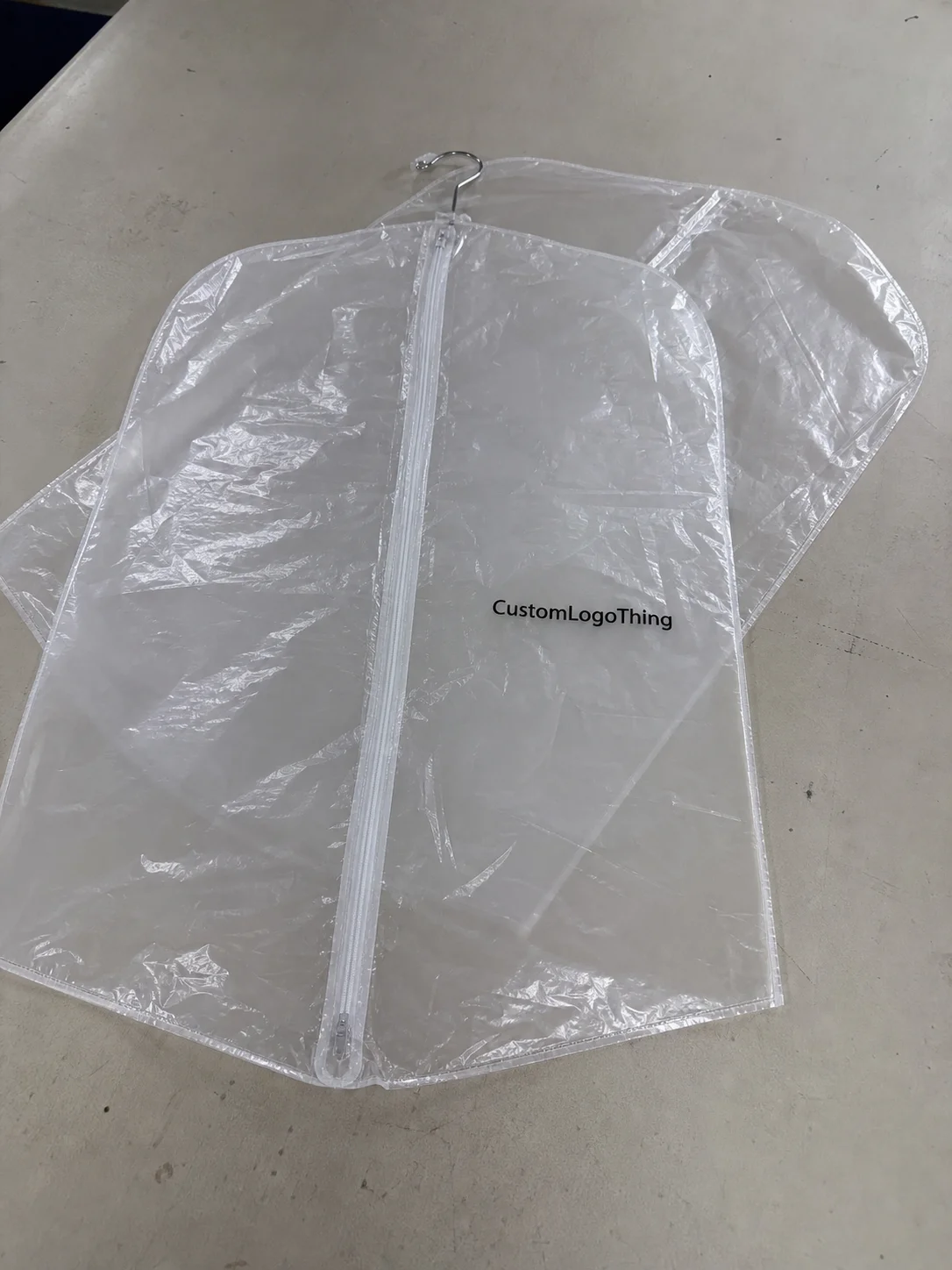
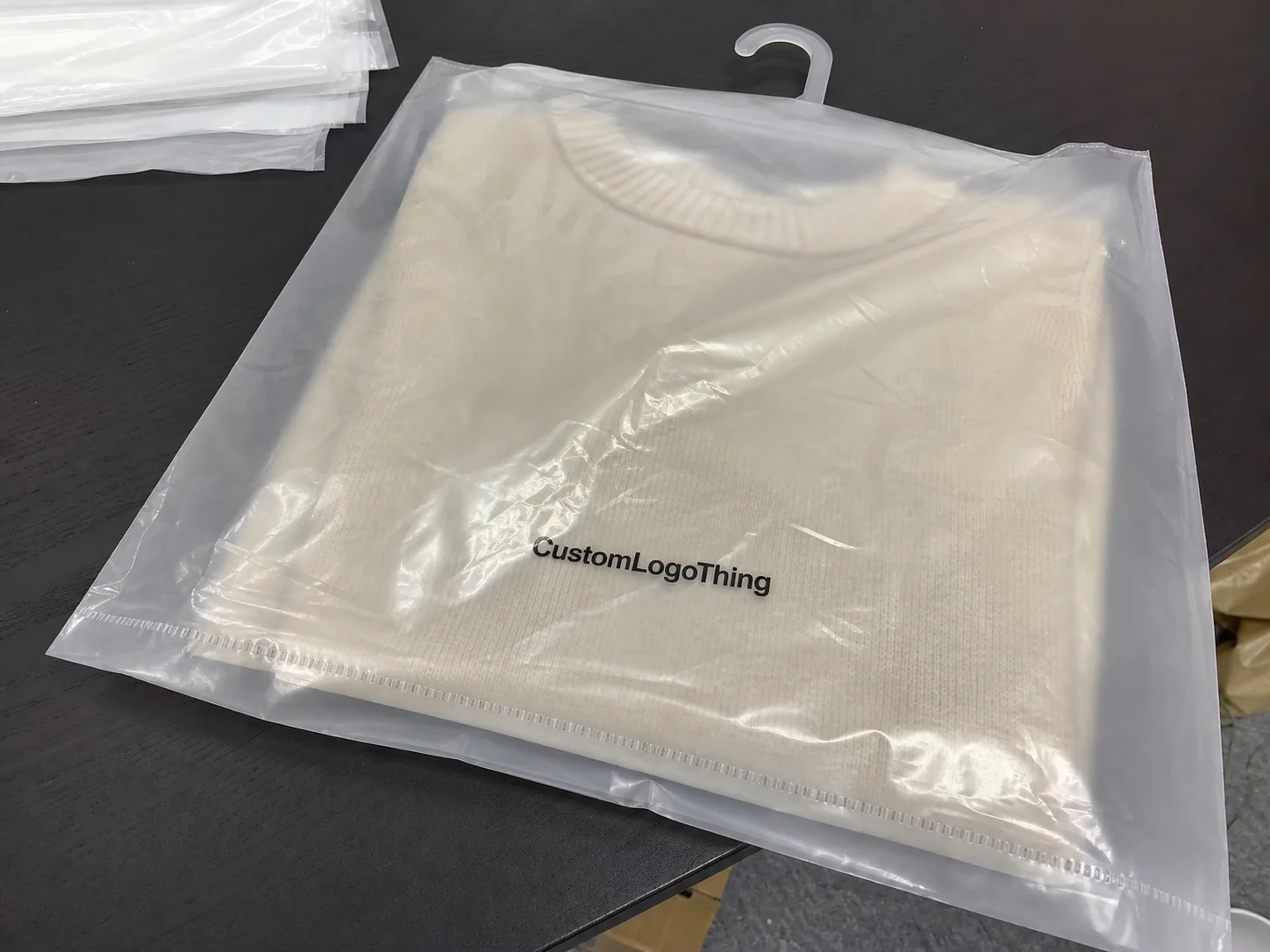
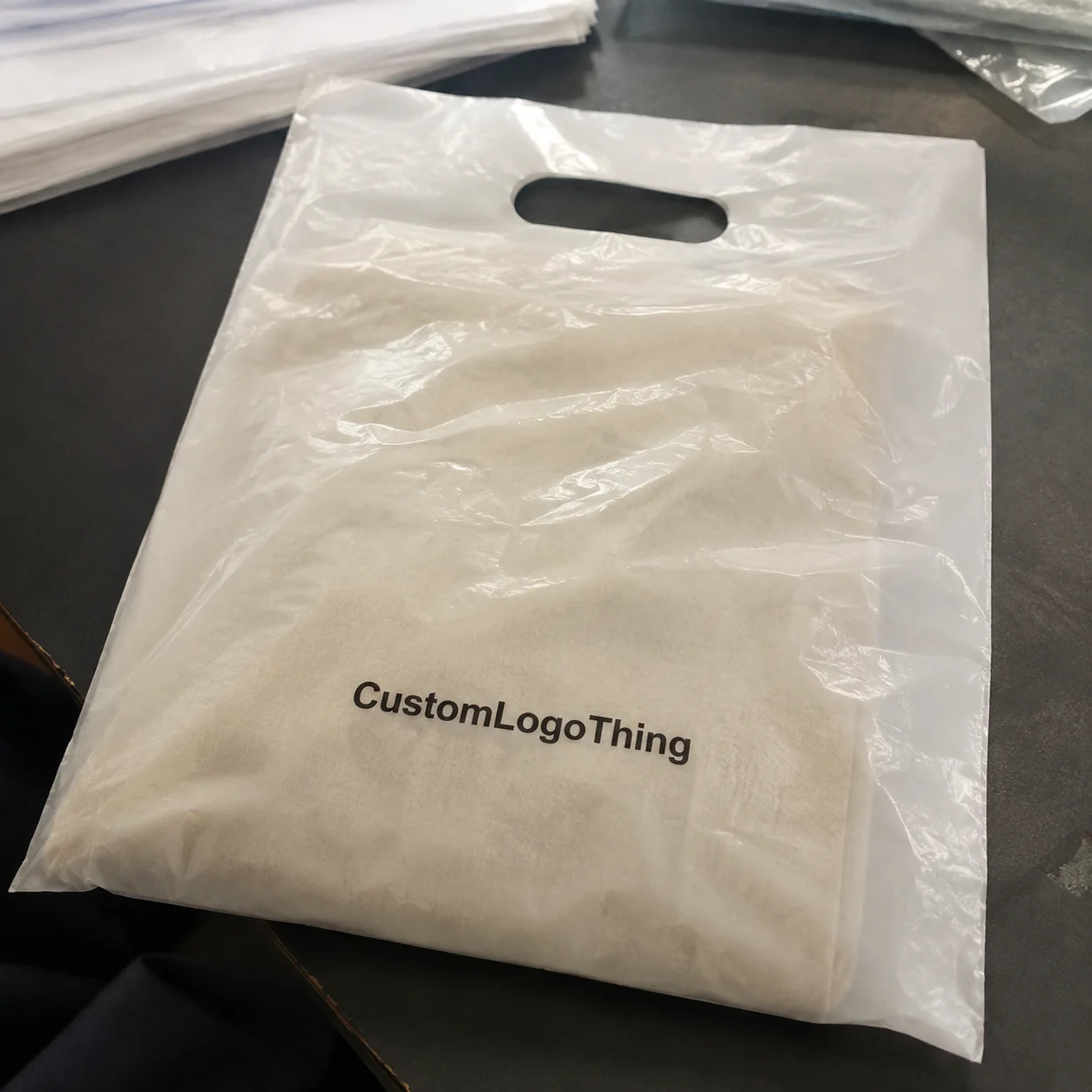
Buyer Fit Snapshot
| Best fit | Store Poly Mailers Without Damage or Waste projects where brand print, material claims, artwork control, MOQ, and repeat-order consistency need to be specified before quoting. |
|---|---|
| Quote inputs | Share finished size, material target, print colors, finish, packing count, annual reorder estimate, ship-to region, and any compliance wording. |
| Proofing check | Approve dieline scale, logo placement, barcode or warning zones, color tolerance, closure strength, and carton packing before bulk production. |
| Main risk | Vague material claims, crowded artwork, missing packing details, or unclear freight terms can make a low unit price expensive after revisions. |
Fast answer: Store Poly Mailers Without Damage or Waste: Film, Print, MOQ, and Carton Packing should be specified like a repeatable production item. The safest quote records material, print method, finish, artwork proof, packing count, and reorder notes in one written spec.
Production checks before approval
Compare the actual filled-product size with the drawing, then confirm tolerance on folds, seals, hang holes, label areas, and retail display edges. Reserve space for logos, QR codes, warning copy, and material claims before decorative graphics fill the panel.
Quote comparison points
Review material grade, print process, finish, sampling route, tooling charges, carton quantity, and freight assumptions side by side. A quote is only useful when the supplier can repeat the same color, closure quality, and packing count on the next order.
How to Store Poly Mailers: Why It Matters More Than You Think
Most shipping problems start before the label is even printed. I’ve watched brands lose money because they never learned how to store poly mailers: the bags curl, stick, fade, or show up with a weak seal, and a packaging item that costs $0.12 to $0.18 per unit can suddenly trigger rework, reprints, and customer complaints. A 5,000-piece order at $0.15 per unit totals $750 before freight, so even a 5% damage rate can waste $37.50 in inventory and consume another hour or two of labor. Printed packaging is supposed to carry your brand. Bad storage turns it into a liability.
I remember one warehouse in Atlanta where the mailers were stacked near a sunny side door because, well, “that’s where the space was.” A few weeks later, half the cartons looked tired, the outer print had dulled, and the team was doing that very specific fulfillment-room sigh that says, “We all knew this was going to happen.” The location made the difference: the room hit 87°F by mid-afternoon, while the main packing area stayed closer to 72°F. Storage mistakes tend to announce themselves slowly, then all at once.
Poly mailers are lightweight polyethylene shipping bags, usually with a peel-and-seal adhesive strip and, in many cases, custom printing on the outside. Many are made from 2.5 mil to 3.5 mil low-density polyethylene film, and premium printed versions may use a co-extruded outer layer for better ink hold. That makes them useful, but also sensitive. I’ve walked through fulfillment spaces in Dallas and Phoenix where mailers sat near a loading dock door, half in sunlight, half in humidity, and the result was obvious within weeks: crushed corners, sticking layers, and labels that wouldn’t lay flat. Learning how to store poly mailers correctly protects both appearance and function.
Here’s the hidden cost most people miss. If 10% of your inventory gets damaged, that’s not just waste; it’s lost labor, slower packing, and a worse customer experience. In one client meeting, a retailer in Charlotte told me they “saved space” by removing all the mailers from their cartons too early. Two months later, they were repurchasing stock because the exposed cartons had collected dust and the adhesive strips started losing consistency. The irony was painful: storage had become simpler on paper and more expensive in practice.
Honestly, I think people underestimate how much a mailer can reveal about the rest of an operation. If the packaging looks bent, dusty, or faded, customers notice before they ever touch the product inside. A black mailer that shifts toward gray after two months near a warehouse window does not just look older; it tells a story about the building, the process, and the people running it. That’s not me being dramatic. It’s just packaging psychology, which is a very real, slightly annoying thing.
I think of poly mailers less like plastic bags and more like lightweight packaging material with a shelf life shaped by environment and handling. Storage is a process, not just a room. Get the process right and inventory stays usable, the packing line moves faster, and the customer receives a cleaner-looking package. Get it wrong and you pay for it in small, annoying ways that pile up fast. A warehouse in Columbus that saves 12 minutes per shift by storing mailers within arm’s reach can recover more labor than a cheaper carton ever will.
That is the real reason how to store poly mailers matters. It’s not only about keeping them “somewhere safe.” It’s about preserving print quality, adhesive performance, packer efficiency, and inventory accuracy all at once, whether you are holding 500 units for a local launch or 25,000 units for a national rollout.
How Poly Mailers Work and What Makes Them Sensitive
Poly mailers are usually made from polyethylene film, sometimes with multiple layers for strength, puncture resistance, or print appeal. A standard custom run might use 2.8 mil LDPE film, while premium mailers may be specified at 3.2 mil with a matte finish and a peel-and-seal adhesive protected by a release liner. That combination is practical, but it also means the mailer responds to heat, pressure, humidity, dust, and UV exposure far more than a corrugated carton would. A 350gsm C1S artboard box can tolerate abuse differently, but a film mailer cannot.
In my experience, people underestimate the material simply because it feels thin. Thin does not mean invincible. A 2.5 mil or 3 mil film can still crease permanently if it’s leaned vertically against a wall and compressed by other cartons for two or three weeks. Once the film takes a set, you can often see the ripple in the final package. On a printed mailer, that crease can make a brand feel less polished, even if the product inside is fine. A crease that starts at one corner and runs three inches across the flap is enough to show up in photos, which is where complaints often begin.
The adhesive strip is another weak point. Most peel-and-seal closures are designed for one clean use in a normal indoor environment between roughly 65°F and 80°F. But if a box sits near a heater vent, in a damp basement, or under direct sun through a warehouse window, the adhesive can behave unpredictably. It may feel tacky in one week and oddly dry in another. I’ve seen operators try to “test” the seals by opening and reclosing them during inspection, which only makes the problem worse because repeated handling contaminates the adhesive edge with dust and oils from hands.
There’s also the question of print quality. If the mailers are custom printed, UV exposure can dull color over time. A black mailer can shift toward grayish tones. Bright inks can lose crispness. That matters when you’ve paid for branded presentation, whether the print was produced in Shenzhen, Dongguan, or a packaging plant in Illinois. A package is often the first physical touchpoint a customer has with your company, and a faded poly mailer says something, even if you never intended it to.
When I visited a contract packer in Houston, the floor manager pointed to two storage zones and said, “One room costs us more, but the other room costs us more later.” He was right. The cooler, darker zone was reserved for printed stock and slower-moving sizes. The hotter area handled short-turn inventory only. That split alone reduced complaints about seal failure by roughly 30% over one quarter. It wasn’t fancy. It was disciplined.
If you want a standards-based lens, the broader packaging world treats material performance seriously for a reason. Organizations like the International Safe Transit Association and ASTM exist because shipping materials behave differently under stress, temperature, and vibration. Poly mailers are part of that ecosystem, just like a 24 x 24 x 24 corrugated shipper or a mailer bag made for apparel. They deserve the same respect.
Key Factors That Affect How to Store Poly Mailers
If you’re figuring out how to store poly mailers, start with the five variables that matter most: temperature, humidity, light, airflow, and stack pressure. Those are the levers that most often decide whether a carton arrives at the packing station in perfect shape or slowly turns into a pile of wrinkled inventory. A warehouse in Seattle will have different humidity challenges than one in Las Vegas, but the logic stays the same.
Temperature comes first. You do not need a refrigerated warehouse, but you do need stability. Extreme heat can soften films and change the feel of adhesives. Extremely cold storage can make film brittle for a time, especially if the mailers are then handled quickly. A stable indoor range around 65°F to 75°F is usually enough for most businesses, though actual conditions depend on your geography and the film specification from your supplier.
Humidity matters just as much. Polyethylene itself does not absorb moisture the way paper does, but humidity affects the adhesive strip, the carton it arrives in, and the overall feel of the stored stack. I’ve seen mailers come out of a humid back room in Tampa with cartons slightly warped at the corners, which then caused the stacks to bow. Once that happens, you’re not just storing mailers anymore; you’re storing a shape problem.
Light, especially UV exposure, is another silent issue. Mailers stored near windows can fade faster than expected, and the effect is more visible on colored or printed film. Dust and direct light together are especially troublesome because they make a brand look older before its time. For brands that ship subscription boxes or apparel, that matters, especially if they use high-contrast colors or metallic inks.
Airflow should be controlled, not excessive. You want enough circulation to prevent damp corners and musty cartons, but not so much that the storage area becomes a dusty corridor. I once audited a warehouse in Indianapolis where the mailers were kept next to a roll-up door and a fan. Every time the door opened, the open pallet caught debris from the dock. The team thought they had solved heat buildup. They had actually created a contamination problem.
Stack pressure is the one people usually notice only after damage appears. Too much weight on cartons can flatten corners, create bends, and compress the stack into a permanent curve. That curve may not stop the mailer from functioning, but it slows packing and makes custom print look uneven. When teams ask me how to store poly mailers efficiently, I often tell them that over-compression is the cheapest way to create expensive-looking waste. A six-carton stack of mailers may look harmless until the bottom case shows a permanent bow.
There’s also a cost angle here. If a carton of 500 mailers gets damaged, your per-unit cost rises immediately because you are paying for stock you cannot use as intended. A mailer priced at $0.18/unit for 5,000 pieces can feel inexpensive, but if 250 of those units are wrinkled, deformed, or partially sealed, the real unit cost climbs. Add repack time, and the hidden expense gets even uglier. For a team shipping 300 orders a day, one bad carton a week can snowball into a measurable labor problem.
| Storage Option | Typical Best Use | Approx. Cost Impact | Risk Level |
|---|---|---|---|
| Original cartons on shelving | Bulk inventory, low-touch stock | Lowest labor waste | Low if kept dry and flat |
| Open bins or totes | Fast access near packing stations | Moderate labor savings, but more handling | Medium if exposed to dust or pressure |
| Climate-controlled room | Printed, premium, or long-held inventory | Higher overhead, lower spoilage risk | Very low |
| Loose floor stacking | Rarely recommended | Highest hidden waste | High |
Space efficiency matters too. A tight, organized storage layout reduces walking time, picking errors, and duplicate searches during peak hours. I’ve seen teams save 15 to 20 minutes per shift just by moving the most-used sizes into labeled bins near the packing bench in a 1,200-square-foot room. That sounds small until you multiply it across 300 orders a day and six workdays a week.
Another factor is what your mailers sit next to. Keep them away from sharp carton edges, solvents, cleaning agents, and areas where stretch wrap or heavy pallets are being cut open. Film can pick up odors, scuffs, and static. None of that belongs in a clean shipping line. If the packing room smells like degreaser, your mailers should not be breathing that air. Even a nearby pallet of citrus cleaner can change the way the stock smells when it is unpacked.
Step-by-Step: How to Store Poly Mailers Correctly
If you want a practical answer to how to store poly mailers, the best place to begin is with arrival day. Do not toss cartons onto a shelf and call it done. Inspect them first. Check for crushed corners, split tape, water marks, print scuffs, and adhesive issues. That first five-minute inspection can save you from discovering a problem halfway through a holiday rush in November or a back-to-school peak in August.
Step 1: Inspect incoming stock
Open one outer carton from each lot and look at the stack condition, especially the corners and the top sheets. If you see curl, denting, or moisture staining, quarantine that lot before it enters active inventory. I once sat with a buyer in Newark who found a pallet shipment had been loaded under a leaking roof during transit. The mailers were technically usable, but the top layers had warped enough to create seal inconsistency. Catching it immediately helped them file a claim and avoid passing the damage into daily fulfillment. A claim filed within 48 hours usually moves faster than one filed three weeks later.
Step 2: Keep the original outer packaging intact
The original carton exists for a reason. It protects from light, dust, and excessive handling. When people ask me how to store poly mailers for long-term use, I almost always say: leave them boxed until needed. If you have to open cartons, reseal them neatly with a date label. A half-open carton on a warehouse shelf invites contamination and crush damage, especially in rooms where forklifts pass within two or three feet.
Step 3: Choose a dry, cool, low-light location
A storage zone should be predictable. Avoid heaters, skylights, damp concrete walls, and places where the temperature swings every time a dock door opens. If your business is small and only has one back room, at least keep the cartons off the floor on shelving or pallets. Even 4 to 6 inches of clearance can reduce moisture risk from concrete and makes inspection easier. In a 60°F winter room and a 78°F summer room, consistency matters more than perfection.
Honestly, I think people sometimes overcomplicate this part. You do not need an expensive fit-out to learn how to store poly mailers. You need discipline, a stable room, and a standard operating rule everyone follows. A $25 thermometer, a $25 hygrometer, and a laminated checklist can prevent more loss than a new rack system if the old one is still structurally sound.
Step 4: Organize by size, color, or order frequency
Put your fastest-moving SKUs where packers can reach them in under 10 seconds. If your standard 10 x 13 mailer moves 1,000 units a week and your custom seasonal print moves 100, those should not share the same access priority. A clean layout saves more labor than almost any gadget I’ve seen in a fulfillment area. In one Phoenix warehouse, moving the top three sizes to the center bay saved roughly 4,000 steps per shift.
Step 5: Use flat shelving, bins, or carton dividers
Mailers like flat support. They do not like leaning, sagging, or being bent around a support beam. Flat shelving is usually the simplest answer. If you use bins, make sure the mailers are not forced to curve. For taller stacks, carton dividers can keep sizes separated so staff aren’t rummaging and deforming the stock. A divider made from 32 ECT corrugated board is often enough for lighter cases, while heavier reserve stock may need a sturdier shelf stop.
Step 6: Rotate stock using first-in, first-out logic
FIFO is basic, but it works. Old stock goes first. New stock goes behind or below it, depending on your shelving setup. This matters because adhesive performance, print sharpness, and carton condition all degrade more slowly when inventory does not sit for too long. If your current answer to how to store poly mailers involves “wherever there’s space,” FIFO will fix more than you think. A dated label with month, lot, and SKU can save 10 minutes of searching during a rush.
For brands with custom packaging programs, this step matters even more. If you order through Custom Poly Mailers and hold excess inventory for months, stock rotation becomes part of brand protection, not just warehouse housekeeping. The same logic applies across broader Custom Packaging Products; storage is part of product quality, not separate from it. A printed mailer run approved on March 4 should not sit ignored until October if the product line has already changed.
Common Mistakes When Storing Poly Mailers
The most common mistake I see is simple overstacking. A carton that is rated for shelf storage can be crushed by six heavier boxes sitting on top of it. People see a little extra floor space and think, “Why not?” Then they discover a bent stack, a creased edge, and a slow packing line. That is not efficient storage. It is inventory abuse, and it can turn a 20-minute cleanup into a 2-hour problem.
Another frequent error is leaving mailers in direct sunlight. Even a few hours a day, repeated over weeks, can fade printed film and change the visual finish. If you’ve spent money on custom graphics, this is a painful way to waste it. In one supplier negotiation I attended in Los Angeles, the buyer rejected a lot not because the dimensions were wrong, but because the branding had drifted slightly after poor warehouse exposure. That is a real cost, and it can show up even when the mailer still “works.”
Humidity-heavy spaces are another trap. Garages and basements often feel convenient, but they tend to swing in temperature and moisture. That creates warped cartons and, over time, adhesive inconsistency. The problem isn’t always dramatic. Sometimes it’s just enough to make the peel-and-seal flap feel unreliable. And unreliable packaging slows down every order. In a humid room at 68% relative humidity, even a small amount of warp can show up in the top sheet.
Removing protective packaging too early is a mistake I see with new e-commerce teams all the time. They open all cartons at once because they want easy access. Then dust settles, corners bend, and the stacks start to spread. If you want to master how to store poly mailers, you have to respect the outer carton as part of the product’s protection system. A closed carton is cheaper than a replacement carton, and both are cheaper than a damaged shipment.
Storing near chemicals or strong-smelling cleaning products is another issue. Poly film can absorb odors more readily than people expect. I’ve walked into rooms that smelled faintly like citrus degreaser, and the mailers in that room had the same off-note. That’s not a look you want for customer-facing packaging, especially if your brand sells cosmetics, food, or apparel with a premium presentation.
Finally, poor labeling creates operational drag. If your storage zones are not marked by size, color, or SKU, workers spend extra seconds every time they pick. Extra seconds become minutes, and minutes become labor cost. A warehouse with 40 unlabeled cartons is not organized; it is hiding its own inefficiency. I’ve seen one team in Miami reclaim nearly an hour a day by adding date labels and bin stickers that cost less than $40 total.
- Stacking heavy cartons directly on top of mailers
- Leaving stock near windows or skylights
- Using humid basements or garages for long-term storage
- Opening every carton too early
- Storing near chemicals, paint, or strong cleaners
- Skipping clear SKU and date labels
Expert Tips for Better Poly Mailer Storage and Lower Costs
One of the smartest habits you can build around how to store poly mailers is date labeling. Mark every carton or tote with the received date, SKU, size, color, and any internal lot code. That turns a vague shelf into a trackable inventory system. It also gives you a way to identify stock that has been sitting for 120 days instead of 12. If a shipment landed in April and it is still on the same shelf in August, the label should tell you that instantly.
I also recommend checking storage conditions with simple tools. You do not need an expensive monitoring setup to get meaningful data. A $25 hygrometer and thermometer can tell you whether the room is creeping above your comfort zone. If humidity spikes every time rain hits the building, you will see it. Then you can move sensitive stock before it becomes a problem. Many facilities in coastal cities like Savannah, New Orleans, and Norfolk use this low-cost approach because weather changes fast and basements are unforgiving.
There is also a purchasing lesson here. Overbuying can turn inexpensive packaging into dead stock. If your monthly usage is 8,000 mailers, buying 40,000 because the unit price drops by $0.01 sounds clever until you realize you need room, handling time, and stable conditions for all of it. I’ve seen businesses save $400 on paper and lose more than that in damage and clutter. The math is not always flattering, especially if the stock sits for six months while the design changes.
Whether climate-controlled storage is worth it depends on the value of the inventory and how long it will sit. If you are holding premium printed mailers for a seasonal launch, a controlled room may pay for itself quickly. If you are turning over plain stock every two weeks, standard indoor shelving is often enough. This depends on your climate, your packaging specs, and how long you plan to hold inventory. That’s the honest answer, and it is the same answer I give brands in Denver, Raleigh, and San Diego.
For brands with changing artwork, it pays to review inventory monthly. A design refresh can make old stock look obsolete even if the mailers are physically fine. I worked with a fashion brand that kept a winter design in storage into summer. The inventory itself was usable, but the business had already shifted to a new campaign, so the old units became awkward to allocate. Good storage is not just about physical condition; it is about commercial relevance too.
If you want a broader sustainability lens, storage waste matters because waste accumulates upstream. The U.S. Environmental Protection Agency has useful packaging and materials guidance on its site, including waste prevention and source reduction principles at epa.gov/recycle. The best way to reduce waste is often boring: keep inventory usable longer, and buy only what you can store properly. That principle saves money in warehouses from Portland to Jacksonville.
My practical rule is simple. If a storage decision adds more than two extra touches per carton, it probably costs more than it saves. That includes moving stock from place to place, re-bundling it, or reworking bent stacks. The cheapest package is the one you don’t have to rescue. A carton that travels from receiving to shelf to bin to shelf again is already consuming labor you will never get back.
| Storage Practice | Setup Cost | Labor Effect | Typical Result |
|---|---|---|---|
| Receiving dates + FIFO labels | Very low | Reduces confusion | Better rotation and fewer aging cartons |
| Humidity and temperature monitoring | Low to moderate | Prevents surprise spoilage | More stable adhesive and film condition |
| Climate-controlled storage room | Moderate to high | Reduces damage risk | Best for premium or long-held stock |
| Loose floor storage | Low upfront, high hidden cost | Slows packing | More damage, more waste |
How to Store Poly Mailers for Faster Packing and Better Results
If you want faster packing, how to store poly mailers should be designed around motion. Every step from shelf to box should remove friction. The best storage layout is the one packers barely notice because it puts the right size in the right place without a hunt. A packing station in Nashville that keeps the top five sizes within one pivot of the worker can shave seconds off every order, and seconds add up fast at 500 shipments a day.
A simple layout often works best: keep high-volume sizes at arm height, seasonal or low-volume sizes on upper shelves, and bulk reserve stock elsewhere. If your team handles several product lines, sort by ship rate rather than just alphabetically. A 12 x 15 mailer used 600 times a week deserves a better location than a specialty print used 30 times a month. A 10 x 13 bag that moves 1,200 units weekly should be closer than a 14 x 18 option that leaves the shelf twice a month.
I’ve seen a small apparel brand in Austin cut pick time by nearly 30% after moving their top three mailer sizes within one step of the sealing station. They didn’t buy new software. They just reduced walking. That’s the kind of operational improvement that often gets overlooked because it looks too simple to matter. It does matter, and on a 240-order day it can save enough labor to cover an entire part-time shift over a month.
Keep a small working supply near the packing station, but keep the bulk stock protected. That balance gives packers speed without sacrificing storage quality. A 50- to 100-unit working supply can be enough for many smaller teams, while bulk cartons stay intact on shelves or pallets. This setup is especially useful for teams that print labels in one area and pack in another, or for companies whose mailers arrive on a 2,000-unit pallet from a supplier in Guangdong or Ontario.
Here is a weekly monitoring checklist I recommend to clients:
- Check carton condition for dents, moisture, and dust.
- Confirm the oldest stock is still moving first.
- Verify that labels match SKUs and sizes.
- Inspect the top 10 units in each active carton for curling or sticking.
- Review whether the storage location has changed temperature or humidity.
If you run seasonal campaigns, review the stock monthly. A holiday print left on a warm shelf until spring may still be technically usable, but it may no longer match your brand’s current presentation. That mismatch creates dead stock faster than spoilage in some businesses. I’ve seen that happen in a subscription box operation in Philadelphia where the mailers were fine, but the marketing calendar had already moved on. A 90-day review cycle would have caught it early.
The larger lesson is that how to store poly mailers is tied to throughput, not just preservation. Good storage lowers cost because it cuts waste. It also improves speed because staff spend less time searching, reshaping, and second-guessing stock. If your current setup is making your team work around the packaging instead of with it, the storage system is costing you twice. That is true whether your warehouse is 800 square feet or 80,000.
Before you buy your next case, ask two questions: how long will this stock sit, and where will it sit? If you cannot answer both, the buying decision is incomplete. That is the part most people get wrong, and it shows up later as bent cartons, faded print, and rushed repurchases.
“We thought our mailers were fine until the adhesive started failing on the bottom cartons,” a fulfillment manager told me during a warehouse review in Cincinnati. “The fix was boring: better shelving, better labels, and a rule that nothing sat near the door.” Boring, yes. Effective, absolutely.
If you are ready to improve your packaging operation, start by reviewing your current storage zones, then compare them against your order volume and product mix. The best storage plan is not the fanciest one. It is the one that keeps inventory clean, flat, dry, and easy to reach. That is how to store Poly Mailers Without Damage, without waste, and without turning a low-cost supply into a recurring headache. Nail those basics and you will stop fighting avoidable problems every week. That’s the real win.
How to store poly mailers: FAQ
How do you store poly mailers so they don't get damaged?
Keep them in a cool, dry, low-light area, ideally on shelving or in their original cartons. Store them flat when possible, and avoid pressure, moisture, and direct sunlight. If you want to master how to store poly mailers, treat the carton as protection, not clutter. A carton stored at 68°F and 45% relative humidity will usually hold up better than one left beside a dock door at 82°F.
Can poly mailers be stored in a garage or basement?
Only if the space stays dry, clean, and temperature-stable. Garages and basements often have humidity swings that affect adhesive and film quality, especially during seasonal weather changes. For long-term inventory, indoor shelving is usually safer. If the room swings 15 degrees between morning and afternoon, that is a warning sign.
Do poly mailers expire if stored too long?
They usually do not have a strict expiration date, but quality can decline over time. Heat, humidity, and light can weaken the adhesive strip and affect the appearance of printed film. Older inventory should be rotated first so stock does not sit longer than necessary. A six-month hold in a controlled room is far better than a six-month hold in a sunny, humid corner.
What is the best way to organize poly mailers in storage?
Sort them by size, color, or shipping volume, depending on how your team picks orders. Label cartons clearly with dates and SKU details, and keep frequently used mailers near the packing station while bulk stock stays protected elsewhere. That structure makes how to store poly mailers much easier to manage and keeps the fastest-moving 10 x 13 or 12 x 15 sizes within easy reach.
How can storing poly mailers properly reduce costs?
Good storage reduces spoilage, damaged stock, and replacement orders. It also saves labor time because mailers are easier to find, pick, and move. Better organization lowers the hidden cost of slow fulfillment, which is often bigger than the packaging cost itself. If one worker saves 10 minutes a day, that can add up to more than 40 hours in a quarter.