A sticker can look good on screen and still fail on a phone case, accessory sleeve, or insert card. With iphone custom stickers, the usual problems are not the logo itself but the wrong film, laminate, or adhesive. That leads to peeling corners, scratched ink, trapped bubbles, or a finish that feels thin after a few days.
This category covers more than giveaway decals. Some pieces are decorative, some seal or brand packaging, and some act more like durable labels. Once the end use is clear, choosing the right spec, lead time, and budget becomes much easier.
What iphone custom stickers actually are and where they work best
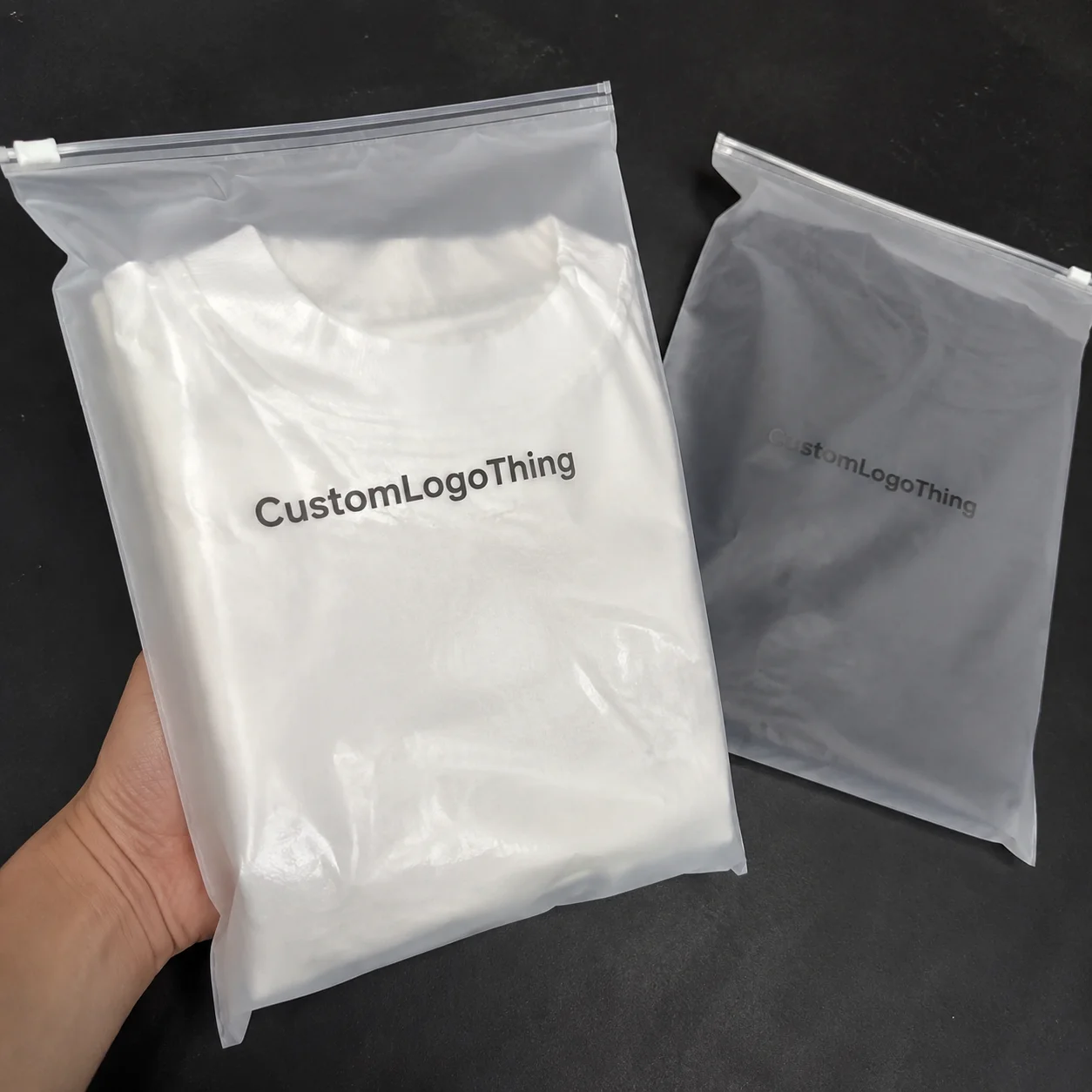
These stickers are custom-printed adhesive pieces used with iPhone-related products, accessories, or packaging. Most jobs fit into three groups:
- Decorative stickers for cases, notebooks, bottles, or promo kits
- Branded label stickers for insert cards, pouches, retail packs, and bundles
- Skin-style or protective decals that need better fit and scratch resistance
Those uses should not be quoted the same way. A handout sticker may only need standard white vinyl with gloss laminate. A carton seal can often use coated paper. A decal intended for a smooth case needs tighter cut accuracy and better abrasion resistance.
Surface matters. Smooth polycarbonate and coated paperboard are usually easy. Textured silicone, rubberized coatings, and rounded corners are harder. A sticker that looks fine on a flat sample can lift once it wraps over a curve or lands on a low-energy surface.
Durability depends on the full construction, not just the face stock. Laminated vinyl usually outlasts unlaminated paper, but even good film can fail if the adhesive does not suit the surface or the sticker is exposed to hand oils, pocket friction, sunscreen, or cleaning wipes.
Practical rule: if the sticker will be touched daily, carried in a pocket, or wiped down, start with a laminated film rather than paper.
For accessory brands, stickers often sit inside a broader packaging system with insert cards or bundled items from Custom Packaging Products. In that case, adhesion matters, but so do thickness, finish, and visual consistency with the rest of the pack.
How the sticker production process works from file to finish
Most sticker jobs follow the same path: artwork prep, proofing, printing, finishing, cutting, inspection, and packing. Early mistakes are usually the most expensive.
Artwork preparation
Vector files are best for logos, icons, and text because they scale cleanly. AI, EPS, and print-ready PDF files are common. Raster art can work for photo-based designs, but it should be 300 dpi at final size. Do not enlarge a web image and expect sharp print quality.
Bleed and safe area also matter. A common bleed is 0.125 inch beyond the cut line. Important text or details should stay at least 0.0625 to 0.125 inch inside the edge so trimming variation does not clip them.
Proofing and approval
The proof confirms dimensions, cut shape, orientation, material notes, and color intent. If the proof shows the wrong size or a missing white ink layer on clear film, production will still follow the approved proof. That is why careful review here is cheaper than a rerun later.
Printing, cutting, and finishing
Short and mid-volume runs often use digital printing because setup is faster and design changes are easier. Larger quantities or jobs needing tighter color control may use other methods. After printing, the stock is laminated or coated if needed, then cut as individual die-cuts, kiss-cut sheets, or rolls for machine application.
Common finishing choices include:
- Gloss laminate for stronger color pop and added protection
- Matte laminate for reduced glare and a softer look
- UV coating on some label constructions
- Kiss-cut sheets for sets and easier peeling
- Individually cut stickers for handouts, kits, or resale packs
Packing affects fulfillment more than many buyers expect. Bulk stacks, bundled counts, and retail-ready sets all change labor and count accuracy, especially when stickers ship with Custom Labels & Tags or other packaging components.
Materials, finishes, and adhesive choices that affect performance
Material choice determines whether the sticker still looks good after a week or starts failing in a few days.
Paper, vinyl, and synthetic films
Paper is usually the lowest-cost option and prints cleanly. It fits dry indoor uses such as carton seals, insert labels, and promotional pieces not meant for long wear. It is a poor fit for phone cases or anything exposed to moisture and friction.
Vinyl is the safest general-purpose option for handled stickers. White calendered vinyl around 3 to 4 mil with a 1 to 2 mil laminate offers decent scuff resistance, better moisture performance, and a more substantial feel. For accessory inserts, giveaway decals, and case stickers, this is often the default starting point.
Synthetic films such as BOPP and polyester serve different needs. Clear BOPP is common for clean-looking packaging labels on smooth retail surfaces. Polyester is tougher and more dimensionally stable, but usually costs more. If the piece must hold shape precisely or tolerate harsher handling, polyester can be worth it.
Gloss versus matte
Gloss makes colors look deeper and more saturated. Matte reduces glare and often works better with premium cartons or insert cards. Decorative stickers often suit gloss; more restrained packaging systems often look more consistent with matte.
Adhesive choices
Most jobs use one of three adhesive types:
- Removable adhesive for short-term use or cleaner removal
- Permanent adhesive for long-term hold on clean, smooth surfaces
- Repositionable adhesive when placement may need adjustment
Curved cases and lightly textured surfaces often need more tack than flat paperboard. But stronger adhesive is not always better. High tack can tear fibers, leave residue, or react badly with soft-touch coatings. Some case materials also have surface treatments that reduce initial bond strength.
If the sticker will face heat, skin oils, regular wiping, or abrasion, ask how the full construction is expected to perform. Claims like “waterproof” mean little without knowing the film, ink, laminate, and adhesive together.
For broader material guidance, see the EPA and FSC.
Cost, pricing, and MOQ factors to plan before you quote
Sticker pricing usually comes down to six factors: size, quantity, material, print coverage, finishing, and cut style. A basic 2-inch paper sticker on sheets has a very different cost structure from a die-cut laminated vinyl piece packed individually.
Unit cost usually drops with volume because prepress, setup, and finishing are spread across more pieces. Small runs still carry real handling cost, and the same proofing and quality checks often apply whether the order is 100 or 10,000.
| Spec Example | Typical Quantity | Estimated Unit Range | Notes |
|---|---|---|---|
| 2" round, coated paper, sheeted | 500 | $0.10-$0.22 | Best for dry packaging or inserts |
| 2.5" die-cut, white vinyl, gloss laminated | 1,000 | $0.18-$0.34 | Strong general-purpose option |
| 3" contour-cut, premium vinyl, matte laminated | 5,000 | $0.12-$0.24 | Lower unit cost at higher volume |
| Clear BOPP branded packaging sticker | 2,500 | $0.09-$0.19 | Popular for smooth retail surfaces |
These ranges are realistic for many standard jobs, but freight, region, supplier capability, and embellishments can move them. White ink, metallic effects, tight contour cuts, and hand packing all add cost.
MOQ depends on the printer and the build. Straightforward digital runs may start around 50 to 250 pieces. Specialty films, custom dies, or uncommon adhesive constructions can push minimums higher.
Costs often rise because details were not defined up front:
- Shipping and fuel surcharges
- Rush production fees
- Multiple proof revisions
- Pantone matching requests
- Custom bundle counts or kitting labor
The cheapest construction is not always the lowest real cost. If the sticker will be handled daily, saving a few cents on stock or laminate often creates failure and reprint risk later.
Step-by-step: how to order the right sticker spec without guesswork
A clear ordering process prevents most avoidable problems:
- Define the end use. Giveaway, resale item, packaging seal, or insert for accessories.
- Choose size by placement. For cases and accessory packs, 1.5 to 3 inches is common.
- Confirm the shape. Circles, squares, and ovals are usually cheaper and easier than intricate contours.
- Select material and finish. Laminated vinyl is the safe default for handled stickers; paper works for dry short-life use.
- Prepare print-ready artwork. Use vector files where possible and include bleed and safe area.
- Review the proof carefully. Check dimensions, cut line, spelling, white layers, and orientation.
- Confirm packing format. Bulk, sheeted, bundled, or retail-ready sets affect fulfillment.
- Separate proof, production, and shipping time. They are not one number.
If the sticker is part of a wider launch, match its finish to the rest of the system. A matte insert card, soft-touch carton, and ultra-gloss sticker may each look fine alone but feel mismatched together.
For teams ordering several components, it helps to review stickers alongside the full Custom Packaging Products plan instead of treating them as a last-minute add-on.
Best practice: if the sticker must adhere to a specific case material, ask for a physical sample or small pilot run. A 24-hour surface test is more useful than assumptions.
Process, timeline, and turnaround: what to expect after you approve
After proof approval, the order still moves through scheduling, printing, curing or drying where needed, laminating or coating, cutting, inspection, packing, and shipping.
Simple digital runs may proof in 1 to 2 business days, produce in about 4 to 7 business days, and ship in another 2 to 5 business days depending on destination. More specialized jobs with custom contour cuts, unusual materials, or premium effects often take 8 to 15 business days in production after final approval.
Schedules usually slip for familiar reasons:
- Artwork that needs rebuilding
- Unclear cut lines or white ink instructions
- Material backorders
- Color disputes after proof review
- Too many revision rounds
Rush orders can shorten part of the schedule, but usually add 15% to 40% and leave less room for review. If the file is not ready, rushing only makes mistakes arrive faster.
If the stickers are packed into kits or cartons, transit guidance from ISTA can help with the wider packaging system. Sticker faces can scuff against inserts or folded cards if packout is too tight.
Common mistakes that make custom stickers peel, blur, or feel cheap
Low-resolution artwork is a common failure point. A logo pulled from a website may look acceptable on screen and still print soft at 3 inches. Thin lines break up, curves look rough, and small text loses readability.
Another mistake is using the wrong face stock. Paper on a high-touch item scuffs quickly. Premium laminated vinyl on a one-time insert may be wasted cost. Poor results usually come from mismatch, not bad printing.
Adhesive assumptions also cause trouble. Curved, textured, or low-energy surfaces can reject standard adhesives, and silicone-heavy cases or soft-touch coatings are especially difficult.
Skipping proof review is expensive. A border too close to the cut line, a decal sized too large for the insert pocket, or a missing white layer on clear stock can force a rerun.
Storage matters too. Heat, humidity, or pressure can cause curling, blocking, or scuffing before use. Many converters recommend storage around 68-77°F and 40-60% relative humidity before large hand-application runs.
The “cheap feel” usually comes from:
- Face stock that is too thin for the job
- No laminate on a sticker handled repeatedly
- Muddy color build or weak contrast
- Overly intricate cuts that create rough or fragile edges
What makes iphone custom stickers last longer on cases and packaging?
Longer-lasting stickers depend on four things: suitable face material, adhesive matched to the surface, protective finishing, and correct application. For daily-use phone cases, laminated vinyl with permanent adhesive is usually the safest starting point. For dry insert cards or sealed cartons, paper or BOPP may be enough.
Application technique also matters. Dust, hand oils, mold-release residue on plastic parts, and textured coatings all weaken bond strength. Even a well-made sticker will struggle on a dirty or sharply curved surface.
If longevity matters, ask these questions before ordering:
- Will the sticker be handled every day?
- Will it face water, friction, or cleaning wipes?
- Is the surface smooth plastic, silicone, paperboard, or glass?
- Does it need clean removal, or long-term hold?
Those answers guide specification better than price alone.
Expert tips for cleaner artwork, stronger adhesion, and better value
Keep the design bold. Stickers are often viewed quickly and at small size. Strong contrast and controlled detail usually print better than crowded layouts. If there is text, print a paper mockup at actual size before sending the file.
Sample first when the application surface is specific. Gloss polycarbonate, matte TPU, silicone, tempered glass sleeves, and soft-touch cartons all behave differently. A small test run can reveal edge lift, residue issues, or glare problems before full production.
Ask for recommendations based on use, not just budget. A decorative handout may be fine on standard vinyl. A short-life carton seal may not need laminate. A sticker meant for daily handling should not be specified like a simple packaging label.
Simpler shapes usually save money and cut more cleanly. Circles, squares, and ovals are efficient. Highly intricate contours slow cutting and create weak points along narrow edges.
Think about fulfillment before finalizing format. Individually cut stickers are easy to kit with accessories. Kiss-cut sheets work well for multi-design sets. Bulk stacks save money but increase manual counting labor.
Good sticker specification is mostly discipline: Choose the Right face stock, laminate, adhesive, cut style, and packing format for the actual job.
FAQ
What are iphone custom stickers best used for?
They are commonly used for phone-case decoration, accessory branding, packaging inserts, promo handouts, and retail labeling. The right construction depends on whether the sticker is decorative, needs to last under handling, or is only for dry packaging use.
Are vinyl iphone custom stickers better than paper?
For durability, usually yes. Vinyl handles moisture, abrasion, and frequent contact much better than paper, especially with lamination. Paper still makes sense for low-cost indoor labels, carton seals, and short-life insert applications.
How much do iphone custom stickers cost?
Cost depends on size, quantity, material, finish, cut style, and packing format. Small paper stickers may fall around $0.10-$0.22 each in moderate runs, while laminated die-cut vinyl pieces often land around $0.18-$0.34 each, with specialty effects costing more.
How long does production usually take?
Simple jobs often need 1-2 business days for proofing and around 4-7 business days for production, plus shipping time. More specialized orders with premium materials, custom cuts, or added revisions can take longer.
What file do I need to order iphone custom stickers?
Vector artwork is best for logos and text because it keeps edges sharp. High-resolution raster files can work for photo-heavy designs if they are built at final size and 300 dpi. Include bleed, safe area, and cut-line instructions so the finished sticker trims correctly.


