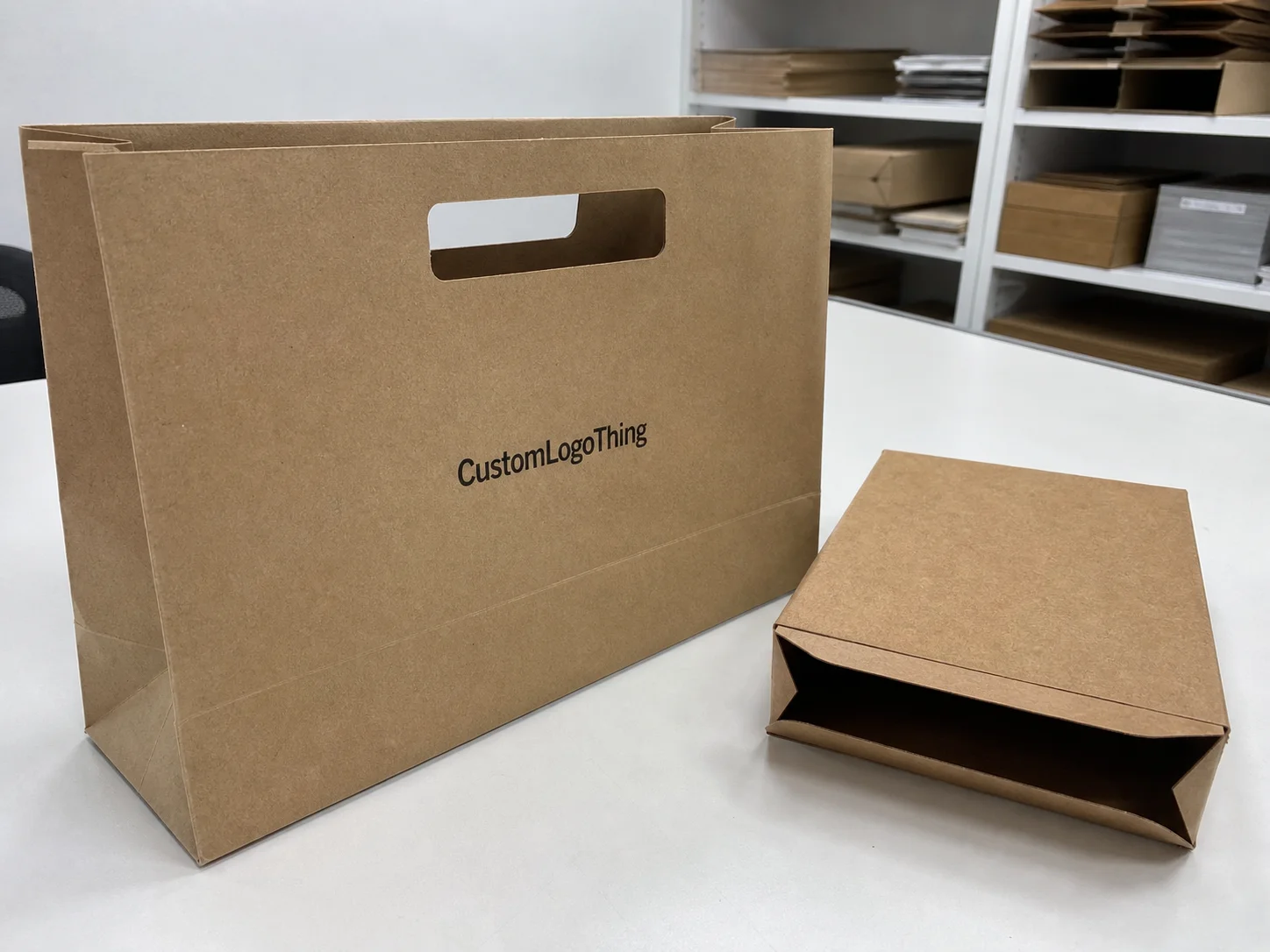
A plain shipper can look generic, while the right label custom stickers spec makes the package feel branded and retail-ready. For many products, the label carries the logo, barcode, ingredients, scent or flavor name, batch data, warnings, and other information buyers need to see first.
That is why small and mid-sized brands use labels as a packaging tool, not just decoration. Instead of printing multiple versions of a box or pouch, they can update one label file and apply it across SKUs, test launches, or seasonal runs. Paired with Custom Packaging Products, labels give flexibility without locking inventory into one printed design.
Label custom stickers: what they are and why packaging depends on them
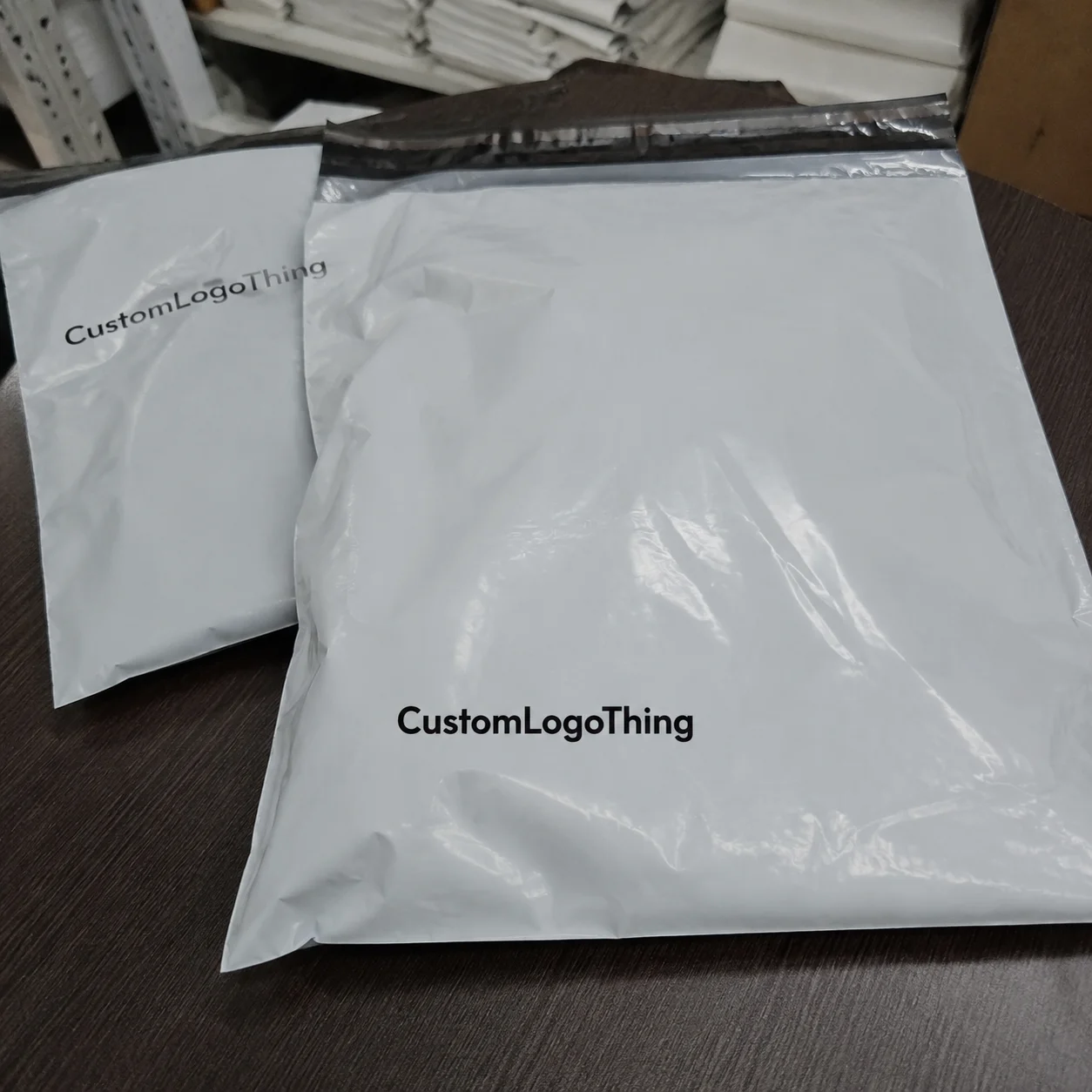
Label custom stickers are adhesive labels made for a specific packaging job: brand identification, legal copy, ingredients, instructions, tamper sealing, SKU separation, or promotional messaging. The key difference from a basic sticker is that packaging labels are selected around surface, storage conditions, readability, and handling.
A standard decorative sticker might work on dry paperboard. A packaging label may need to bond to cold glass, textured kraft, PET bottles, or corrugated mailers and still stay readable after moisture, rubbing, and transit.
Common application surfaces include:
- Glass jars with condensation
- PET bottles handled with wet hands
- Kraft pouches with textured faces
- Corrugated mailers exposed to parcel abrasion
- Shipping cartons that need branding without full preprint
This flexibility makes labels useful across retail packaging, DTC shipments, sample kits, and versioned product lines. Many brands pair plain containers with Custom Labels & Tags because it is cheaper to revise a label than replace a pallet of outdated printed packaging.
Cost is part of the appeal. In moderate volumes, simple labels may add only a few cents per unit, while specialty constructions cost more. As a rough range, many common orders land around $0.03 to $0.18 per label depending on size, stock, finish, and quantity.
Packaging reality check: if the customer sees the label before the structure, the label is part of the pack, not an accessory.
How the label custom stickers production process works
Most label problems start before printing, usually in artwork setup or proof approval. A typical order moves through these stages:
- Artwork submission with size, quantity, material, and finish
- Prepress review for resolution, bleed, color mode, and cut path
- Proofing to confirm text, dimensions, and layout
- Printing by digital or flexographic press
- Finishing such as lamination, varnish, foil, or tactile effects
- Die cutting or laser cutting into final shape
- Inspection, packing, and shipping
Bleed and safe zone are simple but important. Bleed is the extra image area beyond the trim line, often 0.125 inch or 3 mm. Safe zone is the area inside the cut where text and barcodes should stay, often at least 0.0625 to 0.125 inch from the edge. Ignoring those limits can clip legal copy or make codes hard to scan.
Shape also affects cost and speed. Standard circles, rectangles, and ovals are easier and cheaper than custom silhouettes or wraps with sharp internal corners. Die-cut labels can improve shelf impact, but they may add setup cost and lead time.
Print method matters mostly by volume. Digital printing is usually best for short to mid runs, multiple SKUs, and faster changeovers. Flexographic printing becomes more economical at higher quantities once plate cost is spread across larger runs.
Proof approval is the buyer's control point. A missed typo, wrong UPC, or incorrect ingredients line can turn into a full rerun. Treat the proof as a production document, not a design courtesy.
Specialty finishes should be specified early. Soft-touch, gloss, foil, or layered coatings can affect press sequence, curing time, adhesion, and overall lead time.
Materials, finishes, and adhesive choices that change performance
Material choice affects durability, print quality, feel, moisture resistance, and price more than the artwork does. The right stock depends on the product environment.
Common label materials
Paper is usually the most economical option for dry, indoor use. It works well for candles, bakery boxes, folded cartons, and other low-moisture applications. It is less suitable for bottles, chilled goods, or oily environments.
BOPP is a common packaging film for bottles, jars, pouches, bath products, and many food items. White, clear, and metallic BOPP options offer better moisture resistance than paper and generally hold up better under refrigeration and light abrasion.
Vinyl is thicker and tougher, often used for heavy handling, outdoor promos, or decals. It costs more and is unnecessary for many indoor packaging jobs.
Textured papers can support a premium look for wine, soap, gift, or specialty food packaging, but textures may soften fine print and usually perform poorly in wet conditions.
Finishes and what they do
Gloss increases color pop. Matte reduces glare and is often easier to read under store lighting. Soft-touch creates a premium feel but adds cost and may not suit high-rub applications. Clear labels can create a clean "no-label" look on glass or PET, but white ink and barcode contrast need careful planning.
Waterproof and oil-resistant constructions are not niche upgrades. They are basic requirements for many refrigerated, bathroom, freezer, or food-contact-adjacent products.
Adhesive selection
Adhesive choice often determines whether the label succeeds or fails. Permanent adhesive fits most consumer packaging. Removable adhesive works for temporary promos or reusable containers. Freezer-grade adhesive is made for cold application or frozen storage. High-tack adhesive helps on rough kraft, textured corrugated, or low-energy plastic surfaces.
Temperature matters. Some adhesives apply well at room temperature but fail in cold conditions. Others hold in freezer storage but need more dwell time to bond fully. If labels will be applied cold or face condensation, test before ordering volume.
Sustainability-minded buyers can also ask about recycled content, liner waste, and certification support. For paper-based options, certification basics are available from FSC.
| Material | Best Use | Durability | Relative Cost | Typical Notes |
|---|---|---|---|---|
| Coated Paper | Dry goods, cartons, short-use labels | Low to medium | $ | Sharp print, economical, poor in wet conditions |
| White BOPP | Bottles, jars, pouches, food and bath | Medium to high | $$ | Moisture resistant, common all-purpose film |
| Clear BOPP | Transparent “no-label” look | Medium to high | $$ | Often needs white ink for opacity and barcode clarity |
| Vinyl | Heavy handling, outdoor promos, decals | High | $$$ | Flexible and durable, often more than packaging needs |
| Textured Paper | Premium gift and artisanal branding | Low to medium | $$-$$$ | Strong shelf feel, limited moisture resistance |
Cost, pricing, MOQ, and unit cost: what actually drives the quote
Quotes vary because suppliers may be pricing different materials, adhesives, finishes, and print methods even when the label size looks the same. The biggest cost drivers are:
- Size: larger labels consume more material
- Shape: standard shapes cost less than custom die cuts
- Quantity: larger runs lower unit cost
- Material: paper is usually cheaper than filmic or specialty stocks
- Finish: lamination, foil, embossing, and spot effects add process steps
- Print complexity: white ink, metallic effects, or heavy coverage can increase cost
Small runs often have a high per-piece price because they still carry prepress and setup time. A run of 250 labels may need many of the same checks as a run of 2,500.
As a practical range, a simple 3x4 inch matte paper label in 500 pieces may cost about $0.18 to $0.32 each. At 5,000 pieces, the same label might drop to around $0.05 to $0.11 each. Switching to white BOPP, gloss lamination, or a custom shape pushes the cost higher.
MOQ changes for technical reasons. Standard digital jobs may start with a few hundred labels, while custom dies, unusual adhesives, or non-stock materials can push minimums higher.
Buyers should separate costs into:
- Setup costs: file prep, machine setup, color calibration
- Plate or tool costs: common in flexographic work or custom dies
- Print and finishing costs: material, ink, lamination, cutting, and packing
Compare landed value, not just quoted piece price. Check adhesive fit, cut tolerance, rewind direction for machine application, and spoilage risk. A cheaper label that lifts on bottles or jams on an applicator is not cheaper in use.
If the package will face rough distribution, shipping test context can help frame durability expectations. Standards from groups like ISTA are useful for understanding handling stress.
| Order Scenario | Likely Print Method | Typical MOQ | Approx. Unit Cost | Best For |
|---|---|---|---|---|
| 250-500 basic paper labels | Digital | Low | $0.18-$0.32 | Testing SKUs, events, short runs |
| 1,000-5,000 BOPP labels | Digital or flexo | Moderate | $0.05-$0.18 | Growth-stage branded packaging |
| 10,000+ standard shape labels | Flexographic | Higher | $0.02-$0.08 | Stable volume, recurring SKUs |
| Specialty textured or foil labels | Digital + offline finishing | Moderate to high | $0.20-$0.60+ | Premium retail packaging |
How do you order label custom stickers for packaging?
Start with the package, not the artwork. Measure the actual panel where the label will sit. A design that looks balanced on screen may wrap badly over a bottle shoulder or run into a pouch seal.
- Define the environment. Water, oil, freezer storage, direct sun, or shipping abrasion?
- Measure the application area. Note seams, curves, zipper tracks, and cap clearance.
- Choose shape and orientation. Front panel, wrap, neck seal, top seal, or back information label.
- Select stock and adhesive. Match performance to actual use.
- Prepare artwork correctly. Usually 300 dpi minimum for raster elements, with vector logos preferred.
- Build in bleed and safe zone.
- Review the proof carefully. Check spelling, dimensions, barcode quiet zones, and legal copy.
- Confirm delivery details. For machine application, verify core size, roll OD, and unwind direction.
Hand application allows more flexibility. Machine application does not. A wrong core size or rewind direction can make labels unusable on automated equipment.
Keep small text realistic, especially on textured stocks or reverse-out type. QR codes and barcodes also need enough clear space to scan after print, lamination, and curved application.
Once a spec works, document it for repeat orders: exact material, adhesive, finish, size, unwind direction, and proof version. That reduces rework and helps keep labels aligned with other packaging components such as custom printed boxes, pouches, or inserts.
Turnaround, lead time, and production steps you should plan around
Production turnaround is not the same as delivery date. Most suppliers quote lead time after proof approval, and freight time is separate.
A typical schedule looks like this:
- Proofing: 1 to 3 business days
- Production: 3 to 10 business days for straightforward digital jobs
- Complex finishing or larger runs: 7 to 15 business days
- Shipping: 1 to 6 business days depending on method and destination
Rush orders cost more because they may require schedule changes, faster freight, overtime, or limiting the order to in-stock materials. Standard white paper and BOPP usually move faster than foil, unusual adhesives, or new custom dies.
Finishing can also extend the timeline. Some laminations are quick and inline, while other coatings need curing time. Multi-SKU jobs often slow down in proofing rather than printing.
If labels are tied to a launch, co-packer slot, or retail deadline, add a 3 to 5 business day buffer beyond the promised ship date.
Common mistakes buyers make with custom sticker labels
Choosing the wrong adhesive. A general-purpose permanent adhesive may fail on cold glass, textured pouches, or oily surfaces.
Using unreadable small details. Fine fonts, thin lines, and undersized QR codes may look acceptable in a mockup but fail in print or scanning.
Prioritizing looks over performance. Clear gloss labels can look great online but may create glare, weak contrast, or visible edge lift on curved containers.
Ignoring curvature and application method. A label that wraps too far around a narrow bottle can wrinkle, and a stiff stock may tent on compound curves.
Skipping samples. Physical samples show tack, stiffness, opacity, color shift, and scuff resistance in ways screens cannot.
If one label failure can derail a product launch, a sample pack is the cheapest risk control in the project.
One final mistake is trying to force one label spec across every package type. Sometimes that works, but often a label sized for a flat mailer will not sit cleanly on a jar or bottle. Test on each substrate before committing volume.
Used well, labels help brands test SKUs, manage compliance copy, and improve presentation without overbuying printed packaging. The best results come when buyers treat them as a packaging component with clear performance requirements.
FAQ
What are label custom stickers used for on packaging?
Label custom stickers are used for branding, product identification, and required information such as ingredients, warnings, barcodes, and promotional copy. They are common on jars, bottles, pouches, cartons, mailers, and shipping materials.
How do I choose the right material for custom sticker labels?
Start with the environment. Paper works for dry indoor use. BOPP or vinyl is better for moisture, friction, and heavier handling. If the label will face oil, condensation, refrigeration, or freezer storage, request a waterproof or oil-resistant construction and test samples first.
What affects the price of label custom stickers the most?
Quantity, size, shape, material, finish, and print complexity drive most quotes. Custom dies, white ink, specialty adhesives, and premium stocks usually increase setup and unit cost. Larger runs generally reduce the cost per label.
How long does it take to get custom sticker labels made?
Many standard jobs are produced in 3 to 10 business days after proof approval. Complex finishes, custom shapes, or larger runs often take 7 to 15 business days or more. Shipping time is separate.
Can I use the same sticker design across different packages?
Sometimes, but only if the size, surface, and curvature are compatible. A design that works on a flat carton or mailer may not perform well on a narrow bottle, pouch, or textured box. Test before placing a larger order.