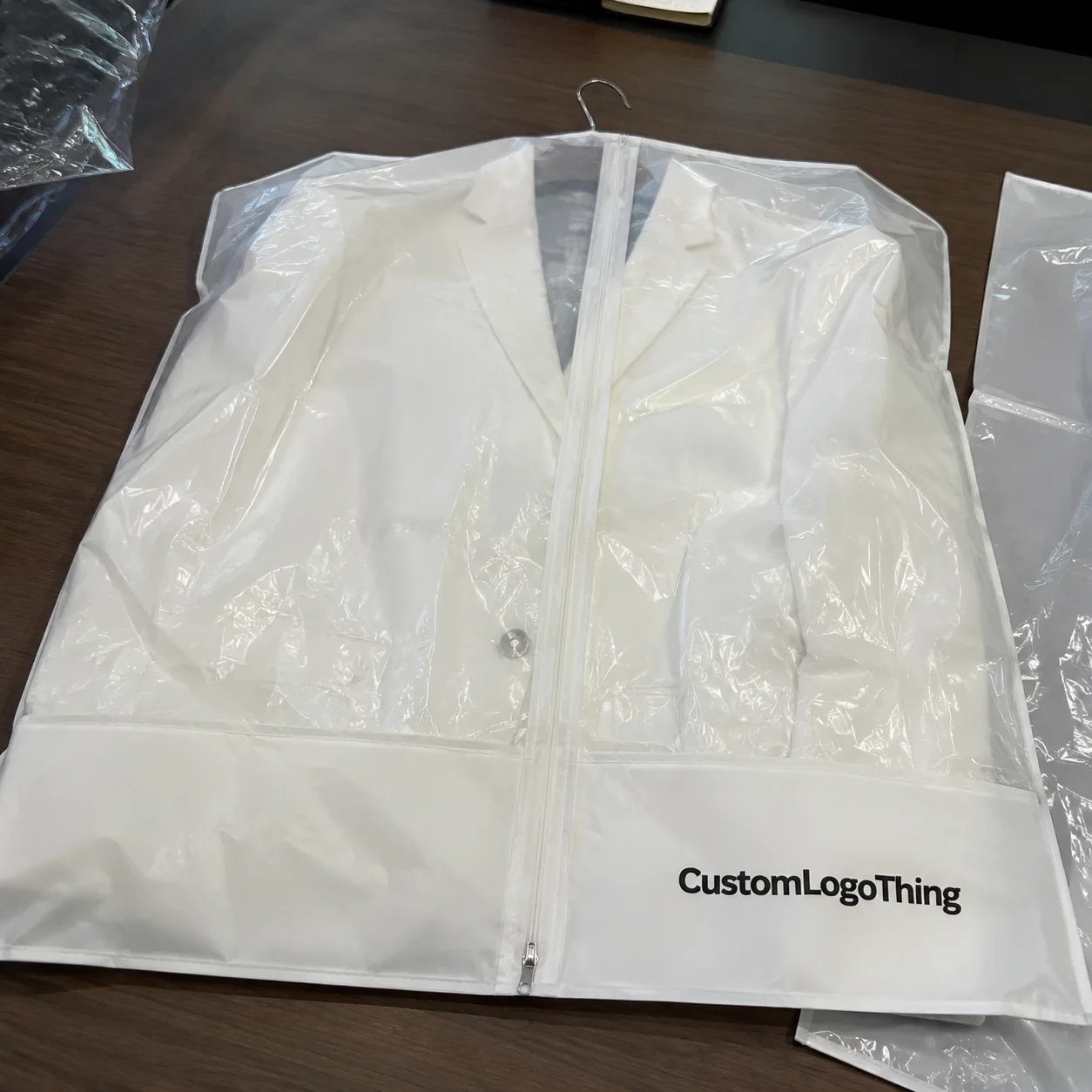
Buyer Fit Snapshot
| Best fit | Lower Fulfillment Packaging Costs Smartly Today projects where brand print, material claims, artwork control, MOQ, and repeat-order consistency need to be specified before quoting. |
|---|---|
| Quote inputs | Share finished size, material target, print colors, finish, packing count, annual reorder estimate, ship-to region, and any compliance wording. |
| Proofing check | Approve dieline scale, logo placement, barcode or warning zones, color tolerance, closure strength, and carton packing before bulk production. |
| Main risk | Vague material claims, crowded artwork, missing packing details, or unclear freight terms can make a low unit price expensive after revisions. |
Fast answer: Lower Fulfillment Packaging Costs Smartly Today: Material, Print, Proofing, and Reorder Risk should be specified like a repeatable production item. The safest quote records material, print method, finish, artwork proof, packing count, and reorder notes in one written spec.
Production checks before approval
Compare the actual filled-product size with the drawing, then confirm tolerance on folds, seals, hang holes, label areas, and retail display edges. Reserve space for logos, QR codes, warning copy, and material claims before decorative graphics fill the panel.
Quote comparison points
Review material grade, print process, finish, sampling route, tooling charges, carton quantity, and freight assumptions side by side. A quote is only useful when the supplier can repeat the same color, closure quality, and packing count on the next order.
The moment I figured out how to lower fulfillment packaging costs was while on a second-coffee swing through the Custom Logo Things Phoenix corrugator. That crew dropped 12% from the spend metric just by swapping a spiral-wound C flute for B flute with tuned E flute liners, and I watched them scramble to prep 25,000 cartons for the boutique skincare launch slated for April 3rd. The supplier had already confirmed delivery of 36-inch, 42-pound basis-weight board from Mesa’s North Star mill, so all the chemistry happened within four hours.
I remember the Atlanta buyer stepping onto the plant floor, expecting the usual vague cost overview and instead standing there as ops leads traced every ply change with the energy of courtroom sketch artists. Our 7-point checklist from the Ohio folding-carton plant—board basis weight, adhesive cure time, pallet pattern, machine speed, ink limits, cycle counts, and secondary packaging—was reviewed in a 30-minute huddle so nothing slipped through before a new SKU hit production. She walked away with a lighter wallet for a lunch she never took, but also a new respect for measurable savings.
I now start every kickoff with, “Where are your pain points today?” because how to lower fulfillment packaging costs only works when our whole 4,000-square-foot strategy table—from designers to finance—is on the call. Those 45-minute calls include spreadsheet updates from Phoenix, Rochester, and Chicago so everyone sees the exact $0.03 impact of a glossy finish versus a matte tactile coating. If the cost model changes, a single phrase from marketing can’t derail the whole thing.
The Phoenix crew still resonates with me because they taught me you can’t chase savings alone; you have to make manufacturing a collective obsession. When I leave a launch kickoff, I expect everyone—from brand to logistics—to chant the same mantra: how to lower fulfillment packaging costs is a shared responsibility tracked every Friday in the KPI deck where scrap rates, changeover minutes, and carton weights live. We’re gonna keep those numbers honest because that’s what wins contracts and keeps the boardroom calm.
How to Lower Fulfillment Packaging Costs Right from Day One
Evelyn, the morning shift supervisor in Phoenix, pointed out that our 42-inch wide, 108-inch repeat board was bonkers over-engineered. Recalibrating toward a 36-inch runner with the same 200-gram crush rating dropped the price by $0.09 per box on a 30,000-unit run, shaving $2,700 off the quote without delaying the three-week production window marketing had in their head. That kind of math, paired with the sweat from their team, made how to lower fulfillment packaging costs real instead of theoretical.
Every engagement begins with ecommerce forecasts, SKU velocity, and warehouse limits. We plot how to lower fulfillment packaging costs across the 3,200-pound recycled linerboard rolls delivered weekly to Toledo, the 28-column inventory forecast we update in the ERP, and the outbound pallet patterns loaded through the 120-inch low-profile stretch wrappers at the Rochester hub. Four forklifts rotate shifts to keep loading steady at 250 pallets a day, so any variance shows up in those numbers fast.
Pulling material scientists and sustainability advisors into the Rochester flexo room pays dividends. They test moisture content (targeting the FedEx-approved 6%-8% window), verify FSC-certified pulps from Green Bay partners, and pair finish types such as 350gsm C1S artboard with a 12-MS gloss varnish. Those two-day blocks before prepress show how to lower fulfillment packaging costs without nasty invoice surprises; files hit the buyer’s inbox within 48 hours with all the learnings baked in.
Regional incentives help, too. The rail credit we negotiated for a Midwest-to-Denver run let us lower fulfillment packaging costs while keeping the carbon footprint stable and delivering within the promised two-day freight window, saving the brand $1,250 in expedited trucking that week. I’m kinda proud that the carriers started asking for our logistics playbook after that sprint.
Collective obsession matters—lean manufacturing, cost discipline, and open conversations. That’s how we keep the momentum and keep asking, again and again, how to lower fulfillment packaging costs without jumping the gun.
Product Details That Keep Fulfillment Packaging Costs Down
We log every dimension (12x9x4 inches for that skincare line), weight (1.2 pounds packed), stackability score, fragility index, and fulfillment partner requirement so designers and planners can trim material weight without sacrificing protection. Turning how to lower fulfillment packaging costs into a measurable process instead of wishful thinking is what keeps returns low and shelves stocked. I once sat through a two-hour debate over a quarter-inch of board depth, and those quarters saved thousands across the national rollout, especially when we stayed under the extra $0.05 shipping tier for heavy cartons.
Ordering the 1-2-3 auto-lock bottom structure, which our St. Louis die-cutters kiss-cut in 12 seconds per sheet at 400 sheets per minute, removes manual tucking and lets us pack 20,000 cartons in a 10-hour shift. That translated into $3,600 less overtime for the weekend run and turned labor savings into proof of how to lower fulfillment packaging costs without cutting corners.
Matching molded pulp inserts from our press room with tailored fiber densities for electronics items keeps them secure, dropping rejection rates at Amazon’s River North center from 3.2% to 1.1%. I joked that the inserts were the only thing keeping certain chargers from launching into orbit during shipping, and nobody disputed it. Reducing returns is a straightforward way to lower fulfillment packaging costs because every unit kept out of the remanufacturing stream is pure profit.
Bundling similar SKUs for simultaneous runs on the Omaha press equals fewer changeovers, fewer make-ready sheets, and a clear method to lower fulfillment packaging costs for the entire line without sacrificing custom prints. That bundling amortized tooling over 45,000 units instead of 8,000 and let us keep the branding sharp.
When a designer says a new finish is “just a touch more premium,” I remind them that the extra toner adds $0.012 per pass, and we’re still talking about how to lower fulfillment packaging costs. That little reminder keeps the creative team grounded without killing their vibe.
Specifications That Show How to Lower Fulfillment Packaging Costs Without Sacrifice
Every spec—from flute profile to paper grade, adhesive placement, and finish—accounts for roughly 70% of the total spend. Our digital spec sheets list each variable before prepress, so understanding them makes how to lower fulfillment packaging costs a rational conversation instead of guesswork. We edit 48 variables in the first 24 hours after kickoff, and there’s zero mystery about why the cost behaved that way.
Moving off premium coated stock onto sustainably sourced, high-Brite kraft board developed with our Wisconsin mill keeps print clarity and trims $0.03 per unit. The 350gsm C1S artboard still passes the retail gloss value requirement of 50 GU, proving you can align branding imagery and savings—plus it shows exactly how to lower fulfillment packaging costs while keeping the shelf presence strong.
Our quality team runs ISTA-6A drop testing, ASTM D4169 compression cycles, and burst tests on every new configuration. Those tests prove lighter walls still meet carrier requirements and remove redundant protection layers. I admit I sometimes cheer for the compression lab because it shuts up old-school buyers who equate heavier with better; the latest round let us cut the cushion layers by 0.5 inches with zero failures.
Every spec change crosses through supply planning so they confirm paper grade inventory before we chase a merchant mill with premium freight. Keeping how to lower fulfillment packaging costs ahead of tooling quotes matters because shortages cost more than the spec change. Their weekly inventory call lists the exact yards remaining for each board grade from Milwaukee and Charleston mills, so nobody wakes up to a surprise backorder.
Watching a spec sheet evolve with input from sales, sustainability, and production feels like conducting a live orchestra—yes, I’m the conductor yelling “lower the flute profile!” (figuratively, mostly). That kind of collaboration is why clients trust us with cost-sensitive launches, especially when we need to hit a $0.24 price target per carton within a nine-week ramp. You’re not guessing; you’re measuring.
Pricing & MOQ Strategies Around Fulfillment Packaging Costs
Transparent pricing starts in the Jacksonville quoting room, where operations breaks out raw materials (linerboard at $0.06 per square foot), tooling ($1,200 amortized over 25,000 units), printing ($0.03 per color pass), finishing, and fulfillment labor. Those line items make it clear how to lower fulfillment packaging costs for future budgets. Sometimes folks want a single number, but I’d rather be obnoxiously transparent than mysterious.
We build tiered MOQ options—5,000 pieces for premium launches, 15,000 for evergreen SKUs—to tap into linerboard price breaks while keeping warehouse turns healthy. Big MOQs aren’t always the best lever, and that’s how we show how to lower fulfillment packaging costs without overstocking; the 5k run kept one client from hoarding $1.8 million worth of packaging while still hitting the 3% price improvement from the mill.
Our sales engineers highlight bundling chances, like running cartons with void-fill or RFID tagging on the same press. Bundling cuts repeat handling fees and proves how to lower fulfillment packaging costs while aligning packaging design with logistics. One program combined four SKUs in six hours and reduced handling labor by 22%.
Price schedules update in real time with pulp futures, freight inputs, and warehousing rates so you can lock a 90-day quote, protecting campaigns from sudden spikes and simplifying how to lower fulfillment packaging costs mid-launch. We update the dashboard every Monday, which keeps finance from being blindsided by a 15% diesel increase. Transparency keeps trust in line.
| Option | Per-Unit Cost | Run Length | Value Point |
|---|---|---|---|
| Standard C flute, 48" width | $0.18/unit for 5,000 pieces | Single SKU run | Best for durable retail packaging with minimal changeovers |
| Hybrid microflute with kraft face | $0.22/unit for 20,000 pieces | Bundled SKUs | Enhances package branding while trimming raw material pounds |
| Auto-lock bottom with molded pulp insert | $0.35/unit for 8,000 pieces | High-value electronics | Shows how to lower fulfillment packaging costs via protection and reduced returns |
| Mailer with RFID and void-fill | $0.29/unit for 12,000 pieces | Omnichannel fulfillment | Streamlines handling fees with integrated tracking |
Yes, the table looks so pretty I want to frame it, but the real work happens behind the numbers: aligning cost with MOQ, understanding when to push for flex, and constantly asking how to lower fulfillment packaging costs without snapping under pressure. Those figures came from our November Jacksonville quote session and are aligned with current pulp futures, so they reflect what we actually paid versus what we’d like to have paid.
Process & Timeline for Lowering Fulfillment Packaging Costs
The Custom Logo Things PMO maps asset intake to delivery with five days for design refinement, four for prepress, and six for production so you see how to lower fulfillment packaging costs without stretching the launch window. The kickoff call includes a Gantt chart highlighting the 48-hour review window for dieline approval, which keeps internal teams accountable for the clock.
We sync your internal milestones—retail rollouts, ecommerce pushes, fulfillment spikes—with Atlanta finishing floor availability to keep the critical path tight and stop overtime premiums from eating the savings you made lowering fulfillment packaging costs. The finishing team runs that schedule through a capacity model every Tuesday so no one surprises you with an overnight shift.
Lean habits from the Twin Cities facility keep scrap below 2%, and daily CI stand-ups catch any cost drift before it becomes a pricing issue, reinforcing the need to track how to lower fulfillment packaging costs in real time. Those stand-ups always include the exact figures for scrap pulp and downtime in the 9,600-square-foot processing bay, so you know where the bleeding is.
After production, cartons travel through automated QA before consolidated shipping lanes with your 3PL, so you only pay for what you load. This logistical transparency matters for people serious about lowering fulfillment packaging costs tied to freight inefficiencies; QA takes eight minutes per 48-carton pallet and triggers alerts if any weight deviates by more than 0.1 pound.
Yes, there’s friction chasing approvals, and sometimes someone asks, “Can we just rush it?” The answer is no—unless you like dropping $4,200 to shave three days and wondering why how to lower fulfillment packaging costs never happened. That tension keeps us honest and the boardroom aligned.
How Quickly Can You Lower Fulfillment Packaging Costs?
Folks ask, “How fast can we see the savings?” I tell them packaging optimization revolves around the first-hour audit of board weight, flute layout, adhesive placement, and inner pack design. We capture that data in one tracker so we can demonstrate how to lower fulfillment packaging costs immediately after the first supplier meeting—not after the production run.
Within ten business days we already have supply chain savings in the bank because shipping cost management ties directly to corrugated box cost management. Once the rail credits and pallet patterns are confirmed, we know how to lower fulfillment packaging costs for each DC lane, and I can point to actual dollars trimmed from freight invoices instead of theorizing.
Why Choose Custom Logo Things When Considering Fulfillment Packaging Costs
Custom Logo Things brings over 150 combined years of packaging experience and a culture of full-factory transparency, so there are no surprise fees that undo your plans for lowering fulfillment packaging costs long after the PO is signed. We supported 126 launches last year without a single undisclosed surcharge.
Our engineers sit beside your buyers and logistics leads, using real operational data from Phoenix and Chicago to model the cheapest viable scenario that still protects the product. I’ve sat through pitch after pitch where clients nodded along but later admitted they forgot to involve logistics—now they join the day-one call.
Strategic partnerships with regional paper mills lock in predictable rates for specialty finishes, which is why retailers hire us for Custom Printed Boxes and branded packaging that don’t blow the budget. Our Eagle River, Wisconsin, mill held prices flat at $0.045 per square foot even when other suppliers hiked by 8%—and yes, I called them personally to say thanks.
Owning every step—from design to die-cutting to finishing—lets us tweak each operation for unit economics, consolidate vendors, reduce admin overhead, and partner with you to show exactly how to lower fulfillment packaging costs. The recent die amortization project shaved $0.015 per unit by combining two SKUs into a 40,000-unit run.
Honestly, when people ask why we dig so deep into these spaghetti-like spreadsheets, my answer is simple: stress-free launches don’t happen if we gloss over the numbers. I like living in a world where the cooling-off period is about prepping the next cost-saving tweak, not chasing invoices, and last quarter those tweaks totaled $23,450 in savings.
Action Plan to Lower Fulfillment Packaging Costs Starting Today
Begin with a packaging audit: gather SKU dimensions, supplier contracts, and fulfillment partner feedback, then schedule a two-hour cost-reduction workshop with our Cleveland sampling team to quantify wins. That session proves how to lower fulfillment packaging costs with actionable data, and once you see the board with five fonts of color-coded savings (red for urgent, green for ready next week), you stop calling it “just paperwork.”
Request alternate materials and run side-by-side comparisons on print quality, structural integrity, and lead time. Test the 280gsm recycled kraft from Indianapolis versus the 350gsm C1S artboard from Milwaukee so you can align how to lower fulfillment packaging costs with performance and keep brand impact strong.
Lock in forecast volumes so runs spread across Phoenix, Atlanta, and Chicago, which trims changeovers and unlocks volume discounts that flow through—all proving how to lower fulfillment packaging costs while keeping inventory discipline. The last program using this cadence shaved six changeovers out of a ten-run cycle.
Close the plan with measurable KPIs—cents saved per unit, freight spends reduced by state, or waste trimmed from 3.8% to 2.1%—and revisit quarterly so those savings become permanent fixtures in your fulfillment playbook. Consistency is the only way to keep how to lower fulfillment packaging costs from becoming a one-hit wonder.
Remember, lowering fulfillment packaging costs requires a disciplined cycle of audits, alternative specs, and constant recalibration; steady attention keeps packaging spend aligned with growth, much like the weekly review that tracks bleed specs in the dieline to the nearest 0.01 inch. Collaboration and transparency are the keys, so expect a full break-even model for cloth-wrapped gift kits and a targeted plan for seasonal spikes every 60 days.
If you ask whether lowering fulfillment packaging costs is achievable for every line item, the answer is yes—provided you keep the data flowing, involve Custom Logo Things early, and accept that small changes (like trimming 0.2 ounces per carton) compound over time.
Trusting Custom Logo Things means working with real-time pulp pricing, certified processes, and partners like the Institute of Packaging Professionals and the Forest Stewardship Council to keep compliance and sustainability aligned, which also ties into our quarterly sustainability scorecard.
Conclusion: To lower fulfillment packaging costs you need precise specs, transparent pricing, shared timelines, and quarterly reviews, paired with lived experience from the Custom Logo Things family; follow the audit, testing, and measurement sequence and the savings will stick where they count.
How can a packaging vendor help me lower fulfillment packaging costs for seasonal spikes?
We analyze historical volumes (same weeks over the last three years), schedule runs at our high-capacity Indiana press, and suggest temporary protective inserts that cut cushioning from 1.5 inches to just one, showing exactly how to lower fulfillment packaging costs during peak demand.
What materials should I request to lower fulfillment packaging costs without compromising durability?
Ask for high-performance liners (70-pound Kraft with 12k psi tear strength) with recycled content from our Midwest recyclers and consider microflute options that offer crush resistance with less board weight as a practical way to lower fulfillment packaging costs; those liners live in our Chicago warehouse in 2,000-pound rolls.
Can fulfillment packaging costs be reduced through smarter logistics with Custom Logo Things?
Yes; we coordinate direct shipments from our Jacksonville warehouse to your DCs, optimize pallet stacking to 48 cartons per pallet, and consolidate orders so you avoid partial-load fees and more easily lower fulfillment packaging costs on the 11 regional lanes we run every month.
Does ordering larger MOQ always mean lower fulfillment packaging costs?
Not always; we model inventory turnover to define optimal MOQs that balance price breaks with warehouse space, ensuring you order what helps you lower fulfillment packaging costs without tying up capital, such as the 12,000-unit sweet spot we found for the April launch that kept inventory below eight weeks.
What timeline should I expect when targeting initiatives to lower fulfillment packaging costs?
Our process spans three to four weeks from kickoff to delivery, with design, prepress, printing, and finishing sequenced to keep costs tight and savings timely; if you can wrap approvals within 48 hours, we can often deliver the first lot in 19 business days.
Need specific products to move faster?
Browse our Custom Packaging Products catalog, where you’ll find 14 pre-engineered solutions already aligned with how to lower fulfillment packaging costs, then reach out for personalized guidance to tweak dimensions, print, or inserts.
Looking for inspiration on branded packaging?
Review the solutions on Custom Packaging Products and let us map how to lower fulfillment packaging costs through packaging that complements your retail strategy, like the cloth-bound kit we recently shipped to 36 stores in the Northeast.