Metal stickers custom options are not just shiny labels
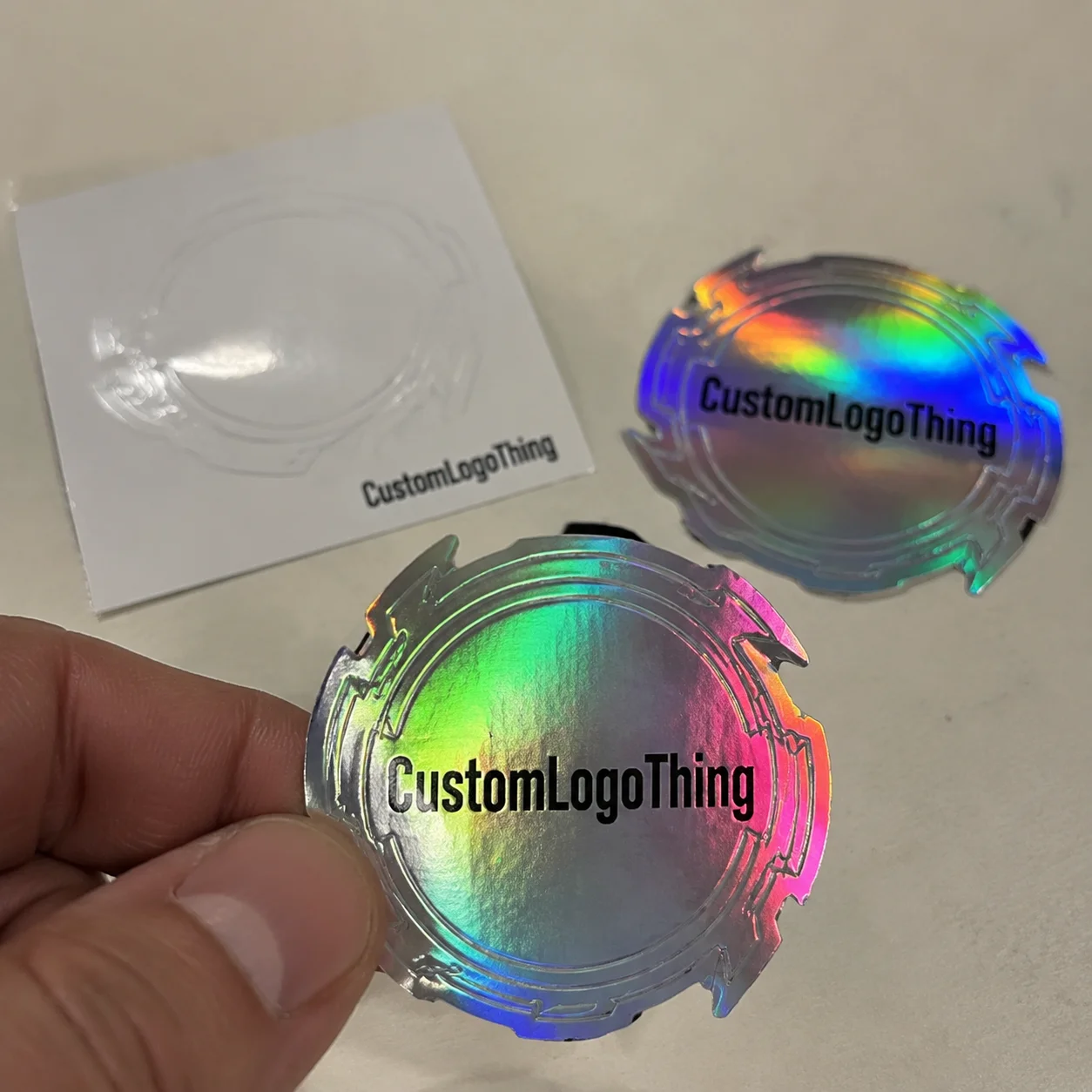
Searches for metal stickers custom usually start with a visual goal: a logo or label that feels sharper and more premium than paper or standard film. But the phrase covers several different products, and they do not behave the same way in production or in use.
A buyer may be asking for a metalized polyester label, a foil construction, a thin brushed aluminum decal, or a true electroformed nickel badge. All can deliver a metallic look, yet they differ in thickness, flexibility, edge quality, durability, tooling, and cost.
Most projects fall into two groups. The first is metallic-look labeling made from film or foil materials, often used for packaging, short runs, or slightly curved surfaces. The second is real metal construction such as aluminum or nickel, usually chosen for product badges, equipment identification, or logo marks where tactile presence matters.
That distinction matters early. A rigid aluminum badge may look excellent on a flat carton sleeve, appliance panel, or lid, but fail on a rounded bottle shoulder. A mirror finish can look dramatic in photos and still be the wrong choice for a frequently handled item because fingerprints and scratches show quickly. Brushed and satin finishes are usually more forgiving.
Common uses include:
- Premium branding on packaging
- Luxury gift boxes and presentation sets
- Asset tags and equipment identification
- Compliance plates and serialized labels
- Cosmetic jars, caps, lids, and bottles
- Promotional items and branded hardware accents
Buyers usually make better decisions by treating the label as part of the product system, not as a late decorative add-on. The finish matters, but so do the substrate, adhesive, handling conditions, and artwork contrast. If edges lift, text disappears under glare, or the finish scuffs too easily, the premium effect disappears with it.
How metal stickers custom products work: materials, finishes, and adhesives
A metallic label is a layered construction. The face material creates either the appearance of metal or includes real metal. Graphics may be added by printing, etching, embossing, plating, or laser marking. The adhesive determines whether the label stays attached through handling, shipping, and environmental exposure.
Common face materials fall into four groups: metalized polyester film, foil-based label stock, aluminum, and electroformed nickel. Film and foil options are thinner, lighter, and easier to apply to slight curves. They also fit more packaging budgets. Real metal options add stiffness and a stronger tactile effect. Electroformed nickel is known for crisp edges and refined logo detail, but its setup cost is usually too high for simple packaging work.
Finish options often include:
- Brushed silver
- Mirror silver
- Satin or matte metal
- Gold tone
- Blackened or anodized-style appearance
- Embossed, debossed, or domed effects
Finish affects both appearance and usability. Brushed silver hides light scuffs better than mirror silver. Matte surfaces reduce glare and often improve readability for small text. Gold works well on cosmetics and gift packaging, but the exact tone should be checked with a physical sample if it needs to align with printed brand colors. Doming adds a raised resin cap, but it also adds thickness and may not suit products that rub against sleeves, cartons, or packing equipment.
Printing method matters too. Screen printing is common for solid colors and opacity. UV digital or flatbed printing can handle more complex graphics. Etching or laser marking is common on real metal where permanence and detail matter. Embossing adds depth that printed metallic ink cannot match, but artwork has to be designed for it. Very fine details may not emboss cleanly.
Adhesive is where many jobs succeed or fail. Permanent acrylic adhesive is a common starting point, but it is not a complete performance spec. Powder-coated metal, textured cartons, glass, coated paperboard, and low-surface-energy plastics all behave differently. A label that bonds well to glass may struggle on a textured cap or molded plastic housing. High-tack adhesive can help on difficult surfaces, though it reduces repositioning during application. Removable adhesive is for temporary use, not for long distribution cycles.
Suppliers should know what the label is sticking to, whether the surface is flat or curved, how clean it is during application, and what temperatures it will see before the adhesive reaches full bond.
For metallic labels, the finish gets the attention, but the substrate and adhesive do much of the real work.
Key buying factors before you request a quote
The fastest way to get a useful quote is to send complete specifications. “Need a small silver logo sticker” leaves too much open. Suppliers usually need size, shape, quantity, finish, thickness, color count, adhesive preference, application surface, and intended use. If the label will face heat, moisture, oil, abrasion, or outdoor exposure, say so from the start.
Surface type is one of the biggest decision points. Glass, powder-coated steel, ABS, PET jars, corrugated board, laminated cartons, and textured paper wraps all require different label constructions. A material that looks excellent on a flat gift box may crack or lift on a curved bottle. A rigid badge that works on electronics packaging may create problems on a thin folding carton if the board flexes.
Before requesting a quote, rank these priorities:
- Appearance
- Durability
- Speed
- Price
Most projects can optimize two of those, sometimes three, but rarely all four. A cosmetic launch may put finish quality first and accept higher unit cost. An equipment label may care more about legibility and bond strength than decorative effect. A seasonal retail campaign may favor stocked metallic film because the lead time is shorter.
Artwork also needs planning. Metallic surfaces reflect light differently than white paper, so colors can darken or lose contrast unless a white underprint is used. Fine reverse text can fill in, and thin rules can break. Barcodes and serialized areas need enough contrast to scan reliably after application, not just on a digital proof.
If the label is part of a broader packaging system, compare it with the other materials around it. Buyers planning across cartons, inserts, and rigid boxes may want to review options alongside other Custom Packaging Products. For transport testing and distribution stress, ISTA remains a practical benchmark.
A useful quoting tactic is to request three versions of the same job: premium, balanced, and budget. That makes tradeoffs easier to evaluate than a single quote trying to satisfy every priority.
Metal sticker pricing and unit cost: what actually moves the number
Pricing is shaped by material, process, tooling, adhesive, size, and volume. The biggest mistake is assuming all metallic labels sit in the same cost band. They do not. A metalized polyester label and an electroformed nickel badge may both look premium, but they are made through very different processes.
Here is a practical comparison:
| Option | Typical use | Relative unit cost | Notes |
|---|---|---|---|
| Metalized polyester label | Cosmetics, promos, short-run branding | Low | Flexible, lightweight, suitable for flat or slightly curved surfaces |
| Foil label with protective coating | Premium packaging accents | Low to medium | Bright finish, moderate durability, often used for retail presentation |
| Embossed aluminum label | Luxury packaging, product badges | Medium to high | More rigid, stronger visual depth, usually needs flatter application surfaces |
| Electroformed nickel label | High-end logo marks, durable branding | High | Very crisp detail, premium setup cost, often justified on visible brand marks |
Tooling and setup explain why small runs often feel expensive. Dies, screens, emboss tools, plating prep, proofing, and sample making are fixed costs whether the order is 500 pieces or 50,000. Larger volumes spread those costs more efficiently, so the unit price usually drops sharply.
For simple packaging work, small metallic film labels may cost a few cents to under a dollar each in volume, while formed or plated metal badges can move into several dollars per piece depending on size, finish, and setup. Very small quantities push those numbers higher. That is normal.
Secondary features also add cost quickly. Variable numbering, doming, protective topcoats, custom packing sequences, strong specialty adhesives, and split shipments all affect the total. Freight can become a bigger factor with heavier metal parts, especially when pieces need protective packing to avoid scratches.
Costs buyers often overlook include:
- Proof revisions and redraw work
- Color matching on metallic surfaces
- Split shipments and partial releases
- Variable data or serialized numbering
- Application labor on the production line
- Freight on heavier or better-protected parts
The most practical cost control is to avoid overbuilding the label. A front-panel logo may justify embossed aluminum or nickel. A warehouse asset tag usually does not. Many jobs need a clean metallic impression and stable adhesion, not the most expensive construction available.
Production steps and lead time: from artwork approval to delivery
Most orders follow the same sequence: inquiry, specification review, artwork check, quotation, proofing, sample approval if needed, production, inspection, packing, and shipment. Delays usually come from incomplete information or changed decisions after tooling starts.
Lead time depends heavily on construction. Stock metallic film with straightforward printing usually moves faster than a label that needs new dies, emboss tooling, plating, or laser marking. Sample timing and full production timing should be asked about separately, because they are not the same.
Typical causes of delay include:
- Artwork sent in the wrong format
- Unclear adhesive or surface information
- Late proof approval
- Extended finish or color revisions
- Dimension changes after tooling starts
Simple film or foil jobs may move in roughly one to three weeks after final proof approval, depending on quantity and supplier load. Formed aluminum or electroformed nickel often takes longer, especially when a first article sample is required. Shipping time is a separate variable and should not be merged casually into “production lead time.”
A pre-production sample is worth it on most visible projects. Apply it to the actual product, leave it in place, and check the edges after a day and again after several days if possible. Handle it, pack it, and expose it to the same heat or moisture the finished goods will face. A desk review is not enough.
General packaging guidance from Packaging Education Forum can also help when the label is part of a larger retail or distribution program.
Common mistakes when ordering metallic decals and nameplates
One common mistake is choosing mirror finishes for products that will be handled constantly. Mirror silver photographs well, but it is unforgiving. Fingerprints appear quickly, and fine scratches show under normal retail lighting.
Another is selecting rigid metal for a surface that needs flexibility. Rounded jars, bottle shoulders, textured housings, and soft-touch packaging often need thinner constructions than buyers first expect. If the label cannot conform, edge lift is likely.
Adhesive mismatch causes more failures than finish problems do. Low-energy plastics, powder-coated parts, rough cartons, oily machinery, and cold-chain packaging all create bonding challenges. A label can look fine at first and still fail later if the adhesive was chosen generically rather than for the substrate.
Artwork shortcuts create problems too. Low-resolution files, tiny reverse text, weak contrast, and overcomplicated die lines do not improve just because the face stock is metallic. Vector artwork in AI, EPS, or editable PDF is still the safest route, especially for embossing, etching, or serial data.
Skipping sampling is another expensive shortcut. A test piece can reveal glare, edge wear, color shift, poor scan performance, or bond issues before the full quantity is committed.
Quote comparisons also go wrong when buyers miss differences such as:
- One quote includes a protective coating and the other does not
- One uses high-tack adhesive and the other uses standard tack
- One includes numbering and the other does not
- One includes true embossing and the other only simulates depth with print
Broad terms like “waterproof” can hide real performance gaps. Buyers should ask about UV exposure, abrasion, solvents, and temperature cycling in specific terms before approving production.
What should you check before ordering metal stickers custom?
A solid sourcing process starts with a clear brief. Send intended use, dimensions, quantity, finish preference, application surface, exposure conditions, artwork files, and deadline. If the label must survive repeated handling, shipping abrasion, moisture, cleaning, or temperature swings, include that in writing.
Request more than one construction if the job is still open. A premium version, a balanced version, and a budget version make tradeoffs visible quickly. If finish matters, ask for a physical sample or at least a material swatch. Brushed, satin, and mirror surfaces can sound similar on paper and behave very differently after application.
Testing should happen before production approval. Apply the sample to the real substrate, not something similar. Check bond strength, edge behavior, legibility, handling wear, and any interaction with heat, moisture, or cleaning agents.
Use this quote checklist for metal stickers custom orders:
- Exact dimensions and shape
- Application surface and surface texture
- Finish and color requirements
- Adhesive type or performance needs
- Quantity and any release schedule
- Deadline and shipping destination
- Proof, sample, and approval requirements
- Any numbering, barcode, or compliance content
Tolerances, packing method, shipping terms, MOQ, and remake policy are worth clarifying as well. The lowest unit price is not always the lowest-risk option. A slightly higher quote that includes better proof control, a more suitable adhesive, and realistic QC can save more than it costs.
From a buyer’s side, the practical approach is simple: define the job clearly, confirm the real application surface, ask direct questions about finish wear and adhesive behavior, and make sure the final specification is repeated back in writing before production starts.
What is the difference between custom metal stickers and metallic vinyl or polyester labels?
Custom metal stickers use real metal or metal-based constructions, which usually gives them more rigidity, tactile presence, and a stronger premium feel. Metallic vinyl or polyester labels imitate the look at lower cost and are usually easier to apply on curves. The better choice depends on surface shape, handling conditions, durability needs, and budget.
Are metal stickers custom made for outdoor use?
Some are, but many are intended for indoor packaging or controlled environments. Outdoor performance depends on the face material, coating, print method, and adhesive system. Ask about UV resistance, moisture exposure, temperature cycling, and abrasion rather than relying on broad durability claims.
How much do custom metal stickers usually cost per piece?
There is no single standard price. Simple metallic film labels in volume can cost only a fraction of the price of embossed aluminum or electroformed nickel badges. Size, finish, tooling, adhesive, MOQ, and quantity all matter. Small runs carry higher setup cost per unit, so they often feel disproportionately expensive.
What file format is best for metal logo sticker printing?
Vector artwork such as AI, EPS, or editable PDF is usually best because it keeps edges, text, and die lines sharp. Outlined fonts, clearly marked spot colors, and final-size artwork reduce proofing problems. If the job includes embossing, etching, barcodes, or serial data, layered files help.
What is the typical lead time for custom metal decals or nameplates?
Simple jobs using stocked materials can move fairly quickly, often within a couple of weeks after final approval. Orders that need new tooling, plating, embossing, or adhesive testing take longer. Ask for separate estimates for sampling, production, and shipping so the schedule is clear.

