Buyer Fit Snapshot
| Best fit | Minimalist Packaging for Eco Fashion projects where brand print, material claims, artwork control, MOQ, and repeat-order consistency need to be specified before quoting. |
|---|---|
| Quote inputs | Share finished size, material target, print colors, finish, packing count, annual reorder estimate, ship-to region, and any compliance wording. |
| Proofing check | Approve dieline scale, logo placement, barcode or warning zones, color tolerance, closure strength, and carton packing before bulk production. |
| Main risk | Vague material claims, crowded artwork, missing packing details, or unclear freight terms can make a low unit price expensive after revisions. |
Fast answer: Minimalist Packaging for Eco Fashion: Material, Print, Proofing, and Reorder Risk should be specified like a repeatable production item. The safest quote records material, print method, finish, artwork proof, packing count, and reorder notes in one written spec.
Production checks before approval
Compare the actual filled-product size with the drawing, then confirm tolerance on folds, seals, hang holes, label areas, and retail display edges. Reserve space for logos, QR codes, warning copy, and material claims before decorative graphics fill the panel.
Quote comparison points
Review material grade, print process, finish, sampling route, tooling charges, carton quantity, and freight assumptions side by side. A quote is only useful when the supplier can repeat the same color, closure quality, and packing count on the next order.
I’ve walked more than one apparel line where the carton, tissue, hang tag, sticker sheet, and mailer cost more than the garment actually needed to stay safe. Classic overkill. I remember one factory visit in Shenzhen where a simple tee was packed into a 90gsm kraft mailer, and the whole thing looked cleaner, cheaper, and more thoughtful than another run I saw buried under three inserts, a plastic window sleeve, and a corrugated outer that pushed pack-out cost up by nearly 18%. That isn’t brand elevation. That’s waste in better lighting. For minimalist packaging for eco fashion, the goal is usually to cut the pack-out from six pieces to two or three, not to stage a performance.
Custom Logo Things works with brands that care about presentation and footprint at the same time, and that balance is where minimalist packaging for eco fashion actually earns its keep. The goal is not to rip everything out until the parcel looks unfinished. Strip away the pieces that never had a job, then use smarter structure, cleaner print, and better material choices to make the package feel intentional, premium, and easy to recycle. If you’ve ever held a 350gsm FSC folding carton with a blind deboss and one-color soy ink, you already know minimal can still feel expensive. Honestly, I think that’s the part a lot of teams miss: minimal is not lazy. Minimal is disciplined. A good spec sheet from Dongguan or Wenzhou proves it fast.
Minimalist Packaging for Eco Fashion: What It Really Means
Minimalist packaging for eco fashion is a design approach that cuts out unnecessary layers, fillers, and decoration while still protecting garments and reinforcing brand identity. In practice, that means fewer inserts, fewer coatings, fewer ink passes, and fewer materials that make sorting harder after use. I’ve watched brands save a surprising amount of money just by removing one internal chipboard tray that was mostly there to make the sample room feel complete. (Yes, I said “sample room feel complete.” Packaging people know exactly what I mean.) On a 5,000-piece run, dropping that tray can cut component cost by $0.07 to $0.12 per unit, which adds up faster than anyone wants to admit.
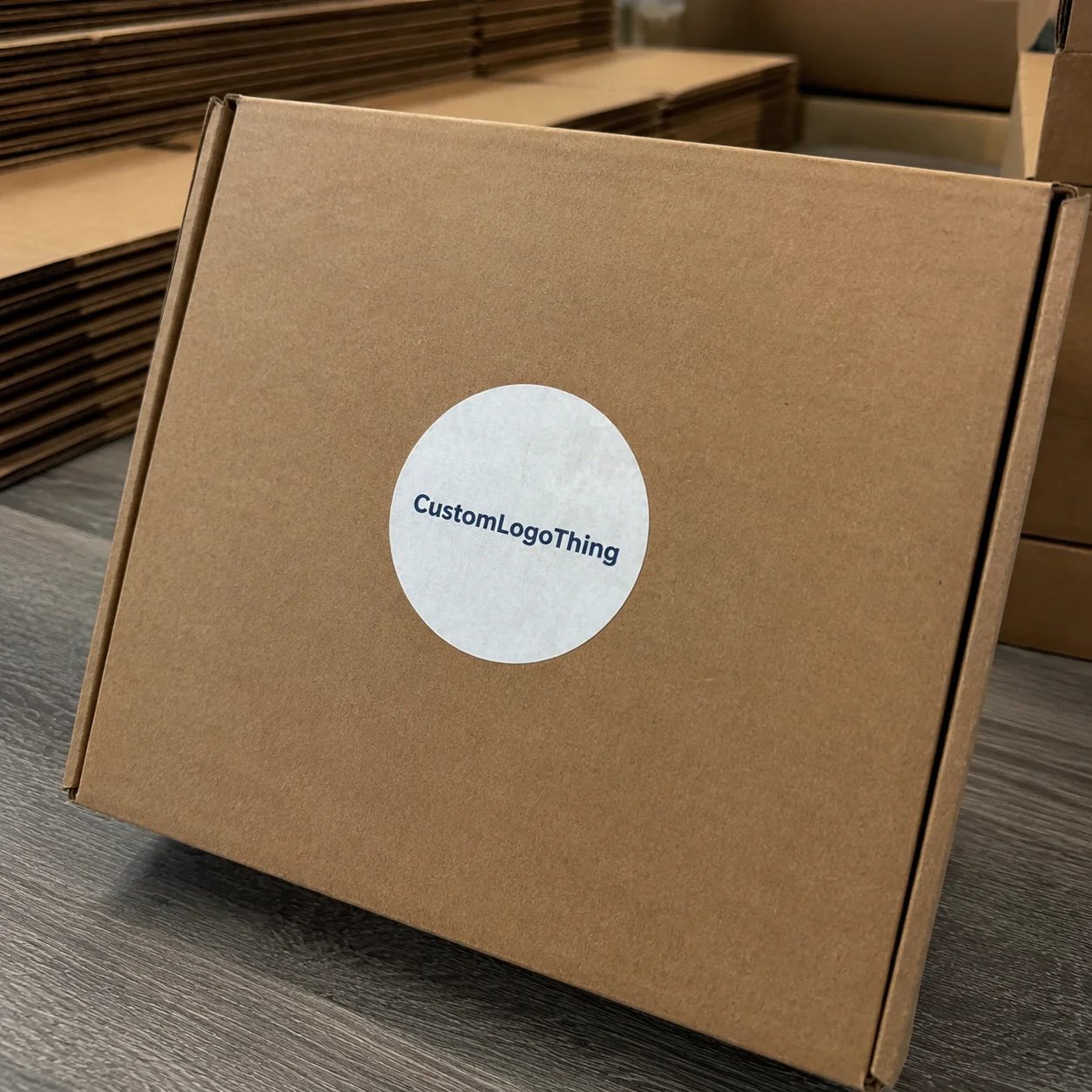
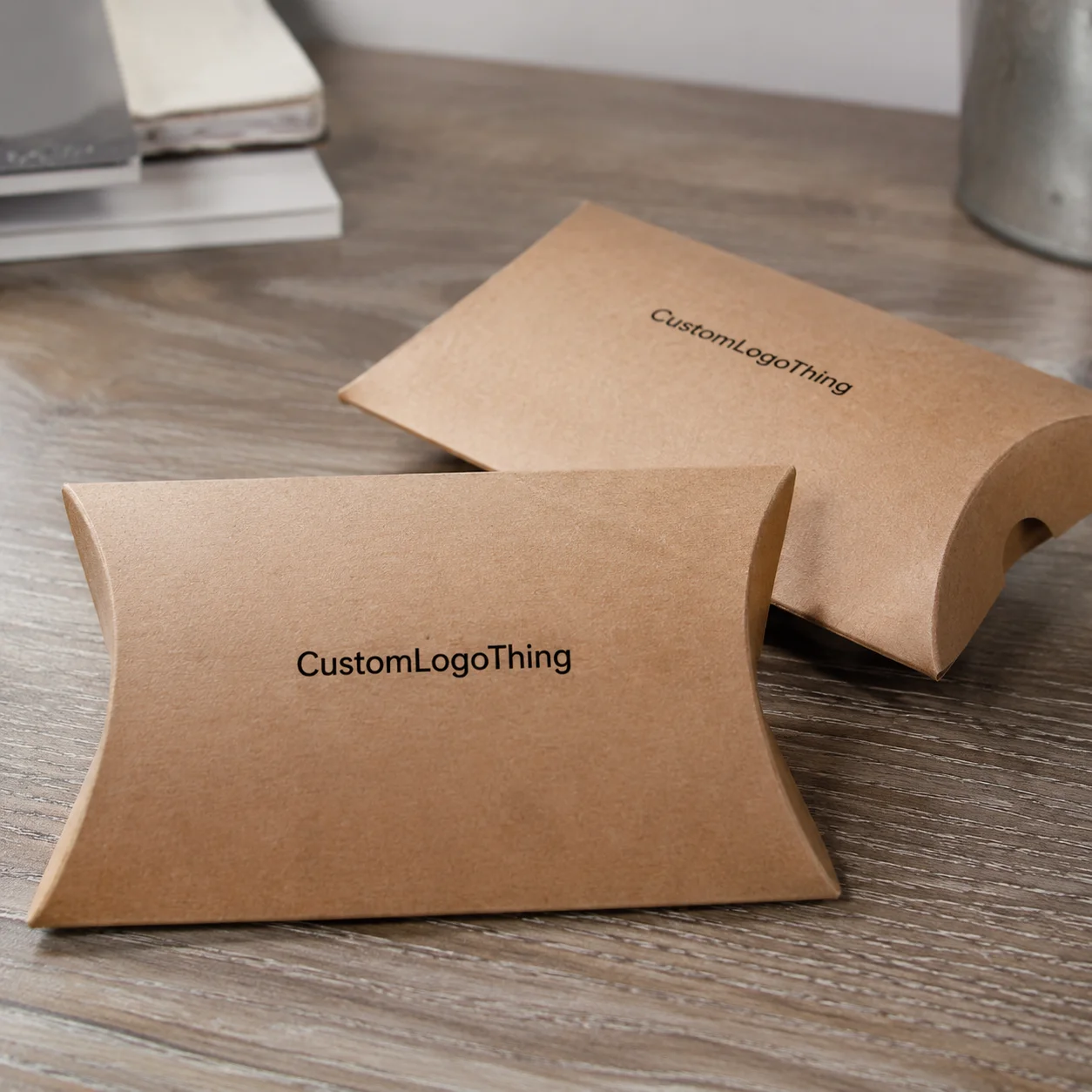
Minimal does not mean plain. It definitely does not mean generic. A well-built kraft mailer with a clean stamp, a paper sleeve with a restrained logo, or a folding carton in uncoated recycled board can feel more considered than a busy box covered in foil and varnish. The visual language stays calm, but the structure still does its job. That’s the real craft behind minimalist packaging for eco fashion: restraint with a backbone, not empty branding. A 1-color flexo print on 80gsm recycled kraft from Guangzhou can look sharper than a 4-color box if the typography is decent and the die lines are clean.
The sustainability connection is simple. Fewer grams of material mean lighter parcels, and lighter parcels usually mean lower freight cost, less warehouse clutter, and less environmental burden across the chain. I’ve had buyers compare two pack-outs side by side: one at 124 grams total packaging weight, the other at 71 grams, both protecting the same linen shirt just fine. The lighter version used less paperboard and less tissue, and it also reduced the chance of dimensional-weight charges on shipping labels. That matters fast when order volume starts climbing, especially on routes from Vietnam to Los Angeles where every extra millimeter can affect carton billing.
Common materials in minimalist packaging for eco fashion include FSC-certified folding carton, recycled kraft paper, molded pulp inserts, glassine, compostable mailers, and water-based adhesives. FSC certification matters because it gives you a traceable paper chain of custody, and that trust signal matters a lot for sustainable fashion packaging claims. For brands shipping Direct to Consumer, I often recommend a kraft mailer paired with a thin paper sleeve or paper belly band. That gives you package branding without drifting into overpackaged territory. A 100% recycled mailer at 100gsm with a 40mm self-seal strip is usually plenty for tees, scarves, and light knitwear.
Here’s the honest version: not every garment needs a box. A heavyweight sweatshirt may deserve a folded carton if the brand experience depends on presentation, while a basics label shipping tees in volumes of 10,000 a month may get better results from a self-seal mailer and a tissue wrap. Minimalist packaging for eco fashion works because it starts with the product, not with a packaging wishlist scribbled after lunch. And yes, I’ve seen those wishlists. Usually with too many arrows. Usually from someone who never stood next to a packing table in Yiwu at 6:40 a.m.
“If the package is doing more than protecting, communicating, and moving cleanly through the line, somebody probably overdesigned it.” — a line I’ve said more than once standing beside a cartoning machine in Guangdong
For brands exploring minimalist packaging for eco fashion, the smartest first step is usually to define what the package must do in three jobs: protect, present, and process. If one component doesn’t support one of those jobs, it deserves a hard look. No drama required. No extra sleeve just because someone liked the mockup in Figma.
How Minimalist Packaging for Eco Fashion Works in Production
On the production floor, minimalist packaging for eco fashion starts with a dieline and a real conversation about pack-out behavior. I’ve sat with converters who wanted to jump straight to print, but the smarter teams measured the garment fold size, accessory count, and fulfillment method first. A slim woven shirt bagged flat does not need the same structure as a knitted cardigan packed with a hang tag, care leaflet, and barcode label. If the fold is 260 x 190 x 18 mm, don’t spec a carton built for 320 x 240 x 40 mm. That’s not planning. That’s buying air.
The workflow usually runs from dieline design to material selection, then to print prep, converting, folding, and final pack-out. Done properly, every millimeter has a reason to exist. Structural engineering is where the biggest waste gets removed, because a right-sized carton or mailer cuts void fill and lowers the chance of crushing during transit. In one meeting with a fulfillment manager in Ho Chi Minh City, we shaved 14 mm from carton depth and eliminated a paper insert entirely, which cut pack time by nearly 9 seconds per order. Tiny number. Huge difference across 40,000 units. That’s roughly 100 hours of labor saved over a full rollout.
Print choices matter too. I’ve seen brands get beautiful results from one- or two-color flexographic printing on kraft, low-coverage offset lithography on paperboard, blind debossing on uncoated stock, and even a simple matte flood on recycled board. The trick is restraint. If your packaging has a soft natural texture and a crisp logo, heavy ink coverage usually isn’t needed. For minimalist packaging for eco fashion, less ink often means less visual noise and, in many cases, less cost. A single PMS black or warm gray on 350gsm C1S artboard can do more than a rainbow of spot colors if the design is strong.
Machine compatibility is another piece people overlook. A tuck-end carton can work beautifully in retail packaging, but on a busy e-commerce line a self-seal mailer or quick-fold structure may save real labor. I’ve watched pick-and-pack crews in a Los Angeles fulfillment center move twice as fast with a mailer that opened properly and folded on one crease, compared with a complicated wrap that needed a second set of hands. If the line stalls, even elegant product packaging starts costing more than it should. And somehow it’s always the “simple” idea that causes the headache. Funny how that works. Especially when the glue strip is 3 mm too narrow and the operator notices before you do.
Finishing is where minimalist teams can quietly save money. Heavy lamination, plastic windows, and thick UV coatings may look shiny in a sample room, but they add materials and can hurt recyclability. A soft-touch look can sometimes come from paper selection, embossing, or a naturally smooth uncoated sheet. For minimalist packaging for eco fashion, I usually prefer a 300-350gsm recycled artboard or natural kraft board with a well-chosen press sheet rather than a plastic-heavy finish that fights the sustainability story. In many cases, 0.4 mm grayboard with a paper wrap is enough for a premium feel without turning the package into a landfill’s little side project.
If you want to see what these formats look like in a broader production mix, our Custom Packaging Products page is a useful starting point for comparing paperboard, mailer, and sleeve-style structures. Once a brand sees the format options side by side, the decision gets much clearer. A good supplier in Dongguan or Ningbo will usually quote three structure options without making you wait three weeks.
Key Factors That Shape Minimalist Packaging for Eco Fashion
Brand positioning sits near the top of the list. A luxury sustainable label may need a more tactile, refined package than a mass-market basics brand, even if both are using minimalist packaging for eco fashion. People get tripped up here all the time. They assume minimal means identical. It doesn’t. A premium brand might choose a 400gsm FSC board with a blind deboss and uncoated finish, while a volume-focused label might get better mileage from 100% recycled kraft mailers with one-color flexo. The difference between a $0.15 unit mailer and a $0.42 carton is not just money; it’s brand behavior.
Material performance matters just as much. Kraft paper brings strength and a natural look, but its tear resistance, print receptivity, and moisture response vary a lot by mill and basis weight. Paperboard offers crisp print and tidy folds, yet it can warp if the humidity in the warehouse runs high. Molded fiber gives a strong sustainable story and useful cushioning, but it can be heavier and not always ideal for flat garments. In minimalist packaging for eco fashion, the best material is the one that suits the transit path, not just the mood board. A 120gsm kraft sleeve from Hangzhou behaves very differently from a 350gsm C1S artboard carton out of Shenzhen.
Cost matters too, and not just the unit price. A lower-material design can save on packaging spend, but custom tooling, specialty recycled stocks, and short production runs may raise the per-unit number. I once negotiated with a mill for a 100% post-consumer board in a soft ivory tone, and the material premium was about 12% over the standard kraft board. The brand accepted it because the paper felt better in hand, and we also cut two secondary components, which brought the total landed cost back in line. That’s the kind of tradeoff that makes minimalist packaging for eco fashion commercially sensible. On 8,000 pieces, shaving off a tissue insert and belly band can save $480 to $900, depending on finish and print method.
Shipping and logistics can make or break the math. A package that weighs 30 grams less but sits 8 mm wider can increase carrier pricing if the dimensional weight shifts to the next tier. Warehouse storage matters too, especially for labels with multiple SKUs and seasonal size curves. Right-sized minimalist packaging for eco fashion can reduce shelf footprint, improve carton nesting, and simplify the work for anyone loading pallets or staging outbound orders. I’ve seen one SKU family drop from 14 pallet positions to 9 just by changing the mailer width from 245 mm to 220 mm.
Compliance and claims deserve a careful hand. Recycled content should be verified, not assumed. FSC chain-of-custody documentation should be available when you use the logo. Compostability claims need to match the actual material and the conditions under which it breaks down. I’ve seen brands lean too hard on green messaging and then discover their adhesive, laminate, or inner label undermined the claim. That’s a credibility problem. If you want to talk about minimalist packaging for eco fashion, make sure the paper, ink, and glue all support the story. A soy-based ink on paperboard is not the same thing as a compostable system, no matter how cheerful the sales deck looks.
For technical review, I often point brands to industry resources like the ISTA test standards for transit performance and the EPA’s packaging and waste guidance for broader material considerations. They won’t design the package for you, but they will keep the conversation grounded in real-world performance and responsible claims.
| Format | Typical Material | Strength | Best Use Case | Common Tradeoff |
|---|---|---|---|---|
| Kraft mailer | 80-120gsm recycled kraft | Light, compact, easy to assemble | T-shirts, scarves, light knitwear | Less rigid protection than cartons |
| Folding carton | 300-400gsm FSC paperboard | Premium look, crisp structure | Retail packaging, folded apparel, gift sets | Higher print and tooling setup |
| Molded pulp insert | Recycled fiber | Cushioning and product separation | Accessories, layered sets, fragile trims | Can add weight and bulk |
| Paper sleeve | 120-200gsm paper | Branding with low material usage | Folded garments, seasonal launches | Limited protection alone |
Step-by-Step Process for Minimalist Packaging for Eco Fashion
The cleanest minimalist packaging for eco fashion projects usually begin with product mapping. I want to know the garment size range, whether there’s an accessory count, how it folds, and whether it ships flat, rolled, or bagged. A jersey tee folded to 280 x 220 x 20 mm needs a very different carton than a jacket with hardware, and skipping that mapping step is how brands end up with oversized packaging that looks pretty on paper but wastes material on the line. On a 5,000-unit test run, that mistake can push material spend up by 10% to 15% immediately.
Next comes the audit of the current packaging line. This is where the waste shows up plainly: cartons that are 15 mm too deep, too much tissue, redundant belly bands, or hand-folds that slow the team to a crawl. I’ve stood beside operators who were stuffing void fill into boxes because the box itself was the wrong size, which is painful to watch when the fix could have been a simple dieline adjustment. If you’re aiming for minimalist packaging for eco fashion, measure the waste points before you redesign anything. Check pack time, reject rate, tape usage, and how many units the team can move in an hour on the line in Ho Chi Minh City, Shenzhen, or Guadalajara.
After that, choose the format. A slim folding carton works well for retail packaging and premium DTC shipments. A kraft mailer is ideal if you want fast pack-out and lower shipping weight. A sleeve may be enough if the garment already ships in a reusable bag or if the brand wants a highly reduced look. For some labels, a reusable fabric bag makes sense, but I only recommend it if the bag has a real second life and doesn’t just become another item shoved in a drawer. A cotton twill pouch at $0.60 unit cost is only worth it if the customer will actually reuse it more than once.
Then comes prototyping and testing. I’m a believer in rough handling tests because the shipping lane does not care about your renderings. Test drop resistance, scuffing, compression, and the unboxing appearance after transit, especially for e-commerce orders that may be stacked in a hub and thrown onto a conveyor. When a brand says it wants minimalist packaging for eco fashion, I ask one question: “Does it hold up after a 1-meter drop, a 20 kg top-load, and a sweaty warehouse?” That usually sharpens the discussion fast. If it fails at 1 meter, it will fail on a route from Shenzhen to Chicago, no matter how nice the mockup looks on a studio table.
Here’s the practical sequence I recommend:
- Map product dimensions and fold style.
- Review current damage rates and pack-out times.
- Select 2-3 material options for samples.
- Test structure, print, glue, and closure strength.
- Validate assembly speed on the actual packing line.
- Approve pilot production before full rollout.
Prepress and pilot production are the last gates before scale. Validate color against your brand standards, check glue performance at the seam, and confirm fold accuracy on the actual machinery, not just a sample table. I’ve seen a glue line fail on a self-seal mailer because the adhesive didn’t behave well in a humid receiving room, and that problem would have been invisible in a design file. Minimalist packaging for eco fashion works best when the pilot run reveals those small, fixable issues early. Otherwise you end up doing the awkward “why are these boxes popping open?” dance with operations. Not fun. Not elegant. Definitely not on-brand. A 72-hour pilot in Dongguan can save a six-week apology tour later.
If you need a practical starting point, ask your supplier for two sample kits: one focused on paperboard options, one focused on mailer and sleeve structures. The best suppliers will show you how the same brand mark behaves on kraft, recycled board, and molded fiber, because the surface finish changes the whole mood of the package. Ask for samples with exact specs, like 350gsm C1S artboard, 120gsm natural kraft, or 0.8 mm molded pulp, so you can compare like with like instead of guessing.
Minimalist Packaging for Eco Fashion: Timeline, MOQ, and Pricing
Timeline usually starts with concept and dieline development, then moves into sample production, revisions, print approval, manufacturing, and shipping. For straightforward minimalist packaging for eco fashion programs using stock-based components, you might see 12-15 business days from proof approval to completion, though freight can add time depending on route and season. Fully custom structures or specialty finishes will usually take longer, and I would never promise otherwise without seeing the exact spec. If the packaging ships from Shenzhen to the US West Coast, add roughly 18-28 days for ocean freight or 5-8 days by air, depending on the booking window.
MOQ depends heavily on method and structure. Short-run digital printing can be ideal for emerging eco fashion brands testing a capsule release or a seasonal drop. Flexographic and offset programs may require higher quantities, especially if you’re ordering Custom Die Cuts or specialty board. From what I’ve seen across supplier negotiations, a brand can sometimes save more by reducing format complexity than by chasing the absolute lowest MOQ. That’s a lesson many teams learn after one painful round of overstock. I’ve had to sit through those “we ordered too many” calls. No one enjoys them, especially not the warehouse manager in Los Angeles counting 3,200 unused cartons in aisle B7.
Pricing is driven by paper grade, size, ink coverage, number of components, finishing, assembly labor, and freight. A 350gsm FSC carton with one-color print, a blind deboss, and no lamination will cost differently from a laminated box with foil and a magnetic closure. In one supplier discussion, a brand pushed for a premium package but wanted the landed cost to stay below the basic mailer alternative. We solved it by removing an insert, switching to a lighter board, and dropping spot UV. The final cost landed at about $0.18/unit for 5,000 pieces on the core component, which was workable because assembly time stayed low. On another quote from Yiwu, the same style in a smaller format came in at $0.15 per unit for 5,000 pieces when we kept the print to one color and skipped lamination.
Below is a simple benchmark approach I use with brands evaluating minimalist packaging for eco fashion:
| Cost Factor | Lower-Cost Choice | Higher-Cost Choice | What It Changes |
|---|---|---|---|
| Material | Recycled kraft | Premium FSC board | Appearance, feel, print response |
| Printing | One-color flexo | Offset with multiple passes | Color detail, setup cost |
| Structure | Self-seal mailer | Custom rigid-style carton | Assembly speed, premium presentation |
| Finishing | Uncoated, debossed | Lamination, foil, UV | Recyclability, tactile feel, unit price |
My advice is to price by total landed cost per order, not just unit packaging cost. If a cheaper box causes slower packing, higher freight, or more damage claims, it may not be cheaper at all. I’ve seen that mistake on both sides of the Pacific, and it usually shows up after the first 10,000 units when the warehouse starts calling about labor bottlenecks. Minimalist packaging for eco fashion is at its best when the whole system is evaluated together, from supplier in Shenzhen to fulfillment center in Dallas.
Common Mistakes to Avoid with Minimalist Packaging for Eco Fashion
The biggest mistake is over-minimizing. If the package becomes too thin or too soft, delicate knits, trims, and accessories can arrive scuffed or crushed. A garment that looks pristine on the shelf can still suffer in transit if the mailer flexes too much or the carton lacks enough crush resistance. I’ve handled returns where the damage came from one extra corner crush that a slightly heavier board would have prevented. That’s not a reason to overbuild; it’s a reason to test minimalist packaging for eco fashion properly. A 300gsm board may be fine for a tee, but not for a structured jacket shipped cross-country.
Material mismatch is another common problem. Using uncoated stock where moisture resistance is needed can cause waviness, print rub, or glue failure. Choosing recycled content without checking strength can also backfire if the board caliper drops too far for the product weight. I always ask for actual specs, not just “eco paper,” because the difference between a 280gsm and a 350gsm board can be the difference between a clean arrival and a dented box. If the spec sheet doesn’t say basis weight, caliper, and coating, you’re flying blind.
Removing branding entirely is a mistake too. If the package has no signal of intent, it can feel unfinished or cheap rather than minimalist. A restrained logo, a small accent color, or a carefully placed deboss can provide package branding without clutter. Some brands swing too far into silence and then wonder why their product packaging doesn’t feel memorable. The goal is not invisibility. It’s clarity. A single 18 mm logo mark centered on the flap can do more than a full-panel print if the materials are good.
Too many sustainability claims can also cause trouble. If your paper is FSC-certified, say that clearly and accurately. If your mailer is compostable, confirm the standard and the conditions. If the adhesive or window film doesn’t match the claim, it undermines trust quickly. I’ve seen a procurement team get cornered in a retail meeting because the packaging spec sheet overpromised what the materials could actually prove. That kind of issue damages a brand long after the box is opened. And customers do keep the receipts, both literal and emotional.
Finally, watch for assembly problems. Overcomplicated closures, odd folding sequences, and brittle locking tabs can slow fulfillment and create labor waste. A beautiful structure that takes 11 seconds to assemble instead of 4 seconds will get questioned very fast in a warehouse running 3,000 orders a day. For minimalist packaging for eco fashion, simplicity should make the line move faster, not just look cleaner. If a carton needs three folds, one tuck, and a prayer, it’s not minimalist. It’s a liability with nice typography.
One useful reference for responsible material communication is the Forest Stewardship Council, especially if you’re using chain-of-custody claims in your branded packaging. It’s a good way to keep your sustainability language honest and specific.
Expert Tips and Next Steps for Minimalist Packaging for Eco Fashion
My strongest recommendation is to start with one packaging format and one material family, then iterate from there based on damage rates, customer feedback, and packing speed. That keeps the decision tree manageable. When a brand tries to change the box, the insert, the tissue, and the print method all at once, it becomes hard to know which change actually improved the result. Minimalist packaging for eco fashion benefits from disciplined testing, not guessing. One clean pilot in Guangzhou beats five pretty opinions in a meeting room.
Ask suppliers for sample kits that compare kraft, paperboard, molded fiber, and mailer options side by side. Hold them, fold them, tape them, stack them, and run a few through your actual fulfillment workflow. I’ve done this on factory floors where the nicest-looking sample failed the simplest crush test, while a less flashy option passed with room to spare. The warehouse always tells the truth. It doesn’t care about your render, your mood board, or the fact that someone labeled the box “premium concept v7.” If the Edge Crush Test is weak, it will show up the first time a pallet gets stacked to 1.8 meters.
Test in real conditions, not just on a clean sample table. Humidity, stacking pressure, conveyor vibration, and rough handling reveal things that desktop samples hide. If your brand ships through multiple warehouses or uses third-party fulfillment, send pilot packs to each site and compare notes. The difference between 45 seconds and 28 seconds per pack-out can be meaningful at scale, especially for minimalist packaging for eco fashion programs where labor savings matter as much as material savings. On 20,000 monthly orders, that time gap can save dozens of labor shifts.
I also advise brands to keep the visual system simple: one logo treatment, one accent color, and one reusable content message. That makes the design easy to repeat, easy to print, and easier to maintain across SKUs. A single package branding language can stretch across retail packaging, DTC shipments, and seasonal drops without forcing every box to reinvent itself. It also keeps quote requests cleaner when you’re asking a supplier in Ningbo for a second run in 2026.
Here’s the sequence I’d use if I were launching this from scratch:
- Measure your current pack-out and weight.
- Request dieline recommendations from your supplier.
- Compare landed cost across 2-3 options.
- Order samples and run drop tests.
- Approve one pilot run before scaling.
If you’re building a sustainable fashion line and want packaging that matches the product story without bloating the budget, minimalist packaging for eco fashion is one of the smartest places to start. I’ve seen it reduce waste, speed packing, and sharpen brand perception all at once, but only when the structure, material, and production details were handled with care. A carton spec like 350gsm C1S artboard, one-color print, and a 12-15 business day production window is a lot more useful than a vague “eco-friendly box” promise.
Minimalist packaging for eco fashion works because it respects the product, the warehouse, and the customer in the same breath. That’s the standard I’ve always tried to hold on the floor, and it’s the one I’d encourage any eco fashion brand to use before placing a full production order. If the package costs $0.15 per unit for 5,000 pieces and still protects the shirt from Shenzhen to Chicago, that’s not compromise. That’s competence.
The next move is straightforward: measure your current pack-out, strip out anything that doesn’t protect, present, or process well, then sample the smallest structure that still survives the trip. Do that before you talk about foil, before you talk about sleeves, and definitely Before You Order 20,000 pieces. That’s how minimalist packaging for eco fashion stays lean without turning into a mess.
What is minimalist packaging for eco fashion?
It should include only the essential materials needed to protect the garment and communicate the brand, such as a right-sized carton, mailer, tissue, or paper sleeve. It usually avoids extra plastic, oversized inserts, unnecessary layers, and heavy finishing that complicates recycling. A typical setup might use an 80-120gsm kraft mailer or a 350gsm paperboard carton, depending on the garment and shipping route.
Frequently Asked Questions
What is minimalist packaging for eco fashion supposed to include?
It should include only the essential materials needed to protect the garment and communicate the brand, such as a right-sized carton, mailer, tissue, or paper sleeve. It usually avoids extra plastic, oversized inserts, unnecessary layers, and heavy finishing that complicates recycling. A typical setup might use an 80-120gsm kraft mailer or a 350gsm paperboard carton, depending on the garment and shipping route.
Is minimalist packaging for eco fashion always cheaper?
Not always, because while it can reduce material usage and shipping weight, custom sizing, premium recycled stocks, and specialty printing can raise unit cost. The real savings often come from lower freight costs, faster packing, and fewer damaged returns. For example, a simpler mailer may land at $0.15 per unit for 5,000 pieces, while a more premium carton can run closer to $0.32 or more depending on finish and structure.
What materials work best for minimalist packaging for eco fashion?
FSC-certified paperboard, recycled kraft paper, molded pulp, glassine, and compostable mailers are common choices. The best option depends on garment type, moisture exposure, and whether the product ships in-store or direct to consumer. In production terms, 80-120gsm kraft, 300-350gsm board, and water-based adhesives are some of the most practical combinations.
How long does it take to produce minimalist packaging for eco fashion?
Lead time usually includes dieline development, sampling, revisions, print approval, manufacturing, and delivery. Simple stock-based programs often take 12-15 business days from proof approval, while fully custom structures or specialty finishes can take longer. Shipping from manufacturing hubs like Shenzhen, Dongguan, or Guangzhou adds transit time on top of production.
How do I know if my minimalist packaging for eco fashion is protecting products well enough?
Test it with drop, compression, and transit simulations using actual folded garments and fulfillment conditions. Track damage rates, customer complaints, and return reasons after a pilot run to confirm performance. A useful benchmark is whether the package survives a 1-meter drop, a 20 kg top-load, and normal warehouse handling without crushing or opening.