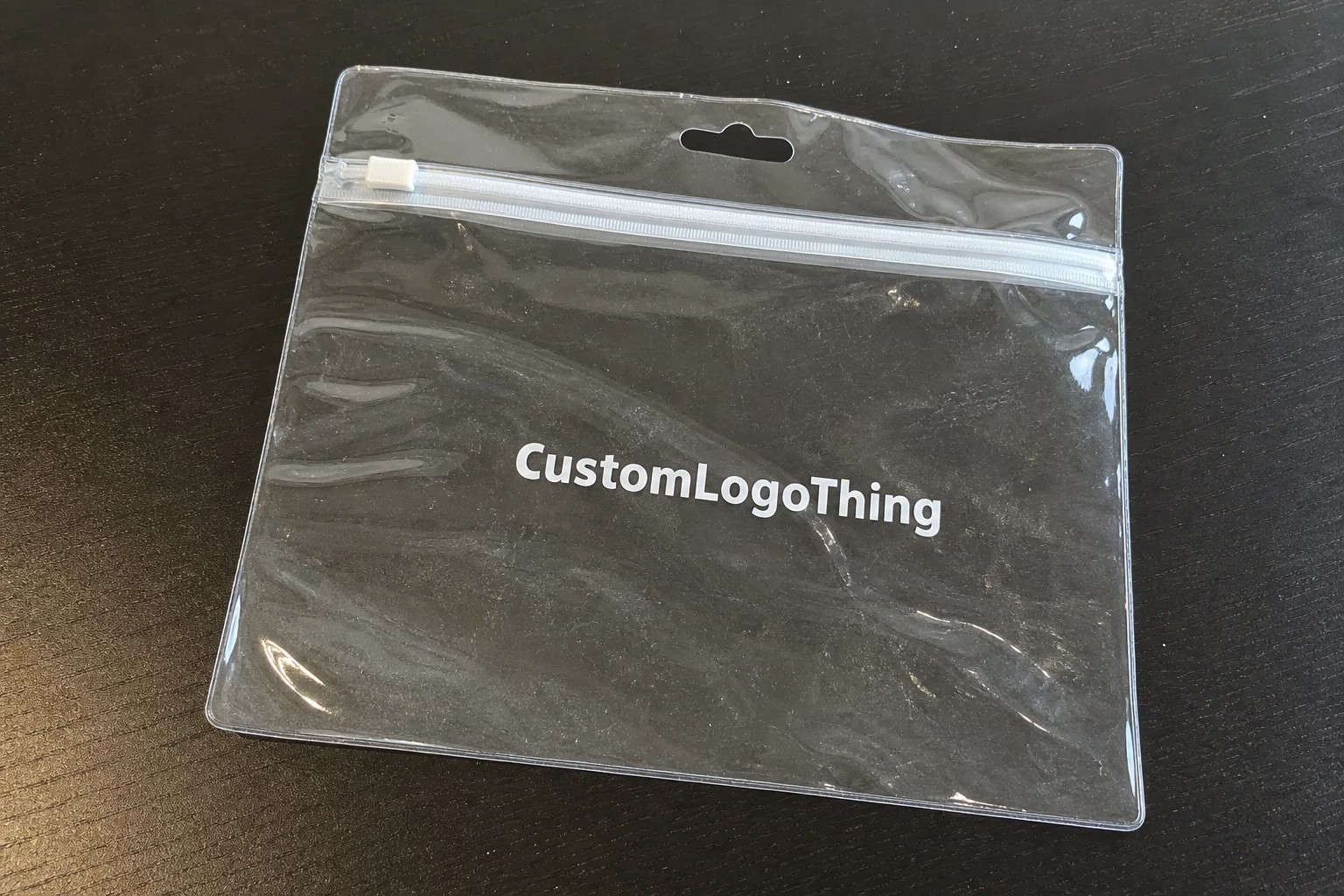
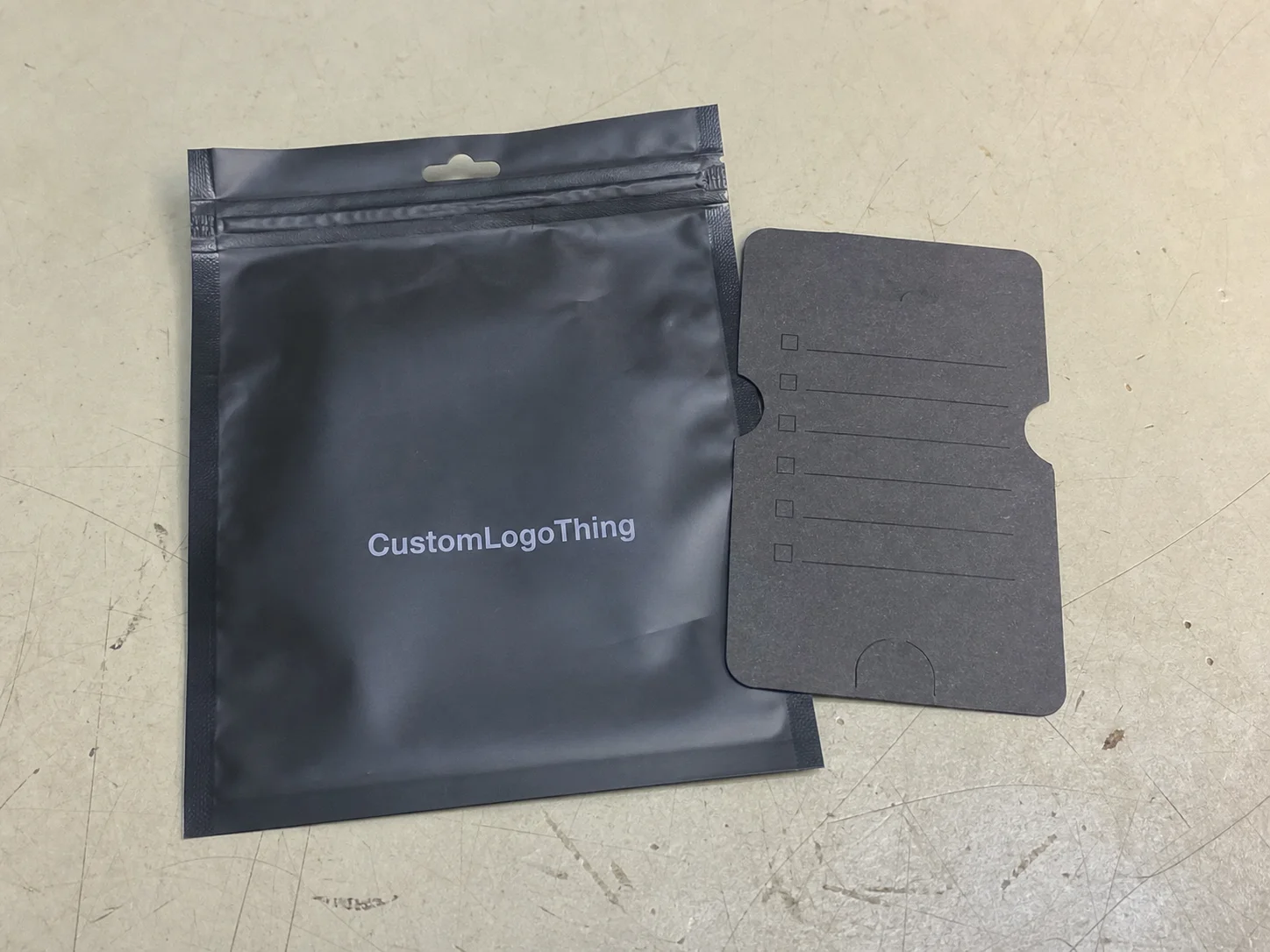
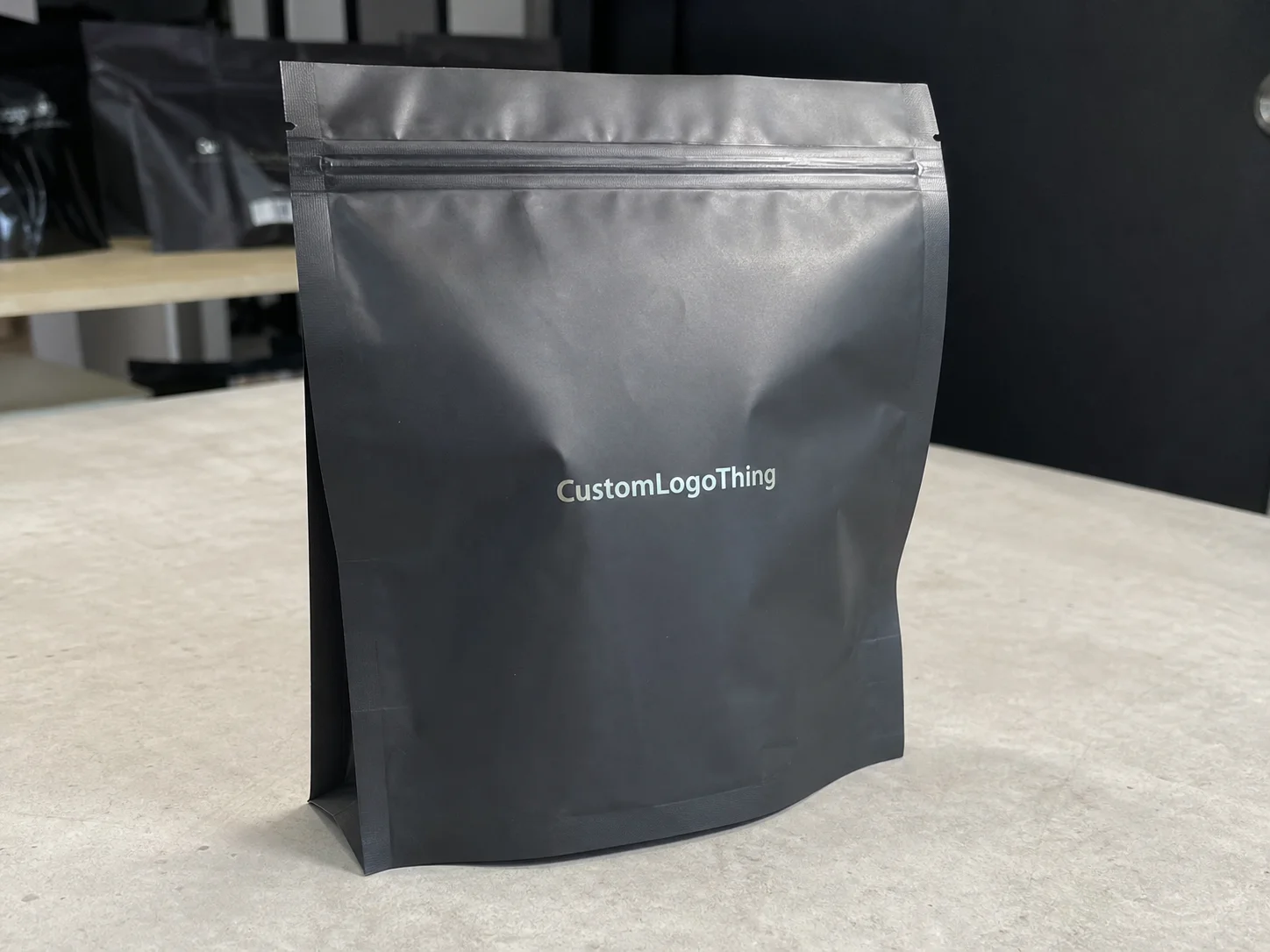
Buyer Fit Snapshot
| Best fit | MOQ Packaging Pricing projects where brand print, material claims, artwork control, MOQ, and repeat-order consistency need to be specified before quoting. |
|---|---|
| Quote inputs | Share finished size, material target, print colors, finish, packing count, annual reorder estimate, ship-to region, and any compliance wording. |
| Proofing check | Approve dieline scale, logo placement, barcode or warning zones, color tolerance, closure strength, and carton packing before bulk production. |
| Main risk | Vague material claims, crowded artwork, missing packing details, or unclear freight terms can make a low unit price expensive after revisions. |
Fast answer: MOQ Packaging Pricing: Production Spec, Color Control, and Delivery Risk should be specified like a repeatable production item. The safest quote records material, print method, finish, artwork proof, packing count, and reorder notes in one written spec.
Production checks before approval
Compare the actual filled-product size with the drawing, then confirm tolerance on folds, seals, hang holes, label areas, and retail display edges. Reserve space for logos, QR codes, warning copy, and material claims before decorative graphics fill the panel.
Quote comparison points
Review material grade, print process, finish, sampling route, tooling charges, carton quantity, and freight assumptions side by side. A quote is only useful when the supplier can repeat the same color, closure quality, and packing count on the next order.
MOQ Packaging Pricing Guide: Why Minimums Change Everything
The biggest mistake I see buyers make is assuming a 10% material upgrade will move the price more than the quantity. It usually does not. In a real MOQ Packaging Pricing guide, order size can swing the unit cost more dramatically than a switch from 350gsm SBS to 400gsm SBS, especially once setup, platen time, and prepress are spread across the run. I remember one client in Chicago, Illinois who was convinced premium paperboard would blow the budget, then the actual savings showed up in moving from 800 units to 2,500 units. Same shape. Same print. Very different invoice. For a folding carton run in that range, the quote might drop from $0.94 per unit at 800 pieces to $0.41 per unit at 2,500 pieces, while the board upgrade only adds $0.03 to $0.06 per unit. Honestly, the invoice was doing the most.
MOQ means minimum order quantity, and in packaging it is not a marketing trick. It exists because presses need setup, die makers charge to cut tooling, and finishing lines do not run profitably for tiny batches. A folding carton line might need 1,200 sheets just to get waste under control, and a rigid box line can involve 6 to 10 manual steps, including grayboard cutting, wrap application, corner wrapping, and final inspection. In Shenzhen, Guangdong, a carton plant may quote a 4-color tuck-end box with a $180 plate charge and a $120 die fee before a single piece is produced. That is why every serious MOQ packaging pricing guide starts with production economics, not aesthetics. A pretty mockup is nice. A profitable run is nicer.
Buyers often hear “minimum” and assume it is a barrier. In practice, it is a pricing lever. A higher MOQ can drop unit price quickly, but only if you can store the inventory, sell through it before a design refresh, and keep cash flow healthy. If monthly usage sits at 400 units and the order jumps to 8,000, the savings can disappear into storage fees, damage, or obsolete packaging after a brand update. I’ve seen that movie in Los Angeles, California, and the ending is not glamorous. A disciplined MOQ packaging pricing guide asks one question first: how many pieces will you actually use before the artwork changes?
At a supplier meeting in Shenzhen, I saw a buyer bring a competitor quote and point to the paper spec as the problem. The quote difference was not paper at all. It was a $165 die fee, a $120 plate charge, and two color changes that slowed the press by nearly 40 minutes on press day. That kind of surprise is exactly why a practical MOQ packaging pricing guide matters. It gives you a roadmap for the real cost drivers, not the polite version of the quote.
Buyer quote I still remember: “We thought the box material was expensive. It turned out our low order quantity was the expensive part.”
This piece is built as a working pricing roadmap for custom printed boxes, mailers, sleeves, inserts, labels, and bags. No fluff, no pretzel logic. Just the variables that move quotes, the thresholds that matter, and the questions that keep budgets from drifting. If you are planning a 500-piece test run in Austin, Texas or a 5,000-piece launch order in Toronto, Ontario, the math changes fast, and the difference shows up in the final invoice.
Product Details: What Packaging Types Qualify for MOQ Pricing
Not every package behaves the same under an MOQ packaging pricing guide. A simple mailer box and a foil-stamped rigid box may both be “custom packaging,” but the production path is very different. Folding cartons often use litho print on SBS or CCNB, then die cutting, folding, and gluing. Rigid boxes add grayboard, wrapped paper, corner wrapping, and more manual assembly. Labels and sleeves can run in much smaller quantities because their setup cost is lower, while molded or specialty inserts may require separate tooling. I used to think “custom” was one bucket. Then I spent enough time around a press room in Dongguan, Guangdong to stop saying that with a straight face.
Here is the practical breakdown I use with clients. Folding cartons work well for retail packaging and often support lower MOQ if the structure is simple. Mailer boxes are popular because corrugated board is efficient, and one-color or two-color branding keeps the quote controlled. A standard E-flute mailer made from 1.5mm corrugated board can be far cheaper than a laminated rigid set at the same quantity. Rigid boxes usually demand a higher MOQ because labor and finishing are heavier. Inserts can be made from pulp, foam, corrugate, or board; the more shaped they are, the more setup they need. Labels and bags are often the easiest entry point for low-volume branded packaging, especially for 1,000-piece and 2,500-piece orders in markets like Miami, Florida or Vancouver, British Columbia.
I visited a packing line in Dongguan where a cosmetics brand was comparing a 2-piece rigid set against a custom mailer with printed tissue and a board insert. The rigid box looked premium on a sample table. The mailer, though, came in 28% lower on total quoted cost at 3,000 units because it removed a hand-assembly step and reduced the need for a specialty wrap sheet. The rigid option was quoted at $1.86 per unit, while the mailer set landed at $1.34 per unit with a 350gsm C1S artboard insert and a one-color black interior print. That is the kind of comparison a sharp MOQ packaging pricing guide should force. Fancy does not always mean smart. I wish it did; life would be much easier.
Standard and custom packaging do not sit in the same pricing lane. Stock mailers or unprinted bags scale well because the manufacturer already owns the dimensions and tooling. True custom packaging adds dieline work, structural testing, and proofing. The more you change shape, closure, or embellishment, the more the price shifts. A branded tuck-end carton with one PMS color may stay economical at 2,000 to 5,000 units. Add foil, embossing, and a soft-touch laminate, and the economics change quickly. A 500-unit specialty box in Montreal, Quebec can cost nearly triple the per-unit price of a 5,000-unit run, even when the artwork stays identical.
For low MOQ runs, the best candidates are usually:
- Mailer boxes with one- to two-color print
- Labels and sleeves with limited finishing
- Simple folding cartons with standard board grades
- Protective inserts made from corrugate or paperboard
For larger runs, the economics usually favor:
- Rigid boxes with premium wraps
- Retail packaging with foil stamping, embossing, or spot UV
- Custom printed boxes that use better press efficiency at scale
- Product packaging with standardized dimensions across multiple SKUs
The best MOQ packaging pricing guide rule here is simple: if your design requires hand work, complex finishing, or a unique structure, the minimum will climb. If your packaging design stays close to standard construction, the MOQ can stay manageable. That is not a guess; it is how production lines are built in Guangzhou, Shenzhen, and Dongguan, where a cleaner dieline can save 2 to 4 minutes per hundred units on a folding and gluing line.
Specifications That Drive Price: Materials, Printing, and Finishes
Any serious MOQ packaging pricing guide has to get specific about specs, because vague specs create vague quotes. The biggest drivers are board grade, thickness, print method, coatings, inserts, and specialty finishes. A 300gsm C1S carton does not price like a 400gsm SBS carton. Kraft and white board do not behave the same in print. Matte lamination, gloss lamination, aqueous coating, foil stamping, embossing, and soft-touch coating all carry different labor and material loads. For example, a 350gsm C1S artboard mailer may price at $0.22 per unit in a 5,000-piece run, while a 400gsm SBS folding carton with a matte laminate can sit closer to $0.38 per unit before inserts or freight.
Board choice matters first. Kraft gives a natural look and often saves money, especially for e-commerce packaging and shipping cartons. SBS gives a cleaner white face and supports sharper graphics, which helps with branded packaging and retail packaging. CCNB is common for cost control, though print brightness can be lower than SBS. If the box is only traveling in transit, not sitting on a shelf, paying for premium board may not return value. That is one place where a strong MOQ packaging pricing guide saves money. A kraft mailer out of Shenzhen can be 12% to 18% cheaper than an equivalent white-lined box from the same supplier, especially when the job is one-color or two-color only.
Printing is the next variable. A one-color black print on kraft can be fast and efficient. Four-color process on a coated white board requires tighter color control, more make-ready, and more waste tolerance. If you add spot colors, Pantone matching, or a full-bleed background, the press time rises. I’ve stood beside an operator in Ningbo, Zhejiang who lost nearly an hour to an over-inked background because the job needed a second pass to hit density. That hour becomes money, and money becomes your quote. Watching that happen once is enough to make you respect ink density forever.
Finishes are where first-time buyers often overspend. Gloss lamination looks bright and clean. Matte lamination gives a softer feel. Soft-touch feels upscale, but it is not free. Spot UV can highlight a logo or pattern, but if the artwork is already busy, it may add cost without adding visual clarity. Foil stamping is powerful for package branding, yet it is easy to overuse. Too many brands specify three finishes before they have even sold the first 1,000 units. I get the urge. The sample board looks amazing. The spreadsheet, not so much. A 1,000-piece rigid box with gold foil in Shanghai can add $0.19 to $0.27 per unit versus a plain printed wrap, and the upgrade only pays back if the premium positioning actually moves product.
Structural details also matter. More folds, more glue points, and more complex dielines increase waste and labor. A straight tuck-end carton is usually more efficient than a crash-lock bottom with multiple locking tabs. Inserts with nested fit tolerances can add prepress checks. If the box needs tamper-evident features, barcode placement, or compliance markings, the quote shifts again. For food, health, and beauty brands, retail-ready details can be non-negotiable, but they still need to be built into the pricing model. A folding carton for supplements in Denver, Colorado may need a UPC clear zone of at least 1.25 inches on one panel, and that design choice affects layout, not just compliance.
For readers comparing specs, here is a practical way to see the tradeoffs:
| Packaging Option | Typical MOQ Behavior | Unit Cost Pressure | Best Use Case |
|---|---|---|---|
| Kraft mailer box, one-color print | Lower MOQ possible | Low to moderate | E-commerce shipments, subscription kits |
| SBS folding carton, four-color print | Moderate MOQ | Moderate | Retail packaging, cosmetics, supplements |
| Rigid box with foil and embossing | Higher MOQ preferred | High | Luxury product packaging, gifts, premium launches |
| Custom label roll | Low MOQ often available | Low | Bottles, jars, secondary branding |
Standards matter too. If a buyer wants transit-tested packaging, I look for ISTA-aligned testing paths, such as ISTA 3A for parcels under 70 kg, which is especially relevant for e-commerce shipments moving through hubs like Indianapolis, Indiana or Memphis, Tennessee. For material claims or responsible sourcing, FSC certification can matter, especially in retail packaging and branded packaging conversations. If your team is evaluating specifications from a sustainability angle, the EPA has useful packaging waste context at EPA packaging guidance, and industry testing references appear at ISTA and FSC. A good MOQ packaging pricing guide should connect those standards to cost, not treat them as decoration.
MOQ Packaging Pricing Guide: How Costs Are Calculated
This is the section where quotes become understandable. A useful MOQ packaging pricing guide separates fixed costs from variable costs. Fixed costs include setup, prepress, tooling, die cutting, plate making, and initial proofing. Variable costs include paperboard, inks, lamination, foil, labor, assembly, and shipping. If you order a low quantity, fixed costs dominate the price. If you order more, fixed costs spread out and the unit price drops. In practice, a $240 die charge and a $160 plate charge can add $0.80 per unit to a 500-piece order, but only $0.08 per unit to a 5,000-piece order.
Here is the basic formula I use to explain it:
Total cost = setup + tooling + materials + printing + finishing + assembly + shipping
Then divide by quantity to see unit cost. Simple math, but the results can be brutal. For example, a $280 setup fee spread over 500 units adds $0.56 per box before materials. Spread over 5,000 units, it adds only $0.056 per box. That one change can matter more than moving from standard matte coating to a higher-grade glossy coating. A mailer produced in Xiamen, Fujian at 500 units may land near $0.92 per unit, while the same structure at 5,000 units can fall to $0.28 to $0.33 per unit. That is why the MOQ packaging pricing guide conversation starts with volume.
Let’s use a realistic example for a custom printed box project:
- 500 units: $0.92/unit, because setup cost is spread over fewer pieces
- 1,000 units: $0.61/unit, because prepress and tooling are amortized better
- 5,000 units: $0.28/unit, because production efficiency improves and waste ratio drops
These are example numbers, not a universal quote. Still, the pattern is real. Low quantities look expensive because the factory still has to calibrate, proof, cut, fold, glue, inspect, and pack. Larger quantities often reduce total spend per piece, but only if the manufacturer can run efficiently without changing materials midstream. That is why batching matters. A printer that can group your job with a similar board or ink set may offer better pricing, and a planning team that schedules around standardized materials will usually quote more tightly. For instance, a 4,000-piece run in Guangzhou might save 7% simply because the plant is already running 400gsm SBS on the same press that week.
I’ve sat in a supplier negotiation where the buyer wanted a lower MOQ and also wanted foil, embossing, a special insert, and a custom window patch. The factory’s answer was blunt: “We can do it, but we cannot do it cheaply.” That honesty saved time. A better MOQ packaging pricing guide helps you remove cost without stripping the brand. Sometimes that means switching from foil to a premium ink color. Sometimes it means using one insert across three SKUs. Sometimes it means simplifying the dieline. Sometimes it means admitting the glittery idea is gorgeous but financially annoying.
When comparing quotes, do not stop at the headline number. Ask whether the quote includes dieline creation, sampling, structural review, master carton packing, and delivery to your warehouse. A lower unit price with $180 in hidden artwork support and $95 in packing fees may be worse than a higher headline quote that includes everything. Buyers often miss that because they compare only the box cost, not the landed cost. A disciplined MOQ packaging pricing guide always compares on the same basis, ideally using a landed-cost view with freight from Shenzhen, Hong Kong, or Ningbo folded into the total.
Here is a practical quote comparison framework:
- Confirm material and thickness in writing.
- Check whether print is CMYK, PMS, or one-color only.
- Ask which finishes are included.
- Verify whether tooling and plates are one-time or recurring.
- Ask about carton packing, pallets, and freight terms.
If you are ordering through Custom Packaging Products, that is the kind of detail set that leads to a cleaner quote and fewer surprises later. It also helps the factory recommend the right MOQ instead of pushing you into a quantity that looks good on paper but sits in storage for nine months. A 2,000-unit order with 90-day turnover is usually healthier than an 8,000-unit order that sits for 11 months in a warehouse near Dallas, Texas.
One more honest point: a higher MOQ is worth it only when the savings per unit exceed your real carrying costs. If warehouse space costs $18 per pallet per month and you need four pallets for extra stock, the savings must beat that. Add spoilage risk, artwork changes, and product launch uncertainty, and the break-even line gets sharper. That is the practical side of any MOQ packaging pricing guide. The math is not dramatic, but it is stubborn. If the extra inventory ties up $3,600 in cash for six months and saves only $420 in unit cost, the “deal” is not a deal.
Process and Timeline: From Quote to Delivery
A good MOQ packaging pricing guide is not only about money. It is also about time. The ordering process usually starts with inquiry, then spec confirmation, then quote, dieline creation, artwork, proofing, production, quality control, and shipping. Each step can move quickly or stall. The most common delay I see is artwork revision after the dieline is already approved. A second delay is incomplete specs. If the board thickness, finish, or dimensions are not locked, production cannot begin with confidence. And yes, someone always says, “We’ll just adjust it later.” No. Later is where schedules go to hide. In practice, a quoted 1,000-piece carton order from Hangzhou, Zhejiang can lose 3 business days just waiting on a corrected barcode placement.
In a factory review in southern China, I watched a project lose six business days because the buyer changed the insert depth after sample approval. That was not a production problem. It was a scope problem. The factory had already cut the board, but the insert no longer matched the bottle neck height. The revised sample fixed the issue, but the rush fee was not small. The reorder of the insert alone added $110, and the full schedule shifted from 14 business days to 20. That experience is exactly why a strong MOQ packaging pricing guide must include timeline discipline.
Typical lead times vary by complexity:
- Simple labels or sleeves: about 7-10 business days after proof approval
- Mailer boxes or folding cartons: about 12-18 business days after proof approval
- Rigid boxes with custom finishes: about 18-30 business days after proof approval
Rush orders are possible, but they usually cost more because they compress queue time and reduce flexibility. Faster production often means fewer revisions, tighter artwork approval, and a narrower material window. If you need a rush run, expect a premium or a simplified spec. That is not a penalty; it is capacity economics. A factory cannot move an 18-day process into 8 days without changing something. Usually that “something” is your budget. In Xiamen, Fujian, a rush request can add 10% to 20% to the quoted price if the plant has to re-slot the job ahead of a larger line run.
Samples affect both timing and pricing. A structural sample can add a few days, but it prevents expensive mistakes. A printed proof may add one more round of review, especially if the brand team wants exact Pantone matching or a specific logo placement. I’d rather see a buyer spend two extra days on proofing than discover a barcode sits too close to a fold after 3,000 units are already printed. A serious MOQ packaging pricing guide should treat proofing as insurance, not delay. The paperwork may be boring, but the mistakes it prevents are very expensive. In most cases, a proof approval to shipment window of 12 to 15 business days is realistic for a standard folding carton from a factory in Shenzhen or Dongguan.
The process usually runs more smoothly when buyers prepare these items before requesting a quote:
- Final dimensions in millimeters
- Target monthly usage
- Product weight and fragility
- Preferred board grade or sample reference
- Print colors and finish requirements
- Artwork files, ideally in vector format
For more common questions about ordering and sample handling, our FAQ page is a useful starting point. The short version: clear specs save time, and clearer specs usually improve pricing accuracy too. If your team can confirm 72-hour proof turnaround on its side, the whole timeline tends to stay closer to the promised schedule instead of drifting into the fourth or fifth week.
Why Choose Us for MOQ Packaging Pricing and Production
At Custom Logo Things, we approach the MOQ packaging pricing guide conversation the way a buyer actually needs it handled: by sales velocity, not by vanity quantity. If your product moves 600 units a month, I would rather help you choose a clean 1,500-unit order than force a 10,000-unit run that ties up capital. That sounds conservative, but it is usually the smarter commercial move. Packaging should support margin, not imprison it. I know that sounds dramatic, but I have watched too many good brands get trapped by “cheap” boxes they could not use fast enough. A 1,500-unit order at $0.43 per box is often a better business choice than 10,000 units at $0.29 if the extra 8,500 boxes sit for 11 months in a warehouse in Atlanta, Georgia.
Our work centers on custom packaging that fits the product, the channel, and the budget. That means custom sizing, structural advice, print consultation, and transparent quoting. It also means we talk honestly about tradeoffs. If a foil stamp will add $0.14 per unit and your shelf impact is already strong, I will say so. If a simpler two-color print on kraft gives you better package branding at half the cost, I will say that too. Good packaging design is not about adding features. It is about choosing the right ones. Honestly, the right answer is often less flashy than the slide deck would like. A 350gsm C1S artboard mailer printed in one PMS color can outperform a more expensive finish-heavy box if the product already has strong label design.
In supplier conversations, clarity saves money. I’ve seen a brand pay for oversized cartons because no one measured the internal clearance around the bottle neck. I’ve seen another spend heavily on premium finishes for an accessory box sold mostly online, where the shipping label covered half the face. Those are real losses. They are also preventable. A well-run MOQ packaging pricing guide should reduce waste by matching the MOQ to the demand curve, not by inflating the order to “get a better price.” “Saving money” by buying too many boxes is one of those ideas that sounds smart until the warehouse starts looking like a cardboard museum.
We also pay attention to quality control and consistency. If a buyer reorders custom printed boxes every quarter, color drift matters. If a subscription brand needs 3,000 identical mailer boxes today and another 3,000 in eight weeks, registration and board consistency matter. That is where supplier discipline shows up. Not in slogans. In repeatability. In practice, we look for tolerances that keep board scoring within 1.5 mm, carton glue lines straight, and print registration aligned across a production run in Ningbo or Qingdao.
Here’s what clients usually value most in a partner like us:
- Transparent MOQ guidance tied to actual production economics
- Custom printed boxes and product packaging options across multiple structures
- Material guidance for cost control and durability
- Artwork support that reduces proofing mistakes
- Communication that keeps the schedule visible
We are not trying to sell you the biggest order. We are trying to help you buy the right order. That distinction matters more than most people think. A trusted MOQ packaging pricing guide should lead to a decision that fits cash flow, storage, and launch timing. If that means 2,000 units in Montreal rather than 6,000 units in Toronto, the smaller run may be the smarter move by a wide margin.
FAQ and Next Steps for Your First MOQ Order
If this is your first packaging buy, here is the cleanest way to approach it: gather dimensions, product weight, material preference, print colors, finish requirements, and a realistic monthly usage estimate. That data turns a rough inquiry into a usable quote. Without it, the factory has to guess, and guessing is expensive. I’ve never met a buyer who said, “Please guess” and then enjoyed the outcome. A quote for 1,000 mailers in Seattle, Washington will be more accurate if the supplier knows whether the product weighs 180 grams or 680 grams.
Your next step should be simple:
- Measure the product and confirm internal box dimensions.
- Choose the package type: mailer, carton, rigid box, sleeve, insert, label, or bag.
- Decide whether you need retail packaging, shipping packaging, or both.
- Estimate three months of demand, not one week of demand.
- Request a sample or dieline before approving full production.
- Compare quotes by total landed cost, not only unit price.
If you want a quote path that keeps the numbers clean, start with the specs above and ask for two or three quantity levels. That is the simplest way to see where the unit cost drops enough to matter. The most useful MOQ packaging pricing guide comparisons usually look at 500, 1,000, and 5,000 units, because those breakpoints reveal the setup cost curve very clearly. In many cases, a 500-piece test order will carry a setup-heavy cost structure, a 1,000-piece order will trim roughly 18% to 28%, and a 5,000-piece order can bring the per-unit cost down by more than 50% if the spec stays stable.
My honest view? The smartest first order is the one that aligns with sales velocity and budget, not the one with the lowest unit price on paper. A higher MOQ is only smart if the extra stock will move before the design changes, the product line expands, or the warehouse fills up. If you need help translating product specs into an actual purchase plan, start with our Custom Packaging Products selection and then move through the checklist with your team. A 2,500-unit order with a 12-week sell-through in Portland, Oregon is usually a healthier decision than a 12,000-unit order that requires storage overflow.
The best decisions happen when the buyer understands the real math. That is the promise of a good MOQ packaging pricing guide: fewer surprises, better planning, and packaging that supports the business instead of complicating it. If your next order is a mailer, a folding carton, or a rigid box, the numbers should make sense before production starts, not after the pallet trucks arrive. My final takeaway is simple: choose the lowest MOQ that covers your real sell-through window, then only step up if the savings still beat storage, spoilage, and reprint risk. That is the cleanest way to keep packaging working for you instead of against you.
What is the best MOQ packaging pricing guide rule for small businesses?
Start with your monthly sales volume and choose an MOQ that covers 1 to 3 months of demand. That gives you enough stock to avoid emergency reorders without tying up cash in boxes that may sit for six months. For example, a brand selling 700 units a month in Denver, Colorado might target a 1,500- to 2,000-unit order rather than 6,000 units.
How does MOQ affect custom packaging pricing?
Lower quantities usually carry higher unit prices because fixed setup costs are spread across fewer pieces. Higher quantities often reduce unit price, but only if storage and obsolescence costs stay manageable. A $220 tooling charge spread over 500 boxes adds $0.44 per unit, while the same charge at 5,000 units adds only $0.044 per unit.
Can I get a low MOQ on custom packaging without paying too much?
Yes, if you keep the design simple, use standard materials, and limit premium finishes. Choosing efficient structures and fewer print changes can significantly improve low MOQ pricing. A 350gsm C1S artboard folding carton with one-color print in Shenzhen will often cost far less than a foil-stamped rigid set in the same quantity.
What details should I prepare before asking for an MOQ packaging quote?
Have your dimensions, product weight, material preference, print colors, finish requirements, and target quantity ready. If possible, share artwork files and photos of the product so the quote reflects real production needs. Add your desired delivery city, such as Chicago, Illinois or Calgary, Alberta, so freight can be estimated accurately.
How do I know if a higher MOQ is worth the price?
Compare total order cost, not just unit price, then factor in storage, spoilage risk, and sales forecast. A higher MOQ is worth it when the savings per unit exceed the cost of holding extra inventory. If a 5,000-piece order saves $420 but storage costs $180 per month for four months, the savings are smaller than they first appear.