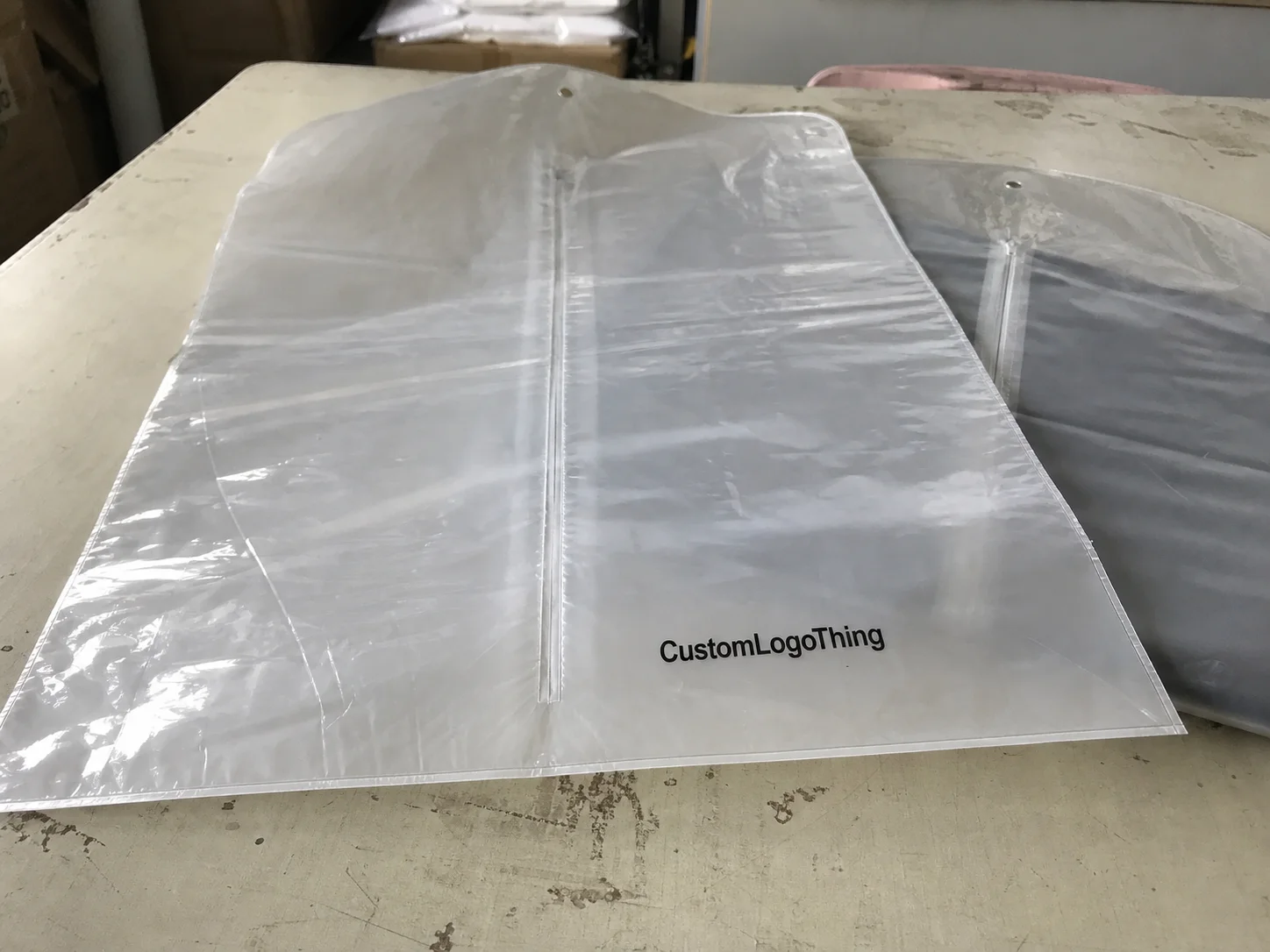
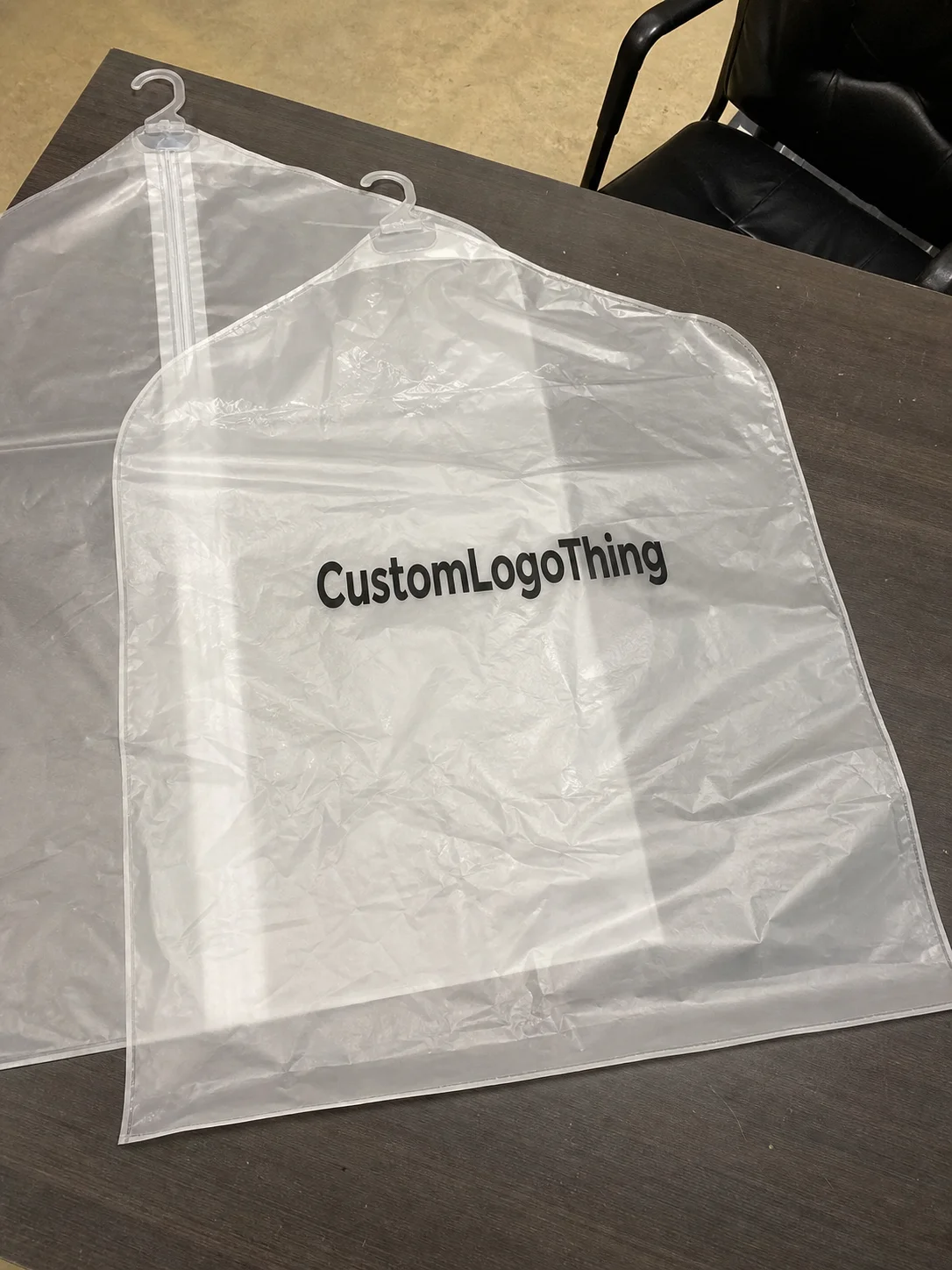
Buyer Fit Snapshot
| Best fit | Opaque Poly Mailers for Privacy projects where brand print, material claims, artwork control, MOQ, and repeat-order consistency need to be specified before quoting. |
|---|---|
| Quote inputs | Share finished size, material target, print colors, finish, packing count, annual reorder estimate, ship-to region, and any compliance wording. |
| Proofing check | Approve dieline scale, logo placement, barcode or warning zones, color tolerance, closure strength, and carton packing before bulk production. |
| Main risk | Vague material claims, crowded artwork, missing packing details, or unclear freight terms can make a low unit price expensive after revisions. |
Fast answer: Opaque Poly Mailers for Privacy: Production Spec, Color Control, and Delivery Risk should be specified like a repeatable production item. The safest quote records material, print method, finish, artwork proof, packing count, and reorder notes in one written spec.
Production checks before approval
Compare the actual filled-product size with the drawing, then confirm tolerance on folds, seals, hang holes, label areas, and retail display edges. Reserve space for logos, QR codes, warning copy, and material claims before decorative graphics fill the panel.
Quote comparison points
Review material grade, print process, finish, sampling route, tooling charges, carton quantity, and freight assumptions side by side. A quote is only useful when the supplier can repeat the same color, closure quality, and packing count on the next order.
I’ve watched buyers ruin a perfectly good shipment with the wrong bag, and the pattern is usually the same: the sample looks private on a table in an office, then the warehouse crew loads it under 4,000-lux dock lighting and the contents show through. One cosmetics client thought they were buying opaque poly mailers for privacy, then sent me a photo from their distribution center outside Dongguan, China, where the lipstick cartons were faintly visible through the film once the bag was stretched around a 140 x 220 mm carton. That kind of failure usually comes down to the wrong color, film thickness, or print coverage for opaque poly mailers for privacy.
I’m Sarah Chen. I spent 12 years in custom printing and packaging, and I’ve stood on factory floors in Shenzhen, Ningbo, and Huizhou arguing over pigment load, seal strength, and why a 60-micron bag was not doing anyone favors. If you ship apparel, supplements, cosmetics, documents, gifts, or subscription items, opaque poly mailers for privacy can save you from awkward leaks in transit and help your brand look more professional. They also keep nosy neighbors from seeing what’s inside, which customers appreciate more than they usually say out loud, especially when the parcel lands on a porch in a dense apartment block in Brooklyn or a front desk in downtown Chicago.
Privacy, though, is visual concealment, not anti-theft armor. Opaque poly mailers for privacy block view; they do not stop a blade, a forklift tine, or a determined thief. Different job. Different expectation. People mix those up all the time, then blame the mailer for not being a vault. I’ve had buyers look at me like I’d personally offended them when I said that, usually after they realized a 70-micron bag is not a security device and a $0.19 pouch should not be asked to perform like a steel box.
Opaque poly mailers for privacy: what they are and why brands use them
Opaque poly mailers for privacy are polyethylene shipping bags made to prevent someone from seeing the contents from the outside. The basic idea is simple: use a film, color, or printed surface that blocks light and hides whatever you packed inside. In practice, the difference between a solid-looking mailer and a semi-transparent one can come down to pigment quality and film thickness by a few microns, which is why a 50-micron bag from a factory in Yiwu can behave very differently from a 60-micron bag extruded in Wenzhou if the resin blend and color masterbatch are not controlled tightly.
Most buyers use opaque poly mailers for privacy for one of five reasons. They want to keep apparel or gift orders discreet. They need to reduce the chance that a branded box or product shape gives away the contents. They want to ship sensitive items like supplements, wellness products, or confidential documents without advertising what’s inside. They want a cleaner presentation than a plain clear bag. They just don’t want customers to feel exposed when the parcel lands on a porch or at a front desk in London, Toronto, or Singapore.
I’ve seen brands lose repeat orders because they shipped in thin, semi-clear bags that telegraphed everything. A subscription client in Austin once told me, “Our customers don’t want the whole apartment building to know what they ordered.” Fair point. That’s exactly where opaque poly mailers for privacy earn their keep. Honestly, I think that’s one of the most underrated parts of packaging: making the customer feel like their order belongs to them, not the neighborhood. For a brand selling a $38 skincare refill or a $24 wellness supplement pouch, that small feeling of discretion is worth more than most teams realize.
Here’s the quick difference between common mailer looks:
- Opaque mailers: designed to hide contents through color, ink coverage, or layered film, often using 50-90 micron polyethylene.
- Frosted mailers: soft translucent look; nicer visually, but usually not the strongest privacy option for high-contrast items like white cartons.
- Metallic mailers: shiny and attention-grabbing; can be opaque, but the look is louder and less subtle for discreet shipments.
- Printed mailers: privacy depends on print coverage and the base film beneath the design, especially when artwork leaves large uninked areas.
Typical use cases for opaque poly mailers for privacy include T-shirts, leggings, supplements, skincare, confidential paperwork, gift items, and certain subscription boxes. I’ve even seen boutique brands in Los Angeles and Milan use them for seasonal drops so the package feels discreet and premium at the same time. Not every brand needs a branded carton for a $28 hoodie. Sometimes a strong mailer does the job for $0.18 to $0.42 a unit, depending on quantity, film gauge, adhesive type, and print setup. And yes, I’ve had to talk more than one founder out of buying a box that cost more than the shirt inside it.
If you need broader packaging options beyond shipping bags, our Custom Packaging Products page is a good starting point. If your shipment stack is mostly soft goods, our Custom Poly Mailers category gives you a sense of what can be customized without blowing up your packaging budget. A stock order of 5,000 pieces might land around $0.15 to $0.22 per unit for simple opaque construction, while a more elaborate printed format can move closer to $0.28 to $0.45 depending on freight from Guangdong or Zhejiang.
One more thing. Opaque poly mailers for privacy are not only about hiding. They also shape perception. A matte black mailer with a crisp logo feels more controlled than a thin cloudy bag. Customers notice that difference in about two seconds, which is roughly the same amount of time it takes me to get annoyed by a sloppy sample. A well-built bag from a facility in Shenzhen or Ningbo, using a consistent ink pass and clean edge sealing, tells the customer the order was handled with care before they even open the flap.
How opaque poly mailers for privacy actually work
Opacity comes from a few mechanical things: pigment concentration, film thickness, layering, and how much light the material lets through. If you want opaque poly mailers for privacy to do their job well, the film has to block light even when it is stretched around a boxed item or folded around a stack of garments. That is where weak bags fail. They look fine flat. Then someone stuffs in a bulky order and suddenly the contents become visible around the gusset or seam, especially when the film drops below about 55 microns or the pigment load is inconsistent from one roll to the next.
Dark colors usually perform better because they absorb or block more light. Black, deep navy, and heavily pigmented white can be very private if the film is made properly. But “black” does not automatically mean “private.” I’ve rejected black samples from a factory in Foshan that were basically smoky gray once stretched to 15% elongation. That’s not opaque. That’s wishful thinking in bag form. A true privacy bag should stay visually closed even when a 12-inch apparel stack pushes against the sidewall.
True opacity also depends on construction. A single-layer 50-micron mailer can be enough for light apparel, but a dual-layer or higher-pigment film is often safer for high-contrast items like white tissue paper, bright labels, or neon packaging. If you ship black leggings in a black mailer, the job is easier. If you ship a white box with bold print, the mailer has to work harder. In our factory checks, I like to see at least 70 microns for those higher-contrast packs, especially if the shipment is going through hot hubs in Dubai, Miami, or Manila where film stretch becomes more obvious.
Print coverage matters too. A full-coverage exterior print can improve privacy because ink blocks light and masks the bag structure. That’s why some brands print their pattern edge to edge, even if the design looks simple. A solid field of ink can cover a lot of sins. It also gives your customer a cleaner brand image. On a typical custom run, a dense surface print can add $0.03 to $0.08 per unit, but it can also eliminate the see-through halo effect that happens when a light base film sits under sparse graphics.
Why the same bag can look private on a desk and fail in transit
I remember a factory visit in Dongguan where a buyer approved a sample under office lighting and declared it perfect. Then we took the same bag outside by the loading bay at 11 a.m., stuffed in a white apparel carton, and the outline showed through like a shadow puppet. Same bag. Different light. That is why I always test opaque poly mailers for privacy with the real product inside, under bright warehouse light and near a window, and if possible under a handheld light meter reading around 800 to 1,000 lux.
Stretch is another problem. Even if the center panel hides contents well, the side seams can thin out when overfilled. Overstuffing is the fastest way to ruin opaque poly mailers for privacy. You end up stressing the adhesive flap, pulling the film thin, and making the contents more visible right at the edges where people can see them from a distance. The number of times I’ve had to say “please stop forcing that extra hoodie in there” could probably fill a small warehouse in Shenzhen.
For high-discretion shipments, ask for a sample bag with your actual item packed inside. Not an empty swatch. Not a random T-shirt. Your real product. I once negotiated with a supplier in Wenzhou that swore their 70-micron film was “fully private.” We packed a glossy supplement bottle inside, held it up to a 1,000-lux light source, and the silhouette was obvious. The supplier changed the formula after that. Funny how samples tell the truth when a sales deck cannot.
That’s also where industry standards matter. If you are evaluating shipping performance, ask about ASTM testing for film strength and consider courier-related handling standards like ISTA methods for transit stress. The mailer itself is only part of the story. The rest is what happens in the back of a truck, under a conveyor, or during a sortation drop in Houston, Frankfurt, or Singapore. You can read more about packaging standards through the ISTA site and material guidance from the EPA.
Key factors that affect privacy, cost, and performance
Three things drive the buyer experience here: thickness, fit, and print build. If one of those is wrong, opaque poly mailers for privacy become less private, less durable, or more expensive than they need to be. Usually all three. Packaging problems enjoy company, apparently, especially when a team in New Jersey or Manchester tries to save $0.02 per unit and then pays $180 in rework and relabeling.
Thickness is the obvious starting point. Common film ranges vary a lot, but thicker films usually improve opacity and puncture resistance. A lightweight 50–60 micron bag may work for soft apparel, while 70–90 micron is often better for more rigid or higher-contrast products. I’m not giving you a fake universal number because it depends on what you ship. A satin blouse is not the same as a boxed serum, and I’ve learned the hard way that a “one spec fits all” plan is how you end up with complaints and a headache. If your factory says 350gsm C1S artboard on a carton can still show through a weak outer bag, believe them, because they are probably right.
Size fit matters more than most first-time buyers think. If the bag is too small, the film stretches and the privacy drops. If it is too big, the product moves around, and the package looks sloppy. In one client meeting, the buyer wanted to save $0.03 per piece by choosing a smaller mailer. We tried it. The result was a stretched top seam and a visible box edge. They spent more on replacements than they saved on packaging. Classic false economy. On a 10,000-piece order, that $0.03 “savings” can look like $300 until the return rate and reship labor turn it into a much larger bill.
Adhesive quality is the unsung hero. A good peel-and-seal strip should close cleanly and stay closed through sorting, tote movement, and final-mile handling. Tamper-evident adhesive can help if your priority is discreet delivery and obvious opening attempts. It does not make the parcel theft-proof. It just makes meddling more visible. A good adhesive on a 100 mm flap, made in a plant in Jiaxing or Xiamen, should still hold after a pressure test and a 24-hour rest period in a warm room around 35°C.
| Option | Typical unit cost | Privacy level | Best for |
|---|---|---|---|
| Plain stock opaque mailer | $0.10-$0.22 | Medium to high | Apparel, accessories, low-complexity shipments |
| Custom printed opaque mailer | $0.18-$0.45 | High if print coverage is strong | Branded e-commerce, subscription orders, retail fulfillment |
| Extra-thick opaque mailer | $0.22-$0.55 | High | Heavier items, high-value goods, rough handling routes |
| Frosted or lightly tinted mailer | $0.12-$0.30 | Low to medium | Presentation-focused shipments where full privacy is not critical |
Pricing for opaque poly mailers for privacy is shaped by more than the bag itself. Order quantity changes everything. At 5,000 pieces, you might pay $0.15 to $0.28 per unit for a simple stock-style opaque bag. At 20,000 pieces, the same spec can drop to $0.11 to $0.19, depending on freight, factory capacity, resin grade, and pigment formula. Add full-coverage print, and you can move up fast. Setup fees alone can run $80 to $250, which is why small orders feel expensive. The press people have to eat too, and so does the artwork prep team when the buyer sends a last-minute logo change in CMYK instead of vector EPS.
Finish and color change both privacy and perception. Matte black feels premium and hides fingerprints better. Glossy surfaces can look sharper but also show scuffs. Metallic surfaces can be opaque, but they are loud. If your brand sells discreet wellness products or private gifts, a quiet matte bag often makes more sense than a flashy reflective one. Honestly, I think glossy metallic mailers are overused for brands that want privacy and calm. They look like they are announcing something, which is not ideal if your parcel is supposed to be discreet.
Freight and warehousing also affect the final cost. A supplier quote at $0.21 per bag can turn into $0.27 landed once you add ocean freight from Shenzhen to Long Beach, customs brokerage, domestic delivery, and cartonizing. That is why I tell buyers to compare landed cost, not unit price. Unit price is cute. Landed cost pays the bills, and in a 12,000-piece order that difference can easily be $720 to $1,100 once everything is on the dock.
One more note on performance: if your operation runs hot warehouses or humid zones, test the adhesive at the actual receiving temperature. I’ve seen flap glue lose consistency on humid summer days because nobody checked storage conditions in July in Atlanta or Kuala Lumpur. The bag was private, sure, but useless if the seal popped before pickup. Nothing like watching an entire pallet of “finished” mailers start misbehaving because the air turned sticky and the release liner curled at the corner.
How do you choose opaque poly mailers for privacy?
Start with the product, not the mailer. I know that sounds obvious, but buyers skip it constantly. List the items you ship, their shapes, and how much discretion each one needs. A private medical supplement shipment needs more concealment than a branded tote bag. A gift order with a handwritten card needs more discretion than a basic T-shirt reorder. Opaque poly mailers for privacy are not one-size-fits-all, even if the sales rep says otherwise with a very confident smile and a quote that sounds better than it will land after freight from Ningbo.
- Map your shipment types. Group them into everyday, sensitive, and confidential.
- Measure packed dimensions. Use the final folded or boxed size, not the product alone.
- Choose opacity target. Decide whether you need visual concealment, brand presentation, or both.
- Request samples. Test opaque poly mailers for privacy with real products inside.
- Check the adhesive. Open, reseal, and stress-test the flap several times.
- Compare landed cost. Include freight, setup, carton packing, and sample charges.
- Pilot a real run. Ship at least 50 to 200 orders before committing to a large volume.
Sample testing is where most good decisions happen. I like to place the mailer under three lighting conditions: warehouse LED, daylight near a window, and bright outdoor light. If I can still make out the product silhouette in any of those, I push for a thicker film or more ink coverage. With opaque poly mailers for privacy, visual performance has to survive real handling, not just a pretty photo on a supplier sheet. The pretty photo is where things go to behave, usually right before reality walks in from the loading dock in 38°C heat.
Supplier quotes should be laid out side by side, with no fluff. I want size, thickness, color, adhesive type, carton count, freight terms, and reprint policy. If a supplier hides setup cost until after you approve artwork, that’s not transparency. That’s a sales tactic in a nicer shirt. A good quote for opaque poly mailers for privacy should tell you exactly where each dollar goes, including whether the quoted price is FOB Shenzhen, EXW Dongguan, or DDP to your warehouse in Dallas.
I also ask about proofing and lead times. A typical custom order might involve 1-2 days for artwork proofing, 3-5 days for sample confirmation, 10-18 business days for production, and another 5-21 days for shipping depending on route. If you want a more exact planning window, I usually see 12-15 business days from proof approval for a straightforward print job coming out of Guangdong, with ocean freight adding 18-28 days or air freight landing much faster at a premium. That may sound long if you’re used to click-and-buy stock inventory, but custom packaging has steps. The law of physics is still in charge.
For a cleaner process, create a tiny internal spec sheet. Include:
- Bag size in inches and millimeters
- Film thickness in microns or mils
- Color and finish
- Seal type
- Print coverage
- Allowed tolerance for sizing
That spec sheet becomes your guardrail. It also saves you from the dreaded “but the last order looked different” conversation. I’ve had that exact call, standing in a warehouse in Chicago with a buyer who swore the supplier changed the bag. They had. But the buyer had also changed the product size, which stretched the mailer by 12%. Small details. Big mess. A well-written spec with a tolerance of ±3 mm on width and ±5 mm on length can prevent a lot of midnight email chains.
Common mistakes buyers make with opaque poly mailers for privacy
The first mistake is trusting the photo. A black bag can look perfectly opaque online and still go semi-transparent when stretched over a rigid object. That is why opaque poly mailers for privacy must be tested with the actual pack-out, not a blank sheet or a single folded shirt. I’ve seen this fail on a sample table in Hangzhou, where the same bag looked solid until we packed a glossy carton and held it against a window.
The second mistake is choosing the wrong size. If you need a 10 x 14 inch bag and order a 9 x 13 to save a fraction of a cent, you are just buying future problems. The film stretches, the seam strains, the contents show through, and the bag may tear in transit. Privacy disappears exactly where your savings were supposed to be. A 9 x 13 bag might be fine for a thin tee, but it can turn into a visibility problem the moment a folded sweatshirt or a boxed serum enters the picture.
The third mistake is assuming all black mailers are equal. They are not. Pigment quality, film density, and extrusion control vary by supplier. I’ve seen a $0.02 difference in unit price turn into a 9% increase in customer complaints because the cheaper film let light through around the corners. A cheap mailer that causes one replacement is not cheap. It is a tax on your own mistake, and that tax hits harder when you ship 8,000 units from a factory in Zhejiang with no second-source backup.
The fourth mistake is ignoring adhesive performance. If your seal pops open, the package can shift, wrinkle, or show what’s inside. Worse, it creates a customer service headache. A mailer with a weak peel-and-seal strip is like a car with one working tire. It may move, but I would not bet your reputation on it. Ask for peel-force data if the supplier has it, and check whether the adhesive still holds after a 24-hour dwell in a warm room near 30°C.
The fifth mistake is approving a digital mockup and skipping samples. A mockup is an idea. A physical sample is reality. In one negotiation with a supplier in Guangdong, they sent me a beautiful proof with crisp black coverage. The actual run had a lighter black because they changed the ink batch to save $14 a carton on raw material. Yes, really. We caught it because we had a sample approval process. That saved a lot of angry emails and a replacement order that would have delayed launch by two weeks.
The sixth mistake is designing the outside so clearly that the privacy benefit is canceled. If you print “supplements,” “lingerie,” or a product-specific icon in giant letters across the bag, the mailer may still be opaque, but the package tells the story anyway. Privacy is not only about what can be seen through the film. It is also about what the graphics reveal. A bag can be technically opaque and still fail the privacy test if the artwork gives away the product category in a split second.
“The bag was technically opaque, but the label placement gave away the product category. We fixed that in one revision.” That was a client note from a beauty brand in Los Angeles that learned fast. Good lesson. Tiny print choices can destroy privacy faster than bad film, especially when the shipping label sits on a translucent area near the flap.
One more mistake: forgetting that opaque poly mailers for privacy still need functional shipping performance. If you choose a mailer so focused on privacy that it fails drop tests or puncture checks, you have solved one problem and created two more. Ask suppliers whether their bag has been checked against transit stress methods, and if they can share any relevant test data. Packaging.org has a good library of packaging education resources at packaging.org if you want a deeper standards baseline and examples of transit-focused evaluation.
Expert tips for better privacy, lower cost, and smoother operations
My first tip is simple: use the least expensive solution that still gives you real privacy. Sometimes a solid-color stock mailer is enough. Sometimes you need a custom printed bag with full coverage. Don’t overbuy because a salesperson made a shiny sample. Opaque poly mailers for privacy should fit your operation, not your fantasy mood board, and a $0.13 stock bag from a warehouse in Yiwu can be a smarter choice than a $0.31 custom piece if the graphics do not add operational value.
Second, negotiate on landed cost. I’ve seen buyers get excited about a quote that is $0.04 lower per unit, only to find freight was $380 higher and setup fees were hidden in the artwork line. If you order 10,000 bags, that “cheaper” quote can quietly cost you more than $700 extra. I would rather pay the honest supplier $0.02 more than play invoice detective later. Ask for EXW, FOB, and DDP pricing side by side so you can see what the bag truly costs once it reaches your warehouse in Orlando, Dublin, or Melbourne.
Third, ask for a light-block test or opacity spec. Good suppliers can often tell you whether the film passes their internal check under standard light conditions. If they cannot explain how they evaluate opaque poly mailers for privacy, that is a signal. Not a good one. Ask for a sample with your product inside. If they hesitate, ask why. Twice. A real factory should be able to describe their QC process, whether that is a visual inspection under 6500K lighting or a film test after extrusion.
Fourth, keep two mailer SKUs if your business justifies it. I’ve seen brands do well with a standard opaque mailer for normal apparel orders and a thicker, more private version for confidential or premium shipments. That lets you control cost without forcing every order into the most expensive bag. A $0.13 mailer for everyday items and a $0.24 mailer for sensitive orders can be a smart split, especially if the premium SKU also uses a stronger 100 mm adhesive flap and a darker masterbatch.
Fifth, test under real light. Warehouse LEDs, daylight, and porch lighting can produce different results. I once visited a fulfillment center in New Jersey where a bag passed in the dim packing area, then failed at the outbound table near a sunlit dock door. Opaque poly mailers for privacy should survive all three. If they only pass one lighting condition, they are not truly private enough. I like to say that a bag that only works under one lamp is not a packaging solution; it is a lucky accident.
Sixth, create a receiving checklist. It takes 90 seconds and saves hours later. Check opacity, seal strength, print consistency, carton count, and bag dimensions when the shipment arrives. If you find a problem on day one, the supplier can fix it while the order is still fresh. If you find it after 8,000 pieces are already in your warehouse, congratulations: you now own the problem, plus the storage cost, plus the customer complaints.
Here’s a simple comparison I often use with buyers weighing privacy against branding:
| Approach | Privacy | Brand impact | Cost | Operational note |
|---|---|---|---|---|
| Solid stock opaque bag | High | Low to medium | Lowest | Fast to source, limited customization |
| Custom printed opaque bag | High | High | Medium | Best balance for branded e-commerce |
| Extra-thick opaque bag | Very high | Low unless printed | Higher | Good for sensitive, high-value, or rough-handling shipments |
| Frosted or lightly tinted bag | Low to medium | Medium | Medium | Pretty, but not ideal where privacy is the main goal |
My honest opinion? Most brands need better sizing and better film more than they need fancy graphics. Opaque poly mailers for privacy work best when the packaging spec is disciplined. That means proper tolerance, proper thickness, proper seal, and no weird over-design that inflates cost by $0.05 to chase a look nobody asked for. I’ve seen so many teams spend hours debating foil sheen while ignoring the fact that the seam is too tight by 6 millimeters. That kind of thing makes me want to gently bang my head on a packing table.
Best next steps if you need opaque poly mailers for privacy
Start by sorting your shipping scenarios into three buckets: everyday orders, sensitive orders, and gift or confidential shipments. That gives you a real use case map instead of a vague “we need privacy” request. Opaque poly mailers for privacy are easier to buy once you know which orders need the strongest concealment, whether that is a 50-micron bag for soft goods or a 90-micron version for higher-discretion packs.
Then request at least two samples from two suppliers. Put your actual product in each one. Test the adhesive, check the seams, and hold the bag under strong light. If you can still identify the contents at arm’s length, the bag is not ready. If it holds up, great. Now you have a reference point instead of a guess. I like that kind of boring certainty; it saves a lot of expensive drama later, especially when the source factory is 8,000 miles away and the next shipment needs to leave within two weeks.
Compare price, lead time, and minimum order quantity side by side. One supplier might quote $0.17 per unit with a 10,000-piece minimum and 18 business days production. Another might quote $0.23 per unit with a 3,000-piece minimum and 12 business days production. There is no universal winner. The right choice depends on cash flow, storage space, and how fast you need stock. If you need a custom print run from proof approval to ready cartons, a realistic planning window is usually 12-15 business days for production in Guangdong, plus freight time that may add another 7-25 days depending on the lane.
Create a short spec sheet with your final requirements. Keep it boring and specific:
- Size
- Color
- Thickness
- Seal type
- Print coverage
- Target privacy level
- Allowed unit cost
Run a pilot batch. Fifty to two hundred orders is usually enough to catch the big issues. Watch for customer complaints, packing slowdowns, wrinkles, popping seals, and visibility problems. If the bag passes, lock the spec and keep a backup supplier on file. If it fails, fix the spec before you place the larger order. That is cheaper than discovering the problem after a truckload arrives. A small pilot in a single fulfillment center in Phoenix or Rotterdam can reveal more than a dozen email threads ever will.
I’ve seen good packaging decisions save brands real money. One client cut damage-related reships by 14% after switching to a thicker, better-fitting opaque mailer and improving their seal spec. Another reduced customer complaints on discreet orders simply by moving from frosted bags to true opaque poly mailers for privacy. That kind of result is not glamorous. It is just competent packaging. Which, frankly, is rarer than it should be.
If you want a custom packaging partner that understands the difference between a pretty sample and a shipment-ready bag, Custom Logo Things can help you compare options, mock up art, and Choose the Right format for your products. I’ve spent enough time in factories in Shenzhen, Dongguan, and Ningbo to know the small details are usually the ones that save the big headaches.
And yes, I still tell buyers the same thing I said years ago on a noisy production floor while a line operator waited for approval: opaque poly mailers for privacy are only good if they stay opaque in the real world. Not just in a photo. Not just in a quote. In actual shipping, under actual light, with actual products inside. That is the standard I use, whether the order is 3,000 units or 30,000.
Are opaque poly mailers for privacy fully see-through resistant?
They are designed to block visual identification of contents, but no bag is magic if it is overfilled or stretched too tightly. Thicker film, darker pigmentation, and full-coverage printing improve privacy the most. For maximum discretion, test the actual product inside the bag under bright light before buying in bulk, ideally using your real pack-out at the same 30% to 40% fill level your warehouse team will use every day.
How much do opaque poly mailers for privacy usually cost?
Plain opaque mailers are usually the lowest-cost option, while custom printed or thicker versions cost more per unit. A simple run of 5,000 pieces might come in around $0.15 to $0.22 per bag, while a custom printed version can move closer to $0.18 to $0.45 depending on size, thickness, print coverage, adhesive quality, order volume, and freight from the factory. Always compare landed cost, not just unit price, because shipping and setup fees can change the real number fast.
What thickness is best for privacy mailers?
There is no single perfect thickness, but thicker film usually gives better opacity and durability. If you ship soft apparel, a moderate thickness around 50-60 microns may be enough; for high-contrast items, I usually recommend 70-90 microns and a real sample test. Ask the supplier for samples with your real product so you can see whether the film hides the contents properly under daylight, warehouse LEDs, and porch lighting.
How long does it take to get custom opaque poly mailers for privacy made?
Timeline usually depends on proof approval, production queue, and freight method. For a standard custom order, production is often 12-15 business days from proof approval when the artwork is ready and the factory in Guangdong has materials on hand. Add a few days for proofing and sample sign-off, then freight based on your route. Always confirm the full process timeline before payment so you know when samples, production, and delivery will happen.
Can I use opaque poly mailers for privacy for branded shipments?
Yes, and that is often the sweet spot: privacy outside, brand impact on the surface. Use solid colors, subtle logos, or full-coverage prints if you want privacy without advertising the contents. Just avoid designs that clearly signal the product type if discretion matters to your customer base, and if you can, keep the artwork within a clean edge-to-edge layout so the bag still reads as private from a few feet away.