A test launch can fail before the product does if the packaging looks provisional or merchandises poorly. That is why opp header Bags Low MOQ Custom Order options matter. They let buyers get a retail-ready hanging format without committing to quantities better suited to proven SKUs.
This format fits common small-run needs across socks, cosmetics minis, jewelry sets, phone accessories, craft kits, and event merchandise. Most buyers are trying to balance three things at once: branded presentation, workable minimums, and a lead time that still supports launch.
For lightweight goods, header bags solve a simple problem efficiently. The clear bag keeps the product visible, while the header carries the logo, barcode, instructions, warnings, ingredients, or other retail information. If you are comparing options across Custom Packaging Products or validating demand before larger Wholesale Programs, the practical questions are specs, cost, MOQ, lead time, decoration, and inspection.
Small-run packaging wins when shelf impact matters more than volume
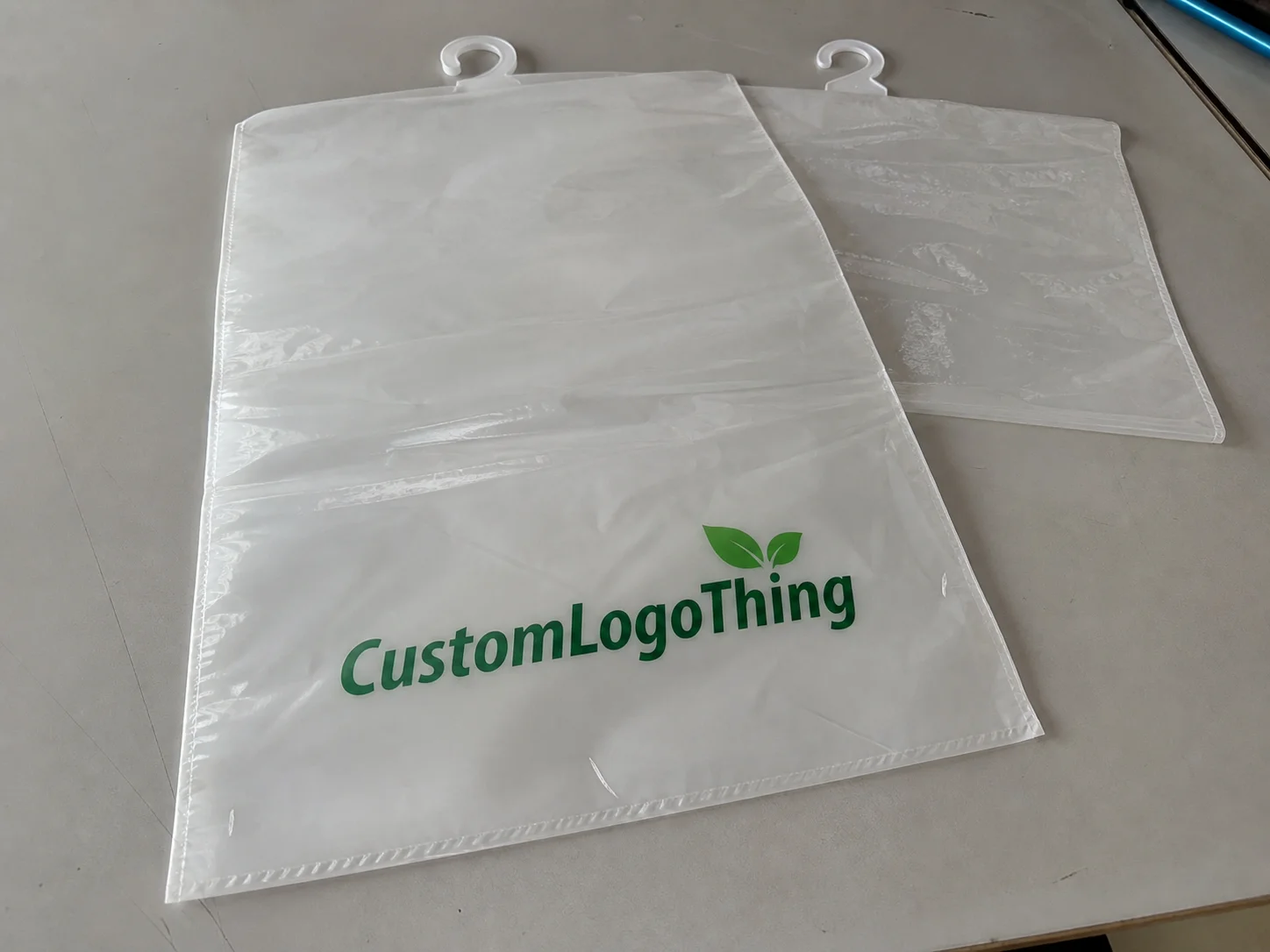
Small-run packaging works best when the item needs to look retail-ready but demand is still uncertain. That usually includes new SKUs, seasonal bundles, limited retailer tests, event-only assortments, and pilot programs.
A lower MOQ reduces the risk of obsolete packaging if the product, copy, or barcode changes after launch. It also preserves cash for inventory and freight instead of tying it up in packaging stock. If the item sells, the next order can move into a better cost bracket. If it does not, the overbuy is limited.
Typical uses include:
- Cosmetic samples and mini kits
- Socks, hair accessories, and lightweight apparel add-ons
- Craft beads, stickers, and stationery sets
- Jewelry cards and charm packs
- Phone cables, grips, and small electronics accessories
- Promotional items and event giveaways
- Some food-adjacent or overwrapped items, provided food-contact suitability and labeling are confirmed first
The main value of a smaller run is flexibility. You can revise artwork, change a barcode zone, adjust film gauge, or modify closure style after a real market test instead of after 20,000 pieces are already produced.
What custom OPP header bags do better than plain poly bags
A custom OPP header bag is a clear oriented polypropylene bag with a printed folded header card. The bag may be top-loading or side-loading, and the header is attached during assembly.
OPP is commonly chosen for clarity and stiffness. Compared with basic polyethylene bags, it usually looks crisper on a peg and presents the actual product more cleanly.
Compared with common alternatives:
- Plain LDPE bags: usually cheaper and softer, but often less polished for retail display.
- Generic bags with added paper toppers: workable for very small craft runs, though alignment and finish can vary.
- Fully printed pouches: offer more branding area, but often require more setup and may be unnecessary for simple hanging products.
For small accessories, the format is effective because shoppers can see the item while the header delivers branding and selling information at eye level. It also supports standard peg merchandising through euro holes or round hang holes.
There are limits. Thin OPP can split if the contents have sharp corners, overfilled bags can stress seams, and weak header board can curl in shipment. The structure has to match the product, packing method, and shipping route. When distribution is rough, transport guidance from ISTA can help frame testing expectations.
Practical rule: if the item is light, visible, and intended for peg display, a header bag usually looks sharper and merchandises better than a plain loose poly bag.
OPP header bags low MOQ custom order specs buyers should confirm first
If you want a useful quote, start with dimensions and structure. Most problems in an opp header Bags Low MOQ Custom Order begin with incomplete specs, not production.
Core dimensions and structure
Buyers should confirm these points before asking for pricing:
- Bag width
- Usable bag length below the header
- Header fold depth
- Film thickness in microns or mil
- Top-loading or side-loading format
- Adhesive strip position if resealable
- Hang hole type, usually euro hole or round hole
For many lightweight accessories, film often falls in the 30 to 40 micron range. Heavier, bulkier, or sharper products may need 40 to 50 microns or other reinforcement. A lower gauge can look attractive on a quote and fail during loading or transit.
Material and finish choices
The bag body is usually clear gloss OPP. Some products may require vent holes or anti-static consideration. Food-related applications require explicit confirmation of material suitability and labeling before artwork approval. If paper sourcing claims matter on the header, buyers often ask about board options aligned with FSC standards.
Header print variables
The header does most of the communication work. Common options include:
- CMYK full-color printing
- Spot color matching for logos
- Single-sided or double-sided print
- Gloss or matte lamination
- Barcode zone placement
- Instructions, ingredients, warnings, or compliance copy
Card stock affects performance. A common range is 250gsm to 350gsm depending on bag size and hanging weight. Lighter stock may reduce cost, but larger bags or heavier contents usually hold shape better with a firmer board.
Sizing checklist buyers should use
- Measure the product width, height, and thickness.
- Add the dimensions of any insert card, tray, or backing card.
- Allow room for loading and slight movement.
- Add seam allowance and closure space.
- Separate the header fold depth from the visible bag area.
The most common sizing mistakes are measuring only the product, forgetting the insert, underestimating thickness, and treating header depth as usable display area. If the item is irregular, a photo beside a ruler or a physical sample usually improves the fit decision faster than a written description.
Pricing, MOQ, and unit cost: what changes your quote most
The lowest unit price is not always the lowest total cost. A larger run may save a few cents per piece while increasing storage needs, tying up cash, and creating obsolete packaging risk if the SKU changes. For many launches, a smaller custom run is the safer financial choice.
The biggest quote drivers are usually:
- Bag dimensions
- Film gauge
- Header card stock and finish
- Print coverage and color method
- Number of SKUs or artwork versions
- Hang hole style
- Packing format and carton count
- Freight destination and shipping mode
Artwork complexity can shift pricing quickly. A simple design with one logo and one barcode is straightforward. Multiple SKU versions with separate barcodes, legal copy changes, or language variants add setup work, and those setup costs are more visible on low-volume orders.
| Order Scenario | Typical Quantity | Estimated Unit Range | Best For |
|---|---|---|---|
| Starter test run | 1,000-3,000 pcs | $0.18-$0.38 | Launches, events, retailer sampling |
| Growth run | 5,000-10,000 pcs | $0.11-$0.24 | Regional sales and repeat SKUs |
| Scaled repeat order | 20,000+ pcs | $0.07-$0.16 | Established programs with stable artwork |
These ranges are directional. Larger sizes, thicker film, laminated double-sided headers, and split-SKU packing can push pricing higher. Freight can also distort comparisons, especially when carton cube increases.
Shipping economics matter more than many buyers expect. Larger bags increase carton volume, thicker headers reduce pack density, and multiple SKUs packed separately can raise freight per unit. In some cases, standardizing dimensions across related SKUs improves total landed cost more than cutting film thickness.
For a faster quote, send:
- Target quantity tiers, ideally three options
- Exact finished size
- Product photo or sample reference
- Artwork files in vector format if available
- Use case and retail display requirement
- Ship-to ZIP code or destination country
- Required in-hands date
Artwork approval process and lead time from quote to delivery
Fast turnaround comes from clear inputs, not from rushing production. The usual sequence is:
- Inquiry and specification review
- Quotation
- Dieline or layout template issue
- Artwork submission
- Digital proof
- Revision round if needed
- Production approval
- Manufacturing
- Packing and shipment
For many low-volume custom runs, production takes about 12 to 15 business days after final proof approval, plus shipping time. Fully custom sizes, multiple SKUs, lamination, or repeated proof changes can extend that schedule.
Lead time usually shifts most based on:
- Whether the dimensions are standard or fully custom
- How complete the submitted artwork is
- The number of proof revisions
- Print method and finishing steps
- The chosen freight mode
Digital proofing is mainly for layout, text, structure, and barcode placement, not perfect color matching. If logo color tolerance is strict, that needs to be discussed early. Barcode placement also deserves close review because poor contrast or inadequate quiet zones can create scan problems in receiving or retail.
The most common delay points are missing bleed or trim setup, low-resolution barcode files, late compliance copy, dimension changes after proof approval, and late freight decisions. If fit is uncertain, a pre-production sample or physical size check is usually worth the extra time. For more ordering basics, the site FAQ can help, though timing still depends on spec quality and approvals.
Production controls that reduce rework on small custom bag runs
Small runs leave less room for error, so front-end checks matter. Dimensions should be reviewed against the actual packed product, film thickness should match weight and corners, and the header layout should be checked for legibility and workable barcode placement.
Front-end checks that protect the order
- Dimensional review before approval
- Artwork checkpoint against dieline requirements
- Material recommendation based on product weight and shape
- Barcode and text legibility review for retail use
- Header-to-bag alignment review
Version control is as important as print quality. On multi-SKU programs, the wrong barcode, warning statement, scent name, or color reference can be more serious than a cosmetic defect. Clean file naming and clear approval records reduce that risk.
Packing details matter too. If a retailer or distributor requires specific carton marks, inner-pack counts, or SKU separation, those instructions should be set before production packing begins. These details affect receiving speed and error rates.
There is also a practical scaling path: start with a low-MOQ run, correct fit or artwork issues after the first market test, then move into larger quantities once the structure is stable. That usually produces better economics than committing to a large order too early. It can also create a cleaner bridge into related formats such as custom printed boxes if the line expands.
Better small-run packaging is rarely about hype. It usually comes down to getting size, print, fit, and carton handling right before those details become expensive.
Next steps to place the right order without overbuying
To keep the buying process efficient, gather the hard facts first. Measure the product, confirm packed thickness, decide whether the closure should be permanent or resealable, confirm hang-hole style, and prepare the header copy, barcode data, warnings, and deadline.
A useful RFQ usually includes:
- Product dimensions and weight
- Photo of the product or packed sample reference
- Desired bag width and usable length
- Header size and hang-hole preference
- Film thickness if known, or a request for recommendation
- Artwork files and copy blocks
- Two or three quantity tiers
- Ship-to location and required delivery window
Requesting multiple quantity tiers helps compare total spend against inventory risk. A 3,000-piece run may suit a pilot, while a larger run may improve piece price but increase exposure if the SKU changes.
Ask for the dieline early. Verify whether the product needs venting, anti-static treatment, warning text, or retail compliance language. If the item has an unusual profile, send a photo with a scale reference so the structure review is based on something concrete.
If shelf presentation matters and demand is still being validated, this format is often the most practical balance of branding, speed, and inventory control. Get the bag size, header layout, and quantity plan right at the start, and the project usually moves with fewer corrections and fewer expensive surprises.
Frequently asked questions
What is the usual MOQ for an OPP header bags low MOQ custom order?
MOQ depends on size, print method, and header complexity rather than one universal number. Low-volume custom runs are common for pilot launches, retailer tests, and sampling programs. The better approach is to request two or three quantity tiers and compare total spend, freight, and inventory risk before choosing a run size.
How do I choose the right size for custom OPP header bags?
Measure the product width, height, and thickness, then add room for inserts, seams, closure space, and loading clearance. Treat the header fold separately from the usable bag area. If the item has sharp edges, layered components, or an irregular shape, share a photo or sample reference so the bag is not undersized.
What affects pricing on a custom low MOQ OPP header bag order most?
The main cost drivers are dimensions, film thickness, header card stock, print coverage, quantity, and the number of artwork versions. Freight can shift the final landed cost significantly, especially on larger bags or split-SKU shipments.
How long does an opp header bags low moq custom order usually take?
Many small custom runs fall around 12 to 15 business days in production after final proof approval, plus shipping time. Orders move faster when vector artwork, barcode data, dimensions, and quantity tiers are submitted upfront. Late copy changes and dimension revisions are among the most common causes of delay.
Can custom OPP header bags include barcodes, warnings, and retail display features?
Yes. Headers can usually include logos, barcode zones, instructions, warnings, ingredients, and compliance text. Common display features include euro holes, round hang holes, and either resealable or permanent closures. Barcode contrast and placement should be reviewed carefully during proofing to protect scan reliability.


