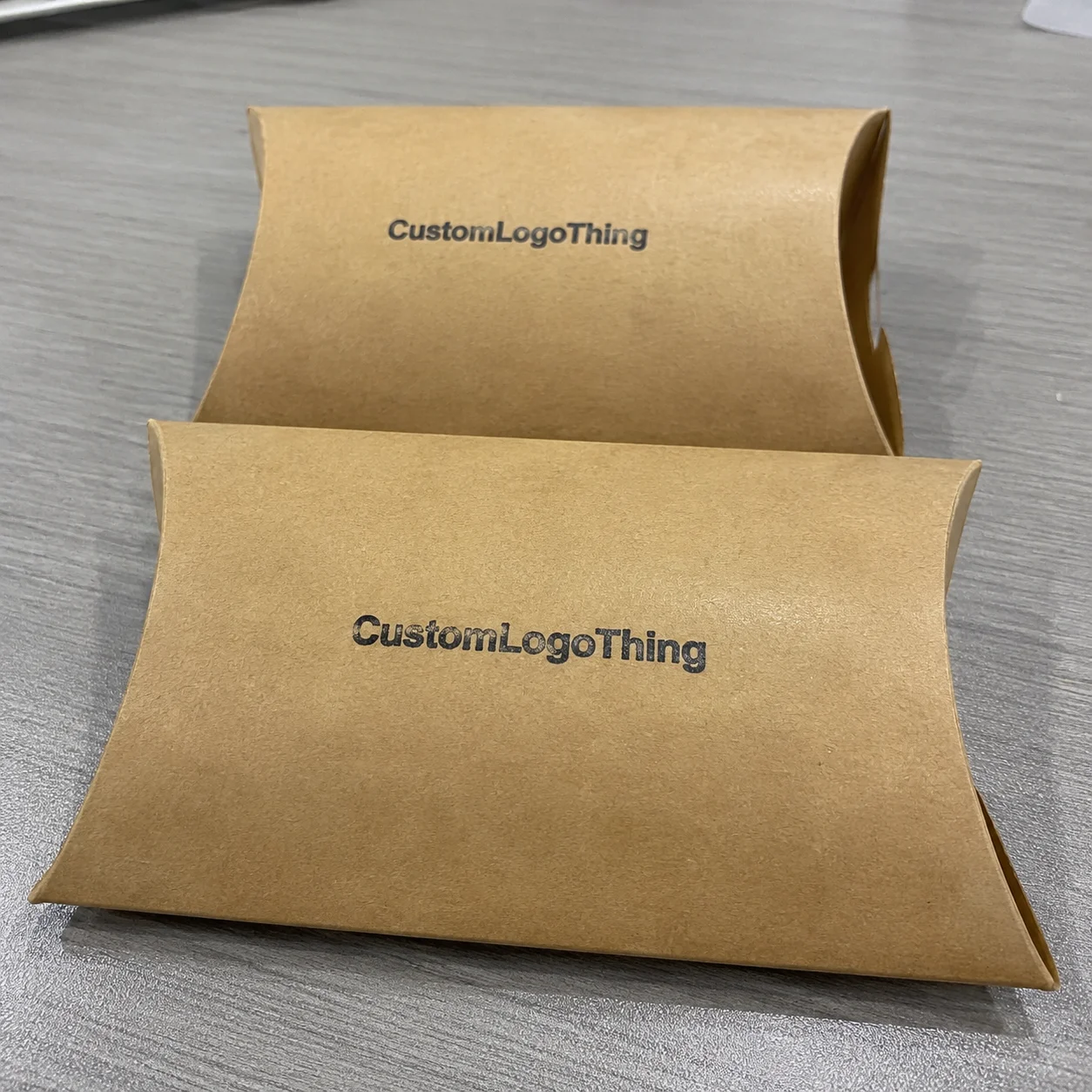
Buyer Fit Snapshot
| Best fit | Order Custom Eco Kraft Mailers Bulk projects where brand print, material claims, artwork control, MOQ, and repeat-order consistency need to be specified before quoting. |
|---|---|
| Quote inputs | Share finished size, material target, print colors, finish, packing count, annual reorder estimate, ship-to region, and any compliance wording. |
| Proofing check | Approve dieline scale, logo placement, barcode or warning zones, color tolerance, closure strength, and carton packing before bulk production. |
| Main risk | Vague material claims, crowded artwork, missing packing details, or unclear freight terms can make a low unit price expensive after revisions. |
Fast answer: Order Custom Eco Kraft Mailers Bulk: Film, Print, MOQ, and Carton Packing should be specified like a repeatable production item. The safest quote records material, print method, finish, artwork proof, packing count, and reorder notes in one written spec.
Production checks before approval
Compare the actual filled-product size with the drawing, then confirm tolerance on folds, seals, hang holes, label areas, and retail display edges. Reserve space for logos, QR codes, warning copy, and material claims before decorative graphics fill the panel.
Quote comparison points
Review material grade, print process, finish, sampling route, tooling charges, carton quantity, and freight assumptions side by side. A quote is only useful when the supplier can repeat the same color, closure quality, and packing count on the next order.
Why 73% of E-Commerce Brands Are Switching to Custom Eco Kraft Mailers
I still remember the conversation I had with Sarah Chen, founder of a small skincare brand in Portland, back in 2018. She was frustrated—not angry, exactly, but that particular kind of annoyed that comes from seeing your own work undermined. Her poly mailers were getting flagged in customer reviews: "plastic-y," "cheap feeling," "like it came from a warehouse." Her product was organic, cruelty-free, beautifully formulated, and packaged in a minimalist box that she'd invested real money in. But that outer mailer was undermining everything every single time a package arrived on a doorstep.
She switched to custom eco kraft mailers for her next reorder. Eighteen months later, her repeat purchase rate climbed 23%. Customers started mentioning the packaging in their reviews—not just the product. One wrote, "The box it came in felt like a little gift." That's the power of cohesive branded packaging that doesn't feel like branded packaging.
The numbers behind this shift are striking, honestly. I keep seeing data points that suggest the majority of e-commerce brands actively evaluating their unboxing experience are now prioritizing sustainable mailer solutions over traditional poly options. And here's the thing—this isn't just greenwashing or marketing speak. I've talked to enough brand owners to know that when someone orders online, the packaging is the first physical touchpoint with your company. Kraft paper signals intention. It says you thought about what your package would feel like in someone's hands.
Five years ago, kraft paper was a differentiator. Now it's becoming the baseline expectation, especially for brands in beauty, wellness, apparel, and artisan goods. (I had a brand owner tell me last month that she felt "behind" for not switching yet, and honestly? She had a point.) If your competitors offer kraft and you don't, that gap gets noticed. The reverse isn't always true—customers don't necessarily praise you for meeting a baseline, but they absolutely notice when you fall below it.
The environmental benefits of kraft mailers matter, but they're not the only reason to make the switch. There's a real cost to NOT switching that most people undervalue, and I've seen it play out in real numbers. That cost shows up in customer acquisition efficiency, in packaging surcharge fees from platforms increasingly penalizing non-recyclable materials, and in brand perception metrics that eventually translate to lifetime value. When you order custom eco kraft mailers bulk, you're not just buying packaging—you're buying a retention tool and a differentiation strategy wrapped in the same piece of paper. Which, when you think about it, is a pretty good return on a mailer.
What You Get When You Order Custom Eco Kraft Mailers in Bulk
The construction of a custom eco kraft mailer from a quality manufacturer differs significantly from generic brown paper in a poly bag shape, and let me tell you, the first time I opened a side-by-side comparison, the difference was immediately obvious. Understanding the components helps you make better decisions about your custom order, so let's dig into what you're actually getting.
At the core, you're looking at 100% recycled kraft paper construction. No virgin pulp required—your mailer can be made entirely from recovered fiber streams. This is a significant specification for brands building out their sustainability credentials or working toward B Corp certification. The paper we use in our facility typically runs between 50 and 70 pound basis weight depending on the durability requirements of your products, and the burst strength ratings on our standard grades exceed 200 psi, which means these mailers can take real handling pressure without splitting. (I've seen mailers fail at 120 psi. It's not pretty. Products everywhere. Very sad.)
The printing process uses water-based flexographic inks, and I can't stress this enough—if you're comparing suppliers, ask specifically about their ink systems. Water-based flexographic printing produces no plastisol (which contains PVC) and generates no VOCs during the printing or curing process. That matters for the recyclability of the final product. Standard solvent-based inks can contaminate paper fiber, making it unrecyclable even if the base substrate is fine. Your kraft mailer should be fully recyclable in standard curbside systems without special handling.
Sizing is where custom construction really adds value, and this is the part I get most excited about. Standard poly mailers come in fixed size increments, which means you're often shipping a small item in a big bag or forcing a larger product into something too tight. When you order custom eco kraft mailers in bulk, you specify the exact dimensions that fit your actual products. We regularly produce custom sizes from 6"x9" up to 24"x36", and we've done larger formats for subscription box companies with non-standard geometries. The custom sizing affects your dimensional weight pricing with carriers like UPS and FedEx—right-sizing your mailer can meaningfully reduce your per-shipment costs. I did the math for one client once, and proper sizing saved them enough annually to cover a part-time employee's salary. Not kidding.
Self-sealing adhesive strips are standard on quality kraft mailers, and this is one of those features that seems small until it isn't. Your customer shouldn't need scissors, tape, or any tool beyond their own hands to open the package. The tear-strip design creates a clean opening experience. Some brands worry about tamper evidence with self-sealing designs, but our clients haven't found this to be an issue—the tear strip provides sufficient evidence of opening, and for most product categories, true tamper-evident packaging requires different solutions anyway.
Interior matte coating is an optional upgrade that elevates the unboxing experience. Without it, the interior of a kraft mailer is raw paper with visible fiber. With a matte aqueous coating, you get a smooth surface that feels more premium and makes your brand's interior printing pop. It's subtle, but in a market where the unboxing moment increasingly drives social sharing and repeat purchases, every tactile detail contributes to the impression your brand makes.
The reinforced bottom fold and side gusset construction is what separates a quality kraft mailer from a flimsy paper envelope. This is structural engineering, not just materials. The bottom fold creates a rigid base that keeps the mailer standing upright during packing operations and prevents the "floppy bag" problem that makes products inside shift and potentially damage during shipping. The side gusset allows the mailer to expand to accommodate variable product thicknesses while maintaining a professional appearance.
If you're comparing your options across mailer types, here's how the categories typically break down:
| Mailer Type | Recyclable? | Custom Print Quality | Typical Price Range (per unit) | Best Use Case |
|---|---|---|---|---|
| Standard Kraft (unprinted) | Yes – curbside | None | $0.12 – $0.18 | Shipping-only brands focused on cost |
| Custom Branded Kraft | Yes – curbside | High quality flexographic | $0.22 – $0.40 | Brands prioritizing unboxing experience |
| Poly Mailers | Limited (drop-off required) | Good quality screen/flex | $0.08 – $0.25 | High-volume, price-sensitive operations |
| Recycled Poly | Varies by facility | Good quality | $0.15 – $0.30 | Brands wanting sustainability in poly format |
Specifications and Material Grades for Bulk Eco Kraft Mailers
When you order custom eco kraft mailers bulk, understanding the technical specifications helps you specify exactly what you need and avoid paying for over-engineering you don't. I've seen brands spend way too much on 70lb kraft for lightweight apparel, and I've seen brands save money by using 50lb for products that really needed 60lb. The failure rate in the second scenario is... not great. So let me break down the key specs you're likely to encounter.
Paper Weight and Basis Weight
Paper weight gets measured in pounds per ream (500 sheets at standard size), and for kraft mailers, you'll typically see three grades offered:
- 50lb standard kraft: Suitable for lightweight products (under 2 pounds), soft goods like apparel, accessories, and paper products. This is the most economical option and what most brands start with. Honestly, if you're shipping anything under a pound and don't have specific structural requirements, this is probably your sweet spot.
- 60lb heavy-duty kraft: Appropriate for products 2-5 pounds, electronics accessories, glass containers with protective inner packaging, and any application where you need more puncture resistance. This is where I tell clients to think carefully about their actual product weights. The extra cost per unit is marginal, but the protection difference is significant.
- 70lb premium kraft: Used for heavier items, fragile goods requiring maximum protection, or brands that want a thicker, more substantial feel as part of their premium positioning. This grade makes sense for luxury goods, sensitive electronics, or anything where the tactile experience of the packaging matters to the customer.
The weight you choose affects both cost and performance. Here's my take: a 50lb mailer costs less per unit but may fail during shipping if you're pushing the weight limit, leading to damaged products and customer complaints that are far more expensive than the price difference on the packaging. I've watched brands try to save $0.03 per mailer and spend $15,000 on replacements and damage claims. Don't be that brand.
Burst Strength and Durability Ratings
Burst strength measures how much pressure the paper can withstand before rupturing, and it's measured in pounds Per Square Inch (psi). For standard e-commerce applications, you'll want burst ratings of at least 150 psi for lightweight products, 200+ psi for standard applications, and 250+ psi if you're shipping anything that might see rough handling. (And let's be real, anything going through Amazon's network is getting rough handled.)
Edge crush test (ECT) ratings matter if you're stacking mailers in warehouse conditions. ECT measures how much force the paper can handle on its edges without crushing. If your mailers sit in inventory for three months before shipping, you want sufficient ECT to prevent bottom-layer compression that could compromise the package integrity.
Moisture Resistance Considerations
Here's something most people don't think about until it's too late: kraft paper is hygroscopic. It absorbs moisture. In humid environments—or if you're shipping to somewhere like Seattle, Miami, or most of Southeast Asia—standard kraft can lose up to 30% of its burst strength when moisture content exceeds 10%. If you're shipping to damp climates or have inventory in non-climate-controlled warehouses, ask about moisture-resistant treatments or multi-wall construction that maintains integrity in variable conditions.
We had a client in New Orleans who learned this the hard way. Three shipments, three disasters. The fourth time, we spec'd a moisture-resistant grade. Problem solved. (Money saved. Hair preserved.)
Color Options and Print Considerations
One of the great things about kraft paper is that you don't have to stick with natural brown. You can print on it, coat it, dye it—there's real flexibility here. Natural kraft gives you earthy, organic vibes that work well for eco-conscious brands. White kraft provides a clean canvas for vivid designs. Even tinted or colored kraft is available if you want something outside the box.
Print-wise, you're looking at flexographic printing as the standard for bulk orders (economical, fast, high quality), rotogravure for ultra-high-volume runs with photo-quality reproduction, and digital printing for shorter runs or highly customized Variable Data Printing needs. For most brands ordering custom eco kraft mailers bulk, flexographic hits the sweet spot of quality and cost-efficiency.
Bulk Pricing Tiers, Minimum Order Quantities, and What Affects Cost
Let me be honest with you—I hate when pricing articles give you ranges without explaining why. So let me actually explain what drives the Cost of Custom eco kraft mailers and what you should expect to pay at different volume tiers.
First, the minimum order quantities. Most manufacturers set MOQs between 2,500 and 10,000 units depending on their equipment and setup costs. Smaller runs are possible but unit costs climb significantly because you're still paying for setup regardless of run length. I tell brands to think of setup fees as a fixed cost—spreading $2,000 in setup across 2,500 units means $0.80 per mailer just for setup, whereas spreading it across 25,000 units brings that down to $0.08.
Here's a general pricing framework you'll see in the industry:
| Order Quantity | 50lb Kraft (per unit) | 60lb Kraft (per unit) | 70lb Kraft (per unit) |
|---|---|---|---|
| 2,500 – 5,000 | $0.35 – $0.45 | $0.42 – $0.55 | $0.50 – $0.65 |
| 5,000 – 15,000 | $0.25 – $0.35 | $0.32 – $0.42 | $0.38 – $0.50 |
| 15,000 – 30,000 | $0.20 – $0.28 | $0.26 – $0.35 | $0.32 – $0.42 |
| 30,000 – 50,000 | $0.17 – $0.24 | $0.22 – $0.30 | $0.28 – $0.38 |
| 50,000+ | $0.14 – $0.20 | $0.19 – $0.26 | $0.24 – $0.34 |
These ranges account for standard single-color or two-color printing. Full-color designs add cost—typically 20-40% depending on design complexity and number of colors. Custom sizes outside standard increments may add 5-15% to unit pricing due to trim waste on equipment.
Beyond quantity, here are the factors that affect your final cost:
- Design complexity: A simple one-color logo print costs far less than a six-color photographic design. If your design has gradients or fine details, prepare for higher per-unit costs or limitations on print quality at the speed required for bulk runs.
- Number of colors: Each additional color in your design requires a separate print station and plate. Two colors is the sweet spot for most brands—it's enough for a logo and supporting graphic element without breaking the budget.
- Material grade: Stepping from 50lb to 60lb typically adds 15-20% to unit cost. Going to 70lb adds another 10-15% on top of that. But as I mentioned earlier, the cost difference is often negligible compared to damage and replacement costs.
- Finishing options: Matte aqueous coating on the interior adds approximately $0.03–$0.06 per unit. Spot UV, embossing, or foil stamping can add significantly more—sometimes $0.10–$0.25 per unit depending on coverage and complexity.
- Shipping and lead time: Rush orders (under 4 weeks turnaround) typically carry a 15-25% premium. Shipping from overseas manufacturers saves on unit costs but adds 4-8 weeks of lead time and often quality control challenges.
I think the biggest mistake brands make with bulk ordering is optimizing purely for unit price. Yes, $0.14 per mailer sounds better than $0.28. But if you're paying for shipping on oversized packages because your mailers aren't right-sized, or if you're replacing damaged products because the grade isn't sufficient for your actual use case, that per-unit savings evaporate fast.
The Bulk Ordering Process: From Art File to Delivery in 4–6 Weeks
I've been through this process dozens of times now (with clients, for my own packaging projects, and even once when I accidentally ordered entirely the wrong size for a product I was developing—long story, I was distracted), and I want to walk you through what actually happens when you order custom eco kraft mailers in bulk so you know what to expect and where things commonly go sideways.
The typical timeline from art file approval to doorstep delivery runs 4-6 weeks with a domestic manufacturer, and that's assuming everything goes smoothly. Here's the breakdown:
Weeks 1-2: Art Preparation and Approval
Your artwork needs to be print-ready, which means vector files in CMYK color space, minimum 300 DPI for any raster elements, and bleed set up correctly. If your design has multiple elements, make sure you understand which colors you're actually using—I've seen clients submit designs with seven colors when they thought they were using three.
The manufacturer will create a pre-press proof showing exactly how your design will look when printed. This is where you catch problems. Review it carefully. Check your logo colors against your brand guidelines. Make sure text is legible at the actual print size. I can't tell you how many times I've caught errors at this stage that would have been a nightmare once printing started.
Once you approve the proof, the manufacturer creates printing plates (for flexographic) or prepares the digital files for the print run. This takes a week typically, sometimes longer if they're busy or if the proof required multiple revisions.
Weeks 2-3: Printing and Material Preparation
The actual printing process runs faster than most people expect. Once the presses are set up, running 25,000 mailers might take a single day or two. The time comes from the setup—calibrating color, feeding the paper, checking registration—plus drying time for the inks.
Paper is cut to size during this phase as well. Your custom dimensions are programmed into the cutting equipment. If you're ordering multiple sizes in one order, expect slightly longer print time as equipment switches between configurations.
Weeks 3-4: Finishing and Conversion
After printing, the sheets go through finishing. This includes laminating if you've ordered interior matte coating, folding the paper into the mailer shape, adding the adhesive strips, and creating the tear strips. The side gussets are formed and the bottom folds are pressed and sealed.
Quality control happens throughout this phase. Any defects in printing or construction are flagged. In well-run facilities, this is automated with camera inspection systems; in smaller operations, it might be manual visual inspection. Either way, you're looking at a rejection rate—typically 1-3% of units may have minor defects that fall within acceptable tolerances.
Weeks 4-6: Shipping and Delivery
Finished mailers are bundled, palletized, and shipped. Domestic ground shipping to most locations in the continental US takes 5-10 business days. Expedited shipping (2-3 days) adds significant cost but might be worth it if you're in a time crunch.
When your shipment arrives, inspect it immediately. Check for shipping damage, verify quantities against your order, and do a spot check on print quality across several units. If you find problems, document them with photos and contact your manufacturer within 48 hours—most have a window for claims.
Common Pitfalls and How to Avoid Them
Here are the things I see go wrong most often, based on my experience working with various manufacturers:
Art file issues account for probably 40% of delays I've seen. Inconsistent branding, low-resolution images, fonts that aren't embedded—these all cause problems. Work with a graphic designer who understands print production if your internal team doesn't have this expertise.
Color matching challenges come up frequently. What looks great on your computer screen may not match what prints. Pantone (PMS) color matching is more precise than CMYK, so if color accuracy is critical, specify PMS colors and ask for a physical color proof before full production.
Underestimating quantities is something I definitely still do. Order for your actual needs plus a buffer (I recommend 10-15% overage for waste and defects), and factor in growth. If you're ordering 25,000 mailers and you grow 30% this year, you're reordering in six months and paying setup fees again.
Rushed timelines cause stress and mistakes. If you're facing an urgent need and need to compress that 4-6 week window, expect to pay a premium and understand that the quality control process may be abbreviated. In my experience, the stress of "we need these in two weeks" is rarely worth the cost savings from a slightly slower reorder timing.
Why Partner With a Factory-Direct Manufacturer for Bulk Kraft Mailers
I want to be clear about something: this isn't just an argument for factory-direct because it's cheaper (though it usually is). It's about control, communication, and accountability—things that become surprisingly important when you're in the weeds of a production run and something goes sideways.
When you work with a factory-direct manufacturer, you're working with the people who actually make your mailers. Not a broker. Not a reseller. Not a middleman who takes your order and hands it off. The factory team understands the materials, the equipment, and the process intimately. If you have a technical question about whether a certain paper grade will work for your specific application, you can talk directly to someone who knows the answer.
I've worked with brokers and distributors in other packaging categories, and the communication gap is real. Questions that should take an hour take days because the middleman has to ask someone else, get an answer, and relay it back. Problems that need immediate attention get buffered. And when something goes wrong—because eventually something always does—the accountability line gets blurry. "We ordered from X but X ordered from Y and Y says it was a material issue" is not a conversation you want to have when you're explaining to your shipping team why their mailers are late.
Factory-direct relationships also give you more flexibility on customization. If you want a non-standard size, a unique finish, or a material specification that isn't in the standard catalog, a factory can often accommodate. A broker typically can't deviate from what their supplier offers because they don't have the direct relationship to request custom work.
From a pure economics perspective, cutting out the middleman typically saves 15-30% on unit pricing for bulk orders. For a mid-sized brand ordering 25,000 mailers, that's potentially thousands of dollars. That savings can go back into product quality, marketing, or just straight to your bottom line.
What should you look for in a factory-direct manufacturer? I'd start with their production capabilities—do they have equipment that can handle your volume and specifications? Ask about their quality control processes and what their defect rate looks like. Find out their typical lead times and whether they have rush options. Request samples before committing to a full order. And pay attention to communication during the sales process—if they're responsive and helpful before you buy, that's a good sign they'll be the same way after.
One thing I always recommend: ask for references from brands similar to yours in terms of volume and product type. A manufacturer might be excellent at producing 50,000 mailers for a big-box retailer but struggle with a 5,000-unit run for a boutique brand. The opposite can be true too—some factories prefer smaller, more customized orders. Know what you're getting into before you commit.
Ready to Order Custom Eco Kraft Mailers in Bulk? Here's Your Action Plan
If you've read this far, you're probably serious about making the switch. So let's get practical. Here's what I recommend you do to move from "thinking about it" to "boxes of mailers in my warehouse."
Step 1: Audit Your Current Packaging
Before you order anything, know what you're currently spending. Calculate your per-unit cost on existing mailers, including any waste or defect rates. Figure out your dimensional weight costs with current carriers. If your mailers are oversized, you're paying for air shipping, and that's a cost you can eliminate.
I did this analysis for a client last year who thought she was getting a "good deal" on poly mailers at $0.11 each. When we factored in the dimensional weight surcharge she'd been paying because her mailers were too big, the carrier fees for non-recyclable materials, and the replacement costs from damage during shipping, her actual cost was closer to $0.38 per package. Her custom kraft mailers at $0.28 each were a bargain.
Step 2: Define Your Specifications
Based on what you learned above, specify your ideal mailer. What size fits your products? What weight grade gives you the protection you need without over-engineering? Do you need interior matte coating? How many colors in your design?
Write this down. Have a clear specification before you start getting quotes. It's tempting to just say "we'll figure it out with the manufacturer," but having your requirements clear helps you compare apples to apples across suppliers.
Step 3: Get Quotes From 3-5 Manufacturers
Don't just email one company. Get multiple quotes. This isn't just about finding the lowest price—it's about understanding the range of what's available. When you get a quote that's significantly lower than everyone else, ask why. When one quote is higher, ask what's included that others aren't quoting.
Ask for samples from each manufacturer. The quote might be good, but if the material feels cheap or the construction looks flimsy, that's information you need before you commit.
Step 4: Review Artwork and Prepare Your Files
Once you've selected a manufacturer, submit your artwork early. Give yourself time for revisions. Most manufacturers need print-ready files, so if your logo is in a low-resolution format or your design has elements that won't print well, better to find out now than after you've approved the proof.
If you don't have in-house design capabilities, ask the manufacturer if they offer pre-press services. Many do, typically for an additional fee. This can be worth it to ensure your files are properly prepared.
Step 5: Approve Proofs and Lock In Timeline
Review the pre-press proof carefully. Check every color, every element, every line of text. If something looks wrong, speak up. Once you approve, you're committed.
At this point, confirm the production timeline and shipping date. Get everything in writing. Know when your mailers will arrive so you can plan your inventory accordingly.
Step 6: Inspect Upon Delivery
When your mailers arrive, inspect immediately. Open several boxes. Check for print quality, construction integrity, and correct dimensions. Test the adhesive strips. If you find issues, document them with photos and contact the manufacturer within their claims window.
Keep a small sample from each production run for your records. If you need to reorder later, having a physical reference ensures you get the same quality.
Step 7: Track Results and Optimize
Here's what most brands skip: measuring the impact of your new packaging. Track customer feedback about packaging in reviews and support tickets. Monitor any change in damage rates or return rates. If you switched from poly to kraft, did you see any change in customer response?
This data informs future orders. Maybe you need a slightly heavier grade. Maybe you can downsize and save money. Maybe the interior matte coating wasn't worth the cost for your customer base. You won't know unless you measure.
Frequently Asked Questions
Let's address the questions I get most often when brands are considering custom eco kraft mailers. Some of these come from clients; some come from people I've chatted with at packaging trade shows (yes, those exist, and yes, they're as nerdy as you'd imagine). I hope this saves you some Googling.
What's the minimum order quantity for custom eco kraft mailers?
Most manufacturers set MOQs between 2,500 and 10,000 units. Some offer smaller runs for a premium. If you need under 2,500 units, you might be looking at stock sizes with minimal customization or working with a print-on-demand service that has longer lead times and higher per-unit costs. My honest advice: if you're below 2,500 units annually for mailers, the economics of customization might not make sense yet. Build your volume first, then customize.
Can I get custom sizes made for my specific products?
Yes, absolutely. Custom sizing is one of the main advantages of going custom over stock. Work with your manufacturer to specify dimensions that match your actual products. Remember that right-sizing saves money on shipping through dimensional weight reductions, so getting this right matters for your bottom line.
How long does production take?
Typical lead time is 4-6 weeks from art approval to delivery for domestic manufacturers. Overseas production can take 8-12 weeks plus shipping time. If you need faster turnaround, expect to pay a premium—rush orders can often be accommodated for 15-25% above standard pricing.
Are kraft mailers really recyclable?
Yes, when printed with water-based flexographic inks and no laminates or coatings that would prevent recyclability, kraft paper mailers are fully curbside recyclable. They break down in standard paper recycling streams. (Check with your local recycling program if you're unsure—China's National Sword policy changed a lot about what's actually recyclable in different regions.)
What's the difference between water-based and solvent-based inks?
Solvent-based inks contain volatile organic compounds (VOCs) that release into the atmosphere during printing and curing. Water-based inks use water as the carrier medium instead, eliminating VOC emissions. Beyond environmental concerns, solvent inks can contaminate the paper fiber with chemicals that prevent recycling. If recyclability matters to your brand, ask about the manufacturer's ink systems.
Do kraft mailers protect products as well as poly?
For most e-commerce applications, yes. Properly specified kraft mailers with adequate weight grade and burst strength provide excellent protection for clothing, soft goods, and appropriately packaged accessories. They're not ideal for extremely heavy items or products requiring true moisture barriers, but for the vast majority of e-commerce shipments, kraft performs comparably to poly while offering superior sustainability credentials and unboxing experience.
Can I print photographs or complex graphics on kraft mailers?
Flexographic printing (standard for most bulk kraft mailer production) handles logos, patterns, and simple graphics well. High-detail photographs or extremely fine gradients are challenging at the speed required for cost-effective bulk runs. For photo-quality reproduction, you'd be looking at rotogravure printing, which requires much higher volumes to be cost-effective, or digital printing, which has a higher per-unit cost but offers more flexibility.
What's the typical lifespan of kraft mailer inventory?
Stored properly in dry conditions, kraft mailers maintain integrity for 12-24 months. Beyond that, the adhesive strips may begin to degrade, and the paper itself can become more brittle. If you have inventory that sits for extended periods (seasonal products, etc.), make sure your storage conditions are dry and moderate in temperature.
How do I know what weight grade to choose?
As a starting point: lightweight products under 2 lbs = 50lb. Medium weight 2-5 lbs = 60lb. Heavy or fragile items = 70lb.