A custom keepsake box has a different job from ordinary packaging. It needs to protect the product, support the presentation, and still feel worth keeping after the contents are removed. That combination is why buyers care about structure, finish, and fit, not just print quality.
The practical questions are usually the same: will the lid sit square, will the insert hold the item securely, how long will production take, and what does the final unit cost include? Those are the details that determine whether the box works for gifting, retail, launch kits, memorial pieces, or event packaging.
Why a keepsake box beats generic gift packaging
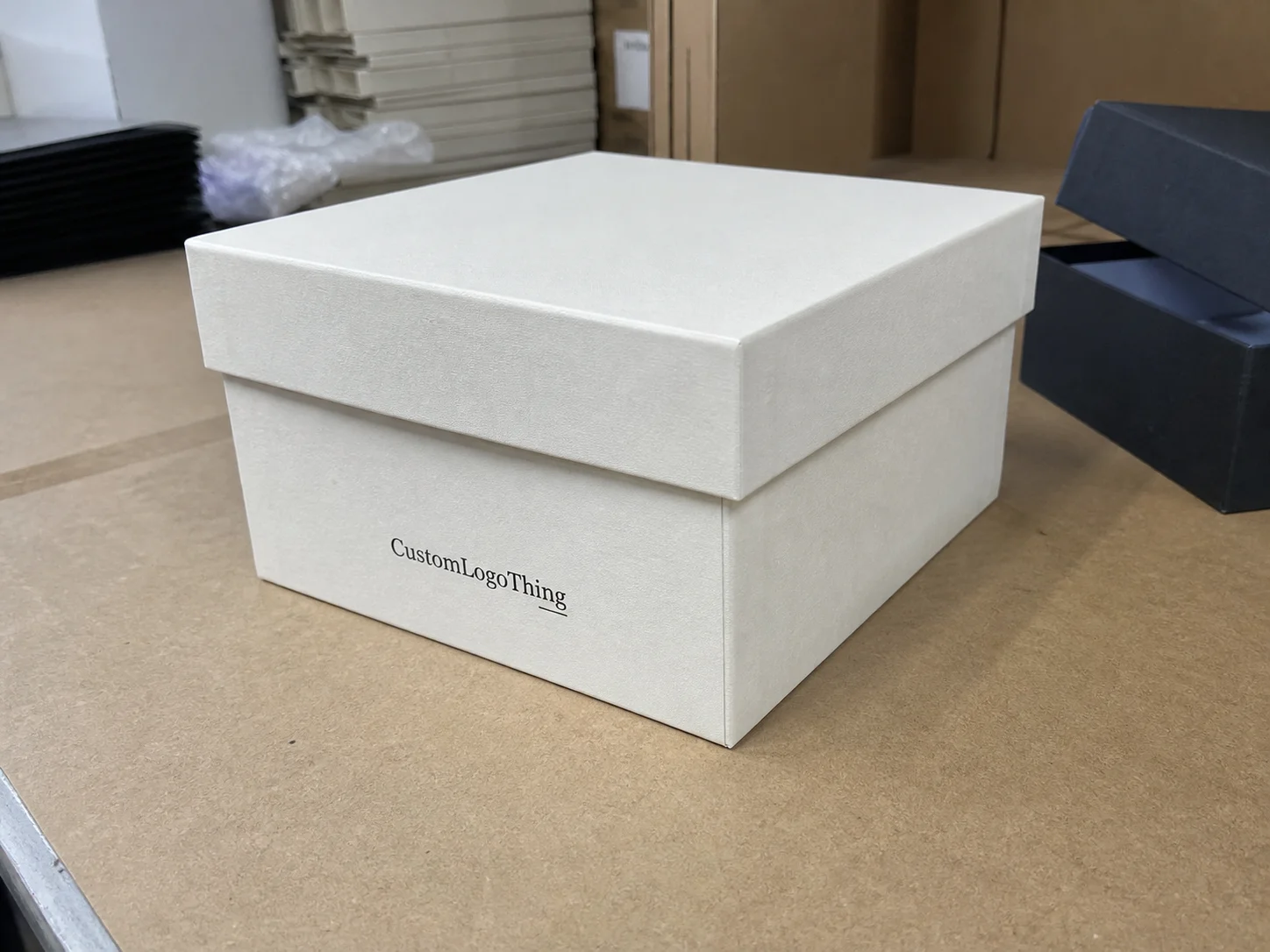
A folding carton can handle simple presentation, but it rarely gives the weight or durability people expect from premium packaging. Rigid construction changes that. Most rigid boxes use greyboard or chipboard around 1.5 mm to 2 mm thick, then wrap that board in printed paper, textured stock, or a coated surface. The result is a box that feels stable in the hand and keeps its shape after repeated use.
That stiffness matters because buyers judge the package before they judge the product. Clean corners, a controlled opening action, and an insert that holds the contents still all signal that the packaging was planned, not improvised. For corporate gifts, weddings, premium retail sets, and memorial items, the box often becomes part of the experience long after the first opening.
The main value is not only appearance. Better structure reduces crushed corners, lid distortion, and returns caused by poor fit. If the box will be stored, reused, or shipped individually, those durability details matter as much as the design itself.
- Corporate gifts that need a formal presentation
- Weddings and events where the packaging becomes part of the memory
- Retail bundles that need stronger shelf and unboxing value
- Sentimental or memorial items meant to be kept, not discarded
- Launch kits where packaging supports the product story
How a custom keepsake box works from dieline to delivery
The build usually starts with a rigid board shell that is then wrapped in paper or specialty stock. From there, the project shifts into structure choices: lift-off lid, magnetic flap, drawer style, book style, or a two-piece set. Each style changes the assembly process, the packing method, and the way the final box feels in use.
The dieline is the key document. It defines outer size, glue flaps, fold lines, insert cavities, and closure placement before production starts. If it is off by even a few millimeters, the lid can float, the magnet can miss its target, or the insert can sit too high and prevent the box from closing. Measure the product with any sleeve, ribbon, lining, or spacer included. Tight fit is not the same as controlled fit.
Artwork handoff also needs more than a logo on a mockup. A useful file package should include vector art, bleed, safe zones, Pantone or CMYK targets, and notes for foil, embossing, debossing, or interior print. When special decoration is involved, those placements need to be approved early. Late changes usually trigger a revised proof, and revised proofs are where schedules slip.
A typical approval path looks like this:
- Quote and specification confirmation
- Structural drawing or digital mockup review
- Sample or pre-production proof if fit or finish matters
- Artwork sign-off and color approval
- Full production, inspection, and packed-carton review
- Freight booking and delivery
If the box will be shipped individually or handled repeatedly, the outer shipper should be tested against an ISTA profile. That is a practical way to check compression, vibration, and drop resistance before the order reaches customers or an event deadline.
Materials, inserts, and finish choices that change the result
Material selection affects the final feel more than most buyers expect. A 1200gsm board can work for smaller or lighter boxes, but once the item gets heavier or the lid gets wider, 1500gsm to 1800gsm is usually the safer range. Thicker board adds stiffness and a more substantial hand feel, but it also raises material cost and shipping weight.
The wrap matters just as much. Coated paper is economical and prints cleanly. Textured paper gives a warmer look. Soft-touch lamination feels premium, though it can show scuffs if the box is handled heavily. Specialty paper can elevate the presentation, but it should sit on top of solid structure rather than hide weak construction.
Insert choice is where many projects succeed or fail. Foam gives strong hold and cushioning. EVA gives a precise fit for tighter presentations. Paperboard dividers are lighter and easier to recycle. Satin lining or fabric-wrapped trays can suit gift packaging. The right option depends on weight, fragility, and how much movement is acceptable inside the box.
| Option | Typical Use | Feel | Cost Impact |
|---|---|---|---|
| 1200gsm board + printed wrap | Light keepsakes, small gifts | Clean, light, decent structure | Lowest |
| 1500gsm to 1800gsm board + soft-touch wrap | Premium retail packaging, gifting sets | Substantial, polished, more rigid | Moderate |
| Rigid board + EVA or foam insert + foil | Luxury bundles, presentation boxes | Controlled, precise, high-end | Higher |
| Rigid board + textured paper + paperboard insert | Gift sets that need a warmer look | Tactile, premium, less synthetic | Moderate to higher |
Finish decisions should support the design, not crowd it. Matte finishes usually read calmer and more modern. Gloss gives stronger color pop, but it also shows fingerprints more easily. Foil stamping adds contrast without adding bulk. Embossing and debossing create a tactile cue that the box was built, not just printed. Spot UV can work well on dark artwork, but only when there is enough contrast to justify it.
For programs with sustainability requirements, FSC-certified paper is worth specifying if the sourcing aligns with the brand. See FSC for the certification basics. The claim still needs to match the actual build, because mixed materials, magnets, heavy lamination, and foam can affect recyclability.
Lead time and production steps that set the schedule
Lead time is usually a chain of approvals rather than a single manufacturing block. A project typically starts with quoting and structural alignment, then moves into proofing, sample review, production, inspection, and freight booking. In practice, the order moves at the pace of the slowest sign-off, which is usually artwork or color approval.
For a straightforward spec, the rough schedule often looks like this: 2 to 5 business days for quoting and spec alignment, 5 to 10 business days for sample development if a sample is needed, 10 to 20 business days for production after approval, and then transit time on top. More complex decoration, special inserts, or multiple versions can push the order beyond four to six weeks before freight. First orders usually take longer because the exact spec still has to be settled.
Common delay points are predictable:
- Late artwork approval
- Unclear insert dimensions
- Color changes after proofing
- Finish samples requested too late
- International shipping buffers not built into the plan
Standard structures move faster than highly customized ones. A simple lift-off rigid box with one wrap and one insert is easier to produce than a book-style magnetic box with foil, embossing, a ribbon pull, and a custom tray. Every added detail adds another checkpoint, so the schedule needs to reflect the spec rather than the wish list.
If the order supports a launch, wedding, or seasonal event, add extra time early. A small delay on paper can become a missed deadline once production, packing, and freight are all in motion. Customs review, port congestion, and carrier delays should be treated as normal project risk, not rare exceptions.
Cost, pricing, MOQ, and unit cost tradeoffs
Pricing depends on size, board thickness, print coverage, insert type, and finish count. A custom keepsake box can move significantly in unit cost from one spec change. A magnetic closure adds hardware and assembly time. An EVA insert adds cutting and material cost. Foil, embossing, and multi-step decoration all increase setup work. The quote usually makes sense once the structure is broken down line by line.
For rough planning, smaller rigid box runs often land around $2.20 to $5.00 per unit at 500 to 1,000 pieces, depending on complexity. Larger runs can move closer to $1.10 to $2.80 per unit once setup is spread across more units. Very premium builds with magnetic closures, foil, embossing, and EVA inserts can reach $4.50 to $9.00 or more per box. These are planning ranges, not promises.
MOQ is driven by tooling, setup, and waste. A common range for rigid boxes is 300 to 500 units, though some factories ask for 1,000 or more if the structure or finish is unusual. Simpler printed cartons can start lower, but rigid construction and custom inserts usually push the minimum up. Small runs are possible, but the unit price rises because fixed work is spread across fewer boxes.
There are sensible ways to lower cost without making the box look cheap:
- Standardize the footprint where possible
- Reduce the number of finish methods
- Use one interior color instead of two
- Choose a paperboard insert instead of molded or foam if the item is light
- Keep the logo treatment focused rather than stacking foil, embossing, and spot UV
Hidden costs deserve attention too:
- Sampling charges
- Tooling or die-cut setup
- Freight and fuel surcharges
- Split shipments
- Rush fees
- Extra carton protection for export
If a quote looks unusually low, check what is missing. Sometimes the price excludes the insert, proofing, or packing method. A usable quote should show what is included so the buyer can compare landed cost, not just a headline number.
Common mistakes that make keepsake packaging look cheap
The fastest way to make a box feel wrong is to guess the size. If it is too tight, the product crushes the lining or drags against the insert. If it is too loose, it rattles and feels unfinished. Build dimensions from the actual item plus any sleeve, tissue, tray, or lining, then verify the tolerance with a sample if the fit matters.
Another common mistake is decorating around weak construction. Heavy foil and a polished logo will not fix a lid that bows, corners that split, or a closure that does not sit flush. Packaging design has to support the object inside it, not hide structural problems under surface effects.
Artwork errors create their own version of waste. Low-resolution images print soft. Unconverted fonts can shift or break. Pantone expectations that were never confirmed against a proof create color disputes later. Production files should be built for print, not for a presentation deck. If color accuracy matters, approve against a standard sample or printed proof rather than memory.
Shipping is ignored more often than it should be. A box that looks perfect on a desk may fail once it is stacked, dropped, or compressed in transit. If the packaging will move through retail distribution or e-commerce, the outer carton needs enough protection to survive real handling.
Overdecorating can backfire too. One foil treatment, one surface texture, and one clear focal point is usually enough. Once every panel has a different effect, the box stops looking premium and starts looking edited by committee.
Expert tips and next steps before you place the order
Start with a real spec sheet. Dimensions, product weight, insert count, finish, quantity, and target delivery date should all be written down before a quote is requested. If there are multiple SKUs, list them separately. Clear specifications shorten back-and-forth and give the supplier something measurable to price.
When fit or presentation matters, ask for a sample before full production. A plain structural sample is enough for many projects. A printed sample is better if color, finish, or surface feel is the main risk. For a custom keepsake box, sampling often prevents the two failures that are hardest to recover from later: bad fit and weak closure logic.
Match the box style to the use case, not just the budget. Storage-friendly boxes need durable corners and clean alignment. Gifting boxes need visual polish and a satisfying opening action. Retail packaging needs shelf presence and stackability. If the box will live in a drawer or closet after the event, choose materials that will not delaminate, scuff, or sag over time.
If you are comparing rigid boxes, mailers, and inserts in the same program, keep the specification logic consistent across the entire packaging set. Different formats should feel related, not random. That usually means aligning board weight, artwork language, finish strategy, and protection requirements so the packaging system works as a whole.
Before approving the order, confirm the essentials:
- Final dimensions and tolerances
- Artwork status and file format
- Finish choices and color targets
- Sample approval if needed
- Quantity and MOQ
- Production lead time plus freight time
- Packing method and carton count
Lock the artwork, confirm the quote, and verify the schedule before money gets tied to a deadline. A well-planned custom keepsake box arrives on time, closes properly, and keeps doing its job after the product inside has been used, given away, or remembered.
What size should I choose for a custom keepsake box?
Size it around the actual product plus room for any insert, lining, or tissue. Leave enough tolerance for easy placement, but not so much that the item shifts in transit. If the box will ship separately, confirm the outer carton fit early so packaging does not need a late redesign.
How much does a custom keepsake box usually cost per unit?
Unit price depends on size, board thickness, print complexity, and finishing steps. Higher quantities usually lower the per-box cost because setup is spread across more units. Special inserts, foil, embossing, and rigid construction raise the price quickly, so upgrades should be chosen deliberately.
What MOQ should I expect for a custom keepsake box order?
MOQ varies by factory, structure, and decoration method, so there is no single standard number. Rigid boxes and custom inserts usually start higher than simple printed cartons. If you need a small run, expect a higher unit cost and fewer material or finish options.
How long does custom keepsake box production take?
Timeline usually includes proofing, sample approval, production, inspection, and shipping. Simple specs move faster than fully custom structures with multiple finishes or inserts. Late artwork approval is one of the most common reasons a project slips.
What do I need before requesting a quote for a custom keepsake box?
Have the dimensions, quantity, product weight, insert needs, and desired finish ready. Share artwork status and any brand color requirements so the quote reflects real production work. Include your target delivery date, because rush timing changes both pricing and feasibility.

