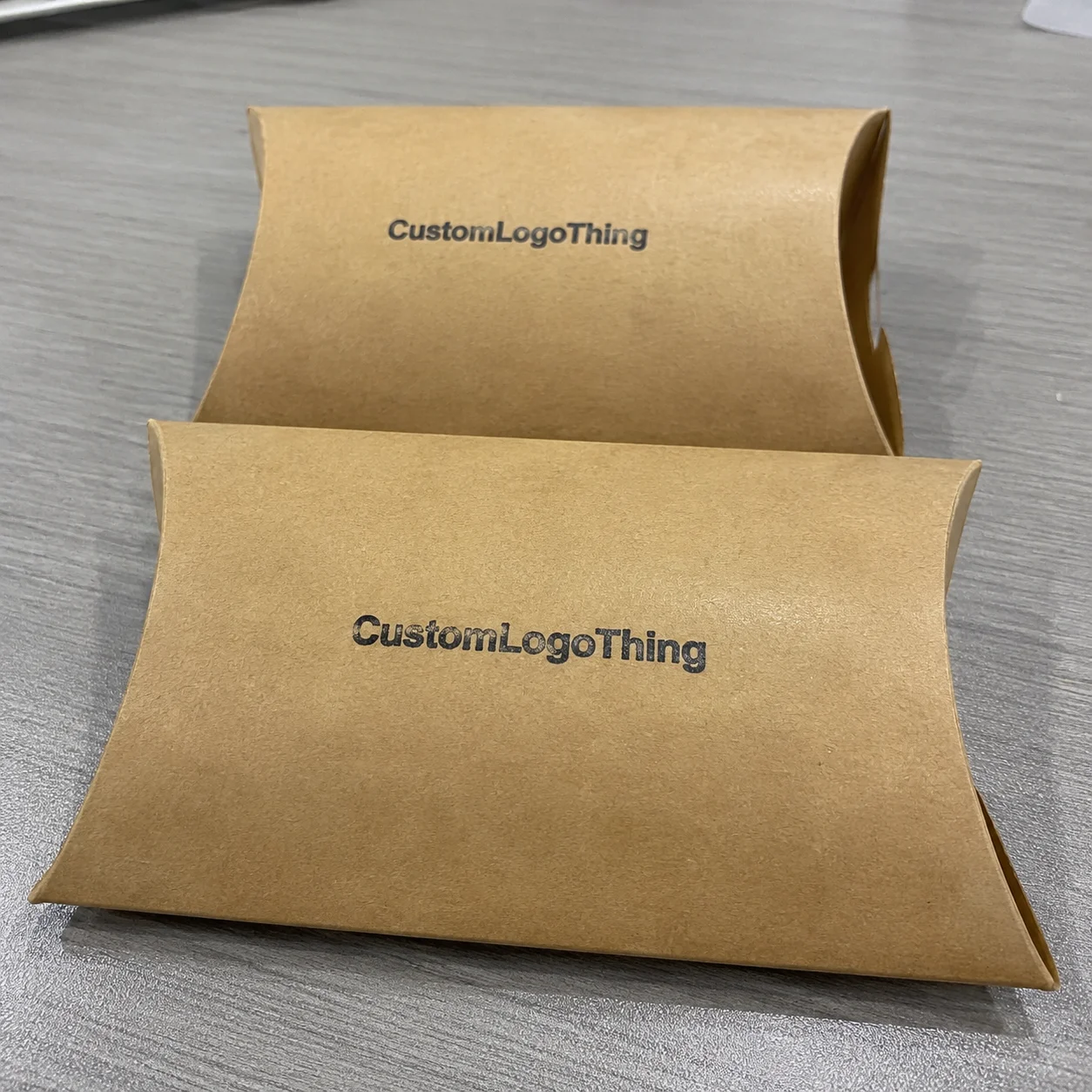
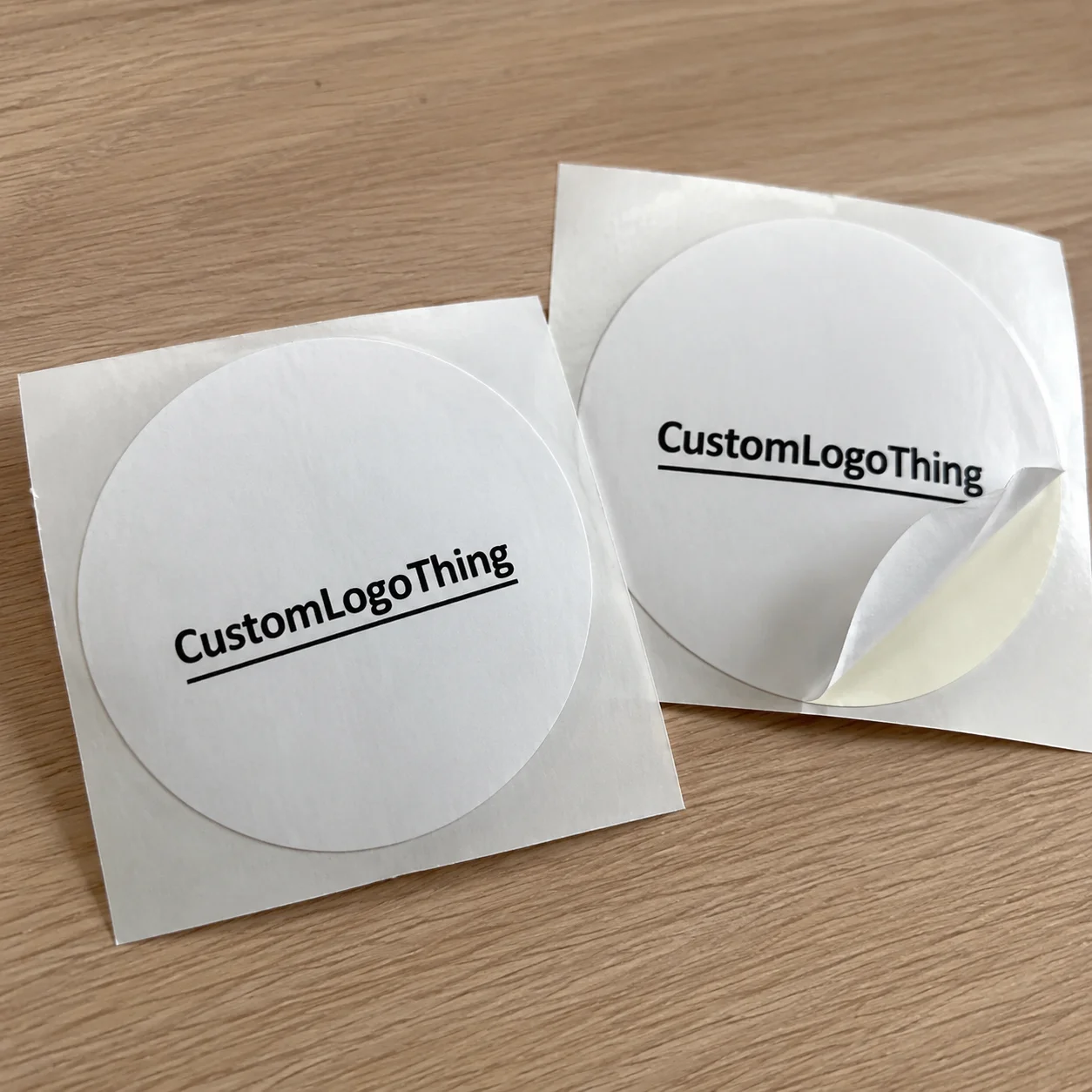
Buyer Fit Snapshot
| Best fit | Order Custom Printed Mailers No Minimum projects where brand print, material claims, artwork control, MOQ, and repeat-order consistency need to be specified before quoting. |
|---|---|
| Quote inputs | Share finished size, material target, print colors, finish, packing count, annual reorder estimate, ship-to region, and any compliance wording. |
| Proofing check | Approve dieline scale, logo placement, barcode or warning zones, color tolerance, closure strength, and carton packing before bulk production. |
| Main risk | Vague material claims, crowded artwork, missing packing details, or unclear freight terms can make a low unit price expensive after revisions. |
Fast answer: Order Custom Printed Mailers No Minimum: Flexible Branding should be specified like a repeatable production item. The safest quote records material, print method, finish, artwork proof, packing count, and reorder notes in one written spec.
Production checks before approval
Compare the actual filled-product size with the drawing, then confirm tolerance on folds, seals, hang holes, label areas, and retail display edges. Reserve space for logos, QR codes, warning copy, and material claims before decorative graphics fill the panel.
Quote comparison points
Review material grade, print process, finish, sampling route, tooling charges, carton quantity, and freight assumptions side by side. A quote is only useful when the supplier can repeat the same color, closure quality, and packing count on the next order.
Brands lose money on packaging more often than they admit. I remember a startup in Los Angeles ordering 20,000 mailers for a subscription launch, then discovering 11 weeks later that the product line had changed and the box sizes no longer matched the mailer footprint. Oof. That is exactly why so many operators now choose to order Custom Printed Mailers no minimum: the risk drops, cash stays out of dead inventory, and the brand gets a real test of printed packaging before committing to a larger run. For a young brand shipping 300 to 500 orders a month, that matters more than a glossy forecast.
The part people miss is simple. A plain poly mailer does the job, but it rarely makes a customer remember the brand. A custom printed mailer does both. It also lets teams test packaging design in the real world, where tape, courier handling, and repeat purchase behavior matter more than a mockup on a screen. If you want the flexibility to order custom printed mailers no minimum without getting trapped in an oversized purchase, that is a practical way to start. In many factories, the difference is the ability to buy 250, 500, or 1,000 pieces first instead of locking into 10,000 units on day one. Honestly, that matters more than most founders want to admit.
No-minimum ordering tends to work best for startups, seasonal drops, regional promotions, and brands running a product packaging test. It helps teams that are still refining retail packaging for a new collection too. I’ve sat in supplier meetings where the finance lead wanted 5,000 units and the founder wanted 500. The compromise was straightforward: order custom printed mailers no minimum, prove the design, then scale with facts instead of guesses. It is a lot less romantic than a huge launch order, sure, but far less likely to turn into a warehouse migraine. That approach is especially common for brands sourcing from manufacturing hubs in Guangdong, Shenzhen, and Ningbo, where small-run print programs are now more accessible than they were five years ago.
Order Custom Printed Mailers No Minimum: Why Small Runs Win
The pattern shows up everywhere, from factory floors to client meetings: people overestimate how many mailers they need, then sit on pallets of obsolete packaging. One apparel brand I worked with in Texas had 9,600 mailers left after a logo refresh. The stock sat for 14 months. That is not a branding story. That is cash frozen in polyethylene. I still remember the warehouse manager pointing at the pallets like they had personally betrayed him. At roughly $0.18 per unit on the original order, that was more than $1,700 tied up in packaging that could no longer represent the brand.
When you order custom printed mailers no minimum, you buy time as much as packaging. Small runs let you validate logo placement, sizing, color contrast, and customer response. If the first 300 mailers perform well, you scale with better data. If the reaction is lukewarm, you adjust the artwork, shrink the print area, or change the base color before paying for thousands more. That kind of course correction is boring in the best possible way. It is also how a brand avoids paying freight from a factory in Vietnam or Jiangsu for a design that needs one more revision.
This matters in a few specific cases. A startup launching 75 to 200 units a week does not need 10,000 mailers sitting in storage. A subscription box brand testing a new offer may only need 250 mailers for the first two shipments. A regional promotion tied to one ZIP-code cluster may need 1,000 units, not a container load. For all three, the ability to order custom printed mailers no minimum lowers the barrier to entry while keeping the result professional. I have seen this play out in Austin, Atlanta, and Toronto, where smaller teams needed a packaging test that fit their inventory math, not a giant warehouse commitment.
Custom printed mailers also outperform plain stock mailers in visible ways. The difference is not subtle when the driver drops the package at the door. A plain white or black mailer blends into the background. A custom piece supports brand recognition immediately. It can lift perceived value by a few notches before the product is even opened. I’ve watched customers post unboxing photos of a $24 accessory simply because the mailer looked considered. That is package branding doing real work. A package can do a lot of heavy lifting before the product even gets a chance to introduce itself. In many cases, the unboxing share rate rises because the package itself is more camera-ready than the item inside.
“Our customer service team stopped hearing ‘Did you send this?’ after we switched to printed mailers. The package answered the question before the email arrived.”
No-minimum does not mean lower quality. That assumption causes a lot of confusion. It means the supplier is set up to support lower volumes, usually with efficient print methods, stock base materials, and a proofing process that does not require a massive purchase order. You can still get professional construction, clean graphics, and a durable seal when you order custom printed mailers no minimum. On many runs, the base material is a 60-micron or 80-micron co-extruded polyethylene film, which is more than enough for lightweight apparel and accessory shipments.
For readers comparing packaging formats, it helps to think in layers. Custom Packaging Products can include rigid boxes, inserts, and mailers, but mailers win on speed and weight. They are usually the right move for apparel, soft goods, and light accessories. If the item does not need crush protection, custom printed mailers are often the most efficient branded packaging choice available. I know that sounds unglamorous. It is. It also saves money, especially on shipments leaving hubs like Chicago, Dallas, or Rotterdam where dimensional weight can punish overbuilt packaging.
Product Details: What Custom Printed Poly Mailers Can Do
Custom printed poly mailers are lightweight polyethylene Shipping Bags Designed for e-commerce shipments, especially apparel, accessories, and other non-fragile products. Buyers who want to order custom printed mailers no minimum are usually looking for a package that is easy to store, economical to ship, and visually consistent from the first order to the fiftieth reorder. That combination is why this format shows up so often in fashion, beauty, handmade goods, and promotional kits. A standard mailer might weigh only 8 to 20 grams, which helps keep postage lean across thousands of shipments.
The material itself matters. A typical poly mailer uses a single-layer or co-extruded polyethylene film with enough flexibility to wrap around folded goods without adding much postage weight. That lighter weight can help keep dimensional shipping costs under control. I’ve had clients save several cents per shipment by moving from a heavier carton to a custom printed mailer that fit the product properly. On a 3,000-unit month, that adds up quickly. People love to dismiss a few cents until those cents start arriving in stacks. In a distribution center outside Ho Chi Minh City, I watched a pack line reduce average shipping cost by $0.11 per order simply by switching to a tighter mailer format. Small number. Large consequence.
Printing options are broader than most new buyers expect. You can usually choose a one-color logo, a text-based design, full-color graphics, or a combination of logo and pattern elements. Some brands print a bold mark on one side and a short brand message on the other. Others keep it minimal with a small logo and a clean background. The best choice depends on the product packaging strategy. If the item is premium, an understated layout often works better than a crowded graphic. I’m biased here: too much decoration can start to look like the mailer is trying to win an argument. One-color printing on a 350gsm C1S artboard insert for the thank-you card can be a smarter luxury signal than flooding the mailer itself with ink.
Function matters as much as appearance. A good custom printed mailer should include a strong self-seal adhesive strip, tear resistance at the edge seams, and water resistance against light rain or damp loading docks. Many styles also use opaque construction so the contents stay concealed. That helps with privacy and tamper resistance. If your customers are receiving clothing, accessories, or marketing kits, those are not decorative extras. They are the reason the mailer performs in transit. A reliable seal typically closes in one press and holds through standard parcel routes from warehouses in Newark, Dallas, or Manchester.
One client meeting still stands out to me. A beauty brand wanted a glossy, highly printed look, but their product tubes were soft and could move during shipping. We changed the mailer size by 2 inches on the width and added a better seal. Damage claims fell within three weeks. The design stayed the same. The packaging worked better because the structure matched the product. That is the kind of practical thinking I look for when people order custom printed mailers no minimum. The glamorous choice was wrong; the boring choice was right. The final spec was a 14.5 x 19 inch mailer with an 80-micron film and a 40 mm adhesive strip, and that detail mattered more than the artwork finish.
Here are the most common use cases I see:
- Fashion and apparel for folded shirts, activewear, socks, and scarves.
- Beauty and wellness for lightweight retail packaging, samples, and accessory kits.
- Subscription brands testing a first shipment or a limited theme.
- Handmade goods like prints, stationery, and small textile items.
- Promotional kits for events, influencer mailings, and regional campaigns.
If you need a broader packaging mix, it can help to compare mailers with Custom Poly Mailers and other product packaging formats side by side. Mailers are usually the lower-labor option. Boxes are better for fragile items or premium presentation. The right answer depends on product weight, perceived value, and how much protection you need in transit. I’ve seen brands insist on boxes for soft goods, and then wonder why shipping costs started acting like they had a grudge. A mailer often beats a carton by 30 to 60 seconds of packing time per order, which becomes meaningful at 2,000 or 5,000 monthly shipments.
There is one more practical benefit worth mentioning. Printed mailers support repeat purchase behavior because customers remember the brand name on the package. That familiarity matters. I have watched brands gain a more polished delivery experience simply by moving from plain stock packaging to a coordinated custom printed design. The product did not change. The perception did. And in e-commerce, perception can quietly become revenue. A mailer that arrives with crisp print in a warehouse in Sydney can do as much for recall as a paid ad, because the customer sees it at the exact moment anticipation is highest.
Specifications: Sizes, Thickness, Colors, and Print Area
Choosing the right specs is where good buying decisions happen. When brands order custom printed mailers no minimum, they sometimes focus on artwork first and sizing second. That is backward. The first question is what is going into the mailer. A folded T-shirt needs a different footprint than a pair of leggings, and a mailer that is too tight can wrinkle the product or make packing slow enough to hurt labor efficiency. I have seen packing stations become tiny scenes of chaos over two inches of bad planning. In a 12-person packing room, one wrong size can cut throughput by 8 to 10 percent.
Common size ranges often start around 10 x 13 inches and run through 19 x 24 inches or larger, depending on the category. Small accessory brands may only need a compact format for jewelry cards, pouches, or flat items. Apparel brands usually need mid-size options such as 12 x 15.5 inches, 14.5 x 19 inches, or 19 x 24 inches. I usually tell buyers to measure the product at its folded dimension first, then add 1 to 2 inches of practical allowance for loading and seal closure. That small adjustment prevents headaches later. A 12 x 15.5 inch mailer is a strong starting point for single tees, while a 14.5 x 19 inch format works better for hoodies and bundled orders.
Thickness is usually discussed in mils, and it affects durability, puncture resistance, and feel. A lighter film may be enough for soft goods shipped in controlled conditions. A thicker option can make sense for heavier textiles, sharp-edged boxes inside the mailer, or routes with rough handling. I have seen brands choose the thinnest possible film to save a fraction of a cent, then spend far more replacing torn shipments. Price matters. Shipment performance matters too. The torn-mailer phone call is the kind nobody wants to make twice. Many production lines offer 60-micron, 80-micron, and 100-micron options, with 80 microns often landing in the practical middle for apparel.
| Common Mailer Choice | Best For | Typical Feel | Practical Notes |
|---|---|---|---|
| 10 x 13 in. | Accessories, small apparel, flat kits | Compact and light | Good for low postage and simple folding |
| 12 x 15.5 in. | T-shirts, lightweight fashion items | Balanced | One of the most common starter sizes |
| 14.5 x 19 in. | Hoodies, pants, multi-item orders | More room, better flexibility | Useful for brands expanding into larger SKUs |
| 19 x 24 in. | Bulkier apparel, bundles, oversized soft goods | High-capacity | Better for brands that do not want multiple size SKUs |
Color choice is not cosmetic. It changes contrast, visibility, and even the mood of the unboxing. Black hides scuffs and makes white or metallic logos stand out. White gives a clean, retail packaging feel and works well for bright art. Kraft-style or recycled-looking tones can support an eco-forward message, although true polyethylene mailers are not the same as paper-based cartons. If your brand uses custom printed boxes elsewhere, coordinate the palette so the mailer does not feel like a random afterthought. Random packaging is one of my least favorite surprises. For a premium brand, pairing a black mailer with a silver logo or a white mailer with Pantone-matched artwork can make the whole shipment feel more deliberate.
Print area and logo placement need real attention. Many mailers have a central print zone with margin limits near the edges and seal flap. Bleed requirements vary by supplier, but it is normal to allow a safe zone around the edges so critical text does not get trimmed or distorted. If your logo includes fine lines, small type, or subtle gradients, ask for a proof at actual scale. A file that looks clean on a laptop may lose clarity when reduced to fit the mailer face. A safe zone of 0.25 to 0.5 inches on each edge is common, and that margin can save a lot of rework.
Artwork setup that saves time
Use vector files when possible. AI, EPS, and PDF formats generally give the cleanest edges for logos and text. Raster artwork should be high-resolution, typically 300 dpi at print size, although exact requirements can vary by print method. When a buyer sends a low-resolution JPG and asks to rush the project, the proofing cycle almost always stretches by a day or two. That delay is avoidable. I say this with love and a little bit of eye twitch. A file prepared in Adobe Illustrator with outlined fonts often moves through proofing faster than a flattened image pulled from a website header.
If you are preparing to order custom printed mailers no minimum, review these items before sending artwork:
- Exact mailer size in inches or millimeters
- Preferred print side and logo position
- Color codes if your brand uses Pantone or specific CMYK values
- File format and resolution
- Proof approval contact and deadline
I have also found that a simple one-page art brief reduces confusion. Include the logo file, the brand name spelling, the shipping address, and the desired quantity. That can shave a full revision cycle off the project. If you want broader guidance on related SKUs, our FAQ is a useful place to check common file and ordering questions before you finalize the purchase. A clear brief can be the difference between a proof turnaround of 24 hours and a back-and-forth that eats three business days.
Pricing & MOQ: What You Pay When You Order Custom Printed Mailers No Minimum
Pricing is where no-minimum ordering needs honest explanation. If you order custom printed mailers no minimum, the per-unit price will usually be higher than a bulk order, and that is normal. Smaller runs do not spread setup, proofing, and production overhead across thousands of pieces. The real question is not whether the unit price is lower. It is whether the order fits your launch stage and cash flow. A 500-piece order at $0.39 per unit can be smarter than a 5,000-piece order at $0.15 per unit if your design is still being tested.
The main pricing drivers are easy to identify. Size changes material usage. Thickness changes film cost. Number of print colors affects press time and setup. Artwork complexity can influence proofing and print handling. Shipping destination matters too, especially if the order moves across zones or requires expedited freight. A quote for 500 mailers to Chicago will not match 2,500 mailers shipped to a coastal warehouse. Anyone promising otherwise is not being straight with you. A run shipped to Vancouver, for example, will carry different freight and brokerage considerations than the same lot going to Phoenix.
To make the pricing conversation concrete, here is a practical comparison of common buying approaches. These are example ranges, not universal rates, but they reflect the way most suppliers structure custom printed packaging.
| Order Style | Approx. Unit Price | Pros | Tradeoff |
|---|---|---|---|
| Small no-minimum run, 250–500 pcs | $0.42–$0.95/unit | Low risk, good for testing, fast brand validation | Highest per-unit cost |
| Mid-size order, 1,000–2,500 pcs | $0.22–$0.48/unit | Better unit economics, still manageable inventory | Requires more storage space |
| Bulk order, 5,000+ pcs | $0.12–$0.28/unit | Best unit pricing, stable supply | Higher cash commitment and inventory risk |
That table tells the truth most buyers need to hear. Small runs cost more per unit, but they can save far more than they cost if your brand is still evolving. I once worked with a DTC skincare company that saved nearly $4,000 by testing a 400-piece mailer run before committing to a 6,000-piece purchase. They changed the background color after customer feedback and avoided a full warehouse of outdated material. I wish more teams had the patience to do that before the inventory became a decorative burden. Their final approved mailer cost $0.31 per unit for the test run, and the revised bulk order later dropped to $0.16 per unit once the spec was locked.
Where do savings happen? Simplified designs help. One or two colors usually cost less than full coverage graphics. Standard sizes often price better than custom dimensions because the base material is already in production. Consolidated shipping also matters; if you can receive packaging with another SKU or combine freight to one destination, the landed cost drops. That is not a marketing trick. It is basic logistics. Some manufacturers in Shenzhen and Dongguan can quote faster on standard 12 x 15.5 inch or 14.5 x 19 inch sizes because those dimensions already align with common film rolls and plate setups.
Brands often ask whether they should start with samples or a real production run. My answer is simple: if the design is new, order custom printed mailers no minimum in a small quantity first. Samples show material and print quality, but a real run shows how the mailer performs with actual product handling, sealing speed, and customer delivery. Those are different tests. A sample on a desk is not the same as a Tuesday morning packing line under deadline. A 250-piece pilot run can reveal whether the adhesive strip needs a stronger tack or whether the artwork sits too close to the edge.
For buyers who need broader purchasing support, wholesale pricing can matter once volume grows. Wholesale Programs often make sense after the design is approved and the packaging is stable. First, validate the spec. Then scale with a clear demand pattern. That sequence keeps branded packaging from becoming a warehouse problem. In practice, many buyers move from a 500-unit test to a 2,500-unit reorder, then land at 5,000 units once demand is predictable.
My advice is to request a quote with exact details, not a vague description. Send the quantity, dimensions, preferred color, print location, and shipping ZIP code. If you are serious about planning, include your expected reorder range too. That helps the supplier quote something useful, not a guess dressed up as a number. I have never met a vague quote that got better after the fact. A precise quote can also reveal whether a 60-micron film is enough or whether the route and product demand an 80-micron upgrade.
Process & Timeline: From Artwork to Delivery
The process is straightforward if the buyer comes prepared. When brands order custom printed mailers no minimum, the workflow usually begins with specifications: size, quantity, color, and artwork. Then the supplier reviews files, issues a proof, and waits for approval before production starts. After that, the mailers are printed, inspected, packed, and shipped. The biggest delays usually come from the customer side, not the production side. That part is less glamorous than a factory floor montage, but it is true. In many facilities, the proof stage is the real gatekeeper, not the press.
In a good project, the timeline looks like this: one day to confirm specs, one to two days for proofing, a few business days for production depending on the method and quantity, then transit time based on destination. That can move faster if everything is ready on the first pass. It can also stretch if the logo file is missing, the artwork is low resolution, or the team cannot approve the proof on time. I’ve watched a three-day proof approval delay turn into a ten-day delay just because one person was traveling and the revision never got signed off. The package waited. Everyone else got annoyed. A typical production window is 12 to 15 business days from proof approval for a small custom run, then another 3 to 7 business days for domestic transit depending on whether the parcel leaves from California, Illinois, or Ontario.
What slows projects down most often? Three things.
- Incomplete artwork — no vector file, wrong colors, missing fonts.
- Unclear placement instructions — front panel? back panel? centered or offset?
- Late internal revisions — one stakeholder wants a tagline changed after the proof is ready.
I had a client in the subscription food category who changed their claim statement twice during proofing because legal wanted different phrasing. The packaging itself was simple. The review process was not. If you need internal approvals, build that into your schedule before you order custom printed mailers no minimum. A realistic internal calendar prevents the kind of last-minute pressure that turns a straightforward job into an urgent one. And yes, urgent jobs have a way of making everyone suddenly “very available” right after the deadline passes. I have seen a planned Thursday approval become a Monday launch problem because someone was waiting on a director in Seattle who had not checked email since 4:30 p.m. on Wednesday.
For first-time buyers, I recommend a buffer of at least a week beyond the ideal delivery window. That gives you room for proof revisions, shipping variance, and receiving checks. If the order is for a product launch, mock the mailer with real product weight before you approve the final size. An item that looks fine in a layout file may buckle the flap or stress the adhesive strip once packed. A 12 x 15.5 inch mailer might look generous on paper, then become awkward once folded knitwear and an insert card are added.
Reorders usually move faster. Once artwork is approved and the production spec is locked, repeat runs are simpler because the supplier already has your file, dimensions, and print area documented. That is one of the best reasons to establish a reliable packaging partner early. The first run may require more attention. The second and third are where speed and consistency pay off. Many repeat orders can be turned around faster because the print plates or digital settings are already archived in the system.
If you are comparing suppliers, ask whether they provide file checks, production proofs, and shipment verification. Those details matter more than a flashy homepage. Strong packaging design work depends on review discipline, not slogans. The same is true whether you are buying mailers, custom printed boxes, or a mixed product packaging program. A supplier in Guangzhou that sends a signed proof and a pre-shipment photo usually saves more time than a vendor with the prettiest product gallery.
Why Choose Us for Custom Printed Mailers
Custom Logo Things is built for brands that want real packaging guidance, not vague promises. If you want to order custom printed mailers no minimum, you should expect clear specs, straightforward quotes, proof support, and communication that respects your time. That is the standard I would want if I were the buyer. It is also the standard that keeps a launch in Brooklyn, Nashville, or Melbourne from slipping because someone forgot to confirm the adhesive strip width.
What does that look like in practice? It starts with honest scoping. If your mailer size is too small for the product, we say so. If your artwork will lose clarity at the chosen print scale, we flag it before production. If the quantity you want is likely to create storage pressure, we talk through a better starting point. I’ve spent enough time in packaging to know that the cheapest quote is not always the best buying decision. The right quote is the one that survives reality. A 500-piece run at $0.34 per unit can be far smarter than a 2,000-piece order at $0.19 if the design is still moving.
Data-driven service matters because packaging problems are measurable. Print consistency can be checked against approved artwork. Material checks can confirm thickness and seal quality. Shipment verification can catch quantity errors before they land in your receiving dock. When I visited a corrugated converter outside Shenzhen, their best operators were not the loudest people on the floor. They were the ones with clipboards and a tolerance sheet. Packaging is a manufacturing discipline, not a guess. In one facility, a 0.5 mm variance in seal placement was enough to trigger a batch review, which is exactly the kind of rigor buyers should expect.
One of the strongest advantages of working with a focused supplier is continuity. You can start with a small test order, then move into a scaled reorder without rebuilding the file from scratch. That continuity is especially useful if your brand is still deciding between packaging design directions. Maybe you want one mailer for retail packaging and another for seasonal drops. Maybe you are testing a stronger brand mark against a softer lifestyle look. A dependable partner helps you compare those options without chaos. A first order in January and a reorder in April should not feel like two unrelated projects.
Marketplace alternatives often look cheap until the hidden costs show up: weak communication, inconsistent product specs, delayed proofing, and no accountability when something ships wrong. I’ve had clients bring me marketplace samples that varied in opacity from one batch to the next. That is not acceptable for package branding. If the print and the base film shift every time, your brand experience shifts too. And then everyone acts surprised, which is always my favorite part (that was sarcasm, in case the packaging gods are listening). I have seen one batch from a factory in Yiwu run at 70 microns and the next at 63 microns. That kind of drift matters.
There is also a practical reason brands come back to a partner like Custom Logo Things. We can support small test orders and larger reorders without changing the buying process every time. That makes planning easier for ops teams, finance teams, and brand leads. It also means your custom packaging strategy can evolve from a simple mailer into a broader line that includes Custom Poly Mailers, inserts, and eventually Custom Packaging Products that coordinate across channels. The road from a 250-piece launch batch to a 5,000-piece replenishment order should feel like progress, not reinvention.
Standards matter too. If your packaging has to survive distribution testing, think about transport stress rather than just shelf appearance. References like ISTA for transit testing and Packaging School and industry resources can help frame those requirements. If your sustainability team is comparing material claims, the EPA and FSC are useful references for broader environmental and sourcing context, especially when packaging discussions extend beyond polyethylene mailers into paper-based solutions. A brand in Amsterdam may care just as much about recycling language as a brand in Los Angeles cares about freight cost.
Honestly, the biggest value is not the mailer itself. It is the confidence that comes from knowing the specs, the file checks, the timeline, and the reorder path are all under control. That is what makes order custom printed mailers no minimum a serious business tool rather than a convenience purchase. Confidence is worth something, especially when the alternative is a pallet of the wrong packaging sitting in a warehouse in Phoenix for 11 months.
Next Steps for Your First Order Custom Printed Mailers No Minimum
If you are ready to move, gather four things first: mailer size, quantity range, logo file, and shipping ZIP code. Add your preferred color and any special print placement notes. That one page of information is usually enough to start a quote, and it keeps the process from stalling after the first reply. If you want to order custom printed mailers no minimum, the cleanest path is a complete spec sheet. Include the target unit price if you have one; that can help the conversation stay grounded from the start.
Before you send artwork, check the product dimensions against the items you actually ship. Measure the folded apparel, the accessory pouch, or the kit contents. Add space for insertion and sealing. If the mailer is too large, you waste material and create a sloppy presentation. If it is too small, your packing team will fight the order line. Neither outcome helps brand perception. I have seen people try to “make it work” with too-small packaging, and it never ends elegantly. A 1-inch gap around the product is usually easier to pack than a bag that forces the seams to stretch.
I also recommend requesting a proof and reviewing it at actual use scale. Check the logo placement, the safe margins, the spelling, and the background contrast. If possible, print the proof or review it next to a real sample of the item that will be shipped. It sounds simple. It saves mistakes. I have seen a two-letter tagline error survive three rounds of internal review because nobody checked the proof against the master copy. Tiny errors have a way of developing a very loud personality. A proof approved at 100 percent scale catches more problems than a screenshot viewed on a phone in a rideshare.
Start small if this is your first run. A test order of 250 to 500 units tells you a lot: how the mailer feels, how it seals, how the print looks under warehouse lighting, and what customers say when the package arrives. If the response is strong, scale up with confidence. If not, you have learned cheaply. That is the whole point of no-minimum ordering. A first run in a 12 x 15.5 inch format can quickly tell you whether the design and the contents match.
Final thought: branded packaging should work for the business, not against it. When you order custom printed mailers no minimum, you are buying flexibility, speed, and a better test of how your product shows up in the real world. If you are ready to gather your specs and request a quote, start with the details above, review the proof carefully, and place the first run with enough discipline to inform the next one. A smart first order is not the finish line; it is the baseline for every reorder after that.
FAQ
Can I order custom printed mailers no minimum for a small test run?
Yes. No-minimum ordering is designed for small launches, sample runs, and early-stage brands that want to test design and packaging performance before buying in bulk. It is especially useful if you only need 250 to 500 pieces for a first shipment or pilot campaign, and many suppliers can support a proof-to-ship cycle of 12 to 15 business days after approval.
What information do I need to order custom printed mailers no minimum?
Have your mailer size, quantity estimate, logo or artwork file, preferred color, and shipping destination ready. If you can also share the product dimensions and expected contents, quoting and proofing usually move faster and with fewer revisions. A good starting brief also includes whether you need a 60-micron, 80-micron, or 100-micron film.
How long does it take to receive custom printed poly mailers?
Timing depends on proof approval speed, order size, inventory availability, and the production queue. A fast approval cycle can shorten the total timeline noticeably, while delayed artwork revisions can add several business days. For many small custom runs, delivery is typically 12 to 15 business days from proof approval, plus transit time based on whether the order ships from California, Guangdong, or Ontario.
Are custom printed mailers more expensive than plain mailers?
Yes, custom printing adds cost, but it also adds brand visibility and a more polished unboxing experience. Smaller quantities usually have a higher per-unit price than bulk orders because setup and production costs are spread across fewer pieces. A test run may land around $0.42 to $0.95 per unit, while larger 5,000-piece orders can drop into the $0.12 to $0.28 range depending on size and print coverage.
What artwork file is best for custom printed mailers?
Vector files are usually preferred because they keep logos and text sharp at print size. High-resolution files also help, especially if the design includes fine lines, small type, or detailed graphics that need clean reproduction. AI, EPS, and print-ready PDF files are generally the safest options, and a 300 dpi image at final size is the minimum many factories will accept.