Two orders of custom printing stickers can share the same artwork and still behave like completely different products once they are applied to a bottle, carton, mailer, or laptop. One stays flat through handling and condensation. The other starts lifting at the corners within two days. That difference usually comes down to construction, not design.
Many buyers focus first on color, shape, and logo size. In production, the quiet decisions do more work: material, adhesive, finish, and application surface. Those choices decide whether a sticker survives refrigerated packaging, grips recycled corrugate, resists scuffing on retail shelves, or peels off cleanly from glass.
At a basic level, custom printing stickers are printed, adhesive-backed pieces used for branding, instructions, decoration, sealing, and product identification. They appear as promotional handouts, product labels, box seals, event stickers, laptop decals, shipping inserts, and short-run packaging graphics. For brands testing new Custom Packaging Products, stickers are often the quickest way to update packaging without committing to a full carton print run.
The terminology overlaps, but not perfectly. Stickers usually suggests decorative or promotional use. Labels lean toward functional information such as ingredients, barcodes, warnings, or SKU data. Decals often imply longer-life or more durable applications. Seals are tied to closure, presentation, or tamper evidence. Suppliers sometimes use those words interchangeably, which is why the specification sheet matters more than the product name.
That is the useful starting point: a sticker order is rarely just a print job. It is a small materials decision with visible consequences.
This guide focuses on the variables that actually change outcomes: how sticker production works, what drives durability and price, where lead times expand, and how to choose the right specs before requesting quotes. Buyers sourcing Custom Labels & Tags usually avoid expensive reprints by getting these details right early.
Custom Printing Stickers: What They Are and Why Small Spec Choices Change Results
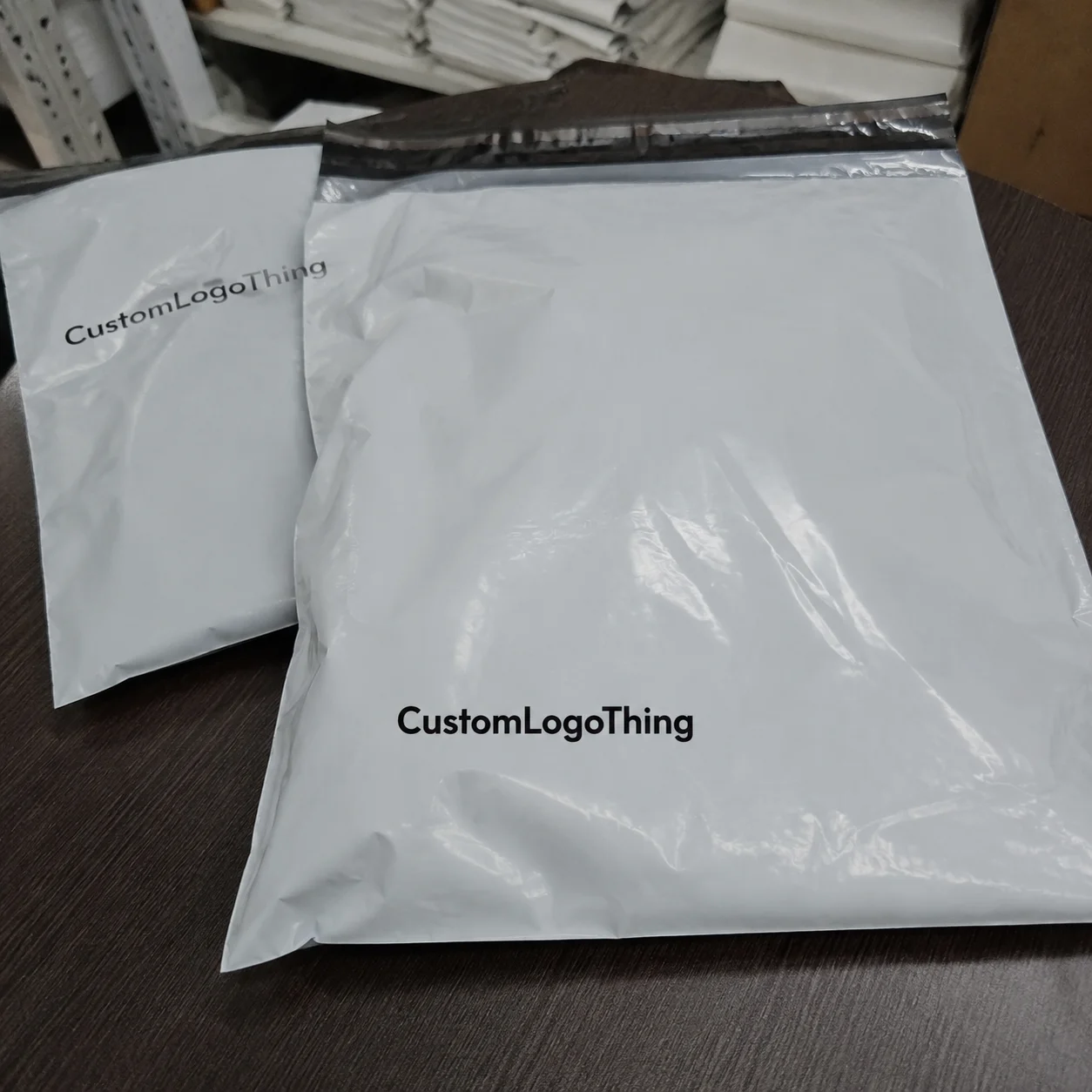
A 3-inch round sticker for a candle jar, a giveaway decal, and a sealing label for a kraft mailer may share the same size, yet they should not be built the same way. One may need clean adhesion on glass. Another needs abrasion resistance. A third needs stronger tack to hold on a rough paper surface. Same dimensions. Different stress. Different material stack.
That is why small specification changes carry so much weight. A paper face stock can look crisp and still fail quickly in damp storage. A gloss finish can brighten color but show fingerprints on dark solids. A standard permanent adhesive may work on smooth PET and underperform on dusty recycled board. A mismatch in any one of those areas can cancel out good design work.
From a packaging standpoint, custom printing stickers reduce commitment. Brands can order plain boxes, pouches, or shippers and add graphics later rather than buying large runs of printed packaging upfront. That is useful for seasonal launches, changing compliance copy, test-market SKUs, and short promotions. It also explains why stickers show up so often in early-stage packaging systems: they buy flexibility.
They also compress a surprising amount of manufacturing complexity into a small format. Print method, face stock, adhesive, coating, die line, delivery format, minimum order quantity, and freight can all change the result. Buyers who understand those moving parts compare suppliers more accurately and spend less time correcting preventable problems.
How Sticker Printing Works From Artwork to Finished Sheets or Rolls
Once the jargon is stripped away, the process is straightforward. Most custom printing stickers move through eight stages: artwork setup, proofing, material selection, print method selection, finishing, cutting, inspection, and packing. Trouble usually starts when one of those steps gets treated as routine.
Artwork comes first. Vector files such as AI, EPS, or press-ready PDF are preferred because they scale cleanly and hold edge detail. Raster art can work, but low-resolution files soften text, thin lines, and small icons fast. Anything under roughly 300 dpi at final size tends to show its limits in print. A proper proof should also confirm three basics: bleed, usually 0.125 inch beyond the cut line; safe zone, which keeps text away from trimming risk; and color mode, usually CMYK unless a spot color system is specified.
That sounds technical, but the consequences are practical. Skip bleed and you can get white slivers at the edge. Crowd type too close to the cut line and it may trim unevenly. Approve RGB artwork and the printed version can shift noticeably, especially with bright blues, greens, and oranges.
Print method depends mostly on quantity, repeatability, and use case. Digital printing dominates short runs, versioned designs, and fast-turn promotional jobs because setup is lighter and artwork changes are easy to manage. For higher volumes, offset or flexographic printing can improve unit economics and repeat consistency. A run of 250 stickers follows very different pricing logic than a reorder of 25,000.
Finishing changes both appearance and service life. Gloss usually increases saturation and contrast. Matte cuts glare and tends to hide fingerprints better. Lamination adds a protective film, and in many cases it earns its keep. Jobs exposed to abrasion, oils, repeated handling, or refrigerated storage often benefit from that extra layer. UV coatings and specialty effects exist too, though they are more often visual upgrades than functional necessities.
Delivery format matters more than many first-time buyers expect. Individual die-cut stickers work well for events, handouts, and inserts. Kiss-cut sheets are practical for mixed designs or low-volume hand application. Roll stickers are usually the most efficient format for packaging lines, warehouses, and any team applying hundreds per day. Roll direction can matter as well if the stickers are going into a dispenser or applicator. That detail is easy to miss on a proof and expensive to correct later.
A visually correct proof is not a complete proof. Size, material, adhesive, finish, quantity, and delivery format all need to be confirmed before approval.
Inspection is the last quiet step buyers rarely see. A competent supplier checks cut registration, color consistency, liner damage, adhesive contamination, count accuracy, and obvious print defects before packing. On more demanding jobs, buyers should ask what tolerance applies to color variation, trim drift, and quantity overrun or underrun. Those answers say more about production discipline than a polished sales page ever will.
For technical context on printing and package development standards, the Association for Packaging and Processing Technologies publishes useful industry resources at packaging.org.
Material, Adhesive, Finish, and Size: The Four Factors That Decide Performance
Most sticker failures trace back to four choices: substrate, adhesive, finish, and dimensions. Artwork still matters, but these are the variables that decide whether the sticker performs once it meets moisture, friction, sunlight, curved surfaces, freezer temperatures, or rough handling.
Material
Paper is usually the lowest-cost option and works well for dry indoor applications, carton seals, event handouts, and some retail packaging. It is easy to write on and often gives a softer, more tactile feel than film. Its weakness is moisture. Unless specially treated, paper is a poor match for refrigerated items, oily surfaces, or jobs exposed to frequent wiping.
BOPP, or biaxially oriented polypropylene, is one of the most practical materials for packaging labels. It resists water, oil, and scuffing better than paper while staying more affordable than many premium films. White, clear, and metallic BOPP are common across jars, pouches, bottles, and personal care packaging. For many consumer goods, it is the default choice because it balances durability, printability, and cost.
Vinyl moves into the heavier-duty decorative category. It is often used for laptops, windows, outdoor decals, and longer-life branded stickers because it handles weather and repeated contact better than standard paper constructions. It usually costs more than paper or BOPP, and not every packaging job needs that level of durability. Polyester tends to show up in technical or industrial uses where heat, chemicals, or aggressive abrasion are part of the environment.
Adhesive
Adhesive choice is where many otherwise good orders go wrong. Permanent adhesive is common, but common is not the same as universal. Removable adhesive works for temporary promotions or glass applications where residue matters. Freezer-grade adhesive is built for cold-chain conditions. Repositionable adhesive helps with alignment during application. Tamper-evident constructions are used where visible disruption is part of the requirement.
The surface itself matters just as much as the adhesive family. A smooth PET bottle, a powder-coated tin, a matte-laminated box, and a textured kraft mailer do not accept adhesive the same way. Low-energy plastics can be difficult. Recycled corrugate can be dusty and uneven. Curved containers put more stress on edges than flat panels do. If the sticker will be machine applied, speed and pressure also affect bond development.
Finish
Gloss, matte, and lamination are not only style choices. Matte often feels more premium and hides scuffing better. Gloss delivers more visual punch, particularly on saturated colors and food packaging. Lamination adds cost, often somewhere around 10% to 25% depending on the stock and run size, but it can prevent scratches, ink rub, and premature wear. For refrigerated beverages, cosmetics, and products handled repeatedly at retail, that extra layer is often money well spent.
Size and Shape
Dimensions affect yield, application, and price. Larger stickers consume more material and reduce the number produced per sheet or roll width. Complex contours increase waste and can slow cutting. Tiny stickers bring their own problems: small text becomes hard to read, thin borders show trim variation more clearly, and hand application takes longer than many teams expect.
| Use Case | Typical Material | Adhesive Need | Recommended Finish |
|---|---|---|---|
| Glass jar product label | White BOPP | Permanent | Gloss or matte laminate |
| Corrugated mailer seal | Coated paper | High-tack permanent | Matte or gloss |
| Laptop giveaway sticker | Vinyl | Permanent with clean-removal balance | Matte laminate |
| Plastic pouch label | Clear or white BOPP | Permanent | Gloss laminate |
| Textured kraft packaging | Paper or film with stronger tack | Aggressive permanent | Matte |
The best sequence is function first, appearance second. Ask what the sticker touches, how long it needs to last, and what conditions it will face. Then refine the look. Buyers who reverse that order often end up with a mockup that photographs well and performs badly.
Sticker Pricing and Unit Cost: What Actually Changes the Quote
Sticker pricing looks simple until you compare two quotes that are supposedly for the same job and land far apart. The gap usually reflects specification differences, not mystery pricing. A low number may hide thinner material, no laminate, fewer proof rounds, looser color control, a shorter count, or shipping that is priced separately.
The main cost drivers are usually quantity, size, material, adhesive type, finish, cut complexity, and delivery format. Quantity still carries the most weight because setup, handling, and finishing costs spread out as the run grows. A short-run digital order of 250 custom printing stickers might fall anywhere from about $0.35 to $1.20 each depending on dimensions and stock. At 5,000 pieces, many standard jobs drop into a range closer to $0.06 to $0.22 per piece. Specialty films, laminates, metallic effects, and unusual shapes push the number higher.
Material changes the base cost fast. Paper is usually the entry point. BOPP often sits a tier above it. Vinyl and polyester generally cost more. Finishing adds another layer, especially if the order includes laminate, foil effects, spot varnish, or a difficult contour cut. Delivery format matters too. Rolls built for production-line use can involve different finishing costs than simple sheets or loose die-cuts.
Freight is an underrated part of the math. Roll labels are compact, but high volumes still add weight. Large sheet formats can be bulkier than expected. Rush shipping can erase savings from a cheaper print price. International sourcing adds another variable: transit time may be longer, and specification errors become more expensive because replacement cycles are slower.
| Order Type | Typical Volume | Usual Print Method | Approximate Unit Cost Range | Best Fit |
|---|---|---|---|---|
| Short pilot run | 100-500 | Digital printing | $0.35-$1.20 | Testing color, fit, adhesion |
| Small business launch | 500-2,500 | Digital printing | $0.12-$0.55 | Events, first packaging run |
| Scaled packaging run | 2,500-10,000 | Digital or offset printing | $0.06-$0.22 | Ongoing product packaging |
| Large repeat order | 10,000+ | Offset printing or flexo | $0.03-$0.12 | Stable SKUs, repeat demand |
Every quote request should spell out the same core details so suppliers are pricing the same job:
- Final size and shape
- Material and adhesive type
- Finish or laminate details
- Sheets, singles, or rolls
- Quantity by SKU or version
- Proofing terms and color notes
- Shipping method and lead time
That is how quote comparison becomes useful. Otherwise, buyers end up reacting to a headline price that may conceal weaker materials, missing services, or slower delivery.
Process and Turnaround Timeline: How Long Sticker Orders Really Take
Most buyers talk about turnaround as if the schedule starts when the press starts. It usually begins earlier. Total lead time includes inquiry, quoting, artwork review, proof approval, production scheduling, printing, finishing, packing, and shipping. A standard order often lands somewhere between 7 and 15 business days from first request to final delivery. More customized work can push beyond three weeks.
Production time and total lead time are not the same thing. A printer may complete the manufacturing portion in 2 to 5 business days after approval, yet the order still drifts if proof revisions take four days, materials need to be sourced, or shipping is split across locations. Delayed approvals are one of the most common hidden causes of missed deadlines.
Certain variables speed the process up: print-ready artwork, standard materials, simple shapes, one destination, and clear quantities. Others slow it down: multiple versions, specialty laminates, exact brand-color matching, custom cores for roll labels, or requests to compare several materials before approval.
Rush production only solves the problem if production is the bottleneck. If the delay comes from incomplete files, uncertain specs, or internal sign-off loops, rush fees do very little. The safer method is to build backward from the in-hand date and leave room for at least one proof revision, one shipping delay, and one real-world surprise. Trade shows, launches, and seasonal campaigns rarely fail because the print press was two hours late; they fail because every earlier step was planned too tightly.
Transport conditions matter too, especially for packaging that will move through distribution. Guidance from ISTA is useful when stickered items will face abrasion, carton contact, or temperature swings during shipping.
How to Order the Right Custom Printing Stickers Step by Step
The cleanest buying process starts with the use case, not the artwork. Three questions narrow the options quickly: Where will the sticker be applied? How long should it last? What conditions will it face? Once those answers are clear, the rest of the process becomes much easier.
- Define the application. Decide whether the sticker is for bottles, pouches, corrugated shippers, paperboard cartons, handouts, or windows. Note exposure to refrigeration, sunlight, oils, abrasion, or repeated handling.
- Measure the actual placement area. Curved containers need real measurements, not estimates from a flat dieline. A design that looks fine on-screen can wrinkle around a narrow shoulder or taper.
- Choose material and adhesive together. Paper works for dry, lower-cost uses. BOPP fits many packaging applications. Vinyl suits tougher decorative use. Match adhesive strength to surface texture and removal expectations.
- Select the finish. Choose matte, gloss, or laminate based on both appearance and wear. If the sticker will be touched often, stacked in cartons, or exposed to moisture, protection usually matters more than first-glance shine.
- Choose quantity and format. Rolls are efficient for repeated application. Sheets work well for offices, mixed designs, and small batches. Singles fit giveaways and inserts.
- Prepare artwork properly. Send vector files when possible, include bleed, outline fonts if requested, and confirm that embedded raster images hold enough resolution.
- Review the proof line by line. Confirm size, material, adhesive, finish, format, quantity, and any roll direction requirements, not just the artwork itself.
- Consider a pilot run. For new packaging surfaces or untested SKUs, a run of 100 to 500 pieces can expose adhesion, fit, and finish problems at a manageable cost.
Sample packs are often more useful than buyers expect. Choosing between coated paper, white BOPP, and clear BOPP on a screen is one thing. Comparing them by touch, opacity, stiffness, and scuff resistance is another. The same applies when sticker specs need to coordinate with broader Manufacturing Capabilities and other packaging materials.
A simple internal specification sheet makes repeat orders much easier to manage. Include final dimensions, shape, face stock, adhesive, finish, color notes, delivery format, application surface, storage conditions, and target reorder quantity. Once that record exists, reorders become less reactive and fewer details get lost between teams.
If the surface is new, test adhesion on the actual package. Similar-looking materials often behave differently once coating, texture, temperature, and filling conditions enter the picture.
Before requesting a quote, run through this checklist:
- Application surface identified
- Indoor, outdoor, refrigerated, or oily environment noted
- Exact size and shape confirmed
- Material and adhesive preference listed
- Finish selected
- Singles, sheets, or rolls chosen
- Quantity by version prepared
- Deadline stated clearly
Common Sticker Ordering Mistakes That Lead to Reprints, Delays, or Waste
Most sticker mistakes are not design failures. They are specification or process failures, which is actually good news because they are easier to prevent.
Material mismatch is near the top of the list. Buyers choose paper because the price is lower, then use it on chilled bottles, oily containers, or damp packaging. The stickers arrive looking sharp and still fail in use. Another common problem is pairing a standard adhesive with textured, dusty, or low-energy surfaces where bond strength never fully develops.
Application conditions get underestimated just as often. Sunlight fades some constructions. Abrasion scuffs dark ink. Refrigeration changes adhesive behavior. Curved containers put extra tension on the edges. Hand oils affect frequently touched stickers. A label that sits quietly on a shelf for 90 days is doing a different job than a weekend giveaway or a box seal that rubs against other cartons in transit.
Proof approval is another weak point. Buyers scrutinize artwork while skimming dimensions, winding direction, finish, count split, or material callout. Roll direction matters for applicators. Size matters for fit. Finish changes glare and scratch resistance. Quantity splits affect inventory planning. Missing any one of those details can trigger a costly reorder.
Color causes its own problems. Screen approval on an uncalibrated monitor is a weak predictor of print, especially for saturated blues, oranges, and sensitive brand colors. If color accuracy matters, ask whether the supplier offers Pantone matching, what tolerance is realistic, and whether a physical proof makes sense for the value of the run.
Then there is quantity planning. Over-ordering ties up cash and storage, which becomes painful for seasonal artwork, promotions, or fast-changing compliance text. Under-ordering creates extra setups, repeat freight, and urgent reorders. A short pilot run costs more per piece, but it often saves more than it costs by exposing problems before volume is locked in.
The better risk question is not “How do I get the cheapest stickers?” It is “Where is failure most likely to happen?” The answer usually sits in one of four places: surface mismatch, environmental stress, proof oversight, or unrealistic timing.
Expert Tips for a Better Custom Sticker Order
Teams that get consistent results usually do one thing well: they standardize the process before scaling volume. The improvement sounds small. The cost savings are not.
Start with adhesion testing on the real package, not a similar sample. Coatings, recycled content, texture, and storage conditions can all shift performance. Ask suppliers for practical alternatives instead of assuming the first stock quoted is the right one. In many packaging jobs, a white BOPP with matte laminate outperforms paper for a modest premium. Standardizing sizes across related SKUs can also improve yield and make future pricing easier to forecast.
Build an internal specification sheet for every repeat design. Record size, substrate, adhesive, finish, quantity, format, application notes, storage conditions, and any color-critical elements. Teams buying stickers alongside cartons, inserts, or pouches usually get cleaner reorders when those specs are aligned across the broader packaging system.
Know when samples matter. A digital mockup is enough for early layout discussion. A sample pack helps when choosing between materials or finishes. A physical proof becomes more valuable when the order is large, the brand color is sensitive, or the environment is unforgiving.
One final point is often skipped: storage after delivery. Stickers should be kept in a stable, dry environment and used within the supplier's recommended window. Excess heat, humidity, or long storage can affect liner release, print appearance, and adhesive performance. Even a well-made sticker can underperform if it sits too long in poor conditions before application.
The practical payoff is simple: fewer reprints, fewer delays, and better-looking results on the shelf, in the box, or on the package itself. Buyers who treat custom printing stickers as a performance product rather than a generic print item make better decisions faster, and their repeat orders become far more predictable.
What should you know before ordering custom printing stickers?
What material is best for custom printing stickers on packaging?
For many packaging jobs, white or clear BOPP is the safest starting point because it handles moisture, oils, and scuffing better than standard paper at a manageable cost. Paper still works well for dry indoor use and short-life promotions. Vinyl is often reserved for tougher decorative applications such as laptops or outdoor decals. The right choice depends on the package surface, storage conditions, and expected lifespan.
How much do custom printed stickers usually cost per piece?
Unit cost depends mostly on quantity, size, material, finish, and cut style. Short digital runs often land in the $0.35 to $1.20 range per piece, while larger repeat orders can drop below $0.10 each for standard constructions. Accurate comparisons require matching specs, including adhesive type, laminate, delivery format, and shipping.
How long is the turnaround for custom printing stickers?
Total turnaround usually includes proofing, production, and shipping, not just press time. Many standard jobs fall within 7 to 15 business days from first request to delivery. Specialty finishes, custom materials, multiple proof rounds, and delayed approvals are common reasons schedules stretch.
Can I order custom printing stickers in small quantities?
Yes. Many suppliers offer short-run digital printing for tests, events, and smaller businesses. Small quantities cost more per piece, but they reduce inventory risk and are useful for checking adhesion, color, finish, and package fit before scaling up.
What should I send to get an accurate custom sticker quote?
Provide size, shape, quantity, material preference, adhesive needs, finish, delivery format, and artwork if available. Include notes about the application surface, environmental exposure, and whether the stickers will be applied by hand or machine. A realistic deadline should be stated early so production and shipping can be quoted properly.

