A sticker that misses by only 2 to 3 mm can behave as though it is oversized. On a package, that small error can push a label into a bottle shoulder, cover a carton score line, or leave a seal hanging over an edge where it starts peeling during handling.
That is why custom size stickers matter. Exact dimensions affect more than appearance: they influence application speed, adhesion, barcode performance, waste, and whether the final package looks planned or improvised.
This guide focuses on what helps buyers decide: sizing, materials, adhesives, lead times, pricing, format, and the checks that prevent reprints.
Custom Size Stickers: Why a Few Millimeters Can Change Results
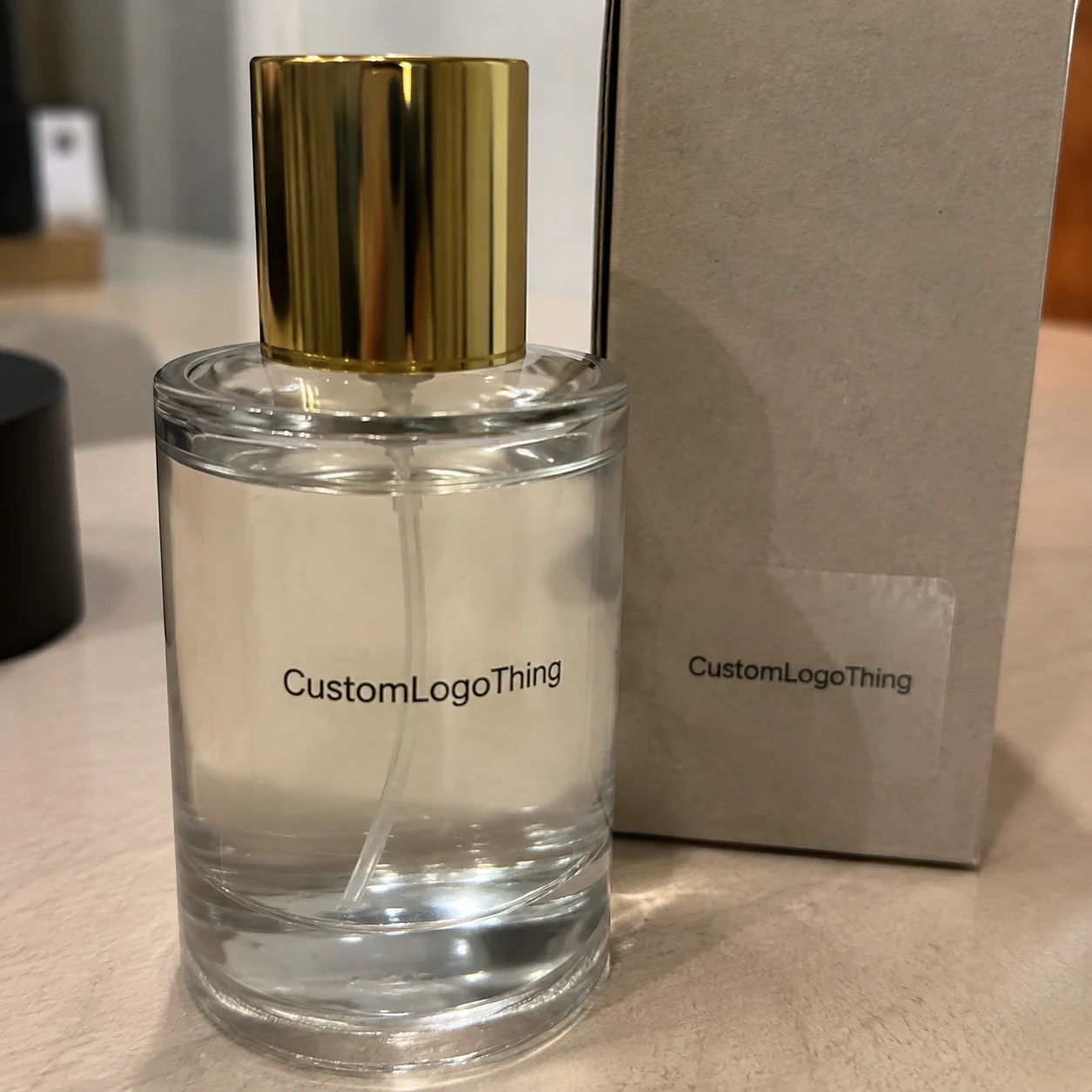
Packaging tolerances are tight, and visual errors read larger than they measure. A label that extends into a curved area may wrinkle. A tamper seal that overlaps a box edge can catch in transit. A branding sticker can technically fit and still look undersized on a premium carton.
Custom size stickers work because they match the usable panel instead of forcing the job into a standard template. That matters for:
- Product packaging: front labels, ingredients, variant stickers, short-run SKU updates
- Shipping and fulfillment: closure seals, warning labels, carton markers
- Promotional use: inserts, handouts, giveaway singles
- Retail display: shelf signage and temporary campaign graphics
Size is not only a design choice. It also affects operations. A sticker that needs frequent repositioning slows hand application. On dispensing equipment, the wrong dimensions can interfere with registration and placement.
Exact-fit sizing often saves money by preventing a second order. Reprints, slower packing, poor scan performance, and label lift usually cost more than the savings from choosing a generic size first.
How Sticker Sizing Works Across Shapes, Surfaces, and Use Cases
Most sticker specs start with width x height. Circles use diameter. Ovals, rectangles, rounded rectangles, and die-cut shapes still rely on maximum width and height, but usable print area changes with shape. A 3-inch circle holds much less copy than a 3-inch square.
Three production terms drive nearly every order:
- Trim size: final cut dimension
- Bleed: artwork extending beyond trim, often 0.0625 to 0.125 inch
- Safe zone: inner margin where text, logos, and barcodes stay clear of the cut line
These allowances protect against clipped artwork and uneven borders if the cut shifts slightly during converting.
Surface geometry changes sizing decisions quickly. Flat cartons are forgiving. Curved bottles are less so. Tapered jars, conical cups, and stand-up pouches are harder because the sticker must conform to changing angles, seams, or textured films.
A rectangle that looks fine on screen can fail on a narrowing bottle body. Tension across the face stock turns into wrinkles or edge lift. The fix may be a smaller width, a different shape, or a more flexible material.
Orientation matters too. Portrait, landscape, wraparound, top-seal, and tamper-evident formats behave differently at application speed. A closure seal may need extra width for finger placement. A wrap label may need overlap planned so required text does not disappear into the seam.
Format also affects labor and handling. Roll labels are usually best for faster hand application and machine dispensing. Sheet stickers suit office use, mixed designs, or smaller runs. Singles work well for events, inserts, and kits. If you are comparing options under Custom Labels & Tags, decide on format early because it influences packing speed, storage, and shipping.
How Do You Choose the Right Custom Size Stickers?
The best choice balances four factors: the usable panel, the surface condition, the amount of content required, and the way the sticker will be applied. Miss one, and even a well-printed sticker can fail in use.
Start by measuring the actual placement area, not the full package. A bottle may be 8 inches tall while the smooth label panel is only 2.75 inches high. A mailer may seem wide enough for a seal until the flap and score lines cut the safe area in half.
Then check the environment. Paperboard, glass, PET, HDPE, poly mailers, and coated cartons behave differently under adhesive. Add moisture, abrasion, freezer storage, condensation, or UV exposure, and the suitable material list narrows fast.
Paper stocks are often the economical choice for dry indoor use. They print cleanly and work well for event stickers, hand-applied seals, and short-life packaging. Film materials such as BOPP and vinyl cost more but resist water, tearing, and scuffing better. For refrigerated food, bath-and-body packaging, and longer-wear branding, white or clear BOPP is a common practical option.
Adhesive deserves the same scrutiny as face stock. Permanent adhesive is common for product labels. Removable adhesive fits temporary promotions or window use. Freezer-grade and all-temperature adhesives handle tougher conditions but usually cost more and may have stricter application requirements.
Finish affects both function and appearance. Matte reduces glare and often improves readability. Gloss can deepen color. Soft-touch laminates feel premium but are not always ideal for rough handling. Clear constructions with white ink create a refined no-label look, but file setup must be precise because opacity and backing show-through matter.
Content requirements set a realistic minimum size. If the sticker must hold a barcode, ingredients, warnings, batch data, and a readable logo, shrinking the label too far creates scan and legibility problems. Simplifying graphics is usually safer than shrinking required text.
Rule of thumb: the sticker should look intentional at normal viewing distance and still apply cleanly at working speed.
Sustainability claims also need precision. FSC-certified paper can support responsible fiber sourcing, and the Forest Stewardship Council is a useful reference. But a certified face stock does not automatically make the full sticker construction recyclable in every local stream; adhesive, liner, laminate, and package substrate all matter.
Production Steps and Timeline: From Proof to Delivery
The production path is straightforward, but delays usually happen in prepress and approvals rather than on press. A typical order moves through these stages:
- Measure the package or application area
- Choose dimensions, shape, and format
- Select material, adhesive, and finish
- Prepare artwork and cut path
- Review and approve the proof
- Print, laminate or varnish if needed, then convert
- Pack as rolls, sheets, or singles
- Ship to one destination or several
Prepress is where many problems appear. Files are typically expected at high resolution, built in CMYK unless otherwise requested, and supplied with fonts outlined or packaged properly. Custom cut shapes need a clean die line on a separate layer. Clear labels with white ink need that layer clearly identified.
Simple proofs may turn around the same day. More involved jobs can take a few business days. After approval, straightforward digital production often lands in the 5-to-10-business-day range. Jobs using custom dies, laminates, foil, or specialty adhesives often move into the 10-to-15-business-day range. Transit time is separate.
Common causes of delay include:
- Artwork revisions after proofs are issued
- New die creation for custom shapes
- Specialty laminates, foil, or white-ink layers
- Material backorders
- Split shipments to co-packers, warehouses, and offices
Quality checks help prevent costly surprises. On a solid run, suppliers should monitor color consistency, cut alignment, lamination bond, roll count, and visible defects such as edge nicks or contamination. If labels will be machine-applied, confirm roll direction, unwind, outside diameter, and core size before production. A 1-inch core and a 3-inch core are not interchangeable once labels need to run through equipment.
For packages moving through rough distribution, guidance from groups such as ISTA can help assess abrasion, stacking, and transit stress.
Cost and Pricing Breakdown for Right-Sized Sticker Orders
Sticker pricing is usually shaped by eight variables: size, shape complexity, material, adhesive, finish, print method, quantity, and format. Dimensions matter, but they are only part of the quote. A modest clear BOPP label with white ink and matte laminate can cost more than a larger paper rectangle because the construction and finishing are more demanding.
Larger stickers use more material and shipping space, but cost does not rise in a perfectly straight line. Layout efficiency, waste around die-cut shapes, and whether the job runs digitally or conventionally all affect pricing. Roll packaging may cost more than sheets in some cases, yet still reduce labor enough to be cheaper in practice.
| Order Type | Typical Quantity | Common Material | Estimated Unit Range | Notes |
|---|---|---|---|---|
| Short-run digital, simple rectangle | 250-1,000 | Paper or white BOPP | $0.18-$0.55 | Useful for testing, promos, limited SKU changes |
| Mid-volume roll labels | 2,500-10,000 | White BOPP with laminate | $0.04-$0.16 | Common for retail and product packaging |
| Custom die-cut premium run | 1,000-5,000 | Clear film, specialty finish | $0.12-$0.38 | White ink, foil, and soft-touch raise cost |
These ranges are directional, not universal. Freight, region, setup, artwork complexity, and current material pricing all affect the final quote. Digital printing has made low-MOQ runs far more accessible, but unit pricing remains higher because setup and handling are spread across fewer pieces.
Cost often rises due to details buyers miss at quote stage:
- Multiple SKUs with slightly different sizes
- Versioned artwork for language, flavor, scent, or formula changes
- Extra proof rounds caused by incomplete files
- Pantone matching or tight brand color tolerance
- Low roll counts that increase packing labor
A better lens is not only cost per sticker, but cost per applied sticker. If one option is cheaper per piece but slows packing or increases spoilage, it is not the lower-cost choice overall.
Step-by-Step: How to Order the Best-Fit Sticker Size the First Time
The strongest orders begin with disciplined measurement, not visual guesswork.
- Measure the actual application panel. Use the flat or gently curved area only, not the full package dimensions.
- Mark interference points. Seams, folds, zippers, score lines, embossing, caps, and edges all reduce safe space.
- Define the sticker’s job. Branding, sealing, compliance, and instruction each require different priorities.
- Choose shape and orientation. A horizontal oval may fit a jar better than a tall rectangle; a top seal may need more grip area.
- Build the file correctly. Include bleed, safe margins, and barcode clearance.
- Request a proof or fit sample. Curved, cold, textured, or premium surfaces are worth testing before volume production.
- Confirm logistics. Approve quantity, lead time, format, roll direction, core size, and shipping destinations before release.
Brands coordinating stickers with Custom Packaging Products and printed cartons benefit from a simple internal spec sheet listing final size, shape, corner radius if relevant, face stock, adhesive, finish, print details, format, application method, and use environment.
If the package is launch-critical, testing two nearby sizes is often smarter than debating a mockup. A difference of 0.125 inch can noticeably change shelf appearance and application accuracy.
Common Sizing Mistakes That Lead to Waste, Reprints, and Slower Application
Most sticker failures are predictable, which means they can usually be prevented before production.
Measuring from a mockup instead of the physical package
Renderings flatten reality. Bottles, jars, tubes, and pouches do not. Measure the actual item with a flexible ruler, template, or calipers before approving dimensions.
Using the full panel without leaving margin
Edge-to-edge fit often looks crowded and leaves little tolerance for placement drift. A small amount of negative space usually improves both appearance and application consistency.
Ignoring curve tension
Tapered containers and rounded shoulders wrinkle when a sticker extends too far into changing contours. Reducing width, adjusting shape, or using a more conformable material is usually more effective than forcing the original size.
Skipping bleed or placing text too close to the cut line
Production tolerances are small, not zero. Proper bleed and a safe zone matter even more on custom die-cut shapes.
Choosing the wrong format for the workflow
Sheets may look cheaper at quote stage but become slower and wasteful on the packing table. Match format to labor, equipment, storage, and order volume.
Reducing size until required copy becomes hard to read
This is common on ingredient, warning, and cosmetic labels. If the sticker has compliance work to do, readability has to win.
Cheap labels become expensive quickly once they hit an imperfect surface or a hurried packing line.
Smart Next Steps Before You Request a Quote or Place an Order
The cleanest buying path is simple: measure the real package, define the sticker’s job, match the construction to the environment, and choose a format that fits the application method.
Before requesting pricing, prepare a basic spec sheet with size, shape, quantity, substrate, adhesive, finish, artwork status, and deadline. If the surface is curved, textured, refrigerated, or otherwise sensitive, test one or two sizes before committing to volume. A small trial run usually costs far less than a full reprint.
Supplier questions should stay specific. Does the adhesive suit freezer conditions or cold-fill application? Is a proof included? What roll direction, core size, and labels-per-roll count will be supplied? How will cartons be packed for storage and handling?
If you need custom size stickers that fit properly, start with the package in hand rather than the mockup on screen. Build the order around the surface, environment, and workflow.
FAQs
How do I choose the best custom size stickers for a bottle or jar?
Measure the actual label panel, not the full circumference or container height. Leave room away from strong curves and tapered shoulders where wrinkles or edge lift usually begin. If the container will face moisture, oil, refrigeration, or condensation, test both the face stock and adhesive before a full run.
What affects the price of custom size stickers the most?
Size matters, but material, finish, shape complexity, print method, and quantity often matter just as much. Clear film with white ink, freezer-grade adhesive, foil, or soft-touch laminate can raise cost faster than a modest size increase. Format and labor also affect the real total.
Are custom size stickers better on rolls or sheets?
Rolls are usually better for faster hand application and machine dispensing. Sheets work well for smaller quantities, office use, and mixed-design orders. The better format depends on how often the stickers will be used, who will apply them, and whether equipment is involved.
How long does it take to produce custom cut stickers in a specific size?
Simple jobs can often ship within 5 to 10 business days after proof approval for standard digital production. Custom dies, specialty laminates, foil, white ink, or multiple revision rounds can push timing into the 10 to 15 business day range or longer. Transit time should be counted separately.
Can I order low-MOQ custom size stickers for testing before a full run?
Yes. Many suppliers offer short runs through digital printing, which makes fit testing and design comparison easier. For a meaningful test, use the same material, adhesive, and finish planned for the final order.


