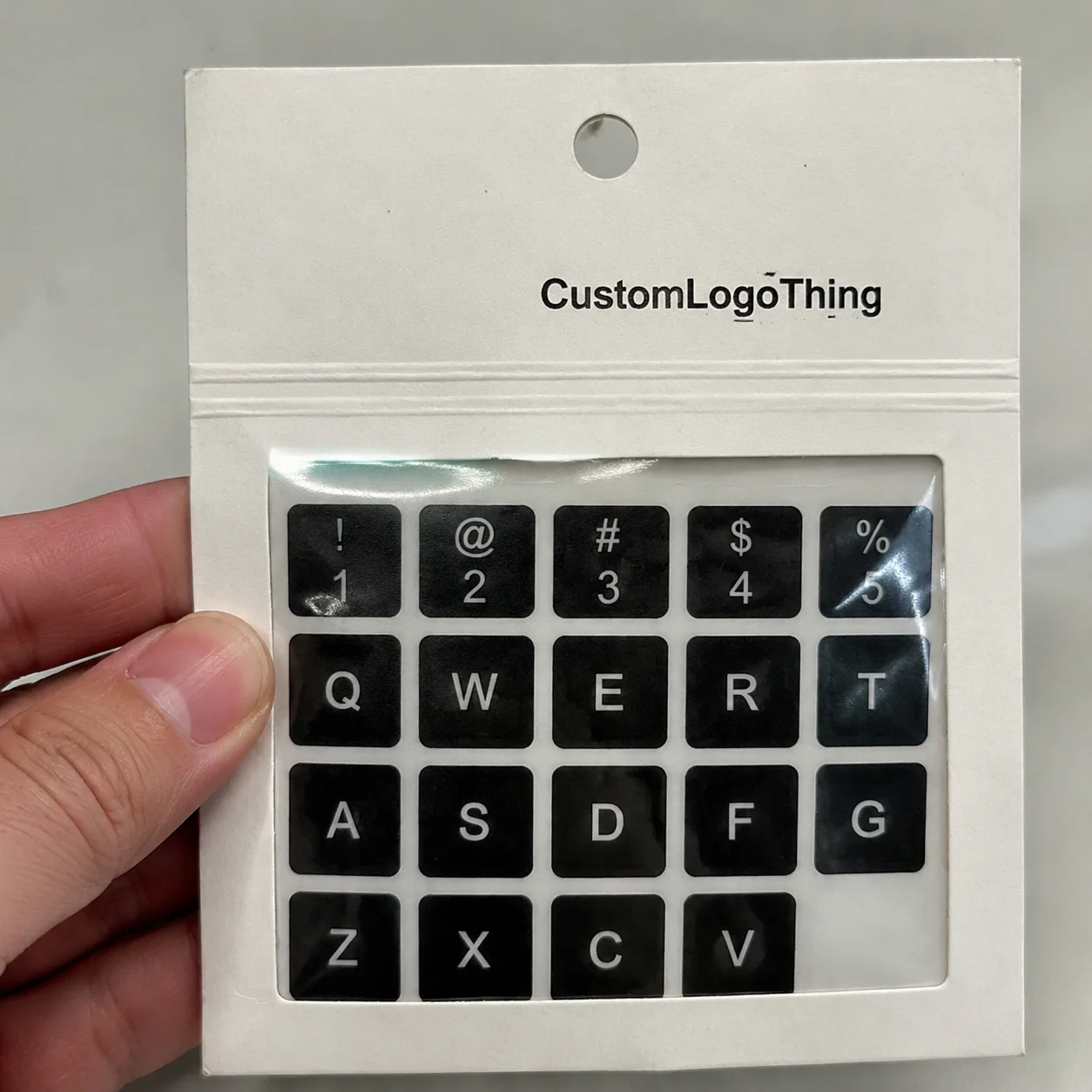
Schools order stickers for reward charts, club fairs, library bins, laptops, fundraiser packaging, parking permits, and admissions handouts. Problems usually start when those jobs get treated as the same product.
A 1-inch paper reward sticker and a laminated vinyl water-bottle decal are built differently, priced differently, and expected to last for different periods. The practical way to buy custom stickers for schools is to match the product to the use before requesting quotes.
That means deciding on material, adhesive, size, finish, quantity, and packing format early. It also helps to place stickers alongside other campus identity items such as Custom Labels & Tags and broader Custom Packaging Products used for admissions kits, fundraiser bundles, and school-store orders.
Custom Stickers for Schools: What They Are and Why They Get Used Everywhere
School stickers cover several jobs: reward dots, mascot handouts, logo decals, name labels, event promotions, locker IDs, and short-run packaging seals. They are common because they solve small communication and branding needs at a low unit cost.
One school may need hundreds of reward stickers for classrooms, a few hundred die-cut decals for a robotics club, and weather-resistant spirit stickers for athletics merchandise. The artwork may overlap, but the construction should not.
Stickers, labels, decals, and seals are different products
These terms are often used interchangeably, but they signal different expectations to a supplier. A sticker is usually decorative or promotional. A label is more functional and used for identification, organization, or packaging. A decal usually implies a more durable product, often vinyl, intended for laptops, bottles, vehicles, or outdoor use. A seal is typically a small closure sticker for envelopes, folders, or retail-style packaging.
Using the wrong term can lead to the wrong quote. Asking for a “sticker” when you need a write-on classroom name label may get you a glossy stock that resists pen. Asking for “labels” when you want student giveaways may get you a sheeted indoor product instead of individually cut decals.
Where schools usually use them
- Classroom rewards and behavior charts
- Admissions, club, and event handouts
- Laptop, notebook, folder, and bottle decals
- Organization labels for bins, books, and supply kits
- Short-term parking, locker, or event identification
- Fundraiser and school-store packaging accents
The right spec depends on surface, expected lifespan, and exposure to moisture, abrasion, sunlight, or repeated handling.
How School Sticker Orders Actually Work From Idea to Delivery
Most orders follow the same sequence: define the use, prepare artwork, choose material and format, approve a proof, produce, pack, and ship. Orders run smoothly when the intended use is clear from the start.
A useful request answers a few basic questions. Will the stickers go on paper folders, water bottles, cafeteria packaging, car windows, or gym equipment? Are they indoor only? Do they need to be writable? Will staff apply them from sheets or rolls, or will students receive them as individual handouts?
Those details affect more than price. They also determine face stock, adhesive, lamination, print method, finishing, and packing labor.
Artwork and print setup
Schools often send logo files pulled from a website or social profile. That may be acceptable for small indoor stickers, but larger die-cut decals expose soft edges and compression quickly. Vector artwork such as AI, EPS, or press-ready PDF files produces cleaner type and more accurate cut lines.
If school colors matter, confirm how they will be matched. Standard full-color printing works for many jobs, but strict brand colors may justify a Pantone discussion, especially for mascot graphics and fundraising merchandise.
Sheet, roll, or individual cut?
Format should follow how the stickers will be used. Sheets are easy for teachers and office staff to store and peel by hand. Rolls work better when volunteers or staff need to label larger quantities of bags, folders, or packaging. Individually cut decals are usually the best choice for welcome packets, event handouts, and club tables.
Packing format also affects campus labor. Fifty labeled sheets sorted by department are easier to distribute than one mixed carton of loose pieces.
How Do You Choose the Right Custom Stickers for Schools?
The fastest way to Choose the Right spec is to start with surface and lifespan.
If the sticker goes on a worksheet, folder, or flyer for a short period, paper is usually enough. If it needs to stay on a laptop, bottle, instrument case, or outdoor sign through repeated handling and moisture, laminated vinyl is the safer option. If staff need to write a student name, date, or homeroom, choose a writable finish instead of standard gloss.
Common material choices
Paper stickers are the low-cost option for indoor use. They work well for reward charts, envelope seals, event handouts, and temporary labels. They are not ideal for moisture, scuffing, or bottle use.
BOPP or polypropylene film labels offer better moisture resistance than paper and are often used for packaging, supply labeling, or situations where a tougher label is needed without moving to heavy-duty decal stock.
Vinyl stickers are used when durability matters most. White vinyl with lamination is common for bottle decals, laptop stickers, outdoor event graphics, and school-store merchandise. Lamination improves scratch resistance and helps protect print from fading.
Adhesive and finish
Permanent adhesive is standard for many decals, but it does not mean impossible to remove. It means the sticker is intended to stay put during normal use. Removable adhesive is better for temporary event graphics, short-term parking permits, or surfaces that cannot be left with residue.
More aggressive adhesive is not always better. On painted walls, lockers, notebooks, or lower-cost plastic bins, it can leave residue or damage the surface. Schools should ask for the least aggressive adhesive that still fits the application.
Gloss is a good fit for bright mascot art and giveaway decals. Matte reduces glare and is usually better for labels with smaller text. Matte or uncoated writable stocks are also better when teachers need to mark names or dates.
If the design includes fine type, room numbers, or QR codes, review the proof at actual size. A layout that looks clean on screen can become hard to read when reduced to a small sticker.
Sticker Pricing, MOQ, and Unit Cost for School Budgets
Sticker pricing usually comes down to five variables: material, size, quantity, print coverage, and finishing. Die-cut shapes, lamination, individual cutting, version sorting, and split shipments all increase cost. Paper is usually cheaper than vinyl, and standard shapes are cheaper than complex contours.
The better buying question is not “What is the cheapest option?” but “What is the lowest-cost spec that still works?” A reward sticker does not need outdoor vinyl. A bottle decal that peels in a week was not a bargain if it must be reordered.
Typical order ranges and MOQ
Minimums vary by supplier, but many school orders start around 100 to 250 pieces per design. That range is common for clubs, admissions packets, and events. Larger quantities, such as 1,000 to 5,000 pieces, often produce more stable unit pricing for classroom rewards, campus promotions, and school-store packaging.
Simple indoor paper stickers can drop to a few cents each at higher volumes. Short-run die-cut vinyl decals usually cost more per piece, especially below 250 units. Specialty finishing, sequential numbering, polybagging, or sorting by grade or teacher adds cost quickly.
That is why different applications should be quoted separately. Five hundred paper reward stickers and five hundred laminated bottle decals may share a logo, but they are not the same product.
Budget issues that raise total cost
- Multiple versions for grades, clubs, teams, or houses
- Rush freight or split shipments
- Hand-sorting mixed designs into campus packs
- Proof delays caused by low-resolution art or missing approvals
- Reprints after choosing the wrong stock for the surface
These line items often cost more than a reasonable material upgrade or a better proofing process.
Process and Timeline: Proofing, Production Steps, and Delivery Planning
School calendars create narrow ordering windows. Jobs tied to back-to-school packets, homecoming, testing weeks, open houses, or fundraiser launches need more lead time than many buyers expect because production does not begin until artwork, specs, and proof approval are complete.
A straightforward order with ready artwork may produce in a few business days. Add die cuts, lamination, multiple versions, or art cleanup, and the schedule extends. Shipping is a separate variable and should not be treated as part of production time.
What proofing should confirm
A proof should verify more than spelling. It should confirm:
- Final size in inches or millimeters
- Material and finish
- Cut line or shape
- Bleed and safe area for text
- Version names, dates, or grade-level changes
- Packing format such as sheets, rolls, or individual pieces
On school orders, common misses include an outdated mascot mark, the wrong school year, a changed sponsor name, or text placed too close to the cut line.
Inspection points worth asking about
Most orders do not need complex testing, but a few checks are worth confirming. Ask whether the supplier verifies color against the approved proof, checks cut registration on die-cut shapes, and inspects for scratches, bubbles, or edge lift on laminated decals.
For writable labels, confirm that the surface accepts the intended pen or marker. For bottle or laptop decals, ask whether the construction is designed for routine handling and occasional moisture. “Water-resistant” is not the same as “dishwasher-safe.”
A Step-by-Step Buying Guide for Teachers, PTOs, and School Admins
- Define the use. Decide whether the stickers are for rewards, labeling, giveaways, packaging, or outdoor use. Note the surface and how long they need to last.
- List the required specs. Size, shape, quantity, writable surface, weather resistance, and packing format should be clear before quoting.
- Send usable artwork. Provide vector files when possible, along with school color references and logo rules.
- Separate unlike applications. Quote paper and vinyl versions as separate line items if the same design serves different uses.
- Review the proof at actual size. Check readability, dates, names, QR codes, and cut lines.
- Allow time for approvals and delivery. Internal signoff and shipping regularly add days.
- Order modest overage on repeat-use items. Reordering a small balance with rush freight usually costs more than adding a little extra to the first run.
Common Mistakes Schools Make When Ordering Stickers
The most common mistake is buying by category instead of application. “School stickers” is too broad to quote accurately.
Another problem is overspecifying durability because vinyl sounds safer. If the sticker goes on a reading log for a week, laminated vinyl is unnecessary cost. The reverse is also true: underbuilt decals for bottles or outdoor use usually fail fast and trigger reprints.
Schools also lose time by approving art too quickly. Small stickers can hide fuzzy logos, tight spacing, and unreadable type until they are printed. The proof should be checked by the person who knows the event details, not only the purchaser.
Quantity is another trap. Ordering too few may look safer in a budget meeting, but a short reorder with expedited production and freight often costs more overall.
Other avoidable problems
- Using glossy stock for stickers that need handwriting
- Choosing removable adhesive for long-term laptop or bottle use
- Missing version control for dates, grades, or club names
- Using tiny custom shapes with points that are hard to peel
- Ignoring how the order will be packed, stored, and distributed
Storage matters too. Stickers kept in humidity, heat, or crushed under supplies can warp or lose release quality. For larger orders, cartons labeled by department or use case save staff time later.
Expert Tips and Next Steps for a Smooth School Sticker Order
The most efficient school buyers standardize a few repeat specs, keep artwork organized, and separate short-term paper needs from durable decal needs. That prevents departments from rebuilding the same order every semester.
A simple internal list can help: 1-inch paper reward circles, 3-inch laminated vinyl mascot decals, and writable matte name labels. Standardizing a few formats improves reordering, budgeting, and proof accuracy.
It also helps to define what the sticker does not need to do. Not every order needs UV resistance, custom contour cuts, or individual cutting. Better value usually comes from matching the build to the job, not from adding features by default.
When comparing quotes, check that the assumptions match line by line: material, finish, adhesive, quantity, and packing format. A lower price is not truly lower if it is based on a thinner stock, no laminate, or a format staff cannot use efficiently.
Used well, custom stickers for schools are a straightforward print buy. The key is clear specifications, realistic lead time, readable artwork, and a construction that matches the actual surface and lifespan.
FAQ
What are the best custom stickers for schools for water bottles and laptops?
Laminated vinyl is usually the safest choice for bottles, laptops, and other handled surfaces. It resists moisture and scuffing better than paper. If long service life matters, confirm the construction is intended for that use rather than assuming all vinyl performs the same way.
Are paper or vinyl stickers better for classroom use?
Paper is usually the better fit for classroom rewards, worksheets, folders, and short-term indoor use because it costs less and performs adequately. Vinyl makes sense only when the sticker needs extra durability or moisture resistance.
What size works best for school giveaway stickers?
Many giveaway decals fall in the 2-inch to 3-inch range because they are visible without feeling oversized on notebooks, bottles, and folders. Smaller sizes work for rewards and seals, but detailed logos and small text become harder to read.
How many stickers should a school order?
That depends on audience size and usage. A club event may need only 100 to 250 pieces, while a campus-wide handout or classroom reward program may justify 1,000 or more. If the design is evergreen, ordering slightly above minimum often lowers unit cost and reduces the chance of a rush reorder.
Can teachers write on school stickers?
Yes, if the face stock is intended for writing. Uncoated or matte writable stocks are better for names, dates, and notes. Gloss-coated surfaces often smear or resist common pens.
How long do custom stickers for schools take to produce?
Simple jobs with ready artwork may move in a few business days, but custom shapes, multiple versions, proof revisions, and shipping can extend the schedule. For event-driven orders, count proof approval and delivery time, not just production days.
Are individually cut stickers better than sheets?
They are usually better for handouts, welcome packets, and student giveaways. Sheets are more efficient for classrooms, offices, and any situation where staff need to peel and apply multiple stickers in sequence.