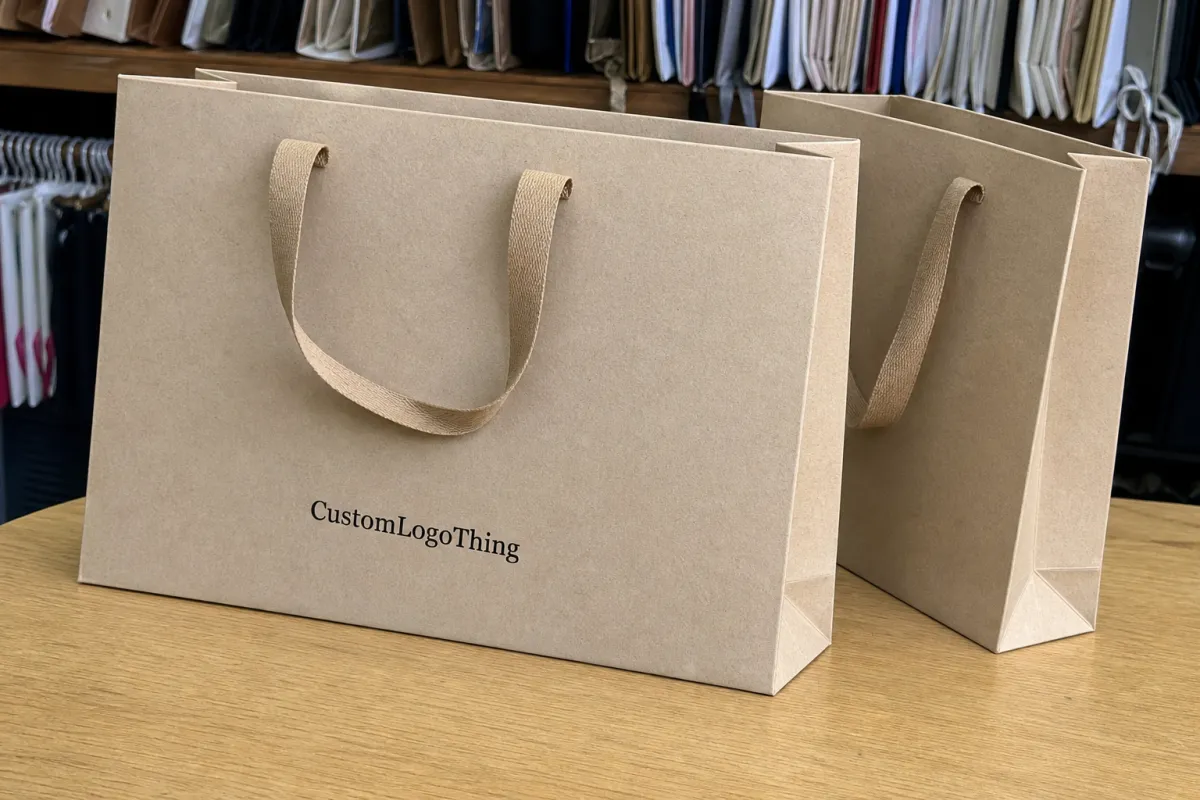
A Toronto café launches a seasonal drink. The cups, takeaway bags, and pastry boxes are plain. Fully custom cartons would tie up cash, force higher minimums, and leave half the order sitting in storage after the promotion ends. So the owner does what many small operators do: use custom stickers Toronto businesses rely on to turn stock packaging into branded packaging quickly.
One label on a cup. One seal on a bag. The package stops looking generic.
The cost difference is usually stark. A short-run sticker might add roughly $0.04 to $0.18 per package depending on size, material, and finish. Custom printed boxes can run several times higher once tooling, minimums, freight, and leftover inventory are counted. For cafés, food brands, market vendors, e-commerce sellers, and event operators, that difference affects real decisions: how fast to launch, how many SKUs to test, and how much cash stays available for product instead of packaging.
That is why buying custom stickers deserves more attention than it usually gets. The order may look simple, but the wrong spec fails fast. Paper curls on cold bottles. Cheap adhesive lifts from textured kraft. A glossy finish that looked sharp on screen becomes unreadable under retail lighting. Small print jobs have a habit of exposing big assumptions.
Custom Stickers Toronto: what buyers are really ordering and why it matters

At the most practical level, buyers are ordering printed adhesive pieces cut to a specific size, shape, material, and finish. They end up on jars, bottles, boxes, mailers, tissue, pouches, windows, and event materials. Some are decorative. Some are functional. The best ones do both without forcing the brand to overbuild its packaging.
People often use sticker, label, decal, and seal interchangeably, which is understandable but not always helpful during quoting.
- Stickers are often individual pieces or sheeted items used for promotion, inserts, or light packaging.
- Labels usually carry product or operational information and are applied to containers or packaging.
- Decals tend to be larger graphics for windows, walls, or vehicles.
- Seals are smaller closures used on tissue, envelopes, boxes, or tamper points.
That distinction matters because a merch-style die-cut sticker and a bottle label may share artwork but not construction. One needs to look good in a customer’s hand. The other needs to survive moisture, handling, and storage without edge lift or smudging.
Demand for custom stickers Toronto buyers order is driven less by novelty than by flexibility. Product details change. Seasonal offers come and go. Compliance language gets updated. A business that prints 10,000 boxes with obsolete information has purchased a packaging problem. A business using stock boxes plus labels can pivot in days.
There is also a labor angle that gets missed early and regretted later. Sheets are fine for a few hundred hand-applied pieces. They become tedious at volume. Rolls make repetitive application faster, neater, and easier to scale if the business later moves to a label dispenser or semi-automatic setup.
Most buyers do not need a lecture on packaging theory. They need the handful of variables that change the result: material, adhesive, finish, size, format, quantity, and proof accuracy. If the project includes other pieces, compare sticker specs against Custom Labels & Tags and broader Custom Packaging Products so each part of the system is doing the right job.
How custom sticker production works from artwork to finished rolls or sheets
Sticker printing sounds straightforward until a small file error gets multiplied across 5,000 pieces. A weak cut line, missing bleed, or unreadable type may look minor on screen. On press, it becomes expensive.
Most orders move through the same basic sequence:
- Artwork setup with final dimensions, bleed, safe area, and cut path.
- Proofing to confirm copy, orientation, cut line, and layout.
- Material and adhesive selection based on surface and use conditions.
- Printing, usually digital for short runs or flexographic for higher-volume repeat work.
- Finishing such as lamination, varnish, foil, or specialty effects.
- Cutting into singles, sheets, or rolls.
- Packing for pickup, shipping, or production use.
Format changes how the order functions in real life. Die-cut singles suit giveaways, inserts, and merch-style stickers. Kiss-cut sheets work for smaller hand-application jobs. Roll labels are built for speed on packaging lines or repetitive manual use. Transfer decals help with fine-detail graphics on windows or walls. Tamper seals are designed to fracture or show interference.
Print method changes cost structure. Digital printing usually makes sense for short runs, test batches, and multiple SKUs because setup is lighter and version changes are easier. Flexographic printing tends to become more efficient at larger volumes, especially on repeat orders with stable artwork. Specialty finishes can lift shelf appearance, but every extra process adds Cost, Lead Time, and one more place where tolerance issues can appear.
Adhesive deserves more respect than it gets. Permanent adhesive works for many packaging jobs. Removable adhesive is better for short-term promotions or decals that should come off cleanly. Freezer-grade adhesive exists because standard constructions do not always bond well in cold conditions. Low-tack options are safer on glass applications where residue matters. None of this is glamorous, but it is where a lot of sticker failures start.
Surface type complicates everything. Glass is usually forgiving. Corrugate can be dusty. Textured paperboard reduces contact area. Some plastics, especially low-surface-energy materials, resist standard adhesives. A label can hold perfectly on a dry metal tin and fail once condensation becomes part of the environment.
Proof approval is the control point many buyers rush through. A 1 mm cut-line shift barely sounds like a problem. On a round seal, a narrow bottle label, or any design with a border, it can make the whole run look off-center. Experienced buyers check proofs as if they are checking production, because they are.
Materials, finishes, and adhesive choices that change sticker performance
If a sticker fails after application, the cause is usually physical rather than creative. Wrong stock. Wrong adhesive. Wrong assumptions about where the package will live.
Paper, vinyl, and BOPP compared
Paper stock is often the entry-level choice for custom sticker printing. It feels tactile, prints cleanly, and works well for dry applications such as bakery boxes, tissue seals, candle jars, and carton closures. It is also the least forgiving around moisture, oil, and abrasion unless protected with a laminate or varnish.
BOPP or polypropylene film is often the workhorse option for packaging. It resists moisture better than paper, handles refrigeration more reliably, and appears often on jars, bottles, pouches, coffee bags, and personal-care packaging. White BOPP, clear BOPP, and metallic film each create different visual results before finish choices even begin.
Vinyl is tougher and more flexible, which is why it shows up on outdoor stickers, window graphics, event decals, and surfaces that bend or face weather. It also costs more. For a simple indoor box seal, vinyl is often unnecessary.
Finishes are not just cosmetic
Gloss tends to boost color and can improve wipeability. Matte cuts glare and often helps readability under strong lighting. Soft-touch coatings can feel premium, but they cost more and are easier to justify on high-margin retail items than on basic operational labels.
Clear materials can look sharp on glass and transparent containers, especially when white ink sits beneath key artwork. Holographic film grabs attention quickly, which can work for event swag or youth-oriented retail. It can also hurt legibility if the design is already busy. Foil accents suit cosmetics, candles, and gift packaging, but very fine foil details are more likely to show inconsistency on press.
Use conditions decide the winner
Mockups hide a lot. Condensation, freezer storage, sunlight, pantry wear, abrasion, oil, steam, and repeated handling all stress labels differently. A dry tea box and a cold brew bottle are not close relatives just because both carry branding.
Food and beverage applications are usually the least forgiving. Labels applied too cold may not bond properly. Freezer use can require a specific adhesive system. Grease can stain uncoated paper. Takeout packaging gets hit by steam, oil, pressure, and hurried handling. For many of those applications, BOPP with permanent adhesive and a matte or gloss laminate is a safer starting point than paper.
Adhesive selection often matters more than finish selection. A beautiful sticker that lifts at the corners has already failed its first test.
| Material | Best Use | Strengths | Limitations | Typical Cost Behavior |
|---|---|---|---|---|
| Paper | Candle labels, box seals, dry retail packaging | Lower cost, tactile feel, strong print clarity | Weak moisture resistance, easier to scuff | Usually the lowest upfront cost |
| BOPP / Poly | Jars, bottles, pouches, coffee bags, product packaging | Moisture resistant, durable, versatile | Costs more than basic paper stocks | Mid-range; often the best value for performance |
| Vinyl | Window decals, outdoor stickers, event use | Flexible, weather resistant, durable | Often more than needed for simple packaging | Higher cost, especially with specialty finishes |
Material choice should match ordinary use, not ideal use. Candle labels often suit matte paper or BOPP. Cosmetic bottles usually benefit from white or clear film when fine text has to stay crisp. Coffee bags need scuff resistance. Shipping-box seals need to handle dust and friction. Window graphics lean toward vinyl. Event stickers often prioritize visual punch over long-term durability.
Buyers with sustainability targets often ask for paper sourced under standards such as FSC. Availability depends on the exact stock, finish, and converter, so it is better to confirm that early than assume every material has an equivalent certified option.
Pricing, MOQ, and unit cost: what drives sticker quotes in Toronto
Sticker pricing feels erratic only until the variables are visible. Then it starts to look like arithmetic with a design surcharge.
The main drivers are size, quantity, material, shape complexity, finish, adhesive, format, and turnaround. A 2-inch round paper seal on a sheet is one kind of job. A clear BOPP roll label with white ink, lamination, and a specified rewind direction is another.
Short runs often make sense despite the higher per-unit cost. A business testing three seasonal SKUs may be far better off ordering 250 to 500 labels per version than buying 5,000 pieces that become obsolete after a formula or package update. Packaging waste rarely announces itself loudly, but it erodes margin all the same.
Common price patterns look roughly like this:
- Small digital sticker sheets may run about $0.20 to $0.90 per sheet depending on fill, size, and quantity.
- Roll labels in the 1,000 to 5,000 range often land around $0.03 to $0.16 per unit for standard sizes and materials.
- Die-cut promotional stickers can fall around $0.18 to $0.70 each depending on size, finish, and volume.
Those are directional ranges, not fixed market rates. Add white ink on clear stock, metallic film, foil, unusual shapes, or a very low quantity, and the quote moves quickly.
Minimums are looser than they used to be because digital printing lowered setup barriers. Specialty constructions still carry practical constraints. Holographic laminates, foils, and less common adhesives are harder to source in tiny quantities without pushing cost up sharply.
Total cost should include labor. Sheets may look cheaper than rolls on the estimate, but if staff spend hours peeling and applying them during fulfillment, the savings disappear. That is why high-volume package branding often favors rolls even when the print line item is higher.
Quote creep usually comes from details left out at the start:
- Multiple SKUs with separate file prep
- White ink layers on clear materials
- Foil or holographic finishes
- Lamination for scuff resistance
- Custom roll core sizes or rewind directions
- Rush production
- Split shipping to multiple locations
The cleanest quote requests are specific. Share size, quantity tiers, shape, format, application method, surface type, storage conditions, and timeline. Mention refrigeration, oil exposure, textured kraft, glass, or outdoor use if any apply. Vague requests usually produce vague pricing and longer back-and-forth.
How long do custom stickers Toronto orders usually take?
Production time and total lead time are not the same number, and buyers mix them up constantly.
A standard order for custom stickers Toronto print providers make usually moves through inquiry, artwork review, proof approval, scheduling, printing, finishing, quality checks, packing, and delivery or pickup. Straightforward digital jobs may be produced in 3 to 7 business days after proof approval. More involved jobs often land in the 7 to 15 business day range. Large quantities and specialty finishing can push beyond that.
Total lead time grows because internal approvals, artwork fixes, and shipping all count. A two-day delay waiting for a final logo file can matter more than the press schedule. That is why experienced packaging buyers get signoff early instead of treating proof approval as clerical work.
Jobs commonly slow down for a few predictable reasons:
- Missing bleed or unclear cut lines
- Low-resolution raster logos that should be vector
- Tiny text that needs redesign
- Specialty finishes with extra process steps
- Late quantity or spec changes after approval
Rush service can help, but it usually brings trade-offs. Cost rises first. Material options may narrow. Certain finishes may have to be removed to hit the deadline. If the order supports an event, promotion, or launch date, build in extra days. Packaging schedules have a way of punishing optimism.
A small pilot run is often the best insurance, especially if one label will be used across several surfaces or if refrigeration, abrasion, or heavy handling is involved. A test batch can reveal adhesion issues, edge lift, scuffing, readability problems, and finish preferences before thousands of units are committed.
For shipped goods, broader test standards from groups such as ISTA can offer useful context, even if the sticker is only one part of the package system.
A step-by-step buying guide for choosing the right sticker specs
Most bad sticker orders begin with vague requirements. Better briefs usually lead to better production.
Step 1: Define the job
Is it a product label, a mailer seal, a promotional giveaway, an event decal, or a window sticker? Each role points to a different construction. A chilled bottle label and a laptop giveaway sticker should not share the same default material just because both happen to be adhesive.
Step 2: Measure the surface properly
Take actual dimensions and account for curves, tapers, and edge clearance. A label that looks fine flat on a proof can wrinkle once it wraps a tapered jar or bottle. That is especially common with tall narrow labels and designs that run too close to the edge.
Step 3: Match the material to the environment
Dry retail packaging can often use paper. Moisture, abrasion, oil, or refrigeration usually push the spec toward BOPP or another film. Outdoor use points more clearly toward vinyl. The environment settles the argument faster than aesthetics do.
Step 4: Choose the format around workflow
Rolls suit repetitive application and larger packing runs. Sheets are practical for smaller manual batches. Die-cut singles are best for merch, inserts, and handouts. Buyers who compare only print cost often choose the wrong format and pay the difference in labor.
Step 5: Prepare artwork for print
That means bleed, safe zones, readable text, and clean cut paths. Keep important type away from the edge. On small labels, text under 6 pt can become risky depending on font weight, stock, and print method. Fine reversed type on dark backgrounds often reproduces less cleanly than designers expect.
Step 6: Review a proof on the real package
Do not judge the sticker only on a monitor. Clear labels can disappear on one container and look excellent on another. Matte may feel right but mark more easily than expected. White ink opacity can make or break readability. A small test on the actual package answers questions fast.
Best practice: test the sticker where it will actually live—on the jar, on the box, in the fridge, under handling, and in transit if needed. Most packaging debates become simpler once the material meets real conditions.
If the sticker is part of a broader packaging update, consider whether it should carry full branding, variable product details, or both. Many efficient systems use stock packaging for cost control and stickers to handle change.
Common sticker ordering mistakes Toronto businesses make
The same mistakes show up repeatedly, and most are preventable.
One of the biggest is choosing paper for wet, oily, or refrigerated use, then treating edge curl or staining as a print defect. It usually is not. It is a spec problem.
Another is ordering the right artwork in the wrong format. A business hand-applying 3,000 units a week may save more with roll labels than with lower-priced sheets because labor drops sharply and application becomes more consistent.
Surface energy gets ignored too often. Some plastics and textured kraft materials reject standard adhesives. If the sticker is going on a difficult surface, that belongs in the first conversation, not after the first failed batch.
Design choices can create production trouble as well: tiny text, weak contrast, hairline details, decorative borders, or overcomplicated clear-label artwork. These problems get worse after cutting, especially on small labels and reflective materials.
Overbuying before testing is another familiar mistake. New SKU. Seasonal packaging. Container size not finalized. The safer move is often a smaller pilot order. A higher unit price hurts less than obsolete inventory stacked in the back room.
Scratch resistance and outdoor life also get underestimated. A shipping-box seal may rub against corrugate dust, conveyor belts, and rough handling long before the customer sees it. A window decal may sit in direct sun for weeks. Sticker specs written for ideal conditions usually fail in ordinary ones.
The deeper mistake is treating stickers as a simple print purchase. They are closer to a small materials-engineering decision hiding inside a branding project.
Expert tips for placing a smoother sticker order
The easiest way to improve quote accuracy is to prepare a one-page spec sheet before asking for prices. Include size, shape, quantity tiers, material preference or performance need, finish, format, application surface, use environment, and target date.
It also helps to request comparisons rather than a single number. Ask for standard lead time and rush. Ask for paper and BOPP if the application is borderline. Ask for sheets and rolls if labor matters. A side-by-side quote usually reveals where the real value is, which is not always the lowest initial line item.
If one sticker will be used across multiple package types, or if it will face refrigeration, abrasion, or outdoor exposure, test first. Even 100 to 250 pieces can answer practical questions about adhesion, readability, scuffing, finish, and application speed.
Color expectations should be settled early. Brand blues and reds can shift across paper, white film, and clear film. White ink on transparent material deserves special scrutiny. If shelf appearance matters, proofing is a quality-control step, not paperwork.
A clean buying process usually looks like this:
- Gather final artwork.
- Measure and photograph the surface the sticker will be applied to.
- List quantity breaks such as 250, 500, 1,000, and 5,000.
- Note exposure to moisture, refrigeration, oil, abrasion, or sunlight.
- Request quotes using real use details, not dimensions alone.
The best custom stickers Toronto brands order are not necessarily the flashiest. They are the ones matched to the package, the surface, the handling environment, and the pace of fulfillment. Get That Fit Right and a small printed piece can carry branding, product information, and perceived value far more efficiently than a full packaging overhaul.
Frequently asked questions
How much do custom stickers in Toronto usually cost?
Pricing depends on size, quantity, material, finish, format, and turnaround. Short digital runs cost more per unit but keep upfront spending lower, which helps with testing and limited launches. Roll labels usually become more efficient at higher volumes, especially for packaging work. Specialty options such as foil, holographic film, or white ink increase cost. The most accurate quote comes from sharing the sticker size, quantity tiers, application details, and the surface it will be applied to.
What is the typical turnaround time for custom sticker printing in Toronto?
Total lead time includes proofing, production, and delivery or pickup. Straightforward orders with print-ready artwork often move within 3 to 7 business days after proof approval. More complex jobs commonly take 7 to 15 business days. Foil, laminates, multiple SKUs, and specialty die-cuts usually add time, and rush service may reduce material or finish options.
What material is best for custom stickers Toronto food and beverage brands use?
BOPP or similar film materials are often a better choice than paper for moisture, refrigeration, and repeated handling. Permanent adhesive is common for jars, bottles, pouches, and takeaway packaging. Freezer or cold-environment adhesives may be necessary for chilled products. Matte and gloss can both work, but testing on the actual container is still the safest way to confirm performance.
Can I order low MOQ custom stickers in Toronto for a small business?
Yes. Many print providers offer low minimums through digital printing, which suits startups, pop-ups, seasonal runs, and market testing. Per-unit pricing is higher at lower volumes, so comparing several quantity breaks is worthwhile. Standard shapes and common materials usually keep low-MOQ orders more affordable. A pilot order can prevent a much more expensive reprint later.
Should I order sticker sheets, rolls, or die-cut custom stickers in Toronto?
Sheets work well for hand application and smaller internal jobs. Rolls are better for faster application and larger-volume packaging work. Die-cut singles are ideal for giveaways, inserts, and promotional handouts. The right format depends on how the sticker will be applied, stored, and distributed. Choosing the wrong format can raise labor costs even if the print quote looks cheaper.