A warranty seal that peels off in one clean piece does little to prove tampering. If you are sourcing Egg Shell Stickers custom for electronics, tools, medical devices, asset tags, or compliance decals, the goal is simpler: make removal obvious immediately.
Eggshell stock is built to fail under removal pressure. Instead of lifting intact like standard paper or vinyl, the face stock fractures into chips or flakes. That visible breakage helps prevent quiet removal, transfer, and reuse.
For companies already buying Custom Labels & Tags, this is one of the few constructions where destruction is the feature. A well-specified order can provide a clear tamper signal and support serialized tracking, but only if the material, adhesive, print, and application method fit the actual use case.
Why egg shell stickers custom orders solve one problem better than most labels
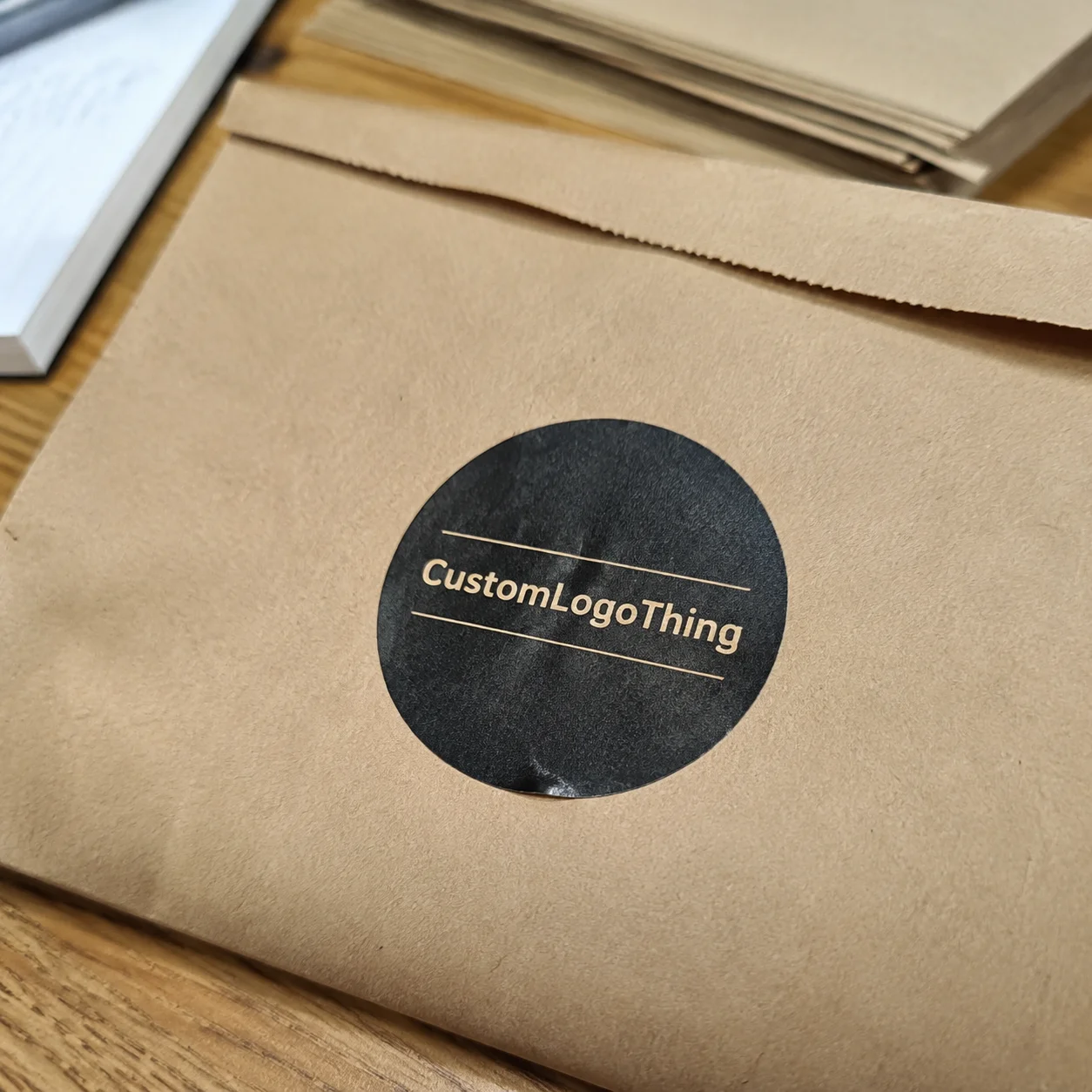
These labels are used for one main reason: they do not come off intact. The face stock is brittle, and the adhesive is selected to anchor firmly to the target surface. Once someone picks at an edge, the material breaks before the full label can release cleanly.
That puts this product in a different category from common label materials:
- Standard vinyl labels: durable, but often too easy to peel for true tamper evidence.
- Paper labels: lower cost, but they may tear in larger sections instead of fragmenting.
- Removable labels: designed for clean lift, which is the opposite of a security seal.
- Destructible vinyl: similar purpose, but fracture behavior varies by construction.
Typical uses include warranty void seals, calibration labels, anti-transfer property markings, compliance stickers, serialized asset control, and retail anti-tamper applications. Common surfaces are coated metal, painted housings, glass, rigid plastic enclosures, laboratory equipment, and medical device components.
Adhesive strength matters, but it is not the full decision. The buyer should care just as much about fracture behavior, surface compatibility, and whether the label can still be read after handling. A strong label that peels in one piece is not doing the job.
Smooth painted aluminum and glass are usually easier applications. Textured polypropylene, oily machinery, cold parts, or dusty housings are less forgiving. Even good material can fail if it is applied over contamination or before the adhesive has time to wet out properly.
These labels are best viewed as one part of a control system. They can work with serial numbers, batch records, or inspection steps, but they are not tamper-proof. The job is to leave evidence that is hard to hide.
How destructible security labels work after application
The mechanism is straightforward. The adhesive bonds to the substrate while the face stock has very little stretch. When upward force is applied at a corner or edge, the face layer fractures before the full label can release intact.
A good construction starts chipping at the edge, then breaks into flakes or small islands across the bonded area. Full removal becomes slow, messy, and obvious.
Performance is often strongest on:
- Glass
- Smooth stainless steel
- Anodized or painted metal
- ABS and similar rigid coated plastics
- Clean housings with low surface texture
Performance is less predictable on:
- Dusty or chalky surfaces
- Low-surface-energy plastics such as some polyethylene and polypropylene parts
- Oily machinery or uncleaned equipment
- Rough concrete or unfinished wood
- Flexible rubber-like materials that bend during use
Application conditions can affect results as much as material choice. Many pressure-sensitive constructions apply best between about 50°F and 100°F, with room-temperature application usually giving the best early tack. Full bond strength often builds over 24 to 72 hours.
Outdoor use, chemical wipe-downs, abrasion, UV exposure, and shipping conditions should be discussed before quoting. A label that must survive alcohol, disinfectants, or shop chemicals needs a suitable topcoat and print method. If labels will ship through demanding logistics channels, standards such as ISTA can help define transit expectations.
Security labels may also include:
- Consecutive serial numbers
- 1D barcodes or QR codes
- Batch numbers linked to production records
- Microtext or fine-line graphics
- Hidden identifiers
- Residue messages such as VOID, if supported by the construction
The key distinction is simple: tamper-evident does not mean tamper-proof. A person can destroy the label. The value is that they usually cannot remove it quietly and reuse it.
What to check before ordering egg shell stickers custom
A useful quote request needs more than a size and rush date. Suppliers need enough detail to match the construction to the application instead of guessing.
The specs that affect performance and price most are:
- Size and shape
- Target surface or substrate
- Indoor or outdoor exposure
- Finish such as matte, gloss, or protective topcoat
- Color count and print coverage
- Variable data including serial numbers or QR codes
- Application method by hand or machine
Start with the actual surface. A label that performs well on powder-coated steel can behave very differently on textured polypropylene, rubberized handles, or molded low-energy plastic. If the real part is available, sample testing on that exact part is usually the smartest first step.
Finish and readability tradeoffs
Matte finishes are often easier to write on, scan, and read under overhead lighting. Gloss finishes can look sharper, but glare may reduce readability. If abrasion resistance matters, ask about a clear topcoat, but remember that extra layers can change how the face stock fractures.
Print details that affect function
Black-only labels are common for pure security use because they are economical and high contrast. Full color makes sense when the label also carries a logo, compliance symbols, or instructions. Tiny formats leave little room for error, so text, numbering, and scan codes should be sized for actual use rather than for the proof on screen.
Barcodes and QR codes need enough contrast, physical size, and quiet zone to scan reliably. A code that works on a flat proof may fail on a curved housing or under poor shop lighting.
Compliance and file prep basics
If the label will be used on regulated equipment, ask about temperature range, permanence, and chemical resistance. Some buyers also need sourcing or sustainability documentation from groups such as FSC for broader packaging policies, though eggshell constructions are usually chosen for security performance first.
For artwork, vector files are still the safest option. Fine rules should stay above roughly 0.25 pt, bleed should be included when graphics run to the edge, and very small labels should not be overloaded with legal copy, serial data, logos, and scan codes at the same time.
If your company also orders Custom Packaging Products such as inserts, cartons, or custom printed boxes, keep numbering formats and visual coding aligned across the system. Purchasing, operations, and QA usually move faster when labels and packaging follow the same logic.
Egg shell sticker process and lead time from artwork to delivery
Most orders follow a standard path:
- Spec review to confirm size, substrate, environment, and data requirements
- Artwork check to verify printability, barcode sizing, and die layout
- Proofing for content approval
- Material confirmation so the construction matches the application
- Printing by digital, flexographic, or another suitable process
- Finishing such as varnish, serialization, slitting, or topcoating
- Cutting into rolls, sheets, or individual pieces
- Inspection for print quality, count, and sequence accuracy
- Packing and shipping
Delays usually come from incomplete specs, late proof approval, wrong variable-data files, or scope changes after quoting. A label first described as indoor-only can quickly become a different job if it also needs to survive alcohol wipes, oil, and sun exposure.
For a straightforward short run with clean artwork and no variable data, 7 to 12 business days after proof approval is a reasonable estimate in many cases. Mid-volume jobs with consecutive numbering often land around 10 to 15 business days. More complex work with custom security features or pre-production testing can move into a 2 to 4 week range.
A pilot batch is usually worth the cost for high-value warranty control, anti-counterfeit work, or labels going onto unusual plastics, textured coatings, or weather-exposed equipment. A small run will answer more than a long chain of assumptions.
After delivery, installation still matters. The surface should be cleaned with a substrate-safe method, fully dried, and pressed firmly during application. Most constructions need 24 to 72 hours of dwell time before final tamper behavior can be judged fairly.
If the label will be used across multiple facilities or product lines, document the approved construction completely: face stock, adhesive, finish, print method, liner format, roll direction if needed, and numbering rules. Reorders are easier when the spec does not have to be rebuilt from old emails.
Cost, pricing, MOQ, and unit cost drivers buyers often miss
Price is mainly driven by quantity, label size, material grade, adhesive choice, print process, color count, serialization, inspection level, and finishing steps.
Small orders often feel expensive because setup cost is spread over fewer pieces. Unit cost usually improves at higher volume, and repeat jobs are often more efficient once the material and numbering structure are already approved.
| Order Type | Typical Specs | Common MOQ | Estimated Unit Range |
|---|---|---|---|
| Basic black security label | 1" x 0.5", black print, no numbering, roll format | 500-1,000 pcs | $0.08-$0.22 each |
| Branded tamper label | 1.5" x 0.75", full color, matte finish | 1,000 pcs | $0.12-$0.30 each |
| Serialized asset label | 1.5" x 1", black or 2-color, consecutive numbering | 1,000-2,000 pcs | $0.18-$0.38 each |
| Advanced tracked security label | QR code, variable data, tighter inspection | 2,000 pcs | $0.25-$0.55 each |
Those ranges are realistic for many projects, though larger sizes, tougher outdoor requirements, special packing, or heavy versioning can raise costs. High-volume repeat orders can reduce them.
MOQ depends on press setup, material sourcing, and data workflow. Some digital jobs can start around 250 to 500 pieces, while others make more sense at 1,000 or 2,000. If your order includes multiple versions, ask whether MOQ applies per version or across the whole family.
Common hidden cost drivers include:
- Multiple SKUs or language versions
- Special packing or kitting by sequence
- Tight registration tolerances
- Repeated proof revisions
- Test samples on unusual materials
- Extra scan verification for serialized codes
If budget has to be prioritized, spend it on adhesive match, print legibility, and data accuracy before decorative finishes.
A clean RFQ usually includes:
- Dimensions
- Shape
- Quantity tiers such as 1k, 5k, and 10k
- Target substrate
- Indoor or outdoor use
- Artwork status
- Numbering or barcode requirements
- Delivery deadline
Common mistakes that make tamper-evident labels fail in the field
Most failures come from prep, surface mismatch, or inconsistent installation.
Surface contamination is the first repeat problem. Dirt, oil, moisture, mold release, and low application temperature all reduce bond quality. A destructible face stock cannot compensate for a poorly prepared substrate.
Bad material matching is another common issue. Textured plastics and low-energy polyolefins can be difficult. If no one tested the label on the actual part, the order was based on assumptions.
Layout errors show up often as well. Labels get designed too small for the text, serial number, or barcode quiet zone. Reverse text becomes too fine. Dense color fills reduce contrast. On small security labels, simple artwork usually performs better.
Chemical resistance, abrasion protection, and outdoor durability also get assumed too often. Those are specification choices, not automatic features. If the label will live on retail packaging, warehouse totes, equipment cases, or field gear exposed to cleaners and sunlight, that belongs in the original brief.
Dwell time is another blind spot. Many adhesives need 24 to 72 hours to build toward full bond. Testing immediately after application says more about timing than final performance.
For regulated products or high-value goods, a short install SOP can prevent many avoidable failures:
- Approved cleaning method
- Minimum application temperature
- Exact placement point
- Pressure requirement
- Dwell time before shipment or use
- Inspection criteria for edges and print readability
Important: Even a good tamper-evident label can fail if the installation process is careless.
Next steps: how to test, compare, and place the right order
Start with four questions: What surface is the label going on? What environment will it face? What tamper signal do you need? What data needs to be tracked? Those answers shape the material, print method, and inspection level.
Then order samples or a pilot run and test on actual parts. A glass mug or laptop shell is not a useful stand-in if the real job is a powder-coated panel, molded ABS enclosure, or textured tool case.
When comparing quotes, look beyond unit price and check:
- Material match to your substrate
- Print clarity on fine text
- Barcode or QR readability
- Numbering accuracy and file handling
- Lead time from proof approval
- Packing format consistency
- Whether reorders can follow the same construction
A solid final inquiry checklist should include:
- Size and shape
- Quantity tiers
- Exact substrate or product surface
- Indoor or outdoor use
- Artwork file status
- Finish preference
- Variable data requirements
- Application conditions
- Target delivery date
Scale up only after the pilot proves three things: the label bonds reliably, the tamper pattern is easy to recognize, and the printed data remains readable in use. If one of those fails, revise the spec before placing a full run.
Once the construction is approved, keep the full specification on file for purchasing, operations, and QA. Repeat ordering is much easier when artwork version, face stock, adhesive, finish, roll direction, count per roll, and numbering rules are already documented.
FAQ
What are egg shell stickers custom labels used for?
They are mainly used for tamper-evident jobs such as warranty seals, asset tracking, compliance markings, and anti-transfer security labels. The material is chosen when you need visible proof that someone tried to remove or replace a label.
Do custom eggshell stickers work on plastic surfaces?
Sometimes, but the plastic type matters. Smooth, higher-energy plastics usually perform better than textured or low-surface-energy materials such as some polyolefins. Test samples on the exact substrate before full production.
How much do egg shell stickers custom orders usually cost?
Pricing depends on label size, quantity, color count, serialization, finish, and material construction. Smaller runs usually carry higher setup cost per piece, while larger runs reduce unit pricing. The fastest way to get a useful quote is to send dimensions, quantity tiers, surface type, artwork status, and numbering requirements together.
Can egg shell stickers custom orders include serial numbers or QR codes?
Yes. Many suppliers can add serial numbers, asset IDs, barcodes, and QR codes as variable data. Good contrast and enough label space are critical for scanning, and sequence inspection should be confirmed before production.
How long is the lead time for custom eggshell stickers?
Lead time depends on artwork readiness, quantity, print method, and whether variable data or testing is involved. Simple repeat orders are usually faster than first-time projects with incomplete specs, and quick proof approval can save several business days.