Snapchat custom stickers usually means printed stickers that borrow Snapchat-style visuals rather than in-app graphics. Buyers typically want physical decals, inserts, or sticker packs featuring icons, short phrases, handles, QR codes, or Snapcodes that connect packaging, events, and retail to later digital action.
They work because they stay in circulation longer than most low-cost print. A postcard gets one read; a sticker placed on a bottle, laptop, notebook, or phone case can keep generating impressions for months. For buyers, the decision is less about novelty and more about whether the artwork, material, adhesive, and finish are strong enough to earn real use.
Why Snapchat Custom Stickers Work So Well as Physical Branding Tools
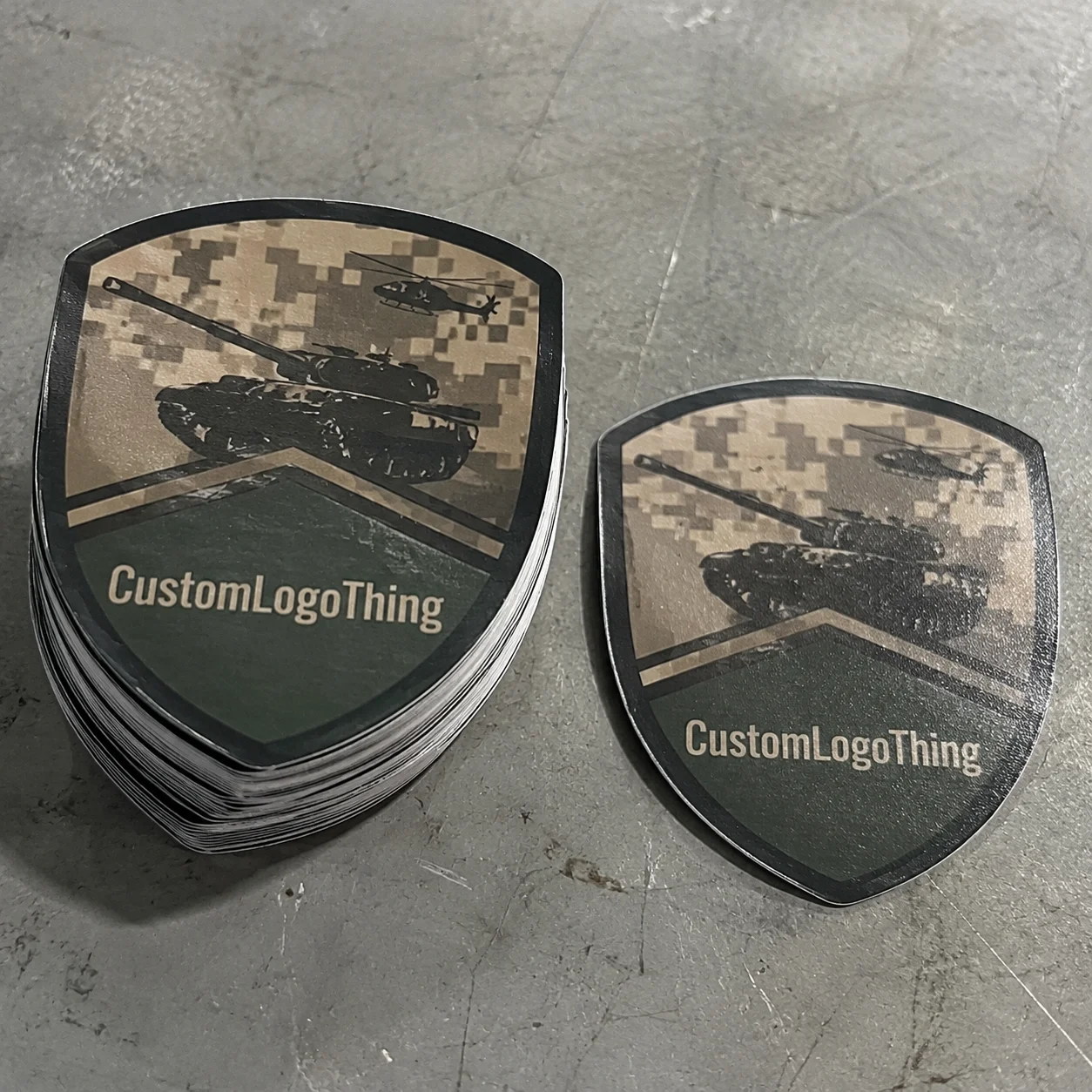
Sticker campaigns succeed when the piece feels worth keeping. Designs that look like miniature ads are easy to discard. Designs that feel collectible, funny, or useful are more likely to land on a personal surface and keep working after the first handoff.
That is why variety usually outperforms a single logo decal. A practical pack often includes one brand mark, one illustrated icon or character, one utility design with a handle or scannable code, and one text-led piece with some personality. Different recipients want different things; a small mix raises the odds that at least one sticker gets used.
It helps to separate three formats before sourcing:
- Digital in-app stickers for Snapchat content
- Printed promotional stickers for parcels, retail counters, and events
- Custom sticker packs for launches, creator mailers, and limited runs
Printed versions are usually the most flexible. They can support Custom Packaging Products, add a low-cost extra inside product packaging, or mark a campaign without reprinting every carton or label. They also work well for testing an illustration style before a brand commits to larger merchandise.
Typical economics are straightforward. A standard 3-inch die-cut paper sticker at 5,000 units may land around $0.06 to $0.14 each. Waterproof vinyl often falls closer to $0.18 to $0.35, with laminate, shape complexity, and ink coverage affecting the quote.
How Sticker Campaigns Connect Social, Packaging, and Events
The best sticker campaigns give the piece a job beyond decoration. That job might be to drive a follow, open a profile, link to limited content, trigger a giveaway entry, or point people toward a product page. The physical sticker works best when it is appealing enough to keep and functional enough to scan.
Common formats include:
- Die-cut singles for premium handouts, creator kits, and merch packs
- Kiss-cut sheets for lower-cost assortments and parcel inserts
- Clear vinyl decals for bottles, windows, and minimal artwork
- Holographic stickers for collectible drops and trend-led campaigns
- Mini stickers around 1.5 to 2 inches for checkout counters and casual giveaways
Packaging is one of the strongest use cases because it reaches people when they are already engaged. Brands already buying Custom Labels & Tags often add stickers as a flexible extension of package branding. A sticker can support a seasonal push, creator drop, or retail promotion without forcing a full packaging change.
Unboxing, pop-ups, conventions, and campus events also perform well because recipients are already primed to inspect, share, and photograph what they receive. The useful test is simple: would someone keep this if they were not told to? If not, the design mix or format needs work.
Useful rule: if a sticker never earns a surface, it never earns a second impression.
What Actually Drives Results: Material, Finish, Size, and Fit
Material choice determines whether the sticker survives long enough to matter.
- Paper: lowest-cost option for dry indoor use, carton inserts, and short-run promotions
- BOPP: better moisture resistance and tear strength than paper, often a good middle ground
- Vinyl: best all-purpose choice for bottles, laptops, phone cases, and other high-contact surfaces
If longevity matters, decide the substrate early. A paper insert may look fine at delivery and curl quickly on a bottle. A thin film may print well but scuff during fulfillment. Durability failures usually come from the original spec, not the recipient.
Transit conditions matter too. Inserts and sticker packs face compression, friction, and temperature shifts. The International Safe Transit Association test standards are a useful reminder that ordinary shipping is rough. If stickers arrive bent, scratched, or fused together, the issue was likely material or packing choice.
Finish changes appearance and function
Matte reduces glare and often improves readability for small text and line work. Gloss makes color pop. Holographic adds shelf impact but can interfere with scanning if code areas are too reflective. Clear stock can look clean and minimal, but artwork needs strong contrast or it may disappear on dark surfaces.
Size affects actual use
A 2- to 3-inch sticker is usually the safest range for mailers, notebooks, and water bottles. A 4- or 5-inch decal is more visible but asks for a larger clean surface. Many campaigns work better with one larger hero piece and several smaller stickers that are easier to place.
Adhesive deserves equal attention
Permanent adhesive suits outdoor decals and long-term placement. Removable adhesive is often better for event handouts, electronics, or applications where residue matters. Surface chemistry also matters: textured stocks, soft-touch coatings, and low-energy plastics can all weaken bond strength.
Scannable elements need space. For Snapcodes or QR codes, a printed size around 0.8 to 1.2 inches is often a workable starting point, depending on code complexity, contrast, substrate, and finish. Printed proof testing is much more reliable than judging from a screen file.
Buyers should also watch two specification issues early: brand rights and sustainability. Platform-inspired energy is usually fine; close imitation of protected assets is not. And if a project requires documented fiber sourcing, buyers can review standards through FSC. Even when film materials are necessary for water resistance, it is better to make that tradeoff deliberately.
Production Timeline: From Artwork to Delivery
Sticker jobs can move quickly, but the schedule still has multiple checkpoints, especially when custom shapes, multiple SKUs, specialty films, or split shipments are involved.
- Project brief: size, quantity tiers, finish, deadline, target surface, and pack method
- Dieline setup: cut path, bleed, safe zone, and spacing review
- Artwork check: vector quality, resolution, color mode, and code readability
- Proofing: digital proof first, physical sample if color or scanning is critical
- Material approval: paper, BOPP, or vinyl, plus laminate and adhesive
- Print production: digital, offset, or flexographic depending on volume
- Finishing: lamination, specialty effects, die-cutting, sheeting, or collation
- Packing and shipping: carton packing, split packing, relabeling, and dispatch
For a straightforward job with approved files, many orders land around 10 to 15 business days from proof approval. A common schedule is 3 to 5 business days for setup and proofing, 5 to 10 for production, and 2 to 7 for shipping depending on distance and service level.
Delays usually come from familiar issues: low-resolution art, missing vector files, unclear cut paths, late size changes, or codes placed too close to the die line. Clear and holographic materials need extra caution because digital proofs do not fully show opacity, reflectivity, or scan performance.
Rush service is common, but it usually means higher cost, fewer revision rounds, and less substrate flexibility. In many shops, rush fees add roughly 20% to 50% over standard pricing. If the stickers need to arrive with custom printed boxes, creator mailers, or event kits, plan backward from the in-hand date and leave buffer for proof corrections.
Snapchat Custom Stickers Cost, Pricing, and MOQ
Pricing is driven by size, quantity, material, finish, adhesive, cut complexity, pack method, and freight. MOQ affects both feasibility and unit economics. Small runs are useful for testing, but they usually carry a much higher per-piece cost than 500, 1,000, or 5,000-unit orders.
Here is a practical pricing snapshot:
| Scenario | Typical Specs | Quantity | Estimated Unit Cost | Best Use |
|---|---|---|---|---|
| Small creator pack | 3 die-cut vinyl designs, 2.5-3 in, gloss | 250 packs | $0.65-$1.20 per pack | Creator mailers, pilot merch drops |
| Mid-size event giveaway | Single 3 in paper or BOPP sticker | 5,000 units | $0.06-$0.16 each | Conferences, campus tables, retail counters |
| Bulk e-commerce insert | 2.5 in vinyl or paper insert sticker | 25,000 units | $0.04-$0.12 each | Subscription boxes, parcel insert programs |
| Premium holographic decal | 4 in custom shape, laminated | 2,500 units | $0.22-$0.48 each | Limited releases, creator collaborations |
Buyers should also budget for extras that often change the final quote:
- Custom die charges for unusual shapes
- Extra proof rounds
- Premium laminates, metallic layers, or specialty films
- Hand-collated multi-design packs or sleeves
- Rush production and expedited shipping
- Split-warehouse delivery or special carton packing
The cheapest base quote is not always the best buy. If the film is too thin, the adhesive fails, or the print contrast is too weak for scanning, the sticker does not do its job. A better stock often protects the whole campaign.
Quotes come back faster and more accurately when buyers provide a short brief: dimensions, quantity tiers, target surface, material preference, finish, pack style, and real in-hand date.
How to Design and Order a Sticker Pack People Will Use
The best packs are built around behavior, not just artwork approval.
- Set one primary goal. Decide whether the pack should drive follows, scans, unboxing excitement, event pickup, or retail engagement.
- Build a range, not one repeated idea. Three to seven concepts is usually enough.
- Prepare production-ready files. Use vector artwork where possible, add about 0.125 inch bleed, and keep key elements inside the safe zone.
- Match substrate to use. Paper suits dry inserts; bottles, laptops, and long-life promos usually need vinyl or durable BOPP.
- Print mockups at actual size. Designs that look balanced on screen can fail in hand.
- Ask for several quantity tiers. Cost breaks are often better than expected.
- Review proofs like a buyer. Check cut alignment, borders, margins, color shift, and scan performance.
- Plan distribution before delivery. Parcels, creator bundles, and event kits usually outperform random tabletop stacks.
If the stickers are part of a wider packaging design system, they should still feel connected to the box, mailer, or label set. A reliable structure for many programs is a four-piece set: one logo-based mark, one icon or character, one utility sticker with a scannable element or handle, and one phrase-led piece with personality.
Print method is also worth discussing early. Digital printing usually suits short runs and multiple designs. Offset becomes more attractive as volumes rise and color consistency matters more. For very large repeat programs, some suppliers may quote flexographic production.
Common Mistakes That Waste Budget
The most common mistake is ordering only logo stickers. People usually decorate their belongings to show humor, taste, identity, or mood, not simply to advertise for a brand.
Other frequent budget drains include:
- Using permanent adhesive where recipients would prefer removable
- Printing Snapcodes or QR codes too small to scan consistently
- Underestimating lead time for holographic, clear, or metallic materials
- Skipping a pilot run before committing to high volume
- Following trend aesthetics so closely that the design dates quickly
- Treating stickers as isolated merch instead of part of product packaging and campaign planning
Measurement is another weak spot. Track scan rates from printed codes, compare pickup by format at events, and test parcels with and without sticker inserts. Even a basic A/B split can show whether one design or material earns better retention.
Before requesting quotes, build a short internal brief:
- Identify the audience and likely placement surfaces.
- Separate channels: packaging inserts, retail handouts, event tables, creator kits.
- Estimate quantities by channel.
- Specify size, finish, adhesive, target surface, quantity tiers, and deadline.
- Run a pilot batch first if the material or artwork direction is untested.
Used well, snapchat custom stickers are not filler giveaways. They are small printed tools that connect packaging, retail, events, and social touchpoints at low cost. The buying formula is simple: design for surfaces people actually use, choose materials that match the job, and test the details that affect scan performance and durability.
FAQ
What are snapchat stickers for business marketing?
They are branded sticker designs shaped by Snapchat-style visual language and used as printed decals, inserts, or promotional handouts. Businesses use them to connect offline contact points with social activity through handles, QR codes, or Snapcodes. They work best when each sticker supports one clear action such as follow, scan, redeem, or share.
How much do custom Snapchat stickers usually cost?
Cost depends on size, material, finish, quantity, shape complexity, and shipping distance. Paper stickers are usually the lowest-cost option, while waterproof vinyl, clear films, and holographic finishes cost more. Asking for several quantity tiers is the easiest way to find the most efficient break point.
What material is best for snapchat custom stickers on packaging?
For short-term inserts in dry conditions, paper can be enough. For better moisture resistance and cleaner durability, BOPP is often a solid middle-ground choice. Vinyl is usually best for longer-lasting stickers that people may place on bottles, laptops, or other heavily handled surfaces.
How long is the lead time for custom Snapchat sticker orders?
A typical order often takes around 10 to 15 business days from proof approval, though simple digital runs can move faster and specialty finishes can take longer. Rush production is often available, but it usually raises cost and leaves less room for revisions.
Can I add a Snapcode or QR code to custom Snapchat stickers?
Yes, provided the code is large enough, printed with strong contrast, and kept away from the cut line. Always test from a printed proof rather than relying only on the artwork file on screen. Reflective finishes and clear materials need extra care because they can affect readability.


