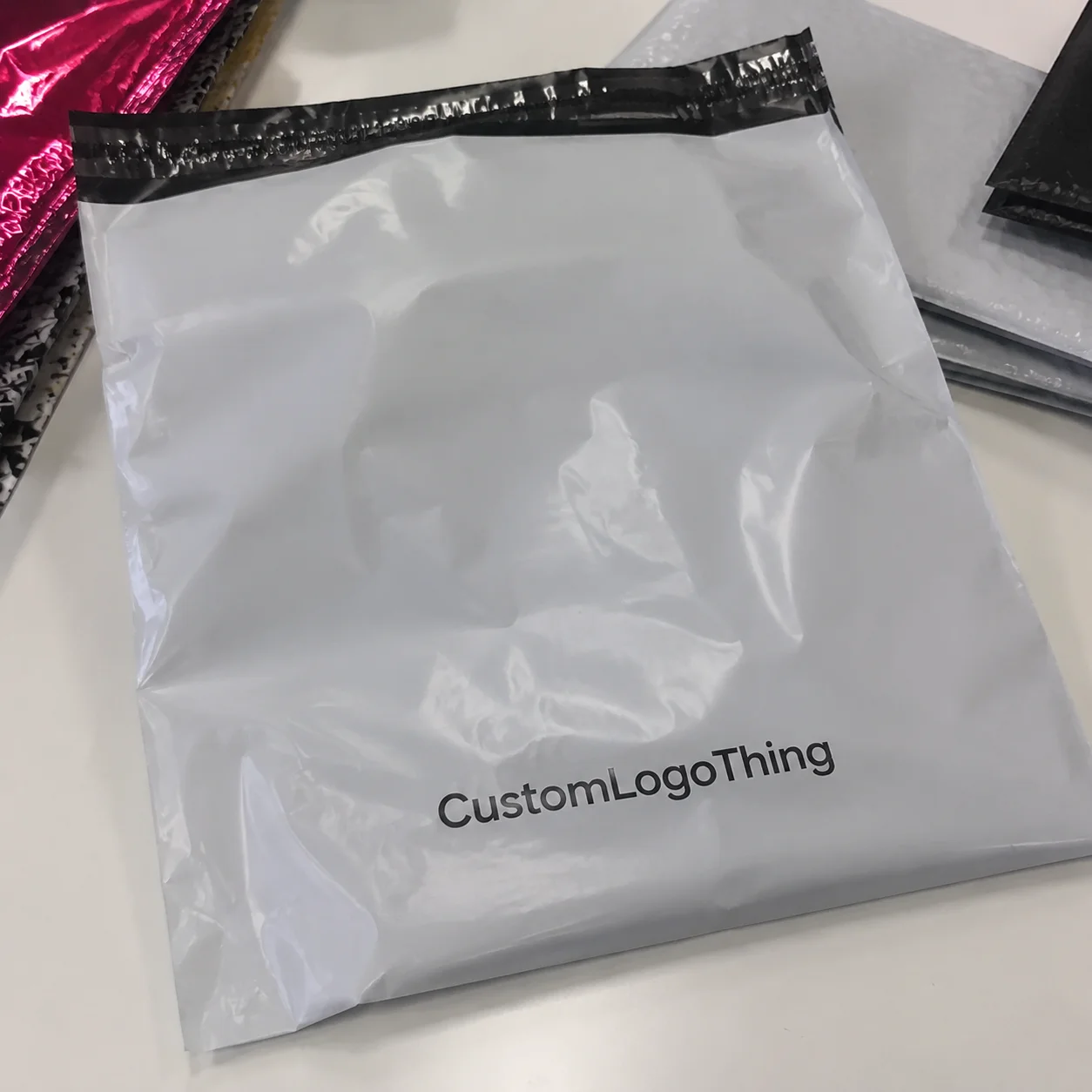
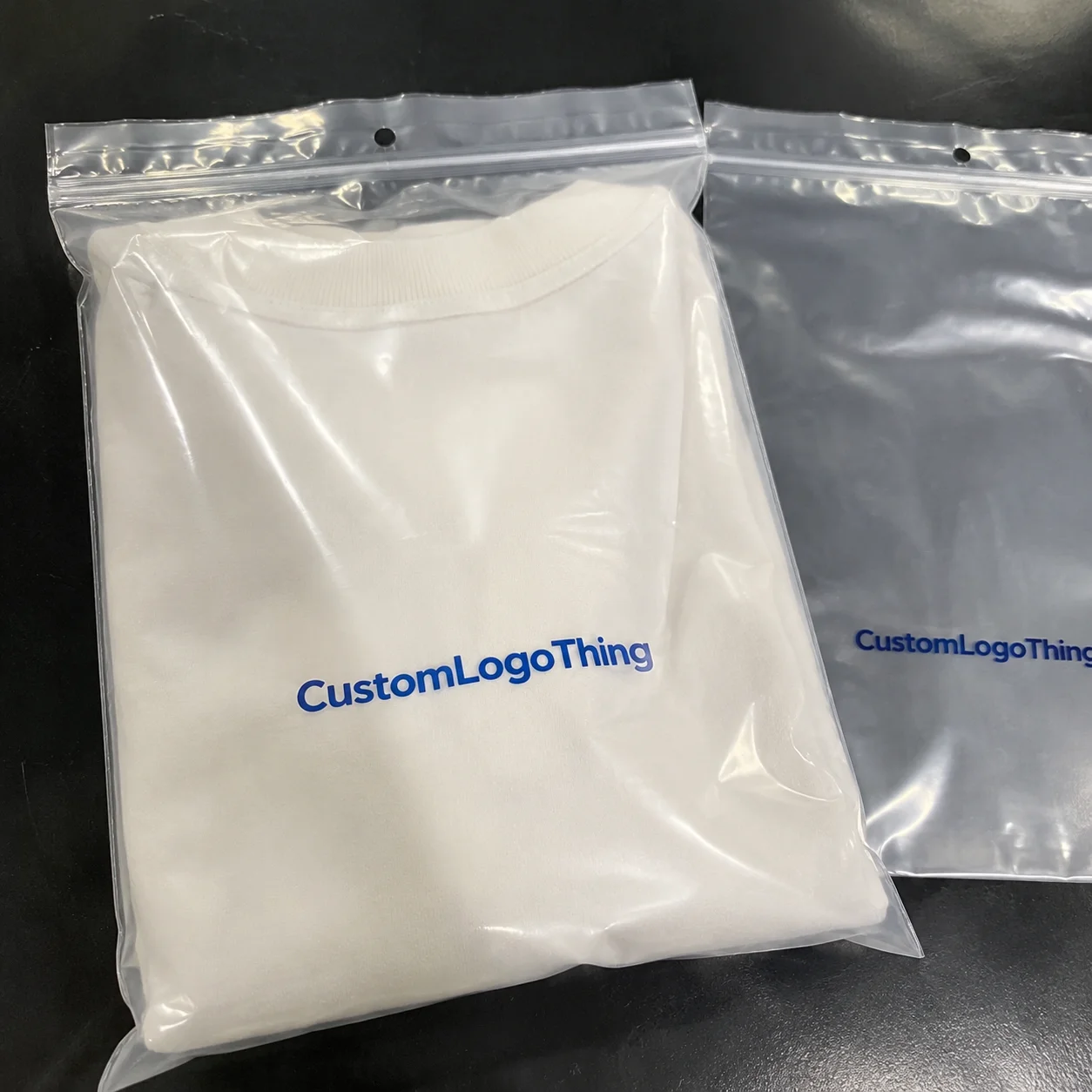
Buyer Fit Snapshot
| Best fit | Packaging Branding Design for Memorable Unboxing projects where brand print, material claims, artwork control, MOQ, and repeat-order consistency need to be specified before quoting. |
|---|---|
| Quote inputs | Share finished size, material target, print colors, finish, packing count, annual reorder estimate, ship-to region, and any compliance wording. |
| Proofing check | Approve dieline scale, logo placement, barcode or warning zones, color tolerance, closure strength, and carton packing before bulk production. |
| Main risk | Vague material claims, crowded artwork, missing packing details, or unclear freight terms can make a low unit price expensive after revisions. |
Fast answer: Packaging Branding Design for Memorable Unboxing: Board, Finish, Dieline, and Unit Cost should be specified like a repeatable production item. The safest quote records material, print method, finish, artwork proof, packing count, and reorder notes in one written spec.
Production checks before approval
Compare the actual filled-product size with the drawing, then confirm tolerance on folds, seals, hang holes, label areas, and retail display edges. Reserve space for logos, QR codes, warning copy, and material claims before decorative graphics fill the panel.
Quote comparison points
Review material grade, print process, finish, sampling route, tooling charges, carton quantity, and freight assumptions side by side. A quote is only useful when the supplier can repeat the same color, closure quality, and packing count on the next order.
Surprising Origins of Packaging Branding Design Tips
The first time I ducked under the yellow safety rail to stand beside the 72-inch Madera Folding press at our Stockton lot the hum rose above any quarterly meeting, and the scent of still-wet ink dragged a client lead awake from their desk just to start taking notes, because that labored shift taught me that Packaging Branding Design tips often blossom from crisis-avoidance experiments that keep roll tails aligned before the carton even leaves the press—especially when we’re committed to the 12–15 business days from proof approval that Stockton promises for 5,000-piece runs at about $0.15 per unit.
Every crisis-avoidance experiment goes into a shared tracker so we can reference which tip stopped a press from shuddering two minutes before deadline, and that paperwork feeds the next round of guidance for teams chasing the same waste targets.
On a Tuesday I watched a food brand client swap dielines with a skincare buyer while a finishing technician from the Custom Logo Things plant in Los Angeles recalibrated foil registers in the Atlantic Printworks bay in Charleston; suddenly the cream-colored matte sleeve originally meant for a tender lasagna line became the proving ground for lotions, showing that even in hurried runs the subtle placement of 0.5-point foil accents can turn a three-second glance on the shelf into a handshake of trust because those swaps reaffirm every checklist of packaging branding design tips.
Fifty presses, three finishes, and a dozen frantic emails later, the lesson from that floor still reminds me that most teams underestimate how much cohesive packaging branding design tips matter: the story starts well before any structural engineer opens a CAD file, and the surprise of that shared run still fuels new conversations about unboxing experience choreography while we chase the 2.4% waste target supply chain set for Q3.
I remember when the CFO barged into the press room mid-run, demanding to know why the dieline had suddenly been reinterpreted as modern art—I honestly think his reaction had more to do with the fact that he hadn’t slept than the actual artwork (and yes, I still wear the ink-splattered sneakers from that shift). Those moments of frustration, when the press operator looked at me as if I’d asked for a unicorn instead of a metallic ink swap that added $0.03 per unit, taught me that the best packaging branding design tips survive not because they are flawless, but because they are battle tested on the same floor where the label operator keeps joking that the machine has more moods than a toddler, and I’m kinda proud that those jokes remind us to laugh before another panic call comes through.
How Packaging Branding Design Tips Work Across Teams
Marketing storytellers in the Portland concept studio throw a narrative deck into our 30-minute Monday stand-up, borrowing a page directly out of the packaging branding design tips playbook by aligning brand identity cues with production realities such as color gamut limits on the 10-color flexo line so that the first PDF seen by our Evergreen structural engineers already accounts for the 3 mm bleeds and matched embossing that the die-cut bay needs to hold.
Brand strategists debate taglines while structural engineers in the die-cut cell adjust the Mandarin-approved punches so the rail-end flaps fold without interference, and prepress technicians on the third shift run those flat mockups through Astigmatic’s latest calibration template to keep the packaging branding design tips consistent with both the narrative and the physical form.
The finishing department at Custom Logo Things does its own kind of due diligence with laminated goods, targeting clarity and coherence on every panel so that Custom Printed Boxes for wellness brands still feel tactile after logistically heavy adhesive applications—3M 300LSE applied in 215gsm layers—and the same packaging branding design tips remind them to keep the tactile elements readable for any customer reaching in for a subscription experience.
Digital mockups, prototype folds, and production-ready PDFs get scored differently against those tips: one colorist might praise a matte black wrap while the structural engineer is still tweaking the 5 mm gusset on a 400 gsm board, but the moment both groups accept the packaging branding design tips as the shared language the whole process moves forward like a well-oiled relay team, each handoff reinforcing the brand identity without skipping a beat.
I like to think of those cross-functional stand-ups as my version of a therapy session for the product launch—honestly, I think the oblique jokes about the color palette help us stay human while we keep the packaging branding design tips firmly anchored in reality, especially since we budget 25 minutes per round and track the meeting minutes in the Portland studio’s shared Notion board.
Key Factors Shaping Packaging Branding Design Tips
Material selection—the hearty 350gsm C1S artboard for luxury candles, the recycled kraft for eco-friendly snacks, and the 300gsm SBS for retail-ready supplements—sets the tactile vocabulary of every packaging branding design tips brief, because varnishes, embossing, and die-complexity each demand budgetary reminders that the foil application requires an extra 32-second press cycle on the Heidelberg while heavy embossing needs a thicker belly band to maintain structure, and the adhesives like hot melt or PVA that cure in 1.2 seconds on the inline conveyor influence how early we lock in those decisions.
Brand hierarchy, shelf visibility, and unboxing rituals prompt us to assign priority to shape, color contrast, and typography treatments: a clear, bold logo at the top of a retail packaging pyramid, a low-contrast script reserved for interior messaging, and a targeted use of matte versus gloss finishes all come from those same packaging branding design tips that orchestrate how the consumer connects the external canvas to the promised product packaging, and we layer those decisions with insights from category benchmarks to keep them industry-specific.
Regulatory cues such as the 4-inch-wide nutrition panel on one panel and the ISO 7010 safety icons on another require the design team to balance storytelling and compliance by planning layout lanes that respect ISTA 3A test requirements while keeping the packaging branding design tips consistent with sustainability messaging, especially when a recycled sleeve needs a softer varnish to avoid crackling in colder warehouse dock doors.
The substrate, the ink, the digital or flexo press path, the adhesives, and the tactile choices all rely heavily on the packaging branding design tips to keep the budget manageable while maintaining the impact on the shelf and the unboxing experience for the end consumer, with early prototyping proving which combinations survive the supply chain shuffles.
Honestly, I think the most overlooked key factor is the relationship between the artwork and the warehouse environment—one January in Cleveland, we forgot to mention that the dock sat at 32°F and the varnishes started cracking before the shipment even left; a quick reminder that temperature, humidity, and a little patience keep the packaging branding design tips from cracking under pressure (see what I did there?).
Step-by-Step Packaging Branding Design Tips Workflow
The first week of every Custom Logo Things engagement begins with a thorough discovery timeline—the brand audit, competitive benchmarking, and collaborative mood-board session that align design and production leads on packaging branding design tips, usually wrapped up in five business days so we can start the second week with clarity on metrics such as perceived shelf visibility measured in 1-foot intervals.
The next two weeks see concept sketching, dieline engineering, and substrate selection happen simultaneously: the packaging designer lays out color studies, the die engineer adjusts a 26-pt fold, and the production planner reserves the Atlantic Printworks to test prototypes on the 40-inch flexo line, all to validate how packaging branding design tips will help the product packaging feel premium without hiccups in structure.
The prototyping cell at Custom Logo Things becomes critical at this stage, because those physical mockups show how visual hierarchy performs, how the unboxing experience flows, and whether the magnetic ribbon or tuck-in tab will survive a 7-foot drop per ISTA 3A; each prototype reinforces the packaging branding design tips and allows us to course-correct before any material is ordered.
Prepress checks, press proofs at the Atlantic Printworks, and finishing trials create a precise timeline where no stage leaves the other guessing: the quality assurance lead has 12 checkpoints tied to every packaging branding design tips milestone, ensuring that fonts, dielines, and finishes are locked down before the press runs, and the timeline keeps the team accountable with weekly mobs and PDF approvals.
There’s always that moment when someone asks if the workflow is too rigid—I shrug and say, “sure, unless you enjoy random emergency print jobs,” and I’m gonna keep logging every deviation in the shared 40-hour spreadsheet so future me gets fewer midnight panic calls.
Pricing and Cost Considerations for Packaging Branding Design Tips
Material choices, ink coverage, and finishing complexity directly affect quotes, so thoughtful adoption of packaging branding design tips keeps a premium look from ballooning costs, for example by choosing a single soft-touch lamination priced at $0.04 per side instead of layering a matte varnish with spot UV that takes twice as long on press and doubles the finishing time.
In our Custom Logo Things estimators’ book there is a clear rule: every tactile embellishment carries a time-based cost, which is why we often direct teams toward Custom Packaging Products that allow shared tooling across SKUs, saving roughly $650 per die and letting the packaging branding design tips run across multiple lines without the penalty of a fresh die for each size.
The economies of scale in our flexo and digital runs show up in the numbers—digital at $0.22/unit for 2,500 custom printed boxes, perfect for experimenting with packaging branding design tips, and flexo at $0.18/unit for 5,000 pieces when the design is settled and the retailer demands identical colors every time.
Cost-saving strategies include high-impact minimalism that avoids full-coverage ink (keeping coverage under 120% total), or repurposing Custom Labels & Tags templates across different finishes, so that the storytelling stays premium but the spend remains predictable, letting your finance team embrace the packaging branding design tips without fearing sticker shock.
I have to admit there are times when clients want every embellishment in the book and expect the same price as their last run (I sigh, honestly), so we walk through those budgets together and show how the right packaging branding design tips can feel luxe without abandoning fiscal sanity; sometimes the only way to calm the nerves is a quick reference to the table below, plus a joke about the press operator moonlighting as a magician who pulls exact colors out of a hat.
| Option | Run Size | Cost Per Unit | Ideal Use |
|---|---|---|---|
| Short-run digital | 500–2,500 custom printed boxes | $0.22 | Test packaging branding design tips before scaling |
| Mid-run hybrid | 2,500–5,000 units | $0.19 | Combine selective foil with tactile finishes |
| Long-run flexo | 5,000+ units | $0.18 | Retail packaging with established specs |
Small brands often ask about premium perceptions without crushing their margin; sharing tooling across SKUs or choosing durable kraft board instead of thick SBS lets them deliver bold package branding while staying within the packaging branding design tips budget.
Common Mistakes When Applying Packaging Branding Design Tips
Overloading dielines with effects is a frequent tactical pitfall: I once watched a client crowd a 4.5-inch-wide retail packaging panel with foil floods and spot white, but the press simply could not hold the 0.2 mm registration tolerance, leaving a muddy logo despite the best-intentioned packaging branding design tips.
Ignoring the unboxing pace is another error; designers often forget to factor in human cadence, piling on layers that make the unboxing experience feel like a 12-second cardio routine, so those packaging branding design tips drown in a cascade of unnecessary steps instead of guiding the customer through a branded moment.
Siloed approvals create headaches: creative teams push ahead while procurement finalizes raw materials, which can result in last-minute swaps from 26-pt SBS to 2.5 mm corrugate that render the early packaging branding design tips obsolete, requiring rushed reproofs, extra tooling, and cost overruns.
Overlooking the difference between subscription and retail packaging is a misstep—subscriptions demand interior storytelling and collectibility, while shelf-bound product packaging requires structure and contrast, so applying the same set of packaging branding design tips to both often leaves one experience lacking; the subscription kits we launched in Q1, for example, needed 500 printed inserts before the retail line even hit the board.
I’ve had days where all I wanted was to throw a calendar out the press room window because someone had mixed up the dielines again, but it’s those face-planted moments that remind me why we document every packaging branding design tips decision in a 12-page binder; trust me, the longer the documentation, the less likely the next morning starts with “Wait, why is our logo upside down?”
Expert Strategies for Packaging Branding Design Tips
I use veteran tricks like mapping tactile moments—spot UV at 0.4 mm over a logo, textured varnish reserved along the tear strip—to touchpoints in the customer journey and reinforce packaging branding design tips beyond visuals, knowing that a consumer remembers the weight of the box on the counter just as much as the color palette.
Scheduling cross-department pressure tests where marketing, finance, and production vet the packaging branding design tips before final lock-in makes sure everyone from the purchasing manager at the Shenzhen sourcing desk to the finishing supervisor in Atlantic Printworks speaks the same language.
Maintaining a living art direction file rooted in Custom Logo Things’ Pantone 2345 and substrate libraries allows future iterations to inherit the strongest elements of previous packaging branding design tips, so that new product launches do not start from scratch when the unboxing experience needs to mirror the parent brand.
When I visit clients or suppliers on the floor, I bring that file and pull up case studies from our Case Studies section—usually highlighting four recent launches—to show how branded packaging evolves, reinforcing that packaging branding design tips are a living conversation not a one-time checklist.
Honestly, I think the best expert strategy is to embrace small experiments—if a brand is timid, I challenge them to test a printed insert or tactile band on a batch of 1,200 units just to see how the data responds, because the sweetest surprises (and the best laughs when a label bubble happens) come from letting curiosity guide the packaging branding design tips.
Next Steps to Apply Packaging Branding Design Tips
Start with a sharp checklist: audit your current packaging, interview customer-facing staff for gaps, model a concept with updated branding cues, and schedule a pilot run at the nearest obligated press, such as the Chicago Flexo Hub, so you can test how those refreshed packaging branding design tips perform in functional reality.
Track metrics such as shelf-engagement minute counts, unboxing social impressions captured over seven days, and post-purchase feedback scored on a 5-point scale so you can evaluate objectively how the revised packaging branding design tips resonate in the market, using a dashboard that spans retail packaging performance to subscription sentiment.
Remember to maintain momentum: if the Custom Logo Things team can keep iterating with aligned packaging branding design tips each quarterly sprint—usually three days of focused alignment—brands begin building drive that our production floors physically feel as smoother roll-offs and fewer emergency reprints.
I’m all for celebrating small wins—one less misprinted batch is worth a high-five—so we review the data when a pilot performs (and yes, we cheer when the numbers beat the heat map) to prove that thoughtful packaging branding design tips keep the work exciting, especially after a successful 1,200-unit pilot run.
Conclusion: Keep Packaging Branding Design Tips Fresh
When I reflect on those early mornings at the Madera press and the client swap that rewired our storytelling, it reinforces that well-applied packaging branding design tips are not optional—they are the oxygen that allows branded packaging to function as a fully formed gesture rather than a last-minute afterthought, and keeping that discipline keeps every Custom Logo Things parcel fresh on the 4,000-unit roll-offs.
The journey from concept to shelf is long, but every time the team keeps the packaging branding design tips front and center, the package feels like a reveal worthy of the product it cradles, and the momentum carries us all the way through the 15-foot roll-off to the happy customer; I can’t promise every run mirrors the exact numbers, yet the process still proves reliable when we respect the craft.
Actionable takeaway: establish a living tip tracker linking discovery, prototyping, and QA stages, agree on measurable thresholds for visibility and unboxing feedback, and use that shared language to evaluate finishes, so each new launch walks in armed with packaging branding Design Tips That the whole team owns.
What are the core packaging branding design tips for a new product launch?
Prioritize clarity of brand story with consistent logo placement and tagline articulation across every panel, select tactile finishes—matte for luxury, soft-touch for wellness—that stay within the allocated ink coverage, and prototype 500 units with Custom Logo Things so you can see how those packaging branding design tips behave under real light and on the actual retail shelves before committing.
How do packaging branding design tips change for subscription boxes versus retail shelves?
Subscription packaging relies on strong unboxing rituals, meaning the tips should emphasize interior messaging and tactile surprises timed within a 6-second reveal, whereas retail packaging needs durability and visibility, guiding the tips toward bold color contrast and structural strength; the use of insert cards or QR codes shifts from collectible touches to immediate scanning cues.
Can small brands afford premium packaging branding design tips?
Yes, by prioritizing two or three high-impact enhancements—embossed logos or selective foil—rather than a full suite, using short-run digital printing at $0.22 per unit to test the tips, and sharing tooling across SKUs for a modular design approach that keeps premium looks but predictable spends.
Which materials best support sustainable packaging branding design tips?
Recycled SBS and kraft boards carry bold graphics when prepress files account for the slight texture, water-based varnishes and soy inks reinforce eco claims while remaining crisp on the surface, and working with suppliers to certify FSC or SFI materials gives your sustainable packaging branding design tips credible proof points.
How do you align packaging branding design tips with production timelines?
Map every tip to a milestone—design sign-off, dieline engineering, proofing, prepress—and get run-time estimates from press operators during planning so ambitious finishes like metallic foils do not stall the timeline, while buffer days for tooling adjustments and finishing trials keep the packaging branding design tips intact without reshuffling delivery dates.
For more on standards and testing, the International Safe Transit Association and the Institute of Packaging Professionals offer guidelines that align with our internal packaging branding design tips, while sustainability-minded teams can reference FSC resources for certified materials and ISTA 3A testing protocols.