Buyer Fit Snapshot
| Best fit | Packaging Branding Manufacturer projects where brand print, material claims, artwork control, MOQ, and repeat-order consistency need to be specified before quoting. |
|---|---|
| Quote inputs | Share finished size, material target, print colors, finish, packing count, annual reorder estimate, ship-to region, and any compliance wording. |
| Proofing check | Approve dieline scale, logo placement, barcode or warning zones, color tolerance, closure strength, and carton packing before bulk production. |
| Main risk | Vague material claims, crowded artwork, missing packing details, or unclear freight terms can make a low unit price expensive after revisions. |
Fast answer: Packaging Branding Manufacturer: How Branded Packaging Works should be specified like a repeatable production item. The safest quote records material, print method, finish, artwork proof, packing count, and reorder notes in one written spec.
Production checks before approval
Compare the actual filled-product size with the drawing, then confirm tolerance on folds, seals, hang holes, label areas, and retail display edges. Reserve space for logos, QR codes, warning copy, and material claims before decorative graphics fill the panel.
Quote comparison points
Review material grade, print process, finish, sampling route, tooling charges, carton quantity, and freight assumptions side by side. A quote is only useful when the supplier can repeat the same color, closure quality, and packing count on the next order.
I still remember a folding carton run in a suburban Chicago plant where a client changed only two things: they switched from a plain kraft mailer to a printed white SBS carton, and they added a 1-color interior message on the inside flap. The product did not change one bit, but the shelf presence jumped, the customer service team reported fewer “cheap-looking box” complaints, and the returns desk told me people were posting the unboxing experience more often. That is the kind of transformation a packaging branding manufacturer can create when structure, print, and finishing all work together instead of fighting each other. On that job, the carton spec was 18 pt SBS with a matte aqueous coat, and the first approved sample moved into production in 14 business days after proof sign-off.
People often think branded packaging is just a logo on a box. That misses the real work. A packaging branding manufacturer is coordinating board grade, ink system, die-cut tolerances, adhesive choice, finishing method, and the way the package moves through shipping, retail display, and customer hands. The result is not only visual; it is physical, measurable, and tied directly to perception. If you are building product packaging that has to protect a product, carry a message, and still fit a budget, the manufacturer becomes part designer, part engineer, and part production manager. In most cases, that means handling specs like 350gsm C1S artboard, 32 ECT corrugated, or 1200gsm rigid chipboard with paper wrap sourced in Shenzhen, Dongguan, or domestic plants in the Midwest.
At Custom Logo Things, we see this every day across Custom Packaging Products, from corrugated mailers to label sets and presentation kits. A good packaging branding manufacturer does not just decorate packaging. It turns a basic container into a repeatable brand asset that behaves the same way in a fulfillment center in Dallas, a boutique retail shelf in Los Angeles, and a customer’s kitchen table in Atlanta.
What a Packaging Branding Manufacturer Actually Does
A few years ago, I walked a line where a client had been using a plain brown mailer for a subscription product. Nothing fancy, just E-flute corrugated with a clear tape seal. We swapped that for a printed mailer with crisp black ink, a 3-color insert, and a matte aqueous coat, and the fulfillment supervisor told me customers were opening it slower, almost like they expected something more valuable inside. That reaction is not magic. It is the work of a packaging branding manufacturer aligning structure, graphics, and tactile detail so the package feels intentional from the first touch. On that run, the print was flexographic, the board was 32 ECT single-wall corrugated, and the units landed at roughly $0.62 each on a 10,000-piece order.
In practical terms, a packaging branding manufacturer handles more than printing. A printer may focus on the graphic surface; a converter may specialize in turning board or corrugated into a shaped package; a packout supplier may assemble components into a kit. A full-service packaging branding manufacturer sits across all of those jobs, which means design, structural engineering, print production, and finishing overlap in one workflow. That overlap matters because a beautiful mockup that collapses in transit is not a branded package at all. It is just an expensive lesson, usually learned after a 1,500-mile freight run and a warehouse receiving dock full of crushed corners.
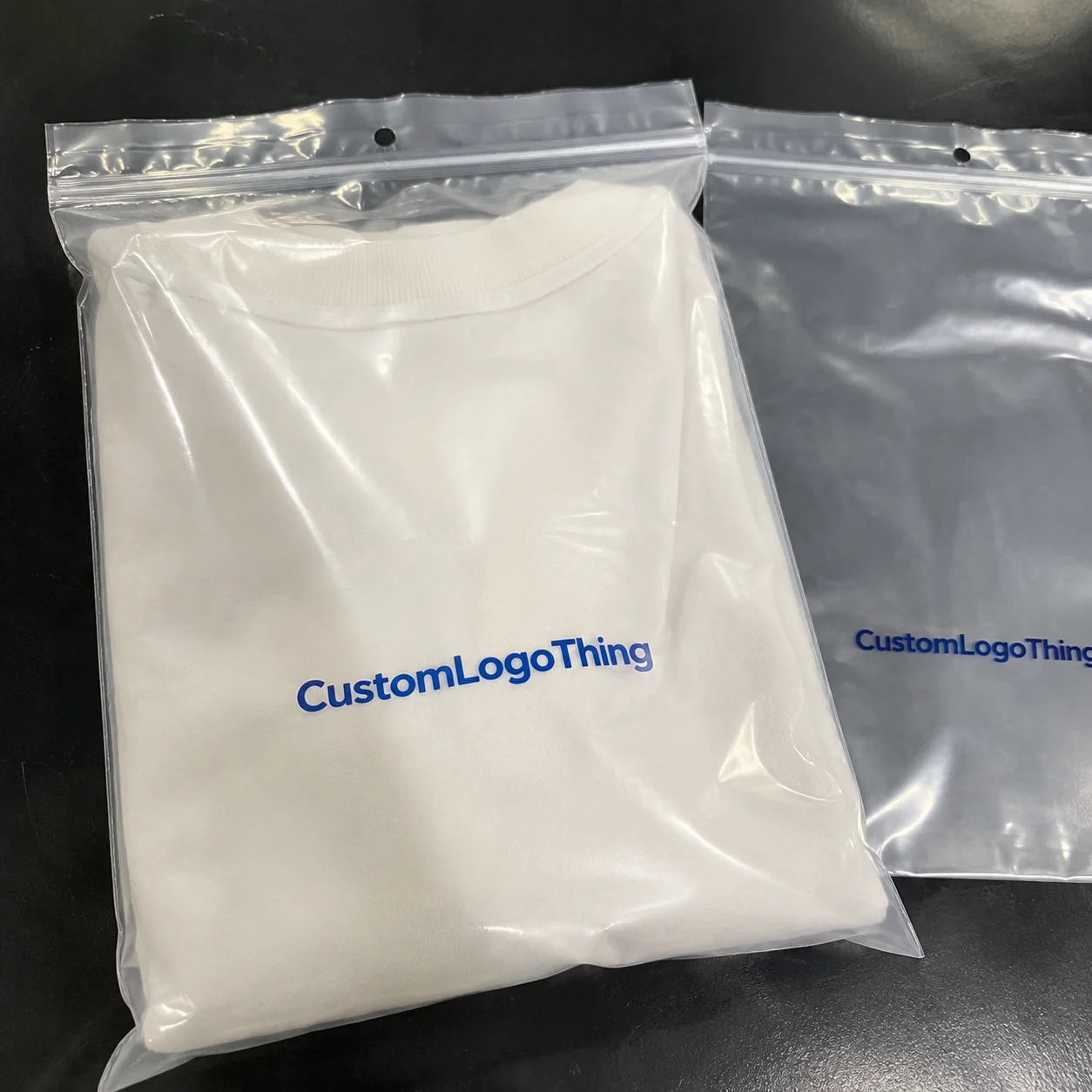
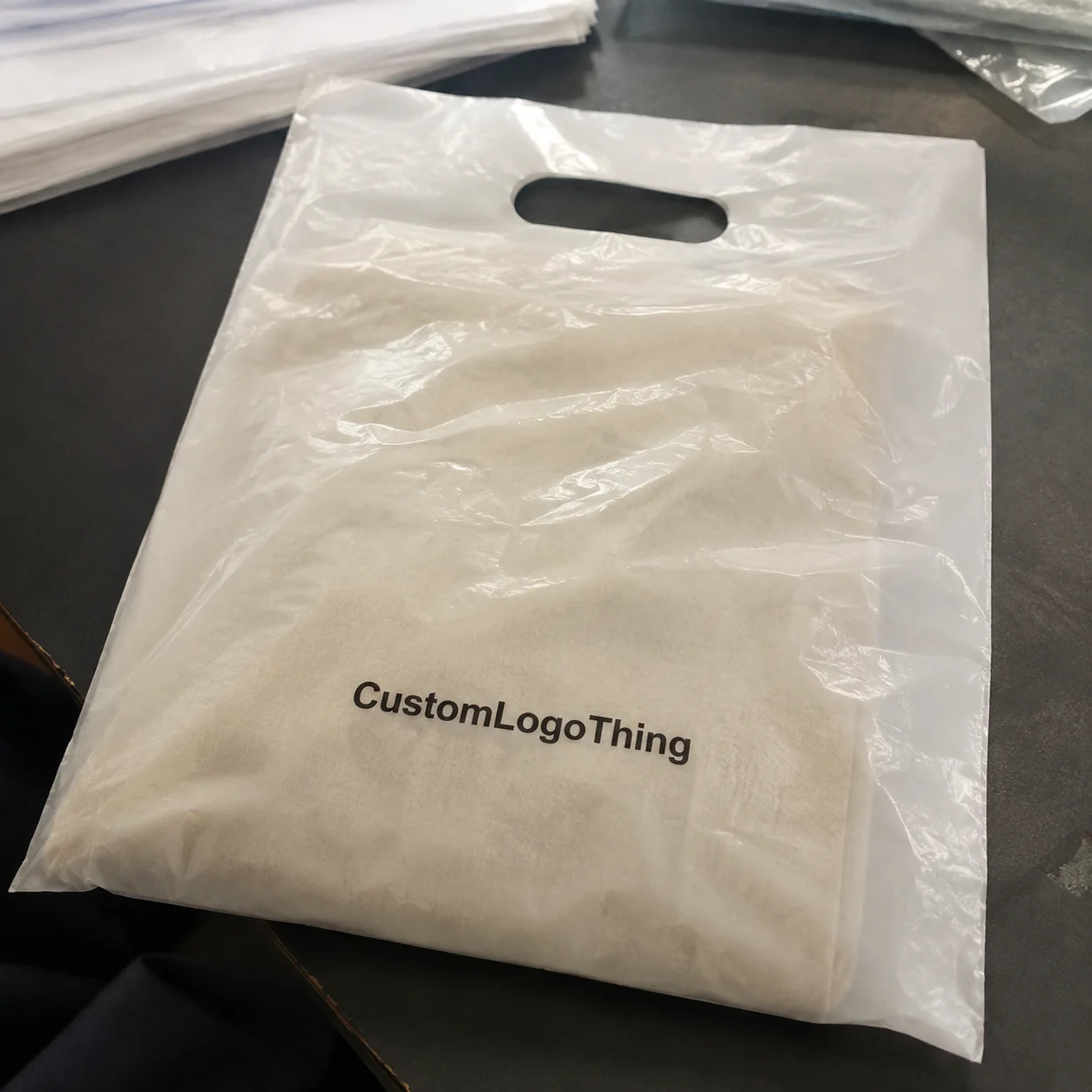
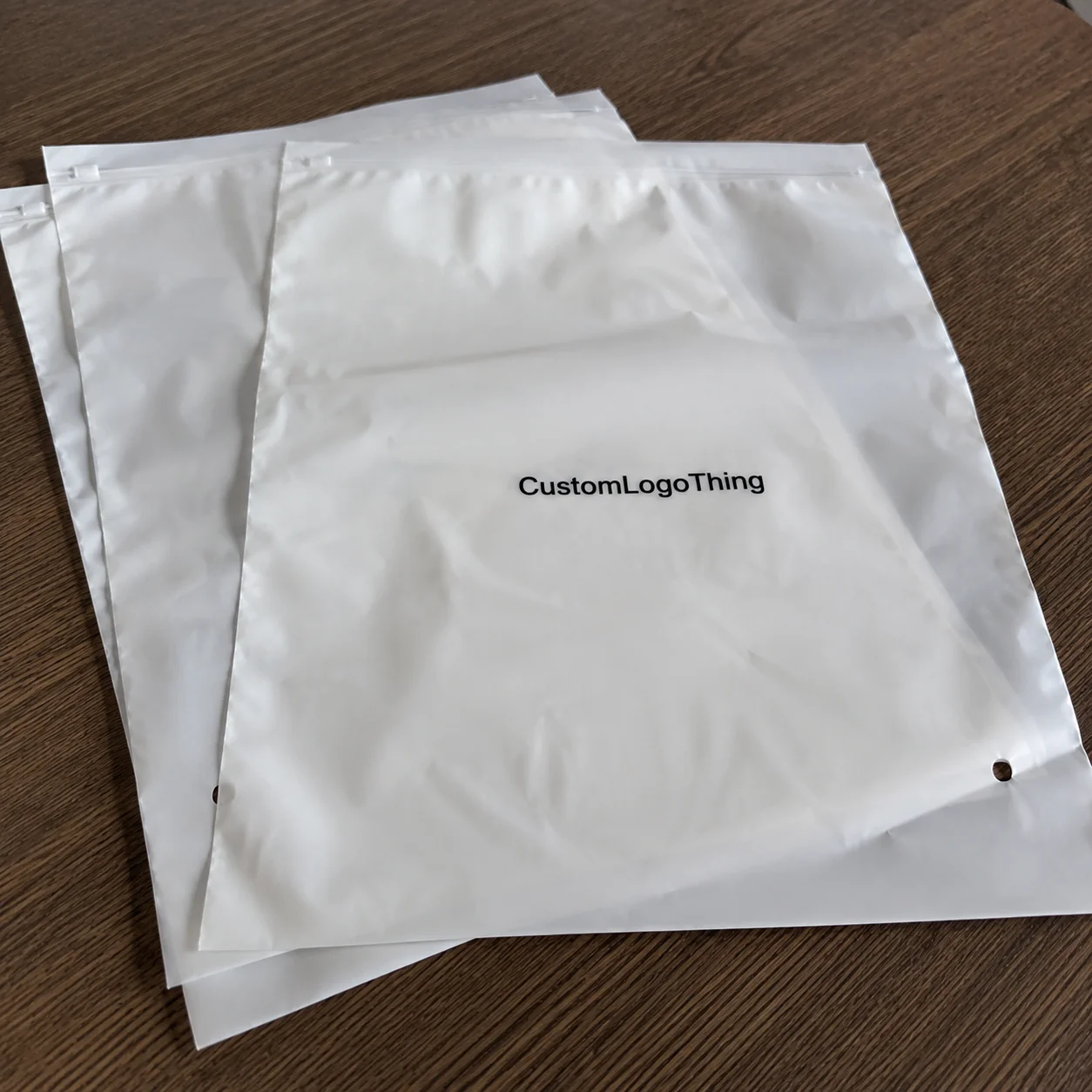
Typical branded components include custom printed boxes, folding cartons, rigid boxes with wrapped chipboard, corrugated mailers, paper bags, labels, hang tags, sleeves, inserts, and interior protective parts like molded pulp trays or die-cut paperboard cradles. A smart packaging branding manufacturer can brand each surface differently depending on its job. For example, the outer box might carry a bold logo and shipping-safe print, while the insert uses softer tones and a short message to support the brand identity without overloading the visual field. I have seen this work especially well on 3-piece gift sets where the outer carton was 1-color flexo on kraft, but the insert card used 2-color offset on 24 pt C1S for a cleaner retail feel.
Branding decisions influence more than looks. They change how customers judge quality, how easily a product survives shipping vibration, and whether the package feels worth keeping or tossing. In retail packaging, a 0.5 mm shift in panel registration can make a logo feel amateurish. In e-commerce, a weak carton score line can split after two distribution cycles. That is why the best packaging branding manufacturer treats package branding as a manufacturing discipline, not as decoration layered on top at the end. If a carton is meant to survive parcel handling through Ohio, Texas, and California, the manufacturer should be checking compression strength, not just approving the logo color.
If you want a helpful industry lens, the technical side of this work often follows references from groups like the International Safe Transit Association for transit testing and the EPA’s guidance on sustainable materials management for material choices and recycling considerations. A serious packaging branding manufacturer reads those standards as part of the job, not as optional reading. If you are comparing paperboard from Guangdong with domestically sourced board in Pennsylvania, those references help keep the conversation grounded in actual performance.
How a Packaging Branding Manufacturer Turns Ideas Into Boxes
The workflow starts with a brief, but the best briefs are more specific than “make it premium.” A strong packaging branding manufacturer wants product dimensions, target retail channel, shipping method, budget range, and the exact emotional tone you want the package to carry. If you are shipping through a 3PL in Phoenix, the line team may need a carton that fits a standard pack bench and a case count that reduces labor minutes. If the box will sit in a boutique store in Miami, the manufacturer may recommend a heavier board or a more precise finish to improve shelf impact. One client I worked with had a $1.25 target package cost and a launch date 21 calendar days out, and that alone dictated the entire material and finishing strategy.
From there, the structural team builds a dieline. That dieline is the spine of the project. It defines panel sizes, tuck positions, glue tabs, locking features, and any interior fitments. I have seen projects where a 2 mm change in the product insert corrected a rattling issue that had been blamed on “bad printing,” which is exactly why a packaging branding manufacturer has to coordinate art and engineering together. The visual team and the structural team cannot work in separate silos if the package must hold up in real distribution. On a cosmetics box I saw in New Jersey, shifting the inner tray by 3 mm stopped the jar from spinning and eliminated the scuff marks that had been showing up after freight.
Once the dieline is approved, prepress begins. This is where color profiles, bleed, image resolution, line weights, and overprint settings are checked carefully. On offset lithography lines, we often work with Pantone spot colors and calibrated CMYK builds; on flexographic printing, especially for corrugated and labels, the plate and anilox selection has a direct effect on line sharpness and ink laydown. A digital print run may be ideal for short quantities or variable data, while offset usually wins on consistency and richer solids at larger volumes. A competent packaging branding manufacturer chooses the method based on the package, not based on habit. For example, 1,000 units of a test-market sleeve might print digitally at $0.38 per piece, while 25,000 folding cartons with 2 spot colors and one AQ coat might come in closer to $0.16 per unit after setup is spread out.
Finishing is where the package starts to feel intentional in the hand. Foil stamping can create a bright accent on logos or seals. Embossing raises a mark above the surface, while debossing presses it into the stock. Matte lamination softens glare and can feel more restrained; gloss lamination boosts contrast and adds a cleaner sheen; spot UV places gloss only on selected areas. I once watched a cosmetics client in a New Jersey plant reject a full-gloss carton because fingerprints showed too easily under display lights, then approve the same art with matte lamination and spot UV on the brand mark. That is the sort of practical tradeoff a packaging branding manufacturer has to manage every day (and yes, the sample table looked like it had been handled by a toddler with ambition). On that revision, the carton stock was 16 pt C1S, the spot UV hit only 18% of the front panel, and the change added about 2 business days to the schedule.
Here is a simple comparison of common packaging methods and where they usually fit best:
| Packaging method | Typical use | Strengths | Tradeoffs |
|---|---|---|---|
| Digital printing | Short runs, test markets, variable data | Fast setup, lower tooling cost, flexible artwork changes | Higher unit cost at scale, finish options may be limited |
| Offset lithography | Folding cartons, premium retail packaging | Strong color consistency, sharp detail, efficient at volume | Higher setup cost, longer prepress process |
| Flexographic printing | Corrugated boxes, labels, sleeves | Good for high-volume packaging, economical on long runs | Plate preparation required, process tuning matters |
| Foil, embossing, spot UV | Premium accents and brand highlights | Improves perceived value and tactile appeal | Adds tooling cost and extra production time |
Before a full run, the smart path is sampling. Structural samples check fit and load; print proofs check color and text accuracy; press checks verify how the ink looks under the real machine and stock. A packaging branding manufacturer may also coordinate material sourcing to match the printing line. For example, a water-based ink system on corrugated behaves differently from UV ink on coated board, and the wrong combination can create rub-off, warping, or uneven dry time. I’ve seen more than one rush job delayed because the art team approved a stock that the pressroom could not run cleanly on the scheduled machine. A white SBS carton can behave very differently from a clay-coated kraft mailer, especially when humidity in the plant is sitting around 62% and the stack height keeps creeping up.
Where does time get lost? Usually in three places: late artwork approvals, sampling rework, and finishing changes after the first proof. The actual press run is often the shortest part. A packaging branding manufacturer spends more time protecting the job before the first sheet ever hits the line than most clients realize, and that front-loaded discipline is exactly what keeps the final package from drifting off-brand. On a 20,000-unit run I saw in Chicago, the press time was 9 hours, but the approval back-and-forth took 8 business days. That is the real bottleneck.
Key Factors That Shape Cost, Quality, and Brand Impact
Cost is not one number, and anyone who has quoted packaging long enough knows that. A packaging branding manufacturer prices work based on board grade, size, print method, finishing count, quantity, and whether tooling or engineering is included. A 2-color mailer on 32 ECT corrugated board might land at a very different unit cost than a rigid set-up box wrapped in 157gsm art paper with soft-touch lamination and foil. The difference is not just aesthetics; it is machine time, material cost, and labor complexity. I have quoted a 5,000-piece mailer at $0.21 per unit and a rigid box at $3.40 per unit in the same week, and both numbers were correct for their specs.
For example, a simple branded mailer might come in around $0.18 per unit for 5,000 pieces if the structure is standard and print coverage is modest. A rigid box with a custom insert and a foil-stamped logo can easily climb into the $2.10 to $4.75 range per unit depending on board thickness, wrapping stock, and assembly labor. That is why a packaging branding manufacturer has to know the customer’s volume and channel before recommending a format. A premium package can be economical at scale if the design is stable and repeatable, while a short run often favors digital printing or fewer finishing steps. If you only need 500 units for a regional launch in Portland, you are not shopping for the same structure as a 50,000-piece national rollout in Indianapolis.
Sustainability also affects cost and brand impact. Recycled content, FSC-certified paper, water-based inks, and right-sized packaging can reduce environmental pressure while keeping freight under control. If a carton is 15 percent oversized, you are paying to ship air, and the customer notices the void fill as much as the logo. A good packaging branding manufacturer will discuss FSC paper options and material recovery early, especially if your brand identity includes lower-impact positioning. The FSC standard is worth reviewing directly at fsc.org if certification matters to your line of products. A 350gsm C1S artboard with soy-based inks often gives a nice middle ground for retail presentation and recyclability.
Quality-control details can make or break a project. Color consistency across cartons, labels, and sleeves matters because off-tone packaging feels sloppy even when the product is excellent. Adhesion matters because foil lifting at a fold line signals poor process control. Registration matters because a logo that drifts 1.5 mm off center can look wrong on a shelf endcap. Compression strength and edge crush matter for corrugated packaging that will ride through parcel networks or warehouse stacking. A skilled packaging branding manufacturer checks those details because they directly influence customer trust and reprint risk. On a 10,000-unit beverage sleeve job, a 1.2 mm print shift triggered a full reproof because the brand bar stopped lining up with the panel edge.
Brand strategy also shapes what should be emphasized. Sometimes a package wins through restraint: a single-color logo on uncoated stock, a tight grid, and one tactile finish can feel more refined than a crowded surface with six effects competing for attention. I learned that lesson in a supplier meeting with a beverage client who wanted three foil colors, a heavy emboss, and a metallic film. We walked through sample boards side by side, and the cleanest option, a matte black carton with one copper foil mark, won by a mile. A packaging branding manufacturer worth trusting will tell you when less print creates more perceived value. On that job, the final stock was 18 pt black paperboard, the foil area was only 6 square inches, and the package landed 11 days after proof approval.
Here is a simple cost-and-impact guide that I use when clients are weighing options:
| Option | Approximate cost effect | Brand impact | Best fit |
|---|---|---|---|
| Plain corrugated with 1-color print | Lowest | Clean, functional, modest shelf presence | Shipping cartons, utility packaging |
| Printed folding carton with matte coat | Moderate | Polished, dependable retail look | Retail packaging, consumer goods |
| Rigid box with foil and insert | High | Premium, giftable, keepsake feel | Luxury kits, presentations, specialty launches |
| Label + sleeve system | Variable | Flexible, modular, easy to refresh | Multiple SKUs, fast-moving product lines |
A packaging branding manufacturer also has to think about machine compatibility. A nice finish that jams on the folder-gluer is not a nice finish. A paper choice that curls under temperature swings can cause glue-line issues. I once saw a run of 25,000 cartons in a Midwestern plant delayed because the coating reacted badly to high humidity in the warehouse, and the cartons stopped feeding consistently. The art looked fine, but the manufacturing reality said otherwise. That is why board selection, coating choice, and glue performance are all part of the same conversation for a packaging branding manufacturer. That job sat in a plant outside Milwaukee, and the team had to switch from a high-gloss aqueous to a lower-sheen varnish before the line could restart.
Packaging Branding Manufacturer Process and Timeline: Step by Step
The cleanest projects start with a thorough discovery phase. A packaging branding manufacturer should ask for product dimensions, shipping method, retail environment, target price point, and packaging goals before anyone starts sketching. If you are launching a candle, the box must protect glass, support a strong visual identity, and perhaps include an insert that prevents wax scuffing. If you are packaging apparel, the box may need to survive folding, returns, and storage without wrinkling. The same brand can need two very different package systems depending on channel. For a 9 oz candle in a 4 x 4 x 5 inch box, even the insert thickness changes the whole cost structure.
The first step is usually a packaging audit. That means reviewing what you have now, where it fails, and what your customer actually experiences. A good packaging branding manufacturer will look at tear lines, box compression, print quality, assembly labor, and even how long the packout takes per unit. Then comes concept development, where the team explores box styles, graphic zones, inserts, and finishing methods. This stage is where a lot of good ideas are saved from becoming bad production choices. I have seen a 7-second packout turn into 14 seconds just because the insert was designed without considering the operator’s hand motion.
Next comes structural design and prototyping. That can include white samples, digitally printed mockups, or mock-ups built from the exact board grade you plan to use. The prototype is not just for show. It verifies fit, product presentation, and closure behavior. If a closure requires too much force, retail staff may damage it. If the interior tray is too loose, product moves in transit. A disciplined packaging branding manufacturer treats the prototype as a test, not a trophy. On a project in Dallas, a 1.5 mm adjustment in the tuck flap stopped the lid from springing open during a drop test from 30 inches.
Approval is where projects often speed up or stall. The manufacturer needs final artwork, approved Pantone references, copy text, barcode data, and decision-makers in the approval chain. If the brand team, procurement team, and operations team all want separate changes, the timeline grows fast. A practical packaging branding manufacturer will usually help you lock design intent before production tooling begins, because once plates, dies, or foil tools are made, changes cost real money. On one corrugated job, a late barcode correction added $180 in replate charges and pushed the ship date by 3 business days.
Below is a realistic timeline framework. Actual timing depends on order size, finishing complexity, and how quickly approvals come back.
| Project type | Typical sampling time | Production time after approval | Main risk area |
|---|---|---|---|
| Simple branded mailers | 3-5 business days | 7-12 business days | Artwork revisions |
| Custom folding cartons | 5-8 business days | 12-18 business days | Color approval and die cutting |
| Rigid boxes with inserts | 7-12 business days | 18-30 business days | Assembly complexity |
| Multi-component packaging kits | 10-15 business days | 25-40 business days | Component coordination |
Rush orders are possible, but not every project should be rushed. A packaging branding manufacturer may charge a premium for overtime, expedited freight, or compressed sampling windows, and that premium is often worth it only if the commercial launch date is truly fixed. If you can give the manufacturer complete files, approved dimensions, and one point of contact, you can save days. I have seen projects lose a full week because one executive wanted to “just see one more mockup.” That sort of delay is common, and it is expensive (and yes, it is always the person who didn’t answer the first three emails). In practical terms, the final run may take 12-15 business days from proof approval for a standard carton, while a rigid box with hand assembly can take 20 business days or more.
For readers who want to see how production quality supports the brand side, our Case Studies page shows how packaging decisions changed shelf performance and customer feedback on real projects. The pattern is consistent: the better the brief, the better the package, and the less back-and-forth the packaging branding manufacturer needs to get it right. One retail skincare launch in Los Angeles moved from concept to delivery in 19 business days because the brand team approved the dieline on the first round and stuck to a 2-color print plan.
Common Mistakes When Working With a Packaging Branding Manufacturer
The most common mistake I see is approving color from a laptop screen and expecting that look to hold in print. Screens emit light; paper reflects it. Those are not the same animal. A packaging branding manufacturer works with proofing standards, not the brightness setting on your laptop. If your brand relies on exact color, insist on Pantone references or press proof comparisons so everyone is talking about the same target. A 20% brightness difference on a monitor can make a warm red look orange, and that is a lovely way to start a dispute nobody needed.
Another problem is choosing finishes that look wonderful in mockups but behave badly in shipping. Soft-touch lamination feels excellent, but on some boxes it can scuff if stacked under pressure. Heavy spot UV may look great on a front panel and then crack along a fold line if the board flexes too much. I learned that one after a beauty client approved a flashy sample that started showing whitening at the score lines during transit testing. A careful packaging branding manufacturer will warn you about stress points before they turn into claims. On that job, the score lines were only 0.4 mm deep, and the fix was a different board caliper plus a lower-build coating.
Structural mistakes are expensive. If the product fit is off by even a few millimeters, corner crush, movement inside the carton, and awkward opening behavior can follow. A package that looks excellent in design software can still fail if the board caliper, glue flap, or insert geometry is wrong. A packaging branding manufacturer solves this through engineering, not guesswork, and the better the prototype review, the fewer surprises later. I have watched a 200-unit pilot in a plant outside St. Louis save a $4,000 rework by catching a 3 mm tray mismatch before the full run.
Vague brand direction creates rework too. “Make it premium” does not tell the production team whether you want warm minimalism, luxury gloss, boutique natural textures, or bold retail contrast. If the brief is thin, the sampling cycle expands. The same thing happens when teams keep changing logos, taglines, and messaging after the dieline is locked. I have seen suppliers in Shenzhen and Ohio lose half a day to tiny copy changes that should have been settled in the first round. A professional packaging branding manufacturer builds guardrails around those changes because every revision touches time, labor, or tooling. One extra text line on a side panel can force a new plate and another proof, which is not exactly free.
Cost comparison mistakes are just as common. Two quotes may both say “custom box,” but one may include structural design, one proof, coated board, and die cutting, while the other leaves out finishing, freight, or assembly. If you do not compare the same specs, you are not comparing the same package. The safest approach is to ask every packaging branding manufacturer for a line-item breakdown: material grade, print method, finish count, tooling, packout, and shipping assumptions. Then compare apples to apples. If one supplier quotes 157gsm art paper wrap, and another quotes 128gsm stock, you are not comparing the same box even if the unit price looks close.
“The job that looks cheapest on paper often becomes the most expensive once you count reprints, damage, and rework.”
That line came from an operations manager I worked with in a corrugated plant outside Atlanta, and he was right. The true Cost of Branded packaging includes scrap, delay, damage claims, and the time your team spends fixing avoidable issues. A dependable packaging branding manufacturer helps you reduce those hidden costs, not just lower the headline unit price. On a 30,000-piece run, even a 2% scrap rate can erase the savings from the lowest bid in a hurry.
Expert Tips From a Packaging Branding Manufacturer Perspective
Design for the end-use environment first. If your package travels through a fulfillment center with rough conveyor handling, build for strength and easy sealing. If it sits on a shelf under warm lighting, think about color contrast, matte versus gloss behavior, and how the front panel reads from six feet away. If you are building a subscription box, the unboxing experience becomes part of the product itself, so the sequence of reveal matters almost as much as the graphics. A thoughtful packaging branding manufacturer will ask where the package lives, not just what it looks like. In practice, that might mean choosing 32 ECT corrugated for shipping and 24 pt C1S for a premium insert card.
Build a packaging system, not a one-off box. That means the outer carton, inner insert, labels, sleeves, and any product tags should speak the same visual language. A customer may see a mailer, then a product label, then an instruction insert, and if those pieces feel unrelated, the brand identity weakens. Our Custom Labels & Tags can help complete that system, especially when a packaging branding manufacturer wants the packaging story to continue from shipping through retail display. I have seen a matching label set increase repeat purchase confidence because everything from the box seal to the care card looked like it came from the same place.
Spend your premium budget where it can be felt. Foil and embossing work well on hero products, gift sets, and launch packaging. For workhorse SKUs, clean print on a well-made board often delivers more impact per dollar. I once advised a food client to cut one finish and upgrade the board instead, and the box looked better because it stayed crisp through distribution. A seasoned packaging branding manufacturer will know where the return on investment is strongest. That could mean using 18 pt SBS for display units and saving foil for a 500-piece holiday set, not the everyday carton.
Standardize wherever you can. Common sheet sizes, fewer unique die lines, and a tighter set of box dimensions make production easier and usually cheaper. Every custom dimension adds complexity to tooling, storage, and fulfillment. If your line has 12 package sizes but only 3 product families, there may be a chance to rationalize the structure. A practical packaging branding manufacturer can show you where a size family makes sense without hurting the customer experience. I once watched a brand cut six carton sizes down to four and save roughly $8,500 a year in tooling and inventory headaches.
Ask for samples and stress tests before you approve the final run. A drop test, a compression test, or even a simple shake test in the packaging room can reveal fit problems quickly. If the packaging will ship parcel, ask whether the design has been checked against transit guidelines such as ISTA procedures. That kind of testing is not always required, but it is smart insurance when the product is fragile or high value. A reliable packaging branding manufacturer would rather catch a problem at sample stage than in the middle of a customer complaint. On a glass bottle project, a 24-inch drop test exposed a weak corner before 12,000 units were packed.
Here is a quick comparison of where to spend money and where to save it:
- Spend on board quality if the carton must hold shape, resist crush, or support premium perception.
- Spend on print accuracy if brand color is a core part of recognition.
- Save by simplifying secondary finishes when the package is mostly a shipping vessel.
- Save by standardizing sizes across related SKUs and reducing unique tooling.
- Spend on prototyping if the product is fragile, irregular, or expensive to replace.
If you want a manufacturer who understands both the shop floor and the brand side, take a look at About Custom Logo Things. A strong packaging branding manufacturer should be able to explain board grades, print methods, and finishing choices in plain English while still giving you the technical details that matter. That combination is rare, and it is worth seeking out. The best teams I have worked with were the ones that could talk about a 350gsm C1S artboard choice in the morning and a shelf-impact strategy in the afternoon without blinking.
How to Choose the Right Packaging Branding Manufacturer and Next Steps
Choosing the Right packaging branding manufacturer starts with preparation. Gather your product specs, brand assets, target budget, shipping requirements, and any sustainability targets before you request quotes. If you know the package will live in a retail display, a subscription box, or a warehouse-only channel, say so up front. That single detail changes board selection, print method, and finish recommendations more than people expect. A manufacturer quoting a retail box in Minneapolis will likely spec different board and finishing than one quoting a shipping carton headed to an Amazon fulfillment center in Kentucky.
Then review capability, not just price. Ask for samples of similar work, ask which materials they run most often, and ask how they handle quality control from file review to final packout. A serious packaging branding manufacturer should be able to show you where they inspect registration, how they verify adhesive strength, and what they do if a run drifts out of spec. If they cannot explain that process, keep looking. If they can tell you exactly how they checked a 1.0 mm registration tolerance on a folding carton, you are in better hands.
You should also ask for a prototype, a timeline estimate, and a clear breakdown of tooling, setup, printing, and finishing charges. A quote that hides those pieces can become a headache later. The best suppliers are transparent about what is included and what is not. A dependable packaging branding manufacturer will not pretend every project is identical, because they are not. A 500-piece launch kit and a 50,000-piece mailer live in completely different production realities. For instance, a small custom set might cost $2.80 per unit because the tooling is spread across only a few hundred pieces, while the same structure at 20,000 units could drop below $1.10 per unit.
Here is a practical 48-hour checklist you can use before you start supplier outreach:
- Audit your current packaging for damage, print issues, and customer complaints.
- List your product dimensions, weights, and any fragile components.
- Decide what the package must do: protect, display, ship, gift, or all four.
- Collect brand files, logos, Pantone references, and approved copy.
- Define your budget range and your launch date.
- Choose two or three suppliers to compare, not ten.
I have sat in enough plant offices, conference rooms, and noisy press aisles to know that the right choice is usually the supplier who asks the best questions, not the one who gives the fastest promise. A good packaging branding manufacturer will help you balance brand goals, technical realities, budget, and timeline without forcing a one-size-fits-all answer. That is the real value. I have also seen the same team save a project by recommending a smaller carton from a plant in Illinois and a simpler print build that shaved two days off the schedule.
If you are ready to turn packaging into a repeatable brand asset, start with a clear brief, compare a few qualified suppliers, and ask for proof before you place the full order. The right packaging branding manufacturer does much more than print logos. It protects the product, supports the brand identity, and helps the unboxing experience feel intentional from the first cut line to the last fold. And if the supplier can give you a real timeline like 12-15 business days from proof approval, even better. That kind of specificity usually means they have done this before.
Frequently Asked Questions
What does a packaging branding manufacturer do differently from a printer?
A packaging branding manufacturer handles structure, materials, printing, finishing, and often assembly or packout, while a printer may only produce the printed sheet or label. The manufacturer coordinates the package as a functional system, so fit, durability, shelf impact, and production efficiency are considered together rather than separately. On a typical folding carton job in the Midwest, that can include dieline engineering, 16 pt or 18 pt board selection, and a press-ready proof cycle that runs 3 to 5 business days.
How much does custom packaging branding usually cost per unit?
Cost depends on material, size, print method, finishing, quantity, and whether structural design or tooling is required. Short runs usually cost more per unit, while larger runs spread setup costs across more pieces. Special finishes like foil, embossing, and soft-touch lamination add cost, but they can also raise perceived value. For example, a simple branded mailer can start around $0.15 per unit for 5,000 pieces, while a rigid box with insert and foil may run $2.10 to $4.75 per unit depending on board, wrap, and assembly.
How long does a packaging branding manufacturer project take?
Simple branded mailers can move faster than rigid boxes or multi-part kits. The longest steps are often design approval, sampling, and tooling rather than printing itself. A clear brief, final artwork, and quick approvals can shorten the timeline significantly for any packaging branding manufacturer project. In practical terms, a standard carton often takes 12-15 business days from proof approval, while a rigid box or kit can take 18-30 business days after the sample is signed off.
What files should I send to a packaging branding manufacturer?
Send editable brand files, logo artwork, Pantone references, copy text, product dimensions, and any existing dielines or packaging specs. If you have a target unboxing experience or retail display requirement, include reference images or examples. The more complete the brief, the fewer revisions and production delays. If you have material preferences, specify them too, such as 350gsm C1S artboard, 32 ECT corrugated, or a 157gsm art paper wrap for a rigid set-up box.
How do I know if a packaging branding manufacturer is the right fit?
Look for proof of capability in your packaging type, whether that is corrugated, folding carton, rigid, or labels. Ask about samples, quality control, finishing options, and whether they can support both design and production. A strong fit will balance brand goals, technical realities, budget, and timeline without forcing a generic solution. If they can name the plant region, explain the print method, and give you a realistic quote with setup and freight separated, you are probably talking to the right supplier.