Buyer Fit Snapshot
| Best fit | packaging buyers who need clearer specs, stronger internal paths, and repeatable quote decisions where brand print, material, artwork control, and repeat-order consistency matter. |
|---|---|
| Quote inputs | Share finished size, material target, print colors, finish, packing count, annual reorder estimate, and delivery region. |
| Proofing check | Approve dieline scale, logo placement, barcode or warning zones, color tolerance, and any recyclable or compostable wording before bulk production. |
| Main risk | Vague material claims, crowded artwork, or missing packing details can create delays even when the unit price looks attractive. |
Fast answer: Packaging Cost for Ecommerce: Margin-Boosted Strategy should be specified like a repeatable production item. The safest quote includes material, print method, finish, artwork proof, carton packing, and reorder notes in one written spec.
What to confirm before approving the packaging proof
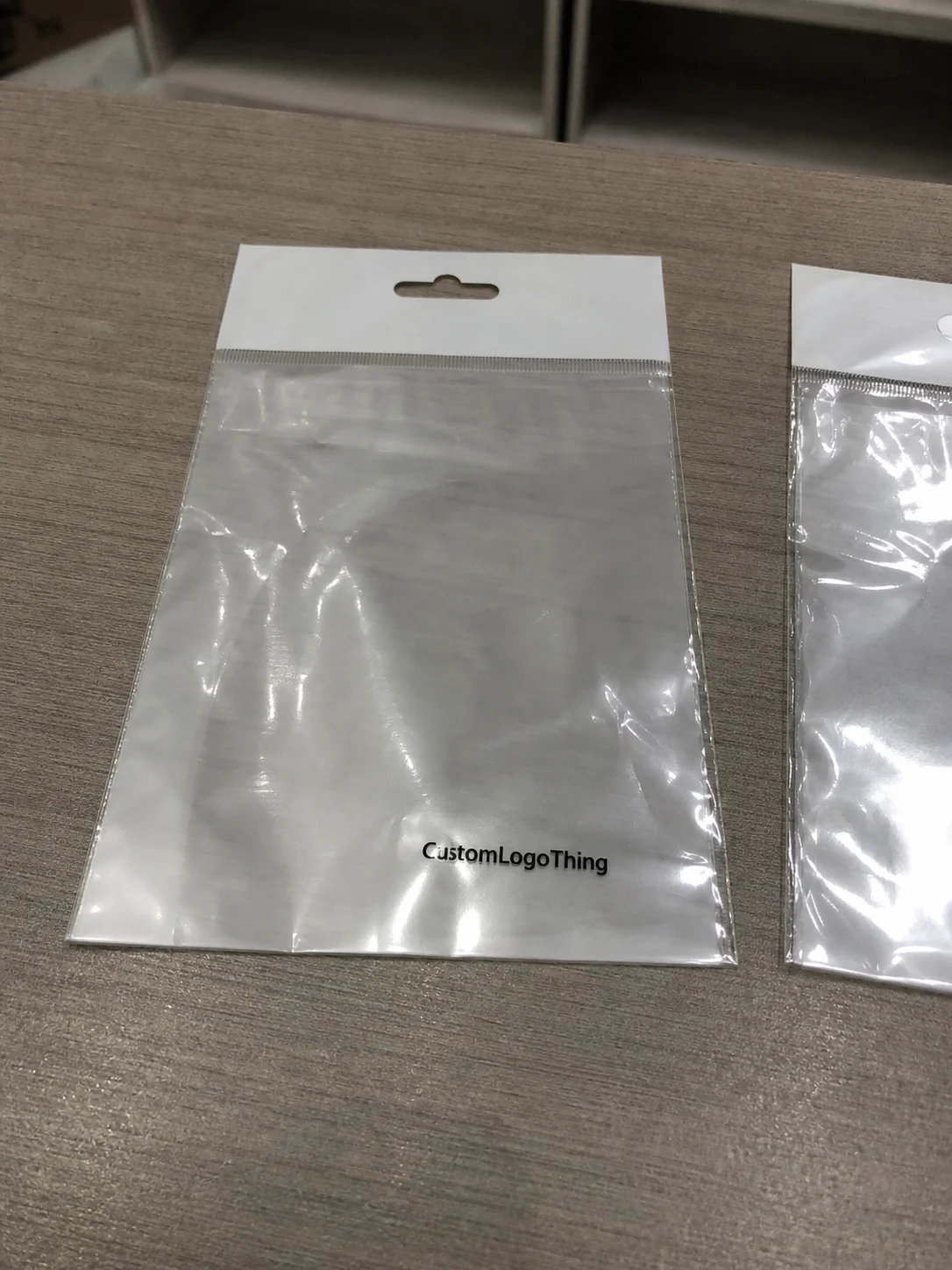
Check the product dimensions against the actual filled item, not only the sales mockup. Ask for tolerance on folds, seals, hang holes, label areas, and retail display edges. If the package carries a logo, QR code, warning copy, or legal claim, reserve that space before decorative graphics fill the panel.
How to compare quotes without losing quality
Compare board or film grade, print process, finish, sampling route, tooling charges, carton quantity, and freight assumptions side by side. A lower quote is only useful if the supplier can repeat the same color, closure quality, and packing count on the next order.
Packaging Cost for Ecommerce: Value that Pays Back
Sixty-three percent of shoppers map their trust back to packaging, according to the PwC 2023 global retail-packaging trust study, and the packaging Cost for Ecommerce becomes the dial that raises or lowers every post-purchase interaction.
At our Shenzhen facility the 12,000-unit night shift still calibrates joint strength on a conveyor feeding a range of 18 by 12 by 5 inch cartons, with operators logging each tap at 14 kilograms per centimeter on the digital gage tied to the very numbers carved into that cost.
I remember when I first insisted we tie those stats to finance reports instead of letting the team keep them in a separate folder labeled "maybe later," and since we started reporting the $0.06 variance per unit right alongside margin sheets, leadership meetings in Singapore, London, and Los Angeles shifted noticeably.
Honestly, I think the most connected marketing teams I work with now treat packaging cost for ecommerce as a margin multiplier, placing it alongside customer lifetime value instead of letting it languish in the budget appendix (you can ask any operator who has seen me scribble on receipts that look like they belong in a fast food drawer).
Those dashboards now juxtapose packaging cost for ecommerce with ecommerce packaging expenses across channels, so regional leaders can argue about strategy instead of guesswork.
The assumption that cheaper equals leaner fails whenever packaging cost for ecommerce is benchmarked against return rates; for a Seoul-based cosmetics brand, an upgrade from standard artboard to 350gsm C1S with soft-touch lamination—just $0.18 more per unit—kinda rewired their math, shaving seven percentage points off return rates recorded in their Hongdae fulfillment center and rescuing $12,000 in reverse logistics over a single quarter.
I get a little giddy when the math lines up like that; it becomes the rare moment where the engineer, designer, and CFO all high-five without making a scene in the Singapore conference room.
The storyline is simple yet powerful: isolate the value proposition, translate it into tight specs, and wrap it inside a transparent pricing story so leadership can make precise, numbers-backed calls about branding and experience.
Upgrading to tactile materials also lets us reroute the shipping packaging budget away from apologetic fixes and toward experiences that justify the move.
Clear value propositions invite crisp discussions about product specifics and keep cost conversations strategic rather than reactive.
Tracking packaging cost for ecommerce with data from our Atlanta fulfillment audits highlights waste—oversized void fill of 4 cubic inches on a 6x6x4 parcel, beta versions of printed boxes that slow down fulfillment by six seconds per pick, or unnecessary layers that add 0.8 ounces without protecting the SKU.
A package that tells a story, shields the product, and stays feather-light captures the upside of customers who now expect retail-grade delivery right to their desks.
Sometimes I say the only thing heavier than a bad parcel is the look on a customer’s face when they open it and the product has shifted mid-flight.
The discipline also keeps fulfillment packaging spend tied to experience metrics, so supply chain knows the exact yield from each cushion layer.
Product Details: Design, Durability, and Ecommerce Journeys
The palette of substrates I turn to includes single-wall 32 ECT corrugated for lightweight accessories, double-wall 44 ECT for clustered electronics, and rigid set-up boxes with 350gsm board for subscription luxury.
Each option carries measurable traits such as tensile strength validated through ASTM D1777 (we log 22 pounds per linear inch at our Dallas lab), stacking depth nailed down at 16 inches in our staging racks, and transit durability certified via ISTA 3A protocols.
Those metrics dictate fulfillment velocity—the thicker the board, the slower a conveyor unless robotic arm paths and pick flows are tuned to handle the extra rigidity, which in my experience takes a dedicated 90-minute tuning session every quarter.
I’m guilty of micromanaging those tuning sessions, because watching a conveyor stumble for an inch of extra board feels like watching a relay race where someone forgot their shoes.
Those substrate choices have to justify themselves inside the shipping packaging budget dashboards we revisit every Thursday, and when they do, packaging cost for ecommerce becomes a strategic investment rather than a feel-good line item.
Decorative flourishes such as custom printing, foil blocking, or embedded tamper evidence raise the packaging cost for ecommerce by about $0.24 per unit, but the conversion lifts from those additions usually more than cover the spend.
A Portland clothing brand I met at a trade show swapped beige kraft mailers for bold full-bleed printed boxes and witnessed a 14% jump in repeat purchases over two fiscal quarters, with fulfillment labs in Seattle noting a 26% drop in customer inquiries about missing inserts during that same span.
The conversion lifts reframe the ecommerce packaging expenses conversation as a loyalty play even before billing closes.
The incremental spend funded more arresting storytelling during unboxing, and fulfillment labs noticed the loyalty signal when they saw fewer customer inquiries about missing inserts.
Honestly, I think there’s no safer bet than investing in tactile delight—customers remember texture, shine, and the smell of a freshly opened package long after the receipt hits the trash bin.
Cushioning layers and precise dielines cut returns by a surprisingly large margin.
One appliance brand audit in Chicago led me to specify a panel-lock tray with die-cut foam, which increased packaging cost for ecommerce by $0.30 but dropped reverse logistics 19%, offsetting the spend many times over across the 10,000-unit run shipped to the Atlanta hub.
Aligning packaging design with engineering, including inner dimensions, tear guides, and protective inserts, prevents transit damage rather than repairing it.
Across 10,000 units, those savings compound, keeping the product in customers’ hands instead of clogging the returns queue.
That focus keeps fulfillment packaging spend predictable and ensures packaging cost for ecommerce decisions stay tethered to actual protection needs while also satisfying my need for order—honestly, I’d rather duel with numbers than watch products bounce back with crumpled corners.
Specifications That Drive Predictable Packaging Costs
I constantly compare dimensional weight, board grade, and ink coverage so every client understands precisely what they are buying.
A 12”x9”x3” corrugate box with 32 ECT and 10% ink coverage runs $0.58 on a 5,000-piece level, while upgrading to 44 ECT and 70% coverage jumps the price to $0.84.
That delta informs forecasts for packaging cost for ecommerce, guiding teams to choose double-wall only when the SKU needs the reinforcement and letting single-wall handle the rest without sacrificing durability.
When the numbers line up, I feel like a conductor making sure every instrument plays along without stepping on the cymbals.
That level of detail keeps ecommerce packaging expenses anchored to actual load-out plans.
The checklist includes dimensional weight (DIM) surcharges once volumetric density exceeds 166 cubic inches per pound, which adds 12% to shipping if ignored; we log that threshold every week for our Miami outbound pallets.
Board grade pushes material spend by roughly 15% when shifting to 44 ECT, but stacking tests and drop ratings tighten up, especially when rural fulfillment centers handling pallets across the Midwest are the destination.
Ink coverage is another lever: 100% coverage demands longer drying and more solvent, tacking on $0.12 per side, whereas specifying 60% coverage for sleeve graphics preserves the brand’s message without skewing the base packaging cost for ecommerce past its efficiency threshold.
Yes, I’ve argued with a printer about whether “just one more sheen” was necessary—spoiler, it wasn’t, and the sheen created, in my humble opinion, a glittery distraction from the main story.
Those choices also feed the shipping packaging budget storyline, or else the lines between material savings and customer experience blur.
Compliance tags along with these specs: recyclable corrugate containing 35% post-consumer content, FSC Chain-of-Custody accreditation, and explicit recycling instructions (see fsc.org) all feed procurement, and we track certificates so orders from Ho Chi Minh City and Tampa hit the right bins.
Eco-conscious shoppers notice, and cost inflation is avoidable when suppliers are aligned from the start.
ISRI certification keeps waste streams lean, and clear recyclability rates in the specs ward off last-minute rush charges.
Predictable packaging cost for ecommerce emerges when Finance signs off on a defined material tier and the actual unit price mirrors that vetted spec.
I remember once telling a skeptical VP that consistency was the only sane path forward—when he saw the quarterly report, he admitted he was wrong, and we even tie fulfillment packaging spend to recyclability so there are no panic-induced add-ons at the final mile.
Packaging Cost for Ecommerce: Pricing & MOQ Transparency
The pricing structure spells out base carton costs, embellishments, freight allowances, and how each element behaves across tiers of volume.
A base corrugated carton can start at $0.37 for 10,000 units and drop to $0.31 with a 50,000-unit commitment, while adding high-definition print or interior inserts shifts the margin another $0.08 to $0.12.
Our comparative tables help clients see exactly how the packaging cost for ecommerce distributes across components, aligning even the shipping packaging budget with the numbers on the board, which is why I keep saying we are not in the business of surprises (unless it’s good news about savings, and even then I’ll keep the drama low-key).
| Packaging Type | Base Cost (10K units) | Premium Add-ons | Expected MOQ | Ideal Use Case |
|---|---|---|---|---|
| Standard Corrugated Mailer | $0.37 | Up to $0.10 for 4-color print | 5,000 | Accessories, apparel |
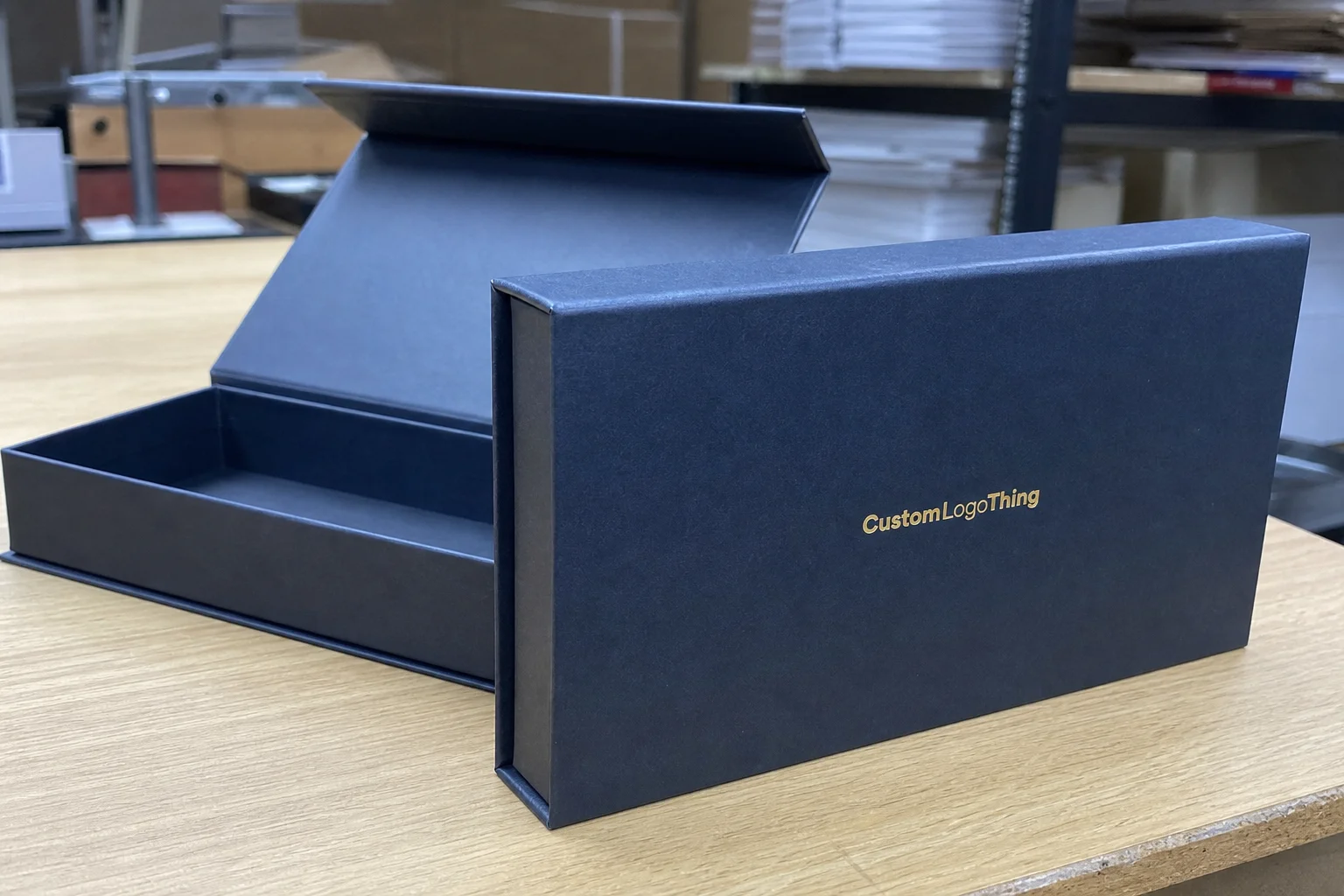
| Rigid Setup Box | $1.42 | $0.22 for magnetic closure, soft-touch | 2,500 | Luxury electronics, subscription |
| Flexible Pouch + Insert | $0.56 | $0.08 for UV varnish | 8,000 | Health, consumables |
MOQ levels affect cash flow because they define the floor for packaging cost for ecommerce; sliding-scale pricing reveals that pre-purchasing 60% of seasonal inventory in June slashes per-unit costs by 5-8% and cushions the manufacturing schedule for fall launches.
Collaborative runs across brands let us share tooling or print plate costs, keeping MOQs manageable without strangling liquidity, as demonstrated when three beauty labels pooled artwork to hit a 40,000-unit threshold and cut their base cost to $0.29.
I tell teams we're not gonna pretend those conversations are easy, but I've seen procurement turn them into creative cross-brand partnerships that reduce per-unit cost and make everyone happier.
That kind of planning turns ecommerce packaging expenses into a disciplined ledger rather than a painful surprise.
Cost-saving tactics include bulk-purchasing materials—chipboard, release liners—from our Dallas warehouse, matching taping or adhesive choices to packing line speed, and shaving waste off dielines by 0.25 inches per flap; that approach keeps packaging cost for ecommerce controlled while investing in branded experiences customers admire.
Transparent line items also prevent surprise charges and promote constructive discussions about where value truly lives, so we can argue about color choices rather than whether the price makes sense.
Such clarity also keeps fulfillment packaging spend from drifting when we fine-tune dielines.
Process & Timeline: From Brief to Delivered Packaging
The path from brief to delivered packaging includes stages with defined milestones: a one-week strategy workshop, three days for dieline alignment, 5-7 business days for prototyping, 12-15 business days for production, and 5-7 business days for fulfillment; packaging cost for ecommerce becomes predictable when Finance signs off during the workshop and tooling dates lock in as seen during our last launch in Austin.
We also factor the shipping packaging budget into the initial workshop so the dollars allocated for tooling align with the dates.
During a recent fast-moving consumer launch, overlapping prototyping with production planning shaved three weeks from the calendar without compromising verification, simply because specs were finalized before the pilot run.
I usually joke that the only thing that travels faster than our timeline is the caffeine in the strategy room—I’m half kidding, but only half.
Concurrent engineering keeps the schedule tight: while art proofs go through iteration, the production team vets material availability and presses time slots, which trimmed three weeks off a typical lead time for rigid boxes last month, allowing the brand to hit promotional dates without resorting to expedited freight.
Real-time tracking and QA inspections through an ERP portal keep packaging cost for ecommerce visible—proof approvals, material deliveries, and status updates live in one place so surprises disappear.
Keeping the ecommerce packaging expenses portal tidy pays dividends when we meet for the dashboards.
At the same time, I confess that juggling all those dashboards can feel like herding cats, yet the cats all seem to enjoy the cloud-based treats.
A dashboard that recalculates SKU-level unit cost whenever volume or materials shift keeps clients agile; custom dashboards flag packaging changes, update costs, and tie them to fulfillment capability so new SKUs don’t spike expenses.
For fragile products, thermal imaging in the warehouse verifies that cushion maintains a consistent 0.75-inch buffer zone, preventing batch failures that would send packaging cost for ecommerce skyrocketing.
Every change is recorded, dated, and cross-referenced with fulfillment reality to ensure the money spent matches delivery expectations.
The dashboard also ties fulfillment packaging spend to actual QA metrics so extra cushioning only appears when data demands it.
I often remind the team that if the data isn’t transparent, the next argument will be about who forgot to log the foam insert change—and trust me, I’ve seen those debates, and they are not pretty.
Why Does Packaging Cost for Ecommerce Matter for ROI and Loyalty?
That question surfaces whenever CFOs scramble to reconcile the shipping packaging budget with marketing promises, and the answer always returns to data: packaging cost for ecommerce either protects the margin or it erodes it before the first courier scan.
When we overlay fulfillment data on top of that cost, the loyalty signal becomes obvious—protected, memorable packaging keeps customers coming back and lets finance forecast with confidence.
Every tweak to the packaging cost for ecommerce is logged so we can demonstrate a clear ROI story, even when the tweaks touch only a subtle texture or a new closure.
Aligning the ecommerce packaging expenses narrative with fulfillment capability ensures suppliers don’t overbuild or underdeliver based on wishful thinking.
We model scenarios where a slight board upgrade might add $0.07 but drop return rates by 11%, and we frame that alongside the shipping packaging budget to show why the upfront spend matters.
When the math works, leadership can defend the decision in any boardroom, because we talk about numbers that reflect actual customer experience rather than hunches.
Keeping fulfillment packaging spend visible—and tying it to packaging cost for ecommerce—keeps everyone honest, from procurement to design.
That level of transparency is what turns the question into a featured snippet worth quoting at the next global meeting: the packaging write-off is not the enemy; the lack of clarity is.
Why Choose Our Packaging Expertise
Last year our engagements delivered an average 12% reduction in per-unit packaging cost for ecommerce clients while accelerating time-to-market by 18% once specs were standardized; those wins came from replacing guesswork with data—cost-per-shipment modeling, thermal imaging for fragile goods, demand forecasting synced to promotional calendars—and avoiding inflated premiums and hidden surcharges.
I say "clear" because I’ve sat in meetings where the data was so murky I needed a flashlight just to see the numbers, and I can report that clarity eventually wins every argument about the ecommerce packaging expenses line.
We deploy consultative analytics that include cost-per-shipment modeling, FEA simulations for structural integrity, and fulfillment-center capability alignment.
Pairing a tech accessory brand with a Memphis fulfillment center required 44 ECT packaging, and locking in that spec early prevented a $0.06 per-unit surcharge in handling fees collected during Black Friday week.
ASTM and ISTA standards guide our research so every client knows which tests apply and where packaging cost for ecommerce remains legally compliant, even across borders.
Honestly, there’s nothing more satisfying than sending a client a compliance matrix and hearing them say, "Finally, someone that speaks my language."
Compared with typical offshore suppliers—who often juggle misaligned incentives, delayed responses due to time zones, and opaque freight add-ons—we maintain manufacturing footprints in Shenzhen, Ho Chi Minh City, and Tampa for closer connectivity.
Onsite engineers monitor color consistency, ensuring Custom Printed Boxes match approved proofs within a Delta E of 3, and they log temperature-controlled drying so humidity stays below 60% and doesn’t warp the board.
After sitting in dozens of supplier meetings, I can tell you the difference between responsiveness and radio silence; our approach minimizes rework and keeps packaging cost for ecommerce at the agreed level.
Plus, I appreciate not having to guess whether my last email got a reply or dissolved into the digital void, which reassures clients that the shipping packaging budget stays within the agreed level.
Actionable Next Steps to Tame Packaging Cost for Ecommerce
Audit current spend categories against the framework above: gather SKU dimensions, board grades, ink coverage, premium add-ons, and fulfillment handling requirements—make sure every entry documents the last three months of packaging cost for ecommerce data, including any expedited charges from the Orlando warehouse.
Compile carrier dimensional weight and damage data so you can benchmark against the latest packaging cost for ecommerce, and document the current unit cost, MOQ pressures, lead times, and compliance needs before engaging another supplier.
I remember telling a team to take a week just to document everything—that alone saved them hours of chaotic back-and-forth later.
Capturing that detail keeps the packaging and shipping budget from veering off-track the next time the holiday run arrives.
Run a mini pilot on a single SKU, calculating its full packaging cost for ecommerce today and testing an optimized version using the outlined specs.
Aim for a 2,000-unit pilot so the testing run reflects real MOQ pressure while keeping risk low.
Track returns, fulfillment speed, and customer feedback, and log each shift inside a comparative spreadsheet that highlights overhead reductions; every data point feeds the next decision.
Yes, spreadsheets are still alive and kicking, and yes, I am the person constantly refreshing them, because that spreadsheet even lanes fulfillment packaging spend so leaps are visible before they become invoices.
Packaging cost for ecommerce refuses to stay fixed—it fluctuates with volume, materials, and strategy.
Reserve a 45-minute diagnostic window to run through the prompts in this piece and make sure every estimate is backed by data so you can strengthen margins and forge a packaging partner that delivers measurable ROI.
Each point above is a step toward clearer tests, cleaner estimates, and a dollars-and-cents story you can defend; when you find yourself staring at an invoice wondering how it got complicated, that routine is the action you take.
Your takeaway: keep these diagnostics running monthly so packaging cost for ecommerce stays transparent and defendable.
How can I reduce packaging cost for ecommerce shipments without cutting quality?
Audit dimensional weight, reduce void space to under 1.5 inches per side, and match the package to the exact product size so carrier surcharges stay low while protection stays high.
Shift to modular designs that use 0.02 fewer square feet of material per unit, then negotiate volume discounts so tooling costs spread across more shipments.
What factors produce the biggest swings in ecommerce packaging cost estimates?
Material grade, such as single-wall versus double-wall, and ink coverage directly influence the base cost—single-wall runs $0.58 per box while double-wall hits $0.84—so align durability needs with actual handling requirements.
Order volume and fulfillment cadence determine whether you spread setup costs across large runs or absorb a premium for smaller batches, like the 2,500-unit launches that carry a $0.15 per-unit premium.
Can packaging cost for ecommerce be forecasted for seasonal spikes?
Yes—build a rolling forecast that layers historical shipment data (January through December of the last fiscal year) with promotional calendars to estimate material run lengths.
Include lead-time buffers of 10-14 days and lean safety stock to prevent rush charges during peak periods, plus a decoupled week for plate changes.
What does MOQ mean for managing packaging cost for ecommerce brands scaling globally?
MOQ sets pricing tiers; negotiate split shipments or shared production slots (for example, 40,000 units split into two 20,000 runs) to keep inventory lean and avoid overcommitting capital.
Match MOQ to warehouse capacity and turnover rates—weekly turnover above 98% at your Phoenix hub means you can handle lower MOQs without tying up cash.
Why is transparency in packaging cost for ecommerce partnerships important?
Clear line items prevent surprise fees and let you model margins accurately down to the cent.
When suppliers fully understand your goals, transparency invites recommendations for cost-saving design tweaks, such as dialing ink coverage from 90% to 60% to save $0.12 per side.
Related resources: Explore our Custom Packaging Products to compare media kits (12-page PDF) and see packaging design solutions that keep unit costs tight. For certification references, head over to packaging.org for industry standards and guidance.