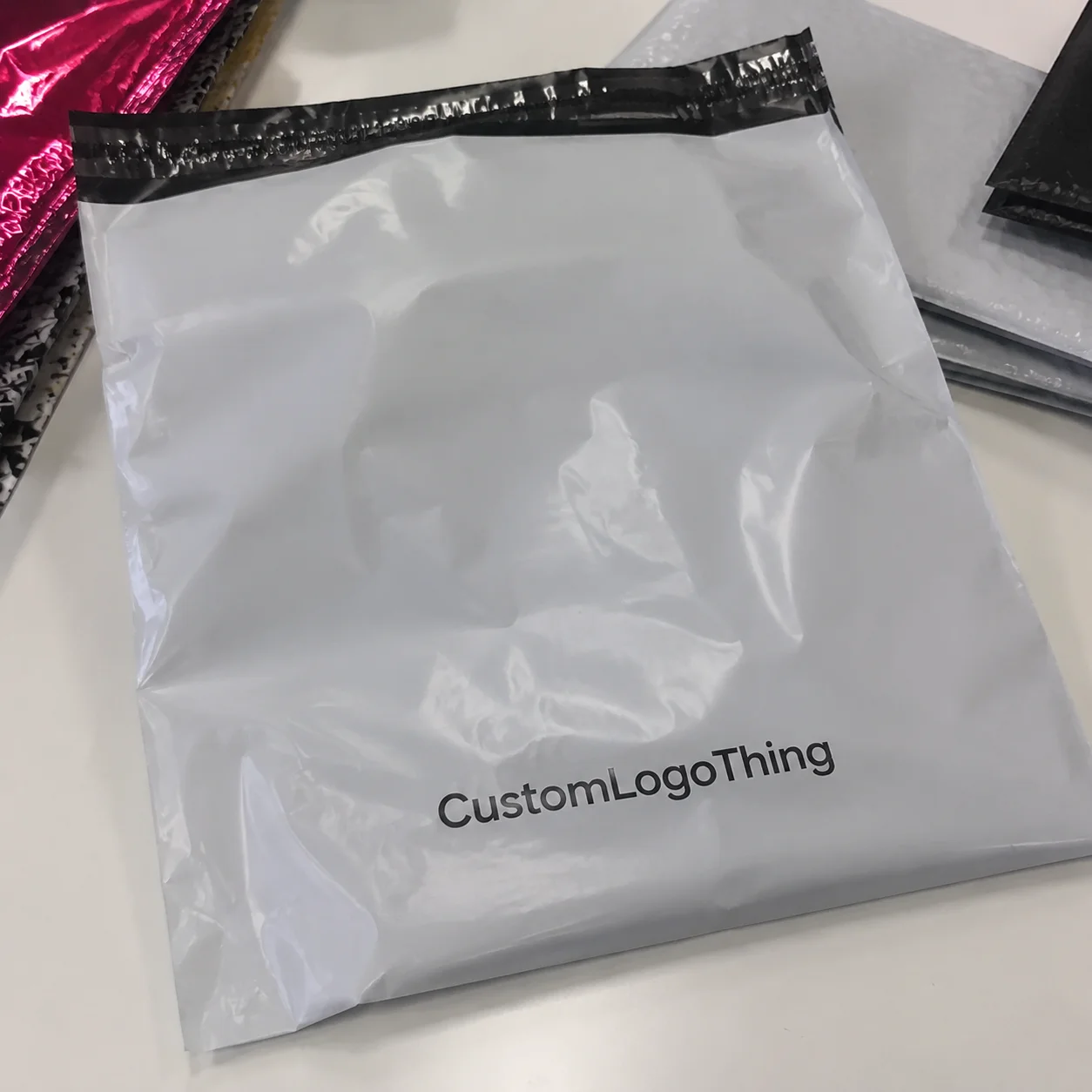
Buyer Fit Snapshot
| Best fit | Packaging Design Selection projects where brand print, material claims, artwork control, MOQ, and repeat-order consistency need to be specified before quoting. |
|---|---|
| Quote inputs | Share finished size, material target, print colors, finish, packing count, annual reorder estimate, ship-to region, and any compliance wording. |
| Proofing check | Approve dieline scale, logo placement, barcode or warning zones, color tolerance, closure strength, and carton packing before bulk production. |
| Main risk | Vague material claims, crowded artwork, missing packing details, or unclear freight terms can make a low unit price expensive after revisions. |
Fast answer: Packaging Design Selection: Production Spec, Color Control, and Delivery Risk should be specified like a repeatable production item. The safest quote records material, print method, finish, artwork proof, packing count, and reorder notes in one written spec.
Production checks before approval
Compare the actual filled-product size with the drawing, then confirm tolerance on folds, seals, hang holes, label areas, and retail display edges. Reserve space for logos, QR codes, warning copy, and material claims before decorative graphics fill the panel.
Quote comparison points
Review material grade, print process, finish, sampling route, tooling charges, carton quantity, and freight assumptions side by side. A quote is only useful when the supplier can repeat the same color, closure quality, and packing count on the next order.
I watched a founder burn $18,400 on gorgeous rigid boxes in Dongguan, then discover the finished pack was 14mm too tall for a retailer’s shelf planogram. Painful lesson in packaging design how to choose: lock structure and economics first, decorate second. After 12 years in this work, the same pattern keeps repeating—most failures come from structural mismatch, shipping math, and messy approvals, not “weak logos.”
Ask most teams about packaging design how to choose and the conversation jumps to colors, varnishes, and foil. That part matters, just less than people think. Call it 25% of the decision. The heavier lift is choosing structure, substrate, print method, and unboxing flow that still works when margins are tight, channel rules are strict, and your ops team is packing 1,200 orders on a Monday.
In supplier calls from Shenzhen to New Jersey, I run a four-part filter: product risk, customer moment, channel constraints, and landed cost. Nail all four and packaging performs. Miss one and you’ll pay through damage claims, returns, slow pick-pack, or margin bleed that looks small until quarter-end.
This playbook is for operators, not mood boards. You’ll get a practical framework for packaging design how to choose, with material specs, realistic lead times, price ranges, and RFQ language I use with WestRock converters and rigid-box factories in Shenzhen. Need hard numbers first? Jump to cost and pricing. Fighting launch timing? Head straight to process and timeline.
Packaging Design How to Choose Starts With Strategy, Not Colors
Most teams begin with visual references. Makes sense—they’re exciting. Still, packaging design how to choose starts with strategy because every box has a job before it has a personality. A premium-looking carton that fails a 30-inch drop or adds a $1.90 DIM surcharge per shipment is just expensive decoration.
One client sold glass wellness vials. Their first concept used a 350gsm folding carton and a thin paperboard divider. Render looked beautiful. Transit tests did not: damage reached 9.7%. We moved to an E-flute micro-corrugate mailer with a molded pulp cradle and pushed breakage below 1.2%. Unit packaging cost climbed from $0.62 to $0.88, yet returns dropped enough to improve contribution margin by 6.4 points. That’s packaging design how to choose in the real world.
Clear language helps teams avoid crossed wires:
- Visual design: logo placement, typography, color hierarchy, finish style.
- Packaging engineering: protection, assembly time, freight efficiency, compliance readability.
You need both disciplines. Reverse the order and rework shows up fast. I once sat through a six-hour redesign review because an embossed lid blocked required warning text at retail distance. One compliance miss. One week gone. $2,600 in revised prepress and new plate prep.
If you’re figuring out packaging design how to choose, frame it as a decision stack, not a creativity contest:
- Product risk profile (fragile, leak-prone, temperature-sensitive)
- Customer moment (gift reveal, refill routine, shelf grab)
- Channel constraints (DTC, retail, Amazon, subscription)
- Landed economics (unit + freight + labor + storage + defects)
Put that stack in the kickoff brief and supplier conversations get sharper immediately—better RFQs, fewer assumptions, cleaner quotes.
How Packaging Design Works Across the Supply Chain
Packaging design how to choose is never one decision. It’s a chain, and weak links show up late and expensively. The workflow usually looks like this: brief → dieline → prototype → testing → prepress → production → pack-out → freight. Every stage has a different owner and a different way to fail.
In healthy projects, responsibilities are clear.
- Brand owner: commercial targets, visual direction, approval authority.
- Packaging manufacturer: structure, substrate recommendations, conversion feasibility.
- Prepress team: separations, trapping, bleed/safe zones, barcode readiness.
- Fulfillment partner: pack-out SOPs, time-per-unit, cartonization logic.
Print method can quietly make or break outcomes:
- Offset litho: high-detail branded packaging and color-critical retail packaging at medium/high volumes.
- Flexo: corrugate volume runs where speed and durability matter more than ultra-fine graphics.
- Digital: pilot quantities and SKU testing, especially below 2,000 units.
Substrate drives both performance and visual finish. SBS offers cleaner print surfaces. CCNB can trim cost but may mute premium graphics. Kraft corrugate improves transit resilience and supports a natural look. Rigid board delivers stronger hand-feel while increasing storage and freight cube. Specialty papers can elevate brand presence, though sourcing often adds 7–12 days.
Proofing checkpoints should stay non-negotiable:
- 3D mockup for layout logic
- Plain white sample for structure verification
- Color proof for print fidelity
- Golden sample signed by one accountable owner
Skipping step 2 causes predictable pain. A DTC beauty brand approved art first, then found the pump bottle catching on the tuck top during hand-pack. Pack-out time jumped from 22 seconds to 51 seconds per unit. Labor cost doubled overnight.
Logistics math deserves a reality check: increase one panel by 10mm and pallet efficiency can drop enough to add 11–14% freight cost on ocean shipments. DIM weight penalties wipe out paperboard savings faster than most spreadsheets admit.
Use supplier language that produces accurate quotes. Include tolerance (±1.5mm), GSM, flute type (E/B), varnish/lamination spec, and assembly method (auto-lock, glue points, hand-fold). If you need format references, review Custom Packaging Products, then convert preferences into technical specs.
Key Factors in Packaging Design How to Choose Decisions
Want packaging design how to choose to feel less fuzzy? Run the same seven-factor scorecard every time, in the same order.
Product protection requirements
Start with physical risk. Fragile? Liquid? Powder? Temperature-sensitive? If glass is involved, run drop simulation aligned with ISTA transit standards. Oily formulas require checks for ink/varnish rub resistance and staining behavior. A carton that looks good and fails in week two of warehouse handling is dead weight.
Brand positioning fit
Luxury buyers expect tactile signals: soft-touch, emboss, magnetic closure, cleaner board edges. Value-led categories often win with crisp graphics and efficient structures. I watched a supplement brand raise repeat rate by 8% after switching from busy gradients to a clear two-color system with stronger dosage hierarchy. Less visual noise, more trust.
Sales channel constraints
DTC needs crush resistance and dimensional discipline. Retail demands shelf impact plus compliance panels. Amazon adds prep and scannability rules. Subscription models care about repeat-open performance over six or twelve cycles. Packaging design how to choose has to follow channel math, not personal preference.
Customer behavior
Gift purchase or routine refill? Stored in a bathroom drawer or left on a countertop? If reseal matters, test with real users. One food client pushed a premium paper sleeve; customers tore it on first open. We shifted to a side-lock tray with thumb notch and complaints dropped 43% in 30 days.
Operational constraints
Your warehouse team exposes weak decisions fast. Time pack-out with a stopwatch. Add 10+ seconds at scale and costs climb hard. Check hand-assembly tolerance, glue reliability, and cube utilization. Also track inventory lock-up: buying 60,000 units for a lower unit price can tie up $70,000+ for six months.
Sustainability tradeoffs without greenwashing
Real sustainability is specific: recycled content %, mono-material simplification, local recyclability by region. Use credible frameworks from FSC where relevant. Coated or mixed-material structures can be harder to recycle in municipal streams. If eco claims appear on-pack, legal should review each line. Quick disclaimer from experience: compostable claims are tricky and vary by market infrastructure, so validate locally before printing them.
Legal and compliance
Reserve space for warnings, ingredient decks, barcodes, lot/batch coding, and regulatory marks. Barcode readability fails quickly with weak contrast or curved surfaces. Ink durability matters too; condensation can smear lower-grade prints within 48 hours.
Step-by-Step: Choose the Right Packaging Design Without Guessing
I use this eight-step framework for packaging design how to choose across startups and mature brands. Follow it in sequence and rework drops sharply.
Step 1: Set hard constraints first
Define non-negotiables before design begins:
- Target packaging COGS per unit (example: $0.95 max)
- Maximum outer dimensions (example: 220 x 160 x 70mm)
- MOQ flexibility (example: pilot at 2,000, scale at 10,000)
- Launch deadline (example: inventory in 11 weeks)
Skip this step and suppliers quote against different assumptions, making comparison useless.
Step 2: Rank priorities
Force-rank protection, unboxing impact, sustainability, and cost from 1 to 4. Teams resist this because tradeoffs become visible. Do it anyway. Packaging design how to choose rewards clarity, not committee comfort.
Step 3: Build two concepts, not ten
Create one conservative path and one stretch path:
- Concept A: SBS tuck-top carton + paper insert, offset CMYK, matte AQ.
- Concept B: rigid setup box + EVA insert + foil + soft-touch lam.
Compare more than aesthetics: landed cost, assembly time, and damage risk should drive the call.
Step 4: Prototype fast
Plain structure first. Branded sample second. Always. Founders who chase Instagram-ready samples early often waste $1,200–$3,000 on the wrong geometry. Lock fit, then refine print.
Step 5: Test in real conditions
Run at least three tests:
- Transit simulation (drop, vibration, compression)
- Shelf/photo check (lighting, legibility at 3 feet, visual blocking)
- Timed pack-out trial with your actual team
I once timed a head-to-head pack-out race between two insert styles. Molded pulp looked less premium than foam, yet saved 19 seconds per order and secured product better. At volume, that translated to roughly $4,200/month in labor savings.
Step 6: Finalize print specs
Before issuing a PO, lock these elements:
- Dielines and panel dimensions
- Color standards (Pantone references or approved CMYK targets)
- Finish stack (e.g., matte lam + spot UV logo)
- Bleed and safe zones (usually 3mm bleed minimum)
Define acceptable tolerances in writing. If you don’t, the factory will decide for you.
Step 7: Approve a golden sample
One signed unit. One owner. Archive photos plus the full spec sheet. This is your anchor if production drifts. No golden sample means weaker claim leverage—simple as that.
Step 8: Run a post-launch review
At day 30, review:
- Damage/return rate
- Fulfillment time per order
- Customer feedback themes
- Actual landed packaging cost
Then iterate. Packaging design how to choose is an operating loop, not a one-time creative event.
Cost and Pricing: What Good Packaging Actually Costs
Money is usually where packaging design how to choose unravels. Founders focus on unit price. Operators track landed cost. The second view wins over time.
Total packaging cost includes:
- Tooling/die costs
- Sampling and revisions
- Unit production cost
- Insert components
- Freight + duties
- Storage and handling
- Defect/rework allowance
Practical ranges from recent projects:
- Folding cartons: $0.45–$1.80/unit at scale
- Rigid gift-style boxes: $2.20–$6.50+/unit
- Simple custom printed boxes for DTC shippers: $0.70–$2.40/unit depending on board and print
| Format | Typical MOQ | Unit Cost Range | Lead Time (Production) | Best Use Case |
|---|---|---|---|---|
| SBS Folding Carton (350gsm) | 3,000–10,000 | $0.45–$1.20 | 12–20 business days | Retail packaging with detailed graphics |
| E-flute Corrugate Mailer | 1,500–8,000 | $0.70–$2.40 | 10–18 business days | DTC product packaging and shipping durability |
| Rigid Setup Box + Insert | 1,000–5,000 | $2.20–$6.50+ | 18–30 business days | Premium gifting and high-ticket SKUs |
MOQ behavior is real: moving from 2,000 to 10,000 units can cut unit pricing by 18% to 35%. Don’t get hypnotized by the discount curve. Uncertain demand plus overbuying can crush cash flow. I’ve seen startups sit on 40,000 obsolete cartons after one formula change.
Hidden cost traps show up repeatedly:
- Too many SKUs with tiny artwork differences
- Oversized cartons that trigger DIM charges
- Late artwork edits after plate setup (extra $400–$1,500)
- Unplanned hand-assembly steps that drag labor
Finish costs, roughly:
- Soft-touch lamination: +$0.08–$0.25/unit
- Foil stamping: +$0.06–$0.40/unit (area dependent)
- Emboss/deboss: +$0.04–$0.22/unit plus tooling
- Spot UV: +$0.03–$0.18/unit
- Inside print: +$0.05–$0.30/unit
Negotiation tactics That Actually Work with large converters and specialized plants:
- Send the exact same spec sheet to each vendor (same Incoterms, same tolerances).
- Split quotes by run size (2k / 5k / 10k / 25k) to reveal the pricing curve.
- Negotiate payment terms after a successful first PO (for example, 30/70 to 20/80 or net terms).
- Get defect-rate commitments and remake policy in writing.
Whether I’m speaking with a WestRock partner, an International Paper converter, or a Shenzhen rigid-box specialist on WeChat at 10:30 p.m., one rule holds: clarity gets better pricing than chest-thumping.
Budget guide I recommend:
- Mass market CPG: packaging at 4–8% of retail price
- Premium beauty/wellness: 8–15%
- Luxury gifting: 15–25% (sometimes higher)
Decision rule for packaging design how to choose: spend more on first-touch experience only if it increases conversion, AOV, or retention enough to pay back. Commodity refill categories often perform better with efficient plain packaging. Boring can be very profitable.
If you’re comparing formats now, review Custom Packaging Products and attach exact specs to your RFQ so quotes remain apples-to-apples.
Process and Timeline: From First Brief to Delivered Boxes
Realistic timelines protect launches; fantasy timelines create panic freight. Packaging design how to choose includes calendar discipline because brilliant design still fails if inventory lands two weeks late.
Typical timeline by phase:
- Discovery + brief: 3–5 business days
- Structural design + dieline: 1–2 weeks
- Prototype rounds: 1–3 weeks
- Prepress and approvals: 3–7 business days
- Mass production: 3–6 weeks
- Freight: air 5–12 days, ocean 25–45+ days depending on lane
Delay sources that show up quarter after quarter:
- Missing product dimensions or weight in the opening brief
- No single approval owner
- Color indecision after proof sign-off
- Late compliance text edits
Build a milestone checklist with names attached. Typical gates:
- Structure approved by Ops Lead
- Artwork approved by Brand Lead
- Compliance panel approved by Legal/QA
- Golden sample approved by GM
- PO release approved by Finance
Buffer strategy that works in practice: run artwork and structure in parallel during week one, but delay premium finish lock until structure passes testing. Assume one extra sample round. Add 7–10 business days contingency for launch-critical inventory.
Air freight can rescue a launch, and it can vaporize margin just as quickly. I reserve air for high-margin SKUs, fixed retail deadlines, or partial bridge quantities (for example, 2,000 units by air, balance by ocean). Full-air on low-ticket goods is often financial self-harm.
Communication cadence I enforce:
- Weekly supplier call (30 minutes)
- Shared approval log with timestamps
- Version control naming (Artwork_v07_APPROVED.pdf)
Basic? Yes. Project-saving? Also yes.
If you need benchmark structures before kickoff, review Custom Packaging Products and map favorites into a phased timeline with accountable owners.
Common Mistakes, Expert Fixes, and Your Next 10 Actions
Across years of packaging design how to choose projects, the same mistakes repeat. Good news: each one has a practical fix.
Mistake 1: Aesthetics before economics.
Fix: lock non-negotiable cost and fulfillment constraints first. If your guardrail is $1.10 landed, design inside that boundary from day one.
Mistake 2: Overengineered inserts.
Fix: design for drop-test needs, then simplify assembly. Inserts that add 25 seconds per pack-out aren’t clever—they’re expensive.
Mistake 3: Ignoring operations.
Fix: run timed pack-out trials before PO. If warehouse teams hate the format, customer experience usually suffers next.
Mistake 4: Approval chaos.
Fix: one decision owner, one golden sample, one version-controlled artwork file. No side approvals buried in Slack threads.
“We thought premium meant magnetic rigid boxes for every SKU. Emily showed us the math, and we moved to two-tier packaging—premium only on gift bundles. Margin went from 52% to 61% in one quarter.” — DTC founder, home fragrance category
Two expert moves I recommend constantly:
- Run a paid pilot (500–2,000 units) before full-volume commitment. Real customers expose what internal reviews miss.
- Standardize footprints across SKUs where possible. Storage gets easier, procurement gets simpler, and freight variability often drops.
Your next 10 actions for packaging design how to choose:
- Gather exact product specs (L x W x H, weight, fragility notes).
- Set budget ceiling per unit and landed cost target.
- Define channel requirements (DTC, retail, marketplace).
- Draft an RFQ with tolerances, GSM, flute, finish stack, and Incoterms.
- Request two structural prototypes (conservative + stretch).
- Run transit and scuff tests with documented results.
- Time pack-out with your real team for both concepts.
- Select concept using a weighted scorecard (cost, protection, brand, speed).
- Approve one golden sample and archive specs/photos.
- Set a 30-day post-launch KPI review (damage, labor, customer feedback).
Implementation challenge: finish actions 1–3 in the next 48 hours. That step alone moves packaging design how to choose from endless debate into execution.
Execution is where margin lives. If you’re gonna remember one line from this entire guide, make it this: choose packaging like an operator, validate it like an engineer, and only then polish it like a brand team.
Final thought: packaging design how to choose is a business decision wrapped in a design decision. Treat it like an operating system—measured, tested, improved—and your packaging will sell better, ship smarter, and protect margin without sacrificing brand presence. That sounds kinda blunt, but it’s the truth I keep seeing across categories.
FAQs
Packaging design how to choose for a small budget: where should I spend first?
Start with structure and fit. Protection and shipping efficiency usually save more than premium decoration. Use short-run digital proofs before large MOQs, then choose one signature element—such as bold inside print or a sticker seal—instead of stacking foil, emboss, and specialty coatings.
How do I choose packaging design materials for shipping and retail?
Begin with channel requirements. DTC prioritizes crush resistance and DIM efficiency; retail prioritizes shelf impact and compliance space. Match substrate to product risk: corrugate for transit, folding carton for lighter retail needs, rigid box for premium gifting. Request physical samples and run quick drop/scuff tests before committing.
What is a realistic timeline when deciding packaging design?
Plan for multiple approvals: structure first, graphics second, production sample third. Most projects need at least one revision round. Add freight and customs buffer, especially if the launch date is tied to a campaign or retailer reset window.
How can I compare packaging suppliers when learning packaging design how to choose?
Send identical RFQ specs to each supplier—same quantities, materials, tolerances, and Incoterms. Compare technical clarity and response speed, not only unit price. Ask for defect-rate expectations, remake policy, and escalation contacts before placing larger orders.
How do I know if my packaging design choice is hurting margins?
Track total landed packaging cost, not only ex-factory price. Measure assembly time, damage rate, and shipping surcharges. Set a margin guardrail (for example, packaging + fulfillment overhead under 14% of net sales) and trigger redesign if you exceed it for two straight months.