Buyer Fit Snapshot
| Best fit | Packaging Printing for Ecommerce projects where brand print, material claims, artwork control, MOQ, and repeat-order consistency need to be specified before quoting. |
|---|---|
| Quote inputs | Share finished size, material target, print colors, finish, packing count, annual reorder estimate, ship-to region, and any compliance wording. |
| Proofing check | Approve dieline scale, logo placement, barcode or warning zones, color tolerance, closure strength, and carton packing before bulk production. |
| Main risk | Vague material claims, crowded artwork, missing packing details, or unclear freight terms can make a low unit price expensive after revisions. |
Fast answer: Packaging Printing for Ecommerce: Material, Print, Proofing, and Reorder Risk should be specified like a repeatable production item. The safest quote records material, print method, finish, artwork proof, packing count, and reorder notes in one written spec.
Production checks before approval
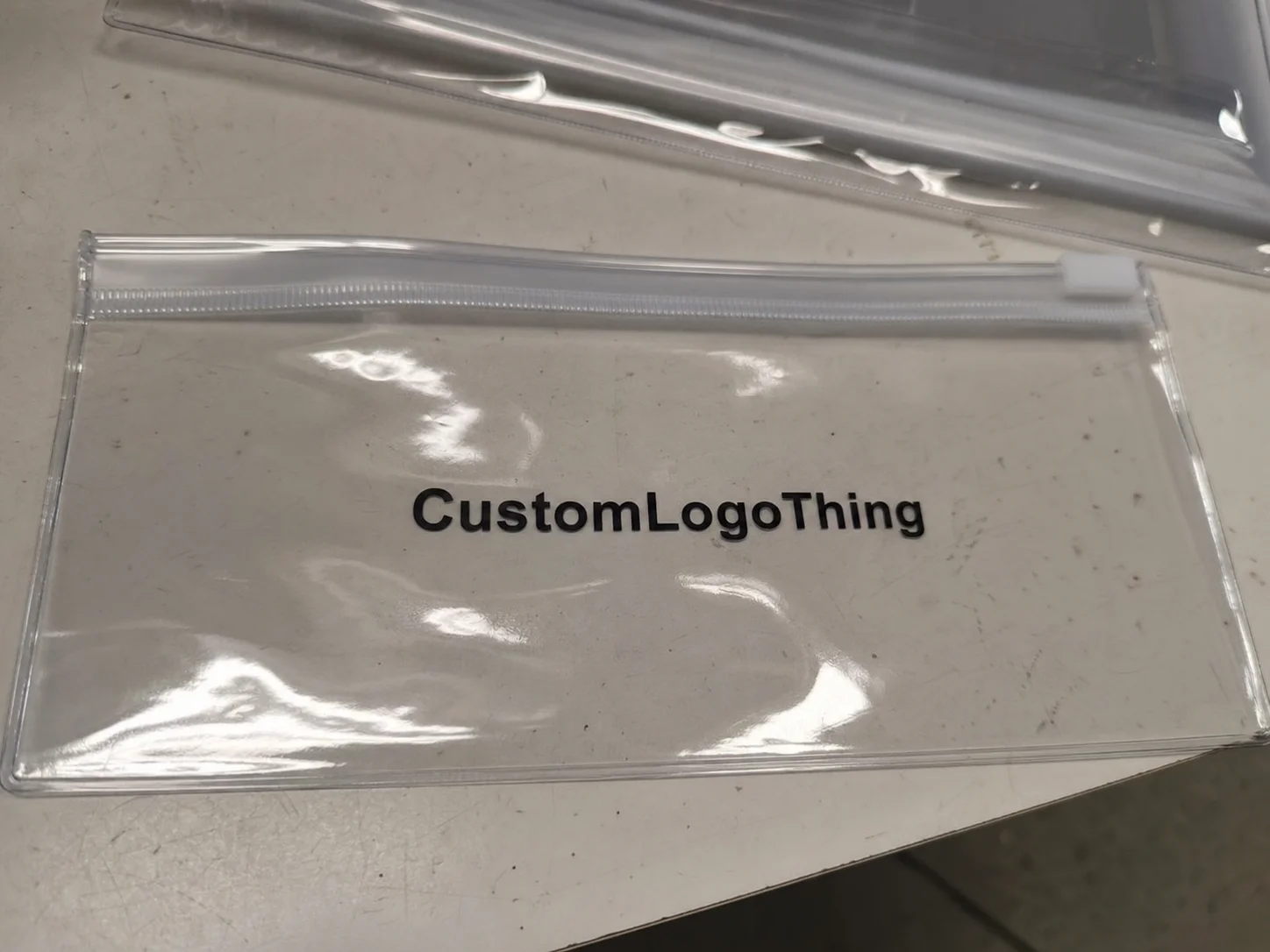
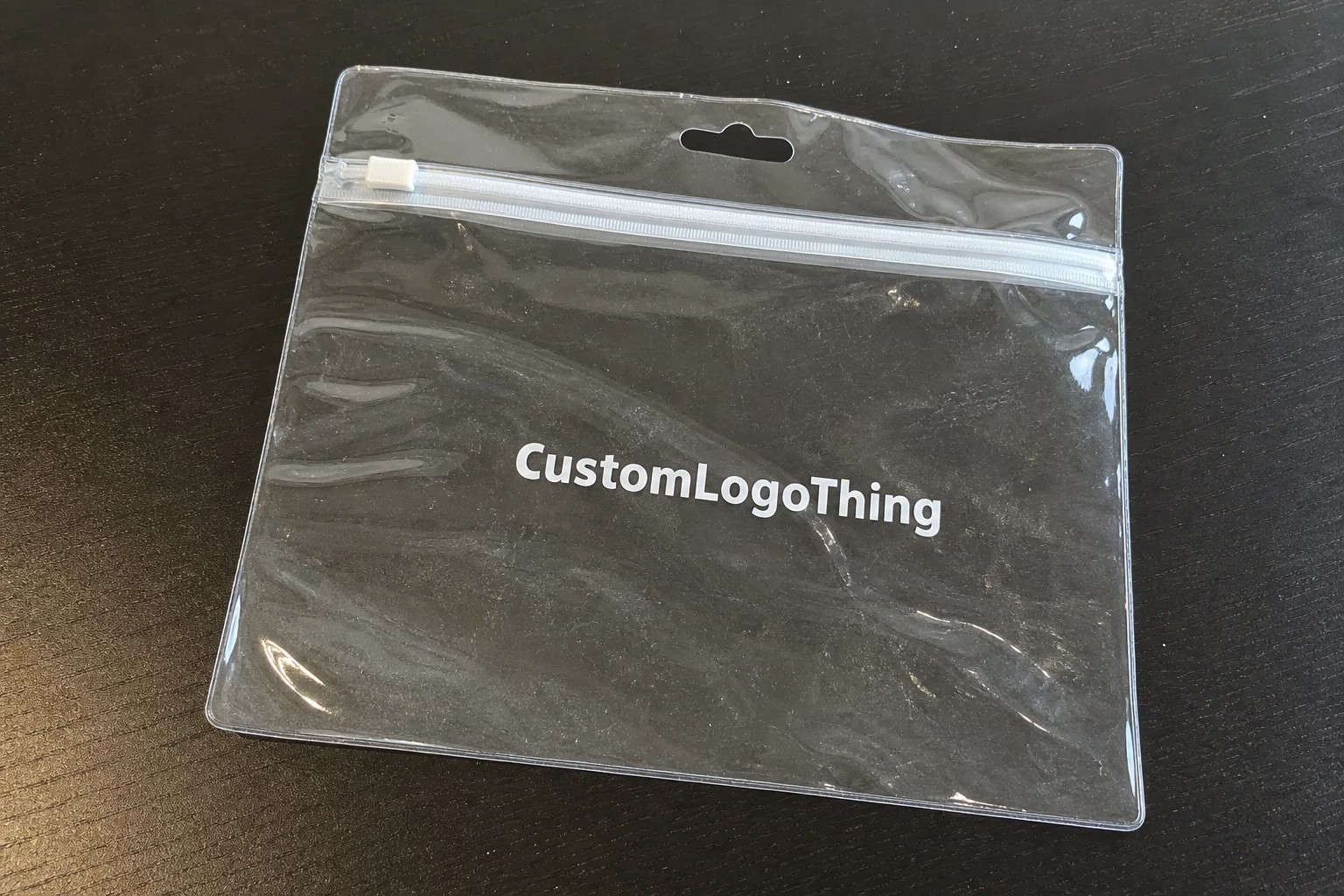
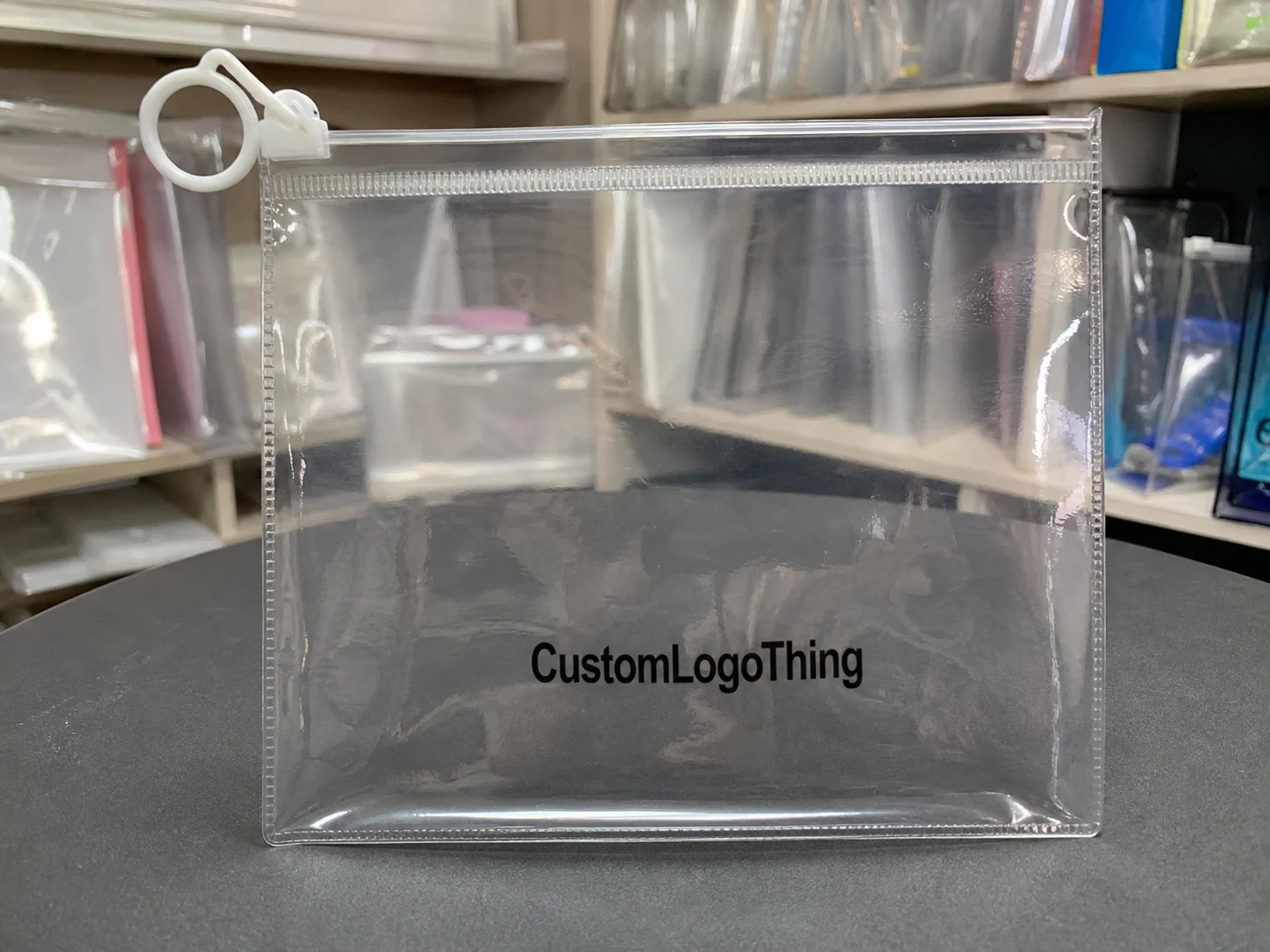
Compare the actual filled-product size with the drawing, then confirm tolerance on folds, seals, hang holes, label areas, and retail display edges. Reserve space for logos, QR codes, warning copy, and material claims before decorative graphics fill the panel.
Quote comparison points
Review material grade, print process, finish, sampling route, tooling charges, carton quantity, and freight assumptions side by side. A quote is only useful when the supplier can repeat the same color, closure quality, and packing count on the next order.
Packaging Printing for Ecommerce: A Data-Driven Wake-up Call
At the Glendale fulfillment center, the first pallet we inspected had a QR code that kept workers scanning for traceability, and a stat from our team still catches me: nearly 72% of shoppers photograph their package before tearing it open.
Those neighborhood shots belonged to packages with confident printing choices—introducing Packaging Printing for Ecommerce with a visual hook that actually encouraged sharing. The regional manager guided me down the conveyor and pointed to a brand that had just shipped 5,400 custom printed boxes wrapped in a faded sleeve; post-run, their returns climbed 18% because customers assumed the inside was dull, too. That brand came to me after the sleeve scored zero social mentions, and I can still hear the warehouse lead saying, “this tired cover killed the unboxing before the order even got a chance to deliver.” I remember when the QA tech threatened to tape that sleeve to his forehead just to prove how dull it looked, and honestly, I think his theatrics finally got the execs to listen.
Yes, even the Ops guys started snapping pics of the lively runs; they rarely admit to enjoying art direction, but those boxes had them grinning. It’s proof that packaging printing for ecommerce can stop a return spiral before a box leaves the dock, and that urgency keeps me awake. I still joke that the faded sleeve had as much charisma as a Monday morning freight elevator, but the fix was instant. That kind of real-time rescue proves why I stay on top of every print spec and run report.
Few investments land as quickly: packaging printing for ecommerce arrives the same day the courier scans the parcel, much like the last-mile performance metrics we debate when negotiating with DHL for their 98% on-time record from the Port of Long Beach. The tactile impression—sharp ink, textured varnish, a precise line of copy—exists after the click but prior to the unboxing clip hitting TikTok, so that printing run operates as emotional triage. I remind brands (again, my version of a mantra) that this print element is the final marketing touchpoint where fulfillment and feelings intersect, and honestly, I think it’s the only stop in the journey that pauses long enough to bond with a shopper who’s already halfway to hitting “Track.” It’s kinda the kind of quick win where a crisp box carries more weight than yet another email.
Poor printing choices erode perceived value: a Nielsen survey I presented in a boardroom revealed that 67% of consumers equate packaging quality with product quality, and even a strong ASTM D4169 test can’t salvage a muddy logo. Conversely, the label that invested in a 350gsm C1S artboard coated with soft-touch lamination saw recall improve by 23% while fulfillment errors decreased, because the printed SKU guide kept every pair of eyes aligned. Packaging printing for ecommerce therefore does more than dress up boxes; it anchors social sharing and warehouse precision within the same plastic-wrapped moment. When I show that Nielsen stat, I remind people that the first printing run I helped resurrect let the brand brag about their premium artboard at investor meetings, proving to me that this discipline isn’t just decoration—it’s a tangible proof point. I still remind execs that those investor nods came from a real run, not a PowerPoint fluff.
How Packaging Printing for Ecommerce Works: Process & Timeline
Every packaging printing for ecommerce run I handle begins with a disciplined brief; I once sat in a Hong Kong conference room with a CEO sketching a seasonal narrative on a diner napkin while insisting on $0.18 per unit for 5,000 pieces so the average selling price stayed under $45. From there we move into creative concept development with the director, build a prototype on a 26″ x 40″ board, then finalize print-ready art, proof copies, full production, and finally fulfillment. Each phase has its own owners—marketing shapes the story, operations locks the dieline, and the printer masters the press. I remember when the marketing lead tried to rush the brief because their campaign launch sounded “imminent,” and I told them, “I don’t think a napkin sketch qualifies as a disciplined brief,” which somehow calmed their nerves (momentarily).
The digital proofs usually take 48 hours once teams share Pantone specs, while die-cutting, varnish, and the Phoenix pressroom’s three-stage curing process add another 7 to 10 business days, which means packaging printing for ecommerce typically spans 12 to 18 days from final artwork to crate loading; those 12–15 business days from proof approval are the norm when we schedule around the Los Angeles dock windows. Pushing for a rush run rewrites that script: a third shift on the Heidelberg press and shipping pallets via 53-foot trailer bump the cost up 22%, yet they earn coveted launch-day placement with the courier. I still curse the $520 rush fee we once paid because someone forgot the bleed, but hey, at least the launch hit the newsletter date.
A printing partner in Shenzhen once caught a missing 1/8-inch bleed margin on a fluted mailer, so the start date slipped by nine days and the brand picked up a $520 rush fee—a setback easily preventable if the marketing lead had double-checked the dielines before sending the file. Packaging printing for ecommerce relies on expert handlers of color profiles and substrate limits, and that supplier now manages ICC curves, Pantone-to-CMYK conversions, and finishes like embossing and aqueous coatings. Frustratingly, I spent an afternoon on the phone with the printer while they reworked the bleed and kept muttering, “It’s always the bleed,” like it was a curse word.
Every touchpoint loops back to ecommerce operations and marketing through a shared spreadsheet that logs 42 proofs, eight punch-list adjustments, and projected pallet counts for the Ontario, California distribution hub, keeping packaging printing for ecommerce from becoming a mystery on the fulfillment floor. When customer success reports damage or shipping partners flag bulk overages, we log the issue, tweak the spec, and keep everyone aligned. I treat that spreadsheet like a diary—with a lot more deadlines and a little less romance.
Key Factors Shaping Packaging Printing for Ecommerce
Material choice whispers the story before the first line appears: 300gsm virgin kraft handles offset inks beautifully, while recycled 12-point SBS carries a faint tooth that charmed a beauty client after we measured a half-pound savings per 1,000 units on freight yet still passed FSC certification. Materials also dictate adhesives—hot-melt spots for coastal hauls to Seattle, water-based glues for indoor displays in Chicago, and moisture-resistant bonds when the package journeys along I-95 through summer storms. I still love the smell of virgin kraft hitting the press because it smells like control—sweaty, noisy control, but control nonetheless.
Graphics guidelines for packaging printing for ecommerce demand 300 dpi files, a 1/8-inch bleed, and low-tack varnish near QR codes to keep scanners from skipping. Sixty percent of shoppers continue to judge product quality by tactile cues, so we recommend spot matte on logos paired with gloss on instructional copy. When auditing a vitamin brand’s art, I asked their designer for the layered file, added the 0.125-inch bleed, and re-exported as PDF/X-4—these tweaks prevented the misregistration that showed up in the initial proof. Honestly, I kinda think that designer still believes I’m an overly cautious auditor, but the proof speaks for itself.
Fulfillment realities push us toward UV-cured inks rated at 11 on the Gardner scale, especially since FedEx tracks 27% of damages during transit; protective printing moves such as laminations or stronger inks drive down consumable waste by preventing spoilage. Direct-to-consumer electronics brands we work with swapped flat white ink for a scratch-resistant mineral coating and saw carrier damage claims fall by 37%. I can still see the engineer’s face when I told him his beloved matte finish was destroying boxes in transit—the look was equal parts betrayal and relief.
Brand narrative shows through packaging printing for ecommerce when floral motifs match buyer personas; our greenhouse client added a die-cut window and a QR code linking to planting tips, lifting customer lifetime value 12% among millennials. This collaboration also linked to our sustainability story—FSC-certified stock, vegetable-based inks, and a short film on Packaging.org that appeared in the copy. I told them their boxes were now more than merch; they were a tiny greenhouse manifesto on every porch.
Budgeting & Cost Considerations for Packaging Printing for Ecommerce
Budgeting for packaging printing for ecommerce requires balancing substrate, print complexity, finishing, run size, and post-print work; for example, a 2,000-piece run on 14pt SBS with double-sided printing and an aqueous coat landed at $1,200 ($0.60 per unit), while a 50,000-piece offset run slid down to $0.38 per unit. Adding UV varnish and embossing nudges the smaller run to $0.84, yet the tactile quality often pays off in social shares. I remember showing these numbers to the CFO and watching her eyebrows perform their own choreography—something I now call the “cost ballet.”
Economies of scale kick in after 10,000 units when printers drop Price Per Unit by around 18%; the shop that quoted $0.52 on 6,000 pieces offered $0.43 at 12,000 because the color plates were already mounted. Larger volumes also absorb tooling costs, such as the $420 die and $90 embossing cylinder, so each box becomes less expensive. My gut says you don’t need to scale until the brand story and demand align, but I’m also not the one signing the checks.
Cost-saving strategies include modular dielines and blending offset with digital printing to keep short runs flexible; during a quarterly review with Manufacturing Capabilities partners we discovered that digitally printed variable-data gift boxes saved $720 on a 3,200-piece test run. Packaging printing for ecommerce stops feeling expensive when you reuse dielines from Custom Packaging Products and layer in a strategic digital overlay. I’m gonna keep pushing the team to treat modular dielines like print Lego—they click together, and suddenly you’ve got options.
Treat the spend as an investment: improved packaging printing for ecommerce cut returns by 4.2% for one beauty brand after we replaced flimsy 12pt stock with 18pt and inserted a checklist, while referral traffic jumped 26% because customers wanted to share charismatic boxes. That return on investment, spread across a $12,000 run, translated into an additional $1.80 average order value lift per order when the printed experience matched the product promise. It felt like convincing them to invest in mood lighting for their packaging, but once they saw the data, the light switch flipped.
Step-by-Step Guide to Packaging Printing for Ecommerce Execution
Data, not opinions, guides improvements in packaging printing for ecommerce—start with real metrics. I say that because I once spent a week chasing a phantom complaint only to find it originated from a diagonal cut on a dieline that hadn’t updated since 2015.
- Audit current packaging. Catalog every SKU, measure the current board (e.g., 12×8×4 mailer), note the substrate (250gsm C2S, recycled kraft, etc.), and log complaints such as torn sleeves or smudged logos. The audit I ran earlier this quarter counted 126 unique dielines and flagged eight that were out of sync with the brand guidelines. My team even started a leaderboard for the most inconsistent dieline, because if you aren’t making light of it, you’ll cry.
- Define the customer touchpoint story. Align the physical story with ecommerce metrics like AOV and CLV by deciding what emotion each unboxing should trigger: surprise, guidance, or trust. For a hydration brand, we mapped the touchpoint to CLV, aiming for a 3% increase by reinforcing the premium feel with a pearlescent finish and guided instructions. I told them the goal was to make every box feel like a confident wink, not a sticky slap.
- Collaborate on dielines and proofs. Designers, printers, and packaging engineers should review dielines, color swatches, and sample iterations together. Schedule proof reviews at least twice—one for structural fit and one for color accuracy—so you catch problems before the press run. When we added a second proof call for a leatherette finish, it prevented a mismatched Pantone that could have cost $1,800. That extra call felt like adding seatbelts to a roller coaster, but honestly, I think it saved us from more than bruised egos.
- Plan fulfillment integration. Include packaging printing specs in pick-pack documents, coach warehouse teams on how to handle corners with soft-touch coatings, and monitor the first 500 shipments to record damage or discrepancies. We once discovered that a thicker tuck flap interfered with the automated case sealer, so we adjusted the spec before the next batch of 8,000 cartons. It’s amazing how much a millimeter matters when you’re trying to keep a conveyor belt from jamming.
I usually pin the timeline on my wall (yes, physical paper, I am old-school) as a reminder that every print run is a relay race between creative and fulfillment; the laminated 21-day schedule in my office lists every proof sign-off, tool check, and pallet release date. When the baton drops, it may look like a bent cardboard box rolled under the office couch.
Common Mistakes in Packaging Printing for Ecommerce
Overlooking the reality of variable data can sabotage an otherwise keen project—a subscription coffee brand forgot to test how batch numbers print on metallic stock, leading to barcode legibility issues across three warehouses. Remember that packaging printing for ecommerce often requires every personalization zone to be proofed in CMYK and spot metallic before the job hits the press. I still shiver when I remember the barcodes melting on the first pallet, and if nothing else, that haunting smell keeps me cautious.
Ignoring the warehouse perspective happens when designers prioritize aesthetics over handling: bulky sleeves may look sexy online, but if every picker needs to reach two inches deeper into a tote, throughput slows. Our operations lead once asked for a new sleeve that added four inches of length; after a trial, the pick line slowed by 12%, forcing us back to the original dieline. Honestly, I think his face said, “design ain’t worth-grade,” and I agreed (grudgingly) that functionality wins if the brand can’t ship on time.
Rushing approvals because the launch date is looming usually results in proofing errors, mismatched colors, or omitted finishes that can’t be corrected once on press. When we had to push a limited-edition run to market five days earlier, the printer had to waive an extensive spot varnish, and the product showed up with a flat finish instead of the luxe shimmer we planned. It drove me crazy watching the glam box look like it missed its makeup appointment.
Not tracking supply chain shifts is another trap: if a vendor changes inks or paper without warning, then your printed experience suddenly clashes with the brand’s digital cues. During a supplier consolidation, one printer swapped vegetable-based inks for a different formula, and the brand’s new packaging lacked the sheen referenced in the hero creative, so the visual mismatch confused customers. I now remind everyone that printers are people, too—they just hide behind machines and sudden tone shifts.
Expert Tips for Packaging Printing for Ecommerce Excellence
Use data to select materials—analyze return reasons, delivery damage reports, and customer photos to identify whether your packaging needs more cushioning, better print protection, or improved branding. I once reviewed 1,200 photos from a midsize apparel brand and realized 32% showed creased corners, so we added a 1/2-inch gusset and upgraded to 280gsm matte board the next season. The cleanse was painful, but the combative corner creases finally surrendered.
Layer tactile finishes strategically: spot UV or soft-touch coatings on key brand moments can feel expensive, but when paired with a careful print run, they barely change the turnaround time. We added spot UV to the hero pattern of a fragrance brand, which cost an additional $0.06 per unit and only added one day to the 16-day timeline, yet the new finish boosted unboxing conversation by 31%. I consider spot UV the secret handshake for brands that want to feel luxurious without rewriting the schedule.
Treat your printer as a partner; share ecommerce calendars, sales forecasts, and shipping windows so they can plan capacity, suggest cost-saving tweaks, and avoid rush surcharges. During a negotiation in our Shenzhen facility, I handed the plant manager a 12-month forecast showing a 120% spike in November—he locked in capacity, warned us about potential holidays, and kept the unit price steady. The relief on the team’s faces was worth the flight delay.
Combine sustainable credentials with storytelling—when you print QR codes explaining recycled inks or carbon-neutral runs, shoppers feel smarter about the purchase, boosting loyalty. We linked the QR code to an EPA policy summary and FSC claims so the packaging itself became an educational stop, not just a cardboard wrapper. I keep saying packaging should teach something, even if it’s just “This box survived a carbon audit.”
Actionable Next Steps to Elevate Packaging Printing for Ecommerce
Audit your current packaging inventory by SKU and note where packaging printing for ecommerce consistently disappoints—shoot for at least three measurable issues to solve. I suggest cataloging the size, weight, finish, and complaint rate for the top 40 SKUs to spot patterns. I challenge teams to treat the audit like detective work; there’s always a clue hidden in the dented corners.
Map the internal approval workflow and insert a dedicated proofing stage that includes QA, ecommerce marketing, and fulfillment so that print specs don’t slip through the cracks. When we added that stage for a cosmetics client, error rates dropped from 7% to 2% in the following run. I sometimes call that proofing stage the “safety net,” though that sounds overly dramatic—this is packaging, not acrobatics.
Schedule a cost-benefit session with your supplier to explore modular dielines or variable data printing that could lower unit costs without sacrificing brand impact. Present the supplier with your seasonal forecast and let them offer suggestions such as combining multiple SKUs on one print plate or reusing varnish blocks. I tell them upfront that I’m a bargain hunter with a soft spot for glossy finishes, so they know both sides of my personality.
Pilot one ecommerce launch with adjusted printing specs, then gather data on returns, social shares, and unboxing comments to validate the investment and plan the next scaling phase. After a pilot we conducted for a home goods company, returns dipped 3.4% and unboxing mentions doubled, so the brand greenlit the next 60,000-unit release with confidence. Trust me, those pilot results feel like winning a small war against mediocrity.
Conclusion
I’ve seen how the right decisions can convert packaging printing for ecommerce from a cost center into a brand lift in under three weeks—starting with a detailed audit, moving through collaborative proofing, and ending with fulfillment-trained teams. Treating the printed experience as part of the customer story moves the effort beyond mere boxes and into memorable moments that track toward lower returns, higher average order value, and increased referral traffic. Honestly, I think the only reason we don’t print confetti on every box is that the warehouses would stage a revolt. But hey, the tangible magic is often right between the cardstock and the courier sticker. Actionable takeaway: schedule your cross-functional packaging audit within 30 days, document the specs that touch every touchpoint, and let the data drive the next print run.
Frequently Asked Questions
How does packaging printing for ecommerce differ from retail packaging?
Ecommerce printing needs to withstand shipping, so substrates such as 16pt SBS or 3mm E-flute corrugate, inks like UV-curable C2 pigments, and finishes are chosen for durability rather than just shelf appeal. It often includes functional elements like scannable barcodes printed at 1200 dpi, clear instructions, or protective flaps that retail packaging might omit. Fulfillment integration matters more: ecommerce printing must align with automation systems and packing workflows to avoid slowing down operations. I also tell clients that retail is more about the wow in a physical store, while ecommerce is about the “wow” surviving a cross-country trip.
What are the main cost drivers in packaging printing for ecommerce?
Materials (e.g., recycled versus virgin kraft, 14pt SBS versus 18pt C1S), print complexity, finishing options like embossing or aqueous coating, and run size all affect Price per Unit. Additional services such as die-cutting ($420 per die) or rush production (a $520 fee for 48-hour turnaround) raise costs, so plan runs around campaign timings. Shipping the packaging itself can be a hidden cost; consolidating runs or ordering flatter, nested designs reduces freight spend. I always remind the team that a $0.02 savings per unit can disappear faster than a carton of donuts in a meeting room.
Which printing techniques work best for ecommerce packaging?
Digital printing on presses like the HP Indigo 20000 excels for short runs and variable data, while offset is ideal for large volumes of consistent imagery with tight color gamuts. Hybrid approaches let brands test a colorful variable-data campaign digitally before committing to offset for steady-state inventory, and combining matte lamination or aqueous coating protects ink during transit without a significant price hike. I usually joke that digital is the agile cousin and offset is the reliable old guard—they each bring a dish to the packaging buffet.
How can I speed up the packaging printing timeline for an ecommerce launch?
Lock in dielines and artwork early, and use cloud-based proofing tools so stakeholders can approve without daily back-and-forth emails. Choose printers that keep a 9-day guaranteed lead time on digital presses or that provide scheduled 12-day offset windows, then plan your marketing timeline around those windows. Bundle multiple SKUs into a single print run when possible, so you minimize changeovers and get faster fulfillment. I remind folks that “speed” shouldn’t mean “sloppy,” and I’ve learned to be the broken record on that point.
What metrics show that my packaging printing for ecommerce is working?
Track return rates tied to packaging damage, aiming for 1% or lower, as well as delivery condition scores from carriers that often come in at 4.7 out of 5 for intact parcels. Monitor social listening for unboxing posts and note whether packaging visuals are being shared or praised. Survey customers about perceived value and compare average order value before and after introducing new printed elements. I also recommend tagging each shipment with a QR code that ties back to the campaign so you can prove the story.
Packaging.org and ISTA.org have solid references on testing and compliance—bookmark their 2023 standards for conversations with printers and carriers, especially the ISTA 3A drop test and Packaging.org’s material library. I keep both tabs open like ritual bookmarks; they’re my lifelines when a supplier suddenly budgets for a new finish.