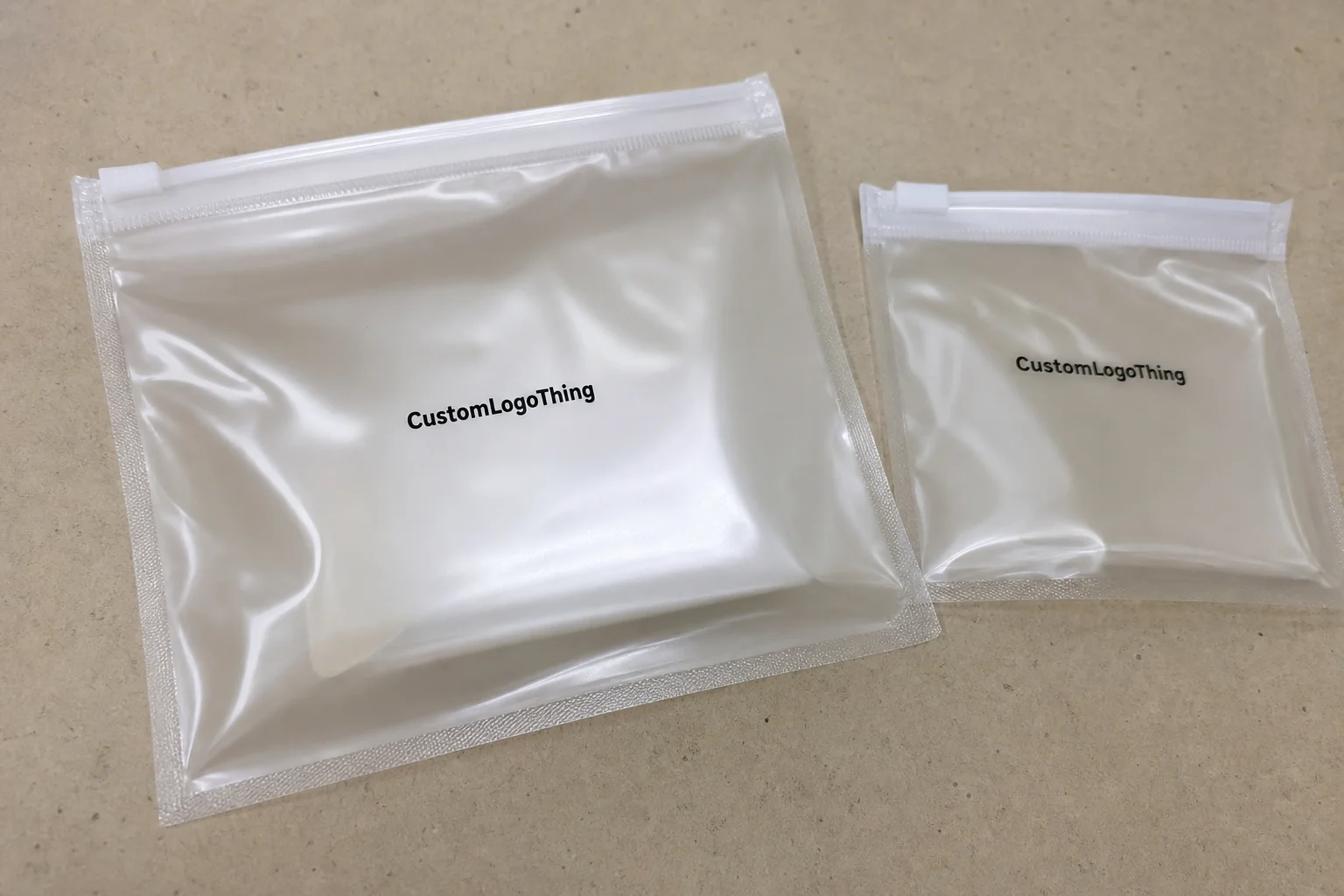
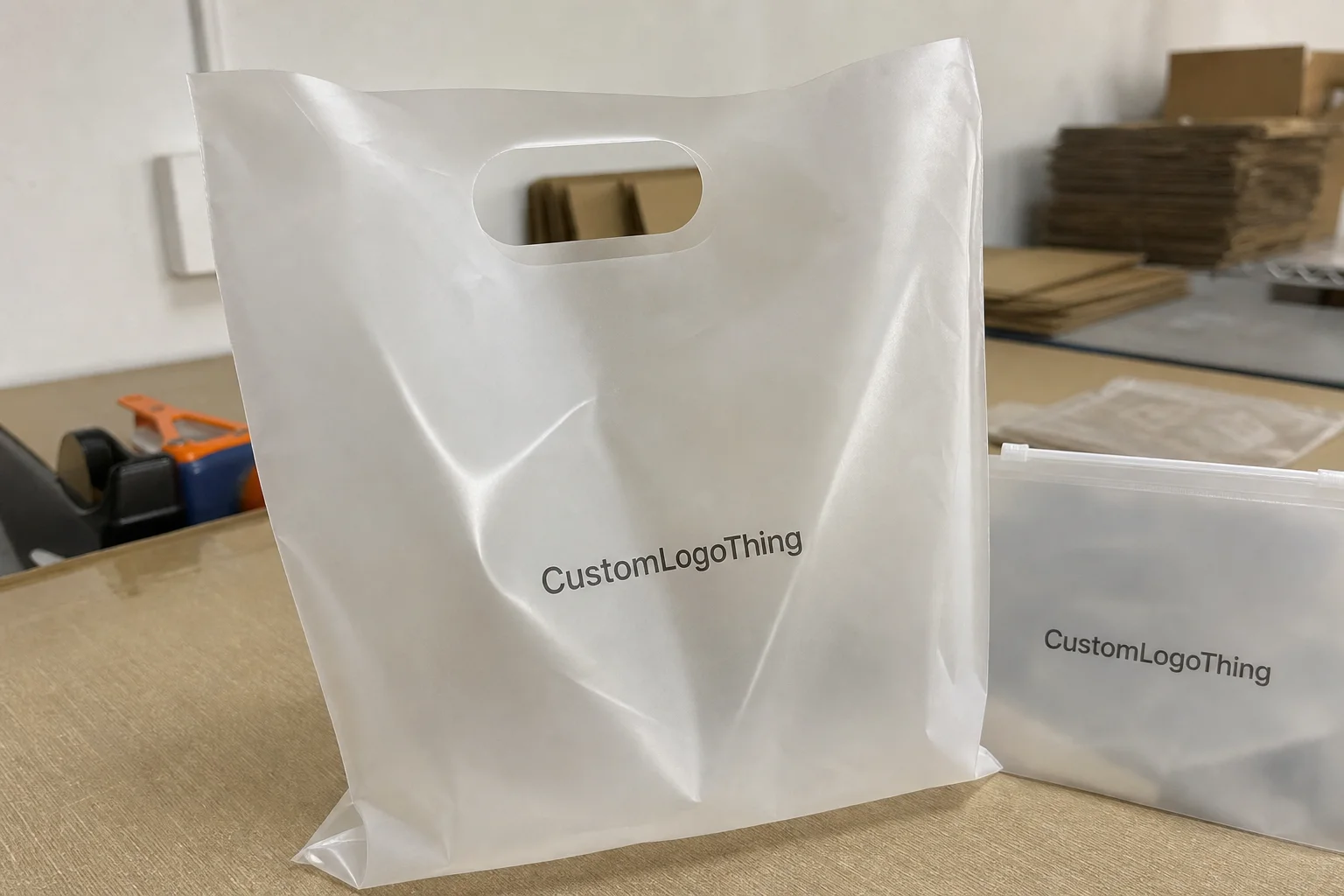
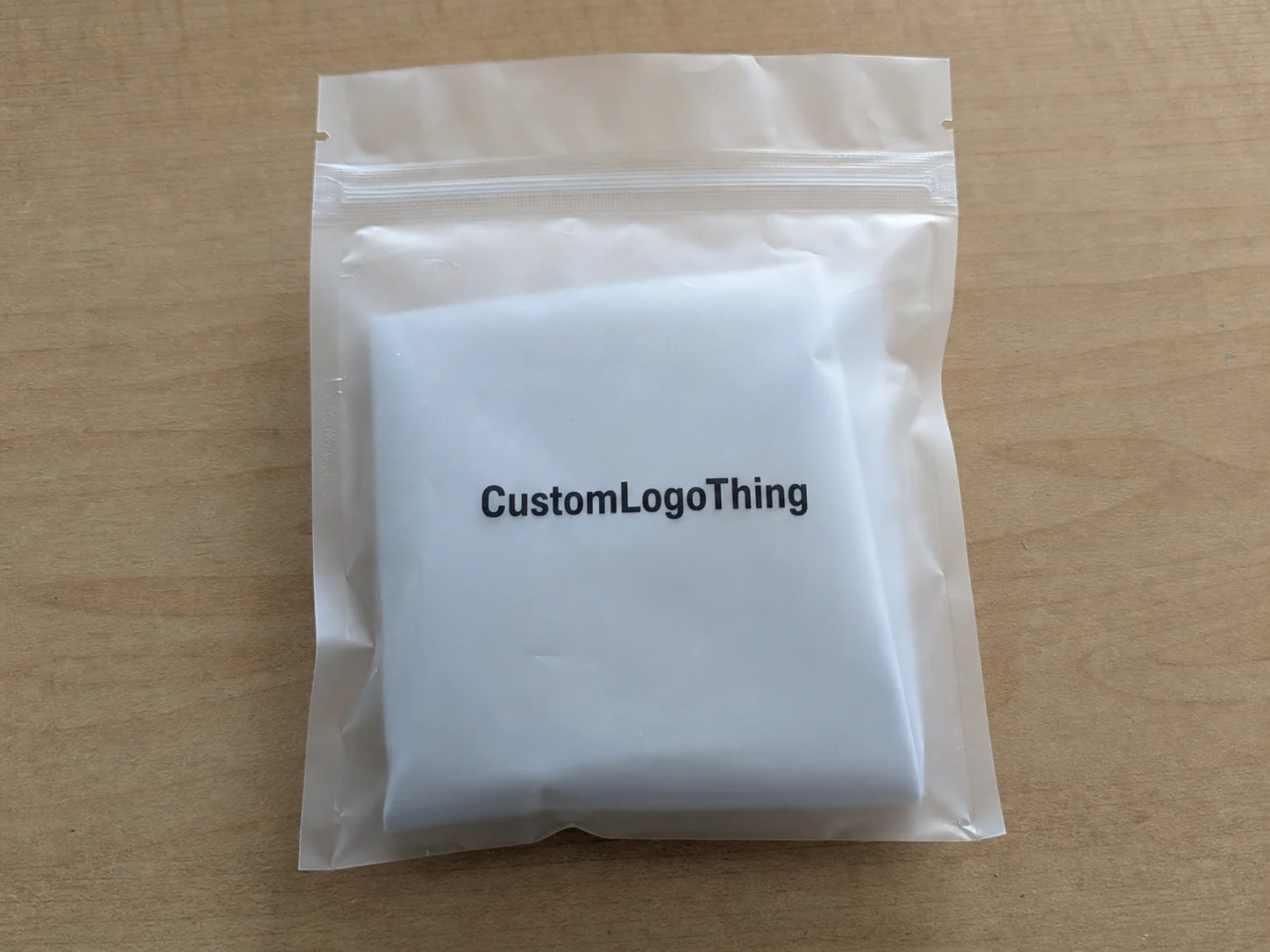
Buyer Fit Snapshot
| Best fit | Packaging Supplier Comparison projects where brand print, material claims, artwork control, MOQ, and repeat-order consistency need to be specified before quoting. |
|---|---|
| Quote inputs | Share finished size, material target, print colors, finish, packing count, annual reorder estimate, ship-to region, and any compliance wording. |
| Proofing check | Approve dieline scale, logo placement, barcode or warning zones, color tolerance, closure strength, and carton packing before bulk production. |
| Main risk | Vague material claims, crowded artwork, missing packing details, or unclear freight terms can make a low unit price expensive after revisions. |
Fast answer: Packaging Supplier Comparison: Production Review should be specified like a repeatable production item. The safest quote records material, print method, finish, artwork proof, packing count, and reorder notes in one written spec.
Production checks before approval
Compare the actual filled-product size with the drawing, then confirm tolerance on folds, seals, hang holes, label areas, and retail display edges. Reserve space for logos, QR codes, warning copy, and material claims before decorative graphics fill the panel.
Quote comparison points
Review material grade, print process, finish, sampling route, tooling charges, carton quantity, and freight assumptions side by side. A quote is only useful when the supplier can repeat the same color, closure quality, and packing count on the next order.
On a corrugated floor in Columbus, Ohio, I watched two suppliers quote the exact same 12 x 10 x 4 mailer, and the numbers looked close enough to pass a quick glance. Then we opened the spec sheets, and the differences jumped out: one was 32 ECT kraft with water-based flexo, the other was 44 ECT board with a sharper print process and a tighter folding tolerance of roughly 1.5 mm. That kind of packaging supplier comparison is where real money is won or lost, because the quote is only the beginning. I remember thinking, “Great, so the cheaper box is cheaper for a reason.”
At Custom Logo Things, I’ve seen buyers get burned by chasing the lowest unit price and ignoring board grade, insert fit, freight class, or how the factory handles proofing. Packaging sourcing gets messy the second someone says, “It’s just a box.” It never is. A proper packaging supplier comparison looks beyond the headline price and asks a simpler question: which vendor can deliver the right product packaging for the right total cost, on the right timeline, with the least drama?
If you are buying custom printed boxes, branded mailers, folding cartons, or rigid presentation packaging, that comparison matters even more. Packaging affects product protection, retail shelf appeal, freight efficiency, and the first impression your customer gets when the box lands on a table or porch. A 350gsm C1S artboard folding carton with matte aqueous coating will present very differently from a 24pt SBS carton with gloss varnish, and buyers notice those differences fast. And yes, the box is often judged before the product is even out of it; people are kinda predictable that way.
Packaging Supplier Comparison: What It Really Means
A packaging supplier comparison is not just a quote spreadsheet. It is a side-by-side review of cost, capability, reliability, communication, and fit, and the fit piece is where many teams stumble. I’ve stood beside buyers in a Shenzhen packaging hall where one supplier could print gorgeous foil-stamped rigid boxes, but their tolerances on magnetic closures were loose enough to cause alignment issues on a premium skincare line; another supplier had plainer finishing, yet tighter assembly and fewer rejects. That second one looked less glamorous. It was also less likely to make everyone grumpy at 6 p.m. on launch day.
That is why smart buyers compare more than one source. A single quote may show price per unit, but it rarely tells you how much waste, rework, or shipping variance is hiding underneath. A strong packaging supplier comparison helps you see the difference between a factory that can simply make a box and one that can support your brand identity, especially if your package branding depends on consistent color, sharp folds, and clean finishing.
Here’s the part most people get wrong: they treat visible price as the whole story. Hidden details like die setup, plate charges, setup time, board tolerance, glue line consistency, and packing method can make two “similar” quotes land in very different places once the pallets reach your dock. I have seen a quote that looked like a steal turn into a headache so expensive it practically needed its own invoice. A factory in Dongguan, for example, may quote $0.15 per unit for 5,000 pieces on a simple mailer, but a supplier in Shenzhen might charge $0.19 per unit and include FSC-certified board, pre-production proofing, and carton-level drop testing.
In practical terms, a packaging supplier comparison should cover five lanes: pricing, process and timeline, quality, communication, and scalability. If you only compare one lane, you may pick a supplier that looks good on paper but creates trouble during the first production run. Paper, by the way, is where packaging people hide the most creative nonsense.
Factory-floor truth: the cheapest quote usually becomes the most expensive line item once you count reprints, missed launches, and damaged product returns.
How Packaging Supplier Comparison Works
The cleanest way to do a packaging supplier comparison is to standardize the request. Send each vendor the same dimensioned drawing, the same print file or dieline, the same quantity, and the same finishing instructions. If one supplier quotes 350gsm C1S artboard with matte aqueous coating and another quotes “premium cardstock,” you are not comparing the same thing at all. That’s not a comparison; that’s a misunderstanding dressed up as procurement.
I learned that the hard way while helping a cosmetics client who wanted retail packaging for a launch set. One factory quoted a low number because they excluded soft-touch lamination, while another included it. The first quote looked better until the samples arrived with surface scuffing after just one shipping test. Once we normalized the specs, the “more expensive” supplier actually came out ahead by about 9% in total landed cost because the packaging held up better and needed less handling. I was annoyed, honestly, because the spreadsheet had looked so neat right before reality wandered in and stepped on it.
That normalization step matters. You want to compare the same board type, the same print method, the same insert style, the same proofing process, and the same shipping terms. If one vendor includes plate charges, inserts, and freight while another excludes them, the spreadsheet will lie to you unless you adjust it line by line. Excel is wonderful, but it can also be a very convincing liar.
A proper packaging supplier comparison also includes samples, mockups, and pre-production proofs. A digital mockup can tell you color direction, but it will not tell you how a tuck flap behaves after the fourth open-close cycle or whether a glue point is too shallow on a rigid lid. In the plant, those details show up fast once a run starts. And they never show up politely. For most packaging programs, samples are turned around in 5 to 7 business days, while full production often runs 12 to 15 business days from proof approval in a plant near Guangzhou or Ningbo.
What factories do differently behind the scenes
Not every packaging plant is built the same. Corrugated box converting lines, rigid box wrapping stations, folding carton gluing lines, and custom insert fabrication shops each carry different strengths, cycle times, and tolerance limits. A supplier that excels at kraft mailers may struggle with luxury paper over chipboard, and a rigid box specialist may not be the best fit for high-volume folding cartons. In practical terms, a plant in Foshan might be set up for 30,000-unit folding carton runs, while a facility in Suzhou may be better tuned for 2,000-piece premium rigid sets with hand assembly.
I’ve toured factories where the die-cutting department ran three shifts and the prepress team reviewed every file against a Pantone book, and I’ve also seen operations where artwork changes got lost between sales and production. That difference is why packaging supplier comparison should include production capacity and internal handoff discipline, not just the sales rep’s promises.
Communication speed counts too. A technically strong factory that answers every email after 48 hours can still slow down a launch, especially if you need revised copy, barcode placement checks, or a fit test for inserts. Good packaging supplier comparison asks how fast the team replies when something changes, because something always changes. Usually right after everyone says, “We’re almost done.”
Key Factors in Packaging Supplier Comparison
Quality is usually the first factor people mention, but quality is broader than print sharpness. In a serious packaging supplier comparison, I look at board strength, fold accuracy, cut registration, glue integrity, color consistency, and finishing quality in one view. A box can look beautiful on a desk and still fail in transit if the board flutes crush too easily or the seam peels under humidity. A 44 ECT corrugated shipper behaves differently in July in Atlanta than in November in Denver, and those details show up in damage claims fast.
Cost matters, of course, but cost is not just unit price. A proper packaging supplier comparison includes setup fees, tooling, plate costs, proof charges, freight, and minimum order quantities. If a supplier offers a lower unit rate but forces a 10,000-piece minimum when your forecast only supports 3,000, your cash gets tied up in storage and inventory risk. That is not savings. That is a storage unit wearing a fake mustache. On a 5,000-piece run, a $0.06 difference per unit can look small until it turns into $300 before freight and tax.
Timeline is another big one. Lead time for sampling can be 5 to 10 business days in one plant and 15 business days in another, depending on where the artwork approvals sit and whether the factory buys board locally or imports it. In one supplier meeting in Illinois, a client was surprised that two factories with similar press capacity still quoted a 12-day gap because one had an in-house die shop and the other outsourced every cutting tool. A supplier in Chengdu might also need 18 to 20 business days if the job includes foil stamping, embossing, and custom inserts.
Service and project management deserve their own line on the scorecard. When a supplier has a dedicated account manager who can answer technical questions about GSM, ECT, flute profile, or lamination direction, the whole job usually runs smoother. When nobody owns the file, revision cycles drag and everyone ends up arguing over an old proof. I have watched that movie more times than I’d like.
Scalability is easy to overlook during the first order. A factory that can handle 2,000 units well may not be able to scale to 50,000 units with the same consistency. If your brand is growing or your product line has seasonal spikes, packaging supplier comparison should ask whether the vendor can handle repeat orders, multi-SKU programs, and rush production without losing quality. A partner in Xiamen with a 3-shift schedule may be better for recurring quarterly drops than a smaller workshop that tops out at 8,000 units per week.
Compliance and sustainability also belong in the conversation. For food contact items, the correct coatings and inks matter. For luxury brands, FSC-certified paperboard may matter. For shipping-heavy products, recyclable substrates and right-sized packaging can lower material waste and shipping emissions. You can review broad packaging industry standards through the Packaging Machinery Manufacturers Institute and related packaging resources, and if your team is tracking environmental impact, the EPA’s packaging and waste guidance at EPA recycling resources is a practical reference point.
To keep the comparison grounded, I like a quick scorecard. Here is a simple example:
| Comparison Area | Supplier A | Supplier B | What It Means |
|---|---|---|---|
| Unit Price | $0.42 | $0.47 | Supplier A looks cheaper at first glance |
| Setup / Tooling | $180 | $0 | Supplier B may bundle charges into the unit rate |
| Sample Timeline | 8 business days | 12 business days | Supplier A may move faster if proofs are clean |
| Material Spec | 32 ECT corrugate | 44 ECT corrugate | Supplier B may offer stronger board for transit |
| Landed Cost Risk | Medium | Lower | Supplier B may cost less after damage and reprint risk |
That table is the heart of a packaging supplier comparison: not just what the invoice says, but what the job actually costs once it runs through production, freight, and the real world.
Packaging Supplier Comparison by Cost and Pricing
Cheapest is not the same as best value. I’ve seen quote sheets where one vendor undercut everyone by 11%, then the buyer discovered the board was thinner, the print was flexo instead of offset, and every carton needed extra hand inspection before packing. That “savings” vanished after labor and rework were added back in. If that sounds irritating, that is because it was. On a 10,000-piece run, saving $0.03 per unit only saves $300; one reprint can erase that in a single afternoon.
When I do a packaging supplier comparison on cost, I break it into visible price and hidden cost. Visible price includes the per-unit rate, setup fee, plates, tooling, prototypes, and shipping. Hidden cost includes defects, delays, repacking labor, customer complaints, and the value of inventory sitting idle because the order minimum was too high. A supplier quoting $0.31 per unit in Yiwu and another quoting $0.36 per unit in Suzhou may look like a clear win on paper, but freight class, pallet count, and defect rate can reverse that in practice.
Order quantity changes everything. A run of 2,500 units might cost $0.82 each, while 10,000 units could drop to $0.39 each, but if your storage space is limited and your product changes every quarter, that lower unit price might trap too much cash. A smart packaging supplier comparison looks at the inventory cycle, not just the production quote. For example, a skincare brand in Los Angeles may only need 3,000 units per season, while a subscription box company in Dallas may use 25,000 units every month.
Landed cost is the number I trust most. It combines unit cost, freight, customs if relevant, internal handling, and expected defect rate. If one supplier quotes $0.31/unit and another quotes $0.36/unit, the lower number does not win automatically. If the cheaper supplier has a 4% defect rate and the other holds at 1%, the true cost can flip fast. A 4% defect rate on 20,000 cartons means 800 units at risk, which is enough to create real downstream pain.
I think a lot of buyers undercount reprint risk. A client once accepted a low-priced run of custom insert trays without checking compression performance. The inserts buckled after pallet stacking, and we had to reorder at rush freight rates from a plant in Ningbo. That extra freight alone wiped out nearly all the savings from the original quote. A packaging supplier comparison that ignores failure rate is only half done, and half done is a very expensive place to stand.
Here are the pricing variables I always line up:
- Unit price for the agreed volume
- Setup and tooling for dies, plates, or cutting forms
- Sampling costs for prototypes and pre-production proofs
- Freight terms and destination charges
- Minimum order quantity and storage impact
- Reprint exposure if specs are not met
Sometimes a supplier looks expensive because they price honestly. They include the plate charge, the pull sheet, and the exact carton count. Other vendors bury charges in vague line items or recoup them later through changes. A disciplined packaging supplier comparison asks for the same level of detail from every bidder.
Step-by-Step Packaging Supplier Comparison Process
Step one is collecting exact requirements. I want dimensions, product weight, print colors, finish choice, insert needs, quantity, target ship date, and any special handling requirements written down before any quote goes out. If the product is fragile, greasy, food-safe, or retail-facing, that should be stated plainly. A 7 oz candle in a 1.5 mm chipboard rigid box needs different handling from a 12 oz protein bar in a 350gsm C1S folding carton.
Step two is building a comparison sheet with identical rows for every supplier. The sheet should include material spec, print process, coating or lamination, unit price, setup fees, sample timeline, production lead time, freight terms, and notes on communication. That structure keeps the packaging supplier comparison honest because it forces every bidder into the same frame.
Step three is requesting samples or a prototype. A sample reveals fit, structure, and finish in a way no sales email can. I still remember a run of luxury mailers where the mockup looked fine on screen, but the ribbon notch was 2 mm too tight and tore the board after repeated opening. One sample saved the whole project from a very visible problem. I was relieved, and so was the client. Most suppliers can ship a first prototype in 3 to 5 business days if the dieline is approved and the artwork is final.
Step four is asking technical questions. Ask who reviews files, how die changes are approved, how QC is performed, what happens if the board lot shifts, and how rush orders are handled. If a vendor can explain the path from prepress to die cutting to final packing in plain language, that usually means the process is controlled. Ask for specifics: whether they use ISO-based inspection checks, whether they inspect 100% of the first 500 units, and whether they archive files for 12 months or 24 months.
Step five is ranking suppliers by total value, not price alone. A packaging supplier comparison should reward the supplier that best balances quality, service, timeline, and risk for your actual business model. If you launch often and need flexibility, you may choose a slightly higher price for better responsiveness. If you run stable volumes, the strongest value may be the vendor with the lowest defect rate and cleanest reorders.
For brands sourcing Custom Packaging Products, that total-value view becomes even more important because the packaging often serves as both protection and branding. The box is not just a shipper; it is part of the product experience, and a retail customer will notice whether the corners are crisp or crushed.
Common Mistakes in Packaging Supplier Comparison
The biggest mistake is comparing quotes that are not truly equal. One supplier may quote coated paperboard, another uncoated stock; one may include inserts, another may not. If you do not normalize the spec, the packaging supplier comparison becomes a guessing game. A quote for a 24pt SBS carton with no insert is not comparable to a 350gsm C1S artboard carton with a printed divider and spot UV.
Another common mistake is ignoring lead time. I have watched teams celebrate a lower price only to discover the supplier needed 25 business days and the launch window was 14. A packaging supplier comparison has to include the production calendar, sample approval time, and shipping method from the start. If your launch date is April 18 in Chicago, a factory in Shenzhen with 18 business days plus 5 days ocean freight will not fit the schedule no matter how nice the quote looks.
Communication is often underestimated. A supplier can have good machinery and still create pain if they answer slowly or keep changing contacts. I worked with a beverage client whose first factory had excellent print quality, but every revision went through three different people, and each one interpreted the dieline notes slightly differently. The result was avoidable delay. One missed barcode check on a 48-hour revision can cost more than a $0.02 unit price difference.
Another trap is skipping samples. That may save a few days upfront, but it usually costs more later. Samples show whether the fold lines crack, the finish scuffs, the magnets align, or the adhesive creeps under heat. In packaging supplier comparison, the sample is your insurance policy. A sample shipped from Guangzhou to New York in 6 business days is a lot cheaper than reworking 8,000 units after production.
People also forget about reorder support. If you plan to relaunch six months later, ask how the supplier stores files, handles minor artwork changes, and matches color from batch to batch. A vendor that makes the first run well but cannot reproduce it later may not be the right long-term fit. I have seen a Pantone 186C red drift enough between batches that a brand team rejected 1,200 cartons over a shade change barely visible to anyone outside packaging.
And finally, do not focus only on unit price. A low quote with weak board, poor glue performance, and a 3% defect rate will quietly eat your margin. In a real packaging supplier comparison, the cheapest number on the page is often the least useful number in the room.
Expert Tips for a Smarter Packaging Supplier Comparison
I like to use a weighted scorecard, because not every business values the same things equally. A startup selling premium candles may care more about presentation and finish, while a warehouse-driven subscription brand may care more about crush strength and freight efficiency. In a packaging supplier comparison, weights keep the decision aligned with the business model. A candle brand in Portland may score “unboxing appeal” at 30%, while a Midwest fulfillment company may score “carton durability” at 40%.
One practical habit: ask what happens inside the factory when a job changes hands. Does prepress sign off before plates are made? Does die cutting verify registration before full production? Is final packing checked against a packing list? Those process details tell you a lot about whether the supplier runs a disciplined shop or a reactive one. A 30-second answer that names the QC stage and the responsible department is usually a good sign.
Another good test is asking a technical question early. Try something specific, like whether a 24pt SBS carton with matte aqueous coating will hold fine-line reverse type at 6 pt, or whether a 1.5 mm chipboard rigid box should use wrapped or auto-bottom inserts. If the answer is clear, direct, and grounded in manufacturing reality, that supplier probably understands packaging design, not just sales. In a good plant, someone should be able to explain the tradeoff between gloss lamination and scuff resistance without sounding like they learned it ten minutes ago.
When the launch is risky, I recommend a small pilot order. Maybe 250 units instead of 2,500. That is especially smart for premium branded packaging that has to survive retail handling, cross-country shipping, or heavy unboxing attention. A pilot can reveal hidden problems in glue, alignment, or assembly speed before you commit more budget. For a rigid box program in Los Angeles or Toronto, 250 units is a small price to pay before scaling to 10,000.
For structural or sustainability questions, ask for certifications and test references. FSC certification matters for many brand programs, and transit testing matters if the package must travel well. If you need distribution-level durability, ask whether the supplier understands ISTA testing protocols and can align with shipment expectations. The International Safe Transit Association is a good reference point at ista.org, and for forest certification criteria, fsc.org is a useful starting place.
One thing I tell clients all the time: a supplier who explains tradeoffs honestly is often worth more than a supplier who promises everything. If they tell you a soft-touch finish will show fingerprints more easily, or that a lighter board grade will reduce cost but weaken stacking strength, that honesty is a good sign. In packaging supplier comparison, candor is usually a better predictor than polished sales language.
Next Steps After Your Packaging Supplier Comparison
Once you have narrowed the field to two or three suppliers, review the scorecard again and write down which one best matches your budget, schedule, and quality expectations. I like to compare the final candidates against three questions: Can they make it? Can they make it on time? Can they make it consistently a second and third time? If the answer to all three is yes, the shortlist is probably real.
Then request a final sample or pre-production proof from the leading candidate. If the box is for a launch set, a retail display, or anything with high brand visibility, this last check is worth the time. I’ve seen projects saved by a single proof catch, whether it was a barcode placement issue, a color shift, or an insert dimension that was off by 1.5 mm. A pre-production proof can take 2 to 4 business days, and that small delay is usually cheaper than correcting 6,000 printed cartons.
Confirm the timeline in writing. Include artwork approval, production start, shipping method, and the delivery window. A packaging supplier comparison should end with a clear paper trail, because memory gets fuzzy once a project moves from quoting to production. Mine certainly does after the third call of the afternoon. If a supplier says delivery will be 12 to 15 business days after proof sign-off, ask them to put that exact window into the purchase order.
Set expectations for reorders too. Ask how long file retention lasts, whether small revisions are supported, and what happens if you need a color match against a prior run. Good packaging programs are built on repeatability, and the best suppliers make that repeatability easier instead of harder. A manufacturer in Dongguan may keep archived dielines for 24 months, while another in Qingdao may retain them only 12 months.
Finally, keep your notes. The smartest brands turn one packaging supplier comparison into a reusable sourcing playbook for the next SKU, the next seasonal box, or the next packaging redesign. That habit saves time, reduces surprises, and gives your team a real benchmark the next time a quote lands in the inbox. A documented comparison from 2025 is far more useful than a vague memory from last quarter.
If you do that well, your packaging supplier comparison becomes more than a procurement task. It becomes a brand protection tool, a cost-control tool, and a way to choose partners who can support your growth without making every order feel like a gamble. The clearest takeaway: compare the full job, not the lowest number, and put samples, lead time, and landed cost on the same page before you sign anything.
Frequently Asked Questions
What should I compare first in a packaging supplier comparison?
Start with the basics: size, material, print method, quantity, and finish, so every quote is built from the same spec. Then compare lead time, sample process, and total landed cost before you spend time on extras like premium coatings or custom inserts. If one supplier quotes 24pt SBS and another quotes 350gsm C1S artboard, the difference should be written into the comparison sheet before pricing starts.
How do I know if one packaging supplier is actually cheaper?
Look beyond unit price and compare setup fees, shipping, minimums, and any hidden charges for proofs or tooling. Estimate the cost of defects, delays, and reprints, because those can make a low quote more expensive in practice. A supplier charging $0.38 per unit with no freight may still end up costlier than one at $0.42 per unit with bundled delivery to Dallas or Atlanta.
Why do packaging supplier timelines vary so much?
Different factories use different equipment, staffing levels, and QC steps, which affects sampling and production speed. Material sourcing, artwork approvals, and seasonal workload can also stretch or shorten the schedule by several business days. A plant in Ningbo with in-house die cutting may finish in 12 business days, while a workshop in Foshan that outsources tooling may need 18 or more.
Should I always ask for samples during packaging supplier comparison?
Yes, because samples reveal real-world quality that a quote cannot show, including color accuracy, fit, and durability. A prototype or pre-production sample also helps you catch issues before committing to a full run of packaging. For a 1,000-piece order, spending 3 to 5 business days on samples is usually a smart trade for avoiding a full reprint.
What is the biggest mistake in packaging supplier comparison?
The biggest mistake is comparing only price and ignoring quality, communication, and timeline reliability. A supplier that saves a few cents per unit but causes defects or delays often costs more overall, especially for branded packaging and retail packaging programs. If a quote for 5,000 units is $0.03 lower but adds 4% waste, the “savings” disappear quickly.
Related packaging resources
Use these related guides to compare specs, costs, quality checks, and buyer decisions before making the final call.