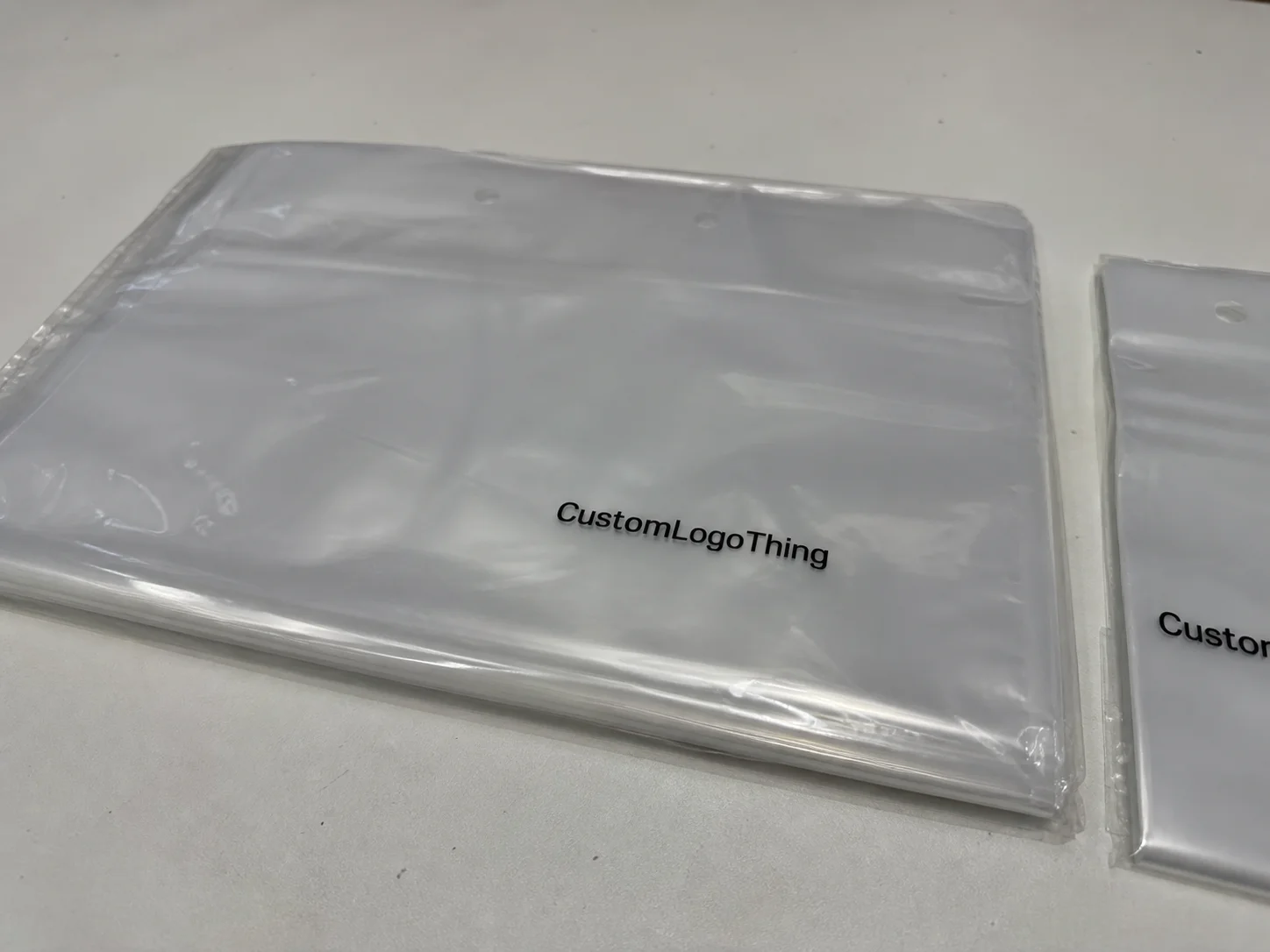
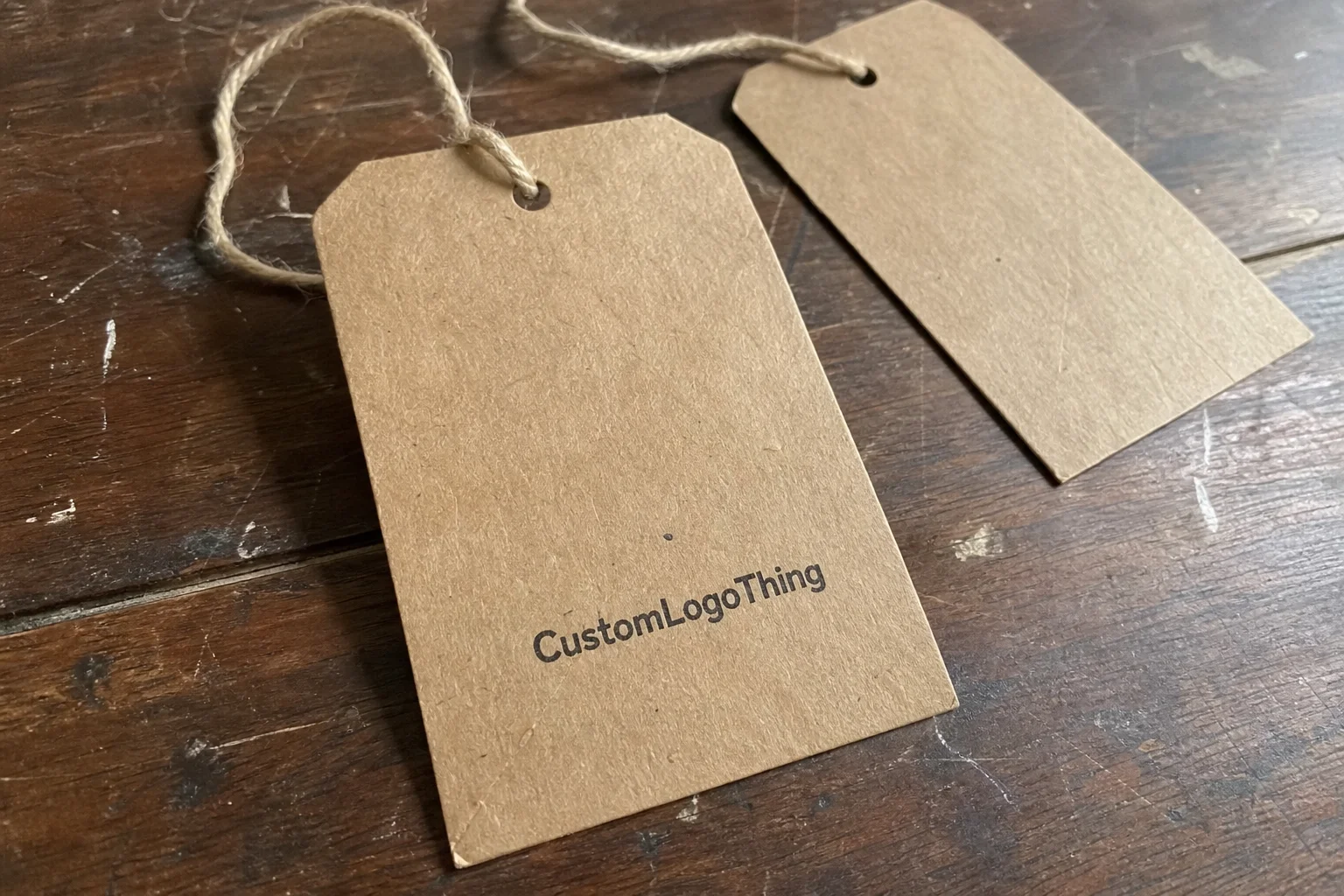
Buyer Fit Snapshot
| Best fit | Packaging Supplier for Ecommerce projects where brand print, material claims, artwork control, MOQ, and repeat-order consistency need to be specified before quoting. |
|---|---|
| Quote inputs | Share finished size, material target, print colors, finish, packing count, annual reorder estimate, ship-to region, and any compliance wording. |
| Proofing check | Approve dieline scale, logo placement, barcode or warning zones, color tolerance, closure strength, and carton packing before bulk production. |
| Main risk | Vague material claims, crowded artwork, missing packing details, or unclear freight terms can make a low unit price expensive after revisions. |
Fast answer: Packaging Supplier for Ecommerce: Quote Scope should be specified like a repeatable production item. The safest quote records material, print method, finish, artwork proof, packing count, and reorder notes in one written spec.
Production checks before approval
Compare the actual filled-product size with the drawing, then confirm tolerance on folds, seals, hang holes, label areas, and retail display edges. Reserve space for logos, QR codes, warning copy, and material claims before decorative graphics fill the panel.
Quote comparison points
Review material grade, print process, finish, sampling route, tooling charges, carton quantity, and freight assumptions side by side. A quote is only useful when the supplier can repeat the same color, closure quality, and packing count on the next order.
On a noisy Tuesday morning in a corrugated plant outside Dongguan, I watched a brand owner pick up a plain brown mailer and say, “So this is just a box, right?” I’ve heard that line from plenty of ecommerce teams, and it usually costs them money later. A good packaging supplier for ecommerce is not just selling cardboard. They’re balancing protection, branding, pack-out speed, freight efficiency, and customer experience in one very practical system. The plant I was standing in was running 120,000 mailers a day, mostly 32 ECT single-wall corrugated, and that scale changes how you think about every flap, fold, and glue line.
When the packaging works, nobody notices. The parcel arrives intact, the tape holds, the print looks sharp, and the picker on the fulfillment line can assemble it in 8 seconds instead of 18. When it fails, you get crushed corners, messy returns, slow packing stations, and customer complaints that read like a postmortem. That is why choosing a packaging supplier for ecommerce is not a procurement errand. It is an operational decision with real margin impact. On a 10,000-order month, saving just 6 seconds per pack can free up roughly 16.6 labor hours, which is not a cute detail. It is a payroll line.
For Custom Logo Things, I want to walk through the decision the way I would if we were standing beside a pallet of finished custom printed boxes and comparing sample boards by hand. There’s a right way to evaluate a packaging supplier for ecommerce, and it starts with understanding what they actually do, how they work, and where brands commonly misjudge the costs. Honestly, I think a lot of teams overcomplicate this part and then act surprised when the “simple” box turns into a three-week headache. I’ve watched that movie in Guangzhou, Shenzhen, and a warehouse in Chicago, and the ending is always the same: someone forgot to ask one practical question.
What a Packaging Supplier for Ecommerce Actually Does
A lot of brands think the job is simple: source a box, print a logo, ship it out. In practice, the best packaging supplier for ecommerce is solving four problems at once: protection, presentation, dimensional fit, and fulfillment efficiency. I’ve seen a cosmetics brand cut its damage rate in half just by switching from an oversized mailer to a tighter crash-lock box with a 1.5 mm paperboard insert, and that change came from a supplier who understood the shipping profile, not just the art file. I remember standing there with the warehouse lead in Dongguan, both of us staring at the old box like it had personally offended us.
In plain language, a packaging supplier for ecommerce sources or manufactures the materials that keep orders moving: corrugated mailer boxes, folding cartons, rigid presentation boxes, poly mailers, paper mailers, inserts, tape, labels, void fill, and tamper-evident seals. If the supplier is strong, they also advise on the structural spec, print method, coating, sustainability choices, and how the package behaves on a real packing line. That last part matters more than most teams realize. A box can look gorgeous in a render and still be a nightmare to fold with cold hands at 6 a.m. on a Monday. A 350gsm C1S artboard carton with a 1.8 mm greyboard insert may look “simple” on paper, but it can shave 4 to 6 seconds off pack-out compared with a fiddly two-piece setup.
There’s a big difference between a distributor, a broker, and a true manufacturer. A distributor may stock standard mailers and ship them fast from Los Angeles or New Jersey. A broker may connect you to multiple sources and negotiate the deal, which can help if you need variety. A true factory-direct packaging supplier for ecommerce, though, usually gives you better control over die-lines, board grade, print registration, and reorders. In my experience, factory-direct production often cuts down the back-and-forth that happens when one party is selling and another party is trying to interpret the spec. And yes, that back-and-forth is exactly as annoying as it sounds. If the supplier owns the corrugator in Foshan or the carton line in Shenzhen, they can usually answer “can you hold a 2 mm tolerance?” without disappearing into a spreadsheet coma.
“The cheapest supplier on paper is often the one that creates the most expensive surprises later.” That’s something I heard from a warehouse manager in Texas after his team spent three weeks repacking 12,000 orders because the insert cavity was off by 4 mm.
Common ecommerce packaging formats include retail packaging for shelf-friendly brands, corrugated mailer boxes for apparel and subscription kits, rigid boxes for premium presentation, folding cartons for lightweight products, paper mailers for low-bulk SKUs, and protective inserts for fragile items like glass, electronics, and beauty products. The right packaging supplier for ecommerce should understand all of them, because your best format for a 200-gram candle is probably not the best format for a 1.8-kilogram supplement bundle. That sounds obvious until someone tries to cram everything into one “universal” box and wonders why the returns pile up. A 100% recycled kraft mailer may work fine for socks, but it is a bad joke for a bottle of facial oil shipped from Shanghai to Dallas in summer heat.
If you want a useful rule of thumb, think of a strong packaging supplier for ecommerce as part engineer, part print house, and part logistics partner. They should talk about burst strength, ECT ratings, minimum order quantities, FSC-certified board, and fulfillment line compatibility without making you feel like you need a packaging degree to keep up. If they can tell you that a 32 ECT box is appropriate for a 2-pound apparel order, or that a 44 ECT double-wall carton is smarter for a fragile bundle shipping to Toronto in January, they’re speaking your language.
For more on product options, it helps to review Custom Packaging Products alongside your shipping goals, especially if you are comparing mailers, inserts, and branded shipping boxes side by side. I’d rather compare three actual structures than argue for an hour about “premium feel” without a physical sample.
How a Packaging Supplier for Ecommerce Works From Quote to Delivery
A professional packaging supplier for ecommerce usually follows a fairly predictable workflow, even if the details vary by factory. It starts with discovery. That means product dimensions, weight, fragility, fulfillment method, shipping volume, and any brand rules for package branding. If the supplier skips this part and jumps straight to a price, I get cautious fast. A 6-ounce skincare jar, for example, needs a very different box wall and insert than a flat apparel bundle. If your daily volume is 300 units from a warehouse in Nashville or 3,000 units out of a third-party logistics center in New Jersey, that also changes the spec.
Next comes recommendation and structural planning. The supplier may suggest a mailer, folding carton, or rigid setup depending on transit risk and presentation goals. If the project is custom, they’ll build a dieline and check the inside dimensions against your product or multi-SKU kit. Good suppliers will also talk about board caliper, flute profile, and print coverage, because those details affect both cost and assembly time. In one Shanghai meeting, I watched a customer insist on a very thick board for a lightweight shirt line; once the sample was assembled, the box looked premium, but it also raised freight cost because every carton took more pallet space. That’s the kind of tradeoff a strong packaging supplier for ecommerce should flag early, before anyone starts congratulating themselves over a prettier box that eats margin. A 400gsm SBS sleeve with a 1.2 mm E-flute shipper underneath can often do the same visual job with less volume and lower freight.
Then comes sampling or prototyping. Depending on complexity, that can be as simple as a blank structural sample or as detailed as a printed prototype with lamination and spot UV. For simpler orders, digital print samples are enough. For larger programs, a supplier may use offset printing, flexographic printing, die-cutting, lamination, and gluing to create production-like samples. The best packaging supplier for ecommerce will tell you exactly what the sample does and does not represent, because a hand-made proof is useful, but it is not identical to a production run on a high-speed folder-gluer. If they say, “proof approval Monday, production starts Wednesday,” ask whether that proof is a folded dummy or a 4-color printed sample from the actual press in Dongguan or Ningbo.
After approval, production gets scheduled. Here’s a realistic timeline breakdown for many custom jobs: 1 to 3 business days for discovery and quote, 3 to 7 business days for structural sampling, 2 to 5 business days for artwork revisions, 7 to 20 business days for production depending on material and print method, then freight time based on whether the shipment is domestic, ocean freight, or air freight. A reliable packaging supplier for ecommerce will show you where the timing bottlenecks are, because the biggest delays usually come from artwork changes, dieline edits, material shortages, approval loops, or freight windows that were booked too late. I’ve seen a launch sit for a week because someone forgot to approve the spot color. A week. Over a box. That’s the kind of thing that makes you need coffee by the gallon. For many programs, the practical timeline is 12 to 15 business days from proof approval to finished cartons ready at the factory gate, assuming a standard 1- or 2-color print on 350gsm artboard or single-wall corrugate.
Communication is where good suppliers separate themselves. I like to see a clear request-for-quote process with exact carton dimensions, target quantity, print colors, finish requirements, and destination zip code. A supplier should confirm whether the quote includes tooling, plates, sample fees, and shipping. If they respond with “we can do it” and nothing else, I start asking more questions. A serious packaging supplier for ecommerce should give you proof stages, response times, and one named contact who can move the order forward without endless handoffs. On one order out of Suzhou, a supplier sent me a quote that looked tidy until I noticed the freight line was “to be confirmed.” That is not a quote. That is a trap with good formatting.
One more practical point: packing-line compatibility matters. A box that looks excellent in a photo can still be a poor fit if it arrives flat but resists quick folding, or if the insert requires too much force to load. I’ve stood on fulfillment floors where a 2-second slowdown per unit became a 3-hour labor hit by the end of the shift. A smart packaging supplier for ecommerce understands that packaging design is not just a design exercise; it is a labor model. If your staff has to pinch a stubborn tuck flap 2,000 times a day, the box is working against you. That’s not elegant. That’s just expensive.
Key Factors to Compare in a Packaging Supplier for Ecommerce
Start with protection. The first job of a packaging supplier for ecommerce is to make sure the product arrives in one piece after a rough ride through parcel networks, transfer hubs, and last-mile handling. That means looking at board grade, burst strength, ECT rating, wall construction, insert design, and closure integrity. For fragile goods, I want to know how the supplier thinks about drop performance under ISTA testing standards, because the difference between “looks sturdy” and “passes transit abuse” can be a single layer of board or a better-fit insert. If you need a standards reference, ISTA is a solid place to understand testing language: ISTA. For a glass candle shipped from Guangzhou to Chicago, I would want at least a 1.5 mm molded pulp insert or a tight paperboard cradle, not optimism.
Next is branding quality. A strong packaging supplier for ecommerce should help you Create Branded Packaging that feels intentional without overengineering the structure. Color consistency, print registration, coating choice, and finish matter here. A matte aqueous coating on a kraft mailer gives a very different impression than gloss lamination on a white SBS carton. I’ve seen beauty brands spend extra on soft-touch finish because it lifted the perceived value of the product, while apparel brands did better with simple two-color flexo printing and a clean logo mark. Not every SKU needs the same treatment, and honestly, that is where a lot of waste starts. If your brand is selling $18 tees, a 4-color foil-stamped rigid box is probably a vanity project, not strategy.
Cost is more than the unit price. It always is. A quote from a packaging supplier for ecommerce might show $0.42 per box, but if tooling is $320, samples are $85, freight is another $180, and the MOQ is 5,000 units, the real landed cost looks different. I usually compare pricing this way:
| Cost Element | What It Covers | Why It Matters |
|---|---|---|
| Unit price | Per-box or per-mailer cost | Useful, but never enough alone |
| Setup/tooling | Dies, plates, molds, cutting tools | Can change the first-order total dramatically |
| Sampling | Prototype or proof production | Protects against costly mistakes |
| Freight | Inbound shipping from factory or warehouse | Especially important for bulky corrugated |
| Labor impact | Pack-out speed and assembly time | Often the hidden cost that hurts margins |
Sustainability is another major comparison point, but I always urge buyers to be precise. Recyclable sounds good, but it only helps if the substrate is actually accepted in your target market and the package design doesn’t mix materials in a way that complicates recovery. A responsible packaging supplier for ecommerce can talk about FSC-certified paperboard, recycled corrugate, reduced plastic use, lighter-weight materials, and right-sized packaging without drifting into greenwashing. The FSC site is useful if you want to understand certification language and paper sourcing claims. If your supplier says “eco-friendly” but can’t tell you whether the board is 60% post-consumer waste or FSC Mix, keep asking.
Operational fit is the part many brands forget until the warehouse is already under pressure. Can the packaging stack efficiently? Does it fit the existing shelving? Is it easy to assemble at 40 orders per hour or 400 orders per hour? Does the supplier understand seasonal spikes, so they can hold production capacity or schedule repeat runs without leaving you exposed? A practical packaging supplier for ecommerce thinks like a plant manager for a few minutes and like a brand designer for the rest. A 10,000-unit Q4 run from a factory in Dongguan is a different animal from a 500-piece test order shipped from a domestic converter in Atlanta.
Reliability shows up in several smaller signals. Factory certifications help, but they are only part of the picture. Ask about QC checks, sample retention, line audits, and on-time delivery history. Ask whether they can handle a 2,500-piece short run and a 50,000-piece repeat run with the same level of care. When I visited a mid-size factory in Shenzhen, the best sign wasn’t the shiny showroom; it was the QA table at the end of the line, where every 50th carton was being checked against a printed master sample with a ruler, a caliper, and a color strip. That’s the kind of discipline you want from a packaging supplier for ecommerce. If a supplier can tell you their reject rate is under 1.5% on a 20,000-piece batch, that’s a real number worth hearing.
For many brands, the sweet spot is a supplier who can handle custom printed boxes, standard corrugated shipping solutions, and packaging design support without forcing you into a huge run size that ties up cash. If you are evaluating multiple vendors, ask who actually owns the manufacturing, who handles artwork, and who controls final QC. Those answers tell you more than a glossy pitch deck ever will. A supplier in Shenzhen with in-house die-cutting, a 6-color offset press, and on-site QA is usually a better bet than a middleman who outsources every step and hopes for the best.
Step-by-Step: Choosing the Right Packaging Supplier for Ecommerce
Step 1 is a real audit of your current shipping process. Before you call any packaging supplier for ecommerce, measure your product dimensions, weigh the SKUs, note the current damage rate, and count how many packages are assembled per hour on a normal shift. I like to see return reasons too, because “damaged in transit” and “box arrived too large” point to very different fixes. If you have ship-test photos from your warehouse or customer service team, even better. If not, grab them. A few bad photos can save you from a very expensive mistake. I’ve seen a brand in Austin discover they were paying to ship 3 ounces of unnecessary void fill per order. That is a packaging problem wearing a logistics costume.
Step 2 is writing a packaging brief. Keep it simple, but include the box style, print needs, target volume, board preference, finish, budget range, and any sustainability goals. If you are after branded Packaging for Subscription kits, say so. If the package must support retail packaging display requirements as well as ecommerce shipping, say that too. A good packaging supplier for ecommerce will use the brief to narrow the options instead of flooding you with random box formats. If your target is 5,000 units of a 210 x 150 x 50 mm mailer with 2-color flexo print, write that down. Clarity beats vague ambition every single time.
Step 3 is requesting samples and prototypes from at least two or three suppliers. I never recommend choosing a packaging supplier for ecommerce from a PDF quote alone unless the item is truly standard stock. Compare structure, finish, print accuracy, board feel, and how the package assembles in hand. I once watched a client select a low-cost box because the printed image looked acceptable on screen; the sample arrived with muddy black text because the supplier had not controlled ink density well enough on the final stock. The difference only showed up in physical sample form, which is why “the screen looked fine” is not a real quality check. Convenient? Sure. Useful? Not even a little. A proper physical proof on 350gsm C1S artboard or 32 ECT corrugate will tell you more than ten PDF attachments.
Step 4 is asking for a quote that separates unit cost, tooling, setup, freight, and minimum order quantity. You want to see the whole picture. If a supplier refuses to break out the numbers, it can hide the real cost. A trustworthy packaging supplier for ecommerce will also tell you whether the price improves at 10,000 units versus 5,000 units, and whether the decline is enough to justify storing extra inventory. I like quotes that say things plainly: $0.18 per unit at 5,000 pieces, $0.15 per unit at 10,000 pieces, $280 tooling, and 12 to 15 business days from proof approval. That is a quote. Not a mystery novel.
Step 5 is evaluating process and timeline. Ask about proof approval, production lead time, shipping windows, and how the supplier handles revisions. The best packaging supplier for ecommerce is usually specific here: “three days for line drawing, five days for printed sample, twelve business days for production after approval.” That kind of clarity is a comfort, especially if you are planning a launch, a holiday order surge, or a rebrand. I’ve seen teams in London and Los Angeles both get burned by a “two-week turnaround” that really meant two weeks after the artwork was final, the plate was paid for, and nobody changed the logo again. In other words: not two weeks.
Step 6 is running a pilot order in real conditions. Don’t skip this. A pilot is where you learn if the fit is right, if the artwork survives handling, and if the fulfillment team can pack the order without slowing down. Track damage, pack-out time, customer feedback, and any assembly frustration. If the pilot reveals a problem, the cost to fix it is usually much lower than after a 20,000-piece roll-out. That is why the smartest teams treat the first batch from a packaging supplier for ecommerce as a live test, not a final verdict. A 500-piece pilot in Chicago may save you from a 25,000-piece disaster later. That is a very cheap education.
Common Mistakes Ecommerce Brands Make With Packaging Suppliers
The first mistake is buying only on unit price. I’ve seen this one too many times. A brand gets a quote that is $0.06 lower per piece, celebrates the savings, and then gets hit with freight, setup, and assembly labor that erase the advantage. If the packaging supplier for ecommerce hasn’t priced the whole job transparently, the “cheap” option can become the expensive one. A box at $0.12 per unit plus $1,200 in freight and $340 in plates is not automatically better than a box at $0.15 per unit with a cleaner landed cost.
Another mistake is choosing packaging that photographs beautifully but slows down the line or fails in transit. A rigid box with a magnetic closure looks impressive on Instagram, but if it takes 30 extra seconds to assemble and the magnets are misaligned by 2 mm, it can become a warehouse headache. A smart packaging supplier for ecommerce will tell you when a design is too delicate for high-volume fulfillment. I have seen teams in Los Angeles fall in love with a velvet-lined presentation box, then discover their pickers needed tweezers and patience just to keep the lid aligned. That is not scale-friendly.
Overordering is another trap. A seasonal print run of 25,000 units might seem efficient, but if your artwork changes mid-year or a SKU dimensions shift by 5 mm, you can end up with pallets of obsolete stock. I’ve watched companies hold onto outdated holiday packaging for 14 months because they were trying to “get their money’s worth.” That is not savings; that is storage and write-off risk. A dependable packaging supplier for ecommerce should help you think about reorder cadence instead of pushing volume for its own sake. If your forecast is 2,000 units a month, locking up cash in 30,000 boxes is a pretty glamorous way to lose money.
Skipping samples is a mistake that never feels expensive until it is. Color shifts, weak board, incorrect dimensions, poor glue application, and wrong print placement are all easier to catch in a sample than on a 10,000-piece run. If a packaging supplier for ecommerce pressures you to approve from a screen proof only, I would slow the process down. I’d rather spend two extra days checking a sample than spend two weeks apologizing to customers for broken boxes. A sample mailed from Shenzhen or Dongguan, even if it costs $65 plus $25 in courier charges, is cheaper than one pallet of returns.
Timelines get people too. If you don’t confirm lead times, rerun windows, and shipping dates, the project can stall just when inventory is needed most. Packaging factories often operate on fixed production queues, and freight capacity can change quickly. A good packaging supplier for ecommerce tells you the truth about scheduling, not the optimistic version. If they say 12 business days, plan for 15. That is not pessimism. That is arithmetic.
Finally, too many brands ignore customer experience details. Easy opening, return usability, insert fit, and unboxing logic all matter. If a parcel tears badly during opening or the insert makes it impossible to repack for a return, you’ll feel it later in service tickets. The right packaging supplier for ecommerce will ask how the customer opens the package, not just how the box looks on the dock. A box that opens cleanly with a 1-inch tear strip and reseals with a 20 mm adhesive strip can reduce avoidable complaints faster than another round of fancy foil.
Expert Tips for Working With a Packaging Supplier for Ecommerce
My first tip is simple: build packaging around real shipping data. A packaging supplier for ecommerce can make smarter recommendations when they know your damage profile, average parcel weight, carrier mix, and peak order volume. If 80 percent of your orders ship under 2 pounds, your spec should reflect that. If your product shifts around inside the box, the answer is often insert geometry, not just thicker board. I once saw a supplement brand in Phoenix fix 70% of their rattling complaints by reducing internal void by 8 mm. No magic. Just dimensions.
Second, standardize wherever you can. The smartest brands I’ve worked with choose one or two base structures and customize only the high-impact touchpoints like outer print, inserts, or seasonal sleeves. That keeps costs under control while preserving brand identity. It also helps your packaging supplier for ecommerce run repeat orders more consistently, because they are not reinventing the wheel for every SKU. A base structure using 32 ECT E-flute with a 1-color kraft print can support a lot of product lines if the die-line is smart.
Third, ask for material alternatives early. Recycled corrugate, lighter-weight board, paper mailers, or a different flute profile can improve margin without hurting performance. I remember a client in Chicago who saved roughly 11% on freight just by moving from an oversized two-piece setup to a tighter folding carton with a paper insert. The packaging supplier for ecommerce had to run a few more samples, but the savings showed up immediately in pallet density. That kind of win is boring in the best possible way. Boring saves money.
Fourth, keep a shared spec sheet for every SKU. List dimensions, substrate, print method, adhesive notes, approved artwork, and reorder contact. This saves time and prevents small changes from getting lost in email threads. If your packaging supplier for ecommerce has to search through six versions of a dieline every time you reorder, mistakes will eventually happen. A clean spec sheet reduces that risk. I’d include the exact box size, like 240 x 180 x 65 mm, the board spec, the approved Pantone numbers, and the proof approval date.
Fifth, ask for line drawings and test samples, not just price quotes. A good packaging supplier for ecommerce can suggest ways to reduce void space, shorten pack-out time, or simplify folding. That advice is often more valuable than shaving a penny off the unit price. I’ve sat in supplier meetings where one slight flap adjustment saved 14 seconds per pack on a 600-order shift. Labor savings like that compound fast. On a month with 18,000 orders, that can be the difference between needing one extra temp hire or not.
Sixth, reorder before stock gets tight. Packaging factories run on schedules, and freight capacity can surprise you. If your packaging supplier for ecommerce needs 15 business days for production and another week for transit, that lead time should be baked into your inventory plan. Waiting until you have 10 days of stock left is asking for a problem. I’ve seen teams in New York and Melbourne both run out of branded mailers on the same Friday afternoon, and then everyone acts shocked like the factory invented time.
One more practical thing: check whether the supplier can support both short-run and repeat orders. Some vendors are excellent at prototypes but weak at scale. Others only want big runs and ignore smaller launch batches. The right packaging supplier for ecommerce can handle both phases with the same attention to detail. A factory in Suzhou that can do 500-piece digital samples and 50,000-piece offset repeat runs is worth more than a low quote from someone who ghosts after the deposit clears.
For brands building out their packaging system, pairing supplier conversations with your internal product planning makes a huge difference. It also helps to review Custom Packaging Products so your team can compare actual structure choices rather than discussing packaging in abstract terms. A real spec beats a “we’ll know it when we see it” meeting every time.
What Should You Ask a Packaging Supplier for Ecommerce?
If you want a fast way to separate the useful suppliers from the salespeople with nice slide decks, ask better questions. A strong packaging supplier for ecommerce should be able to answer specifics without turning every reply into a fog machine. Start with the basics: what materials do you recommend for my product weight, what is the MOQ, what are the lead times, and what costs are included in the quote? If they cannot answer those clearly, that is already the answer.
Then ask about the part most teams skip: how the package will perform in real use. Will the box hold up in parcel shipping? How does the insert prevent movement? Is the structure easy to assemble on a busy fulfillment line? Can the supplier show you a sample that reflects the final print method and board grade? A practical packaging supplier for ecommerce will talk through these points without acting like you just asked them to explain the moon landing.
I also like to ask about repeat orders. How do they store your dieline? Who owns the final approved artwork? What happens if you need a rerun in six months with a small dimension change? A decent packaging supplier for ecommerce should have a clean reordering process. If they don’t, the second order becomes the real project, and nobody has time for that nonsense.
Last, ask for proof of process. Not fancy promises. Process. Who checks quality? How often are cartons inspected? What is the sample approval path? How do they handle defects or short shipments? The more direct the answer, the better the supplier usually is. It sounds boring. Good. Boring is usually where the money is saved.
Next Steps After You Pick a Packaging Supplier for Ecommerce
Once you’ve chosen a packaging supplier for ecommerce, don’t treat the work as finished. The decision checklist still matters: protection, branding, cost, timeline, sustainability, and fulfillment compatibility. I’d put all six on one page, assign a score from 1 to 5, and keep it visible during the first production cycle. It sounds nerdy. It is nerdy. It also saves people from making decisions based on vibes and a pretty sample box. I’ve seen a 4.8-rated sample turn into a 2-star warehouse experience because nobody checked fold speed or insert tension.
Here’s what I’d recommend doing this week: measure your current packaging, gather ship-test photos, request three sample quotes, and compare total landed cost instead of unit price alone. Ask your packaging supplier for ecommerce to explain any assumptions in writing. If they say the quoted price is based on a 1-color flexo run, 5,000 units, and FOB factory terms, that should be clear before anyone approves artwork. If it isn’t clear, stop and ask again. Confusion does not get cheaper with time. A FOB Shenzhen quote can look very different from a delivered Chicago quote once you add ocean freight, duty, and domestic drayage.
Create a simple supplier scorecard too. I like to rank sample quality, response time, quote clarity, production accuracy, and lead-time reliability. That gives you a practical way to compare options instead of relying on first impressions. The best packaging supplier for ecommerce usually wins on consistency, not just on sales energy. If they answer emails in under 12 hours, send marked-up dielines, and ship the sample with a tracking number, that’s a good sign. If they disappear for four days and reappear with “pls kindly confirm,” that is not.
And do the pilot run. Even if the packaging is elegant, a small live test will tell you whether the line workers like it, whether the customer can open it without trouble, and whether the final parcel survives shipping. For custom packaging, that pilot is often the last useful checkpoint before scale. I’d rather spend $300 on a 500-piece pilot in Ningbo or Dallas than spend $3,000 fixing a 15,000-piece mistake after the boxes are already on pallets.
Honestly, I think the strongest brands understand that packaging is not a finish line; it is part of the operating model. The right packaging supplier for ecommerce should help your operation move faster, protect the product better, and support the brand more cleanly, not just sell you boxes and disappear. If they vanish after the PO clears, that’s not a partner. That’s a carton vending machine. And nobody needs that kind of relationship.
FAQs
What should I ask a packaging supplier for ecommerce before requesting a quote?
Ask about minimum order quantities, material options, print methods, lead times, tooling fees, sample availability, and whether the supplier handles production in-house or through a third party. Give them your product dimensions, shipping method, average monthly volume, and any sustainability requirements so the quote is accurate from the start. If your order is 5,000 units of a 210 x 150 x 60 mm mailer with 2-color print, say that upfront. Specifics get better answers.
How long does it take to work with a packaging supplier for ecommerce?
Timelines vary depending on complexity. Standard stock items can move quickly, while fully custom printed boxes or structurally unique cartons need more time for sampling, proof approval, production, and freight. A realistic project often includes 1 to 3 business days for discovery, 3 to 7 business days for sampling, and 12 to 15 business days from proof approval to production completion for a typical custom run. Ocean freight from South China to the U.S. West Coast can add 18 to 25 days.
How do I compare pricing from different ecommerce packaging suppliers?
Compare total landed cost, not just unit price. Include tooling, setup, freight, sample fees, and any labor impact on your packing line. Also ask how pricing changes at higher volumes and whether testing or revisions are included in the quote. A quote of $0.15 per unit for 5,000 pieces may be better than $0.12 per unit if the lower-priced option adds $420 in plates and more assembly time at the warehouse.
What packaging materials work best for ecommerce orders?
The right material depends on the product. Corrugated boxes work well for heavier or fragile items, mailers suit lighter goods, and inserts help keep products stable during transit. A strong supplier should recommend materials based on shipping risk, presentation, and assembly speed. For many apparel orders, 32 ECT corrugate or a 350gsm C1S artboard carton is enough; for fragile electronics, double-wall corrugate or molded pulp inserts may be smarter.
How do I know if a packaging supplier for ecommerce is reliable?
Look for clear communication, accurate samples, realistic timelines, and a documented quality-control process. Ask for factory details, references, and examples of how they manage reorders, rush jobs, and production issues. Reliable suppliers are usually specific, not vague. If a supplier in Shenzhen or Dongguan can tell you their production lead time, QC checkpoints, and sample approval process in writing, that’s a much better sign than a polished sales pitch.
Choosing a packaging supplier for ecommerce is one of those decisions that pays off quietly month after month if you get it right. The right partner will help you avoid damage claims, keep your fulfillment line moving, support better branding, and make reorders far less stressful. If you focus on protection, cost, fit, and communication, you’ll end up with a packaging supplier for ecommerce that strengthens the business instead of just shipping cartons. That’s the standard I’d want for my own warehouse, and it’s the standard I’d recommend for yours. And yes, I mean the warehouse where the pallets are labeled clearly and nobody improvises with Sharpie.