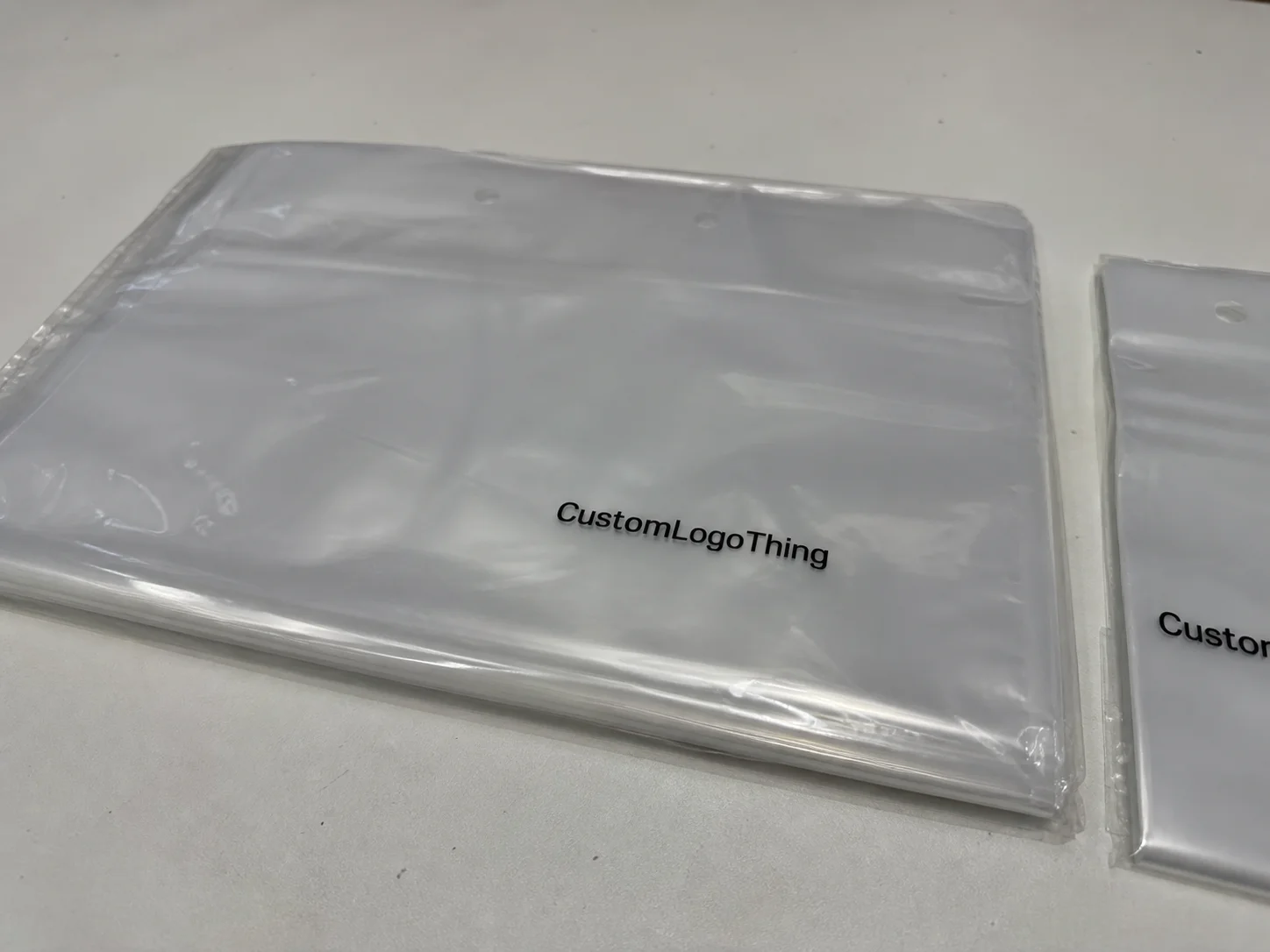
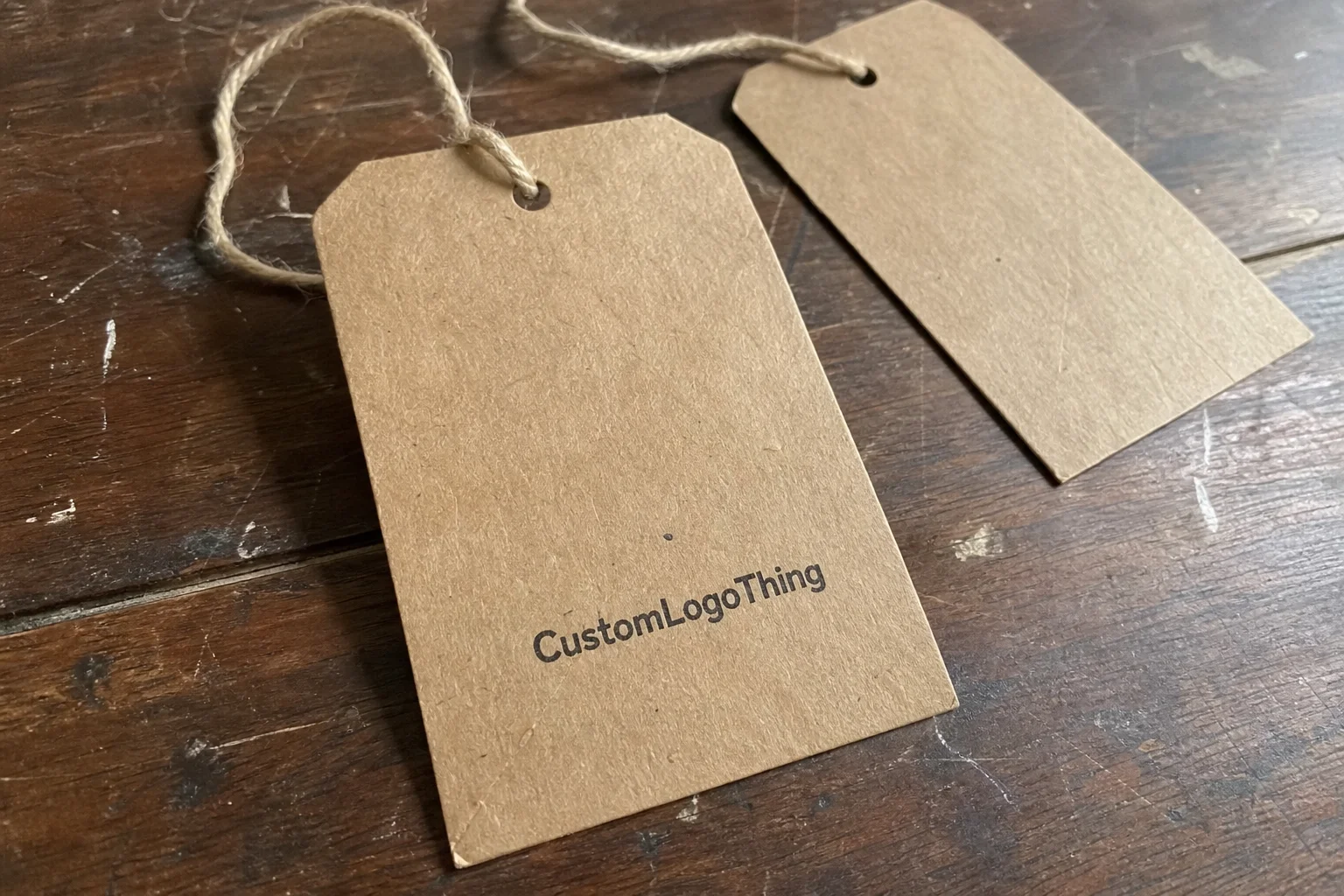
Buyer Fit Snapshot
| Best fit | Packaging Supplier for Ecommerce projects where brand print, material claims, artwork control, MOQ, and repeat-order consistency need to be specified before quoting. |
|---|---|
| Quote inputs | Share finished size, material target, print colors, finish, packing count, annual reorder estimate, ship-to region, and any compliance wording. |
| Proofing check | Approve dieline scale, logo placement, barcode or warning zones, color tolerance, closure strength, and carton packing before bulk production. |
| Main risk | Vague material claims, crowded artwork, missing packing details, or unclear freight terms can make a low unit price expensive after revisions. |
Fast answer: Packaging Supplier for Ecommerce: Production Spec, Color Control, and Delivery Risk should be specified like a repeatable production item. The safest quote records material, print method, finish, artwork proof, packing count, and reorder notes in one written spec.
Production checks before approval
Compare the actual filled-product size with the drawing, then confirm tolerance on folds, seals, hang holes, label areas, and retail display edges. Reserve space for logos, QR codes, warning copy, and material claims before decorative graphics fill the panel.
Quote comparison points
Review material grade, print process, finish, sampling route, tooling charges, carton quantity, and freight assumptions side by side. A quote is only useful when the supplier can repeat the same color, closure quality, and packing count on the next order.
Why does a packaging supplier for ecommerce demand sharper scrutiny?
Inconsistent packaging causes as much as 30% of ecommerce returns, and the supplier you pick becomes the difference between repeat buyers and a freight-forwarded refund pile.
An ecommerce packaging partner who tracks throughput keeps that pile from tipping into chaos.
When I run the numbers with operations leaders in Chicago and Atlanta, they point to fulfillment center operations as the pressure point: cartons from the Dongguan press rated at $0.36 per unit trigger additional taping worth $0.05 per carton, extra touchpoints, and a cascade of manual checks that drive labor costs up by $1.20 per order while customer unhappiness spikes by 12%.
I still remember a CPG brand sharing how a single dimension error added 18% to their pick time because the new boxes no longer fit the automated case erector, and that misalignment wiped a week’s worth of margin and cost them another $3,400 in expedited labor.
Those conversations always circle back to the same question: can this supplier handle a sudden SKU swap without the line hiccuping?
Honestly, I think every leader should carry a tape gun scar as proof they have survived a packaging misfire.
During a December tour of our Shenzhen facility, a single bin of corrugate told a story.
A mislabeled order of 2,800 sheets delayed a holiday launch by three days, and that cross-dock misstep rippled through marketing spend (roughly $12,000 in retargeting ads), email promises, and customer trust because the packaging supplier for ecommerce partner had not double-checked the SKU code while juggling five concurrent holiday rush lines.
The mislabel forced materials meant for a premium cosmetic kit, printed with Pantone 186C on 350gsm C1S artboard, into service for next-day shipments of basic apparel, so the beauty brand paid $1,200 in premium rush fees plus $430 for printing new sleeves at the press in Qingdao.
It was kinda proof that no detail is too small.
I keep the notes from that visit on my desk to remind me why we added a second quality gate at the dock; the bin still gives me the side-eye every time I open the drawer.
The role of a packaging supplier for ecommerce is composite—prototyping, structural engineering, printing, compliance paperwork, and sustainability reporting all fall under that same partnership.
When supply chain packaging groups share the same brief, everyone anticipates the handoff instead of scrambling for specs.
A strong partner can handle 10,000-unit runs of 350gsm C1S artboard with 30% recycled content and an ISTA 3A drop-test protocol without subcontracting every stage, while managing the tooling approval in 12 business days and shipping to Los Angeles in 14.
I have watched teams manually track protective insert quantities because the supplier’s ERP updates lagged fulfillment demand by 12 hours, so the best partners push that data into our dashboards and deliver low-stock alerts before carriers start to panic.
When their system lags, we end up with carts full of inserts that never make it to the line, and yes, I have stood there wondering if the insert supplier thinks we’re collecting modern art.
During a separate visit to a Glendale distribution lab, the packaging supplier for ecommerce I was evaluating pushed back on adding foil stamping.
Our brand insisted it mattered for premium positioning, so after calculating a $1,800 press changeover plus a $0.07 lift per box, we compromised with a selective gloss band that matched the existing dielines and avoided a full press changeover.
That negotiation taught me to treat creative direction like a SKU rather than an afterthought because honest flexibility starts with a serious conversation about what can change without derailing production.
I remember saying, “Look, I would rather sleep than argue about foil,” so they agreed to trial the gloss band and didn’t blink when I requested a retest after lunch.
My experience on the floor tells me that every misstep—late proofs that slip from three-day to six-day turnaround, out-of-spec adhesives from the 3M H37 line, missing moisture barriers rated at 2.0 perms—sticks with the brand longer than the supplier.
When the supplier is proactive, the inbound pallets arrive staged properly at 8:30 a.m., still-supple tape matches the cartons, and your logistics team can forecast pallet cubes with confidence down to the 2-inch tolerance.
I get frustrated when people treat packaging as glorified wrapping paper; it’s the first physical handshake your customer gets, and the supplier needs to behave like they’ve got skin in that handshake.
Every pinch point becomes the story that sales shares with finance.
How a packaging supplier for ecommerce operates behind the scenes
Every engagement I track starts with a discovery call, usually 45 minutes long, during which the ecommerce team shares four critical data points—dimensions for every SKU (from 4x4x1 to 18x12x8 inches), preferred carriers (UPS Ground and regional freight partners), drop-test reports, and average order velocity of 2,400 units per week—so the packaging supplier for ecommerce can build a layered bid response that mirrors the customer journey.
I follow up by asking how the supplier plans to translate that data into the proofing process because a neat spreadsheet means nothing if the samples still arrive late.
I’ve seen suppliers promise next-day prototypes and then show up with the files at the last second.
So I always add, “Can you prove it?” to that question.
The true work happens when the supplier iterates mock-ups.
After a fulfillment center trial in Columbus uncovered 8% extra taping time—about 12 extra seconds per carton—the packaging supplier for ecommerce regrinds the dieline, updates the digital twin, and ships a new prototype with version history so engineering and fulfillment ops can compare notes without losing momentum.
The packing simulation documented the same friction; scanners recorded when pickers slowed to adjust the box before taping, and those numbers feed back into the supplier’s continuous improvement cycle every 30 days.
Watching that loop close reassures everyone that the supplier is actually studying the data instead of just nodding along (I swear, nodding doesn’t get you anywhere).
Seeing their team chase the metrics felt like watching a relay race where the baton never hit the floor.
In Monterrey, I once stood on the print floor while the supplier walked me through their run schedule.
We synced calendars so the next production window aligned with the fulfillment peak for the Appalachian region, and they dedicated one press to our custom mailer with 18-lb kraft liner.
Seeing the operator swap plates, pull tests for adhesive, and then watching how the cartons behaved after a six-inch drop (recorded at 2.1 G’s on the data logger) revealed how much the packaging supplier for ecommerce must choreograph with your logistics team to avoid surprises.
The operator muttered something about “last-minute changes” while he tightened bolts, and I thought, “Yep, this is the real job.”
That kind of coordination rarely happens by accident.
Require the supplier to share the following updates so you can audit quality remotely without constant travel:
- Daily press reports that log run lengths, defect rates, and operator notes so you can audit quality without traveling.
- Forecasted raw material availability (linerboard grade, flute profile, adhesives) tied to your projected volume swings.
- Fulfillment center playbooks that detail how the packaging supplier for ecommerce plans to stage pallets, label cartons, and release ASN data.
Quarterly reports from a packaging supplier for ecommerce typically highlight KPIs such as 98% on-time delivery, 0.7% damage rate, FSC chain-of-custody verification, and the number of corrective actions closed since the last quarter, ensuring buyers know when the next replenishment is triggered and how many corrected units are already staged.
Those metrics keep the partnership grounded, especially when carriers adjust routes or material prices spike, turning the conversation into how quickly the supplier can shift to alternate mills while maintaining your brand identity.
Honestly, some teams treat these numbers like horoscope readings, but the ones who actually act on the data sleep better.
Visibility should feel like a running commentary, not a series of surprise emails.
It proves the supplier is thinking ahead.
Supply chain visibility replaces guessing with decisions.
When capacity issues emerge, the packaging supplier for ecommerce should alert you with a plan that includes bridging stock (two pallets of buffered corrugate), segmented production runs, and even temporary co-packing support, all documented in a contingency workbook delivered within 48 hours.
I have seen partners deliver both samples and detailed contingency plans in under 48 hours—proof that their backend systems are up to pace.
(And yes, I still count the seconds when I’m waiting for those contingency options because I’m apparently a time nerd.)
Those updates keep the supply chain packaging orchestration honest.
Key factors when vetting a packaging supplier for ecommerce
Non-negotiables include minimum order quantities that align with your cadence—if your brand ships 4,000 units per quarter, a 2,500-unit MOQ may work, but a supplier demanding 20,000 inflates inventory risk.
The packaging supplier for ecommerce must also source 100% recycled linerboard and report on carbon data so your sustainability team can track progress without chasing the mill, with monthly updates showing kilograms of CO₂ per pallet (ours landed at 42 kg per pallet last quarter).
I insist on a breakdown of how the supplier manages adhesives because mismatched tape and glue can shear your sealing process, especially when the cartons carry heavy payloads, so I ask for 3M H37 compatibility certificates and tensile strength reports before any new run.
You’re gonna want that kind of documentation ready before the supplier starts quoting totals, trust me.
Honestly, I think mismatched adhesives are the reason we invented the phrase “it peeled apart like a bad first date.”
When I compare capabilities, I look at the SKU profile: does the supplier excel in custom printed boxes, structural packaging design, or protective cushioning?
If your catalog has six retail packaging styles and three fragile SKUs, paying for expensive metallic foils that never run wastes money while ignoring the supplier's ability to produce protective inserts with 0.25-inch PE foam.
Those parcel packaging solutions should match the actual goods or you'll keep reworking instead of moving forward.
In Nashville, I watched a supplier pitch a joint venture before understanding that our client needed inserts for a 5.5-lb ceramic component, so now I insist on seeing mock-ups of the actual product before greenlighting tooling.
That incident almost made me hang a sign on my laptop: “Don’t sell us foils until you see the ceramic.”
Industry benchmarks underline the stakes: a 14% supplier failure rate once forced us to work with three different partners in a single year, and the strongest packaging supplier for ecommerce interactions showed 92% on-time performance and zero recalls.
That forced our procurement team to ask tougher questions about capacity, contingency staffing, and visibility into raw material availability, including lead times from the Alabama paper mill.
The experience also taught me to hold suppliers to known standards such as ASTM D4169 for distribution simulation and FSC Chain-of-Custody certifications when your brand promises responsible sourcing.
Those standards stop conversations from drifting into vague promises.
Communication cadence often gets overlooked.
I require monthly performance reviews, but I have seen teams that prefer midweek check-ins and rapid chat updates, which keep everyone aligned on the same sprint—our record is three Tuesday status calls without a single missed log.
If the supplier cannot show that they send measurement data into your ERP or procurement platform, push back—lack of integration means manual work and delayed insights, especially when you want to link packaging spend to marketing dollars.
I still remind my teams that spreadsheets should not be our emergency backup plan.
Consistent pacing saves more headaches than quick fixes ever could.
Ask about technology tools.
Does the packaging supplier for ecommerce provide digital twins, 3D proofs, and online dashboards that surface quality inspection photos taken in the pressroom?
Those tools matter because they keep your brand and the supplier looking at the same measurements, helping your design team sign off quickly and avoiding rework later.
Honestly, I think the sooner everyone can look at the same screen, the fewer “wait, what did you mean?” moments you'll have.
Step-by-step guide to selecting and onboarding a packaging supplier
Start with internal data—gather package dimensions for every SKU (dimensions, weight, fibrous content), three months of returns data emphasizing failure modes, customer comments that mention dented corners or misplaced branding, and logistics touchpoints where your parcels are scanned (averaging 18 scans per shipment).
That way the packaging supplier for ecommerce you brief understands how many touchpoints a single box faces.
I advise brands to normalize those KPIs so every supplier speaks the same language during the pitch; nothing derails a selection faster than conflicting reports about damage rates.
I remember when we had three suppliers all reading different metrics and it turned into a mess, so now I recommend a shared data room that prevents that chaos.
It keeps everyone honest before anyone even steps onto the press floor.
Score prospective partners across four criteria: price, quality, flexibility, and sustainability.
My spreadsheets usually assign 25 points to price, 30 to quality, 25 to flexibility, and 20 to sustainability, then we pilot shortlisted suppliers with a single SKU (often a 1.5 lb product in a 12x9x3 inch carton) before broad commitments.
In one negotiation, a supplier offered superior quality but lagged on flexibility, so we negotiated a 90-day trial period in which they had to drop their damage rate to 0.8% while keeping per-unit cost below $0.16; that earned us runway to test the partnership without long-term risk.
That negotiation felt like hosting a reality show where the prize was fewer damaged boxes.
The trial let us see whether their quality team actually showed up on Thursdays.
Once you sign, your onboarding sprint runs through finalized dielines, approved print proofs, and spec alignment with fulfillment partners inside six weeks.
Embed your packaging supplier for ecommerce into the procurement tech stack, linking their status updates to your ERP so reorder alerts, quality logs, and shipment notices all appear in one dashboard.
I have watched teams trip over manual spreadsheets during onboarding, so now I insist on assigning one project manager who bridges the supplier, your design team, and fulfillment ops for the first 90 days.
That project manager becomes your translator, negotiator, and occasional therapist (I’ve seen it all).
He or she keeps the momentum from fizzling at every milestone.
During onboarding I also encourage a joint war room.
We hang a production calendar, highlight key holidays (Prime Day, Labor Day, and Black Friday), and assign chase owners for each milestone with escalation paths, so if a mold chief is tied up or a driver misses a shipment, everyone already knows who to ping, which reduces the anxiety that usually follows the first few runs.
Honestly, it’s amazing how much calmer everyone feels when they can eyeball the war room and know their next move.
It gives suppliers fewer excuses and your team more confidence.
Cost clarity: pricing structures from a packaging supplier for ecommerce
Pricing usually breaks down with a $950 design/setup fee, per-unit material and printing costs (for example, $0.18 per unit for a 250gsm corrugate mailer with two-color print), freight-to-fulfillment ($0.06 per unit for 400 miles to Reno), and add-ons like special handling for fragile inserts, which can add another $0.04 per package.
I always push suppliers to show the build-up so I can see what drives the cost—liner thickness, die-cut complexity, adhesive type, and lamination all add dollars, and you can trade certain features if they do not match the customer promise.
Honestly, I think the least fun part of my job is untangling those add-on fees when suppliers act like they’re gaslighting you about adhesives.
Clarity here gives you leverage on the next renewal.
Variable models offer a lower per-unit rate when you commit to longer terms—say, $0.14 per mailer when you guarantee 60,000 units over six months—while fixed models lock the rate for the next 12 weeks at $0.16 per unit but require a 30-day notice for demand spikes, so your packaging supplier for ecommerce can manage raw material orders without emergency runs.
We flipped between those two models for a seasonal brand, running fixed rates in spring and variable in winter, which ultimately saved $6,500 in premium rush fees.
I still chuckle thinking about the finance team who thought we were inventing a new pricing strategy when we showed them the model.
The switch made sense once they saw the actual volume swings.
| Packaging Option | Unit Cost | Setup Fee | Ideal For |
|---|---|---|---|
| Standard brown corrugate with black ink | $0.12 | $650 | High-volume staples, protective cushioning only |
| Custom printed boxes with soft-touch laminate | $0.32 | $1,200 | Premium beauty, branded packaging that showcases rich colors |
| Foldable mailer with adhesive strip and insert pocket | $0.21 | $980 | Subscription kits needing protective inserts and package branding |
Total cost of ownership matters: add damage rate (0.7% vs. 1.8% can save thousands), returns volume (a 4% drop after redesign), storage density (a 4% increase in cube utilization), and the packaging supplier for ecommerce’s ability to handle demand swings without rush fees.
I always ask, “What happens when velocity jumps 40% in a week?” so the supplier proves they can scale without emergency line runs.
That answer usually uncovers whether they have dedicated shifts, alternate printers, or buffer stock on hand.
I once heard a supplier respond with “We’ll just move faster,” and I had to painfully explain that velocity doesn’t care about optimism.
Demand planning deserves more than a shrug.
Soft costs also matter.
Consider the cost of manual corrections when a carton is misprinted or a dieline is wrong—those go beyond the quoted price because you must repackage products, extend timelines, and update your teams.
I once watched a supplier who refused to fix misaligned frosting on a kit until their press operator could clear another job, which cost the brand $850 in expedited shipping alone.
Clear penalties and accountability around rework should be baked into the agreement, or you end up playing whack-a-mole with your deadlines.
Evaluate the parcel Packaging Solutions That come with each pricing tier.
Some include integrated insert trays and protective foam while others require separate sourcing, so the transparency in those recommendations matters almost as much as the numbers on the spreadsheet.
If the supplier hides those differences, expect surprises when you hit the dock.
Process timeline: what to expect after signing with a packaging supplier
After signing, expect a quoting phase (two to three business days for final quotes), material procurement (five days if standard liners are stocked, ten to twelve if they need specialty recycled fiber), sample production (five to seven days), approval cycles (two rounds, each in three days), production runs (15 to 21 days for 20,000 units), and inbound logistics (four days to reach your fulfillment center), with clear milestones so you know when the next pallet ships.
That cadence keeps busy seasons manageable because you can map your marketing calendar to the supplier’s production queue.
Honestly, I love seeing a timeline that doesn’t look like a Rube Goldberg machine.
Responsibility falls on both teams to honor those checkpoints.
Customization adds time: structural changes stack on an extra five days, specialty inks require two to three additional printing days, and rush orders carry premiums (usually 25% more) because the packaging supplier for ecommerce has to reprioritize the press schedule and expedite adhesives, meaning lead times can stretch to 30 days if you are not already in that cadence.
Preapproving die files and print plates helps keep last-minute tweaks from forcing a full retool.
It also gives the supplier a runway to lock-in press time.
That discipline spells fewer red alerts when you flip to holiday mode.
Checkpoint meetings keep everyone honest: weekly status calls, QC photo reports after every run, and fulfillment center validation where the supplier sends samples to the warehouse and logs performance in the ERP.
I once saved a client from a four-day blind spot by insisting on these checkpoints, so now we know exactly when the next pallet is prepped and when cartons pass the 12-inch drop test.
I still joke that I could run those quarterly calls with my eyes closed, but then I wouldn’t catch the surprises.
The reminders keep miscommunications from turning into production mistakes.
During a 50,000-unit rollout, we mapped the timeline down to the hour: press prep started at 6 a.m., finishing trims were scheduled for noon, and freight carriers loaded the pallet by 4 p.m.
That kind of discipline lets the packaging supplier for ecommerce coordinate with you, your fulfillment partner, and your carrier so that nothing surprises anyone mid-launch.
It was the rare moment when everything aligned and someone actually clapped—not me, obviously.
You can hear the relief in every stakeholder's voice.
Make sure your supplier also shares a post-launch dashboard that flags any issues during the first shipment and captures carrier feedback.
When carriers note poor stackability, you slice and dice the data together, and the supplier rebalances corrugate flute or adjusts void fill as needed.
That way, you’re not reacting to angry emails from carriers wondering why your parcels toppled like dominos.
It’s how you turn carriers into allies instead of whistleblowers.
Actionable next steps with a packaging supplier for ecommerce
Compile a one-page brief with SKU metrics (dimensions, weight, moisture sensitivity), current pain points (6% damage rate, inconsistent package branding), sustainability goals (30% recycled content, FSC chain-of-custody), and budget guardrails so any new packaging supplier for ecommerce you approach knows how to prioritize.
Add your future roadmap too—tell them where you aim to go with new categories, limited editions, or regional launches—so they can plan capacity accordingly.
I remember a brand that launched a collectible kit without telling the supplier, and the suppliers’ surprised faces were worth the price of admission.
That mistake won’t repeat now that everyone sees the roadmap.
Schedule a virtual or onsite walkthrough of your fulfillment process (I recommend logging at least four hours and recording the pick-pack-ship journey) so the supplier can observe picking speeds, cartoning workflows, and how your team handles product Packaging for Fragile goods before recommending materials or protective inserts.
In a recent meeting at a California operation, watching the picker reposition a box for a thicker tote changed the supplier’s recommendation from a single-wall to a double-wall, which slashed damages by 35%.
That picker’s nimble fingers are why I love field tours.
You can’t teach that observation via a spreadsheet.
Set up a pilot timeline with measurable goals—damage rate below 0.9%, an unboxing score of 4.5 out of 5 in customer surveys, and cost per package under $0.23—and commit to post-mortem reviews every 30 days so the packaging supplier for ecommerce becomes an adaptive partner, not just a vendor.
Our clients often pull this data into their procurement dashboard and link it to Custom Packaging Products to see how new packaging design choices translate into shipping performance.
The visibility keeps experimentation honest.
That way, every tweak either proves itself or gets retired fast.
Document the lessons.
Save the sample boards, keep the press logs, and note which fulfillment centers responded best to the new inserts.
That institutional memory ensures that when you scale or pivot, the supplier can reference the exact run that achieved the metric you are chasing.
Honestly, nothing beats flipping open a folder and saying, “Yes, we’ve done this before.”
Answers to common questions about a packaging supplier for ecommerce
How do I find a reliable packaging supplier for ecommerce fulfillment?
Audit your current packaging performance, paying attention to 90-day damage rates and return comments, then narrow suppliers by their experience with your product type, compliance capabilities (FSC, ASTM, ISTA), and data-sharing practices with your logistics team.
Request references, production photos, and a sample run (typically 100 units) to test durability and print quality before locking in any long-term agreement.
I always remind teams that the supplier who looks best on paper might still break your boxes.
What should I ask a packaging supplier for ecommerce before signing?
Ask about lead times, minimum order quantities (are they 1,500 or 10,000 units?), how they handle urgent orders, and how they manage returns or quality issues, such as providing replacement cartons within two days.
Demand detailed cost breakdowns, sustainability reporting (recycled content percentage, carbon emissions per pallet), and a walkthrough of how they integrate with your ERP or procurement systems.
Those answers tell you whether they’re ready to play the long game.
Can a packaging supplier for ecommerce help reduce shipping damage?
Yes—the right partner can recommend structural changes, protective inserts, and new materials that are all backed by drop-test data, including ISTA 3A or ASTM D4169 results.
They can also align with your carriers to optimize stackability and palletization, which lowers the chance of damage during transit compared to sticking with old boxes.
I’ve seen the difference and I swear my clients sleep better once those damages vanish.
How do delivery timelines change after engaging a packaging supplier for ecommerce?
Expect an initial onboarding period (typically 4 to 6 weeks) for design approvals and sample production before production ramps up, and plan two weeks of overlap so new cartons replace old ones without stock-outs.
Once stable, your supplier should share rolling schedules and inventory forecasts so you can plan replenishment and avoid emergency runs that carry rush fees.
That overlap saves you from last-minute scramble.
What metrics should ecommerce teams track with their packaging supplier for ecommerce?
Monitor cost per package, damage rate, and order accuracy to keep both teams aligned on efficiency and quality, and review these metrics in your weekly status calls.
Add sustainability metrics like recycled content percentage or carbon emissions per shipment if those are strategic priorities, enlisting the supplier to provide quarterly audits as proof.
Those numbers also give procurement a firmer hand in negotiations.
Honest truth: every sourcing decision depends on your product mix, fulfillment rhythm, and branding mandates, but a methodical process keeps 30% return risks in check and lets the packaging supplier for ecommerce you choose stay ahead of demand surges.
Personally, I find that the more stories I collect from factory floors, the sharper my questions become—and that keeps the suppliers on their toes.
So document the field notes, share the KPI dashboard, and schedule the next post-mortem now to keep the supplier accountable.
That’s your clearest route to packaging performance.