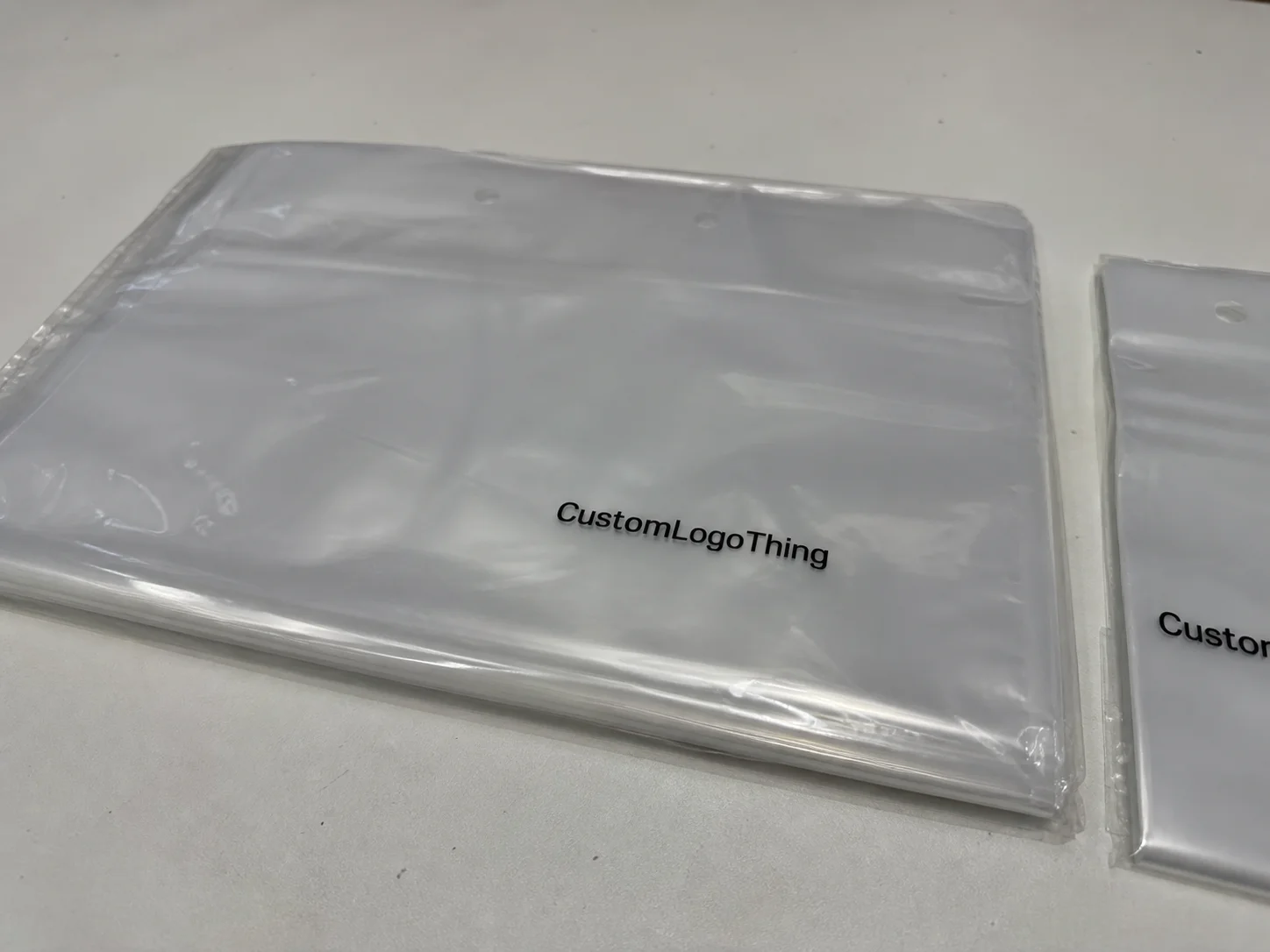
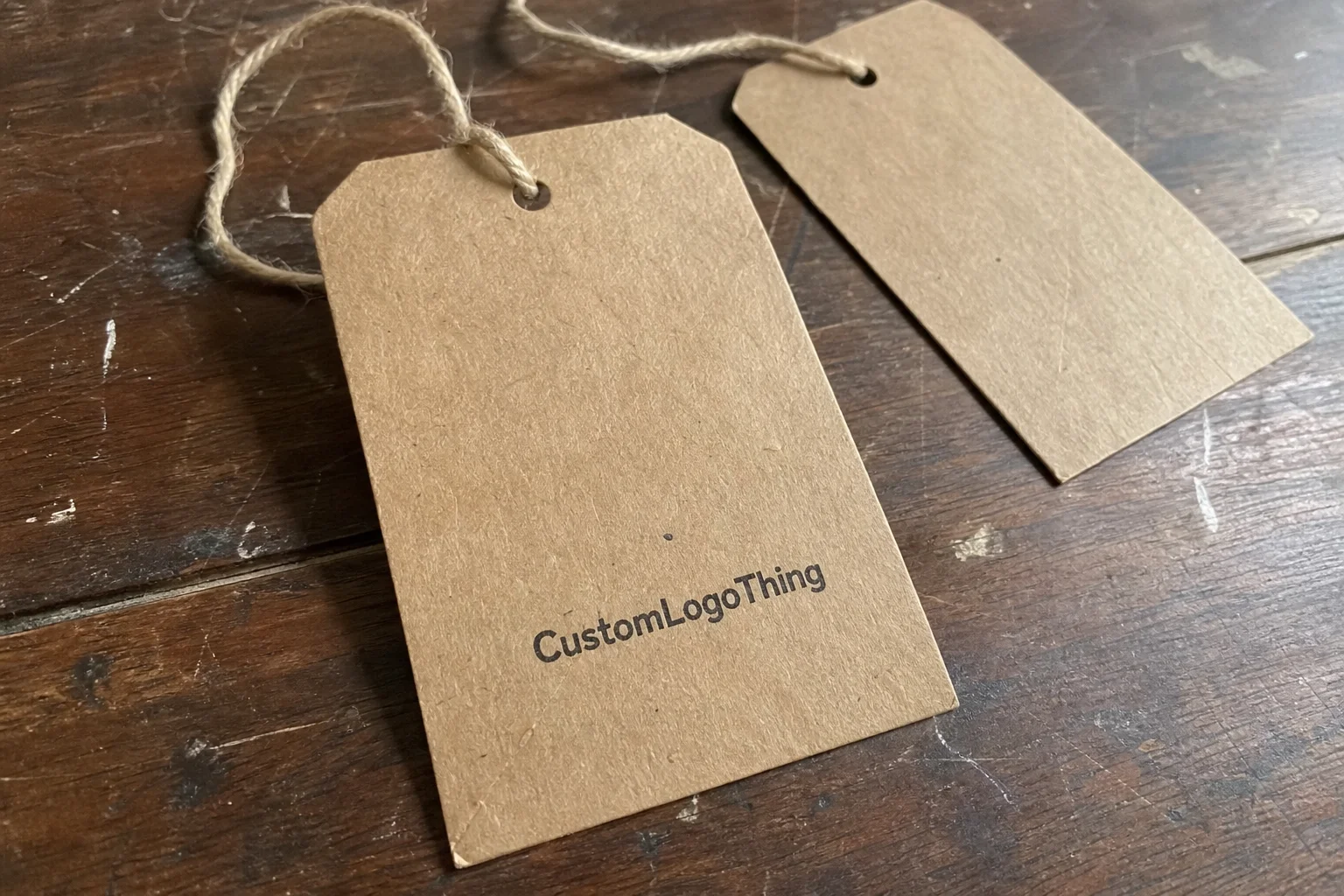
Buyer Fit Snapshot
| Best fit | Packaging Supplier Manufacturer projects where brand print, material claims, artwork control, MOQ, and repeat-order consistency need to be specified before quoting. |
|---|---|
| Quote inputs | Share finished size, material target, print colors, finish, packing count, annual reorder estimate, ship-to region, and any compliance wording. |
| Proofing check | Approve dieline scale, logo placement, barcode or warning zones, color tolerance, closure strength, and carton packing before bulk production. |
| Main risk | Vague material claims, crowded artwork, missing packing details, or unclear freight terms can make a low unit price expensive after revisions. |
Fast answer: Packaging Supplier Manufacturer: Quote Scope, Sample Proof, MOQ, and Lead Time should be specified like a repeatable production item. The safest quote records material, print method, finish, artwork proof, packing count, and reorder notes in one written spec.
Production checks before approval
Compare the actual filled-product size with the drawing, then confirm tolerance on folds, seals, hang holes, label areas, and retail display edges. Reserve space for logos, QR codes, warning copy, and material claims before decorative graphics fill the panel.
Quote comparison points
Review material grade, print process, finish, sampling route, tooling charges, carton quantity, and freight assumptions side by side. A quote is only useful when the supplier can repeat the same color, closure quality, and packing count on the next order.
Most buyers think a packaging supplier manufacturer is just the company that prints the box. That assumption gets expensive fast. I’ve watched brands save 8% on unit price and then lose far more in freight, rework, and late launches because they picked the wrong packaging supplier manufacturer for the job. I remember one procurement call in Chicago where everyone was congratulating themselves on a “great deal” and I’m sitting there thinking, sure, if ignoring $1,480 in freight and 3% scrap counts as a strategy.
Here’s the tricky part: a packaging supplier manufacturer can be one shop that handles design, sourcing, printing, converting, and fulfillment, or it can be a chain of specialists stitched together behind the scenes. If you’ve ever had a “simple” carton quote turn into three rounds of artwork revisions, a $275 custom die fee, and a delivery date that moved twice, you’ve already met the reality of sourcing packaging. I’ve seen that happen in a client meeting where a brand budgeted $0.21 per unit for Custom Printed Boxes and ended up closer to $0.34 once inserts, freight, and a Pantone correction were added. Honestly, that was one of those moments where the room went very quiet and everyone stared at the spreadsheet like it had personally betrayed them.
The best packaging supplier manufacturer is rarely the cheapest one on paper. It’s the partner who understands specs, tolerances, lead times, and what happens when marketing wants a 3 mm change two days before approval. That’s the difference between packaging that ships on time and packaging that sits in a warehouse while sales wait. I’ve negotiated with enough factories in Dongguan and Suzhou to know that “small change” usually means “please disrupt the whole line and pretend it was easy.”
What a Packaging Supplier Manufacturer Actually Does
A packaging supplier manufacturer turns raw materials into finished packaging and, in many cases, serves as a sourcing partner too. That means they may help with board grade selection, print method, structure, finishing, logistics, and minimum order quantities. For some projects, they are essentially the technical adult in the room. And thank goodness for that, because some briefs arrive looking like they were assembled by committee and a coffee spill.
I visited a folding-carton plant outside Shenzhen, Guangdong, where one production line ran 18,000 sheets per hour while a separate team checked color bars every 20 minutes. The brand manager assumed the supplier would “just print the box,” but the plant was also adjusting moisture levels in the board room because the substrate was warping in humid weather. That’s what a good packaging supplier manufacturer really does: they manage the variables most buyers never see. I still remember the smell of ink, board, and hot machines. Not glamorous, but very real.
There’s a useful difference between the main players:
- Manufacturer: owns or controls production, converts raw material into packaging, and usually influences lead times directly.
- Distributor: resells packaging, may hold inventory, and often adds markup for access and convenience.
- Broker: connects buyer and producer, sometimes adds project management, but usually does not control the press, die cutter, or shipment schedule.
If you want tight control over structural quality, print consistency, and reorder reliability, a packaging supplier manufacturer usually gives you more visibility than a middle layer. If you need off-the-shelf stock items in 48 hours, a distributor may be faster. Neither is automatically better. The right choice depends on whether your priority is speed, customization, or consistency. I know, maddeningly, the answer is “it depends.”
Common categories handled by a packaging supplier manufacturer include shipping boxes, retail packaging, labels, mailers, inserts, wraps, pouches, sleeves, trays, and protective packaging such as foam, paper pulp, or corrugated inserts. In beauty and subscription projects, I’ve also seen them manage tissue, stickers, and kitting instructions. The more integrated the setup, the fewer handoffs you have to chase. Fewer handoffs usually means fewer “who approved this?” emails, which is a blessing for everyone involved.
“We thought packaging was a purchase order. It turned out to be a production system.” — a brand operations manager I worked with after their launch date slipped by nine business days
That sentence sticks with me because it’s true. Choosing a packaging supplier manufacturer is less about unit price and more about fit, capability, and consistency. If they can’t hold a 1 mm tolerance, or if their quoted material is available only three weeks out, a cheap price is just a number on a PDF.
How the Packaging Supplier Manufacturer Process Works
The production flow usually starts with discovery. A buyer sends dimensions, quantity, artwork, shipping needs, and any special requirements to the packaging supplier manufacturer. From there, the supplier checks whether the job fits their equipment, material library, and MOQ range. If it does, quoting begins. If it doesn’t, a good supplier says so early. That honesty saves everyone from the delightful chaos of finding out three weeks later that the plant can’t run your structure without a special setup.
Then comes material selection. A 350gsm C1S artboard behaves differently from 24pt SBS, and both behave differently from corrugated E-flute. On a cosmetics project I reviewed in Los Angeles, the client wanted a soft-touch finish on a mailer box with a heavy bottle inside. We tested two board grades and found that the lower-cost option crushed slightly at the corners after a 36-inch drop test. The packaging supplier manufacturer changed the spec, and the product survived the test. Small change. Big difference. That’s the part people forget when they get hypnotized by a low quote.
After materials, the team moves into structural or graphic design. Some packaging supplier manufacturer teams create dielines in-house. Others ask for print-ready files from the buyer’s designer. This is where projects slow down most often. A dieline revision can trigger a cascade: artwork shifts, barcode placement changes, and one tab that looked fine on screen suddenly blocks a fold line. I’ve sat in those meetings in Portland and Hong Kong, and yes, everybody suddenly becomes a structural engineer.
Sampling and approval follow. That might mean a plain white prototype, a printed mockup, a digital proof, or a pre-production sample. For color-sensitive work, I always recommend a physical sample because monitors lie. They don’t just lie a little. They lie by enough to turn a muted navy into something that reads almost black under retail lighting. If your brand color is sacred, do not trust a laptop screen. That’s how you end up with “premium blue” that looks like a sad navy sweater from 2009.
Here’s a simple timeline view for many custom packaging jobs, assuming the packaging supplier manufacturer has capacity and materials in stock:
- Brief intake and quoting: 1-3 business days
- Dieline or design adjustment: 2-5 business days
- Proofing and revision cycle: 2-7 business days
- Sample production, if required: 3-10 business days
- Mass production: 8-20 business days depending on method and quantity
- Freight and delivery: 2-8 business days domestically, longer for international shipping
Rush orders almost always cost more than buyers expect. A packaging supplier manufacturer may charge a rush fee, separate air freight, and extra labor to slot your job ahead of scheduled runs. I’ve seen a 14-day promise become a 7-day request with a 22% surcharge because the client changed the insert design after approval. Speed has a price tag, and the invoice usually shows it in three places, not one. If someone says they can rush everything for free, I’d ask what fairy tale they’re reading from.
Print method matters too. Digital printing works well for shorter runs and faster changes. Flexographic printing is often used for high-volume, repeatable jobs on labels and flexible packaging. Offset printing can deliver sharper detail for cartons and premium graphics. A capable packaging supplier manufacturer will explain which method fits your quantity, artwork, and finish requirements instead of forcing every project through the same press.
If warehousing or kitting is part of the service, the workflow expands. The packaging supplier manufacturer may receive components, assemble inserts, pack product units, and stage shipments by retailer or region. That can save time, but only if the process is documented. Otherwise, you get the classic “we thought they were packing 500 kits, not 500 cartons” problem. I’ve seen that confusion in New Jersey. It’s not cute. It’s the kind of mistake that makes a warehouse manager age five years in one afternoon.
For buyers who want to understand the broader packaging ecosystem, the Institute of Packaging Professionals is a useful reference point: packaging.org. I often point newer procurement teams there when they need better vocabulary before they start quote requests.
Key Factors That Separate a Good Packaging Supplier Manufacturer
The first separator is quality control. A reliable packaging supplier manufacturer should be able to talk about tolerances, print registration, glue consistency, board caliper, and what happens if a sheet is out of spec. If they can’t explain defect handling in plain language, I get nervous. Fast. There’s nothing charming about a supplier who nods politely and then quietly misses every critical detail.
At one supplier negotiation I sat through in Shanghai, the buyer kept asking for “premium quality,” which is not a spec. The manufacturer pulled up actual numbers: ±1.5 mm on cut dimensions, Delta E target for color match, and a reprint policy if registration drift exceeded agreed limits. That conversation changed the room. Suddenly, “quality” became measurable, and the packaging supplier manufacturer had to own the details. Honestly, I wish more teams would stop saying “make it nicer” and start saying what they actually mean.
Capability fit is the second separator. Not every packaging supplier manufacturer can produce every style, finish, quantity, or material. A plant that excels at high-volume corrugated shipping cartons may not be ideal for small-run luxury rigid boxes with foil stamping and ribbon closures. Match the project to the equipment, not the sales pitch. Sales decks can be very persuasive. Machines, less so.
Minimum order quantities matter more than many buyers admit. A MOQ of 3,000 units can be manageable for a subscription brand with steady volume. For a startup testing a new SKU, it can create inventory risk and cash strain. A smart packaging supplier manufacturer will explain the breakpoint where unit price drops enough to justify a larger run. If they dodge the question, that’s usually code for “we’d prefer not to talk about the part where your cash gets stuck on a shelf.”
| Option | Typical Strength | Typical Risk | Best Fit |
|---|---|---|---|
| Direct packaging supplier manufacturer | Better production control, clearer specs | Less flexible on very small orders | Custom jobs, repeat orders, brand consistency |
| Distributor | Fast access to stocked items | Markup and less production visibility | Standard items, urgent replenishment |
| Broker | Can source across multiple plants | Lead-time uncertainty, more handoffs | Complex sourcing, commodity comparisons |
Pricing structure is another real divider. The lowest quoted unit cost may hide tooling, plates, setup fees, freight, storage, or revision charges. A trustworthy packaging supplier manufacturer gives you a line-item view so you can compare apples to apples. If one quote is 18 cents and another is 24 cents, ask what’s missing before deciding. I’d rather see an honest quote that makes me blink than a suspiciously tidy one that grows fangs later.
Communication is not a soft factor. It is an operational one. Slow replies often predict slow escalation when something breaks. I’ve seen a client choose a cheaper packaging supplier manufacturer because the sales rep answered in 15 minutes. Three months later, the same rep took 4 days to confirm a missing carton flap measurement. Fast quoting and slow production support is a dangerous mix. It’s the sourcing equivalent of a charming first date who disappears when you need help moving a couch.
Sustainability claims deserve scrutiny too. If a packaging supplier manufacturer says a board is recycled, ask for documentation. If they claim FSC certification, check the chain-of-custody language. If they market a pouch as compostable, ask which standard applies and where it can actually be composted. The U.S. Environmental Protection Agency offers useful waste and materials resources here: epa.gov. It’s not packaging-specific only, but it helps buyers think more critically about disposal claims.
Verification matters because green language can get fuzzy fast. A packaging supplier manufacturer may offer recycled content, but that doesn’t automatically mean curbside recyclability. It may be recyclable in one municipality and rejected in another. Buyers should ask where the packaging will end up after use, not just how it sounds on the sales sheet. I’m all for sustainability, but I’m not buying vague marketing dressed up as environmental heroism.
How to Compare Cost, Pricing, and Value
Quoted price is only one line in the ledger. Total landed cost is the one that tells the truth. A packaging supplier manufacturer might quote $0.18 per unit for 5,000 pieces, but once you add freight, warehousing, inserts, and 2% spoilage, the actual cost can land much higher. That’s not hidden if you ask for it. It becomes hidden when nobody asks. And somehow nobody asks until finance starts squinting at the invoice.
Low-cost sourcing feels smart until the box damages the product or slows fulfillment. I’ve seen a beauty brand in Austin save $900 on cartons and then lose $3,400 replacing broken jars because the insert fit was too loose. That’s the kind of math a strong packaging supplier manufacturer helps you avoid. Good packaging protects revenue, not just products. I wish more teams would treat packaging like insurance instead of stationery.
Volume changes the economics quickly. A 2,000-unit run may carry a higher unit price because setup is spread over fewer pieces. At 10,000 units, that same setup cost is diluted, and unit pricing usually improves. The breakpoint depends on print method, material, and finishing. A packaging supplier manufacturer should show you where those thresholds sit, not keep them vague. If they won’t explain the math, I assume they either don’t know it or don’t want you to know it.
Here’s a basic comparison of cost drivers buyers often overlook:
- Tooling and plates: one-time or infrequent costs that can add $150 to $1,500 depending on complexity
- Freight: pallet shipping, air freight, customs, or local delivery charges
- Storage: warehouse fees if you hold 30, 60, or 90 days of inventory
- Revision costs: updated artwork, new proofs, or altered dielines
- Waste: overordering, spoilage, or unsold packaging after a rebrand
Hidden costs also show up in less obvious ways. Color inconsistency can slow a launch because marketing refuses to approve the press proof. Bad stackability can increase pallet damage. Poorly sized mailers can force fulfillment teams to add void fill, which raises labor time by 20 to 40 seconds per order. Multiply that by 10,000 shipments and you see why a penny saved on paperboard can disappear into labor. I once watched a warehouse supervisor in New Jersey sigh so hard I thought he might actually fold into a shipping carton.
Ask about payment terms, too. A packaging supplier manufacturer may offer 50% upfront and 50% before shipment, net 30, or net 60 depending on account history and order volume. Price locks matter as well. Some quotes are valid for 7 days. Others last 30. If resin, board, or freight markets move, the quote can change quickly.
When I compare suppliers, I like three value metrics:
- Cost per impression for branded packaging and retail packaging
- Cost per shipped unit after freight and labor
- Cost per resolved issue, which sounds odd until a reprint or return hits your margin
That last one is the sleeper metric. A higher-priced packaging supplier manufacturer can be cheaper overall if they solve problems faster and reduce defects. Value is not a slogan. It shows up in fewer complaints, fewer rush orders, and fewer pallets sitting in limbo.
If you’re browsing products while comparing suppliers, our internal catalog can help frame the conversation: Custom Packaging Products. I also recommend reading about the company behind the service, because process and people matter as much as the quote itself: About Custom Logo Things.
Step-by-Step: How to Choose the Right Packaging Supplier Manufacturer
Step 1: Define the brief. Give the packaging supplier manufacturer exact product dimensions, weight, fragility, shipping method, budget range, and forecast quantity. “Small box” is not enough. “130 x 92 x 48 mm mailer for 180 g skincare jars, ship-ready in retail channels” is useful. The more precise you are, the fewer apologies you’ll hear later.
Step 2: Build a shortlist. Filter by capability, specialty, sample quality, and responsiveness. A packaging supplier manufacturer that does excellent corrugated shippers may not be the right fit for a rigid gift box. Ask what they produce most often. Their answer tells you where their equipment and expertise live. If they say “everything,” I get suspicious. Nobody is the best at everything, despite what some sales decks imply.
Step 3: Request the same inputs from everyone. Send identical specs, artwork status, quantity, and delivery location to each candidate. If you don’t standardize the brief, you can’t compare the quotes fairly. I’ve watched teams compare a FOB price from one packaging supplier manufacturer against a delivered price from another and call it “competitive analysis.” It wasn’t. It was just confusion wearing a blazer.
Step 4: Review the total cost. Ask for setup, tooling, freight, sample cost, and revision assumptions. A good packaging supplier manufacturer will be transparent. If they aren’t, that opacity usually returns later in the form of change orders. And surprise charges. Which, frankly, nobody needs more of.
Step 5: Test before scaling. If the order matters, do a pilot run or sample order. I once worked with a food brand in Denver that skipped piloting a mailer insert because the mockup “looked fine.” The actual bottles rattled in transit, and the first 300 shipped units returned with scuffed labels. A sample would have caught it. A five-minute test would have saved weeks of damage control.
Step 6: Set checkpoints. Decide in advance who approves size, color, and fit. Name an escalation contact at both companies. A packaging supplier manufacturer can move faster when they know who has authority, especially during proofing and pre-press. Otherwise, every question becomes a mini-committee meeting, and committees are very efficient at producing delays.
Step 7: Document the scorecard. Keep notes on price, lead time, response speed, sample quality, and reprint behavior. That record makes future sourcing easier. It also protects you when a new buyer joins the team and asks why one packaging supplier manufacturer keeps getting repeat business.
For brands that want packaging to reinforce the product story, package branding should be treated as part of the spec, not as decoration added at the end. If the box is supposed to feel premium, say what premium means: matte black with copper foil, rigid structure, 2 mm board, and a soft-touch wrap. If the aim is Eco-Friendly Product Packaging, spell out recycled content, print ink preferences, and end-of-life expectations. A packaging supplier manufacturer can only hit a target that is clearly described. Vague brief, vague box. Every time.
And yes, there is a human side here. In one supplier review session in Toronto, the buyer had three candidates and no scoring sheet. We spent 40 minutes arguing about “nice samples” versus “better communication.” Once we added five criteria and weighted lead time at 25%, the winner was obvious. The best packaging supplier manufacturer is the one that fits your actual operating reality, not the one with the prettiest sample room. Pretty samples are lovely. On-time delivery is nicer.
Common Mistakes Buyers Make With a Packaging Supplier Manufacturer
The most expensive mistake is choosing solely on unit price. I’ve said it already, but it deserves repeating because buyers still do it. A packaging supplier manufacturer that looks cheap can become expensive once freight, defect rates, and rework enter the picture. The invoice rarely tells the whole story on page one.
Another frequent error is failing to specify exact dimensions, thickness, or finish requirements. “Close enough” is not a manufacturing term. If the box interior needs to fit a 72 mm bottle with a 2 mm clearance, say so. If the print must match a Pantone reference, state the standard. A packaging supplier manufacturer cannot guess your intent from a JPEG. I know that seems obvious. It apparently needs saying anyway.
Lead-time assumptions also get buyers into trouble. Reorders are often faster than first runs, but not always. If the board stock is on allocation, or if a supplier moves production to another line, timing shifts. A smart packaging supplier manufacturer will flag this. A weaker one will hope nobody notices until the deadline is gone. Hope is not a production plan.
Testing is another weak spot. Many teams approve one sample and call it done. Then the actual product arrives slightly heavier, a closure tab gets stressed, and the package fails after two shipping cycles. For protective packaging, I like real-world drop and vibration tests aligned with ISTA methods, especially for products that ship long distances or through multiple handling points. ISTA’s standards library is a practical reference: ista.org.
Artwork ownership gets overlooked too. If the packaging supplier manufacturer makes the dieline, who owns the file? If your designer adjusts the layout, do you get the production-ready version? I’ve seen companies lose days because the only usable file lived in one person’s inbox, and that person was on vacation. Naturally. Because life enjoys timing those moments like a prank.
Finally, many buyers skip contingency planning. Seasonal demand spikes, paper shortages, and reprint needs happen. A supplier can do everything right and still face a material delay. Build buffer time into launch planning. If you need packaging on a fixed retail date, don’t order so late that one proof revision turns into a crisis.
Expert Tips for Working Better With a Packaging Supplier Manufacturer
Use a standardized request form. Every packaging supplier manufacturer should receive the same inputs: dimensions, quantity, shipping target, finish, insert requirements, and brand references. That improves quote accuracy and reduces the back-and-forth that eats up three days at a time. And yes, those three days always seem to vanish right when someone says, “This should be quick.”
Create a shared glossary. I know that sounds dull, but it prevents real losses. “Carton,” “mailer,” “box,” “shipper,” and “rigid pack” can mean different things to different teams. One of my clients in Atlanta used “tray” for both an in-box insert and a retail display tray. The packaging supplier manufacturer interpreted it correctly only after a 20-minute clarification call. A glossary would have saved everyone that call. It would also have saved me from explaining the difference for the fourth time, which I did with the patience of a saint and the expression of someone who had been cut off in traffic.
For high-risk jobs, ask for production photos, pre-ship checks, or press approvals. A reliable packaging supplier manufacturer should not be offended by this. In my experience, the good ones welcome it because it reduces blame later. You want evidence before the pallet leaves, not a dispute after it lands.
Keep inventory and branding in the same conversation. Packaging is functional, yes, but it is also part of the customer’s first physical impression. The box arrives before the product feels real. That’s package branding in action. A strong packaging supplier manufacturer understands that a 5% improvement in presentation can matter just as much as a 5% reduction in material waste, depending on the category.
Plan reorder points using real consumption data. If you ship 800 units a month and your lead time is 15 business days, your reorder trigger should reflect both weekly draw and a safety buffer. Guessing is how teams run out of packaging two weeks before a promotion. I’ve seen it happen. It’s not fun to explain to sales why the boxes are still on a boat while the promo starts Monday.
Build backup specs when possible. If your first-choice board is unavailable, can the packaging supplier manufacturer switch to a comparable grade? If your signature foil is delayed, do you have an alternate finish? I learned this the hard way on a cosmetics launch where a metallic film was stuck in port. The backup spec saved the launch; the brand still looked intentional, just slightly less reflective.
For businesses that want structured, repeatable branded packaging, the best partnerships feel like a well-run operating rhythm. Clear specs. Clear responsibilities. Clear delivery dates. That’s not glamorous, but it works.
And if you want a supplier relationship that ages well, ask better questions than “Can you do it cheaper?” Ask whether the packaging supplier manufacturer can hold color across reorders, manage a 500-unit pilot, and support you when the SKU count doubles. Those answers tell you far more than a single quote ever will. Cheap is easy to quote. Consistent is the part that actually matters.
FAQs
What should I ask a packaging supplier manufacturer before requesting a quote?
Ask what materials, print methods, sizes, and finishes they actually produce in-house. Confirm minimum order quantities, setup fees, sample costs, and normal lead times. Also request examples of similar projects so you can judge fit before discussing price with the packaging supplier manufacturer.
How long does a packaging supplier manufacturer project usually take?
Simple repeat orders can move faster than fully custom projects. Expect time for quoting, sampling, revisions, approval, production, and shipping. For a carton run in Guangdong or Vietnam, a typical custom order often takes 12-15 business days from proof approval to completion, plus 2-8 business days for domestic freight. Rush timelines are possible, but they often raise costs and reduce flexibility, especially if the packaging supplier manufacturer has to source materials separately.
Why do packaging supplier manufacturer quotes vary so much?
Quotes can differ because of material grade, print method, quantity, finishing, and freight assumptions. A 350gsm C1S artboard carton with matte lamination and foil stamping will not cost the same as a plain 24pt SBS mailer. Some vendors hide costs in setup or tooling while others bundle them upfront. The lowest quote is not always the lowest total cost once defects and delays are counted.
What is the best way to compare two packaging supplier manufacturer options?
Compare them using the same specs, same quantity, and same delivery assumptions. Score quality, communication, lead time, and total cost side by side. Ask for samples or proof of similar work before deciding which packaging supplier manufacturer should get the order. If one quote is FOB Shenzhen and the other is landed in Los Angeles, convert both to the same basis first.
Can a packaging supplier manufacturer help with design and branding?
Many can help with dielines, structural recommendations, print setup, and brand alignment. Some also provide artwork guidance or finishing advice to improve shelf appeal. Always confirm whether design support is included or billed separately, because that varies by packaging supplier manufacturer.
Choosing a packaging supplier manufacturer is really a question of risk management, not just sourcing. The right partner can keep custom packaging on schedule, protect your product, and support branded Packaging That Feels intentional from the first shipment to the fiftieth reorder. The wrong one can add waste, delays, and expensive surprises. I’ve seen both, and the difference is usually visible long before the first pallet ships. If you’ve ever stood in a warehouse in Newark staring at boxes that should have arrived yesterday, you already know exactly what I mean.
The most practical takeaway is simple: compare every packaging supplier manufacturer on the same brief, the same cost basis, and the same proofing standards before you sign anything. Do that, and you’ll catch most of the expensive nonsense before it lands on your dock.