Personalized birthday labels look simple on the surface, and that is exactly why they get underestimated. A clean label can make a shirt feel finished, help a gift feel intentional, and keep party pieces or event apparel organized without adding much labor. A weak one peels, smudges, curls at the edge, or reads like an afterthought the moment it touches fabric.
If you are ordering personalized birthday labels for clothing, the real question is not whether they look cute on a screen. The better question is whether they hold up on the actual garment, in the actual handling, and, if needed, through the actual wash cycle. That is where the practical value shows up, and also where the budget gets protected or wasted.
What Personalized Birthday Labels Actually Solve
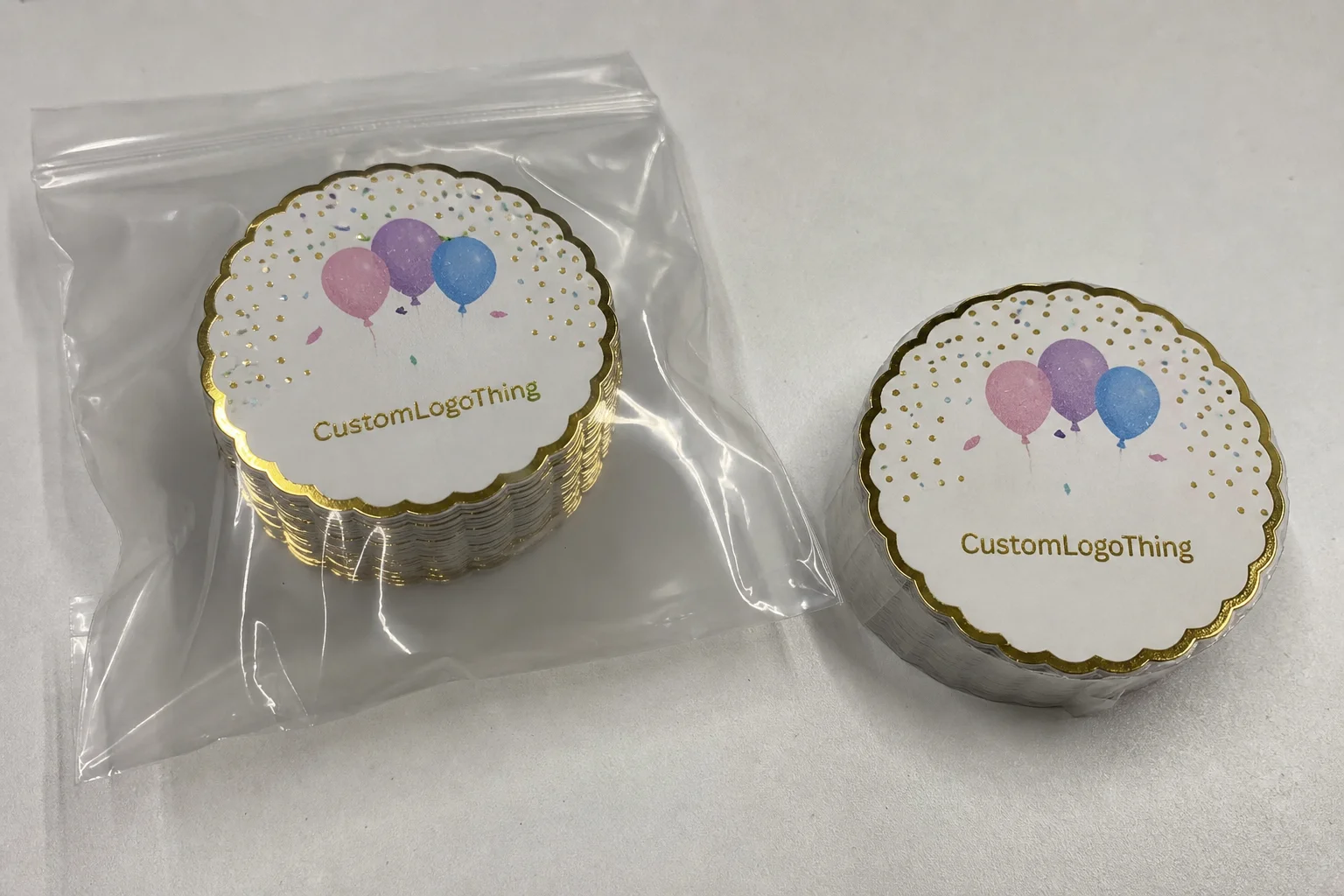
The main job of birthday labels is not decoration alone. They help apparel look organized, gift-ready, and event-specific in one small detail. That matters for kids’ outfits, milestone shirts, favor packaging, and birthday event apparel where the presentation needs to feel planned rather than improvised.
There is a meaningful difference between novelty stickers and labels meant for clothing. Novelty pieces can work for party bags, gift boxes, or temporary seals. Clothing labels need the right balance of readability, adhesion or stitch strength, washability, and size. If the text disappears against the fabric or the label lifts after one wear, the design has already failed its purpose.
Buyers usually use personalized birthday labels in a few common ways:
- Kids’ birthday outfits with a name, age, or theme phrase
- Milestone shirts for 1st birthdays, sweet sixteen, 30th, 50th, and similar occasions
- Party favors with names, dates, or thank-you messages
- Staff uniforms for birthday event teams, entertainers, or venue crews
- Gift packaging inserts that match the apparel presentation
From a buyer’s point of view, the label should make the garment feel ready without adding extra steps in production or packing. That is why the best designs are built around the use case, not around whatever artwork happens to look appealing in software.
For buyers comparing formats across broader apparel lines, Custom Labels & Tags is a practical place to sort through constructions before deciding whether one label style can cover multiple applications.
“A good label supports the product quietly. If the label becomes the thing people notice for the wrong reasons, it missed the point.”
That principle matters more than it sounds. A tiny pastel script on a cream shirt may look elegant on a monitor and then become unreadable in daylight. Pretty artwork does not compensate for poor contrast or undersized type.
Ordering Process and Timeline: What Happens After Proofing
The ordering flow is usually straightforward, but each step has a place where delays can creep in. Inquiry comes first, then artwork review, then proof approval. After that come production, finishing, packing, and shipment. The sequence is predictable; the timing is where most surprises happen.
- Inquiry and quote based on quantity, size, material, and attachment style
- Artwork check for resolution, layout, line thickness, and color count
- Digital proof or sample confirmation
- Production after written approval
- Finishing such as cutting, folding, backing, or adhesive prep
- Quality check and packing
- Delivery with the usual shipping variables
Most delays are caused by incomplete artwork files, unclear dimensions, or revisions requested after a proof has already been approved. Buyers also underestimate how often shipping time is separate from production time. A quote may look fast until transit is added, and then the calendar becomes much less forgiving.
Typical turnaround depends on complexity and quantity:
- Small runs of 100-500 labels often take about 7-12 business days after proof approval
- Mid-size orders of 1,000-5,000 labels usually land in the 10-15 business day range
- Larger batches can take 15-20 business days or more, especially with custom finishing
Rush orders are possible in many cases, but they usually cost more and reduce flexibility on material selection and artwork revisions. The tradeoff is simple: faster schedules leave less room for adjustment, so the proof has to be correct the first time.
A digital proof is usually sufficient when the artwork is simple, the label is standard size, and the garment surface is predictable. A physical prototype is worth the added time when the label has to sit on a specific fabric, match a brand color closely, or survive repeated washing. For public events, retail packaging, or anything tied to a hard date, one sample is often cheaper than fixing a batch that looked acceptable on screen and disappointing on fabric.
For washable apparel, the attachment method should match the care expectations of the garment. Testing standards and material verification exist because products get folded, packed, transported, handled, and washed by people who are not thinking about the label at all. That is the real environment a label has to survive.
Pricing, MOQ, and Unit Cost: What Moves the Quote
Pricing for personalized birthday labels is driven by a small set of variables that tend to repeat across suppliers. Quantity comes first. Then size, material, print method, and finish. Custom shapes, special backings, and multiple color passes can move the number quickly, so a quote should be read as a bundle of decisions rather than a single price line.
Small runs cost more per unit because setup work is spread over fewer pieces. That includes prep, machine setup, inspection, and finishing. Nothing about that is unusual; the cost structure simply has less room to amortize when the order is small.
| Order Size | Typical Unit Cost | Notes |
|---|---|---|
| 100-250 labels | $0.45-$1.20 each | Higher setup burden, best for samples or very small events |
| 500-1,000 labels | $0.18-$0.45 each | Good balance for party programs and small retail runs |
| 2,500-5,000 labels | $0.08-$0.22 each | Better economics if the same design will be used repeatedly |
| 10,000+ labels | $0.04-$0.12 each | Best unit pricing, but only sensible if demand is real |
Those ranges are typical rather than universal. Material and finish can shift pricing faster than most first-time buyers expect. A satin sew-in label is usually cheaper than a fully custom woven piece with multiple colors and a fold requirement. Heat-transfer labels may cost more than plain printed tags, but they can be the right choice for comfort, soft hand feel, and repeated wear.
MOQ means minimum order quantity, the smallest run a supplier will produce at a practical cost. A low MOQ sounds appealing until the unit price climbs enough to offset the benefit. The better question is whether the order is for a one-time event or for repeated use over time.
One-time charges can matter as much as the unit cost:
- Artwork prep or cleanup if the file needs correction
- Setup fees for printing or weaving
- Die or cut fees for custom shapes
- Shipping if the order is tied to a fixed date
Total landed cost is the number that should drive the decision, not the cheapest unit price on its own. A lower quote with expensive shipping, long lead time, or heavy setup charges can cost more in practice than a slightly higher bid that arrives on schedule and matches the application better.
Materials, Backings, and Durability Factors That Matter
Material choice decides whether the label feels polished, soft, durable, or irritating. For birthday clothing, the common formats include woven, printed satin, heat-transfer, sew-in, and adhesive-style labels. Each one solves a slightly different problem, and each one has a different cost profile.
| Label Type | Best For | Strengths | Tradeoffs |
|---|---|---|---|
| Woven | Premium apparel, repeat wear | Sharp detail, durable, upscale feel | Higher cost, small text can be limited |
| Printed satin | Gift sets, soft touch clothing | Comfortable, vivid print, good for short runs | May show wear faster than woven |
| Heat-transfer | Kids’ garments, active wear | No scratchy edge, good wash performance | Needs correct application temperature |
| Sew-in | Long-term apparel, retail use | Secure, familiar, reliable | Requires stitching step |
| Adhesive-style | Packaging, temporary event use | Fast application, useful for inserts and favor items | Usually not ideal for repeated laundering |
Wash frequency changes the answer quickly. If the garment will be worn often and laundered repeatedly, choose a construction meant for that use. If the label is part of packaging or only needs to last through a single event, the specification can be simpler.
Skin contact is another factor buyers sometimes overlook. A label that rubs on a child’s neck or side seam can turn a cute shirt into a complaint. For that reason, heat-transfer and soft woven constructions often work better for kids’ birthday clothing than rigid or scratchy options.
Fabric type matters as well. Cotton, polyester, blends, and textured knits all behave differently under heat, pressure, and stitch tension. A label that sits nicely on smooth polyester may wrinkle, lift, or distort on a stretch knit if the material and attachment style were chosen without testing.
Size and contrast are just as important as material. A one-inch label with decorative script can look attractive in a mockup and still be unreadable in real life. Short copy, clear contrast, and enough space around the text usually produce a better result than trying to pack in every possible detail.
Attachment style should match the garment and the production schedule:
- Sew-in for durable placement on a seam or hem
- Iron-on when speed matters and the fabric can handle heat
- Peel-and-stick for packaging or temporary use
- Loop-and-tuck for flexible event and display applications
If the same project includes packaging inserts, paper elements, or carton sleeves, it can help to review material efficiency and waste before deciding on the final build. Guidance from EPA’s Sustainable Materials Management resources is a useful reminder that fit-for-purpose design matters more than chasing the cheapest material on paper.
Step-by-Step Setup for a Clean First Run
The cleanest first run starts before the artwork is finalized. Define the use case first, then choose the quantity, garment type, label placement, and durability target. If those pieces are unclear, the artwork ends up carrying decisions it was never meant to solve.
A sensible setup usually looks like this:
- Define the use case — kids’ shirt, milestone outfit, party favor, staff garment, or gift insert
- Choose the attachment method based on fabric and wear time
- Set the label size to match the garment scale
- Limit the artwork to a readable layout
- Review a real-size proof before production
- Order a small test run if fabric behavior is uncertain
Real-size proofing matters more than a zoomed-in screen review. A logo that looks crisp at 400% can become muddy at actual label size. Check font weight, icon detail, and line spacing at the exact dimensions that will be produced. For toddler apparel especially, clarity usually matters more than ornament.
For the first run, keep the specification simple. One standard layout, one size, one background, one attachment style. Multiple variants can be useful later, but they also create more proofing decisions and more opportunities for error. A simple first order is easier to inspect, easier to compare, and easier to repeat if it performs well.
A small test batch is a smart move if the labels will be washed, stretched, folded, or handled by kids. It gives you a chance to check edge curl, print clarity, stitch behavior, and surface feel after application. If laundering is part of the use case, ask whether the construction is intended for repeated wash cycles and whether the application method affects durability.
For apparel labels used in gifting or retail packaging, compliance and material sourcing may also matter. If the order needs recycled or responsibly sourced components, FSC-certified paper inserts or packaging elements can be worth considering. If sustainability claims are part of the job, the certification standard is worth reviewing at fsc.org.
Common Ordering Mistakes That Waste Budget
The most expensive mistake is usually rework, not the label itself. Buyers lose money by overcomplicating the design, skipping material checks, or approving a proof without comparing it to the actual garment size. Those errors are common because they are easy to miss until the order is already underway.
Too much text is the classic problem. A birthday label only has so much room. If the design tries to fit a name, age, slogan, date, social handle, and multiple decorative elements into a small label, the result is usually tiny type and weak hierarchy. A cleaner layout nearly always reads better.
Color overload can create problems too. More colors may increase setup complexity, but the bigger issue is legibility. Light text on a light fabric fades into the background. Decorative script on textured cloth can become difficult to read even when the artwork itself is attractive.
Approving a proof without checking scale is another easy way to waste budget. A proof can look balanced on a screen and still be too small once it is placed on a collar, chest panel, or seam. Ask for the exact measurements in inches or millimeters and compare them against the actual garment area before committing.
Skipping material checks is just as costly. A label meant for laundering needs the right construction. A label meant for packaging can be simpler and cheaper. If those two use cases are treated the same, one will usually be overbuilt and the other underbuilt.
Under-ordering is the hidden expense that shows up late. If you run short, a second setup fee, slower replacement production, and additional shipping often cost more than ordering a small buffer at the start. For event-driven orders, a 5%-10% cushion is often easier to justify than a rush replacement.
Here is the short version:
- Keep the design simple
- Check the label at real size
- Match material to wash needs
- Order a buffer if the deadline matters
Expert Tips Before You Place the Order
Build one simple spec sheet before requesting a quote. It should list quantity, garment type, label placement, artwork format, deadline, and any durability or washability expectations. That single page usually reduces back-and-forth more effectively than a long email thread.
Ask for two timing numbers: the standard lead time and the fallback timing if artwork revisions are needed. That makes the schedule easier to judge realistically. If a supplier cannot explain how a proof change affects the timeline, the delay is likely to be more annoying than they are admitting.
Compare sample quality, not just price. Inexpensive personalized birthday labels can look acceptable in a digital mockup and still disappoint once they are folded, applied, or washed. Inspect edge finish, print clarity, hand feel, and how the backing or stitch line behaves.
If the order is meant for a public event or retail use, ask whether the batch will stay consistent enough to avoid obvious variation. That matters more on woven and printed textile labels, where color shift, cut accuracy, or uneven finish can affect the final look more than buyers expect.
Before approving anything, confirm these points:
- Final size in exact measurements
- Material choice based on garment use
- Attachment style and application method
- Unit price break at different quantities
- Total landed cost, including shipping and setup
- Lead time after proof approval
That is the difference between a controlled order and a guess. And guesses are better saved for birthday cake flavors.
If you are buying personalized birthday labels for a timed event, set a reorder point before the event date rather than waiting until the first batch is nearly gone. That habit keeps the next order from turning into a rush job with a much less friendly invoice.
How much do personalized birthday labels for clothing usually cost?
Price depends on quantity, material, size, finish, and whether setup or artwork prep is included. Small runs cost more per label; larger orders usually lower the unit cost. Ask for total landed cost so shipping and fees do not hide the real number.
What should I send when requesting a quote for birthday clothing labels?
Send the quantity, label size, garment type, attachment method, artwork files, and target delivery date. Include any must-have details like color limits, washability needs, or a specific finish. A clear spec sheet usually gets a faster and more accurate quote.
How long does production usually take for custom birthday labels?
Timeline depends on proof approval, quantity, material choice, and whether the job needs special finishing. Simple orders move faster; complex artwork or custom materials add time. If the date matters, confirm standard turnaround and rush options before approving artwork.
Can birthday labels be made to hold up in the wash?
Yes, but the right material and attachment method matter more than the artwork itself. Choose a construction meant for repeated laundering if the label will stay on wearable clothing. Test one sample on the actual fabric before ordering a full batch.
What is the best label format for kids' birthday clothing?
Pick a format that is soft, readable, and secure enough for active wear. Heat-transfer, woven, or sewn-in options usually outperform fragile sticker-style labels on garments. Keep the text short so the label stays legible at a small size.
Personalized birthday labels work best when they are treated as a product decision, not just a design detail. When the material, backing, size, and quantity match the real use case, the labels look better, last longer, and create fewer costly surprises. That is the practical standard worth applying before any order goes out.

