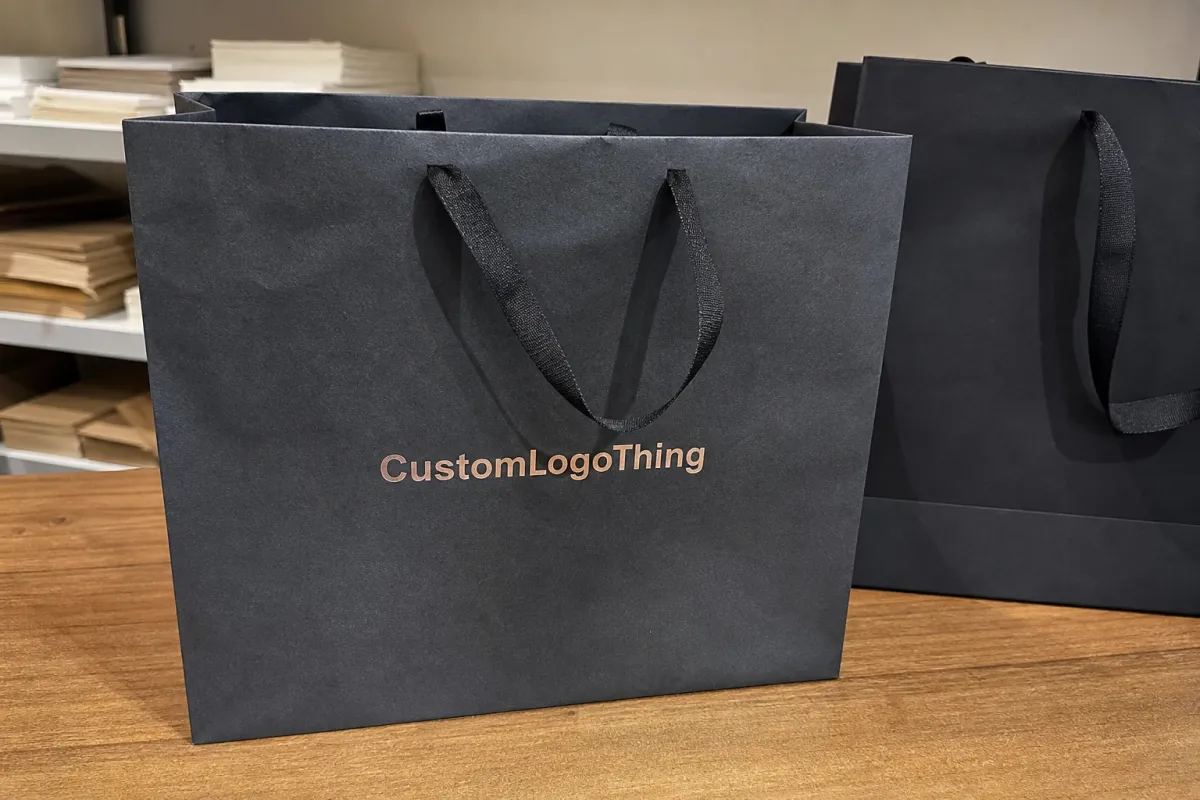
Personalized boat bags do more than carry items. In marine settings, they can organize crew gear, package retail purchases, support charters, or serve as event giveaways while carrying a logo, vessel name, or marina identity. For buyers, the value comes from combining utility with brand visibility.
The key decision is matching the bag spec to the actual use. A carrier that works for brochures or light handouts may fail if it needs to hold wet towels, heavier merchandise, or repeated loads in dockside conditions. The right material, handle, print method, and quantity all affect whether the final bag feels deliberate or improvised.
Boats, docks, and waterfront shops create tougher conditions than standard retail. Moisture, abrasion, salt air, sunscreen residue, and constant handling can all affect performance. That is why buyers need to look beyond the artwork and focus on construction first.
What personalized boat bags are—and why buyers care
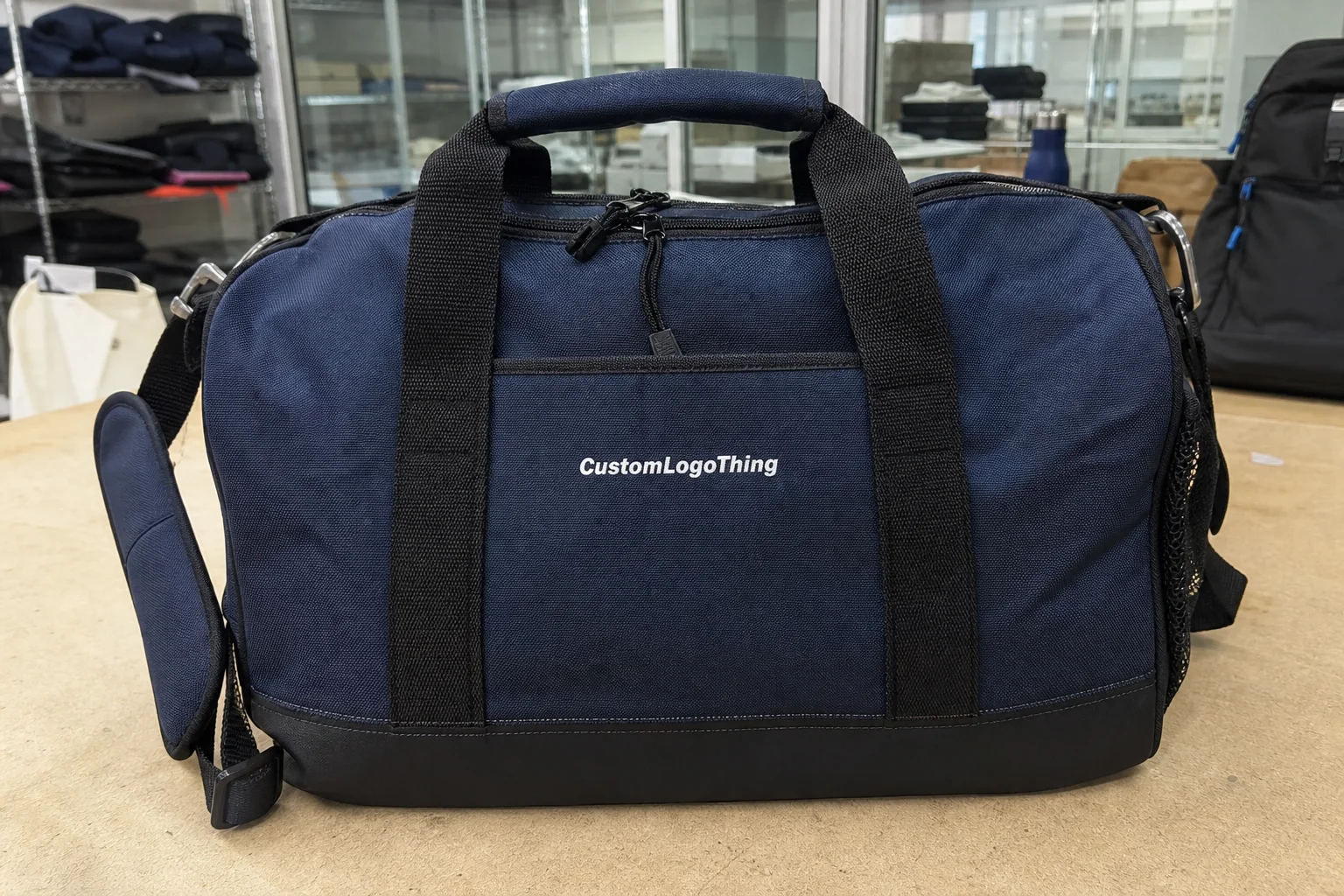
Personalized boat bags are customizable carriers used for boating-related packaging, storage, promotions, and retail. Depending on the supplier, they may be printed plastic bags, heavy-duty tote-style carriers, or reclosable utility bags. The customization can be a simple one-color logo or a fuller graphic that includes a vessel name, marina brand, or event message.
What matters most is not just decoration. Size, handle style, material thickness, closure type, and print coverage determine whether the bag fits the job. A thin bag with attractive artwork may look fine in a proof, but it can disappoint quickly if it carries heavier or damp contents. A sturdier build with clean branding often feels more valuable even when the design is minimal.
These bags are common at marinas, yacht clubs, fishing charters, boat shows, gift shops, and marine tourism promotions. They also help with onboard organization, where smaller items can get lost quickly. That mix of use cases is why buyers keep considering them: the bag can serve a practical function and carry the brand at the same time.
There is also a repeat-impression benefit. When a bag is reused, the brand gets seen again without another handout cost. If the construction is solid and the logo stays legible, the bag can continue working long after the original purchase. If it tears or looks cheap, the branding value drops fast.
“The strongest marine promo item is usually not the one with the loudest graphic. It is the one people keep using because it actually solves a problem.”
For brand owners, the bag becomes part of the customer experience, not just packaging.
How the customization process works from artwork to sample
The process usually starts with the bag style, dimensions, material, and artwork. After that comes proofing, approval, production, inspection, and shipping. Each step affects the final result, especially when the order depends on a clear logo or a precise print placement.
Common decoration methods include spot color printing and full-coverage graphics. Spot color printing is often economical and works well for simple logos and text. Full-coverage designs create a stronger visual presence but usually require tighter artwork control and higher cost. Reinforced seams or heat sealing may also be part of the build, depending on the bag construction rather than the artwork.
Artwork preparation is important because flexible materials do not behave like rigid cartons. Small type can become hard to read, thin lines can soften, and reflective surfaces can affect contrast. Vector files are generally preferred because they preserve clean edges. If a design relies on very fine detail, simplifying it before production usually improves the result.
The proof stage is where most avoidable problems are caught. A good proof should show logo placement, artwork size, spelling, color approximation, and clearance around handles or seams. If the bag has gussets or a closure, those details can change what is visible once it is filled, so a front-only proof may not be enough.
Digital mockups help with quick approvals and budget planning. Physical samples are more useful when the order is large, the design is complex, or the bag will be used in demanding conditions. A sample shows how the bag feels in hand, how the handle carries under load, and whether the print stays clear when the surface flexes.
For buyers who need an external testing reference, the ISTA standards library is a useful benchmark source for packaging performance considerations.
Key specs that affect performance, branding, and durability
Size is one of the first specs to confirm. A bag that works for a cap and brochure may be too small for apparel, drinkware, or folded towels. In most cases, it is smarter to match the bag to the largest item it must hold and then allow enough room for easy loading.
Material thickness matters just as much. Lighter bags can work for giveaways and short-term use, while thicker or reinforced construction is better when the bag will be reused or loaded with heavier contents. In many custom runs, thickness is described in mils or gauge range. That number affects tear resistance, hand feel, and how the bag behaves once full.
Handle style affects both comfort and function. Loop handles usually carry more comfortably. Die-cut handles can look clean and suit simpler retail packs. Zip closures and other recloseable features help secure smaller items or electronics. Gussets add width, which is useful for apparel or stacked brochures. A bag can look fine flat and still behave very differently once weight shifts into the handles.
Print area also changes cost and visibility. Front-only branding is usually the most economical. Back-side printing improves visibility from more angles. Wraparound graphics offer the largest footprint, but they also raise price and production complexity. Buyers who think in terms of viewing distance usually make better decisions than buyers who try to fill every inch.
Marine use introduces a few extra concerns. Moisture resistance matters because damp hands and humid conditions are normal. Salt air can affect finishes over time. Easy-clean surfaces are useful because scuffs, grit, and sunscreen residue show up quickly on light colors. If the bag will be used on a boat, in a cockpit locker, or at a dock counter, cleanability matters as much as appearance.
For environmental claims, verify the material spec rather than relying on marketing language. If recycled content or paper-based options are being considered, check certification and chain-of-custody claims through recognized organizations such as FSC. Claims should be supported, especially if the same language will be reused across multiple product lines.
| Option | Typical Use | Relative Cost | Durability | Brand Impact |
|---|---|---|---|---|
| Lightweight printed bag | Giveaways, brochures, short events | Lowest | Moderate | Good for simple logos |
| Mid-weight tote-style bag | Retail packaging, crew use, repeat carry | Mid-range | Better | Stronger perceived value |
| Heavy-duty personalized bag | Onboard storage, premium retail, heavier items | Highest | Strongest | Best for polished branding |
Personalized boat bags pricing: what drives cost and MOQ
Price is driven by size, thickness, print colors, print coverage, style, and order quantity. A simple one-color run on a standard bag is usually cheaper than a full-coverage design on a heavier build. Special finishes, reinforced handles, and custom closures increase cost because they add material and setup requirements.
MOQ, or minimum order quantity, matters because setup costs are spread across the run. Smaller orders usually carry a higher per-unit price. A 500-piece order will generally cost more per bag than a 5,000-piece order, even when the bag is smaller or the print is simpler.
The lowest unit price is not always the best value. A cheaper bag that tears early can cost more in the long run if it weakens the brand impression. A slightly better bag may be the smarter buy if it will be reused at a marina, club, or retail counter.
For planning purposes, buyers often see basic printed bags at the lower end, mid-tier branded totes in the middle, and heavier or more complex builds at the top. A one-color promotional run might land around $0.18-$0.28 per unit at 5,000 pieces, while a thicker, better-finished version can cost more. Setup fees, screens or plates, and freight can change the total quickly, so a written quote is still necessary.
Hidden costs are worth watching. Art cleanup may be needed if files need correction. Setup charges may be separate. Rush service can add a premium. Shipping can also surprise buyers because bags are light but bulky, which affects freight more than many expect. Loose packing can raise shipping cost even when the product price looks low.
| Cost Driver | What Increases It | Buyer Impact |
|---|---|---|
| Quantity | Small runs, split shipments | Higher unit price |
| Print complexity | Multiple colors, wraparound art, gradients | More setup and production control |
| Material thickness | Heavier gauge or reinforced construction | Better durability, higher cost |
| Timing | Rush production, expedited freight | Useful for emergencies, expensive if unplanned |
Process and timeline: from quote request to delivery
The timeline usually starts with an inquiry that includes quantity, bag style, dimensions, artwork, and target delivery date. With that information, a supplier can quote more accurately. Clean vector files and locked-in specs usually speed up the process and reduce revisions.
After the quote comes proofing. This is the step to verify spelling, logo placement, size, and color expectations. If something looks off, fix it before production begins. One revision now is cheaper than discovering an error after thousands of bags are printed. The same applies to handle orientation, gusset depth, and any small text that may be hard to read at actual size.
Production time depends on workload and complexity, but many custom bag projects move through the pipeline in roughly 12-15 business days after proof approval when everything is ready. More complex graphics, special finishes, or seasonal backlog can extend that. Freight may add more time, especially for retail distribution or event-site delivery.
Plan around the use date, not the purchase date. If the bags are for a boat show, charter launch, or retail restock, build in a buffer. The bags should arrive before the event, not just leave production before it.
- Gather logo files, bag size needs, and quantity.
- Request a quote with the target delivery date.
- Review proof carefully and approve quickly.
- Confirm the shipping address and receiving window.
- Keep a backup plan if the bags support an event or launch.
Fast approvals usually help keep the project on schedule. Delays are more often caused by missing files or shifting decisions than by production itself.
Common mistakes buyers make with custom marine bags
The first mistake is using low-resolution artwork. A logo that looks fine on a screen can print poorly on flexible material, especially if the edges are soft or the text is tiny. If the file is not vector-based, expect more cleanup time and a greater risk of soft detail.
The second mistake is choosing the wrong size. Too small, and the bag feels cramped. Too large, and it becomes awkward to carry or store. For brochures, apparel, and mixed items, a medium tote-style format often works better than a narrow, one-purpose bag.
Another issue is overcrowding the design. Tiny slogans, multiple fonts, and low-contrast colors compete for attention and become harder to read outdoors. On a dock or in bright light, clarity usually beats complexity.
Some buyers also forget the environment. Wet hands, wind, salt, and traffic all affect performance. A glossy finish may look appealing in a proof but become slippery in use. A weak handle can fail under repeated carrying even if the bag looks fine out of the box. For marine use, the real question is how the bag behaves after it has been loaded and handled several times.
Finally, some buyers skip proof review because they trust the artwork too much. Proofs are where spelling errors, placement issues, and spacing problems are caught. Once production starts, fixes become harder and more expensive.
Expert tips to get a better result on the first order
Start with the end use. A bag for event handouts should not be spec’d the same way as one meant for onboard storage or retail resale. If the contents are light and temporary, keep the build efficient. If the bag needs to communicate quality, step up the material and handle style.
Keep branding simple and bold. Large logos with strong contrast usually read better outdoors and at a distance. Thin lines and pale colors can disappear on reflective surfaces. If the design depends on fine detail, ask for a realistic mockup before approval.
It also helps to compare two versions: one value-driven and one upgraded. That makes the tradeoff visible. You can see what extra durability, better handle comfort, or wider print coverage actually buys.
Ask for practical information up front: material thickness, closure type, print method, and whether artwork is priced one side or two. Those details affect the quote and the result more than many buyers expect. If the project will be repeated, keep the approved spec on file so the next run starts from a known baseline.
- Confirm bag size against the largest item it needs to hold.
- Check that the logo file is clean and legible.
- Decide whether one-sided or two-sided branding is worth the extra cost.
- Ask for a proof and review it line by line.
- Leave enough time for production and freight.
For buyers who need personalized boat bags to perform in real conditions, a better first order starts with good files, a realistic quantity, and a bag spec tied to actual use. That approach reduces surprises and supports a cleaner repeat order later.
FAQs
What are personalized boat bags used for besides carrying items?
They can function as branded giveaways, retail packaging, event handouts, crew bags, and promotional items. Many buyers use them to reinforce a marina, charter, or shop identity while adding practical value.
How do I choose the right size for personalized boat bags?
Match the bag to the largest item you expect it to carry, then allow extra space for comfortable loading. If the bag is for brochures or apparel, a medium tote-style format usually works better than a narrow bag.
What affects the price of personalized boat bags the most?
Quantity, material thickness, print complexity, and bag style usually have the biggest impact on cost. Setup fees, shipping, and rush timing can also change the final unit price.
How long does the production process usually take?
Timing depends on artwork readiness, proof approval speed, and current production workload. Clean files and fast approvals shorten the process; revisions and special finishes add time.
Can I order personalized boat bags in a small quantity?
Yes, but the unit cost is typically higher on smaller runs because setup expenses are spread across fewer bags. Small orders are best when you need a test run, a limited event, or a short retail season.