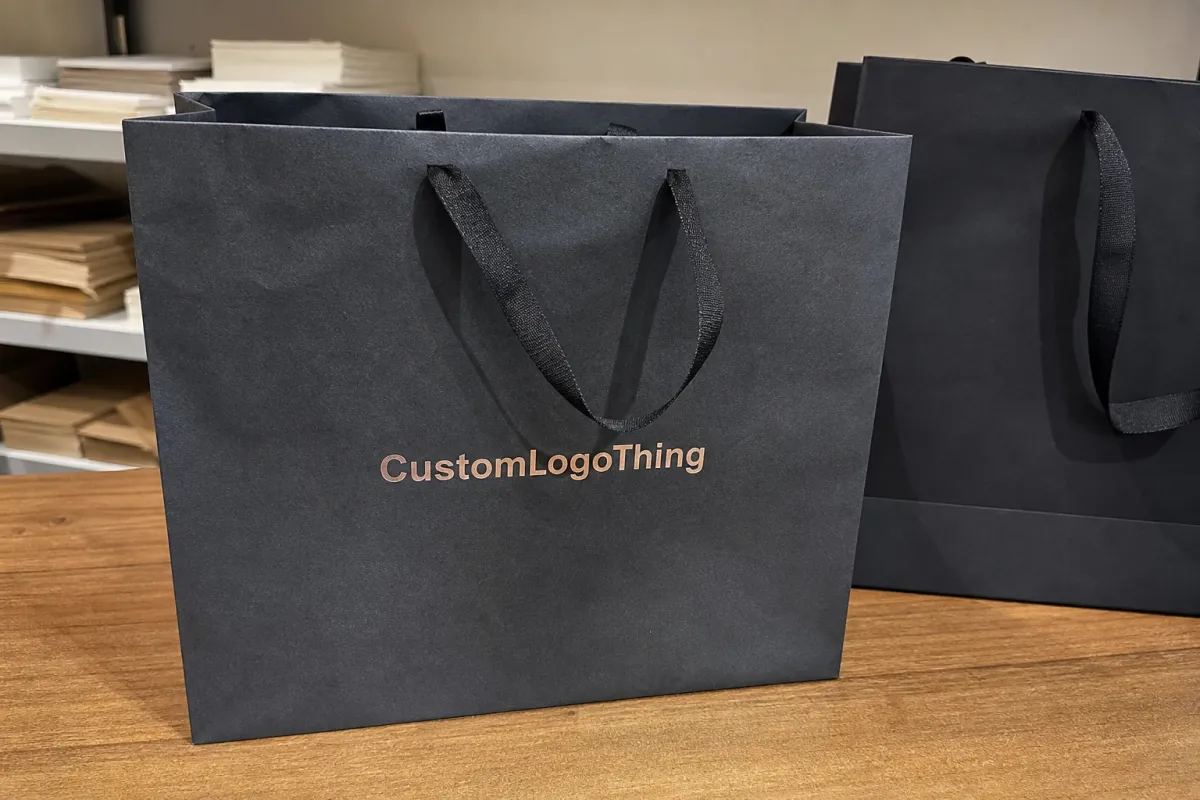
Personalized Candle Boxes do two jobs at once: they protect a fragile vessel and shape the first impression before the candle is even opened. For products sold as gifts or premium home fragrance, the box is part of the price story, so weak packaging can drag down perceived value even when the candle itself is strong.
Buyers usually compare structure, print, fit, and shipping behavior at the same time. A plain carton may be enough for basic protection, but a tailored box has to support the fragrance line, the sales channel, and the margin target. The right spec depends on whether the candle is headed for shelf retail, direct-to-consumer shipping, or gift sets.
For teams comparing formats, the Custom Packaging Products page is useful because it shows how structure changes cost, assembly, and presentation. Tuck boxes, sleeves, rigid setups, and mailer-style cartons all create a different result.
Personalized Candle Boxes: Why Small Details Sell
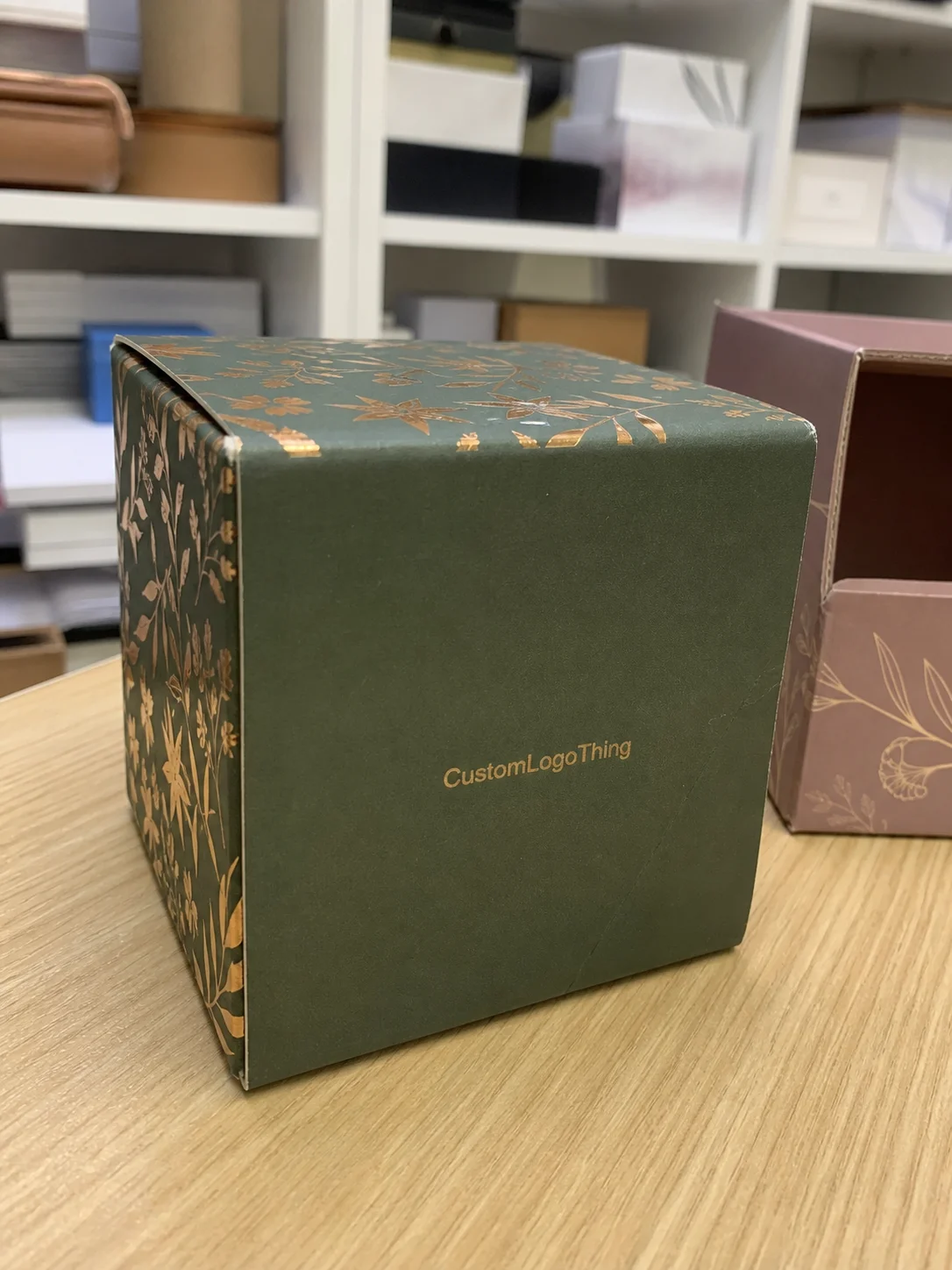
Most candles are judged before they are lit. That is why personalized candle boxes matter so much for brands that want to avoid commodity pricing. The box gives the first cue about quality, scent positioning, and whether the candle feels giftable or basic.
From a buyer’s point of view, the box has to answer four questions: will it protect the candle, will it look right on shelf, will it open cleanly, and does the finish fit the price point? If one answer is weak, the pack works against the brand.
A candle box is not only a container. It is a shelf signal, a shipping shell, and often a gift-wrap substitute. That is why small design choices matter.
Structure matters as much as artwork. A well-sized carton with a secure insert and scuff-resistant finish often performs better than a louder design that dents in transit or feels thin in hand. The same box can also support retail display, subscription kits, seasonal launches, or corporate gifting if the spec is built around the use case.
The key comparison is simple: a generic tuck box can make a candle feel private-label, while a tuned custom carton with cleaner proportions, better print, and a stronger closure can support a higher ticket price. The packaging is doing real work in that pricing conversation.
How Custom Candle Packaging Is Built From Brief to Dieline
The process starts with the finished candle, not a guess. Height, diameter, lid clearance, label thickness, and any wrap or insert are measured first. Then the box style is selected, a dieline is built, artwork is placed, and proofs are reviewed before production begins. With glass vessels, fit tolerance often matters more than the print.
Common formats include tuck-end cartons, sleeve boxes, window boxes, rigid setups, and mailer-style corrugated cartons. Tuck boxes are usually the lightest and most economical for shelf retail. Sleeves work well when the vessel itself carries some of the visual appeal. Rigid boxes create a stronger gift impression, while mailer-style cartons are the practical choice for parcel shipping.
Insert choice changes the box behavior. Paperboard inserts are fine for lighter jars, but molded pulp or corrugated inserts may be better for heavier vessels or bundled items. If the set includes matches, a lid, or a wick trimmer, those parts need to be built into the structure from the start.
Personalization goes beyond logos and colors. Scent names, seasonal copy, barcode placement, warning statements, and retail-ready legal text all need space. That is where many personalized candle boxes become crowded, especially on smaller panels with limited usable area.
A good dieline is iterative. A strong layout can still fail if the closure opens too easily, if the candle shifts during transit, or if the finish reduces readability. For direct shipping, buyers should ask whether the pack can be evaluated against ISTA-style transit testing such as the guidance published by the International Safe Transit Association.
- Measure the finished candle and accessories.
- Choose the box style based on the channel.
- Build or confirm the dieline.
- Place artwork and required copy.
- Review digital proofs and a physical sample if needed.
- Approve production only after fit and readability are checked.
Material, Structure, and Finish Decisions That Change Perceived Value
Material choice usually separates budget, mid-market, and premium packaging. SBS and C1S artboard are common for folding cartons because they print cleanly and hold detail well. Kraft board signals a more natural position, while corrugated is better when crush resistance matters more than shelf polish. Rigid stock sits at the premium end, but it also adds material and labor cost.
A typical retail candle carton may use 14pt to 18pt SBS with an aqueous or matte coating. Larger jars or heavier vessels often need a sturdier board or a better insert to stop movement. If the candle is a gift item, the closure and reveal matter as much as the print.
Finish affects both look and handling. Matte usually feels calmer and more modern. Gloss increases contrast but can show fingerprints. Soft-touch adds a premium feel, though it can mark more easily than buyers expect. Foil, embossing, and spot UV add tactile cues, which helps when the candle is competing on a crowded shelf.
If the brand wants an eco-conscious look, restraint usually works better than decorative overload. Kraft with limited ink coverage often communicates that more clearly than a pack covered in effects. FSC-certified board is worth asking for when sourcing priorities matter; the Forest Stewardship Council remains a common reference for responsible paper sourcing.
| Box Type | Best Use | Typical Cost at 5,000 Units | Notes |
|---|---|---|---|
| Folding tuck box | Shelf retail, mass gifting | $0.24-$0.42 each | Efficient to ship flat; best with 14pt-18pt SBS and standard print coverage. |
| Window tuck box | Retail display, scent-led branding | $0.32-$0.58 each | Visible product cue, but window film adds cost and assembly time. |
| Mailer-style corrugated box | DTC shipping, subscription kits | $0.85-$1.75 each | More durable in transit; print methods and flute selection change pricing fast. |
| Rigid setup box | Premium gifting, limited editions | $1.60-$3.20 each | Highest perceived value, but slower to make and costlier to store and ship. |
These ranges are directional, not fixed. Print coverage, insert type, packing method, and quantity can move them meaningfully. The point is to compare personalized candle boxes on a real basis instead of chasing the lowest quote and discovering later that the spec was stripped down.
Cost, Pricing, and MOQ Factors Buyers Should Compare
Pricing usually comes down to six variables: box structure, board grade, print coverage, finish stack, insert complexity, and order volume. In practice, quote comparisons get messy because suppliers often assume different specs, even when the request looks similar on paper.
MOQ matters because setup costs are spread across the run. Lower quantities cost more per unit, while larger runs improve unit pricing but increase inventory exposure. That tradeoff matters most when fragrance lines change seasonally.
Buyers should ask where the quote is absorbing cost and where it is hiding it. Is the sample free but the tooling expensive? Is the board lighter than expected? Are inserts included? Are artwork revisions part of the price or billed separately? Those answers should be clear before approval.
Sampling should also be included in the decision. A white sample confirms size and structure. A digital proof checks artwork placement. A printed prototype shows color, finish, and fit. If the candle is fragile or premium, skipping this step usually costs more later.
Compare total landed cost, not only the per-unit price. Freight, carton count, packing efficiency, and warehousing all affect the number that lands in your inventory system. A low quote on paper can still be expensive once shipping and damage risk are included.
- Retail shelf box: prioritize print quality and display.
- DTC shipping box: prioritize structure, cushioning, and transit testing.
- Gift box: prioritize texture, reveal, and closure quality.
- Seasonal box: prioritize faster artwork changes and manageable MOQs.
If you are comparing suppliers, insist on the same spec sheet from each one. Dimensions, board, finish, insert, quantity, and shipping terms should all match. Otherwise the pricing conversation is not meaningful.
Production Timeline, Lead Time, and Approval Steps
A typical order moves through quote approval, dieline confirmation, artwork submission, proofing, sampling if needed, production, finishing, packing, and shipping. The schedule usually slips when the first proof triggers changes to copy, panel size, or finish.
Simple folding cartons move faster than rigid boxes or heavily finished packs. A straightforward run may take 12 to 15 business days after proof approval, while more complex structures can run longer, especially if there are multiple SKUs or seasonal variants.
Late artwork correction is the most common delay. Wrong barcodes, incomplete warning text, or files without bleed stop production until the artwork is fixed. Color approval can also add time, especially when matte or soft-touch finishes change contrast.
To shorten lead time, send exact dimensions, final copy, barcode files, and finish preferences before asking for a quote. Confirm whether you need a window, insert, or foil, and give the shipping destination up front so freight can be estimated correctly. Clear inputs reduce revision cycles.
Complex finishes also change the clock. Foil, embossing, multi-layer inserts, and multiple versions all require more checking during press and finishing. A premium pack can move quickly, but it should not be expected to behave like a plain folding carton.
Common Ordering Mistakes That Create Waste or Reprints
The first mistake is sizing from the jar alone. Buyers often forget the lid, label, shrink band, or insert clearance, then the sample arrives and the fit is off by a few millimeters. That is enough to trigger a reprint on a tight box.
The second mistake is treating artwork like a final step. Low-resolution files, wrong color profiles, missing bleed, and text too close to a fold line all create rework. Once matte or foil is added, small type becomes even harder to manage.
Transit performance is another weak spot. A retail box can still fail if it scuffs during parcel handling or crushes at the corners. If the candle ships Direct To Consumer, the outer structure should be tested against the abuse it will actually see.
Compliance is easy to overlook and expensive to fix late. Candle boxes often need warning copy, scent or ingredient notes, barcode space, and retail identifiers. When those requirements are added after layout is locked, the front panel gets crowded and the dieline may need to change.
Over-ordering the wrong spec is one of the most expensive errors. A typo, bad finish choice, or awkward layout is manageable in a pilot run and painful in a full production order. Sample approval is cheap insurance.
Expert Next Steps for a Cleaner Order and Better Margin
Before requesting quotes, build one spec sheet and keep it disciplined. Include candle dimensions, weight, box style, artwork files, finish level, insert need, quantity, and shipping method. Better inputs produce cleaner pricing.
If the candle is going to retail, request a digital proof and, if the budget allows, a plain sample or printed sample. If it is a premium item, test the box with the actual candle rather than a placeholder. That catches fit problems early and shows whether the unboxing moment feels deliberate.
Compare total landed cost, not just per-unit pricing. A lower unit price can lose once freight, storage, damage risk, and reprint exposure are included. That is especially true for rigid packs and DTC mailers, where packaging affects freight more than many teams expect.
The right format for personalized candle boxes depends on the channel, the vessel, the brand position, and the margin target. If those four things are aligned, the packaging protects the product and improves perceived value instead of adding noise.
The practical standard is simple: measure carefully, quote the same spec everywhere, test the structure with the actual candle, and choose finishes that support the story without overcomplicating the run.
How do personalized candle boxes help a candle brand sell more?
They shape the first impression before scent testing happens. A better box can improve shelf presence, gift appeal, and perceived value, which gives a brand more room to price above commodity candles.
What affects the price of custom candle packaging the most?
The biggest drivers are structure, board grade, print coverage, premium finishes, inserts, and quantity. Lower runs usually cost more per unit because setup costs are spread across fewer boxes.
What is a normal lead time for personalized candle boxes?
Lead time depends on proofing, sampling, and box complexity. Simple folding cartons usually move faster than rigid or heavily finished boxes, and late artwork changes are the most common cause of delay.
What should I send before requesting a quote for candle box packaging?
Send exact product dimensions, candle weight, box style preference, any insert or window requirement, quantity, artwork files, and shipping destination. If you have barcode files and compliance text ready, include them too.
How do I avoid ordering the wrong size box for my candles?
Measure the finished candle, not just the jar body. Include the lid, label, wrap, and any clearance needed for an insert or transit protection, then request a sample with the real product before approving production.