Buyer Fit Snapshot
| Best fit | Personalized Candle Boxes with Custom Labels projects where brand print, material claims, artwork control, MOQ, and repeat-order consistency need to be specified before quoting. |
|---|---|
| Quote inputs | Share finished size, material target, print colors, finish, packing count, annual reorder estimate, ship-to region, and any compliance wording. |
| Proofing check | Approve dieline scale, logo placement, barcode or warning zones, color tolerance, closure strength, and carton packing before bulk production. |
| Main risk | Vague material claims, crowded artwork, missing packing details, or unclear freight terms can make a low unit price expensive after revisions. |
Fast answer: Personalized Candle Boxes with Custom Labels: Structure, Print Proof, Packing, and Reorder Risk should be specified like a repeatable production item. The safest quote records material, print method, finish, artwork proof, packing count, and reorder notes in one written spec.
Production checks before approval
Compare the actual filled-product size with the drawing, then confirm tolerance on folds, seals, hang holes, label areas, and retail display edges. Reserve space for logos, QR codes, warning copy, and material claims before decorative graphics fill the panel.
Quote comparison points
Review material grade, print process, finish, sampling route, tooling charges, carton quantity, and freight assumptions side by side. A quote is only useful when the supplier can repeat the same color, closure quality, and packing count on the next order.
I still remember a candle brand that spent more on a bad label than on the box itself. That’s not strategy. That’s just setting money on fire, literally. If you’re working on Personalized Candle Boxes with custom labels, the pretty part and the practical part have to pull in the same direction, or you end up with packaging that photographs well and fails in a customer’s hands.
I’m Sarah Chen, and I’ve spent 12 years in custom printing, including long stretches on factory floors in Shenzhen and enough late-night client calls to know that people suddenly “love the sample” right after the budget is gone. Honestly, personalized candle boxes with custom labels are one of those packaging jobs that look simple from a distance and then turn into a small spreadsheet war behind the scenes. The real win is not just looking premium. It’s getting the right fit, the right finish, the right label stock, and a structure that protects glass jars, wax, and fragrance story without making your accounting team miserable.
What Personalized Candle Boxes with Custom Labels Really Are
Personalized candle boxes with custom labels are not just a box and a sticker tossed into the same folder. They’re a packaging system. Usually you’ve got the outer box, the insert if the jar needs one, the label on the candle itself, and sometimes a belly band or sleeve for seasonal branding. Those pieces work together. If one is off by even 2 mm, the whole package can feel sloppy. And yes, that tiny gap will somehow be the first thing every customer notices. Packaging has a funny way of doing that.
Candles are fussier than a lot of products. They deal with heat, wax residue, glass fragility, fragrance storytelling, and a huge gift-buying audience that judges the packaging fast. A candle can smell incredible, but if the box dents easily or the label peels when a customer touches it, the brand takes the hit. That’s why personalized candle boxes with custom labels have to do more than look cute on Instagram.
In retail packaging, the box has a job before the candle is ever opened. It creates shelf presence. It makes the product feel giftable. It tells the shopper whether they’re holding a $12 impulse buy or a $38 premium gift. The label does another job: it carries the scent story, the product name, safety copy, net weight, and the fast brand signal people use to decide whether they trust you. That’s package branding, not decoration.
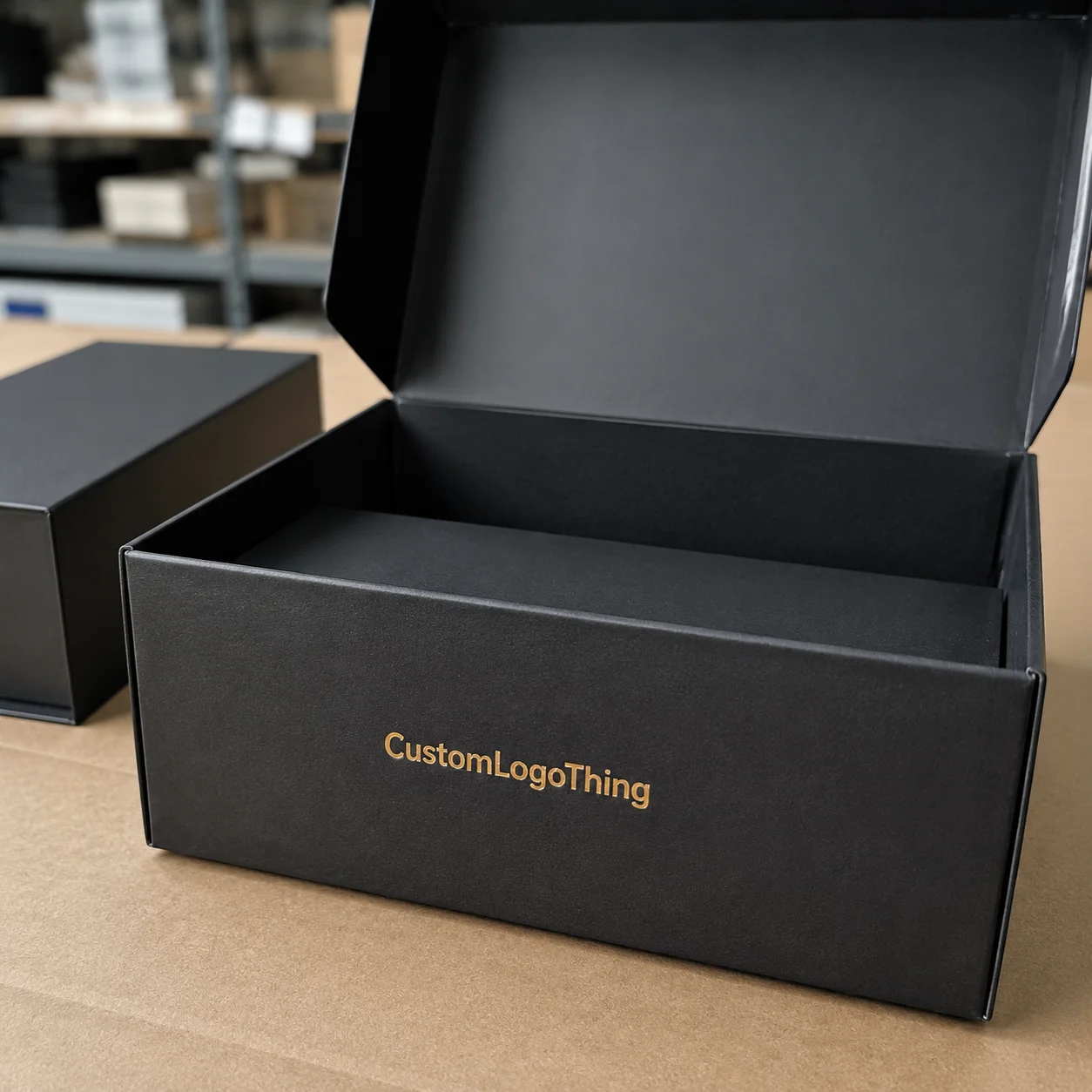
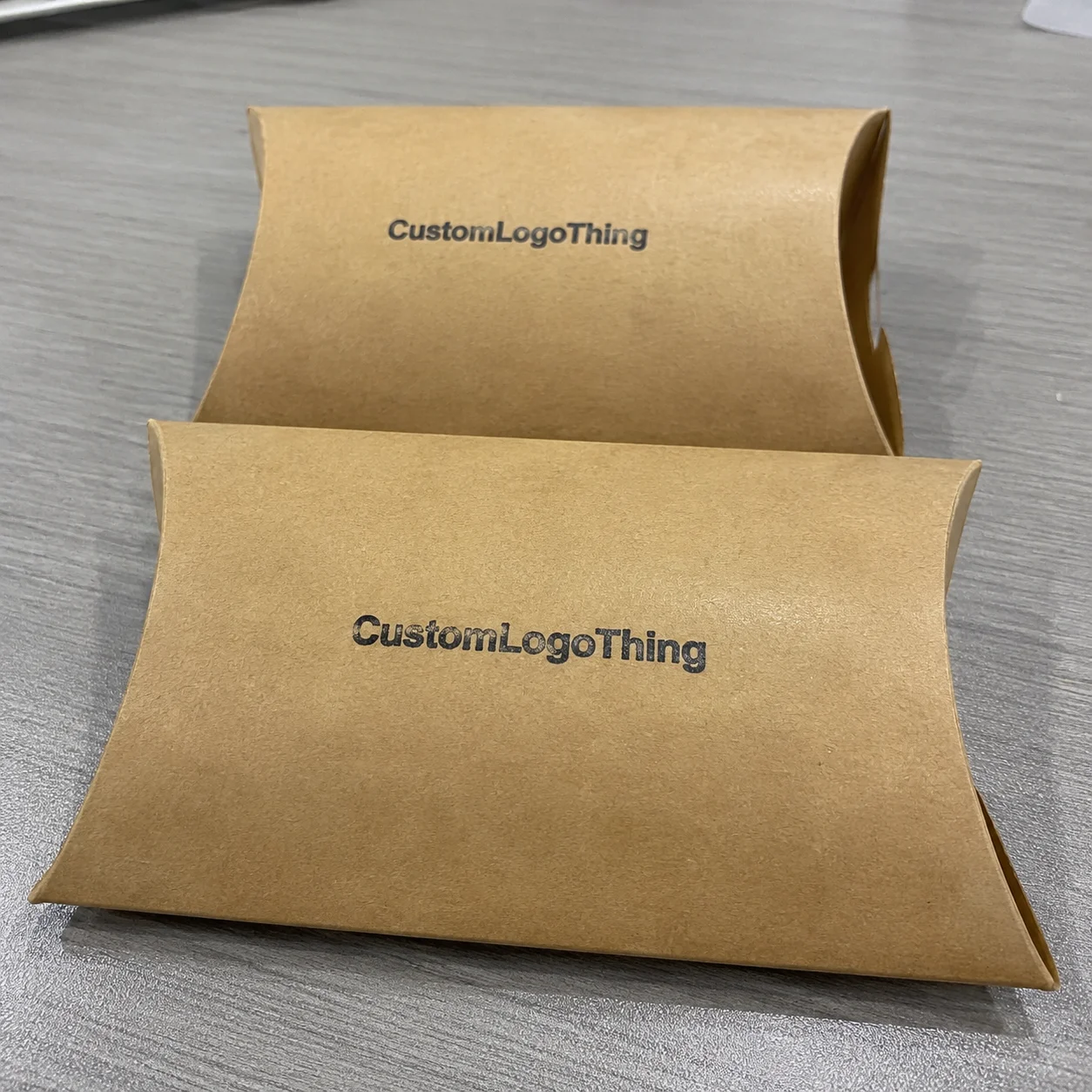
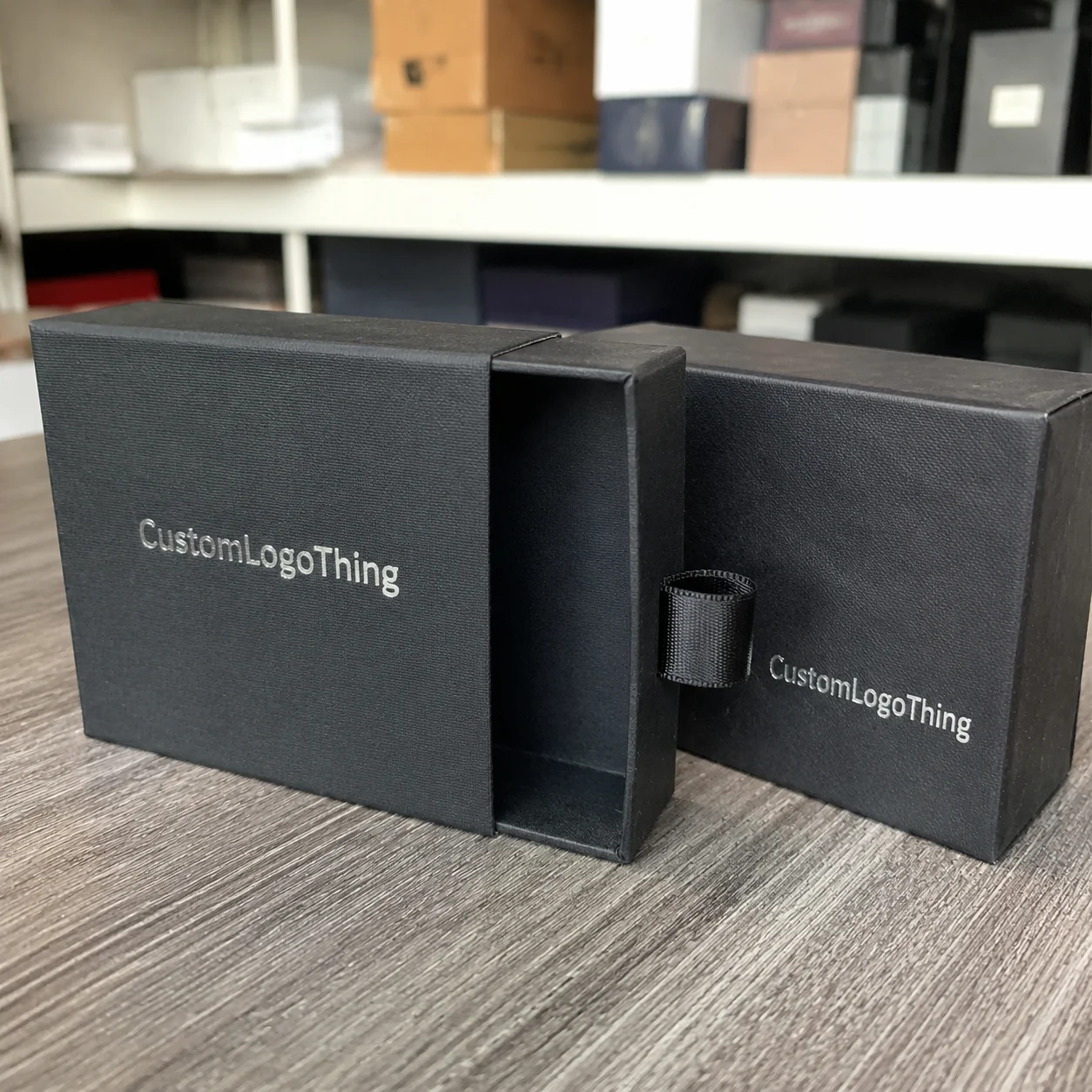
Common formats show up everywhere. I’ve seen rigid boxes used for luxury sets, tuck end cartons for standard retail runs, sleeve boxes for clean modern branding, and kraft mailer-style boxes for subscription or direct-to-consumer shipping. In each setup, personalized candle boxes with custom labels carry different weight. A rigid box says “gift.” A kraft mailer says “earthy, practical, maybe handmade.” A sleeve can do both if the structure is clean and the label is smart.
Here’s the honest version: this is about branding and function. If someone tells you packaging is only about aesthetics, they’ve probably never had to explain a broken jar to a customer at 9:15 a.m. after a transit failure. I have, and I can confirm it is not a cheerful email to write.
“Pretty packaging that fails in shipping is not premium. It’s expensive disappointment.”
How Personalized Candle Boxes with Custom Labels Work
The workflow for personalized candle boxes with custom labels starts with measurements. I mean exact measurements, not “about this tall.” You need jar height, jar diameter, lid style, shoulder curve if the glass has one, and whether you’re using tissue, foam, pulp, or paperboard inserts. After that, you pick the box structure, then the print method, then the finishing, then the labels, then the assembly and packing. Skip the order, and you’ll pay for it later.
Labels are usually the story layer. They can show the brand name, scent name, collection name, net weight, batch number, ingredients if needed, warnings, barcode, or a seasonal variant. On a candle line with six scents, I often recommend keeping the box structure consistent and changing the label artwork. That saves setup money and keeps the brand recognizable across the shelf and the website.
Material choices matter more than people expect. For the box, you’ll see paperboard around 300gsm to 400gsm for folding cartons, or chipboard around 1.5 mm to 3 mm for rigid styles. Kraft stock works well if the brand wants an earthy, low-gloss look. For finishing, matte lamination gives a softer, less reflective result; soft-touch coating feels nicer in hand but can show scuffs if the dark colors are heavy. Foil stamping and embossing add a premium touch, but they also add cost and setup complexity. Shocking, I know.
For the label, you need a stock and adhesive that can handle glass, friction, and the occasional oil residue from handling. I’ve seen beautiful labels fail because the adhesive was chosen like an afterthought. The label lifted at the corner after two days in warm storage. The client blamed the printer. The printer blamed the adhesive supplier. The adhesive supplier blamed the client’s candle formula. Everybody blamed everybody except the design brief, which was the real culprit. That kind of meeting is why I drink coffee before 9 a.m. now.
If you want the packaging to hold up, the box and label need to match on dimensions, color profiles, and production behavior. Color management is a big one. A deep forest green on the box can look rich and premium, but if the label prints slightly warmer, the product looks like two different brands. Adhesive strength matters too. So does label surface texture. A glossy label can resist rub better than an uncoated one, but it may clash with a matte premium box unless the design system accounts for that.
Print methods affect everything. Digital printing is ideal for short runs and fast changes. Offset printing becomes smarter at higher quantities because unit cost drops as volume rises. Flexographic printing is common for certain label applications, especially when you’re producing at scale and want repeatability. There isn’t one magic option. The right choice depends on quantity, artwork complexity, and whether your personalized candle boxes with custom labels need to support one scent or a whole product family.
For anyone building a bigger packaging lineup, I also point clients toward structured vendor planning. If you’re already sourcing Custom Packaging Products and need labels as a separate component, keep the specs aligned from day one. If not, you end up with three vendors arguing about who missed the dieline. That’s a fun meeting exactly once, and then nobody wants to relive it.
For standards, I like to keep one eye on packaging compliance and shipping performance. The ISTA testing standards are useful if your candles ship through e-commerce and need to survive drop and vibration tests. And if your brand is making eco claims, review EPA guidance so your sustainability language doesn’t drift into nonsense territory. I’ve seen “eco-friendly” used so loosely it practically needed its own warning label.
Key Factors That Affect Design, Cost, and Quality
Cost on personalized candle boxes with custom labels is driven by quantity, box style, material thickness, finishing, insert complexity, and label stock. If you order 5,000 folding cartons with basic CMYK printing and standard adhesive labels, your unit cost might be very manageable. Add rigid construction, foil stamping, embossing, and a custom insert, and the price climbs fast. Packaging math is rude like that.
Here’s a practical pricing logic example from projects I’ve handled:
| Packaging Style | Typical Unit Range | What Drives the Cost | Best For |
|---|---|---|---|
| Simple folding carton | $0.28–$0.62/unit at 5,000 pcs | Paperboard, standard print, no insert | Retail basics, entry-level candle lines |
| Kraft mailer-style box | $0.45–$0.95/unit at 5,000 pcs | Stronger board, shipping durability | DTC orders, subscription boxes |
| Rigid gift box | $1.20–$3.80/unit at 3,000 pcs | Chipboard build, wrap paper, premium finish | Luxury sets, holiday gifting |
| Label-only jar program | $0.06–$0.22/label depending on stock | Adhesive, finish, shape, print method | Simple candle collections |
MOQ behavior is another one people underestimate. Lower quantities almost always mean higher per-unit pricing because setup costs get spread across fewer units. A $180 label setup fee sounds fine until you only print 500 labels. Suddenly the math gets spicy. Same thing with box tooling and proofing. Personalized candle boxes with custom labels tend to look deceptively cheap in mockups and annoyingly expensive in real invoices.
Timeline matters too. A basic run might move from proof approval to production in 12 to 15 business days, but that assumes the dieline is final and the label artwork is clean. If you need sampling, structural revisions, foil testing, or color adjustments, add time. If your team keeps changing the scent lineup after proofs, add more time. I once had a client move three scent names after approval because “the holiday collection felt more festive” in the eleventh hour. The factory did not feel festive. Neither did I.
Branding choices affect both quality and cost. More ink coverage usually means more attention to drying and rub resistance. Dark matte stock looks rich, but it scuffs easier than lighter stocks. A tiny logo can look elegant, but if it disappears from three feet away, you’ve designed for a close-up, not a shelf. Typography matters too. If the scent name is the hero, don’t bury it under decorative script so fancy only the designer can read it. I’m all for beauty, but not if it makes the customer squint like they’re decoding a ransom note.
Shipping factors are the final piece. If the candle ships retail-ready, the box must survive handling, stacking, and compression. If it’s going into a mailer, the outer box and insert need to reduce movement so the jar doesn’t crack. I’ve seen beautiful packaging fail because it was designed like a boutique display and tested like a cardboard dream. Not the same thing.
For branded packaging projects, I always ask one question: is this box part of the display, the shipper, or both? That answer changes the board, the insert, the finish, and the label decisions. If you’re also exploring Custom Labels & Tags, keep the adhesive and finish spec tied to the jar surface, not just the artwork.
Step-by-Step: How to Create Personalized Candle Boxes with Custom Labels
Step one is measurements. Get the jar height, diameter, lid width, shoulder curve, and weight. If there’s a thick glass base, include that too. A 7 oz candle and a 14 oz candle may look close in photos, but the box footprint and insert depth can be wildly different. This is where personalized candle boxes with custom labels start becoming a real project instead of a mood board.
Step two is box structure. I choose rigid boxes when the candle is a premium gift item or part of a holiday set. I use folding cartons when the budget needs to stay tighter and the product will sit in a retail environment. Sleeve boxes work well when the brand wants a clean outer shell with a reveal moment. Mailer-style boxes are the obvious choice for shipping-first brands. None of these are “best” in the abstract. They’re best for a specific use case. Pretending otherwise is how teams end up paying for the wrong thing.
Step three is writing the label copy before the artwork gets polished to death. Put the brand name, scent name, net weight, warning text, barcode or SKU, and any regulatory lines in one document first. Then design around that content. If you do the pretty layout before the text is locked, expect line breaks, legal copy overflow, and a designer threatening to quit in silence. That’s a very real mood, by the way.
Step four is the visual system. For personalized candle boxes with custom labels, the box and label should feel like siblings, not distant cousins. Pick a color palette with enough variation to support seasonal scents, but keep one signature element constant: a logo placement, a border shape, a foil accent, or a type treatment. That’s how customers remember you. That’s package branding doing its job.
Step five is finishing. Matte lamination, soft-touch coating, spot UV, foil stamping, embossing, and debossing all create different sensory impressions. A candle brand selling vanilla, amber, or linen scents often benefits from soft-touch or matte because the tactile feel supports the mood. A bright citrus line may work better with crisp, glossy print and cleaner contrast. Pick finishes that match the product story, not whatever sample folder looked expensive.
Step six is sampling and proofing. I’m stubborn about this because I’ve seen too many brands skip it. Ask for a structure sample to confirm fit, a print proof for color, and label tests for adhesion and rub resistance. If the candle surface is curved glass, test the label on the actual jar. If there’s a fragrance oil that might contact the label during filling or handling, test that too. “Looks fine in PDF” is not a quality assurance method.
Step seven is approval. And I mean real approval. Check the fit, check the color, check the readability from arm’s length, and check the shipping behavior. Once the whole run is printed, every correction costs more. I’ve seen clients spend $600 fixing artwork after a full print run because the batch number text was too small to pass retail requirements. That’s the kind of mistake that teaches a person to love proofing.
Practical build order I use with clients
- Confirm jar dimensions and fill weight.
- Choose the box style and insert type.
- Lock the label content and compliance text.
- Build the visual system and dieline.
- Review physical samples, not just mockups.
- Approve production only after a real test fit.
When I visited a Shenzhen facility with a candle client in October, the operator showed me three “identical” sample boxes. One had a 1.5 mm board change that looked invisible in photos but created a loose fit in real life. That tiny difference made the jar rattle. So yes, structure matters. A lot. Tiny differences are packaging’s favorite way to become everybody’s problem.
Common Mistakes Brands Make with Personalized Candle Boxes with Custom Labels
The biggest mistake with personalized candle boxes with custom labels is sizing the box based on the jar alone and ignoring movement. A candle that fits in theory can rattle in reality. That makes the product feel cheaper and increases breakage risk. Add a 1-2 mm insert adjustment and suddenly the whole thing feels more intentional.
Another classic error is overdesigning the visuals and underdesigning the information hierarchy. Candle buyers need to know the scent quickly. They also need warning text, size, and sometimes a retail barcode. If the label is a wallpaper of flowers and cursive text, the product becomes pretty but annoying. I’ve seen people fall in love with package branding and forget that people actually have to shop from it. They do. Daily. With a hand on a cart and about four seconds of patience.
Label durability gets ignored constantly. Oils, moisture, warmth, and handling can ruin the wrong label stock. A matte paper label may look lovely on day one, then start lifting or smearing after a few weeks in a warm studio or warehouse. For personalized candle boxes with custom labels, the adhesive choice is not a side note. It is the thing.
Compliance and retail requirements get pushed to the end, which is where budgets go to die. If your candle needs warning copy, keep it readable. If it needs barcode placement, reserve room for it early. If you’re selling through retail packaging channels, your retailer may have size and scan rules that don’t care how nice your foil looks. Retail buyers are not sentimental about pretty mistakes.
Another problem is picking a finish because it photographs well, not because it handles well. Dark matte stock can show fingerprints and scuffs faster than some clients expect. High-gloss can show scratches. Soft-touch feels luxe, but in the wrong environment it can collect marks. I once had a client approve a near-black soft-touch finish after seeing one sample under showroom lights. The production boxes arrived, and every fingerprint had become a public event. I still laugh a little, mostly because I survived it.
Skipping prototypes is the last big one. If someone says, “We’ll fix it later,” I hear, “We’ll pay twice.” Factory visits taught me that the fastest way to waste $1,500 is to save $150 on a sample run. Personalized candle boxes with custom labels deserve physical testing because packaging behaves differently on a desk, in a truck, and on a retail shelf.
Expert Tips for Better Personalized Candle Boxes with Custom Labels
Use one signature design element across your collections. It can be a border shape, a foil mark, a logo lockup, or a type treatment. That consistency is what makes personalized candle boxes with custom labels instantly recognizable, especially when you add seasonal scents later. If every launch looks like a different company, customers need a decoder ring.
Test label adhesives against actual candle conditions: glass curvature, wax residue, shipping vibration, and temperature changes. I’ve watched labels perform beautifully in a cool office and fail miserably in a warm warehouse after 48 hours. The fix was a different adhesive and a slightly stronger film stock. Not glamorous. Very effective.
Balance premium and practical. A label that costs $0.18/unit can make a $14 candle feel like a $40 gift if the layout is clean and the typography is disciplined. You do not need to drown the box in decoration. Clean hierarchy, enough white space, and a good material choice will beat a busy design nine times out of ten. That’s not me being minimal for style points. That’s me having paid for enough bad print decisions to earn an opinion.
Ask for dielines, material swatches, and a sample run. Mockups are useful for direction, but they don’t show board stiffness, adhesive behavior, or how a foil line catches light. If you’re ordering through a supplier, I always recommend comparing the physical sample to the digital proof with real measurements, not eyeballing it over a laptop hinge.
Plan for growth. A smart candle packaging system should handle new scents without forcing you to rebuild everything. Keep the box structure stable and swap the label art or a sleeve panel as needed. That way you can launch a lavender variant, a holiday pine variant, or a limited-edition amber blend without redoing your entire product packaging stack.
Seasonal launches should be modular. Change the label, maybe adjust a belly band, and keep the base box unchanged if possible. That speeds up production and protects your margin. It also makes reorders easier, which your ops person will appreciate more than your design mood board.
If you’re buying multiple components, organize the order across one supplier or a tightly coordinated set of suppliers. That helps with lead times and color matching. For a wider sourcing strategy, many brands start by pairing custom printed boxes with matched labels so everything arrives from one coordinated spec sheet instead of five email threads and a headache.
Next Steps to Order Personalized Candle Boxes with Custom Labels
Start with a packaging brief. Include jar dimensions, fill weight, quantity, target budget, scent lineup, finish preference, and required compliance text. If you’re ordering personalized candle boxes with custom labels, your brief should also say whether the box is for retail display, shipping, gifting, or all three. That one detail changes more than people think.
Get 3 to 5 supplier quotes and compare more than unit price. Ask about tooling, sampling, lead time, insert options, label material, and whether they’ll help with dieline setup. A quote that looks $0.11 cheaper can end up more expensive once you add proof fees, plate costs, or a surprise label upgrade. I’ve seen suppliers quote beautifully on paper and absolutely creatively in the invoice.
Request a structure sample and a print proof before mass production. If possible, run a small pilot order. That gives you real data on fit, readability, finish performance, and shipping durability. For personalized candle boxes with custom labels, one physical sample is worth a hundred polished mockups. I’m not being dramatic. I’ve just seen too many “approved” files turn into expensive warehouse surprises.
Use a decision checklist. Confirm fit, color, readability, finish, and crush resistance. If any of those fail, fix them before production. The goal is a box and label system that works in real life, not just on a Pinterest board. If you need a broader packaging lineup, review our Custom Packaging Products options alongside the label spec so the whole system stays consistent.
If you want the short version, here it is: Choose the Right structure, keep the label readable, test the adhesive, match the colors, and approve only after a real sample passes. That’s how you build personalized candle boxes with custom labels that sell, ship safely, and feel premium without wasting money on avoidable reprints.
And if a supplier tells you a label issue can be fixed “later,” smile politely and ask them for the sample anyway. Later is where budgets go to disappear. Also, later is usually the moment everyone discovers they were “almost sure” about the measurements. Suspiciously convenient, right?
FAQs
How do personalized candle boxes with custom labels help sales?
They improve shelf appeal and make the candle feel giftable, which raises perceived value fast. They also help customers identify the scent, size, and brand story without digging through the package, and that cleaner shopping experience often supports repeat purchases and social sharing. I’ve watched a stronger label alone lift a product from “nice” to “I need the whole set.”
What’s the typical cost of personalized candle boxes with custom labels?
Cost depends on quantity, material, finish, label stock, and whether you need inserts or specialty printing. Simple folding cartons with basic labels usually cost less than rigid boxes with foil, embossing, or custom inserts, and small runs usually carry higher per-unit pricing because setup and proofing are spread across fewer units. That’s the part people forget right before asking why the sample quote looks so different from the final run.
What information should be on a candle label?
Include the brand name, scent name, net weight, and any required warning or safety text. Add barcode or SKU placement if the product will be sold in retail or fulfillment channels, and keep typography readable so the label works as both branding and product information. If the scent name needs a magnifying glass, the design needs another pass.
How long does it take to produce personalized candle boxes with custom labels?
Timeline usually includes dieline setup, proofing, sample approval, printing, finishing, and assembly. Lead time can stretch if the design changes after proofs or if the label material needs extra testing, so plan extra time for custom finishes, inserts, or color matching. A clean project can move quickly; a project with “just one more tweak” can wander for weeks.
What are the best materials for candle packaging and labels?
Paperboard works well for folding cartons, while rigid chipboard suits premium gift sets. Kraft is popular for natural or eco-focused brands, and coated stocks are better for crisp graphics. For labels, use a material and adhesive that can handle glass, oil residue, and handling without peeling. In my experience, the best material is the one that still looks good after shipping, storage, and a customer’s slightly greasy fingertips.