Buyer Fit Snapshot
| Best fit | Personalized Craft Beer Label Printing projects where brand print, material claims, artwork control, MOQ, and repeat-order consistency need to be specified before quoting. |
|---|---|
| Quote inputs | Share finished size, material target, print colors, finish, packing count, annual reorder estimate, ship-to region, and any compliance wording. |
| Proofing check | Approve dieline scale, logo placement, barcode or warning zones, color tolerance, closure strength, and carton packing before bulk production. |
| Main risk | Vague material claims, crowded artwork, missing packing details, or unclear freight terms can make a low unit price expensive after revisions. |
Fast answer: Personalized Craft Beer Label Printing: Print Tolerance, Proofing, and Reorder Cost should be specified like a repeatable production item. The safest quote records material, print method, finish, artwork proof, packing count, and reorder notes in one written spec.
Production checks before approval
Compare the actual filled-product size with the drawing, then confirm tolerance on folds, seals, hang holes, label areas, and retail display edges. Reserve space for logos, QR codes, warning copy, and material claims before decorative graphics fill the panel.
Quote comparison points
Review material grade, print process, finish, sampling route, tooling charges, carton quantity, and freight assumptions side by side. A quote is only useful when the supplier can repeat the same color, closure quality, and packing count on the next order.
Personalized Craft Beer Label Printing: What It Is and Why It Matters
I still remember standing beside a 12-head bottling line in a small brewery outside Milwaukee and watching a beautiful label curl up at the corners after the bottles came out of the cold room. The run was only 3,000 bottles, but the damage showed up fast: the labels had been printed on standard paper stock with a general-purpose adhesive, and the beer had spent 18 hours at 38°F before packaging. The artwork was sharp, the colors were rich, and the branding was smart, but the label choice never had a chance against condensation, glass texture, and a bottle shoulder that was just a little too aggressive. I remember looking at the owner and thinking, “Well, that design sure looked great on the laptop.” That kind of failure is exactly why personalized craft beer label printing matters so much: the label has to fit the beer, the package, and the line, not just the designer’s mockup on a screen.
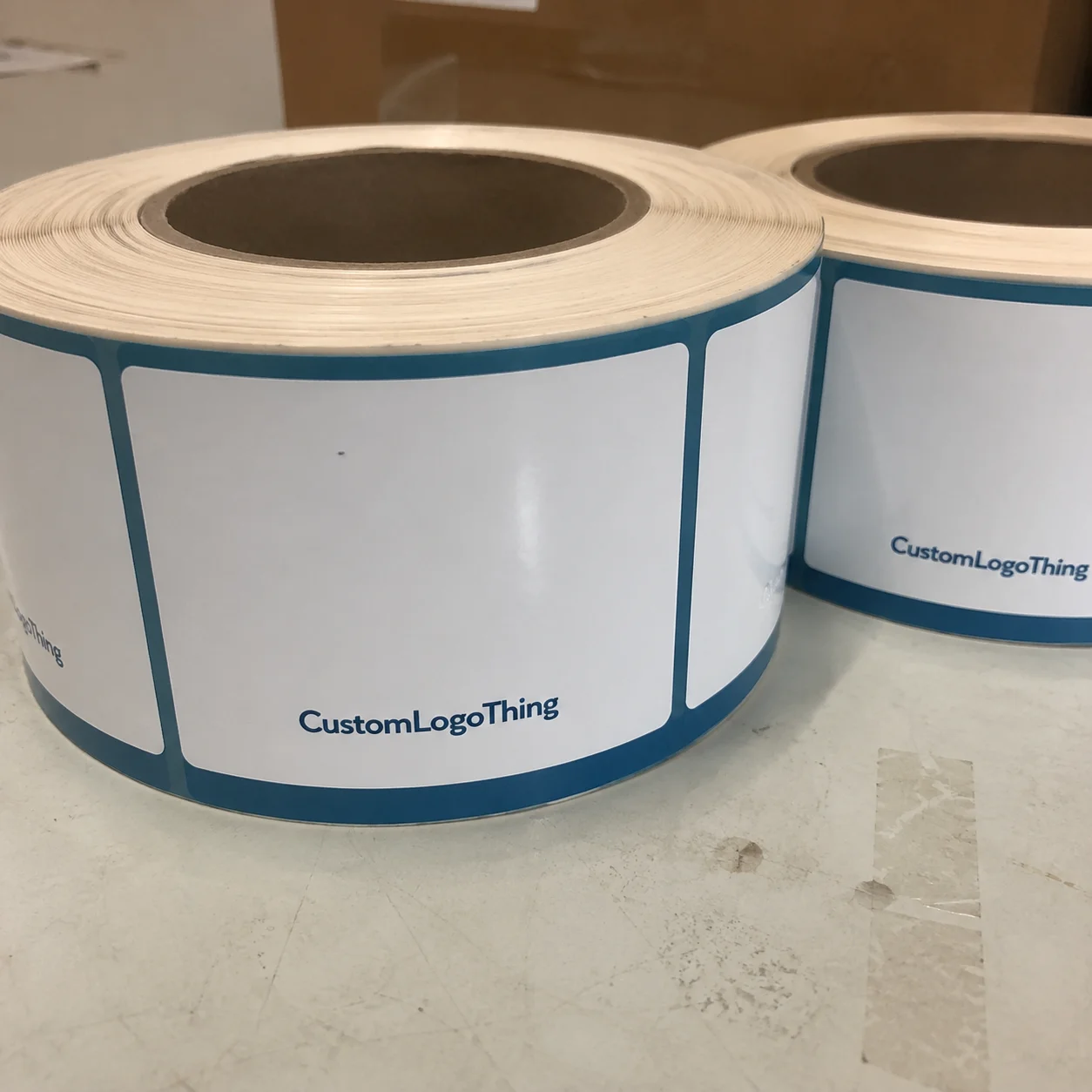
In plain language, personalized craft beer label printing means custom labels made specifically for a brewery’s brand, bottle type, can format, and application method. That might be pressure-sensitive labels on rolls for an automatic applicator, sheet labels for smaller manual runs, or specialty materials designed for shrink sleeves and cold-fill environments. The “personalized” part is not just the logo or flavor name; it includes the substrate, adhesive, die shape, finish, and how the label behaves once it hits a chilled bottle or a wet can. On a typical order, I’ll see requests for 2.5-inch-by-4-inch front labels on 12-ounce longnecks, 3.5-inch wrap labels for 16-ounce cans, or 2.75-inch oval labels for specialty 500 mL bottles. Honestly, that’s the part people forget until the labels start peeling like cheap stickers at a kid’s birthday party.
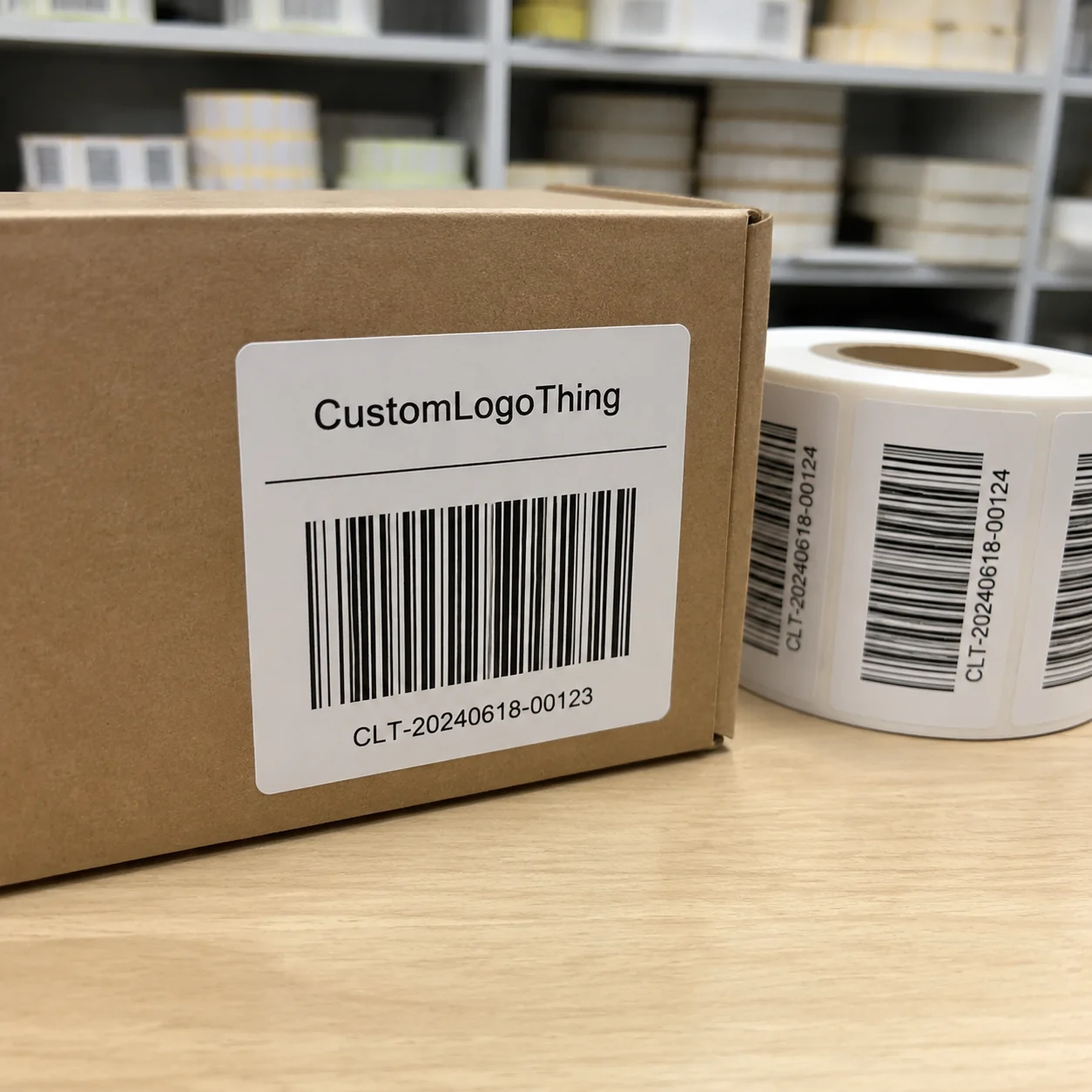
Labels do a lot more than decorate a package. They carry compliance details like ABV, net contents, government warnings, and sometimes distributor or ingredient information, depending on the market. They also signal quality before a customer ever opens the bottle. In a taproom cooler in Chicago, a clean label with good ink density and crisp registration builds trust fast, while a smeared or wrinkled one can make a solid beer look rushed. I’ve seen buyers in retail chains pick up one 4-pack over another simply because the personalized craft beer label printing looked more disciplined and easier to read from six feet away. That reaction is real, and it happens in about three seconds.
Most breweries work with a few common label formats. Pressure-sensitive labels are the workhorse for many bottle and can applications because they’re fast to apply and available in white BOPP, clear film, textured paper, and metallic stocks. Wraparound labels are still common on certain formats where the artwork needs to span a broader surface. Front-and-back label sets work well when the brand wants a cleaner front panel and a denser regulatory panel on the back. Then there are premium options like foil stamping, embossing, and soft-touch coatings, which can add real shelf presence if the beer sits next to dozens of similar SKUs. A recent premium run I reviewed in Portland, Oregon used 350gsm C1S artboard with a matte laminate and gold foil on the logo, and the shelf impact was obvious from across the room. I’m partial to that kind of finish when the beer deserves it, though I’ve also seen brands spend too much on shine when the recipe itself needed more love than the packaging.
Here’s the practical part: if you understand personalized craft beer label printing early, you can avoid a lot of expensive rework later. That includes choosing a label stock that survives refrigeration, lining up the size with the bottle’s curves, and planning the print format around your filling schedule. On a standard digital label job in Shenzhen or Dongguan, Guangdong, a straightforward proof cycle can move from file check to print-ready approval in 2 to 4 business days, while a complex domestic order in the Midwest may need one extra round of sampling. I’ll walk through the production steps, the pricing drivers, the mistake patterns I’ve seen on factory floors, and the choices that matter most when you want labels that look sharp, stick well, and actually help sell beer.
How Personalized Craft Beer Label Printing Works
The workflow usually starts long before ink ever touches a press plate. A brewery sends artwork, bottle or can specs, label dimensions, and application details. Then a packaging team reviews the file for bleed, safe zones, barcode contrast, and whether the design fits the real package geometry. With personalized craft beer label printing, that first technical review saves everyone time, because a label that looks fine in Adobe Illustrator can still fail on a 12-ounce stubby bottle with a narrow panel and a lot of condensation. I’ve had to explain this more times than I can count, usually after someone falls in love with a pretty layout that simply refuses to behave on the actual container. A 1.5 mm shift in safe zone may not sound dramatic, but on a curved bottle it can make the entire front panel feel off-center.
Once the artwork is approved for setup, the printer chooses the production route. For shorter runs, fast seasonal releases, or multiple flavor variants, digital printing often makes sense because setup is lighter and versioning is easier. For larger repeat orders, flexographic printing can be more efficient and economical, especially when the brewery wants consistent color across thousands of labels. On a 5,000-piece label order, I’ve seen digital pricing around $0.15 to $0.24 per unit depending on finish and substrate, while a larger 20,000-piece flexo run can land closer to $0.08 to $0.13 per unit before special effects. On some jobs, offset printing appears in the conversation for very specific paper-based applications, though for beer labels the process choice usually comes down to digital versus flexographic depending on quantity, finish, and substrate.
Color control is a big deal. A good label house will work in CMYK for process builds, then add spot color when a brand red, gold, or deep black needs to stay consistent across reorders. I’ve had client meetings where a brewery brought in three different labels from three different vendors, and the same logo red looked like three separate brands because no one had standardized the color target. That is a common problem with personalized craft beer label printing, and it usually shows up first on metallics, dark solids, and tiny type. A Pantone 186 C built as a dedicated spot ink will usually hold better across a 10,000-label reorder than a loose CMYK approximation. It’s the sort of thing that makes me want to bang my head gently on a pallet (for legal reasons, I’m kidding).
Substrate selection happens very early in a serious job. White BOPP is popular because it handles moisture well and gives strong contrast. Clear film is useful when the brewery wants a “no-label” look on glass or a cleaner premium feel on certain cans. Textured paper can work beautifully for heritage-style brands, but I would not recommend it for every refrigerated application. A label printed on 90gsm textured paper may feel elegant in a dry tasting room in Asheville, North Carolina, but it is a risky choice for a beer that will sit in a 36°F cooler for three weeks. Metallic stocks and pearlescent facestocks bring their own visual energy, while permanent and removable adhesives need to be matched to the bottle finish, storage conditions, and whether the label must stay put through ice buckets and distribution.
After print comes print finishing, which is where a plain label becomes a brand asset. A matte varnish gives a quieter, more natural look. Gloss coating can make graphics pop, especially on saturated craft beer artwork. Lamination adds protection against scuffing and moisture. Hot foil stamping can help a limited release stand out. Spot UV creates tactile contrast on logos or flavor icons. Die cutting shapes the final piece so it hugs the package correctly. On a 350gsm C1S artboard carton label or a premium neck tag, the finishing room is where you can really see the difference between ordinary packaging and a label that feels intentionally engineered. One brewery in Melbourne, Victoria, used a satin laminate with raised foil on a winter stout label, and that 0.4 mm tactile lift did more for brand perception than a whole week of social media posts.
For breweries that run automatic applicators, orientation matters too. Roll direction, unwind direction, gap spacing, core size, and roll diameter all need to match the machine. I once watched a canning line in a mid-sized brewery lose nearly 40 minutes because the label rolls were wound opposite the applicator’s expectation, which created a simple but costly stoppage. Everyone acted like it was some mysterious line problem, but it was just the labels being loaded backwards. That kind of thing is why personalized craft beer label printing should always be coordinated with the line, not treated as a standalone graphic purchase. If your applicator expects 3-inch cores and the printer ships 1-inch cores, the machine will tell you about it in the least polite way possible.
Packaging and compliance also play together here. If you need to understand how the labeling piece fits into your broader production setup, I’d suggest reviewing Manufacturing Capabilities alongside your material and finishing options. For breweries that also need neck tags, carton labels, or promotional labels, Custom Labels & Tags can be part of the same planning conversation, which often reduces confusion later when multiple SKUs are moving through the same shop. On a busy line in Louisville, Kentucky, a shared label plan can save 15 to 20 minutes per changeover, which is not glamorous but absolutely useful.
Key Factors That Affect Quality, Durability, and Cost
Material choice is usually the first factor I look at when someone asks why one quote is higher than another. In personalized craft beer label printing, the face stock and adhesive can make or break the project, especially if the beer goes through a cold chain, gets packed into ice buckets, or sits in refrigerated retail doors for days. A paper label might be perfectly fine for a dry, short-distribution local release, but if the bottles are going to get wet, scraped, and handled by bar staff with damp hands, I’d push hard toward a moisture-resistant film. Otherwise, you end up paying twice: once for the label and again for the apology tour. In a Minneapolis test run I saw, a standard paper label began edge-lifting after just 6 hours in a 34°F cooler, while a white BOPP version stayed flat after 72 hours.
Cost is driven by more than just quantity. A 5,000-piece run with one color and a simple rectangle will price very differently from a 5,000-piece run with foil, embossing, a custom die shape, and three separate flavor versions. In practical terms, I’ve seen white BOPP pressure-sensitive labels land around $0.12 to $0.22 per unit at moderate volumes, while a premium multi-finish label can move much higher depending on setup and complexity. If you want a concrete benchmark, a 5,000-label order on 60# paper with a single spot color and matte varnish might come in around $0.15 per unit, while the same quantity with hot foil and a custom contour die could jump to $0.28 or more. That range changes with order size, but it gives you a sense of how personalized craft beer label printing behaves once you add special effects and multiple SKUs.
Artwork complexity matters more than most people expect. Fine type, dense black backgrounds, metallic ink effects, overprints, and intricate regulatory panels all influence setup time and risk. If your label includes a tiny barcode at the bottom, the printer has to confirm it still scans cleanly after varnish or lamination. If your design uses a lot of rich CMYK blends, color consistency gets harder, especially across reorders. This is where spot color can be worth the extra planning because a dedicated ink formula often holds brand-critical hues better than a pure process build. A 7 pt barcode set on a reflective silver stock in particular needs a healthy quiet zone and strong contrast, or your retail scanner will complain like it pays taxes.
There’s also a line-item effect from dielines and versioning. A simple square label is cheaper to die-cut than a custom contour with internal cutouts or multiple tear features. If you need three seasonal variants, plus one core SKU, plus a taproom-only release, the printer has to manage more plates, more proofing, and more scheduling. In a flexographic environment, that can mean additional setup and make-ready time. In a digital environment, it can still mean more prepress checks and more carton labeling coordination. A brewery in Nashville once cut unit cost by nearly 11% simply by moving from four unique die shapes to two shared label formats across six beers.
Adhesive performance is one of those things that looks invisible until it fails. A permanent adhesive that works on one bottle glass finish may not behave the same on another. Some clear bottles have a coating or surface energy profile that changes bond behavior. Some matte cans are easy; some are not. If labels are applied by machine, tack speed matters because the label needs to anchor instantly. If they’re hand-applied, workers may need a little repositionability, especially on small taproom runs where mistakes happen at the packing table. Honestly, I think adhesive selection gets ignored far too often in personalized craft beer label printing, and that’s usually where the field failures begin. A label adhesive rated for 32°F service and wet application is not overkill if your beer spends two weeks in a refrigerated warehouse in New Jersey.
Compliance is not glamorous, but it absolutely affects perceived quality. A label that omits ABV, net contents, or proper warning copy can become a reprint problem fast. UPC readability also matters if the beer goes into retail. Depending on the market, ingredient statements and distributor data may be necessary too. I always tell breweries that good compliance is part of good branding, because nothing undermines a premium package faster than a legal panel that looks squeezed into the corner at the last minute. If the label is meant for export, add extra time for country-specific language and market-by-market approvals, because those edits can add 2 to 5 business days all by themselves.
For authority and material standards, packaging teams often look to respected industry references and testing bodies. ISTA’s distribution testing guidance is helpful when you’re worried about shipping damage or label scuffing during transit, and organizations like the International Safe Transit Association and the Institute of Packaging Professionals provide useful context for material selection, transport stress, and package performance. If a beer is going through humid storage or long freight lanes, I’d rather test and verify than guess. A label that survives a 1-meter drop test, two freeze-thaw cycles, and 48 hours in 90% relative humidity is usually a safer bet than one chosen because it looked cute in a PDF.
| Label Option | Typical Use | Approx. Unit Cost Range | Durability | Best For |
|---|---|---|---|---|
| Paper pressure-sensitive | Dry, short-distribution releases | $0.08–$0.15 | Moderate | Taproom-only, low moisture |
| White BOPP film | Standard bottle and can runs | $0.12–$0.22 | High | Refrigerated retail, general distribution |
| Clear film | Premium “no-label” look | $0.14–$0.26 | High | Glass bottles, minimalist branding |
| Textured or specialty stock | Heritage or premium brand stories | $0.18–$0.35 | Moderate | Limited releases, gift packs |
| Foil/embellished label | Premium shelf impact | $0.25+ | High, if protected | Flagship launches, seasonal hero SKUs |
Step-by-Step Process for Ordering Personalized Craft Beer Label Printing
The cleanest orders I’ve ever seen usually start with a complete information packet. Step one is gathering bottle or can specs, label dimensions, application method, and storage conditions before design begins. If you already know whether the package is a 12-ounce longneck, a 16-ounce can, or a small specialty bottle, the label layout can be engineered correctly from the start. That matters in personalized craft beer label printing because the exact fit determines whether the package looks polished or awkward. A label with a 0.125-inch bleed and a 0.0625-inch safe zone might sound fussy, but it prevents text from falling into a curve or seam that eats the brand edge.
Step two is artwork setup. The files need bleed, safe zones, and color profiles that reflect the actual print method. I’m always surprised how many breweries send a beautiful PDF that still misses the proper dieline by a few millimeters. On a 2.75-inch-wide front label, that can be the difference between centered branding and a logo that feels cramped against the edge. If you’re using CMYK plus spot color, make sure the print team knows which elements are process builds and which are fixed brand inks. A label made for Atlanta with a specific Pantone orange should not get “close enough” treatment from a random RGB export.
Step three is material recommendation. A label printer worth listening to will ask about cold storage, wet handling, transportation distance, and whether the bottles or cans will live in retail coolers. If the beer will sit in ice, a film face stock and moisture-resistant adhesive are usually safer than plain paper. If the brand wants a tactile premium finish, we may recommend a soft-touch varnish or a matte laminate, but only if the surface will still perform under normal handling. That’s the kind of practical balance that makes personalized craft beer label printing effective instead of just pretty. A 48-hour pack-out in a wet environment will punish the wrong stock immediately.
Step four is proof review. This is not the moment to skim. Check every line of legal copy, barcode placement, color callouts, and finish notes. If you have state-specific warnings or distributor text, verify those too. Some breweries request a sample label or press proof for a premium line, especially when foil, clear film, or unusual stock is involved. I’ve seen one brewery catch a barcode that printed too close to a reflective gold panel, which would have caused scan issues in a retail system. That one proof saved them a reprint and a missed launch date. A decent proof check can also catch a typo in the net contents line before 10,000 labels are sitting in a carton in California, mocking everyone involved.
Step five is scheduling and delivery. The production timeline should fit your filling or canning day, not the other way around. A simple digital run with standard materials might take 7 to 10 business days from proof approval to shipment. A more involved flexographic order with custom dies, specialty coating, and multiple versions can run 12 to 15 business days or longer. If you need rush service, expect the schedule and price to reflect it. The best personalized craft beer label printing plans are built around the actual brewery calendar, including tank turns, mobile canning visits, and taproom launch events. If your canner is scheduled for July 18 in Denver, do not approve artwork on July 12 and hope for the best.
There’s also a packaging discipline piece that gets overlooked: packing format. Roll orientation, core size, carton count, and case labeling should be confirmed before the truck leaves the plant. If the labels are being shipped to a co-packer, include their receiving instructions and machine specs. A label arriving in the wrong unwind direction is a small paperwork issue that can become a half-day stoppage on the line. And yes, someone usually ends up standing there with a roll in one hand and a headache in the other. A good receiving sheet should spell out 3-inch cores, 8-inch outer diameter limits, and the correct unwind direction so the plant does not have to play detective at 6:30 a.m.
Common Mistakes Breweries Make With Personalized Craft Beer Label Printing
The first mistake is designing for the monitor instead of the bottle. A beautiful mockup can hide the fact that a label is too wide for a curved shoulder, too tall for a recessed panel, or too close to the seam on a can. I’ve seen brands lose a lot of visual strength because the key artwork got stretched by a few percent during production. In personalized craft beer label printing, those little dimensional issues show up immediately once the package leaves the artboard and meets real glass or aluminum. A 0.2-inch misread on the dieline can turn a sleek label into a cramped one without warning.
The second mistake is choosing a label material based on price alone. I understand the pressure, especially for smaller breweries watching every penny, but the cheapest face stock is not always the cheapest total outcome. If the label peels in the cooler or scuffs in shipment, the brewery pays again in reprints, labor, and brand damage. A better material at $0.03 more per unit can be the smarter move, particularly for flagship SKUs that appear in stores every week. Spending an extra $150 on a 5,000-label run is usually cheaper than scrapping half the pallet after a distribution test in Boston.
The third mistake is overlooking the adhesive and application method. Hand application gives you some forgiveness, but a machine-applied line needs consistent roll specs and tack behavior. A label that slowly grabs the bottle may be fine on a table, but on a high-speed applicator it can skew or wrap unevenly. That’s why the technical side of personalized craft beer label printing matters so much; the label has to perform at line speed, not just look good in a sample deck. If the applicator runs 90 bottles a minute, the label cannot act like it is doing everyone a favor by thinking about it for half a second.
The fourth mistake is approving proofs too quickly. I’ve watched a team sign off on a label with a legal line missing one market-specific word and a UPC that was placed too close to a metallic block. Those errors cost time, money, and a lot of frustration. Review the copy, the barcode contrast, the flavor naming, and any distributor or importer text. If you’re selling across multiple states or channels, compare each version carefully because small regulatory changes can force separate label versions. A 50-case pilot can hide a problem that becomes painfully obvious when the 20,000-unit reorder is already on press.
The fifth mistake is changing the brand too much from one release to the next. Seasonal beers should feel fresh, but if the typography, logo position, and color palette shift wildly every time, customers can lose track of the family resemblance. I worked with one taproom that had a strong core brand but three seasonal labels that looked like three different companies. Once we tightened the system, their shelf recognition improved noticeably. That’s a quiet but very real benefit of disciplined personalized craft beer label printing. Customers should be able to spot the brewery from four feet away in a crowded cooler in Philadelphia, not decode a new design language every quarter.
There’s a sixth problem I see often: underestimating lead times for specialty finishes. Foil stamping, embossing, unusual die shapes, and multiple SKUs all add scheduling complexity. If a brewery wants a launch on a Saturday and sends final art on the previous Thursday, the printer is suddenly asked to compress artwork, proofing, material sourcing, and finishing into a window that was never realistic. The result is usually stress, not quality. I’ve watched people try to fix a timing problem with optimism, which is adorable right up until the truck is late. A stamped foil job in Suzhou or Dongguan can be fast, but only if the dieline, plate order, and approval chain are finished before the calendar starts yelling.
“The labels were beautiful, but we lost a full hour on the line because the rolls were packed in the wrong unwind direction. Since then, I ask for the machine specs before I even look at the artwork.”
Expert Tips for Better Results, Smarter Pricing, and Faster Turnaround
If I had to give one practical rule for personalized craft beer label printing, it would be this: choose the label material first, then design around it. That order keeps everyone honest. Once you know whether the label is paper, BOPP, clear film, or a specialty stock, the designer can shape the layout, finishes, and typography so the package works in the real world. A label built around the substrate is far less likely to fail in cold storage or lose visual strength after handling. That one decision can save you a second proof round and at least 2 business days.
For better pricing, consolidate whenever you can. If your IPA, stout, and seasonal lager can share a common label size or a common base layout with variable panels, you’ll usually avoid extra setup and simplify inventory. That does not always work, especially when the bottle lineup is mixed, but it is worth asking. I’ve seen breweries save meaningful money by standardizing label width across three SKUs and only changing the graphics panel. That kind of planning helps personalized craft beer label printing stay efficient without making the brand feel repetitive. On a 10,000-label order, shared tooling can trim both setup time and shipping carton waste.
Another useful tactic is to plan seasonal artwork earlier than you think you need to. If the art is ready 4 to 6 weeks before launch, there’s room for proof corrections, material verification, and any last-minute legal adjustments. If the design lands late, everything becomes expensive faster. Rush fees are rarely arbitrary; they usually reflect make-ready disruption, expedited freight, or overtime in prepress and finishing. In practical terms, a rush order from a facility in Dallas to a co-packer in Phoenix might add 10% to 20% to the total because someone has to move faster than the normal queue.
Physical samples are worth asking for when the line is premium or the finish is unusual. A press draw, drawdown, or sample roll can tell you more than a PDF ever will. Foil can look stunning under showroom lighting and still be too reflective for a retail scanner. Soft-touch can feel luxurious and still show marks if the carton rubbing is heavy. I prefer to verify those things early, because a small test is far cheaper than a warehouse full of reprinted labels. That’s especially true in personalized craft beer label printing, where the brand payoff is often tied directly to the tactile experience. A sample sent to the brewery in Portland, Maine and run through the actual applicator is worth far more than a polished mockup in a presentation deck.
Set up a recurring approval process for legal copy and barcodes. If the same UPC, government warning, and base structure appear on every release, create a master file and change only the flavor-specific text. It sounds minor, but it reduces approval fatigue and helps prevent mistakes from creeping in with each revision. Breweries that treat the regulatory panel as a controlled asset tend to move faster and with fewer surprises. A master label file in one folder and a release-specific change sheet in another can cut internal sign-off time from 3 days to 1 day.
Choose a printer that understands brewery workflow. A shop that handles taproom rushes, co-packer schedules, and distribution runs is less likely to trip over the basics. They’ll know how to pack rolls for filling day, how to label cartons for receiving, and how to handle reorders when a seasonal beer sells faster than expected. In my experience, the best results come from vendors who ask practical questions about the line, not just the logo. That is usually a good sign that personalized craft beer label printing will be matched to your actual operations rather than your hopes. If they ask for applicator brand, bottle diameter, and expected weekly volume on the first call, that’s a clue they’ve been burned before too.
And if sustainability matters to your brand, ask about FSC-certified paper options where appropriate and verify whether the packaging configuration supports lower waste. For broader material and environmental context, the U.S. Environmental Protection Agency’s sustainable materials management resources are a sensible starting point, especially if your team is comparing paper, film, and shipping impacts. Sustainability claims should always be accurate, documented, and supported by the actual supply chain. A label made in Taiwan or Ontario can still be a smart environmental choice if the substrate weight, freight distance, and rejection rate are all considered honestly.
What to Do Next: Build a Label Plan That Fits Your Beer and Your Line
The cleanest next step is simple: build a label plan that starts with the package, not the artwork. List your bottle or can sizes, label dimensions, application method, cold-storage conditions, and how many versions you need. If you have one flagship stout, two rotating IPAs, and a taproom-only sour, the plan should account for all three before production starts. That is where personalized craft beer label printing becomes a planning tool instead of just a purchase order. A one-page spec sheet with bottle diameter, label width, and expected monthly volume can save hours later.
Gather your current artwork, legal text, barcode files, and brand standards in one folder before you request a quote or proof. If you can provide bottle or can specs, even better. The more complete the intake, the less guesswork the printer has to do on substrate and finish recommendations. I’ve sat in plenty of meetings where half the delay came from chasing down the latest logo file or the right net contents line, and those delays are easy to avoid if the information is organized early. If your team uses a shared drive, name the files clearly: final_art_v03, not “beer label final final really final.”
Then compare material options based on the actual environment. If the labels will live in wet coolers, ask for moisture-resistant film options. If the goal is premium shelf appeal, review soft-touch, matte lamination, or foil accents. If the order volume is high and steady, flexographic printing may be the better economic fit. If the launch is small, fast, or version-heavy, digital printing might be the better match. The right answer depends on your beer, your line, and your growth pattern, not on a generic rule. A 2,000-piece taproom release in Tampa and a 50,000-piece distributor order in Ohio do not deserve the same label strategy.
Make a timeline that includes design, proofing, sample review, production, and delivery. A good schedule prevents label arrival from becoming the bottleneck on filling day. I have seen breweries spend weeks perfecting a recipe and then run into trouble because the labels landed two days late. That problem is preventable, and it is one of the reasons I keep pushing for earlier label planning in personalized craft beer label printing. If the canning date is June 14 and the labels need 12 to 15 business days from proof approval, back up the calendar and give yourself breathing room.
Before you sign off, use a simple checklist:
- Does the label fit the bottle or can panel with proper bleed and safe zones?
- Is the substrate appropriate for wet, cold, or high-abrasion handling?
- Are the barcode, ABV, net contents, and warning copy correct?
- Have you confirmed roll direction, core size, and packing format for the applicator?
- Does the finish support the brand without risking readability or durability?
If all of those answers are yes, you are in good shape. If a few are no, that is the time to slow down and fix them before the run starts. Good personalized craft beer label printing should support the beer, the brand, and the production line all at once. When it does, the package feels confident in hand, it survives the cold room, and it earns its place on the shelf or at the taproom bar. That is the whole point, really, and it is not complicated once the details are treated like details instead of decoration.
FAQ
What is personalized craft beer label printing used for?
It is used to create custom labels for beer bottles and cans that match a brewery’s brand, legal requirements, and packaging format. It also helps breweries improve shelf appeal, communicate product details clearly, and present a consistent look across flagship and seasonal releases. A 12-ounce bottle label and a 16-ounce can label usually need different dielines, different adhesives, and different finish choices, even if the logo stays the same.
How much does personalized craft beer label printing usually cost?
Pricing depends on quantity, material, print method, colors, finishes, die-cut shape, and whether you need multiple SKUs. Short runs and specialty finishes usually cost more per label, while larger repeat orders typically reduce the unit price. For example, a simple pressure-sensitive run may be around $0.15 per unit for 5,000 pieces, while a foil-stamped, multi-version premium release can reach $0.28 or more per unit. The final number also changes based on whether the labels are printed on paper, white BOPP, or clear film.
How long does personalized craft beer label printing take?
Most timelines include artwork setup, proof approval, production, finishing, and shipping, so planning ahead matters. Rush needs, special materials, custom dies, and multiple version approvals can extend the schedule. A straightforward order might move in about 7 to 10 business days after proof approval, while a more complex premium order can take 12 to 15 business days or longer. If the run includes foil, embossing, or multiple flavor versions, I’d plan toward the longer end and leave a few extra days for receiving.
What material is best for beer labels in cold or wet conditions?
Water-resistant films like BOPP or other moisture-tolerant stocks are often better than standard paper for refrigerated or ice-bucket use. The best choice also depends on adhesive strength, bottle surface, and how the labels will be applied, because even a strong facestock can fail if the adhesive is not matched to the package and environment. For a cold-chain beer packed in a 34°F cooler, a white BOPP label with a permanent moisture-resistant adhesive is usually a safer starting point than a paper stock.
What files do I need before ordering personalized craft beer label printing?
Have print-ready artwork, barcode files, legal text, dimensions, and any brand standards ready before you request a quote or proof. If possible, provide bottle or can specs and information about storage conditions so the printer can recommend the right material and finish without guesswork. A complete file set should also include the die line, preferred finish notes, and the applicator model if the labels will be machine-applied.
Done well, personalized craft beer label printing does more than decorate a bottle; it protects the brand, supports the line, and helps the beer sell with confidence. I’ve seen it in small taprooms, regional breweries, and co-packing plants alike: when the label is chosen with care, the whole package feels more credible, and that credibility is often what turns a casual glance into a purchase. In places like Milwaukee, Portland, and Chicago, the best labels are the ones that survive the cold room, fit the bottle, and still look good after a few hands have touched them.
The actionable takeaway is straightforward: start with your container specs, storage conditions, and applicator requirements before you approve artwork. If those three pieces are locked in, personalized craft beer label printing becomes a controlled part of production instead of a last-minute scramble. And that’s a whole lot better than discovering the problem when the line is already running.