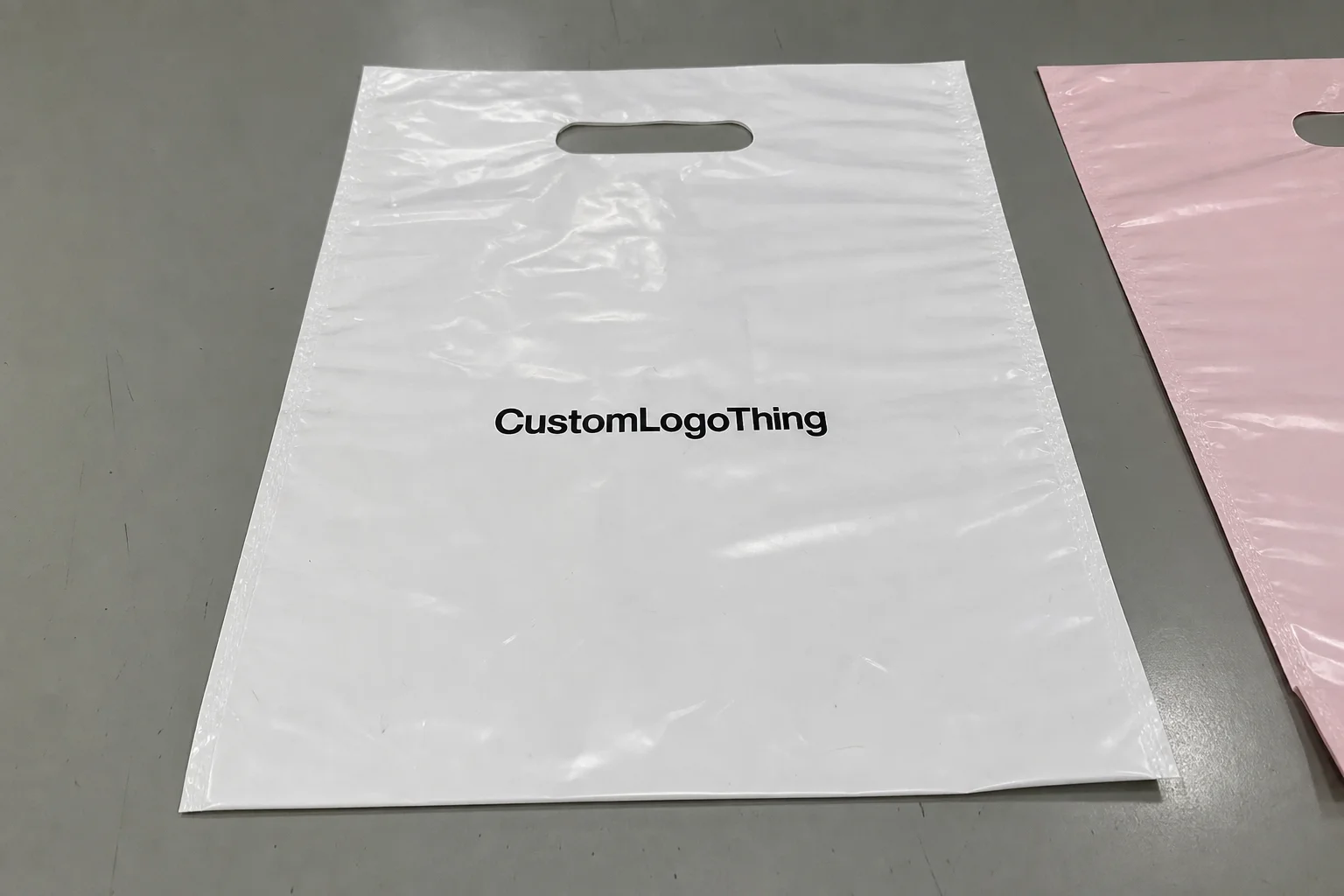
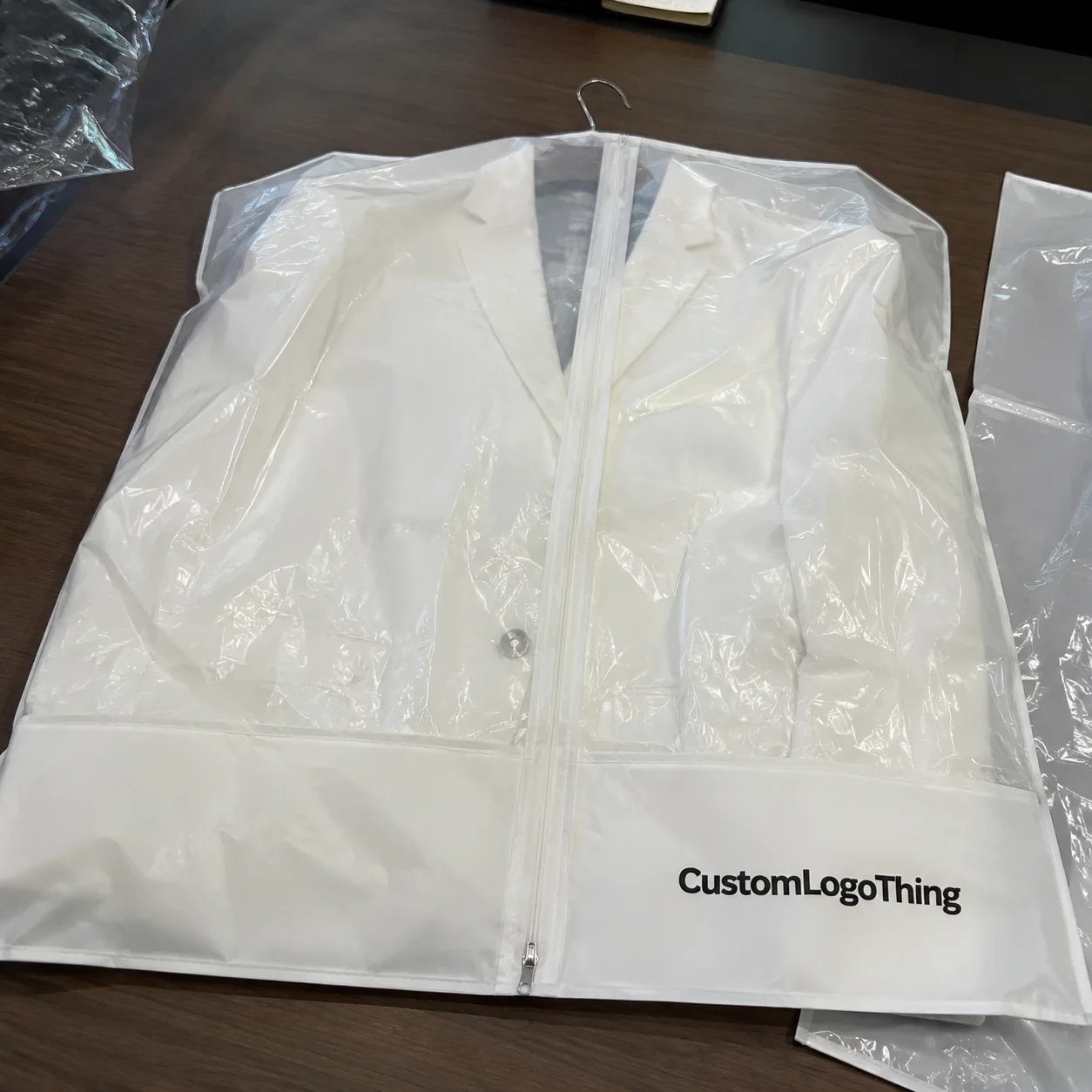
Personalized grocery bags do a job that is easy to underestimate. They carry purchases, but they also carry the store’s reputation for the next five minutes, the next week, and sometimes much longer if the customer reuses the bag. That second function matters more than most buyers admit. A bag that holds up and prints cleanly can make a small operation feel more organized, while a flimsy one can make even a polished brand look careless.
Buyers usually begin with price and end up worrying about durability, print clarity, load capacity, and whether the bag will actually fit the checkout mix. That order is correct. A low-cost bag that tears under a carton of milk and canned goods is not a bargain; it is a complaint waiting to happen. On the other hand, an oversized heavy-gauge bag can waste money if the store only needs a light carry-out solution.
The practical view is simple: choose the bag that matches your product mix, your checkout pace, and the way customers actually carry purchases. Design matters, but so do thickness, handle strength, and the quality of the proof. Those details determine whether personalized grocery bags become a useful brand tool or another line item that never quite earns its keep.
Personalized grocery bags: what they are and why stores use them
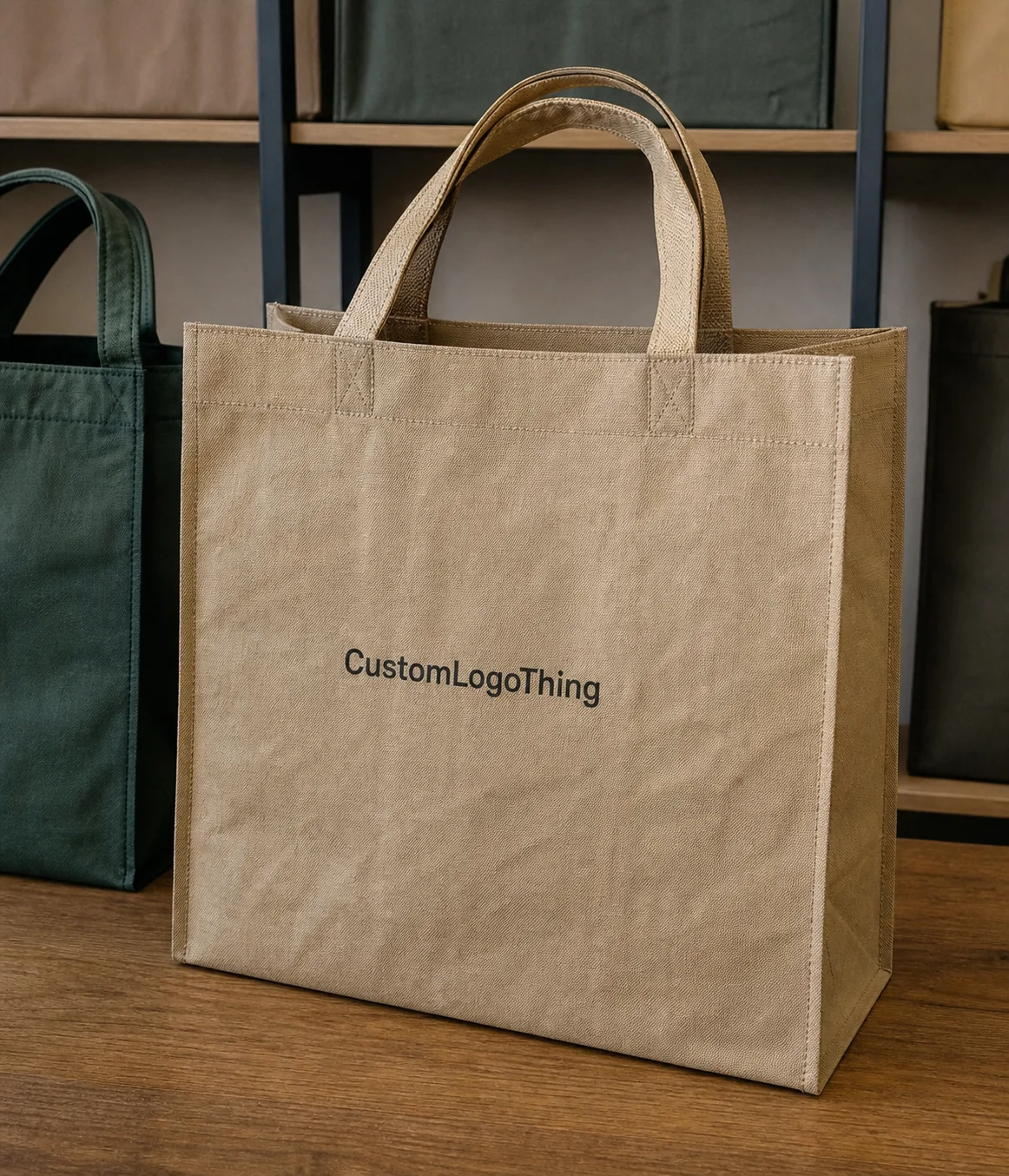
Personalized grocery bags are printed carry bags made for retail and food-service use. They can feature a logo, store name, website, slogan, phone number, QR code, or a fuller visual identity. Some buyers want one-color printing because it is clean and economical. Others want full-color branding for a stronger retail presentation. Both approaches work, but only if the Material and Print method can support the design.
The value is not decorative. A bag with a clear logo and a decent finish improves the handoff at checkout, gives the customer a more finished experience, and keeps the brand visible after the sale. That visibility can be more durable than a flyer or a countertop sign because the bag moves. It goes into cars, kitchens, offices, and sometimes into another store entirely. Few packaging items get that much unpaid exposure.
There is also a less glamorous benefit: good bags reduce friction. If a customer does not have to fight the handle, double-bag a weak load, or re-tie a torn seam, checkout runs faster and staff spend less time fixing avoidable problems. In grocery, where speed and trust matter, that is not a small thing. A bag should disappear into the transaction, not become the transaction.
What buyers often miss is that “custom” does not automatically mean “better.” A large logo on a thin bag can look cheap. A beautiful print on a poor structure can fail during use. The bag has to match the store’s reality, not just the artwork file. That is why the best orders start with size, gauge, and use case, then move to graphics.
How custom grocery bag printing works from artwork to delivery
The production path is usually straightforward, but only if the requirements are pinned down early. A typical order follows this sequence: select the bag style, confirm dimensions and material, submit artwork, review a proof, approve production, then ship. The process sounds basic because it is. Most problems come from missing detail, not from the factory doing something exotic.
Print method is one of the first decisions. Flexographic printing is common for high-volume runs and simple artwork. It uses plates, which means setup takes time and the economics improve as quantity rises. Gravure printing is usually reserved for very large programs where repeat consistency and detailed coverage matter. Digital printing is useful for shorter runs or designs that change often, though it is not always the cheapest option once quantities rise. Each method has a place. None is universally better.
Artwork quality affects the final result more than many buyers expect. Clean vector files, usually in AI, EPS, or properly built PDF format, are far easier to print well than a logo lifted from a website or a screenshot pulled from a slide deck. Small text, thin lines, and color gradients can behave differently depending on the bag surface. A design that looks precise on a monitor may lose sharpness once it meets plastic film, paper fibers, or a gusset fold.
Color control is another place where assumptions cause trouble. If the supplier asks for Pantone references, the request is there for a reason. It reduces the gap between what the buyer imagined and what the press can actually reproduce. On branded retail items, even a subtle color shift can matter. A red that reads slightly orange or a black that prints flat and weak can make the whole package feel off.
Proofing is the checkpoint that prevents expensive mistakes. A proper proof should confirm the bag dimensions, print placement, ink colors, orientation, and any notes about folds, seams, or handles. If a supplier offers a sample, it is worth reviewing in hand. A sample shows how the material feels, how the handles behave under weight, and whether the print still looks crisp under real light rather than in a mockup window.
Lead time depends on complexity and order cleanliness. A straightforward run with approved artwork can move fairly quickly; a project with multiple colors, special materials, or several proof revisions takes longer. Minimum order quantities vary by bag type because setup costs are fixed. That is why a quote without quantity, size, and print detail is not a serious number. It is a placeholder.
The proof stage is where bad assumptions stop being theoretical. A wrong dimension, a misplaced logo, or a color mismatch becomes obvious there, not after the cartons arrive.
Cost, pricing, and MOQ factors buyers should compare
Pricing for personalized grocery bags usually comes down to five variables: material, size, thickness, print coverage, and order quantity. After that, setup fees, plate charges, shipping weight, and rush scheduling start to matter. If a quote does not show the spec behind the price, it is impossible to compare it responsibly. Two bags can look similar on paper and be priced for very different reasons.
MOQ, or minimum order quantity, exists because setup takes time and money. That is especially true for flexographic or gravure work. Higher quantities usually lower the unit cost because the setup is distributed across more bags. That does not mean buyers should overbuy. It means the right question is not “What is the cheapest unit price?” It is “What is the best total cost for the volume I actually need?”
| Order profile | Typical unit cost trend | Setup impact | Best for |
|---|---|---|---|
| Short run, simple print | Higher per unit | Meaningful on the total | Testing a new format, seasonal promotions, small stores |
| Mid-volume standard order | Balanced | Spread out reasonably | Most grocery and retail buyers |
| Large repeat order | Lowest per unit | Small compared with volume | Multi-location stores, steady replenishment, chain programs |
As a rough working range, simple printed grocery bags can sit around $0.08 to $0.25 per unit depending on size, thickness, print coverage, and volume. Heavier-duty or specialty bags can run higher. Add freight, plates, and any rush fee, and the final number changes quickly. The low quote is only useful if the spec behind it is the spec you need.
Price comparison should also include cost per impression. That is the part buyers sometimes skip. A slightly more expensive bag that lasts longer, carries better, and prints cleanly can be cheaper in practice than a bargain bag that fails or goes unreadable after a short period. In packaging procurement, the cheapest option is often the one that costs more in returns, complaints, or wasted stock.
For buyers checking claims and material practices, it helps to keep one eye on industry standards rather than marketing language. Packaging references from groups such as Packaging Institute can help frame what is normal for format and performance, while fiber sourcing questions for paper-based options may point toward FSC guidance.
Material, size, and handle choices that change performance
Material is where a lot of purchasing mistakes begin. High-density polyethylene, low-density polyethylene, recycled-content blends, and paper all behave differently. HDPE tends to be lighter and more economical, which is why it is common in standard grocery settings. LDPE feels softer and usually offers a more flexible carry experience. Recycled-content blends can support sustainability goals, though the surface and print behavior may vary depending on the resin mix. Paper has a different look and feel entirely, but it is not automatically the best fit for every load or budget.
Size should match the real shopping basket, not an imagined ideal basket. If customers usually leave with a mixture of boxed goods, produce, and a few heavier items, the bag should accommodate that without stretching awkwardly at the seams. Oversizing wastes material and freight. Undersizing causes complaints, extra checkout handling, and damaged bags. Those outcomes show up fast, and usually right at the register where they are hardest to ignore.
Handle style influences the user experience more than most buyers expect. Loop handles are familiar and generally comfortable for carry-out use. Patch handles add reinforcement and are often chosen when load support matters more. Die-cut handles can work well for lighter retail applications, but they are not always the right answer for heavier grocery loads unless the structure and gauge are designed with that use in mind. If bottles, frozen food, or canned goods are part of the normal mix, handle strength deserves real attention.
Thickness, often discussed as gauge, is the quiet specification that decides whether the bag feels trustworthy. A very light bag may save a fraction of a cent, but if it creases, tears, or stretches too easily, the customer notices immediately. For heavier groceries or repeated reuse, cutting gauge is usually the false economy. The bag seems cheaper only before it meets a real load.
Compliance is not optional. Some regions restrict certain plastic formats, require recycled content, or limit single-use bags entirely. Buyers with multiple locations should check local requirements before locking a spec. If the bags are part of a broader handling or transport system, it can also be useful to look at testing references from organizations such as ISTA, especially where durability and handling performance need to be documented.
Production steps and lead time: from proof approval to shipment
A good production schedule is built on sequence, not optimism. The usual path is quote request, specification review, artwork submission, proof approval, production, quality check, then shipment. Each step is simple on its own. Trouble appears when the bag size is guessed, the file is incomplete, or the buyer assumes the printer can fix a bad layout after the run has already started.
Typical timing depends on complexity and factory load. A straightforward order with clean artwork may move through production in roughly 12 to 20 business days after proof approval. More complex artwork, special materials, or a busy line schedule can push that out. Shipping time sits on top of that, and customs can add another variable if the order crosses borders. A buyer working to a fixed opening date should leave room for one round of changes and the ordinary delays that are part of packaging procurement.
Rush production is possible, but it has a cost. It raises pressure on scheduling, reduces flexibility in review, and often carries a premium. That premium can be worth paying if the bags are tied to a promotion or store launch. It is less useful when the deadline was created by poor planning. In packaging, the best way to avoid rush charges is to specify early and clearly.
Before requesting quotes, it helps to have these details ready:
- Bag style and preferred material
- Exact width, gusset, and height
- Thickness or gauge target
- Number of print colors and print sides
- Order quantity and target delivery date
- Shipping destination and any receiving restrictions
Planning ahead saves money in ways that do not always show up on the invoice. Better specs mean fewer revisions. Fewer revisions mean fewer proof mistakes. Fewer mistakes mean less rework and less risk of receiving bags that are technically printed but practically wrong. The process rewards clarity.
Common mistakes with custom grocery bags and how to avoid them
The first mistake is buying on price alone. A low quote can hide weak material, poor print quality, oversized freight, or a setup structure that makes the final cost higher than expected. If the bag tears or the logo prints muddy, the store pays later in customer frustration and brand damage. The cheapest option only matters if it still works in real use.
Another frequent error is designing artwork for a screen instead of a bag. Logos stretched across seams, text placed too close to handles, and fine details built too small for the print method all create preventable problems. A digital mockup can make these issues hard to spot. A production proof usually does not. That is why proof review should be treated as a real technical step, not a formality.
Undersupply is just as expensive as poor print. A store that runs out of bags ends up buying under pressure, often with less favorable pricing and freight terms. For a daily grocery item, inventory failure is a service problem. A practical buyer keeps a reorder threshold and starts the next order before the last carton disappears.
Gauge mistakes show up in the most annoying way possible: after the bag has already been in circulation. A bag that seems adequate for light items may fail when the customer adds produce, bottles, or frozen goods. The failure may not be immediate, which makes it harder to detect in a sample review. That is exactly why the average load matters more than the worst-case marketing scenario.
There is also a habit of approving proofs too quickly. That is usually when the preventable errors slip through. Check spelling, logo size, color callouts, orientation, and contact details. Verify whether the print should sit on one side or both. Make sure the proof matches the bag format, not just the artwork file. A few minutes of scrutiny can prevent a run of thousands of incorrect bags.
Expert tips for getting better results on your next order
Ask for both a digital proof and a physical sample if the order matters or if the bags will carry heavier goods. The proof confirms placement and layout. The sample tells you how the material behaves under weight. One without the other leaves too many gaps. Buyers who skip the sample stage usually discover the weakness when customers do.
Keep the design simple unless there is a real reason not to. Clean logos, strong contrast, and readable type reproduce better across plastic and paper surfaces than busy artwork with thin strokes and layered effects. If the brand mark depends on subtle color shifts or delicate details, ask how those elements will appear at actual bag size. Packaging design should survive production, not just look elegant in a file browser.
Match the bag to the average checkout load. That sounds obvious, but it is where many programs drift into waste. Buyers often spec for a rare heavy basket instead of the basket most customers actually carry. The result is a bag that uses more material than needed, costs more to ship, and offers no real benefit most of the time.
Keep reorder notes organized. Store the final art, approved spec, bag dimensions, thickness, and print details in one place. If the first order works well, the next one should be a repeat, not a reinvention. Repeating a proven spec usually lowers risk and shortens lead time. It also avoids the awkward middle ground where a buyer knows the old bag worked but cannot remember exactly why.
A well-chosen grocery bag is not a luxury detail. It is a small operational decision that affects checkout speed, customer perception, and how often the brand gets seen after the sale.
For stores weighing sustainability claims, compare paper and plastic by actual use case instead of slogans. Paper can make sense in certain formats, while recycled-content plastic can be more practical in others. Claims about disposal or recyclability should be backed by documentation, not vague language. For broader packaging and waste context, the EPA provides reference material at epa.gov.
Next steps for ordering personalized grocery bags the right way
The best way to order personalized grocery bags is to start with a complete spec sheet. Gather the bag type, dimensions, thickness, print colors, quantity, delivery location, and target arrival date before asking for pricing. That one step cuts out a surprising amount of back-and-forth and makes supplier comparisons far more honest. Without it, the lowest quote can look attractive while hiding the wrong material, the wrong size, or the wrong print method.
Compare full specifications, not just headlines. Two quotes can be close in price and completely different in performance. Look at handle style, gauge, print coverage, freight terms, and lead time together. If the bag will be visible to customers or carry heavier items, ask for a sample before approval. Guessing is acceptable for a rough draft. It is a poor way to buy a customer-facing packaging item.
Build the reorder plan before the first shipment lands. If the bag performs well, keep the approved file and spec in a place that will actually be found later. Reorders become easier when the working details are already settled. That matters because packaging programs drift when nobody remembers the original logic and the next purchase gets rebuilt from scratch.
Done properly, personalized grocery bags are not just branded carriers. They are a practical retail tool that supports operations, improves presentation, and extends the reach of the store beyond the checkout counter. The bag should be readable, durable, and matched to the load. That is the standard. Anything less turns packaging into a problem that customers end up carrying home.
How do personalized grocery bags compare to plain plastic bags?
Personalized bags add branding, a cleaner presentation, and more visibility after the sale. They usually cost more upfront, but the extra cost can make sense when the bag is part of the customer experience. Plain bags are cheaper, but they do nothing for brand recognition.
What affects the price of personalized grocery bags the most?
Quantity, bag size, material, thickness, and the number of print colors drive most of the cost. Setup charges, freight, and rush scheduling can also change the total. Larger orders usually reduce unit cost because the fixed setup is spread across more bags.
How long does it take to produce custom grocery bags?
Lead time depends on artwork readiness, print complexity, and production scheduling. A straightforward order may move through production in about 12 to 20 business days after proof approval, but revisions or special materials can extend that. Shipping time should be added on top of production time.
What size should I choose for personalized grocery bags?
Choose the size based on the average checkout load, not the largest possible basket. Match width, gusset, and height to the goods customers usually carry. A sample or spec review helps confirm that the bag is not too small or wastefully large.
What should I send when requesting a quote for personalized grocery bags?
Send the bag type, dimensions, material preference, thickness, print colors, quantity, shipping location, and target delivery date. If you already have artwork, include it in a print-ready format. The more specific the request, the less guesswork and back-and-forth there will be.