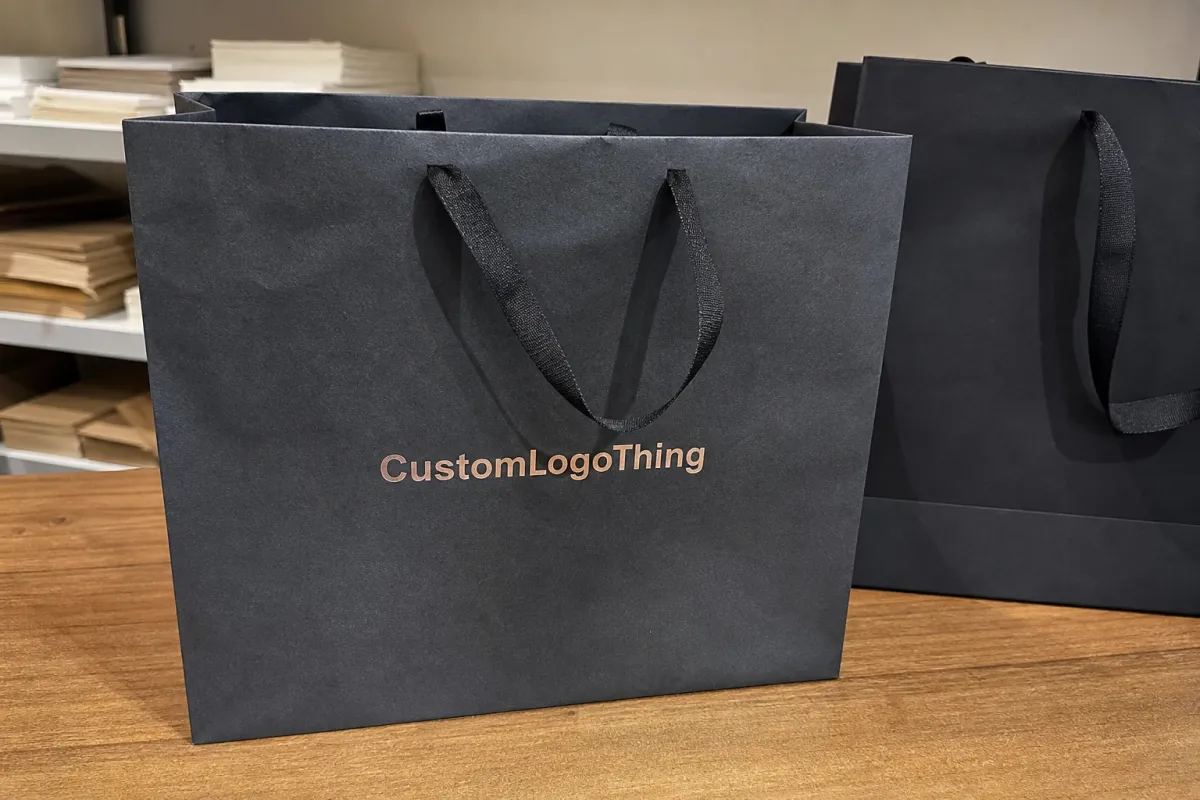
A grocery tote is not a throwaway handout. Personalized grocery tote bags get loaded at checkout, twisted into shape, shoved into carts, carried across parking lots, folded at home, and brought back again. That repetition creates more impressions than a flyer ever will, but it also exposes weak seams, short handles, and print that scuffs after a few uses.
That is why the bag itself matters as much as the artwork. In grocery settings, the best-looking tote is not always the best performer. A bag that holds weight, survives moisture, and still looks decent after repeated folding does more for a brand than a clever design printed on a poor substrate. The opposite is just as visible. If a tote tears in front of a customer, the logo stays in memory for the wrong reason.
The cheapest tote is often the most expensive one once it fails in front of a customer.
Why Personalized Grocery Tote Bags Are a Branding Test, Not Just a Bag Order
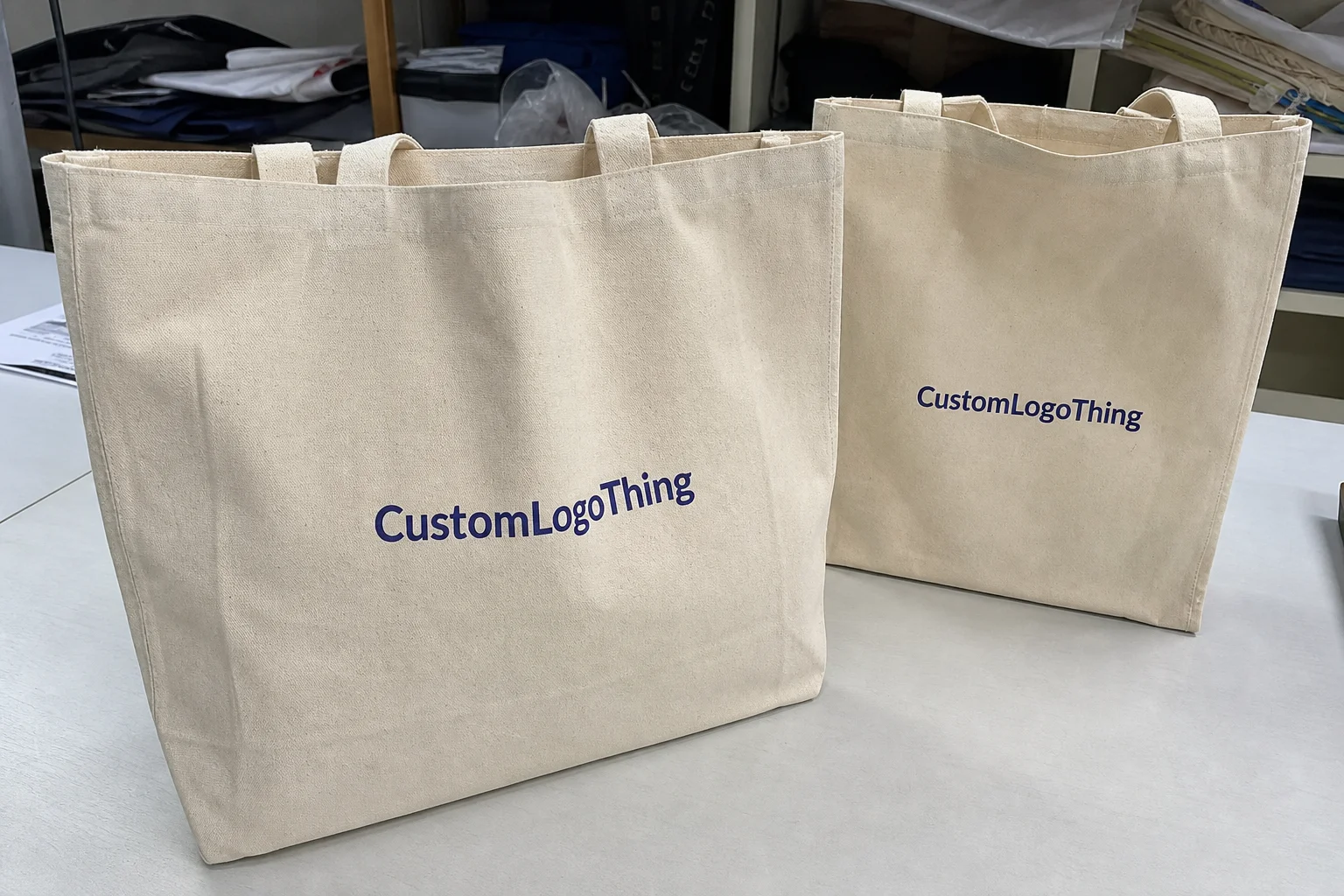
Grocery checkout is a pressure test. The bag gets packed quickly, lifted, set down, opened again, and sometimes reused within hours. If it feels flimsy, people notice immediately. So does the customer behind them. If it survives that first trip, it can keep working as a moving ad for months.
That is why buyers should treat these totes as packaging, not decoration. The print is important, but the structure carries the message. A bag that stands up at the register, holds its shape in the car, and still feels usable after the fifth trip suggests the store pays attention to details that customers actually feel. A bag that collapses says the opposite.
Supermarkets, local grocers, farm stands, CSA programs, and delivery services all need the same baseline: a tote that looks good at the counter and still feels dependable in the hand. The brief changes by channel. A neighborhood market may want a reusable bag customers keep in the trunk. A pickup program may need a lower-cost option that still handles cartons, produce, and frozen items without stretching at the seams.
How They Are Built
Most grocery totes fall into a few construction families. Nonwoven polypropylene is common because it is light, printable, and inexpensive relative to its reuse value. Woven polypropylene is stronger and more abrasion-resistant, so it is often chosen for heavier loads and longer life. Recycled-content films and laminated builds show up when the bag needs more structure, richer graphics, or a cleaner retail finish.
Printing behaves differently on each surface. Screen print remains a reliable choice for simple logos and one- or two-color artwork. Flexographic print works well for larger runs and repeat graphics. Heat transfer can produce a cleaner full-color look on compatible substrates, while laminated surfaces support more detail and stronger contrast. If the print method does not match the material, the result is usually dull color, weak adhesion, or a bag that looks good only in a mockup.
Buyers often notice construction details too late. Gussets affect capacity more than most people expect. Handle reinforcement matters because that is where failure usually shows up first. A bag that stands upright at the register reduces spills, speeds packing, and feels more premium than one that flops over before the groceries are inside. On a produce-heavy order, that difference is operational, not cosmetic.
For grocery use, I usually separate bags into two functional buckets: short-distance carry and repeat-use retail tote. The first is about price control and fast turnover. The second is about visibility, reuse, and a bag that still looks respectable after folding, stuffing, and unloading multiple times. Matching construction to use case prevents a lot of disappointment later.
Key Specs That Decide Performance in Store
For personalized grocery tote bags, the first sizing decision should come from the basket or cart load, not from a catalog photo. A medium grocery tote often lands around 14 to 16 inches wide, 14 to 15 inches high, and 4 to 6 inches deep. That footprint usually handles a standard grocery run without squeezing cartons at the top or forcing the handles apart.
Load capacity deserves more attention than it gets. A light reusable tote may be fine at 10 to 15 pounds, while a more substantial woven build can often handle 20 to 30 pounds if the seams and handles are reinforced correctly. Handle drop matters too. Shorter hand-carry handles work for checkout and quick trips. Longer shoulder-drop handles matter for pickup, delivery, and customers carrying bags from the car to the house.
Print area and contrast are part of the spec, not an afterthought. Dark logos on dark fabric disappear from a distance. Thin type disappears when the bag folds. If the store brand uses seasonal color changes, choose a base shade that keeps the logo readable against the shelf environment and parking lot view. A mark that reads clearly from six to eight feet away does more work than one that looks clever up close and vanishes in use.
Here is a practical decision frame:
- Choose reusable customer-keeper bags if the goal is repeated brand exposure, a stronger perceived value, and better carry comfort.
- Choose lower-cost carry bags if the bag is meant for short-distance use, pickup handoff, or a promotion with a tight budget.
- Choose a structured gusseted build if cartons, bottles, and frozen items are common in the typical order mix.
The right spec usually reflects the store’s actual basket profile. A farm stand with produce-heavy orders needs a different tote than a convenience format with small basket turnover. That sounds obvious, but buyers still choose by catalog tier more often than by load pattern.
Cost, Pricing, MOQ, and Quote Drivers
For personalized grocery tote bags, the quote changes more from construction than from decoration alone. Material weight, bag size, number of print colors, handle style, gusset depth, and reinforcement details all move cost. MOQ matters too. A smaller run usually carries a much higher unit price because setup is spread across fewer bags.
The table below gives a practical comparison point. These are working ranges, not fixed rules. Freight, artwork complexity, and current material availability can shift the final number.
| Build | Typical Use | Print Method | Indicative Unit Cost at 5,000 Pieces | Notes |
|---|---|---|---|---|
| Nonwoven polypropylene | Reusable grocery promotion, checkout handout, short-repeat retail use | Screen print or heat transfer | $0.40-$0.85 | Good balance of cost, printability, and perceived value |
| Woven polypropylene | Heavier grocery loads, pickup programs, longer reuse cycles | Screen print or flexographic print | $0.75-$1.45 | Stronger feel, better abrasion resistance, higher build cost |
| Recycled-content film or laminated tote | Premium retail presentation, bold graphics, structured carry | Flexographic print or full-color decoration | $0.55-$1.20 | Graphics can be stronger, but finishing and setup often add cost |
Compare every quote line by line. Setup charges, plate or screen fees, sample charges, freight, rush fees, carton configuration, and polybagging can each shift the landed cost. A supplier can look cheaper on unit price and still cost more once freight and setup are added. Ask for the same spec in two quantities, such as 2,500 and 5,000 units. That exposes the break point where scale starts to matter.
MOQ is not just a vendor preference. It reflects press setup, material yield, and finishing time. A small first run can be the right move if you are testing a store rollout, but it should be priced as a test, not as a scaled program. That distinction keeps expectations honest and avoids awkward comparisons between a pilot order and a full production quote.
Process and Timeline From Art File to Delivery
A clean process usually runs in the same order: final spec sheet, artwork review, digital mockup, approval, manufacturing slot, production, quality check, packing, and freight booking. Most delays happen before the press runs. Missing artwork dimensions, vague color references, or unclear handle placement can push the proof cycle back by days.
For personalized grocery tote bags, a simple order with straightforward artwork often moves from approval to shipment in about 12 to 18 business days, not counting transit. More custom runs can take three to five weeks, especially if the job needs special colors, imported substrate, or a revised proof after the first round. Rush programs exist, but they work best when the spec is simple and the artwork is already clean.
Vector artwork is still the safest starting point. Suppliers often need PMS or CMYK references, a clear imprint size, and placement notes that specify whether the logo should sit centered, low, or on both sides. A tidy file can save a day or two in proofing. A messy one can trigger color drift or a print area that lands too close to a seam.
For shipping and distribution tests, the methods published by ISTA are a better benchmark than guesswork. If the tote program fits inside a larger reuse or recovery strategy, the EPA’s recycling guidance at EPA recycling resources is a useful reference point. The goal is not to overcomplicate the order. It is to make sure the bag survives the trip from warehouse to shelf to customer car.
If the bags are tied to a store opening, seasonal campaign, or pickup launch, build in extra time. Transit can be predictable; artwork revisions usually are not. The safest schedule is the one that assumes at least one proof change and still leaves room for freight.
Common Mistakes That Turn a Good Tote into Dead Inventory
The most common mistake is buying on price alone. A cheap tote that tears, pills, or feels flimsy can damage the brand more than it helps. Customers do not separate the product from the logo. They experience the bag as the brand.
Artwork placement causes a surprising number of problems. Logos that sit too low disappear once groceries are loaded. Small type gets lost in folds and creases. Artwork that crosses a seam can look fine on a flat proof and awkward in real use. I see this especially when buyers use the front panel for too much copy instead of keeping the mark bold and simple.
Inventory mistakes are just as costly. Some teams over-order before testing the bag in store conditions. Others under-order and run out during a promotion or holiday rush. A short test run is cheaper than a warehouse full of bags nobody wants. Real store feedback beats assumptions every time.
If the bag fails in the parking lot, the print on it becomes a reminder of the failure.
Compliance and handling deserve a separate review. Ask about weight limits, food-contact concerns if the bag will touch unpackaged produce, and storage conditions that could warp printed bags. Heat, humidity, and poor stacking can damage a clean run before it ever reaches checkout. For multi-location programs, that matters even more because one bad storage point can spoil a whole batch.
A few buyers also forget that reuse depends on behavior. If the tote is awkward to fold, hard to carry, or visually weak after one trip, customers stop reusing it. That turns a reusable program into a one-and-done giveaway, which is a poor return on any packaging budget.
Expert Tips Before You Place the Order
I would build a simple comparison sheet before requesting quotes. Keep the columns tight: size, material, print method, MOQ, unit cost, freight, lead time, and whether the supplier includes a sample or pre-production proof. That format makes the differences obvious and strips out a lot of vague sales language from the decision.
Request a physical sample whenever the bag will be used for groceries. If the sample is not possible, ask for a pre-production proof and a clear photo of the fabric or film swatch. Hand feel matters more than many buyers expect. A tote that feels stiff but stable often performs better at checkout than one that looks soft in a render and collapses under produce.
Test the bag with the heaviest realistic load, not a light demo. Use cartons, bottles, frozen items, and whatever else your average basket actually contains. Then fold it a few times, check the handle stress points, and see whether the print still reads after the bag has been carried and set down a few times. That kind of rough test catches weak specs before they become customer complaints.
One more practical point: ask how the bags are packed for shipment. Bulk-packed totes save space and usually reduce freight, but they can arrive creased. Polybagged units look cleaner for retail shelves but add cost and waste. For some programs, that difference matters more than a small print upgrade. For others, it does not.
- Shortlist two or three suppliers.
- Send the same spec to each one.
- Ask for identical quote assumptions so you can compare apples to apples.
- Choose the option that balances durability, presentation, and total landed cost.
That is the practical route. Not the prettiest one, but the one that tends to produce bags people actually keep. In the grocery channel, a tote is doing three jobs at once: carrying product, carrying the brand, and signaling whether the store pays attention to detail. Personalized grocery tote bags work best when those jobs are designed together instead of treated as separate decisions.
What size personalized grocery tote bags work best for supermarkets?
Most supermarkets need a medium-to-large gusseted tote that fits a normal grocery run without forcing cartons to tilt or squeeze at the top. A shape around 14 to 16 inches wide, 14 to 15 inches high, and 4 to 6 inches deep is a common starting point. The right size depends on basket volume, average load weight, and whether the bag is used for checkout, pickup, or delivery.
Are personalized grocery tote bags cheaper in polypropylene or other materials?
Polypropylene options are often cost-effective because they balance durability, printability, and reuse value. Final pricing depends more on gauge, finish, color count, and construction than on the material name alone. If unit cost is the main target, compare equivalent specs side by side before choosing the build.
How many personalized grocery tote bags should I order for a first run?
A first run should match realistic usage, not just the minimum order size. Many stores start with enough bags to cover a few weeks of traffic plus a buffer for damage, giveaways, or unexpected demand. If the bag will roll out across multiple locations, include replenishment timing in the quantity decision.
What artwork file do I need for custom grocery tote bags?
Vector artwork is usually preferred because it stays sharp at production size. Suppliers often ask for PMS or CMYK references, imprint dimensions, and placement notes so the proof can be checked against the press layout. A clean file reduces delays and lowers the risk of an off-center or blurry print.
How long does it take to produce personalized grocery tote bags?
Timeline depends on artwork approval, decoration method, material availability, and shipping distance. Simple orders can move faster than full-color or highly customized runs, especially when the first proof is approved without revisions. Build in extra time if the bags are needed for a launch, promotion, or seasonal campaign, and leave a buffer if the order has to arrive on a hard date.