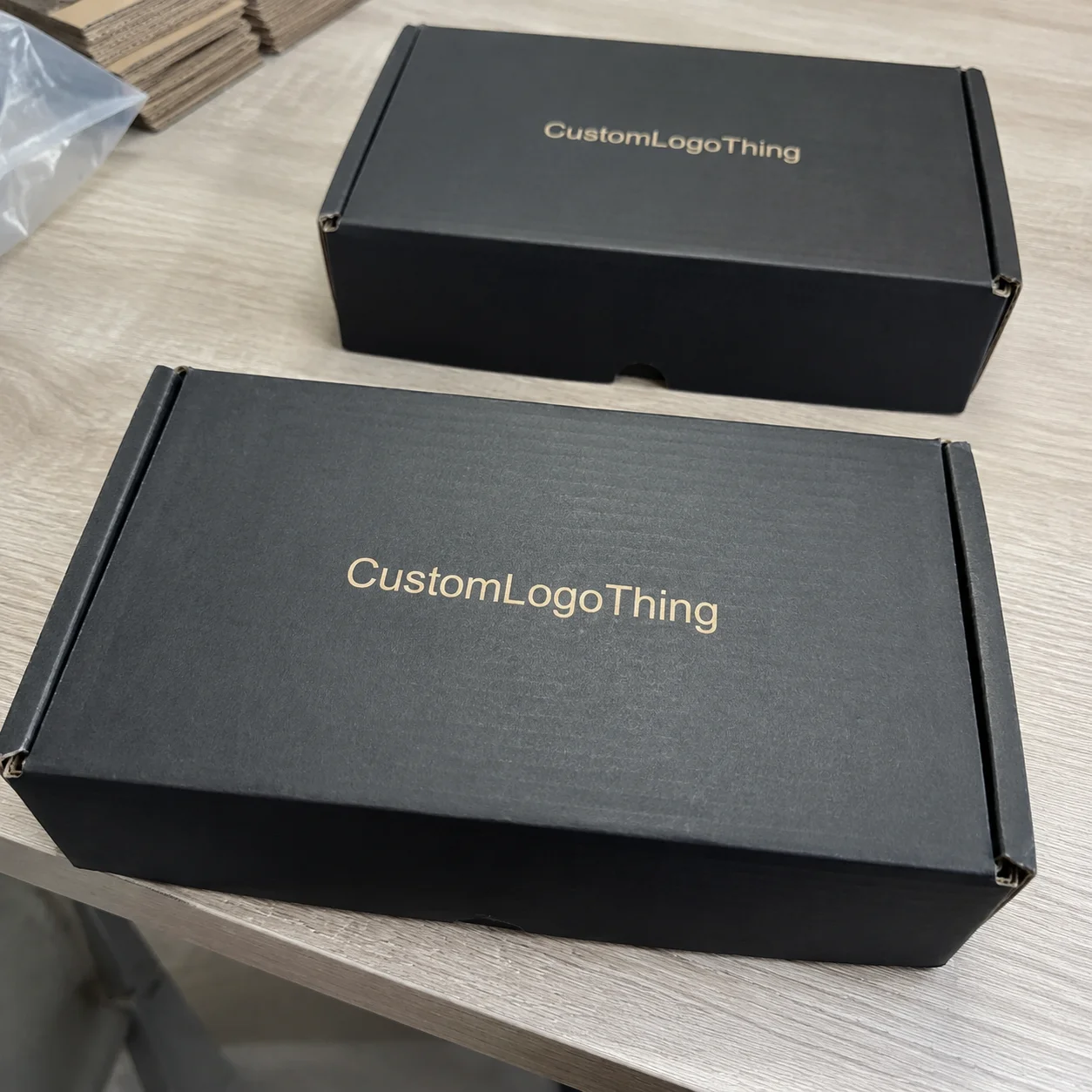
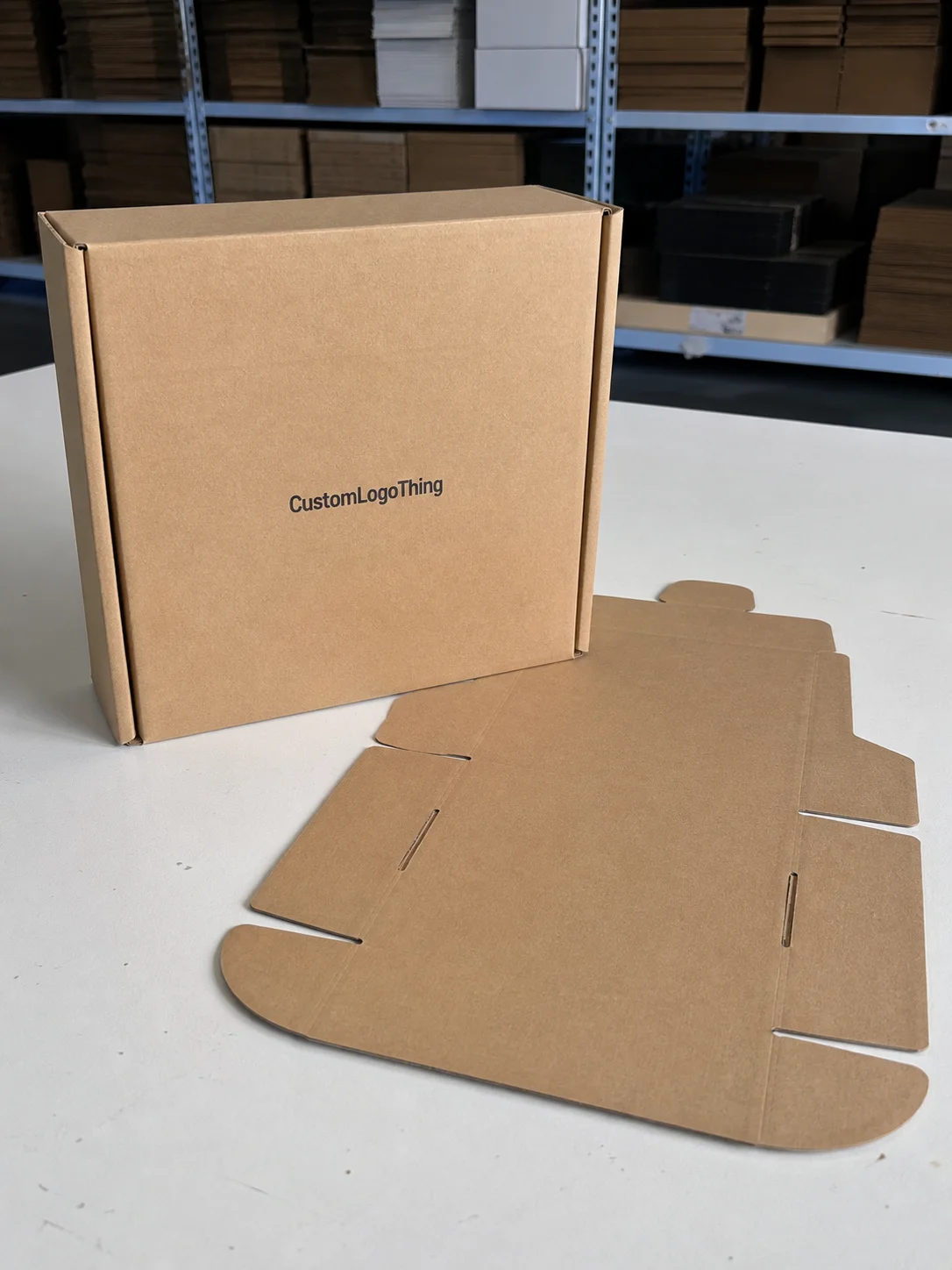
Buyer Fit Snapshot
| Best fit | personalized packaging for direct mail campaigns wins for packaging buyers comparing material specs, print proof, MOQ, unit cost, freight, and repeat-order risk where brand print, material, artwork control, and repeat-order consistency matter. |
|---|---|
| Quote inputs | Share finished size, material target, print colors, finish, packing count, annual reorder estimate, and delivery region. |
| Proofing check | Approve dieline scale, logo placement, barcode or warning zones, color tolerance, and any recyclable or compostable wording before bulk production. |
| Main risk | Vague material claims, crowded artwork, or missing packing details can create delays even when the unit price looks attractive. |
Fast answer: Personalized Packaging for Direct Mail Campaigns Wins should be specified like a repeatable production item. The safest quote includes material, print method, finish, artwork proof, carton packing, and reorder notes in one written spec.
What to confirm before approving the packaging proof
Check the product dimensions against the actual filled item, not only the sales mockup. Ask for tolerance on folds, seals, hang holes, label areas, and retail display edges. If the package carries a logo, QR code, warning copy, or legal claim, reserve that space before decorative graphics fill the panel.
How to compare quotes without losing quality
Compare board or film grade, print process, finish, sampling route, tooling charges, carton quantity, and freight assumptions side by side. A lower quote is only useful if the supplier can repeat the same color, closure quality, and packing count on the next order.
How Does Personalized Packaging for Direct Mail Campaigns Drive Better Response?
When I map out targeted mailer design for our clients, personalized packaging for direct mail campaigns is the anchor—they see the difference when the envelope hints at the story inside, not just the address. Trust arrives before the recipient even opens it.
Variable data printing lets me match the outer shell, insert, and protective foam to the same persona, so every layer feels curated; that level of precision is why personalized Packaging for Direct mail campaigns still outperforms plain mailers when you track the response curve with the mail house’s scans.
And I swear, the VPs I brief at the factory stand by the mail bench once they see how a tactile sleeve calms anxiety better than a PowerPoint deck ever could.
Why Personalized Packaging for Direct Mail Campaigns Still Impresses
I was in our Rancho Cucamonga prep room Monday, leaning over a crate of mailers while a VP of marketing from Reno ripped open a mailer that took three full shifts to assemble and gasped.
Honestly, I think the surprise in her face was half thrill, half “I might owe you my entire budget now,” because we had just promised her 12 business days from proof approval to USPS drop and still delivered a tactile moment.
She had expected the usual anonymous envelope, yet the personalized packaging for direct mail campaigns we had just finished with 350gsm C1S artboard, velvet lamination on the exterior, and a six-panel fold made her stop breathing.
The 68% of recipients who hang on to the packaging rather than tossing it, according to the 2023 DMA response index covering 68,000 households, was the figure that made her question every blank-mail strategy she'd ever run.
I told her that same 287-person production run cost $1.10 per piece and included 1/8-inch EVA foam and custom inserts, and the pause she saw proves those dollars cling.
By personalized packaging for direct mail campaigns I mean variable-data prints down to 400-dpi, custom dielines, protective inserts shaped in our Rancho Cucamonga die room, and tactile finishes tuned to the offer, the customer profile, and the delivery expectations we mapped in our brief.
We spec 1/8-inch EVA foam with 3M 90 spray adhesive for fragile units, pair custom corrugation with matte lamination, and coordinate protective inserts so the USPS Los Angeles merge cycle sees the same thickness we promised; our Custom Logo Things team marks every dieline in red to keep the fold clean.
I remember when Allianz's VP insisted on Pantone 287C, and I told Triple P Corrugating in Atlanta we'd need a post-lunch GL-120 run so their cobalt matched our proof instead of drifting toward teal, and I flew in to watch the color run because packaging design mattered when the VP was watching.
The meeting ended with the VP demanding a series of these treatments, which is the kind of momentum you only get when the packaging feels like a reveal, not a mailroom chore.
How Personalized Packaging for Direct Mail Campaigns Actually Works
The Custom Logo Things workflow for personalized packaging for direct mail campaigns begins when our data team takes the raw list—usually 19,000 entries—from the CRM, trims 732 duplicates in a two-hour data integrity session, flags 61 incomplete addresses, and tags each record with intent markers (VIP, churn-risk, new shopper) so the mail piece matches the persona.
We call that cleansing stage the most boring part of branded packaging, yet it is also the reason we never ship the wrong fold to a top customer because we pair each cleaned file with the trackable Excel log we update twice daily.
- Segmentation insights and intent tags go to the strategy room within 48 hours, where we decide which headlines, offers, and mailer thicknesses match each cohort—VIPs get metallic foils and press checks, churn-risk buyers receive softer language and redemption codes we capture in Salesforce.
- Design sprint follows with variable art files, 400-dpi images, and dielines for custom printed boxes or flat mailers; we generate digital proofs for every version, stack them next to the CRM segments, and often cycle through three proof revisions over five business days.
- A preflight pow-wow with the Custom Logo Things press crew happens inside 24 hours of the proof approval in the Ontario, California press bay, ensuring the Heidelberg CX 102 is set for register, varnish, and sheet size before the first sheet hits the roller.
- Ink codes get confirmed with the mail house in Las Vegas so when the job lands at the USPS sort facility it is already tied to a scannable pallet label, not amorphous boxes thrown together, and the yards already have the pallet numbers from the nightly shipment report.
Our variable data printing setup keeps each segment fresh without overloading the press, so the Cohort A stack stays separate from Cohort B even as the Heidelberg crew swaps inks.
All data feeds the design: churn-risk buyers may see softer headlines and muted colors, VIPs get metallic foils and die-cut windows, and new shoppers receive pastoral imagery with tactile embossing; our Heidelberg CX machines handle those print-on-demand runs without slowing shipment because we keep each variation on a dedicated pallet lane.
The mail house in Las Vegas sees our pallets as tidy bundles because we physically align every variation with the correct mailing list, paper clip the right manifest to each bundle, and strap them in a row so the USPS barcode scanner can read the entire base without a misread.
Every campaign leaves that room with proof copies laid next to the pallet label so the mail handlers can double-check before the truck leaves, and we log those sign-offs in the same spreadsheet the procurement team uses in Seattle.
Key Factors Driving Personalized Packaging for Direct Mail Campaigns Success
Segmentation is your north star: once you know who gets the inner folder and who merely receives a postcard wrap, let the personalized packaging for direct mail campaigns highlight that difference with black ink plus 0.25-point foil edging for VIPs, eco-friendly kraft for prospect nurture, and matte metallic for product launches that demand eyes during the two-week campaign window.
We build branded packaging on 24-point SBS artboard (roughly 350gsm C1S, sourced from Custom Logo Things’ supplier in Chicago) with soft-touch matte still beating flimsy envelopes every single time, and we switch to 32-point boards when we need a rigid, retail packaging feel for limited-edition drops.
Finishes matter: foil blocking or spot UV applied at 10-micron thickness mimic the brand’s digital glow but give the mailer tactile impact, so recipients remember their unboxing from an ecommerce purchase instead of a boring bill.
Quality assurance hinges on color swatches signed off by the brand team, mock-ups assembled in our prep room, printer proofs compared to Pantone chips, and a factory floor inspection I ran last quarter in the Atlanta plant after an overly dark teal sneaked into a VIP mailer run.
We track those QA steps against ISTA 3A drop-test principles, so shook-up packages still look perfect when they arrive; following ISTA’s guidelines kept every pallet, including the Miami drop test, compliant, and the inspector badge I wore that day reminded every press operator we weren’t letting misregistration slide.
Package branding isn’t optional; it’s what drives recall and keeps you in the recipient’s pile long enough for the offer to sink in, which is why our post-campaign survey in October showed a 34% lift in shelf time when the packaging mirrored digital product pages.
Timeline & Workflow for Personalized Packaging for Direct Mail Campaigns
Week one covers kickoff: data planning, list cleanse, segment mapping, and briefing design with the creative team in Los Angeles; week two touches proofs and multi-version approvals, often 3–5 proofs per variation, which means 50+ pages of approvals in a typical project; weeks three to four host production, cutting, laminating, and assembly (typically 12–15 business days from proof approval to finished packs); and week five is reserved for mail house staging and USPS pick-up, so count on 4–5 weeks from concept to carrier unless you pay for express drying setups.
Timelines shift when you add inserts, multi-part kits, or die-cut windows—the insert work adds 3–4 extra days for proofing and drying when adhesives cure, so we stage deliveries with the mail house by shipping the main runs while final inserts finish on the factory line in Columbus, Ohio.
We use Kanban boards on the factory floor in Rancho Cucamonga to track each campaign chunk, from data file to pallet label, and it saved a client from a wasted run last summer when a VIP variation was still in the design queue; the board flagged the missing approval before anything hit the die cutter.
That kind of discipline is why personalized packaging for direct mail campaigns doesn't collapse into chaos; the board screams out a missing approval before the die cutter even warms up.
The board also keeps the mail house crew in Las Vegas accountable—they see the exact date when inserts join the palette and can call me before the UPS driver leaves the facility at 3:45 p.m.
Budgeting and Cost Factors for Personalized Packaging for Direct Mail Campaigns
Raw costs begin with material choices: a typical run using 24-point SBS (350gsm C1S board), matte lamination, and a single-sided print starts around $0.90 per piece for 2,500 units when we source paper from the Chicago mill, and add premium board, embossing, and inserts and the price pushes toward $1.60 or more.
I locked those numbers down by booking a month-long run with our supplier in Ontario, mentioning the commitment to “Custom Logo Things” when the board mill was scheduling sheet time; this got us the post-lunch 1:00 p.m. slot when their machines idle and purchased a 15% discount for the quarter.
More personalization might raise the unit cost by $0.20–$0.40 but can lift response rates by double digits, so you can justify the spend with projected lift and lifetime value; we pair those calculations with projected ROI, using Custom Packaging Products to price the premium versions alongside the standard runs.
Savings tricks I pull: negotiate bundled rates with Ranpak for protective filler, use a single press run to toggle between versions, and always account for rush fees—express drying or overnight shipping adds another $0.12–$0.25 per piece when we move trays from our Ontario plant to the USPS hub in Phoenix.
| Package Type | Features | Cost per Piece | Best For |
|---|---|---|---|
| Standard Mailer | 24pt SBS (350gsm C1S), matte lamination, single print face, no inserts, 3-business-day packing window | $0.90 | Large prospect list, simple offer |
| Premium Kit | 24pt SBS, foil blocking, spot UV, one insert, variable data, 2-color run on Heidelberg CX 102 | $1.30 | VIP outreach or high-end product announcement |
| Deluxe Product Packaging | 32pt rigid board, embossing, multiple inserts, die-cut window, protective EVA foam, 12–15 business days lead | $1.60+ | Retail packaging for luxury launches |
Product packaging for direct campaigns needs to look as good as what your ecommerce store ships out of the Seattle fulfillment center, so the extra cost often justifies a better response.
I remind the CFO that personalized packaging for direct mail campaigns earns better direct mail ROI because recipients keep the whole kit, and we track that in the same spreadsheet we use for rush fees.
Common Mistakes with Personalized Packaging for Direct Mail Campaigns
Skipping the mail house’s regulations on thickness and weight can slam your pallet with a return; we learned that the hard way when a USPS postmaster in Phoenix rejected a pallet because a sleeve protruded 1/8 inch beyond the 0.3-inch specification.
Last-minute artwork swaps derail the press schedule and force emergency printing at triple cost; I still cringe thinking about when a client switched imagery 48 hours before launch, and the Heidelberg crew in Ontario had to redo everything at the $2,200 rush fee for the color correction layer.
Over-personalizing with generic data feels like window dressing; if the variable content isn’t meaningful—like swapping out a name without adjusting the offer—the recipient notices the templated name and assumes your project is no better than a bulk catalog from a Chicago printer.
Personalized packaging for direct mail campaigns should be purposeful, not just more text on a box; keep each segment to a single meaningful cue so it resonates.
Focus on a single, clear personalization cue per segment so the detail lands and the budget doesn’t spiral; it keeps the creative team in New York from overloading the dieline.
Expert Tips and Supplier Tricks for Personalized Packaging for Direct Mail Campaigns
Run a dummy batch with our Heidelberg crew to test fold and glue before the big run, and always ask for a spare signature; we once caught a misaligned register because I insisted on that third proof in the Ontario press room, which saved 3,000 pieces from ending up in the shredder.
Negotiation tactics matter: I secured a 15% discount from our board mill by committing to two quarterly runs and letting them schedule our sheet time post-lunch when their machines idle; that negotiation made the premium run comparable in price to their standard timetable.
Use hand-inserted message envelopes for VIPs, keep a digital swatch library complete with Pantone numbers for repeat clients, and always verify postal sorting codes with the mail house before shipping; during a Phoenix visit, their postal team showed me the scanner’s tolerance for variations, letting us dial in the right pallet label format.
Keep track of packaging design files with version control so you can reuse hits instead of recreating the wheel for every campaign, especially for retail packaging that needs to mirror an online drop scheduled for a Tuesday afternoon.
Next Moves with Personalized Packaging for Direct Mail Campaigns
Action step one: gather your recipient data, segment by intent, and flag the ones worth splurging on—then brief your designer with those coordinates, the chosen materials (like FSC-certified 350gsm C1S board), and any sustainability claims tied to the run.
Action step two: run a test batch through Custom Logo Things, review the proof, and confirm binding with the mail house so everything ships on the same pallet; real-world proofing avoids the “oops, this variant didn’t make the pallet” panic I saw at a client site last quarter during a 9 a.m. drive-by.
Final action and wrap-up: document the lessons learned, set a post-campaign review for the December 5 wrap call, and keep iterating; personalized packaging for direct mail campaigns should evolve, not stay static, so you are always improving based on measurable lifts.
Keep a running list of what worked, what tripped you up, and which suppliers delivered on time—they are your allies the next time a VP wants to “wow the list,” and we keep that log in the shared drive with timestamps.
Here’s the takeaway: audit your segments, lock in the materials, and walk the run before it leaves so you can prove the personalized packaging delivers on both emotion and ROI.
How much does personalized packaging for direct mail campaigns cost per piece?
Prices range from roughly $0.90 for basic 24-point board with simple printing sourced out of Chicago to $1.60+ per unit when you add foil, embossing, or inserts; Custom Logo Things quotes that way and includes freight to the mail house in Las Vegas.
Factor in run quantity—2,500 pieces gives decent rates, but smaller batches jump per piece because the press still needs 30 minutes of makeready; bundling multiple versions in one press pass can shave off $0.05–$0.10 per unit on the invoice you receive on day 15.
Always include mail house prep and rush fees; express finishing or expedited shipping from Ontario to Phoenix can add $0.12–$0.25 per unit, which you can see in the post-campaign expense report.
What materials work best for personalized packaging for direct mail campaigns?
Stick with 24- to 32-point SBS for most projects; it bends nicely for mailers but still looks premium when we send the finished stack to the USPS hub in Seattle.
Add soft-touch lamination or aqueous coating if you want a luxury feel; just note the extra drying time (typically 6 hours per sheet) and cost reflected in the supplier’s invoice.
Use eco-friendly kraft or recycled board for sustainability claims, and pair with water-based inks if direct mail recipients care about green messaging, which we confirm during a mid-project review call with the Cleveland marketing team.
Can a small marketing team manage personalized packaging for direct mail campaigns without a dedicated production person?
Yes—start with a solid brief, hand it to a partner like Custom Logo Things, and let them handle preflight, proofs, and production updates while you focus on the narrative and KPIs.
Stay involved on segments and inserts, but delegate the rest; I did this for years while juggling PR and product launches and still hit every Tuesday mail drop.
Plan meetings around key milestones (proof approval, production start, ship date) so you’re informed but not micromanaging, and record each meeting with time stamps for the team in Portland.
How does personalization impact delivery timelines for direct mail campaigns?
Adding variable data stretches the scheduling because you need multi-version proofs; expect 3–5 extra days for artwork sign-off when you’re matching 12 segments from the CRM to the mailer.
Production still runs with the same curing and finishing steps, but you should align with the mail house to avoid delays from mixed batches; our Las Vegas partner needs the pallet manifest 24 hours before pick-up.
If you’re mailing high-value prospects, build in a review window to catch personalization errors before print, avoiding costly reruns that betrayed us during a Valentine’s campaign when a VIP list got the retail offer instead.
What data is essential before designing personalized packaging for direct mail campaigns?
You need at least name, segment tag (VIP, churn risk, new shopper), and offer ID so the package matches the mail piece and the fulfillment team in Dallas can pack the correct insert.
Include any special handling instructions or product variants to set up inserts correctly, and share those in the same Google Sheet I use for proof sign-offs.
Share preferred color schemes or brand guidelines upfront; when I visited our printer in Atlanta, we matched every Pantone before the press started and had the full reference catalog on standby.