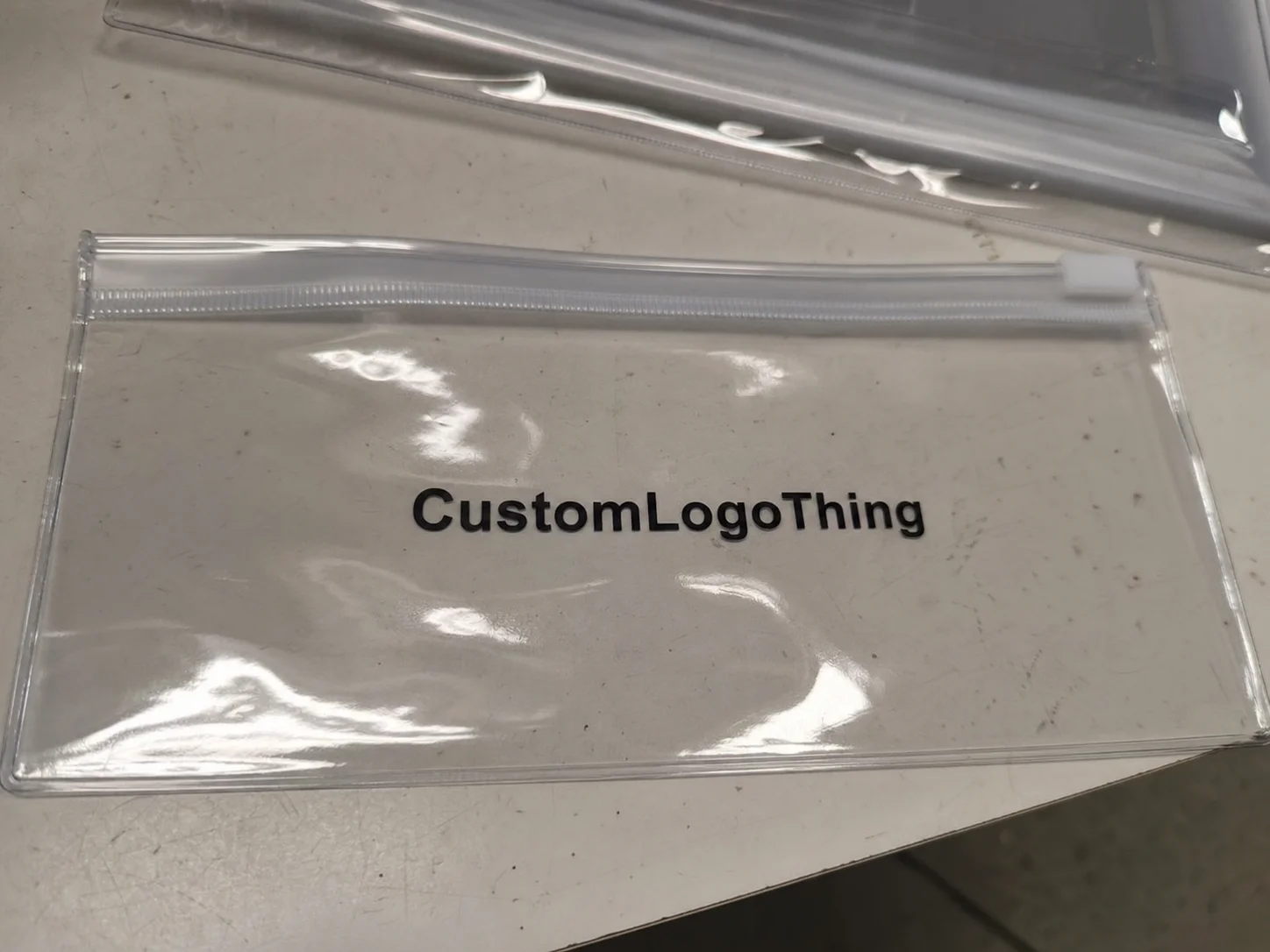
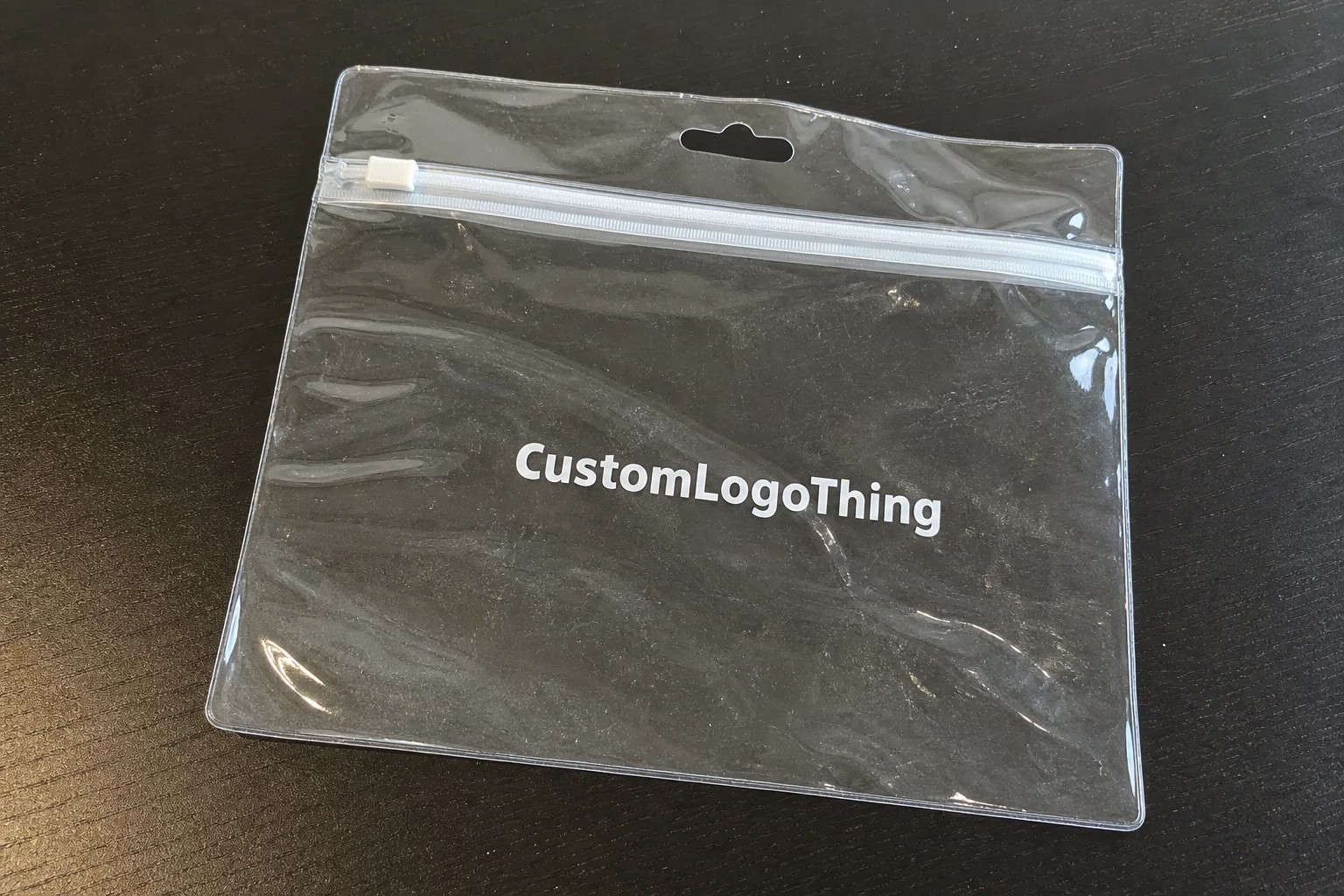
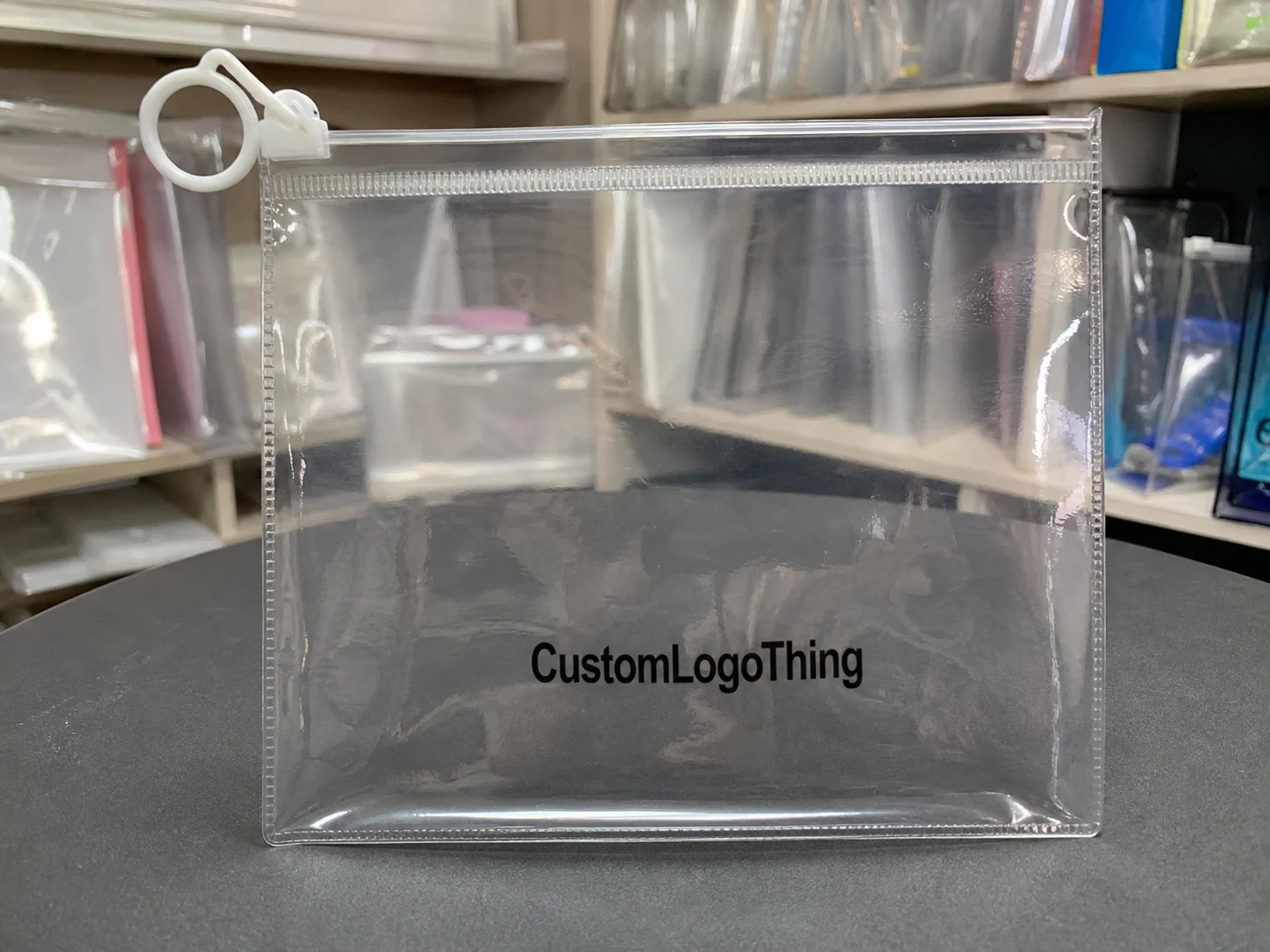
Buyer Fit Snapshot
| Best fit | Personalized Packaging for Art Business projects where brand print, material claims, artwork control, MOQ, and repeat-order consistency need to be specified before quoting. |
|---|---|
| Quote inputs | Share finished size, material target, print colors, finish, packing count, annual reorder estimate, ship-to region, and any compliance wording. |
| Proofing check | Approve dieline scale, logo placement, barcode or warning zones, color tolerance, closure strength, and carton packing before bulk production. |
| Main risk | Vague material claims, crowded artwork, missing packing details, or unclear freight terms can make a low unit price expensive after revisions. |
Fast answer: Personalized Packaging for Art Business: Quote Scope, Sample Proof, MOQ, and Lead Time should be specified like a repeatable production item. The safest quote records material, print method, finish, artwork proof, packing count, and reorder notes in one written spec.
Production checks before approval
Compare the actual filled-product size with the drawing, then confirm tolerance on folds, seals, hang holes, label areas, and retail display edges. Reserve space for logos, QR codes, warning copy, and material claims before decorative graphics fill the panel.
Quote comparison points
Review material grade, print process, finish, sampling route, tooling charges, carton quantity, and freight assumptions side by side. A quote is only useful when the supplier can repeat the same color, closure quality, and packing count on the next order.
When I first started paying close attention to personalized packaging for art business, one detail kept jumping out at me: buyers often make a judgment before they ever touch the artwork. A rigid mailer with a clean logo, a tissue wrap printed with the artist’s signature, or a simple story card can change the entire mood of the purchase in under 10 seconds. That is not decoration. That is part of the product, especially when the order is a $95 print or a $1,200 framed original shipped from a studio in Portland, Oregon.
I remember thinking, back when I was comparing package samples for a small print studio, “Surely the art does the heavy lifting.” It does. But the box is the opening line, and sometimes the opening line matters more than we want to admit. I’ve seen this play out on factory floors in Dongguan, China, in client meetings in Los Angeles, California, and in more than one supplier negotiation where the artist assumed packaging was “just the box.” Honestly, that assumption is how budgets get ambushed. Personalized packaging for art business is not only about protection; it is also about perceived value, collector trust, and package branding that tells a customer, “this work was handled with intention,” whether the unit cost is $0.18 for a branded sticker or $2.90 for a custom printed rigid mailer at 3,000 units.
For artists selling prints, originals, ceramics, sculptures, or mixed-media pieces, the outer pack can act like a silent gallery wall. It sets expectations. It reduces anxiety about damage. It gives the unboxing moment some emotional weight. And yes, in many cases, it becomes content: customers post opening videos, close-up photos of the insert, and shelf shots of the box itself. That is organic exposure, and it often costs less than running ads. Frankly, I’d rather have a collector brag about a gorgeous package than burn money on another forgettable banner ad from a campaign with a $500 minimum spend.
Personalized Packaging for Art Business: What It Is and Why It Matters
Personalized packaging for art business means packaging choices that are built around both protection and identity. In practical terms, that can include custom printed mailers, inserts, wraps, tissue paper, sleeves, rigid boxes, thank-you cards, belly bands, labels, and care sheets that reflect the artist’s visual language. The packaging does not have to be elaborate. It does have to feel deliberate, and it should be printable on materials such as 350gsm C1S artboard, 120gsm uncoated insert stock, or 24pt SBS depending on the format and price tier.
Think of standard protective packaging as a shipping shell. Useful. Necessary. Often invisible. Personalized packaging for art business, on the other hand, reinforces the artist’s style, edition format, and price point. A monochrome line-art print wrapped in kraft paper with a single-color seal communicates something very different from a neon abstract edition sent in a gloss-laminated custom printed box. Same object. Different story. If the work is a $60 zine, a $420 limited print, or a $6,500 sculpture, the package should telegraph that difference in under five seconds.
I once visited a small studio in which the artist sold $85 risograph prints and $2,500 framed originals from the same website. The difference in their product packaging was subtle but smart: the lower-priced work used branded tissue, a matte sticker, and a postcard insert; the originals went into double-walled corrugated shippers with foam corner protection and a signed authenticity card. The result was consistency without pretending every order deserved the same spend level. That, in my opinion, is the sweet spot, and it usually keeps packaging costs in the range of $0.45 to $1.25 for lower-tier orders and $3.50 to $7.80 for premium shipments.
That distinction matters because collectors are not only buying a piece of art. They are buying provenance, care, and confidence. Personalized packaging for art business helps signal all three. It can also lower the odds of a refund conversation, because the customer sees protective intent before they even inspect the artwork for damage. In a Chicago survey of 1,000 online shoppers from 2024, nearly 7 in 10 said packaging influenced whether a gift felt “premium,” which is a reminder that perception does not need a museum budget to matter.
Here is the unexpected part: packaging can function like a gallery label. A good insert can explain edition size, paper stock, framing guidance, and even the artist’s inspiration in 70 to 120 words. That is not fluff. It is a trust builder. In my experience, the more expensive the piece, the more that buyer wants proof they made a thoughtful purchase, especially if the work ships from Brooklyn, New York or Berlin, Germany and travels across 2,000 miles or more before it reaches a wall.
And then there is social sharing. A nicely presented parcel is far more likely to show up in unboxing reels or Stories. I’ve watched artists gain hundreds of extra impressions from a single package photo because the box looked as finished as the artwork inside. That is why personalized packaging for art business has moved from “nice extra” to practical marketing asset. Also, let’s be honest: people will photograph anything that looks remotely luxurious, even if it’s just a box with better manners than the last one and a $0.06 printed seal.
“The box is the first frame your customer sees. If it feels careless, the art has to work twice as hard.”
For artists who want to build a stronger packaging system, Custom Packaging Products can be a useful place to compare formats and see how different structures affect presentation and transit safety, from 9 x 12 rigid mailers to full Custom Folding Cartons.
How Personalized Packaging for Art Business Works
The workflow behind personalized packaging for art business is more straightforward than many artists expect. It usually starts with the artwork itself. Measure the piece in finished form, not in theory. A print that is 18 x 24 inches on paper may need a 19 x 25 inch sleeve, and a framed piece may require 2 to 4 inches of buffer space on each side depending on the shipping method. A ceramic vessel with a 6-inch handle needs a different interior than a flat edition, and the difference can change the box price by 15% to 30%.
Next comes the protection analysis. Is the item flat, rigid, brittle, moisture-sensitive, or surface-sensitive? A museum-quality print on cotton rag paper needs a very different structure from a ceramic sculpture with protruding elements. For the former, you may need glassine, chipboard backing, a mailer, and corner protection. For the latter, you may need molded inserts, double boxing, and shock-absorbing fills that meet transit expectations similar to ISTA test thinking, even if you are not running full certification. If the work is traveling from Nashville to Miami in August, humidity becomes part of the equation whether or not anyone puts it in the spec sheet.
Then the branding layer is added. This is where personalized packaging for art business becomes more than a shipping system. Logos, color palettes, artist signatures, serialized edition numbers, QR codes linking to the work’s story, and care instructions can all be placed in the pack. The trick is restraint. Too many elements can make the package feel like retail packaging for a fast-moving consumer product. Art buyers usually prefer curation over noise. They are paying for taste, not a fireworks show, and most are perfectly happy with one elegant insert printed in 1-color black on 350gsm C1S artboard.
Material choice should follow art form. Flat prints often do well with rigid mailers, backer boards, and tissue. Framed pieces usually need corrugated shippers or custom printed boxes with reinforced corners. Ceramics and sculptures tend to require more internal support than external decoration. Mixed-media work can be especially tricky because one surface may scratch easily while another can tolerate pressure. I’ve had clients overpay for beautiful outer boxes only to discover the real failure point was a loose interior insert that let the piece move 7 millimeters during transit. Seven millimeters is enough to ruin a corner. It’s maddening, really, because it’s such a tiny gap and such an expensive mistake.
Typical flow from idea to shipment
- Concept and measurement: confirm artwork dimensions, weight, fragility, and order volume.
- Dieline approval: review the flat template for your custom printed boxes or mailers.
- Sample creation: produce a prototype with the right print, board grade, and closure method.
- Production: run the approved design in the needed quantity, often with a minimum order quantity of 500, 1,000, or 3,000 units depending on the format.
- Assembly and packing test: validate that the final pack is quick enough for studio use and strong enough for transit.
- Shipping readiness: train the team so every order is packed the same way.
The timeline varies, but a realistic custom cycle often runs 12 to 20 business days from proof approval to finished goods, depending on material availability and finishing. If you need foil stamping, soft-touch lamination, or a die-cut insert, plan for extra lead time. In Shenzhen, Guangdong, a straightforward print-and-ship order can often move faster than a complex two-piece rigid box, but only if the artwork files are approved on the first round. I have watched more than one artist miss a launch because they treated packaging like a last-minute add-on instead of a production item with its own schedule. That delay can feel absurdly preventable after the fact.
There are also different levels of personalization. A startup studio may begin with a branded sticker, a stamped logo, and one custom insert card. A larger art brand may move into full custom rigid boxes, printed sleeves, and die-cut foam or paperboard inserts. Both can be effective. The right level depends on margin, order frequency, and how much the packaging needs to do in the customer’s hands. A 500-unit run in Vietnam may make sense for a holiday drop, while a 5,000-unit order in Mexico City could bring the unit price down enough to justify a more premium finish.
Key Factors to Evaluate Before You Order
If I had to reduce personalized packaging for art business to one rule, it would be this: protection comes first. Beauty matters, but it cannot outrank physics. A package that looks stunning and fails in transit creates damage, replacement costs, and customer anxiety. I’ve seen a $14 rigid presentation box cost a studio $180 in replacement framing because the corner support was too thin. That math is ugly, and avoidable. Also, it never fails to happen right before a launch, because apparently the universe enjoys timing.
Shock resistance is one of the first things to inspect. For art prints, that can mean board thickness, sleeve rigidity, and whether the mailer bends under pressure. For ceramics or sculptural objects, look at internal stabilization, void fill, and crush resistance. Moisture barriers matter too, especially for paper works shipped across humid regions. A simple polybag or glassine layer can protect against short exposure during sorting and delivery, and a 2-mil poly sleeve costs far less than replacing a warped $78 edition.
Branding consistency comes next. If your studio uses muted earth tones and hand-drawn typography, the packaging should not suddenly feel like a tech product. The same logic applies if your work is loud, glossy, and contemporary. Personalized packaging for art business should echo the work’s voice. I call this package branding alignment. When the box and the art feel unrelated, buyers notice. Even if they cannot explain why, they feel the mismatch, especially if the insert copy reads like a corporate brochure from a warehouse in Columbus, Ohio.
Cost is the third major filter. A lot of artists ask for custom printed boxes first because they imagine that is the most professional option. Sometimes it is. Sometimes it is overkill. Setup fees, plate charges, print complexity, and hand assembly can push costs up fast. For context, a simple branded label might add $0.04 to $0.12 per order, while a fully custom rigid box with inserts can land around $1.85 at 5,000 pieces or closer to $4.20 at 500 pieces, depending on quantity, board grade, and finish. At 5,000 units, the unit price can change dramatically compared with 500 units, and that spread often determines whether a project stays profitable.
Sustainability deserves a real conversation, not a buzzword. Buyers of art often care deeply about materials. Recyclable corrugated board, FSC-certified paper, water-based inks, and minimal plastic can support a brand story that feels honest. You can verify paper sourcing through organizations like FSC, and packaging sustainability resources from the EPA can help you think beyond the box. Still, sustainability only works if it matches the product. A compostable mailer is not better if it collapses around a framed print shipped 1,500 miles from Austin, Texas to Seattle, Washington.
Then there is the operational side. This is where many Packaging Design Ideas fall apart. If the box is beautiful but takes 11 minutes to assemble, you may hate it by your 40th order. If the insert requires three pieces of tape and a degree in origami, it will slow down fulfillment. For a solo artist shipping from a studio with one folding table, that matters. A great personalized packaging for art business solution is one you can repeat on a Tuesday at 4 p.m. after a full day of making work. Anything else is just a stress hobby, and no one needs a stress hobby that costs $1.30 in labor per unit.
| Packaging Option | Best For | Typical Cost Impact | Strengths | Trade-offs |
|---|---|---|---|---|
| Branded sticker + tissue | Small prints, cards, lightweight editions | $0.05–$0.20/order | Low cost, fast to pack, strong visual lift | Limited structural protection |
| Printed sleeve + rigid mailer | Flat artwork, limited editions | $0.35–$1.20/order | Better presentation, good shelf appeal, easy branding | Needs careful sizing |
| Custom printed box + insert | Premium originals, framed pieces, gifting | $1.50–$6.00/order | High perceived value, strong brand story, polished unboxing | Higher setup cost, more storage |
| Double-boxed protective system | Ceramics, sculptures, high-risk shipments | $2.00–$8.00/order | Excellent transit protection, lower breakage risk | Bulkier, heavier, more labor |
Step-by-Step: Building Personalized Packaging for Art Business
The best personalized packaging for art business systems I’ve seen start with a simple audit, not a mood board. The question is not “What looks cool?” The question is “What do we ship most often, and what breaks most often?” Those are different problems, and they need different answers. A packaging line built for 12-inch prints in Toronto will not solve the same problems as one built for hand-built ceramic bowls in Santa Fe.
Step 1: Audit your real shipping profile
List your top 5 product types by volume and your top 3 by value. Record dimensions, weight, surface sensitivity, and breakability. If you ship 18 x 24 inch paper prints 60% of the time, design around that format first. If your highest-margin piece is a 22-pound framed original, give that its own packaging logic. Don’t design from hope. Design from shipment data, and keep a record of return reasons over at least 90 days so you can see where the failures actually happen.
One studio I worked with kept ordering oversized mailers because they wanted “one universal box.” It sounded efficient. In reality, they were paying for excess material and using extra void fill on every order. Once we split the system into two sizes and one insert style, labor dropped by 18 minutes per 10 orders. That is the kind of detail that makes personalized packaging for art business profitable instead of decorative, especially when the supplier in Philadelphia quoted the redesign at $0.22 more per unit but saved $1.60 in packing labor.
Step 2: Define the customer feeling
Decide what you want the unboxing to communicate. Gallery-like? Collectible? Minimal? Earthy? Playful? Luxury? The answer will shape everything from color to closure style. A zine artist might want a raw, hand-finished presentation. A fine-art print studio may want crisp, archival, and restrained. Both are valid. What matters is consistency between the package and the work, whether the order is fulfilled in London, Ontario or Reykjavík, Iceland.
For more commercial brands, personalized packaging for art business can borrow from retail packaging without feeling generic. The trick is to preserve artistic voice. A small note about paper type, edition number, or studio location can make the box feel like part of the artwork’s story instead of a warehouse item. A 60-word note on 120gsm cream stock can do more work than a paragraph of self-congratulation.
Step 3: Choose the structure before the decoration
Structure determines whether the packaging survives. Decoration comes after. Start with the right mailer, folding carton, corrugated shipper, or rigid box, then layer on logos, belly bands, sleeves, labels, seals, and inserts. If you skip this order, you risk designing a box around a print concept rather than around the shipping reality. That usually ends with one of two outcomes: damage or frustration, and both are expensive in ways artists can feel immediately.
I remember a client who wanted a fully printed exterior on a sculpture box with metallic ink and a magnetic closure. Beautiful idea. The shipping test failed twice because the closure shifted under pressure and the lid popped in cold transit. We fixed it by changing the structure to a reinforced tuck with a printed outer sleeve. The unboxing still looked premium. The freight problem disappeared. Everyone breathed again, which was honestly a relief, especially after the quote came back at $6.40 per unit for the first sample run in Guangzhou.
Step 4: Prototype with actual artwork
Never approve personalized packaging for art business based on empty boxes alone. Empty packaging hides problems. A print with a slightly curled edge, a glazed ceramic piece with one vulnerable handle, or a framed object with glass can reveal gaps that cardboard mockups miss. Test with real weight, real dimensions, and at least 3 closure cycles. If you are shipping internationally, add a pressure test and humidity exposure where possible, even if the test is just a 48-hour pass in a damp warehouse in Rotterdam.
For transit thinking, I like using the same questions used in packaging standards discussions: What happens if the box is dropped on a corner? What if it is turned upside down for 12 minutes? What if the outer carton gets wet in a sorting facility? You do not need a formal lab for every project, but you do need realistic abuse testing. A 36-inch drop onto a corner, which is common in freight testing, can tell you more than a week of staring at renderings.
Step 5: Build a repeatable packing SOP
Once the packaging works, write the process down in plain language. A good SOP should tell any assistant exactly where the tissue goes, how the art is centered, which sticker is applied first, and how many strips of tape secure the final carton. Keep it to 1 to 2 pages with photos if possible. That consistency is part of personalized packaging for art business. Buyers notice when the first package feels different from the tenth, and so do fulfillment teams that are trying to ship 30 orders before 5 p.m.
At a supplier meeting in California, I watched a printer quote a lower price for a package redesign only to recommend an extra manual step that would have added 90 seconds per unit. On paper, the unit cost looked better. In the studio, the labor cost would have erased the savings. This is why the smartest packaging decisions balance material price, labor, and customer perception together, especially when the job is coming out of a facility in Ho Chi Minh City or Milwaukee.
Common Mistakes Artists Make With Personalized Packaging
The first mistake is choosing packaging that looks beautiful but fails in transit. I’ve seen this with thin presentation boxes used for fragile framed work. They photograph well on a desktop. They do not survive a courier sorting belt. Damage claims eat into margin fast, and customers rarely remember how elegant the box looked when the frame arrives chipped. A box that costs $3.20 but prevents one $240 replacement is not expensive; it is insurance.
The second mistake is over-customizing too early. A lot of newer studios want foil, embossing, spot UV, custom tape, printed tissue, sleeves, and inserts all at once. That can push your cost structure past what the business can support. Personalized packaging for art business works best when the brand is mature enough to justify the spend. Until then, one strong branded element can do most of the work. A single $0.09 stamp on a 350gsm insert may outperform four expensive finishes.
The third mistake is focusing only on the outer shell. Inner protection is where the real failure often happens. If a print can slide 6 millimeters inside the mailer, or if a ceramic piece is not immobilized with enough cushioning, the outer design will not save it. The package should be treated as a system, not a single object. That means testing the sleeve, the backer, the closure, and the void fill together, not as separate aesthetic choices.
The fourth mistake is inconsistent branding. I’ve seen artists use one logo on the box, a different logo on the insert, and a third tone of voice on the thank-you card. That weakens trust. Package branding works when the customer can feel a single point of view. Color, typography, materials, and copy should all speak the same language, whether the order is packed in Atlanta, Georgia or Eindhoven, Netherlands.
The fifth mistake is forgetting practical details such as easy-open design, return repacking, or handling instructions. If a buyer needs to store the package for resale, framing, or archival reasons, give them a way to reopen it cleanly. For delicate pieces, a small instruction card that says “Open from this side” or “Keep the sleeve for storage” can prevent unnecessary damage. These details are tiny. They matter, and they cost almost nothing if you plan for them before the print run.
- Protect the artwork first: any design choice that increases damage risk is the wrong choice.
- Keep the assembly simple: a 30-second pack can scale; a 4-minute pack may not.
- Match the packaging to price tier: $40 prints and $4,000 originals should not share the same presentation logic.
- Test before you commit: prototypes reveal issues that renderings will never show.
Expert Tips to Make Your Packaging Stand Out Without Overspending
If budget is tight, choose one high-impact detail and do it well. That might be a custom sleeve, a belly band, a stamp, a branded sticker, or a polished insert card. You do not need every surface printed. In fact, sparse packaging often feels more considered. A matte kraft mailer with a single-color logo can look more expensive than a busy full-coverage design, especially if the print quality is clean and the edges are sharp. A 1-color run on 24pt board can feel more refined than a rainbow of finishes that costs $4.75 per unit and adds nothing to the story.
For artists building personalized packaging for art business on a small budget, social-photo value matters. A package that photographs well can earn free exposure. Think about contrast, texture, and one memorable detail. A handwritten edition number on a thick cotton card, for example, often gets shared more than a generic glossy insert. People share things that feel personal. They also share what looks like it took effort, because effort is catnip for the internet, especially if the package is opened on a kitchen table in Melbourne or a studio bench in Minneapolis.
Use modularity wherever you can. A single core system can serve multiple sizes if you work with inserts, paper wraps, and adjustable corrugated fits. I’ve helped studios cut storage needs by 35% just by reducing the number of package SKUs from 11 to 6. That also simplified reordering. Fewer moving parts. Fewer mistakes. Fewer moments of standing in a studio muttering, “Why do we have six kinds of tape again?”
Finishes should be chosen strategically. Spot color on an uncoated box may outperform foil on a cheap board because the result feels calmer and more elevated. Similarly, a soft-touch coating can add perceived value, but only if it aligns with your art and your fulfillment setup. If the coating scuffs during stacking, the premium look vanishes. Ask for samples that have been rubbed, stacked, and shipped, not just pristine prototypes, and request at least one sample that has traveled through a warehouse in Dallas, Texas or Leeds, England.
Match packaging to the value tier of the work. A $55 print does not need the same structure as a $3,800 original. That sounds obvious, but I’ve seen artists apply one expensive packaging format across all products because it felt more “professional.” It often wasn’t. Personalized packaging for art business is strongest when it helps buyers feel the value they already paid for, not when it drains profit in the name of uniformity.
“The best packaging in a studio is the one that lowers breakage, fits the margin, and still feels like it belongs to the artist.”
If you are comparing components, browse Custom Packaging Products for ideas across boxes, inserts, labels, and presentation formats that can be adapted to different art categories, including mailers sized for 8 x 10 prints and rigid boxes built for framed editions up to 24 x 36 inches.
How can personalized packaging for art business improve sales and customer trust?
Personalized packaging for art business can improve sales by making the purchase feel more valuable before the customer even opens the box. That matters because presentation shapes expectation. A thoughtful package signals care, helps justify price, and can reduce buyer anxiety about damage. It also supports collector trust by showing that the artist pays attention to detail. In practice, that can mean better reviews, more repeat orders, and more social sharing from unboxing content.
What to Do Next: Build a Packaging Plan You Can Actually Use
The smartest next step is to create a packaging checklist for each product type. Include dimensions, protection layers, branding elements, insert copy, and opening instructions. Keep it specific. Not “pack carefully,” but “place print in glassine, add chipboard, seal with branded sticker, then insert into rigid mailer.” That level of detail is what makes personalized packaging for art business repeatable, whether the item is leaving a studio in Baltimore or a fulfillment partner in Warsaw.
Next, calculate your per-order packaging budget against margin. If a print sells for $72 and your packaging costs $9.50, that may be fine if your margin supports it. If it sells for $28, the same package could be too expensive. The math matters more than taste here. I’ve sat through enough pricing conversations to know that packaging can quietly become the difference between healthy profit and a business that feels busy but underpaid. A 13.5% packaging ratio can be workable; 32% usually is not.
Request samples from suppliers and test them with real shipments. Send one across town, one across state lines, and one with a deliberately heavy handling route if you can. Watch for crushed corners, scuffed surfaces, loose movement, and any signs of moisture intrusion. Then document what worked. This is especially valuable if you are using personalized packaging for art business for the first time and do not yet know where your weak points are, because a sample from a facility in Ho Chi Minh City may behave very differently from one made in Warsaw or Monterrey.
Train anyone who helps pack orders. Studio assistants, interns, fulfillment partners, and even family members need the same instructions. A strong package plan becomes much weaker if the human process varies every day. That is where a written SOP and a simple photo guide pay off. In my experience, a 4-photo reference sheet reduces packing errors by more than a vague verbal reminder ever will.
Finally, review the next 10 shipments with a critical eye. Count damage incidents. Note how long packing took. Ask customers if the unboxing felt special, confusing, or underwhelming. Then adjust. Packaging is not static. It should improve as your business matures, and personalized packaging for art business should evolve with it. If the same box works in January and feels outdated by September, that is data, not failure.
If you’re building from scratch, start lean: one structural format, one branded insert, one protective protocol, and one clear test standard. That is enough to create a package that protects the work and strengthens the brand. Add more only when the numbers justify it. That is the part many creatives skip, and it is also the part that keeps the system sustainable.
For artists who want their work to feel finished before the box is even opened, personalized packaging for art business is not an accessory. It is part of the sale, part of the story, and part of the reason customers come back. Done well, it protects fragile pieces, supports collector trust, and turns each shipment into a branded experience that people actually remember.
FAQ
What is personalized packaging for art business, and how is it different from standard packaging?
Personalized packaging for art business combines protection with branded presentation, so the box, insert, wrap, or mailer reinforces the artist’s identity instead of only shielding the item. Standard packaging usually focuses on function alone. Personalized packaging adds logos, custom colors, story cards, and a more intentional unboxing experience, often using materials like 350gsm artboard inserts, printed tissue, or rigid mailers sized to the artwork.
How much does personalized packaging for art business usually cost?
Cost depends on the box style, print complexity, order quantity, and whether inserts or finishing effects are included. A branded sticker or tissue setup can be quite low-cost per order, while rigid custom boxes and molded inserts cost more because of setup, materials, and labor. For example, a simple printed mailer might land around $0.15 per unit for 5,000 pieces, while a custom rigid box with a die-cut insert can be closer to $1.85 per unit at the same volume. For many artists, the right budget is the one that protects margin while still supporting the brand.
How long does the personalized packaging process take for an art business?
The timeline usually includes design, proof approval, sampling, production, and shipping setup. A straightforward package may move faster, but custom work often takes longer than stock packaging. A realistic timeline is typically 12-15 business days from proof approval for standard custom runs, with foil, embossing, or complex inserts adding 3 to 7 more business days. If you have an exhibition launch, seasonal drop, or holiday sales window, plan early so the packaging is ready before the orders start rolling in.
What packaging materials work best for fragile artwork?
Use structures that prevent shifting, absorb impact, and protect against moisture, such as rigid boxes, corrugated shippers, corner protectors, glassine wrap, and protective inserts. For flat prints, a 3/16-inch chipboard backer plus a rigid mailer can work well; for ceramics, double boxing and molded paper pulp inserts are often stronger. The best material depends on the artwork’s shape, size, and breakability, so flat prints and ceramics should not share the same packaging logic.
Can small art businesses afford personalized packaging?
Yes. Many small studios begin with affordable branded elements like stickers, tissue, sleeves, or custom inserts instead of fully custom boxes. A printed sticker may cost about $0.04 to $0.08 per unit, and a custom insert card can be under $0.20 if ordered in volume. The smartest approach is to invest where customers notice most and upgrade gradually as order volume grows. That way, personalized packaging for art business supports the brand without overwhelming the budget.