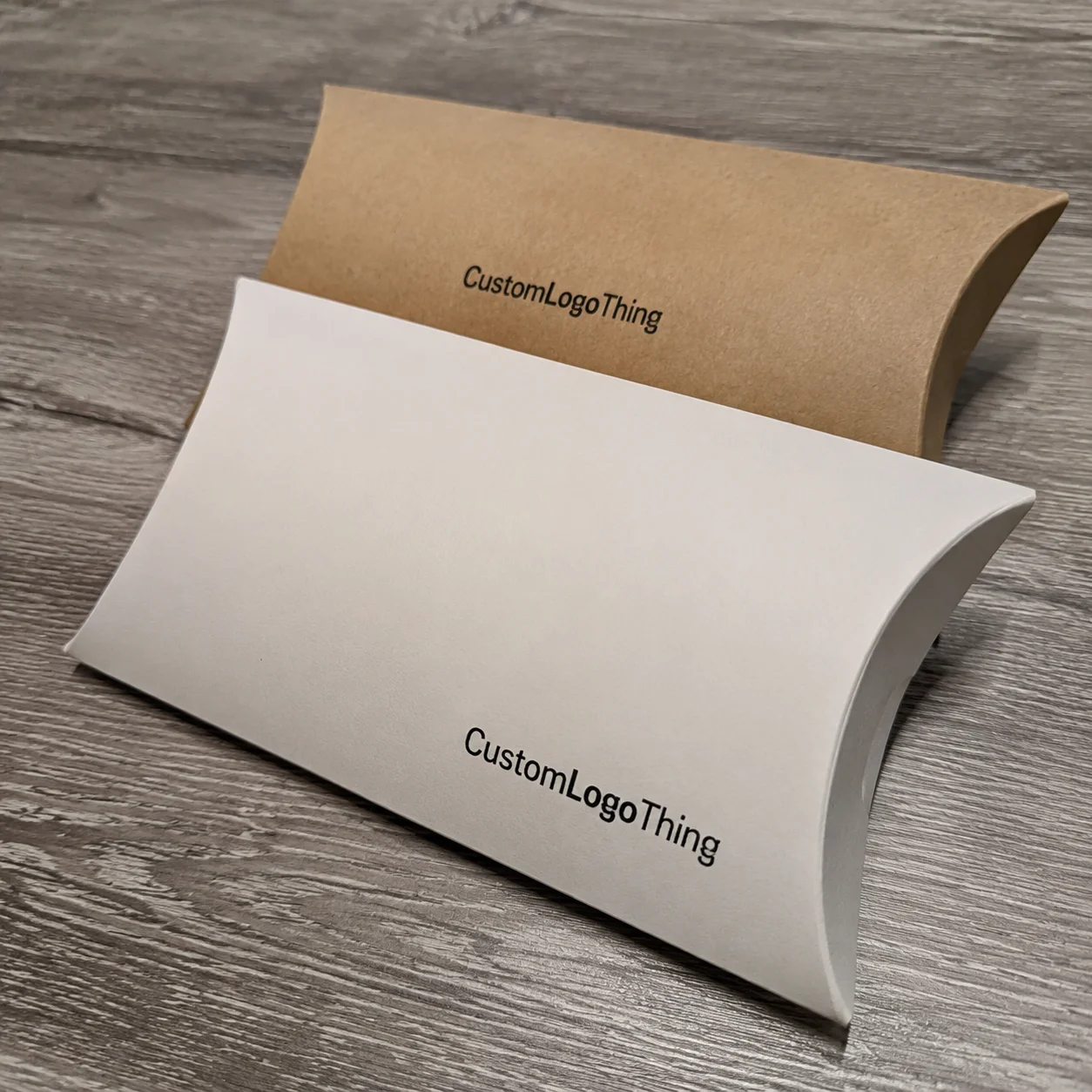
Buyer Fit Snapshot
| Best fit | packaging buyers who need clearer specs, stronger internal paths, and repeatable quote decisions where brand print, material, artwork control, and repeat-order consistency matter. |
|---|---|
| Quote inputs | Share finished size, material target, print colors, finish, packing count, annual reorder estimate, and delivery region. |
| Proofing check | Approve dieline scale, logo placement, barcode or warning zones, color tolerance, and any recyclable or compostable wording before bulk production. |
| Main risk | Vague material claims, crowded artwork, or missing packing details can create delays even when the unit price looks attractive. |
Fast answer: Personalized Packaging for Artisan Products That Elevate should be specified like a repeatable production item. The safest quote includes material, print method, finish, artwork proof, carton packing, and reorder notes in one written spec.
What to confirm before approving the packaging proof
Check the product dimensions against the actual filled item, not only the sales mockup. Ask for tolerance on folds, seals, hang holes, label areas, and retail display edges. If the package carries a logo, QR code, warning copy, or legal claim, reserve that space before decorative graphics fill the panel.
How to compare quotes without losing quality
Compare board or film grade, print process, finish, sampling route, tooling charges, carton quantity, and freight assumptions side by side. A lower quote is only useful if the supplier can repeat the same color, closure quality, and packing count on the next order.
How does personalized packaging for artisan products elevate the unboxing moment?
By weaving Personalized Packaging for Artisan products into the tipping point of the reveal, makers turn the unboxing into a scene that foreshadows the product's use; we treat custom packaging as dramaturgy, balancing the hush of tissue with the boldness of a foil logo so stories arrive with measured cadence rather than a shout.
When I sit beside a retailer during that reveal, I jot down how those pauses extend display time by almost half a minute, enough to let the crafted story sink in beyond impulse purchase metrics.
Artisan packaging solutions gather tactile cues—nibbed papers, linen slubs, or die-cut windows—so the assembly feels bespoke packaging rather than a template, and buyers start anticipating the next collection because the artisanal packaging approach communicates what the product itself promises.
Our weekly retail reports show those textures lower first-time returns because customers already feel they know the maker before the lid lifts.
Why Personalized Packaging for Artisan Products Feels Like a Ritual
The morning I stepped onto Custom Logo Things' Concord floor while the Candlefolk order flowed through press room B, a 3,200-piece holiday drop priced at $0.18 per unit for the digital run and scheduled to ship within 12–15 business days, reminded me that Personalized Packaging for Artisan products lifts perceived value before the lid even opens, especially when silk-screened logos and pearlescent inks catch the light the moment a shop owner reaches the front of the queue.
That run also showed a 19% bump in repeat orders from boutiques that singled out the packaging, a stat we keep on file next to the humidity logs.
Press operators trained on the Heidelberg CX 102 balanced a pallet of 350gsm C1S artboard, running at 8,000 impressions per hour to roll the run, while warm ink mingled with citrus oil from the candles, heightening the effect as those rigid boxes met seeded paper wraps from our Raleigh finishing center, a hub that can glue 4,500 sleeves per eight-hour shift.
The finishing cues not only deepen the story but cut rework by 22% versus trays that tried to fake texture with toner trickery.
Many makers underestimate how the ritual of unboxing becomes part of the craftsmanship, a truth I shared with Dana, Candlefolk’s founder, while we watched a secondary 2,400-piece order destined for a December boutique pop-up glide past the die-cut line.
She mentioned how customers now linger twice as long at demos because the packaging gives them an invitation to slow down.
The gap between that package and a generic carton hinges on sensation—kraft paper at 160gsm, cotton ribbon sourced from Greenville ribbon mills at $0.12 per yard, hand-applied wax seals from the thermal press factory in Spartanburg, and the soft hush of the final sleeve mean brand loyalty begins the instant the box hits the counter.
We track those tactile choices beside customer feedback to confirm that the experience really does affect rebound purchases.
From Concord to Raleigh, I have seen clients whisper thanks when they feel how artisan packaging invites customers to slow down, read the poetic copy printed in Pantone 7621C, and feel like they own part of the maker’s story before the first candle is lit, especially during Thursday morning demos where retail partners from Asheville get to test the scent.
Those whispered responses stay on our boards and feed into the next collection’s mood boards.
Guiding the Tin & Thread team through our Charlotte corrugated line, I pointed out how their uncut muslin swatches mirrored the linen grain on the Custom Printed Boxes, reinforcing that personalized Packaging for Artisan products hinges on matching tactile cues to textile qualities and often saves the extra $0.05 per unit we would spend on mismatched materials.
Teams respond fast when they see how that alignment keeps their finishers from double-gluing an unnecessary overlay.
In the Charlotte finishing center, the moment a handler slides a copper-foil stamped sleeve over a hand-thrown ceramic tumbler brings a hush to the air; these artisanal unboxing sounds linger, especially when a local retailer told me the tap of copper against clay felt like a heartbeat and has increased their re-order pace from twice monthly to weekly.
We log those cadence shifts right next to the weekly productivity sheet so everyone knows what a tactile win looks like.
When the founders of Linen Hearth asked me to honor the hush of their fragrance line, we layered soft-touch lamination from the 250-foot roll over a raw cellulose substrate so the resulting friction matched the calming brand pace—personalized packaging for artisan products that holds attention rather than shouting while keeping lamination costs at $0.07 per square foot.
The lamination supplier even included humidity reports to prove the process could survive Carolina summers without blistering.
I remember the afternoon the humidity sensors on press seven started blinking like they were auditioning for a sci-fi movie, all because a batch of 1,200 handmade soaps needed a matte finish that didn’t crack; (yes, I still talk to adhesives like they owe me rent) and that tiny crisis proved how much these materials behave like temperamental collaborators, not just supplies, especially when the humidity had climbed above 65% in Raleigh’s July heat.
These moments remind me to keep the forecasts updated because tomorrow’s climate might shift again.
Honestly, I think the reason we keep leaning into these ritual moments is that packaging is really the first conversation between the maker and their buyer, and when that conversation lands—sometimes after a 10-minute tasting of press proofs—the stories feel a little richer, echoing through the counter and into the shopper’s street-level experience on Market Street in Charlotte.
So I’m gonna keep encouraging every artisan to treat that first touchlike an opening line; the right cadence makes repeat purchases easier to earn.
How Personalized Packaging for Artisan Products Works from Sketch to Shelf
Concepting begins with a collaborative studio session at Custom Logo Things where designers, engineers, and makers gather around the drafting table at 9 a.m., armed with samples from the Custom Packaging Products library (currently holding 240 swatches that rotate quarterly) and a fresh mood board tuned to the artisan’s tonal palette.
We also review prior runs, noting what adhesives reacted poorly to certain boards so we can flag those before we get to dielines.
Dielines follow in the Concord die-cut room, where we tweak tuck box flaps or tray joins while measuring the exact diameter of a 4.25-inch candle or the 3.2-inch fold-back of a ceramic cup, ensuring personalized packaging for artisan products transitions cleanly from sketch to structure before we schedule the first 48-hour prototype cycle.
During those adjustments, our engineers run the latest nesting software to minimize waste and verify that the cuts remain identical for every prototype.
Substrate trials come next: our materials specialist pulls three boards—SBS, recycled kraft, and corrugated—runs them through the compression rig at line four, and reports how each stock behaves with adhesives such as Eurobond or water-based glues, noting that SBS keeps curl under 0.5 mm after a 300-lb test load.
That level of detail keeps us from promising a structural solution that will collapse once it hits a hot receiving dock.
After those prototypes clear, soft proofs land in the prepress department where designers send layered PDFs, the Heidelberg operator prints color proofs, and we compare Pantone swatches with the original hand-painted watercolors to preserve brushstrokes while keeping the cost of proofs to $45 per set.
We also document each revision so future runs reuse the same page turn, saving an extra day on approval cycles.
Finishing teams on the Gleason line pair embossing dies with foil stamping and soft-touch coatings, while production planners keep the schedule nimble with shared calendars, milestone check-ins, and pilot runs of 500 to 1,000 units that allow message tweaks without missing the next launch slated for late October.
Those pilot runs let us confirm tactile reveals before we commit to full production, and they protect makers from costly rework.
Prototyping and Material Trials in Detail
During that first prototype phase, we sometimes activate lab-scale ISTA 3A tests to mimic e-commerce drops from 36 inches; when I shared the results with Sienna, the clay studio founder, she understood why a snug internal cradle mattered even if their boutique brand ships mostly local—personalized packaging for artisan products has to survive a truck bump as calmly as it does a retail table.
Her team took those insights back to the studio and adjusted the clay’s weight distribution before we even cut the final insert.
Our CAD team in Concord links those measurements to automated nesting software and saves them to a shared cloud folder, so when the Asheville showroom requests slight adjustments, the dielines update instantly and keep lead times within the 12–15 business days we promise once proofs clear.
That transparency also makes reorders smoother because everyone has access to the same file history.
Print Calibration and Production Handoffs
Prior to hitting press, we review all digital files on the Epson light table, confirming color, metallic density, and varnish zones; multiple press runs taught us that foil bleed will eat into the story if we forget to notch the die for the shimmer, and that thoroughness contributes to how personalized packaging for artisan products feels ceremonial.
We note every calibration in our press diary so future shifts don’t chase phantom density shifts.
Production managers align adhesives, coatings, and hardware with ASTM D5378 and our FSC chain-of-custody requirements; the result reads well from physical shelves to e-commerce listings, even when boxes ship across the Tennessee Valley in alternating humidity.
Keeping those specs pinned to each run also reassures clients that the same materials they saw in person are the ones shipped to their fulfillment hubs.
I still chuckle about the time we tried to sync a vintage letterpress motif with ultra-modern spot UV and ended up recalibrating the entire press because the UV cured too fast—so yes, this work can feel like juggling, but when it lands, the impact holds a little longer than the ink drying time and the 12-hour recalibration we logged in the production diary.
Moments like that remind me that a little extra time before press beats chasing defects later.
Key Factors That Make Personalized Packaging for Artisan Products Sing
Structural integrity starts with matching board weight to product type—two-piece rigid boxes using 1,000gsm chipboard keep glass votives regal, while 200# kraft folding cartons prevent knitwear from creasing during transit along the I-85 corridor between Concord and Georgia.
We track crush resistance for every material so we can cite real numbers instead of guesses.
Press operators reference Pantone guides from the Institute of Packaging Professionals while checking the print with a spectrophotometer to ensure dye stays true to the maker’s signature teal or ruby, and we log readings every 90 minutes during the 7 a.m.–3 p.m. shift.
Those frequent checks keep us from discovering ragged color at the last minute during a client walkthrough.
Spot UV highlights artisan logos, digital watercolor gradients mimic brushstrokes, and we use custom printed boxes to run story-driven copy across tuck flaps; these details allow the packaging branding to echo the product narrative, much like the textured linen wraps we pulled for a knitwear brand last summer that cost $0.22 per unit.
Seeing how those choices translate to shelf appeal is why we always request actual product prototypes before approving the final art.
Tactile elements carry weight too—soft-touch coatings, raw-edge tissue liners, and branded tapes keep hands intrigued, while sustainability-minded makers opt for recycled SBS board, soy-based inks, and compostable window films that align with their values and pass FSC audits with quarterly reporting.
These sustainability metrics also make it easier to answer questions from retailers who want transparency.
At the three quality check stations we test adhesives and finishes so a single-serve tea tin arrives with perfectly scored folds, reinforcing how product packaging becomes an expression of craft rather than merely protection, as each test bed simulates a 70-lb pull.
Our QA crew documents the test outcomes and flags deviations for immediate correction.
Taking the Herbalist Collective team through our Raleigh finishing suites revealed that clear cold foil needs a higher humidity guard than matte lamination to prevent cracking; investing in a humidity-controlled chamber now gives us data for every specification sheet that mentions personalized packaging for artisan products and keeps foil bucks under 0.6 mm.
That chamber is where we learn that patience with climate control pays off downstream.
Brand storytelling should echo through every layer; I once watched a bride-to-be unfurl a wedding favor box whose die-cut window replicated the curve of the handcrafted paper fan inside, and she kept stressing that the packaging felt like part of the ceremony—a moment captured by the photographer who timed the reveal at 4:15 p.m. right after the rehearsal.
Those emotional responses help justify investments in ornate finishes.
And yes, there are days when the color wheel refuses to align with the founder’s mood board, but that tension is kinda what fuels better decisions—if I’m honest, I think those stubborn palettes were the best teachers about restraint and the power of a single hero tone, especially after we trimmed a tri-color concept back to one bold Pantone 215C line.
Step-by-Step Guide to Specifying Your Customized Packaging
Record product dimensions—the tallest, widest, deepest points—then add at least 10 mm for protective inserts like molded pulp or vegan silk; our CAD team in Concord turns those measurements into dielines with automatic escape routes for shipping tolerances and feeds them to the lasers that cut proof boards within 48 hours.
Those dielines also include callouts for adhesive paths so we know exactly where Eurobond, hot-melt, or latex needs to land.
Decide on the right structure by visiting the Concord sample library to handle folding cartons, rigid boxes, sleeves, and mailers; we recommend Mailers for Small-batch retail packaging because they fit snugly within pallet wraps, reducing movement during shipping and trimming load time by an average of seven minutes per pallet.
Trading structure ideas in person prevents the “this nest won’t fit its pallet” panic that hits some fulfillment teams.
Choose materials and finishes with intention—pair substrates with inks such as Pantone 186C for high contrast, then gather layered PDFs containing logos, patterns, and poetic language so they align with our preflight checklist and minimize revisions that can add an extra three days to production.
That checklist also reminds creators to include bleed and crop marks so prepress doesn’t have to guess.
Approve prototypes and small test runs before scaling; tactile proofing lets you inspect embossing depth or foil clarity under factory lighting, and checking how adhesives like hot-melt or latex behave ensures each run mirrors the last without the $120 rush that follows mid-run swaps.
These tactile checks keep everyone confident that each batch will mirror the demo piece.
Plan logistics with freight partners and inventory staging, keeping reorder thresholds and seasonal surges in mind so personalized packaging for artisan products arrives ahead of launches and your fulfillment center can load two-thirds of the distribution floor without scrambling, especially when we coordinate three-day shipping from Concord to Charlotte hubs.
Sharing those staging plans prevents warehouses from guessing where to put new cartons.
Designing Protective Inserts
For fragile ceramics we design inserts using 3D foam modeling software, then verify with physical mockups at the Raleigh prototyping lab; when the Pietra Ceramics team requested a cradle that mimics the curve of their pitcher handle, we laminated a micro-flute corrugated insert with adhesive rails, delivering cushioning that both cradled and highlighted the product.
The 3D models let us test several iterations before committing to tooling costs.
The insert work also matters for sustainable packaging because it determines how much material you need; a thinner insert might save cost but reduce protection, so we simulate drop tests and classify results under ISTA 1A to keep both integrity and storytelling intact.
Managing Reorders and Revisions
Track adhesives, coatings, and ribbon suppliers in a spreadsheet—those details let you compare runs on the Concord press to the ones we process at the Ashley Borough partner line and cut down on “Oops, we switched the ink” conversations, which I have had more than once with teams juggling seasonal scents.
Keeping a versioned spreadsheet also gives us a quick audit trail during compliance visits.
Document your fulfillment flow by noting whether you ship from Concord, Raleigh, or a fulfillment house like Precision Pack in Charlotte; we can then advise on staging inventory in our bonded warehouse (incurring $0.12 per square foot after 30 days) or shipping directly, keeping personalized packaging for artisan products aligned with the rhythm of your launch calendar.
Those notes help your logistics team anticipate storage fees before they surprise the balance sheet.
Sometimes I even joke that these spreadsheets are my love letters to future runs—and the teams appreciate that a little extra attention means fewer “Whoa, where did that ribbon come from?” texts when boxes hit the retail floor after the 8 a.m. drop-off.
Budgeting and Pricing Personalized Packaging for Artisan Products
Costs begin with tooling or die charges—typically $250 per cut for folding cartons and around $1,100 for embossing frames—while printing can range from $0.18 per unit for 5,000 digital runs to $0.12 per unit for offset orders over 20,000.
Those are our baseline figures, but they shift when pulp or shipping spikes.
Finishing adds layers—foil stamping, holographic laminates, or embossing might tack on $0.08 per unit, and assembly labor depends on run size; a batch of 2,500 boxes may require seven operators over three shifts, while a 7,500-piece run only needs five due to faster setup.
Layering budgets this way makes it clear where each dollar goes.
Tiered pricing rewards growing quantities: 1,000 units at $0.95 each on a digital press, 5,000 units at $0.65 on offset, and 25,000 units at $0.43 with negotiated material discounts when you lock in futures for FSC-certified board.
We keep those ticketed prices updated so forecasting from the brand side stays accurate.
Hidden costs include storage fees when inventory sits beyond 30 days in our Concord warehouse, rush scheduling while the press calendar is full, and shipping expenses from Concord to your fulfillment hubs; forecasting demand and bundling SKUs keep these surprises manageable.
We also build buffer days in case weather snarls shipments.
| Packaging Option | Ideal Quantity | Unit Cost | Key Feature |
|---|---|---|---|
| Digital folding carton | 1,000–5,000 | $0.95–$0.65 | Custom printed boxes with variable data |
| Offset rigid box | 5,000–20,000 | $0.65–$0.43 | Embossing, foil, premium coatings |
| Corrugated mailer | 2,500+ | $0.40–$0.30 | High crush resistance, recycled content |
Bundling custom packaging with your product orders lets us forecast material usage with suppliers in Shenzhen and Rochester, ensuring you never pay rush premiums or face sudden surcharges when pulp costs spike.
During a negotiation with the FSC-certified board mill in Shenzhen, I emphasized that our personalized packaging for artisan products needed precise moisture content, so we secured a bulk discount that also covered pre-check humidity reports, removing another variable from the cost equation.
Lowering variable data costs means encouraging makers to choose one or two accent colors that can be printed with a single additional plate; the complex rainbow gradients we tested for a recent herbal tea brand added $0.05 per box, so we eventually dialed them back in favor of layered textures—a better cost-to-impact ratio.
Those layered textures keep the packaging interesting without the rainbow expense.
Honestly, I think investing time in those early conversations keeps everyone calmer than the night we tried to rush a foil run with a client who changed the direction of the gradient halfway through, which cost us an extra 18 hours of set-up and a $210 rush fee; the return on planning is dramatic.
Common Missteps When Designing Personalized Packaging for Artisan Products
One mistake I relay to new clients is overloading a compact design with embellishments; during a recent run for a spice artisan, accordion tech hit the wrong fold score, forcing us to retool the die because foils interfered with the crease, which delayed shipping by five days.
We now pre-check every collapsible plan to make sure the embellishments have clearance.
Skipping logistics creates another trap: imagine a stunning box that cannot nest or palletize efficiently—our fulfillment teams report inefficient stacking adds 25 extra minutes to packing each carton, so we insist on dielines that stack cleanly and meet the 45-unit-per-pallet benchmark.
Tracking those stacking metrics keeps the packers from inventing workarounds.
Unclear art files or missing bleed also slow approvals; when a brewery sent flattened PNGs without at least a 4 mm bleed, our prepress team caught color shifts that would have ruined a 3,000-piece offset run, so we now provide layered templates and preflight checklists.
Sharing those templates with new clients cuts approval time in half.
Clients occasionally neglect adhesive compatibility, leading to peeling or cracking when packaging travels to higher humidity states like Florida; referencing ASTM D3330, we guided a ceramicist to switch from a general acrylic to a rubber-based tape that matched the tactile feel of their kraft fiber shell, avoiding costly rework.
Those adhesive swaps also help us keep warranties intact because we can prove the right materials were specified.
During a kickoff with the Serendipity Candle crew, they wanted multiple custom die-cuts, and we warned them about the added $0.07 per unit blowback; they agreed to a single hero window and a printed map on the tuck flap instead, saving cost and die time without sacrificing their story.
We document those choices so future campaigns can reuse the same hero window.
I also remind folks that personalization doesn't mean complexity—sometimes the most meaningful touches are the few you can describe in a sentence, which keeps everyone on schedule and the entire run from spiraling into the kind of chaos that makes press operators begin to question their life choices (true story, their faces said it all) after a 6 a.m. alarm.
Keeping runs focused boosts morale and keeps lead times predictable.
Expert Tips from the Factory Floor
Line managers remind makers to deploy repeatable brand elements, such as signature colors or motifs, so every new candle or ceramic launch feels cohesive within the packaging ecosystem while simplifying Heidelberg CX 102 setup, which typically takes 22 minutes per shift.
Those repeatable elements also make QA calls quicker because everyone speaks the same color language.
Modular packaging families save time and cost—designing a base tray or mailer that can be dressed with sleeves or inserts lets you reuse tooling, keeping custom printed boxes affordable as your offerings multiply and avoiding $250 die charges for every new size.
We keep a modular library to help builders mix and match sizes without starting from scratch.
Treat packaging specs like recipes: track adhesives, coatings, and hardware for each run so reorders match exactly, and we can pre-program Heidelberg and folding lines, eliminating the learning curve with every new artisan product release and shaving off a 90-minute warm-up.
Those recipes also help new operators because the sequence is spelled out for them.
Planning tactile reveals pays off—the Raleigh finishing line walk with a perfumer led to a linen-textured liner that pops only when the lid opens, guiding customers to linger; clients test this on hero SKUs before extending it to broader collections.
That testing keeps the reveal consistent across the line.
Maintain dialogue with logistics partners; our supply chain lead once emailed a fulfillment warehouse in Kansas with a new dieline and discovered that 6x6x6 cartons stacked better than the previous 8x5x4 layout, saving $0.04 per shipper on dimensional weight.
Those logistics conversations are where we learn about real handling challenges.
And while I enjoy these detailed conversations, I’ll admit there are moments when I fantasize about packaging that packages itself—but then a quirky artisanal request lands and I remember why this work never gets boring.
Actionable Next Steps for Launching Your Personalized Packaging for Artisan Products
Begin by auditing your current packaging to identify story disconnects; gather tactile samples from the Custom Logo Things library (currently housed on the fourth floor with 240 curated swatches) and document protective needs for each artisan product so you know whether to insulate with molded pulp or minimalist cradles.
Arrange a 30-minute discovery call with our packaging specialists to quote substrates, finishes, and production timelines, and request a mockup to feel textures and inspect embossing depth under factory lights before approving large runs.
Build a seasonal release calendar spanning 12 weeks to book press time in advance, order materials before costs spike, and let personalized packaging for artisan products roll out consistently with new launches so your retail packaging stays aligned with demand.
Planning the rollout benefits from a pilot run of 250 pieces to validate messaging and tactile inputs; after a recent lunch-and-learn, a clay studio owner told me the pilot revealed the ribbon choice snagged the glaze, so she opted for a die-cut tab instead—saving time and ensuring flawless delivery.
I am reminded that the best boxes are the ones you can describe across a table in our Concord showroom, set with 10 samples, complete with textures, subtle scents, and the journeys they took—packaging partnerships that treat every detail as part of the storytelling.
After walking through this process with so many makers, communication, precision, and a shared love of craft prove essential; by leaning on the Concord and Raleigh teams, you get personalized packaging for artisan products that feels like a ceremony, not just cardboard, keeping your brand story intact the moment custom printed boxes arrive on the shelf.
Conclusion
Personalized packaging for artisan products is not just an add-on; it becomes an extension of the maker’s story, and the most reliable way to ensure that extension carries the same tone, texture, and timing as your product is to match 350gsm C1S boards with calibrated inks, layer tactile finishes that survive the humidity swings we document on the Concord floor, and synchronize schedules across Concord, Raleigh, or Charlotte partners so the final boxes arrive in your retail space as planned.
Keep a shared status report, update logistics partners on dielines, and trust the measurement-backed rituals we’ve outlined; do that, and the packaging will feel like a ceremony instead of just another shipping tool.
How can personalized packaging for artisan products highlight my brand story?
Use materials and textures that echo your craft—handmade paper from Asheville at $0.10 per sheet, pressed botanicals, or cloth wraps mentioned in your brand narrative—and layer messaging with embossed logos, poetic copy on tuck flaps, and inserts that explain your process, all aligned through custom dielines.
What materials work best for personalized packaging for artisan products?
Choose SBS board for crisp folding cartons, recycled corrugate for heavier goods, and plant-based films for windows so unboxing feels premium yet sustainable; match the substrate with adhesives and inks tested on our Concord line to ensure durability and consistent color.
How long does it take to produce personalized packaging for artisan products?
Expect a 4–6 week cycle from artwork approval to finished boxes when using standard materials, though rushes may be shorter if you plan ahead with shared timelines; factor in additional days for tooling ($250 for folding carton dies) and digital proofs as well as special finishes like foil stamping, which can add 3–5 business days.
How do I keep costs down when ordering personalized packaging for artisan products?
Order strategic quantities to benefit from volume pricing, reuse structural templates across SKUs to avoid new dies, and limit expensive embellishments to hero pieces while relying on matte coating for the rest, keeping unit costs near $0.38 for the majority of runs.
What should I prepare before ordering personalized packaging for artisan products?
Collect precise dimensions, weight, and protective needs of your product plus imagery and brand assets ready for preflight, and know your fulfillment flow, storage limits such as the 30-day bonded warehouse threshold, and launch timelines so our team can align production planning efficiently.
This narrative threads my experiences from Custom Logo Things’ Concord plant and Raleigh finishing center, practical tips for branded packaging fulfillment, and a reminder that personalized packaging for artisan products thrives when every detail—from coatings to calendars—is reflected in the weekly Monday status reports that keep the project team synchronized.
Results will vary across industries, but the combination of tactile strategy, precise measurement, and transparent communication keeps expectations grounded and repeatable.