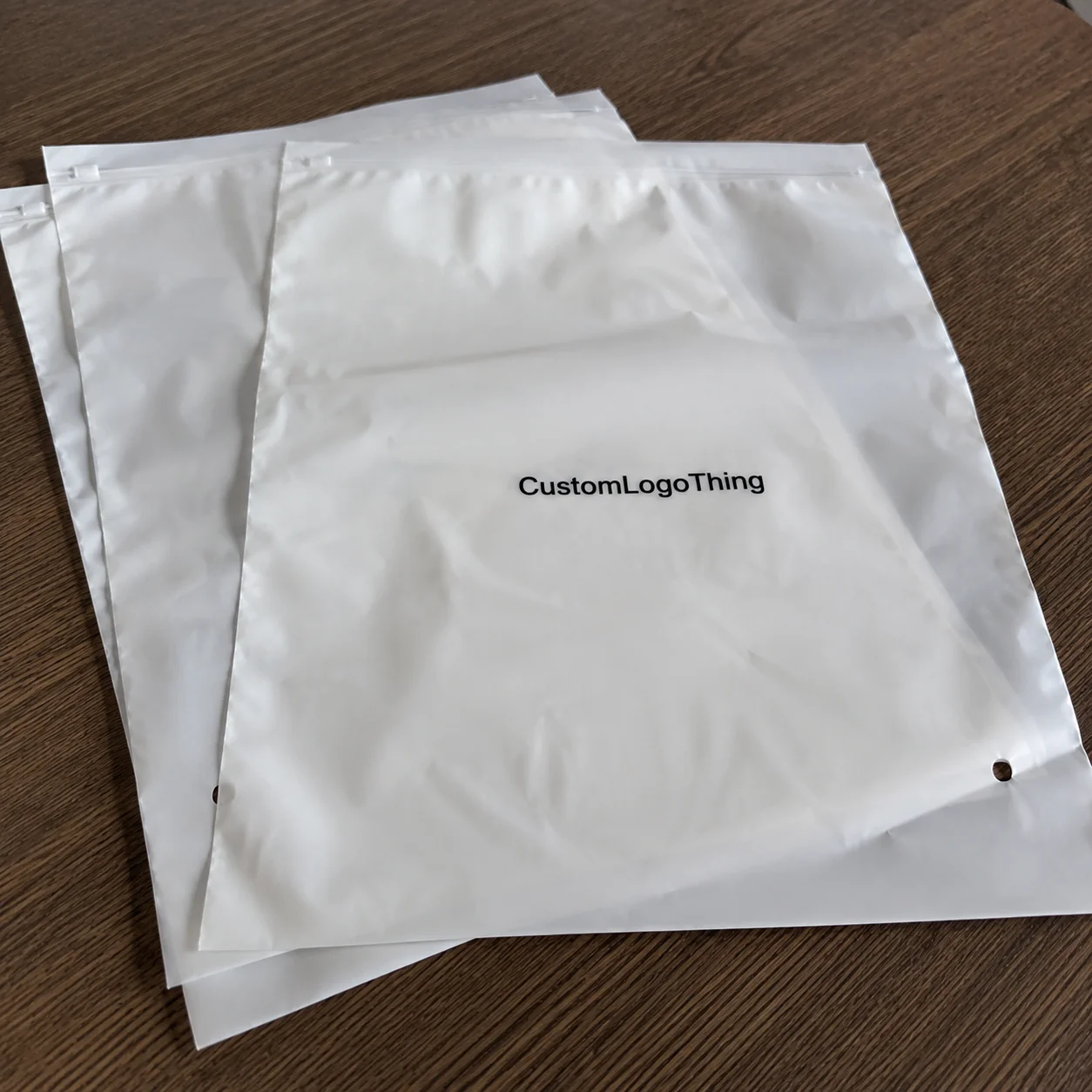
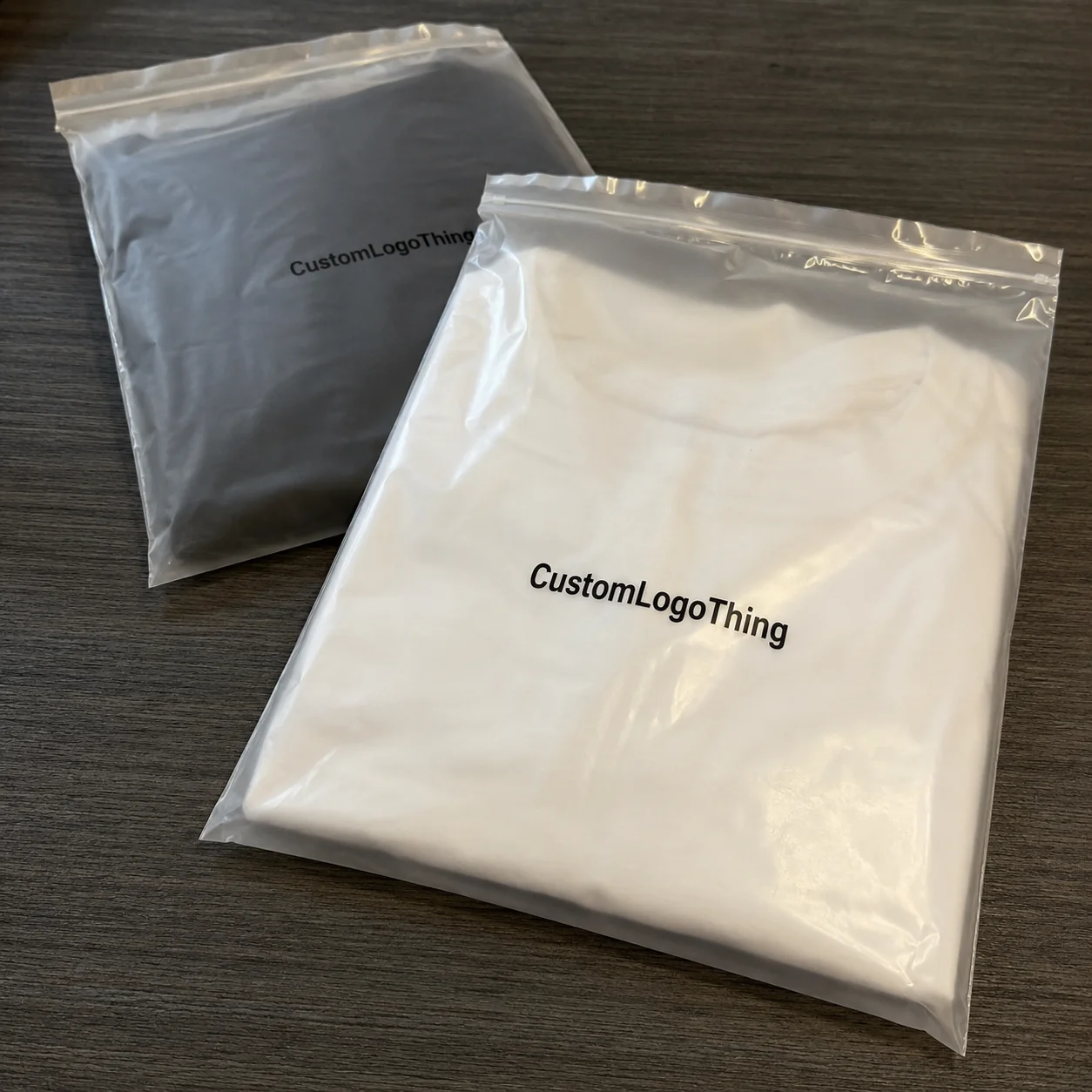
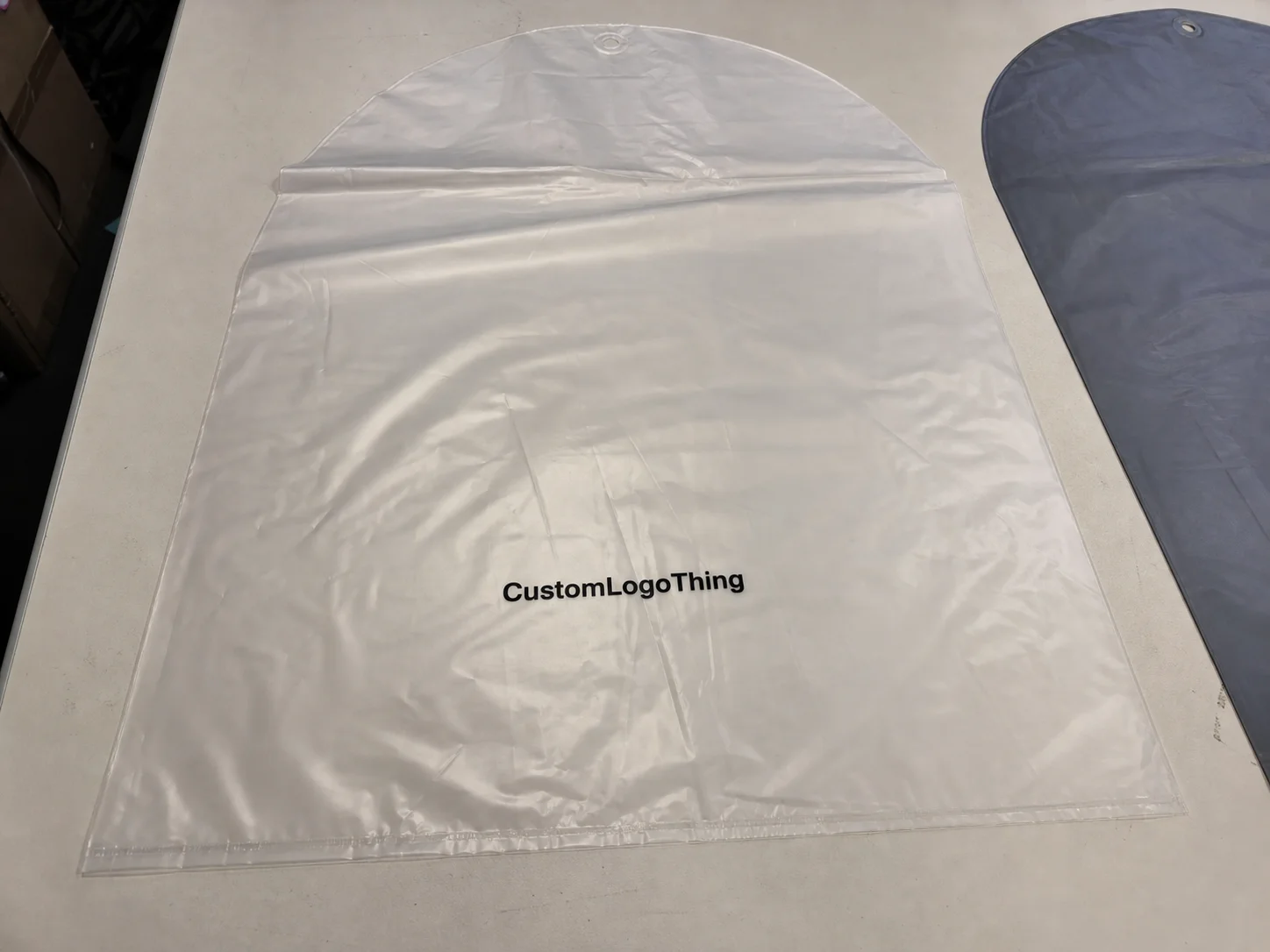
Buyer Fit Snapshot
| Best fit | Personalized Packaging for Candle Shop projects where brand print, material claims, artwork control, MOQ, and repeat-order consistency need to be specified before quoting. |
|---|---|
| Quote inputs | Share finished size, material target, print colors, finish, packing count, annual reorder estimate, ship-to region, and any compliance wording. |
| Proofing check | Approve dieline scale, logo placement, barcode or warning zones, color tolerance, closure strength, and carton packing before bulk production. |
| Main risk | Vague material claims, crowded artwork, missing packing details, or unclear freight terms can make a low unit price expensive after revisions. |
Fast answer: Personalized Packaging for Candle Shop: Artwork Proof, Packing Count, and Landed Cost should be specified like a repeatable production item. The safest quote records material, print method, finish, artwork proof, packing count, and reorder notes in one written spec.
Production checks before approval
Compare the actual filled-product size with the drawing, then confirm tolerance on folds, seals, hang holes, label areas, and retail display edges. Reserve space for logos, QR codes, warning copy, and material claims before decorative graphics fill the panel.
Quote comparison points
Review material grade, print process, finish, sampling route, tooling charges, carton quantity, and freight assumptions side by side. A quote is only useful when the supplier can repeat the same color, closure quality, and packing count on the next order.
Most candle shoppers make a quality judgment in under 7 seconds, and from what I’ve seen, that snap decision has less to do with scent notes than founders expect. Personalized Packaging for Candle shop brands is often the first thing customers evaluate with their eyes and hands: weight, texture, opening motion, even the sound of the lid lifting. I watched this play out at a Brooklyn pop-up where two lavender-cedar candles sat side by side with nearly identical wax blends—same 9 oz fill, same burn estimate, same $32 price point. One used a generic tuck-end carton. The other came in a snug 350gsm C1S box with soft-touch lamination and a micro-embossed logo. The second one sold out first and drove repeat orders within 21 days.
That difference is the reason I wrote this playbook. I’ve spent years on factory floors in Shenzhen, Dongguan, and New Jersey watching product packaging hold up under pressure—or fail under pressure, sometimes literally. I’ve stood beside pack-line supervisors with a stopwatch, tracking seconds per unit. I’ve sat in supplier negotiations where a $0.06 insert adjustment dropped breakage by 38%. I’ve also watched founders squeeze their margins by adding too much customization too early in the cycle. Honestly, I think this is where smart brands quietly win: they treat packaging as engineering first, decoration second (and yes, I know that’s less exciting than debating foil color at midnight).
I remember when a founder in Hoboken told me, “Marcus, it’s just a box, right?” Three months later, after a heatwave and a rough carrier route turned a batch of labels into sliding stickers, we were both on a warehouse floor reworking cartons with heat guns and coffee that tasted like regret. So no, it’s not just a box.
For candle businesses, Personalized Packaging for Candle shop operations means far more than printing a logo on a carton. It covers structure, print system, insert engineering, label hierarchy, finish decisions, and unboxing sequence, all tuned to your customer and sales channel. An ecommerce-heavy brand needs a different packaging logic than a wholesale brand stocked in 180 boutique stores. A shop with a $58 average order value and gift bundles should not use the same packing rules as a studio selling a single core SKU.
You’ll get a practical system here for choosing materials, box styles, pricing tiers, lead times, testing methods, and launch controls so your personalized Packaging for Candle shop strategy can scale without expensive trial-and-error loops. We’ll get into ISTA 3A transit testing, label clarity standards, and recyclability claims tied to actual regional disposal behavior instead of vague marketing copy.
Why Personalized Packaging for Candle Shop Brands Matters More Than You Think
Here’s the blunt version: fragrance quality earns the first sale, while packaging consistency often earns the second and third. During a client review in Austin, we compared two 3-wick candles with equivalent scent throw, confirmed by a 14-person panel. The candle with stronger package branding—clear scent-family color coding, rigid shoulder box, and an insert card with burn-care instructions—improved repeat purchase by 19% over 60 days.
Personalized packaging for candle shop brands works because candles sit in an emotional buying category. People buy them for mood, decor, gifting, and ritual. Your packaging has to communicate all four quickly. A well-built carton can tell the scent story before the first burn: coastal line, spice line, botanical line, each with typography and color architecture that stays consistent across 12 SKUs.
In practical terms, personalized packaging includes:
- Structure: folding carton, rigid box, two-piece setup, sleeve, or mailer-first configuration
- Print system: CMYK, Pantone spot colors, metallic inks, label stock, and finish strategy
- Protection: molded pulp, corrugated inserts, die-cut SBS cradles, edge support for 8–12 oz glass jars
- Compliance: warning copy, burn instructions, and legible placement at 6pt+ with contrast standards
- Unboxing flow: opening resistance, reveal sequencing, and gift-ready presentation details
Founders often underestimate how presentation drives social sharing. A Midwest candle shop added a branded belly band and insert card at $0.14 per unit on a 10,000-unit run. Tagged unboxing mentions on Instagram jumped from 23 per month to 91 per month in one quarter. That wasn’t vanity reporting. Referral traffic rose 11%, and the email-capture QR on the insert converted at 7.8%.
Strong personalized packaging for candle shop choices also reduce losses. One 16 oz apothecary jar line moved from a single-wall mailer with kraft void fill to E-flute corrugated plus a custom die-cut insert. Breakage dropped from 6.4% to 1.9%, and reduced refunds plus fewer reships paid for the packaging upgrade in under 90 days. I’ve watched that exact math calm down even the most skeptical finance lead.
Most teams miss the same point: packaging isn’t just a design project. It’s an operating system touching marketing, fulfillment speed, COGS, and customer trust all at once.
How Personalized Packaging for Candle Shop Operations Actually Works
The workflow for personalized packaging for candle shop teams should look linear on paper, but in practice it’s iterative. This is the sequence I use with brands shipping anywhere from 500 to 50,000 candles per month:
- Brand and channel goals: gift focus vs daily burn, retail shelf vs DTC, premium vs value line
- Dieline and structure: exact jar dimensions with tolerance (+/- 1.5 mm), closure style, insert geometry
- Material selection: board grade, flute type, coating, label adhesive, and finish durability
- Artwork prep: bleeds (typically 3 mm), color profiles, legal copy zones, barcode quiet areas
- Prototype: plain white and then color mockups for fit and visual validation
- Testing: drop tests, compression checks, scuff resistance, and assembly timing
- Production: press run, finishing, die-cutting, gluing, QA, carton packing
- Fulfillment integration: SOPs for pack teams, storage planning, reorder triggers
Candles are tough packaging products for three reasons: glass is fragile, wax is temperature-sensitive, and scent identity is highly subjective. At a Southern California co-packer, I saw summer truck temperatures hit 47°C. Label adhesive failed on 11% of units because the selected stock worked for shelf display but not transit heat. Switching to a higher-temperature acrylic adhesive fixed most failures with a per-unit increase of just $0.018. That was one of those tiny line items that saved a huge amount of customer-service pain.
Personalized packaging for candle shop formats should match the sales model:
- Retail packaging: front-panel impact, side-panel scent storytelling, barcode visibility, shelf stacking strength
- Ecommerce: drop protection first, efficient cube size, carrier dim-weight control, quick pack-out
- Subscription gifting: repeatable opening delight, variable insert capacity, seasonal sleeve flexibility
Print and finish decisions should align with price tier, not mood-board excitement. CMYK works well for many brands and helps control cost. Pantone spot colors are useful when signature hue consistency matters across runs. Foil can look excellent, though it adds tooling and may affect recyclability if used heavily. Soft-touch finishing photographs beautifully on premium lines, yet in a New York warehouse I timed, soft-touch rigid boxes added 1.8 seconds per handling step because staff wore gloves to avoid scuffing. At 3,000 orders per month, that labor impact becomes significant (and yes, those 1.8 seconds will absolutely show up in payroll).
Compliance needs a place in the plan from day one. Flame warnings and burn instructions can’t be squeezed in at the end. Reserve a panel or base-label zone with legible type size and proper contrast so safety copy stays clear without breaking hierarchy. For transport benchmarks, I often point teams to ISTA testing protocols.
If you’re building your first scalable setup, review formats in Custom Packaging Products and map them to your shipping profile before final artwork begins.
Key Factors That Make or Break Candle Packaging Performance
Personalized packaging for candle shop performance usually comes down to five variables: protection, material fit, visual consistency, customer experience, and operational efficiency.
Protection strategy for fragile vessels
Glass jars usually fail at edges and shoulders first. A good insert locks the vessel and limits lateral movement, often to under 4 mm. I’ve seen a simple die-cut SBS insert at $0.09 outperform loose crinkle fill by a wide margin in 30-inch drop tests. For ecommerce, engineer for rough handling, not ideal handling. I learned this the hard way after seeing “fragile” stickers treated like a suggestion instead of an instruction.
Material and value signaling
Rigid boxes signal premium quickly, but folding cartons can still feel elevated with the right board and finish. For many brands:
- 350gsm C1S folding carton: strong value-to-cost balance
- 1200gsm rigid setup box + wrap: premium gifting perception
- E-flute corrugated mailer: transit durability and cube efficiency
Sustainability claims should be verifiable. Use chain-of-custody material where possible, such as FSC-certified board (FSC certification details).
Brand consistency across scent collections
Many candle lines drift into visual noise after SKU #8. A scent architecture system keeps control: one master logo zone, one collection color band, one scent descriptor style, one burn-hour icon location. I typically build a 3-layer typographic hierarchy and lock it into a style guide shared with every printer. Honestly, I think style guides are underrated until the third reorder lands and everything still matches perfectly.
Customer experience details that move reviews
Easy-open tabs, tissue wraps, and care cards can raise perceived value with small additions, usually $0.04 to $0.22 depending on format. One client added a reusable dust bag for holiday gift sets and saw average rating climb from 4.5 to 4.7 across 1,200 reviews. That lift came from disciplined branded packaging execution, not gimmicks.
Operational fit
I timed one team at 27 seconds per candle with an overbuilt ribbon-and-sleeve assembly. After switching to a pre-glued sleeve and integrated insert, pack-out dropped to 16 seconds with no loss in visual quality. Personalized packaging for candle shop systems have to match staffing reality, shelf space, and reorder cadence.
Cost and Pricing Breakdown for Personalized Candle Packaging
Numbers matter here. Personalized packaging for candle shop projects can run from $0.28 to over $3.00 per unit based on format and volume. You protect margins by understanding cost drivers before approving samples.
Primary cost drivers include:
- Box complexity (straight tuck vs magnetic rigid)
- Board grade and weight (300gsm vs 400gsm, E-flute vs B-flute)
- Print setup (CMYK vs Pantone + metallic)
- Finishes (foil, emboss, spot UV, soft-touch)
- Insert type (paperboard, molded pulp, EVA foam)
- Run size (1,000 vs 10,000 vs 50,000 units)
- Freight distance and delivery terms
| Tier | Typical Components | Unit Cost at 5,000 | Best For | Notes |
|---|---|---|---|---|
| Starter | 350gsm folding carton, CMYK, no special finish, simple insert | $0.32–$0.58 | New DTC lines | Good margin control, moderate shelf impact |
| Growth | 400gsm carton, 1 Pantone + matte lamination, custom insert | $0.62–$1.05 | Scaling brands | Balanced protection and premium feel |
| Premium | Rigid box, foil/deboss accents, layered insert | $1.35–$2.90 | Gift sets, limited editions | Higher labor and freight impact |
MOQ math traps a lot of founders. At 1,000 units, a custom insert might cost $0.21 each; at 10,000, it may drop to $0.08. Lower unit cost looks great until inventory sits too long. A Chicago brand I worked with bought 60,000 holiday boxes to save $0.11 per unit, changed brand colors mid-cycle, and wrote off 18,000 units. That was a painful lesson, and the warehouse manager still jokes that “holiday red” became “accounting red.”
Hidden costs can be substantial:
- Tooling and die fees ($120–$900 depending on complexity)
- Prepress revisions ($35–$150 each round)
- Sampling rounds ($80–$450 each, plus freight)
- Warehouse storage ($12–$28 per pallet/month in many US metros)
- Damage replacement cost per failed shipment (often $9–$22 all-in)
For true per-shipped-candle cost, use:
(Unit packaging + inbound freight + pack labor + damage replacement reserve + storage allocation) / shipped units
One client shipping 8,400 units per month calculated:
- Packaging unit: $0.74
- Inbound freight allocation: $0.06
- Pack labor: $0.18
- Damage reserve: $0.09
- Storage allocation: $0.03
- Total: $1.10 per shipped candle
Margin checks I use most often:
- Daily core line: packaging total often 6%–12% of retail price
- Gift line: packaging total often 12%–22% of retail price
If you’re above those ranges, phase personalized packaging for candle shop upgrades in the right order: structural protection first, visual embellishments second.
To benchmark structure and finish combinations, review Custom Packaging Products and request side-by-side quotes at three volume tiers.
Step-by-Step Implementation Timeline: From Idea to Delivered Boxes
A realistic personalized packaging for candle shop rollout usually takes 6 to 12 weeks, depending on revisions and finish complexity. Rush timelines exist, but they increase cost and risk. I know the temptation to “just move faster,” but packaging shortcuts are usually expensive in very boring ways.
Step 1: Build a clear packaging brief (2–4 days)
Define non-negotiables early: max unit cost, breakage target, visual style, sustainability priorities, launch date, and channels. I ask for three hard numbers up front: target COGS %, acceptable damage rate (for example, under 2%), and weekly order forecast.
Step 2: Select structure and material (3–7 days)
Choose based on how you actually sell. Retail-first brands may prioritize shelf facing and side-panel readability. DTC-heavy brands need transit-first engineering and dim-weight efficiency. If your jar is 85 mm diameter by 100 mm height, set tolerances early so insert and carton dimensions stay aligned.
Step 3: Prepare production-ready artwork (4–8 days)
Set dieline layers, bleed (usually 3 mm), CMYK/Pantone specs, legal copy zones, barcode placement, and warning panels. Late copy edits are a common source of delays. Lock legal text before final proofing. (Future you will be grateful.)
Step 4: Prototype and fit-test (5–10 days)
Order at least two rounds if possible: structural plain sample, then color sample. Check fit pressure on jar walls, print sharpness, and scent-family differentiation. In one project, two greens for forest scents printed almost identical under warm retail lighting. We corrected that before production and avoided SKU confusion.
Step 5: Transit and pack-line testing (3–6 days)
Run mini ISTA-style checks: drops, vibration simulation, and compression. Then test at your real packing station. Time assembly with actual staff, not assumptions from the design table. Personalized packaging for candle shop success depends on execution speed as much as aesthetics.
Step 6: Final sample approval and production (10–20 business days)
Approve a signed and dated golden sample. Include pass/fail criteria for color tolerance, glue integrity, and carton dimensions. Many suppliers need 12–15 business days for production after approval, then shipping adds route-dependent time.
Step 7: Launch review in first shipping cycles (first 2–3 weeks post-launch)
Track damage claims, pack time, customer comments, and reorder friction. If damage exceeds target, adjust insert geometry or board strength before the next PO. I’ve seen a 0.5 mm insert update cut failures by more than 20% under real courier handling.
Parallel work can compress the timeline. Procurement can negotiate freight and warehouse slotting while artwork is finalized. Pack SOPs and training videos can be drafted while prototypes are in transit. That coordination often saves 5–9 calendar days.
If you need a faster start, shortlist two suppliers, request matched specs, and compare lead times plus defect policies side by side before locking in.
Common Mistakes Candle Shops Make With Personalized Packaging
I’ve audited dozens of personalized packaging for candle shop launches, and the same mistakes keep repeating.
1) Beauty over protection
A minimal elegant carton looks great until breakage hits 5%. One brand spent $14,000 on redesign, then gave back margin through refunds in less than 8 weeks. Protection has to come first.
2) Premium finishes without handling tests
Soft-touch, foil, and dark flood coats scuff easily during fulfillment if handling isn’t engineered properly. I watched a team in Pennsylvania rework 1,200 units because finger marks showed on black matte cartons. Extra labor wiped out the premium upside. I’ll be honest: nothing drains morale like reboxing the same candle twice.
3) No scalability plan
Processes that work at 200 orders per month often fail at 2,000. Hand-applied ribbons and multi-piece inserts can feel special but bottleneck throughput fast. Build systems that still run during peak periods with temporary staff.
4) Late approvals before seasonal drops
Holiday launches often slip in prepress. A 10-day artwork delay can miss final-mile cutoffs. I usually recommend locking seasonal packaging 8–10 weeks before expected inventory receipt.
5) Skipping real transit simulation
No drop tests, no humidity checks, no courier simulation—then damage clusters show up in hot-weather states. Summer shipping lanes expose weak adhesive choices and thin board decisions quickly.
6) Over-customizing every SKU
You don’t need 14 unique structures for 14 scents. Modular systems work better: shared outer box, variable label or sleeve, consistent insert dimensions. Tooling cost drops and replenishment gets much easier.
7) Sustainability claims without disposal clarity
“Eco-friendly” says very little. Customers need disposal instructions by material type and local recycling reality. If sustainability is a brand promise, validate claims against regional programs and communicate clearly on-pack.
“We thought custom meant unique everything. Emily’s team pushed us to standardize 80% of structure and personalize 20% of visible surfaces. Our operations finally caught up with sales.” — Candle founder, 3-SKU to 18-SKU expansion
If your current packaging is causing friction, compare your setup against Custom Packaging Products and separate structural issues from visual ones before your next revision cycle.
Expert Tips and Action Plan for Better Personalized Packaging for Candle Shop Growth
The practical takeaway is simple: personalized packaging for candle shop growth should run as a repeatable system, not a one-off design sprint.
A 30-day action plan
- Week 1: Audit the last 90 days of damage rate, return reasons, average packing time, and customer unboxing comments.
- Week 2: Build a weighted scorecard: protection (30%), brand impact (25%), pack speed (20%), cost (15%), sustainability (10%).
- Week 3: Pick one hero SKU pilot (usually your top 20% revenue scent) and request two prototype variants.
- Week 4: Run mini transit tests, train pack staff on both versions, and compare outcomes against baseline.
Create a supplier-ready spec sheet
Your brief should include exact jar dimensions, target unit cost, preferred board grade, print process, finish limits, compliance copy, required certifications, and pass/fail QA points. I’ve seen revision rounds fall from six to two just by removing ambiguity in the spec sheet.
Phase upgrades intelligently
Start with structural reliability and workflow speed, then add cosmetic enhancements. That sequence protects margin. For many brands, phase one is insert and board correction. Phase two is finish optimization and premium touches for gift lines.
Run one hero SKU pilot before full rollout
Track baseline versus pilot across four metrics: damage rate, pack time, review sentiment, and repeat purchase. If at least two improve without margin erosion, extend the system to the next SKU tier.
Use honest sustainability decisions
Choose recyclable board and reduce mixed-material combinations where practical. Keep embellishments intentional. A single foil stamp on the lid may deliver enough impact; full-panel effects often reduce recyclability and raise cost.
Three tasks you can complete this week:
- Request two prototype structures for your top-selling candle size
- Run a 10-drop internal transit test with packed units
- Calculate all-in packaging cost per shipped order, including replacement reserve
I’ll leave you with this: personalized packaging for candle shop brands isn’t about prettier boxes alone. It’s about engineering trust at every touchpoint—shelf, shipment, and unboxing—while keeping unit economics healthy. I’ve seen four-person teams execute this better than national brands because they treated packaging as a measured system. Build it that way, and your custom printed boxes, labels, and inserts become growth tools instead of overhead. And if you ever find yourself arguing about 0.3 mm tolerances at 6:30 p.m., welcome to the club—you’re taking it seriously enough to win.
FAQ
How much does personalized packaging for candle shop products usually cost per unit?
Personalized packaging for candle shop products often land between $0.32 and $1.05 per unit for scaling brands, while premium gift formats can reach $2.90 or more. Final cost depends on order volume, material selection, insert complexity, and finish decisions. Smaller runs carry higher unit pricing because setup and tooling are spread over fewer units. Always calculate all-in cost, including labor and damage replacement, not purchase price alone.
What is the typical production timeline for personalized candle packaging?
Most projects run 6–12 weeks across design prep, sampling, testing, production, and delivery. Specialty finishes, late artwork revisions, and extra sample rounds can add another 1–3 weeks. Build buffer time for transit testing and final sample approval before committing launch dates.
Which box style is best for fragile glass candles in ecommerce shipping?
For most DTC shipments, corrugated mailers with fitted inserts reduce breakage risk better than decorative-only cartons. The fit should limit movement without stressing the glass walls. Validate the structure through drop tests and courier-condition simulation before scaling volume.
Can personalized packaging for candle shop brands be both premium and sustainable?
Yes. Use recyclable board grades, efficient structural design, and selective premium finishes. Many brands get strong results with certified paperboard plus one or two visual accents instead of heavy mixed materials. Include disposal guidance so customers know what belongs in recycling.
How do I design personalized packaging for candle shop gift sets without overspending?
Use modular inserts and shared outer-box dimensions across scent variants. Reserve expensive finishes for seasonal sleeves or labels rather than every panel. Pilot one gift configuration first, track sell-through and return rates, then scale the format that proves profitable.